C h a z z W r i t e s . c o m

See all my books at AllThatChazz.com.

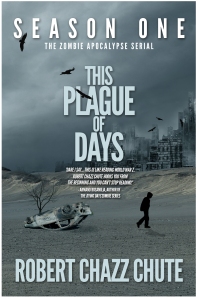
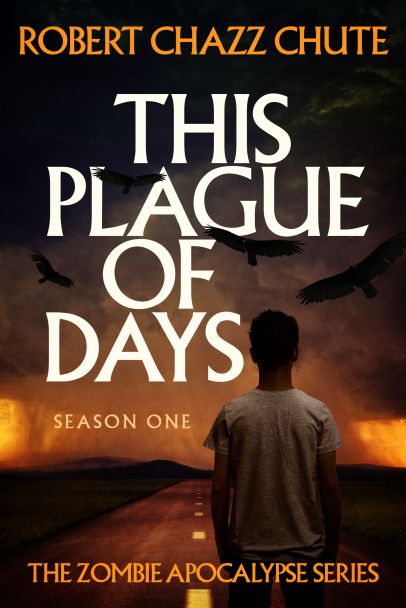
This Plague of Days: Season One arrives in paperback! (Plus stuff for you)

Special thanks to Kit Foster of KitFosterDesign.com for his kick-ass cover skills! 

If you’re looking to get a cover, I always recommend Kit! Plus, he’s Scottish!

Have a look at the beauty below (i.e. buy it) and be sure to check out his portfolio.

Pageflex Persona [document: PRS0000039_00004]

This Plague of Days, Season One teaches Latin proverbs and brings you into the mind of a very unlikely hero on the autistic spectrum. Zombies attack and royal Corgis are in big trouble. Maybe the Queen, too. (That’s my motto: Give the people what they want.)

This book makes a great Halloween gift, Christmas present or something to scare the bejeebers out of friends, family and enemies. If you’ve been waiting for the paperback, here you go. Working on getting Season Two out in print next. 

Serialization pros and cons

Not into my books but want more about publishing in savvy ways?

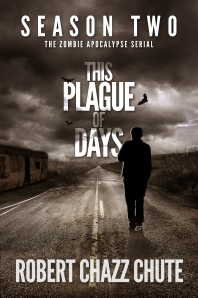
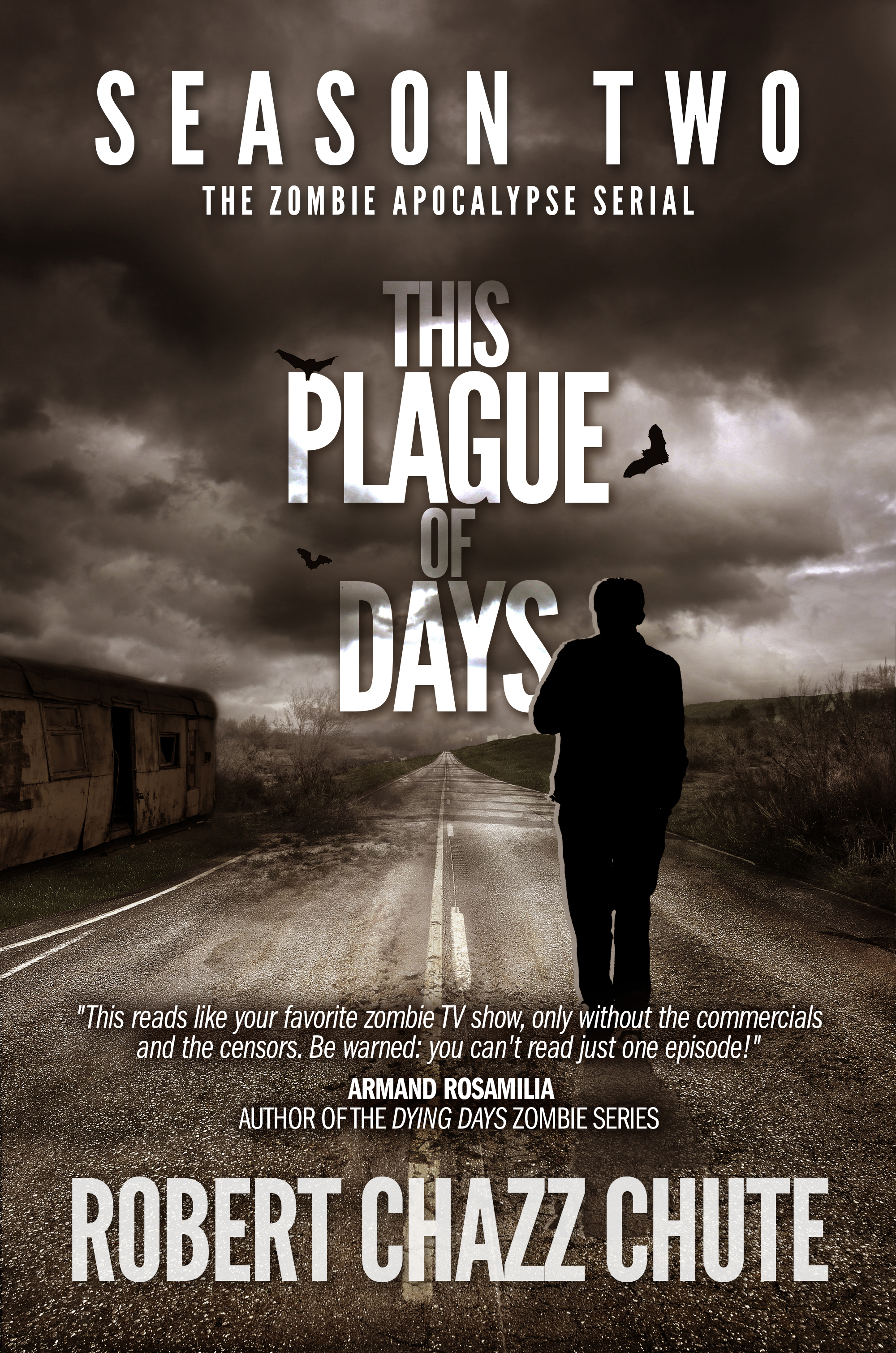
Season 2 is the quest. Expect big trouble in Ireland and Iceland because I think countries beginning with I are narcissistic and need to be taken down a peg or two by bloodthirsty zombies.

Season 2 is the quest. Expect big trouble in Ireland and Iceland because I think countries beginning with I are narcissistic and need to be taken down a peg or two by bloodthirsty zombies.

Okay, if you came for the pithy stuff about the downside of serialization and why I collapsed to the haters and won’t serialize Season Three of This Plague of Days, you’ll want to check out this post: 

Why I won’t do this again

The contest that challenges you to find a secret hidden in plain sight

Yes, there’s also an intriguing contest going on and your immortality is at stake.

Find the secret, win a life everlasting in book and audio form.

I love a mystery wrapped in an enigma concealed in a burrito, don’t you?

~ Robert Chazz Chute is…writing in the third person again. Get your NaNoWriMo inspiration and hope for the publishing future by reading Crack the Indie Author Code in paperback and ebook. Just kidding about the Ireland being narcissistic thing. You know I love the land of my ancestors. But Iceland? Well, you’re on notice for realsies, Icepops!

Filed under: Amazon, Publicity & Promotion, publishing, self-publishing, This Plague of Days, , , , , , , , , , , , , , , , , , , , , , , , , , , , , ,

Top 10 How to be happy (oddly, this will infuriate people it’s meant to help)

This is probably the sort of topic where, if you get it, you don’t need it. If you don’t see it, you probably never will. (Then why blog about it? Because I don’t see any windmills! Now gimme that lance! Let’s go tilting!)

Change can happen though.

A bureaucracy, that shall remain nameless, gave off a lot of bad hoodoo. They’re infamous for holding the people they serve in contempt. The way they related to people led, in part, to the installation of bulletproof glass in their place of business. (I’m not kidding.)

Recently, they responded to the wails from those who paid their salaries. The video they sent out stopped short of an apology, but they did acknowledge they needed to set a new tone. They promised to work on changing their corporate culture.

I was one of their most strident critics. If they’re sincere, I’m surprised how willing I am to forgive and forget. The changes I see so far are free and subtle. I dealt with them again recently and a few pleases and thank yous was all it took to ease my wariness. It seemed, in the span of a few short paragraphs, that they weren’t trying to make me feel like a dirtbag. Refreshing.

Which brings us to blogging and relating to people.

I’ve found myself skipping past the blog titles that say, “Here are X number of reasons your blog sucks.” Maybe there’s good information in there, but I’m an author with an Irish family on one flank and teenagers closing in on the other. I’ve got enough negativity in my life. I already have a dim view of the world and I enjoy it in fiction. Less so, when someone harangues me.

I attended a webinar that made me sad.

The guy was knowledgeable, but the way he communicates needs to soften. The louder he talked, the less we heard. He then confessed that a big business opportunity fell through because of “conflicting styles and interpersonal stuff.”

I think I know the problem. It was the abrasive guy. “Go-getter” and “jerk” don’t have to be synonymous. The adage is not that you get more flies with corpses.

Which brings us to Kit Foster of KitFosterDesign.com.

My friend, supporter and sounding board, Kit’s a graphic artist who is a great resource for any publisher. He works with all of us, big and small. But that’s the least of why you should do business with him.

He knew I was feeling down the other day. He took the time to write a kind note that hit me at just the right time. Clearly, if you’re an author or publisher, this is the sort of person with whom you want to work. He does great work and his portfolio is impressive. You’ll get great covers and he’s not done until you’re happy. Work with Kit Foster and you’ll sell more books.

But many people can deliver book covers at a reasonable price, right?

Sure, I guess. But how many will bother to send you an email that makes you feel better when you’re down?

For a lot of people, anytime they see you’re down is when they start kicking.

How can we make more people like Kit?

1. Go back in time and get nicer parents, smoke helpful medicines or be Scottish, I suppose. I’m not sure what makes Kit the way he is.

2. Some medical schools use actors to teach doctors what compassion looks like so they can fake it. I don’t know if that sticks. I’ve often said the only thing I learned from Survivor was that jerks and psychotics can’t fake being nice for a month, even for a million dollars.

3. We can practice random acts of kindness and see if that elevates our mood. Happier people are nicer people. This doesn’t apply to people who get happy for the wrong reasons. If you’re one of those psychos, seek professional help before the rest of us rise up and throttle you.

4. We can practice gratitude (I guess I’m doing that now.) It sounds kind of hippie, but there’s science that shows the more thankful you are for what you already have, the happier you will be.

5. If you can’t manage these suggestions, professional scuba diving limits your ability to damage the rest of us, so take one for the team and go scream at fish. 

6. Use Kit’s services at KitFosterDesign.com. Maybe exposure helps by osmosis.

7. If you’re angry at somebody, make sure you know why you’re really angry.

Here’s how you’ll know you’re angry or sad about something else besides the target of your ire: You should have a range of emotional responses. If you review a book with the same level of vitriol that should be reserved for skinning live puppies? You’re Monty Burns and you have a problem, no matter how catchy the tune you sing about making fur coats.


8. If you’re already happy, spread it like fertilizer. Maybe it will grow. A bookstore employee told me she didn’t aim for happy. She aimed for contentment. Ironically, that suggestion made me happier.

9. Exercise. Meds to treat depression and disorder. Talk therapy. Total gene and personality transplant or personal tragedy that leads to an unlikely transformation. I don’t recommend leaving the problem so long that the solution is that last option.

10. Take Joe Rogan’s suggestion and pretend a documentary film crew is following you around, recording the lost time, outbursts and ill temper. Do that for one day and you might decide it’s time to change all your other days.

When you look up to find you’re surrounded by happy, creative, productive people and you don’t resent them for it?

You’ll know then you’re on the right track.

~ I’m Robert Chazz Chute. I am not happy all the time. I am working on improvement. Check out my books and podcasts at AllThatChazz.com.

Filed under: author platform, getting it done, publishing, , , , , , , , , , , , , , , , ,

FAQs: How to write books agents will hate (but readers might love)

My luckless hit man is a funny guy in big trouble.

My luckless hit man is a funny guy in big trouble.

Yesterday I told you how a well-meaning friend with experience in traditional publishing gave me advice I thought was askew. As we struggle to gain traction in the marketplace, we get a lot of well-meaning advice we can’t take. (You’ve probably read that sort of advice here from me.) My friend’s other foray at saving me from myself was to tell me to court agents. “With World War Z, zombies are big this summer! Find horror agents and get traditionally published!” he said.

It’s not that it’s necessarily bad advice. However, it’s bad advice for me. Here’s a list of the things I do in my books that repel agents like fried bat armpits at the wedding feast:

1. Bigger Than Jesus and Higher Than Jesus is written in second person, present tense. Unconventional scares agents away. They’re trying to make money after all. I don’t blame them, but I’m in the Art and Brain Tickle business first. I have this crazy notion that being me will lead to making money. Eventually.

2. The assassin/anti-hero in the Hit Man Series is neurotic and afraid of women. (Name another hardboiled gunner who has that problem. Take your time. I’ll wait.)

3. My hit man suffered childhood sexual abuse. He’s also hilarious. Those elements rarely sit side by side comfortably.

4. Hardboiled isn’t selling hard right now. Or is it humor? Or is it action adventure? Easily classifiable is really important to a lot of people who aren’t me.

5. The titles may offend some Christians, especially since it’s crime fiction with a lot of swearing.

6. The titles are confusing until you understand that the assassin, Jesus Diaz, is Cuban and it’s pronounced “HAY-SOOSE”. In fairness, agents and publishers should be repelled by these titles. It wasn’t the best strategy because any title that requires explanation sucks. After two books, I’m committed and in love. I also have a plan around this problem after the next novel in the series is published early next year.

7. In my zombie series, This Plague of Days, the zombies aren’t “true” and “traditional”. It begins with a flu pandemic. You get to see how society gets to dystopian before the action kicks into ever higher gear. The slow burn requires more buy-in from sophisticated readers. Underestimating readers’ intelligence is an easier bet.

Season One has five episodes. Get each one for 99 cents or get all of Season One at a discount for $3.99.

Season One has five episodes. Get each one for 99 cents or get all of Season One at a discount for $3.99.

8. This Plague of Days has an autistic hero who rarely speaks and whose special interest is dictionaries and Latin phrases. Sounds like sales suicide when I put it like that, huh? That sort of gamble can pay off in a book. It’s death in the tough sell of a query letter.

9. The table of contents is a long, dark poem embedded with clues to the bigger story. Reread that and tell me I’m not silly. I know it.

10. Who will serialize a book unless I do it with my imprint? (Amazon Serials didn’t bite but readers are buying in.) Besides hooking up with Kit Foster of KitFosterDesign.com for his awesome covers, serialization has been my best sales strategy yet. This Plague of Days is a sprawling story tracking action over two continents with a big cast of characters. (At times you may wonder, is Chazz British or American? Split the difference. I’m Canadian.) It was too long to publish as just one book and the serialization model fit best.

When you look at that list, which idea comes across stronger? A or B?

A. All agents are evil, lazy and lack imagination.

B. I am determined to fail.

It pains me to say that all agents are not evil. I’ll save further discussion of agents for my next post.

For more on the why of this post, the writer’s character and how this relates to Joyland by Stephen King

click here for my latest post on ThisPlagueOfDays.com:

Writing Against the Grain: B Movies, A Treatments and the Deceptive Familiar


Filed under: agents, book marketing, Publicity & Promotion, publishing, self-publishing, , , , , , , , , , , , , , , , , ,

Ebooks: What makes a great cover? What makes a bad one?

Click it to grab it. Just 99 cents!

Click it to grab it. Just 99 cents!

It’s very instructive to read the analysis of what makes covers better or worse. What makes a great ebook cover? It’s often easier to learn what makes a poor one. Art is subjective. We often don’t know what components go into making art “good”. We just know what we like. However, there are graphic designers who, with skill and experience, inject more objective analysis into art than we ordinary mortals. Joel Friedlander, at The Book Designer, is one of those magicians who can break down why a cover works, or, at the very least, he knows why it doesn’t work.

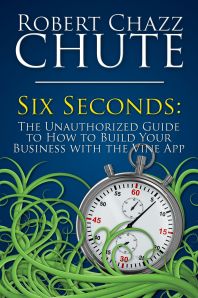
 This week, Six Seconds won February’s ebook cover design award on Joel’s website. Check it out, but have a look at all the books. Once you see the covers through Mr. Friedlander’s eyes, you’ll begin to reevaluate all the covers you see. You’ll look for what’s missing as well as what design elements hit the mark.

Kit Foster: The Dude Came Through

My graphic designer is Kit Foster of KitFosterDesign.com and he gets all the credit for the win. Sometimes we have long discussions about what the covers of my books should look like. For instance, our back and forth over Higher Than Jesus was exhaustive.

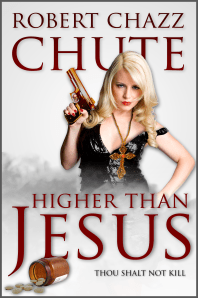
For Six Seconds, I was in a hurry to get the instant guide out because it’s the first book about the Vine app. All I told Kit was: “Gimme a stopwatch wrapped in vines, please. Here’s the title. Do your thing and I won’t ask for any tweaks, I swear to God.” Kit’s solid and, as usual, he delivered excellent art. (He also won for his cover of Higher Than Jesus in the hardboiled mystery category of the Venture Galleries Award recently.) 

Cool guy talk

Higher than Jesus Final NEW copyI’ve plugged Kit plenty over time because I think authors need him and skilled designers like him. If you’re still shy, then you’ll love to eavesdrop on a conversation I had with Kit recently. I just interviewed Kit on the Cool People Podcast. You’ll find him sweet, friendly and Scottish. We talk a little about a lot of things: bad drugs, bad drug laws, good drugs, Breaking Bad, what inspires us and, of course, what goes into making a book cover work or fail. 

Step 1. Have a listen to the Cool People Podcast. (Subscribe, donate, apply to be a guest @rchazzchute on Twitter, do jumping jacks etc.,…) Enjoy.Cool+People+Podcast+Final

Step 2. Go to KitFosterDesign.com and start up your conversation with Kit about your next book cover.

 ~ If you like the Cool People Podcast, you may also enjoy my other podcast, All That Chazz, wherein I monologue, do readings from my crime novels and goof around. Find those podcasts and links to all books by Robert Chazz Chute at AllThatChazz.com. For  highlights from all my various feeds and content, check out my Rebelmouse page here.

Filed under: awards, book marketing, Books, podcasts, publishing, What about you?, , , , , , , , , , , , , , , , , , ,

Writing and Production Schedules: What it looks like

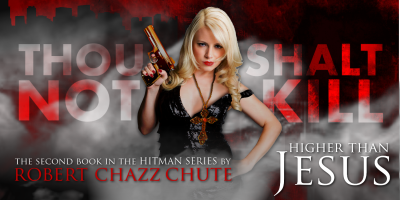
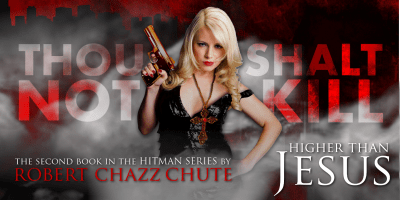
Dark Higher Than Jesus banner adThis week…

1. I’m writing a non-fiction, instant ebook. It won’t be more than 10,000 words. I had 5,500 the first day and I’m finalizing it now. The turnaround time in total will be one week. Why? Because I found a topic I’m excited about. People will benefit from knowing more about the subject and use it to expand their businesses. One more day of research and writing and another bit of interviewing should do it. More on this soon. It’s also fun, and how rare is that?

2. I still have two books of fiction in production. One is the next Hit Man novel and the other is a massive post-apocalyptic tome. Two to three thousand words a day on these has to happen to make my plans move forward according to schedule.

3. With the help of my friend, Dave Jackson from the School of Podcasting, a new website for a new podcast is born. Details to follow once the website is prettier and filled out and curvy in the right places. This is just the beginning, though I think we’ll have a few podcasts up soon.

This will be an interview show, unedited and bouncy. I’ll talk to cool people for about half an hour about their businesses, their books and their lives. Think of the coolest person you know. Email me their contact information at expartepress@gmail.com. They could be a future guest.

4. Coordinate with my graphic designer, Kit Foster of KitFosterDesign.com for podcast and cover art. Don’t have to budget much time for this. Kit knows what he’s doing without me sticking my big nose in.

5. I’ll also have to get a new blog theme going and generate content for the new website. I’ve explored different options for a recorder for Skype interviews. Fortunately, Dave saved me some money by suggesting Call Recorder for that job. I recommend Hover for your website registration needs. They’re easy to deal with and there is no hard up sell of services you don’t need.

6. Record the original podcast, All That Chazz in a few days. Yes, All That Chazz will continue. These next nine months in particular are going to be a little more furious than usual. We’ll see what’s born at the end of that gestation period, literature-wise. 

This week it’s another reading from Higher Than Jesus and I really don’t know what else yet. When I put my mind to it, something will come. Something always does come along. I hope it’s funny in the right spots for the right reasons when it arrives.

7. I’m going to resist an exhaustive listing of the rest of my to-do list because it’s mostly the mundane stuff everybody has to do. Sometimes I do actually write “floss” (so I will floss) and “brush teeth” because it feels great to cross an item of that damned list so easily.

When I get tired, I dip into Cormac McCarthy’s No Country for Old Men and remember what really great writing feels like. It spurs me forward. 

I’ll get it all done. C’mon. Write your way to happiness with me.


Filed under: author platform, blogs & blogging, getting it done, , , , , , , , , , , , ,

#NaNoWriMo: Tools to get you back on track & stay inspired

Right about now, if you’re doing National Novel Writing Month, you’re feeling a little tired and you have two complaints: Where do I take my story from here and how can I better manage my time to meet my writing goals?

I can help. First, here’s a link to my guest post on Masquerade Crew today. This excerpt from my book, Crack the Indie Author Code, is an easy, fun and  genuinely intuitive exercise that will turbocharge your NaNoWriMo efforts and make your manuscript fresh. I call the strategy my Trio approach to story creation. You’ll love it and your readers will, too.

And now your free time management tool: The SlimTimer. I found it through The Nerdist Way by Chris Hardwick. (With all those Star Wars jokes and references in my books, you must have guessed my nerd secret, huh?) This tool will help you track your activities and find time. Only what is measured can be improved. Measure your day with this timer.  Then make time you didn’t know you had, get back on track and stay on track.

Crack the Indie Author Code is Book One. Write Your Book: Aspire to Inspire is Book Two in my series on writing and publishing. For fresh inspiration, I offer this uber cool image to motivate you to persist with writing your book so you, too, can have a cool ad like this!

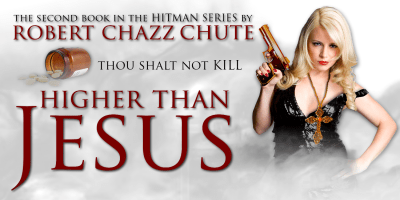
Click the image to get Higher Than Jesus

Often when we think of graphic designers, we only think about book covers. Kit Foster from KitFosterDesign.com sent me this ad this morning. I’m using the white variation above in the Orangeberry book tour. Pretty cool, huh? Kit is not only an author and the sponsor of the All That Chazz podcast, he’s also an amazing designer. He does book covers, web banners, Quote Art and much more. If you have a podcast, you need art. If you need an ad, check out Kit’s portfolio and go get help. Great images grab eyeballs.

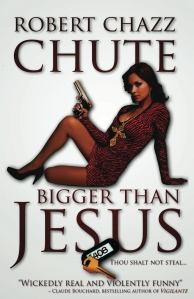
Graphic designers can do more than just book covers. Kit is a great consultant. For instance, it was he who suggested that I add a tag line to my covers using the ten commandments to reflect some aspect of the plots through the series. In Bigger Than Jesus, it was “Thou shalt not steal.” In Higher Than Jesus, it’s “Thou shalt not kill.” In the next book, Hollywood Jesus, it’s “Thou shalt not covet.” That tweak added a lot to the look and tone I wanted to achieve. Tweak your covers. Don’t let them lie there, weak and ugly.

I’m so excited about how my books are turning out (which explains how linktastic I am today), I want you to be excited about your books, too. Go write one.

Filed under: publishing, , , , , , , , , , , , , , , , , , , , , , , , , , , , , ,

Innovative ways graphic design can help sell books (and not just with hot book covers)

My recent post on using Quote Art to promote books got a lot of positive attention. Authors are combing their

Click Lily to grab the paperback or the ebook, Bigger Than Jesus. Thanks!

books for catchy quotes that sum up their characters to hook new readers with striking images. In a tough economy and a cynical marketing environment, we need to look as fresh and professional as possible. Quote Art grabs eyeballs. But the right graphic designer can do even more to help you sell more books.

What I hadn’t given a lot of thought to until recently is how much better my blog would look with a new header. That helps my professional image, too. When blogs among strangers begin to look too much alike, it’s time to make your theme more personal and unique. Enter Kit Foster again, the genius graphic designer behind Quote Art and, incidentally, the guy who creates all my covers.

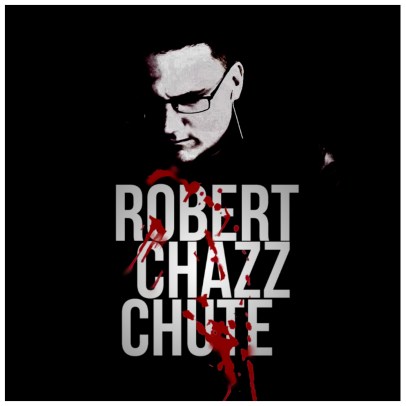
Take another look up top at my new header for this blog. I liked it so much, I added it to my new Tumblr, as well. Kit can create a catchy, shiny cool header for you, too. He put together this author bio photo for me first. It reminded me of the movie poster for The Godfather for some reason, and one look says I write suspense. I use this image for my author pic on Amazon, my podcast and on my business cards. Now my promotional material is more consistent so, thanks to Kit, I’m building a brand image. (Please excuse the marketing jargon, but it exists because it works.) 

Design has to have a look and feel that represents your book. It can represent you, too. As soon as my next book’s cover is complete, I’ll ask Kit will create another header for AllThatChazz.com so more of my covers will be on display across the top of my author page.

Spruce up your promotional materials, website graphics and even your author pic in new ways to please potential readers. Check out KitFosterDesign.com and see what Kit can do for you (besides making awesome covers, though he can do that, too.) He’s helped me immensely at incredibly reasonable prices. If you still aren’t sure you’re ready to make the jump, check out how easy Kit is to work with in this post about How to talk with your graphic designer about your book cover.  

Filed under: publishing, , , , , , , , , , , , , , , , , ,

Quote Art: A new way to promote your books

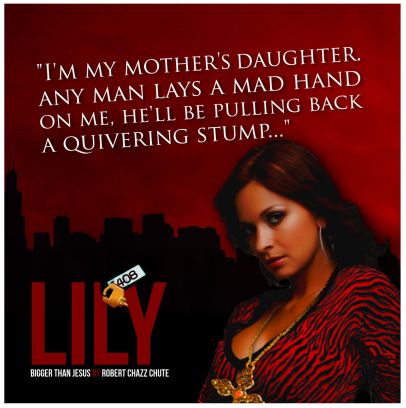
This is not a book cover. It’s Quote Art for my suspense novel, Bigger Than Jesus. The quote is pulled from the book. The art is by Kit Foster of KitFosterDesign.com.

Jesus Diaz is my luckless Cuban hit man in the first of the Hit Man Series: Bigger Than Jesus. (It’s pronounced “Hay-soose”.) Follow his exploits as he tries to escape New York’s Spanish mob with a fortune in stolen mafia money and the lovely Lily Vasquez.

Great book covers sell books. Now picture a quote pulled from your book with another compelling, related image. See it on Facebook, as a Twitpic, on your author site or as a poster at your next book signing. Quote Art is a different way to promote your books to new audiences. It’s a clue about your characters and another chance to intrigue potential readers. Why try to grab them with just one image when you can hold their attention with more using a new, integrated and savvy marketing tool?

Click it to grab the paperback or the ebook. Thanks!

Kit is my graphic designer. If you’re a regular reader, you know I’ve already sung his praises. Now I’m complimenting him for his innovation in doing something a little different to help me spread the word about my books. Thanks again, Kit!

To find out more about his book cover designs and to see samples of his art,

go to KitFosterDesign.com.

Want another marketing tool to build buzz?

I need a couple more volunteers for my Next Big Thing Blog Hop post. If you have a work in progress you want to build some buzz about, I have two more spots available for this event. All you have to do is answer ten quick questions about your WIP and post them on your blog a week from Wednesday. You link back to me and I link to you and the word spreads farther. Volunteer at expartepress@gmail.com and I’ll send you an email with the blog hop specs.

I’m doing another blog hop in the near future, so watch this space.

Filed under: publishing, , , , , , , , , , , , , , , , ,

Book cover troubles and solutions

Too many books won’t be read, and not because they aren’t great. They don’t look good enough for a second glance. There are graphic design solutions. I just fired off an email to my solution, author and cover designer Kit Foster of KitFosterDesign.com. He sent me some samples of ideas for the cover of my upcoming plague thriller. One image was particularly strong and we’ll definitely go with some variation of that draft. You want great, not just good. Book covers are not easy. Unless you’re a graphic designer, get professional help with your cover. Maybe even then, you should outsource. Most authors who edit still need editors, so why don’t cover designers need another set of eyes on their book project?

Book art is hard to get right. With his first inkling about my book, Kit has already balanced out two opposing demands: We want readers to be struck by the uniqueness of the image on the one hand (and compelled by graphic design magic to buy, of course). However, the tone of the cover must also be so familiar that the reader will know intuitively and instantly to what genre the book belongs. Unique, yet familiar. Quite a feat, really, isn’t it? I’ve seen some indie authors insist they can do a DIY cover with PowerPoint. Looking at their cover art, I’m sorry, but I can’t agree. I want a cover that’s a delicious chocolate croissant, not a lentil and sewage burrito. I’m glad those writers can succeed despite their covers, but I’m sure they’d sell even more without the self-inflicted handicap of DIY delusion.

My discussion with Kit got me thinking again about what makes a great book cover. A solid title that grabs the

Click to get Bigger Than Jesus here

reader can make a difference. A recognizable name is bigger factor. If you have a bland, soundalike title (change it!) or haven’t broken through (yet), your best hope is a great cover image and hiring a graphic designer create it. As I’ve already confessed in this space, I experimented with DIY and I hurt myself. I’ve sold enough books in trad publishing that I know a good cover when I see one, but actually creating a decent book cover? Ha! No. I’m not the graphic designer. All hail Kit. He’s a book cover solution.

The problem I see with some book covers is they try to do too much at once. Covers are crammed, as if the author hopes the image will tell the whole story instead of giving the reader an intriguing taste and tease. It’s tempting to try that. I’ve almost succumbed myself, which is another reason to have a helmsman with a steady hand on the wheel to keep you from crashing into all those pretty icebergs. It’s tempting because, admit it, we still think we should pull in anybody and everybody who can read. In my opinion, that’s a mistake. I want readers who really love mystery and suspense mixed with witty repartee. All others need not apply because “all others” probably won’t like my books. That’s okay. You don’t like “music”. Our tastes are much more specific than that. You like neo-thrash synth-metal, industrial-Asian jazz fusion and Tom Jones singing It’s Not Unusual in a duet with the ghost of Tupac. Go after whatever your niche is. Instead of taking little bits from all over your plot and compressing them into a graphical soup, more specific, evocative and emotional images make compelling book cover art.

Please avoid a cover that only makes sense after you’ve read the entire book. The purpose of the cover is to seduce innocent virgins. Don’t require Holmesian cryptographic skills from people who aren’t even your readers yet. Before they are your readers, they are disinterested browsers. Convert them to actual readership with book covers that promise a secret revealed, invite them on a journey and make them hope for a braingasm. (Then deliver it when they actually buy it and read it.)

I see a lot of books where the author’s name is too small. That’s not an ego problem. That’s a branding problem. I understand how that happens. Readability is sacrificed so more elements can be crammed on the cover. It’s the Throw Everything at the Wall and Hope Something Sticks Approach. Take that cover down to thumbnail size and it’s not just readability that’s sacrificed, but legibility and sales. Kit goes with powerful, evocative images so we move toward covers that show and sell. I’m proud to be indie, but I want author name recognition in the long term. To do that, the cover has to look like a traditionally published cover. What’s common among trad published covers? Bigger author name tags.

For more on what makes a great cover, check out e-book cover design awards for insightful commentary that helps make better book covers and sells more books. Or just head over to Kit’s website and get going on your new book cover (or revamp an old one that isn’t selling. I did that with my DIY cover.) Kit Foster is a very helpful guy who does so much for authors at very reasonable rates. You’ve put so much work into your book. Give it a fighting chance to be read. Give your book, and all those virgins, a striking cover.

The paperback has arrived. For $9.99. Did you hear that? Distant thunder of the Book Gods mumbling to each other. Oooh, shivers!

Filed under: publishing, , , , , , , , , , , , , , , ,

TOP TEN TIPS: How to set up your podcast

Why should you want to make podcasts and appear on podcasts?

English: Podcast or podcasting icon Français :...

English: Podcast or podcasting icon Français : Icône pour les podcasts ou la baladodiffusion (Photo credit: Wikipedia)

It’s radio with a low barrier to entry. It’s like having your own no-stupid-rules radio station that’s really close to free. You could be on iTunes a few days from now, promoting your business, your books, and yourself to the world. I’ve got fans in San Francisco, Dubai, Beijing and places I’d never heard of because of podcasts.

Since I began podcasting my crime novel a chapter at a time, several people have asked me how I set up my podcast and what’s involved. I can give you the broad strokes with an easy TOP 10 list. Don’t get overwhelmed. It’s not that hard, especially if you take my strongest advice and go straight to Tip #10.

1. You’ll need a microphone. I have two, one for $127 and one for $90. The cheaper one works better. Some people say you have to use a mixer to make sure your audio doesn’t peak and hurt listeners’ ears. However, I prefer the mic that plugs straight into the computer.  No need to be fancy with your podcast. You don’t have to be a Mac user. A chair that doesn’t squeak is a better investment. You don’t have to buy expensive shock mounts of your mics (but do get a screen for your microphone, called a sock, so you don’t “pop your ps”. Popped ps do thud into your listeners’ eardrums. You don’t have to have enhanced videocasts. Most of the people who listen to podcasts are either out for a walk, doing laundry or on a treadmill as they listen to programming. Video in podcasting is a deficit, not an asset.)

2. You’ll need a computer program to record and edit your podcast. Audacity is free. I use GarageBand. Though it does cost, I found the interface easier, especially since a friend gave me a one-on-one tutorial. I tried Audacity without help and the learning curve was a bit steeper. (I’m not turning anyone away from Audacity, though. It’s free and useful. It was just easier for me since I already knew someone who knew the software. Having a buddy who’s already in the know might make for a different choice for you, too.)

3. You’ll need a blog. WordPress is free and most anyone who reads this post already has a blog. Those lovely non-problems are the easiest to solve. There is also an ID3 tag editor (app) to buy, but it’s just a few dollars for a little program that will help you label your podcast and prepare it for upload to Libsyn. Speaking of which…

4. You’ll want a Libsyn account. Libsyn is the company that will publish your podcast to iTunes, your blog and elsewhere (even apps). Go for the $20 a month option. You can pay less, or even go with some outfit that will give it to you for free, but they cost more in the long term in other ways. For instance, lots of places will let you use them to broadcast your podcast, but you can’t move it anywhere later, so, effectively, they own your podcast, not you. You hold on to your rights and options by going with Libsyn. The best thing about Libsyn is that you bank unused broadband. When I started, I was worried about the hidden costs. What if my podcast is so popular, the broadband gets too expensive to pay? With Libsyn, there aren’t any hidden costs and they have an excellent stats page so you know exactly how popular you are. (Or not.)

Once you’re set up, you can also get your podcast on Stitcher. Stitcher is a very popular podcast outlet because it’s free and it  allows listeners to wirelessly stream podcasts to their phone or iPod. They don’t have to hook up to their computers. The podcasts take up no space on any device. Since I discovered Stitcher, I hardly ever use iTunes.

If you’re thinking of joining Stitcher, please use my promo code: SELFHELPSTONERS. By joining, you’re also entered into their draw for a $100 cash card.

5. You’ll have to have some time set aside. Every minute on air means four minutes in total invested with production. That’s a good rule of thumb, though I’ve managed to shorten it a bit over time. Don’t cut too many corners, though. I missed an edit a few podcasts back and the paper rustling seemed a tad unprofessional. Don’t be too professional, though. Mistakes are authentic moments and I like when the unexpected happens in a podcast. The unexpected never happens in radio and that’s one of the reasons radio is boring and only people who are trapped in cars or terrorist attacks listen to radio anymore.

Want a horrific example of authenticity? I’ve talked about the hilarious aspects of my colonoscopy, my first schoolyard fight, how I got screwed over by a financial adviser and a publisher, and worst of all, how I felt too fat and unsuccessful to go to my college reunion. You don’t have to be this revealing, but being real works in podcasting.

Don’t be self-conscious about your voice, either. I have a stammer that becomes evident when my brain works faster than my tongue. My delivery is positively Shatnerian. I talk in bursts and when I speed up I talk like a Nova Scotian, really fast and in the back of my throat. Most of that either isn’t a real issue, improves with practice or can be edited out.

6. Get good album art. I used a cover from my book Self-help for Stoners because I wanted to publicize the book and podcast to an identifiable audience. Calling the podcast Self-help for Stoners made sense at the time. (As discussed in a recent post on book promotion, I’m changing that because I have so many more books now. One book is not your brand. You are your brand. Think long term.) You’ll need a couple of images of different sizes for this. When you know those sizes and have an idea for an image to represent your podcast, talk to Kit Foster at KitFosterDesign.com. His prices are very reasonable. He’s my graphic artist. Heck, Kit is The Graphic Artist. (Can’t wait to show everybody what he came up with for my print cover for Bigger Than Jesus!) If you go without a professionally designed image, your podcast listing makes you look like a hack and you’ll definitely be skipped over.

7. Choose your category. My categories for different podcasts range from politics to fiction to comedy. Some of your audience might like variety, though if you go deep into a particular topic or niche, you’ll definitely find your audience quicker. Go with your passions. Stick with one podcast to start. Setting up the first one and doing it right will probably cost $200 or $300. After that, it’s cheap (and a claimable promotion cost.)

Do it with someone else and not only do you split the cost, you’ve got a co-host to bounce ideas with. Monologuing (as I do) is not for everyone and I sometimes wish I had someone else on the mic.

Also decide if your podcast will be a swearfest or family friendly, explicit or clean. I started out swearing and came around to PG. Also, consider that if you want advertisers, unless you’re Joe Rogan or Kevin Smith, most advertisers prefer clean podcasts.

8. You’ll need to promote your podcast. I’ve been a guest or I’ve been mentioned on other podcasts about ten times or more so far. Similar to guest blogging for bloggers, I think that’s helped the most. I learned recently that it’s been proved statistically that there’s no correlation between a large Twitter following and a large podcast following. That surprised me but I have no reason to doubt the stats. That said, if you can be rich and famous first, that doesn’t really hurt any endeavour, does it?

9. Do you have enough to say? When I started podcasting last November, I reasoned that if I ever ran out of stuff to say, I could always just read some of my fiction. I did read a bunch of my fiction on the podcast, but I also found I had a lot to say that had nothing to do with fiction. I’ve done skits and bits and improv. I’ve gotten angry and sad and confessed and condemned. Just as you would with a blog, brainstorm what you might talk about.

There’s no rule that says you have to do a podcast that’s an hour, two hours or three hours long. Most of

Click to get Bigger Than Jesus

my podcasts were 40 – 45 minutes once a week. Then I decided to make shorter podcasts but a twice a week. Then, to get the word out about The Hit Man Series, I’m podcasting Bigger Than Jesus a chapter at a time. Book 2, Higher Than Jesus, might be ready for podcast before I’m done recording the foundation book. Podcasting helps with the final proof, as well. We’ll see. No rules, remember? I love that about being indie in whatever I do.

Listen to a lot of podcasts to get a flavor of what works for you. Figure out where you fit. Are you the next Grammar Girl (the first podcaster on Oprah) or Mur Lafferty from I Should Be Writing? How-to podcasts are very popular (if you have enough to say on the subject long term.)  I listen to Litopia (for everything publishing); some stuff from the Kevin Smith network since he started my career; The Joe Rogan Experience has awesome guests (and depending on what you’re doing with your podcast, guests are great); The David Feldman Show (because I’m a lefty who loves comedians); and The Best of the Left (for smart politics). There are, of course, thousands of podcasts to choose from, those are a few of my favourites. You should also listen to The School of Podcasting by Dave Jackson. You can even join up and learn more. Dave is an enthusiastic educator who loves podcasting. He can teach you everything from how to set it up to how to monetize it properly. He’s forgotten more than I’ll ever know about podcasting.
10. Which leads me to my most important tip of this monster post: Talk to Dave Jackson from The School of Podcasting to get help setting up your podcast. He teaches and consults. I am not an expert on podcasting. That doesn’t stop me from being a podcaster thanks to Dave.

When I started out, I read all the FAQ I could find. I made my first podcast, but I couldn’t figure out how to get it out into the world. I had launched my first books and I was anxious to promote them via an avenue I knew a lot of people were missing out on. I was missing out! A lot of people are still missing out! You’re probably missing out right now! After days of frustration, I called Dave Jackson: Great guy, smart guy, patient guy. He knows the nuances of feed burner and RSS feeds and setting up your podcast without tears or time lost. He’ll get you past the mechanics and into what matters: reaching a wider audience you would never otherwise reach.

UPDATE: Dave just emailed me that he is revising his website this weekend. Hang in there if it’s not completely available when you check in. He’ll have chat on, so Dave can still set up a consultation to help you set up your podcast.

Filed under: publishing, , , , , , , , , , , , , , , , ,

Bestseller with over 1,000 reviews!
Winner of the North Street Book Prize, Reader's Favorite, the
Literary Titan Award, the Hollywood Book Festival, and the
New York Book Festival.

http://mybook.to/OurZombieHours
A NEW ZOMBIE ANTHOLOGY

Winner of Writer's Digest's 2014 Honorable Mention in Self-published Ebook Awards in Genre

The first 81 lessons to get your Buffy on

More lessons to help you survive Armageddon

"You will laugh your ass off!" ~ Maxwell Cynn, author of Cybergrrl

Available now!

Fast-paced terror, new threats, more twists.

An autistic boy versus our world in free fall

Suspense to melt your face and play with your brain.

Action like a Guy Ritchie film. Funny like Woody Allen when he was funny.

Jesus: Sexier and even more addicted to love.

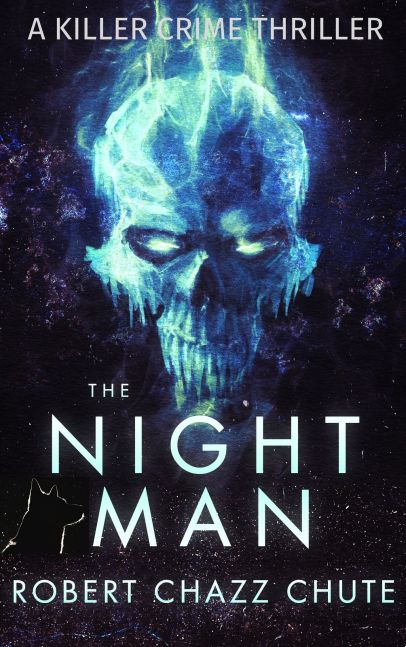
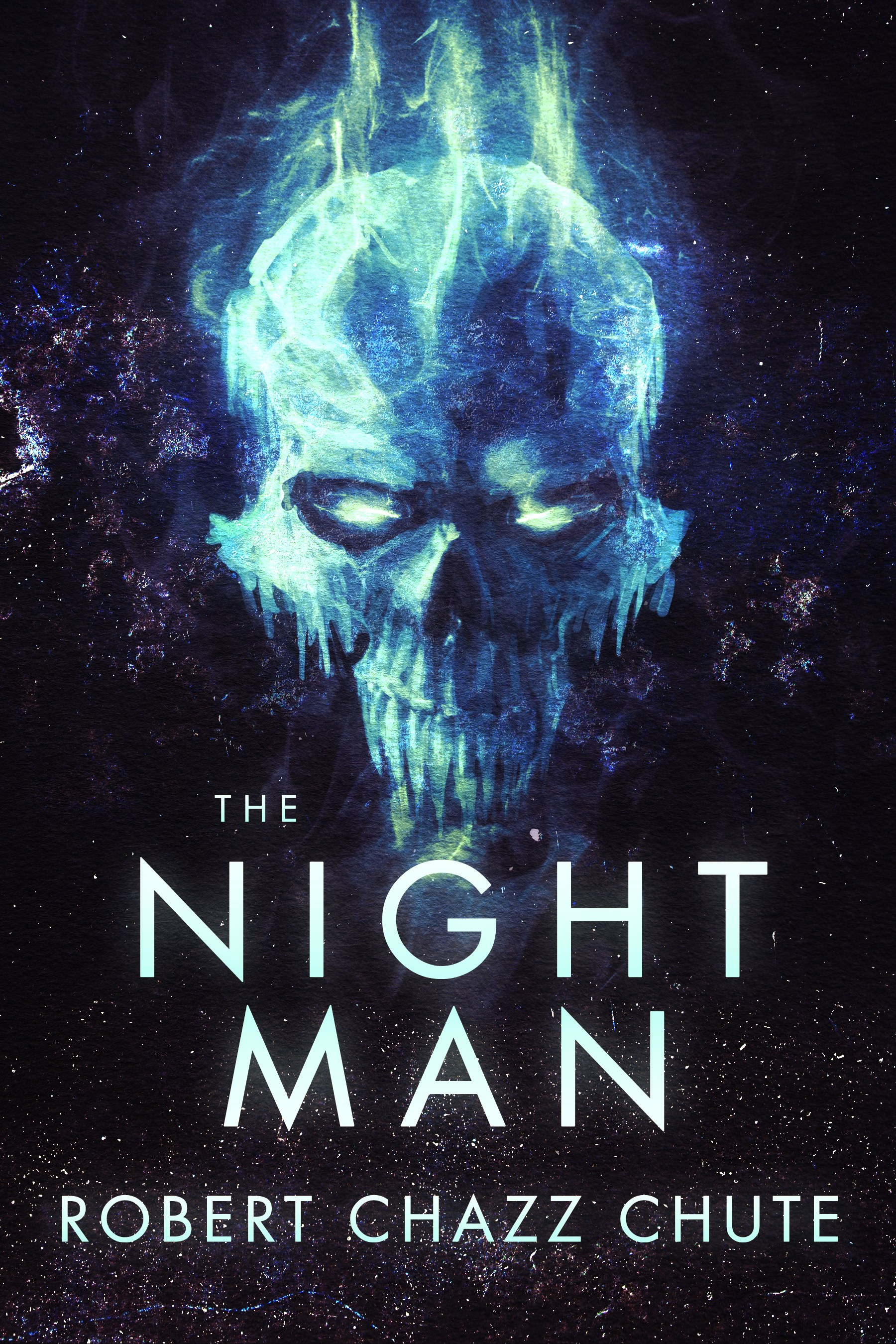
You can pick this ebook up for free today at this link: http://bit.ly/TheNightMan

Join my inner circle at AllThatChazz.com

See my books, blogs, links and podcasts.

Enter your email address to follow this blog and receive notifications of new posts by email.

Join 2,061 other subscribers