C h a z z W r i t e s . c o m

See all my books at AllThatChazz.com.

Top Ten: Make your writing count

braingasm cover1. One is the loneliest number. It’s you, the author, facing the blank page. There’s no one with whom to share responsibility to write and no one to share the blame for when you get it wrong. You are alone in here until you allow the ghosts to come forward and their voices to speak.

2. Two is you and your reader. You become invisible. The reader disappears. That leaves the story as the bridge, hanging in the air between two indefinite points and reaching through time. If the story is strong, the ethereal is made real and two indefinite points connect in mutual imagination. This is the only magic I know.

3. Three, as in “Rule of”. No one knows why the Rule of Three works. It just does. Lists of two feel insufficient and weak. A list of more than three feels pedantic, overblown, overly long, simply too much and see what I’m doing here? If you do, then you are paying attention, astute and onboard.

4. Four is the number of years you were in university, supposedly learning how to write. If you fell for that, well…I did, too. We would have spent all that money better had we hit the road, read a lot and just wrote. You may want one, but you don’t need an MFA. You need a little recklessness and exposure to the world and curiosity to lead you to what you need to know. I learned more about writing in my first two weeks as a newspaperman than I did in four years of a journalism degree. 

5. Five is age five, as in when you start to remember things you can use against your parents in your first novel. Wherever a remembered childhood begins is where you begin collecting fodder, drama and trauma (see? Rule of Three!) that you will cannibalize until the Alzheimer’s gets its hooks in deep.

6. Six times three is the Number of the Beast and it sounds like “sex” and it was my lucky number when I believed in lucky numbers. Six is the number of degrees of separation and Kevin Bacon. Six represents the tentative connections upon which all fiction is built. Less than six is too linear. Six means you’re making fragile neural connections between ideas to construct something new and fresh and interesting. Shore up that spider web against high winds and less imaginative minds with facts and a realistic context that supports the suspension of disbelief.

7. Seven is the number of things scientists say we can do at one time. Don’t do that. Do one thing at one time. Do not multi-task. When you are writing, write. Until you can make the world go away, there’s no chance of building that bridge over the fog to reach readers.

8. Eight is a good number of beta readers and proofers. Chances are you can’t find eight excellent pre-publication readers willing to comb your manuscript. However, try for half that and use the others for specific skill sets. My survival expert and cartographer, for instance, knows where Saint-Louis-du-Ha! Ha! is.

9. Nine is the number of relatives you were sure would buy your book. At the family Christmas party, they will be disappointingly vague, clueless and heartless about your literary endeavours. Or worse, they will have read it and will shrug off the experience in crushing silence. Or worse still, they’ll ask you to ship them a free copy.

10. Ten is the top ten list you pray you’ll get on even if you don’t believe in God. Ten is the number of good reviews you need to get on many promotional lists. Ten is how you remember the date you took to the prom. Ten is a number representing what’s best. Ten is the number of digits on the hand that pulls you up from anonymity with a tweet of endorsement, a clap on the back and a congratulatory handshake. Ten equals Hope.

Today, you are one.

Write often, boldly and well.

Your writing will count.

Your readers will be innumerable.

~ I’m Robert Chazz Chute. I have a large Irish family and a large Japanese family. I wish they liked me enough to buy my books. Fortunately, #5.


Filed under: author platform, Top Ten, Writers, writing tips, , , , , , , , ,

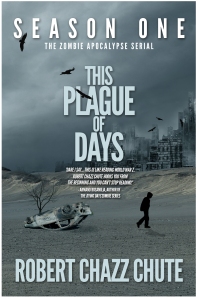
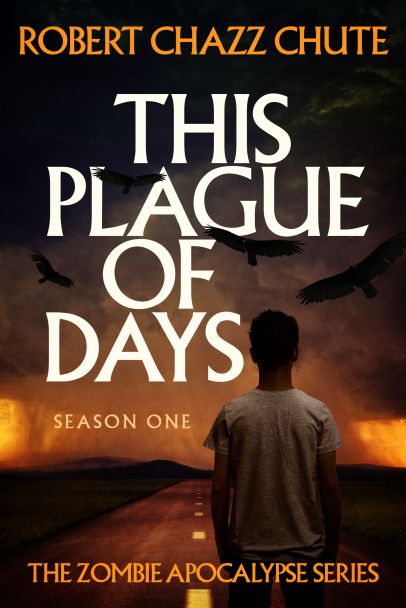
This Plague of Days: Season One arrives in paperback! (Plus stuff for you)

Special thanks to Kit Foster of KitFosterDesign.com for his kick-ass cover skills! 

If you’re looking to get a cover, I always recommend Kit! Plus, he’s Scottish!

Have a look at the beauty below (i.e. buy it) and be sure to check out his portfolio.

Pageflex Persona [document: PRS0000039_00004]

This Plague of Days, Season One teaches Latin proverbs and brings you into the mind of a very unlikely hero on the autistic spectrum. Zombies attack and royal Corgis are in big trouble. Maybe the Queen, too. (That’s my motto: Give the people what they want.)

This book makes a great Halloween gift, Christmas present or something to scare the bejeebers out of friends, family and enemies. If you’ve been waiting for the paperback, here you go. Working on getting Season Two out in print next. 

Serialization pros and cons

Not into my books but want more about publishing in savvy ways?

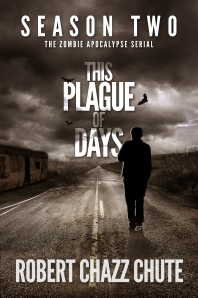
Season 2 is the quest. Expect big trouble in Ireland and Iceland because I think countries beginning with I are narcissistic and need to be taken down a peg or two by bloodthirsty zombies.

Season 2 is the quest. Expect big trouble in Ireland and Iceland because I think countries beginning with I are narcissistic and need to be taken down a peg or two by bloodthirsty zombies.

Okay, if you came for the pithy stuff about the downside of serialization and why I collapsed to the haters and won’t serialize Season Three of This Plague of Days, you’ll want to check out this post: 

Why I won’t do this again

The contest that challenges you to find a secret hidden in plain sight

Yes, there’s also an intriguing contest going on and your immortality is at stake.

Find the secret, win a life everlasting in book and audio form.

I love a mystery wrapped in an enigma concealed in a burrito, don’t you?

~ Robert Chazz Chute is…writing in the third person again. Get your NaNoWriMo inspiration and hope for the publishing future by reading Crack the Indie Author Code in paperback and ebook. Just kidding about the Ireland being narcissistic thing. You know I love the land of my ancestors. But Iceland? Well, you’re on notice for realsies, Icepops!

Filed under: Amazon, Publicity & Promotion, publishing, self-publishing, This Plague of Days, , , , , , , , , , , , , , , , , , , , , , , , , , , , , ,

Defying expectations: When going the other way works.

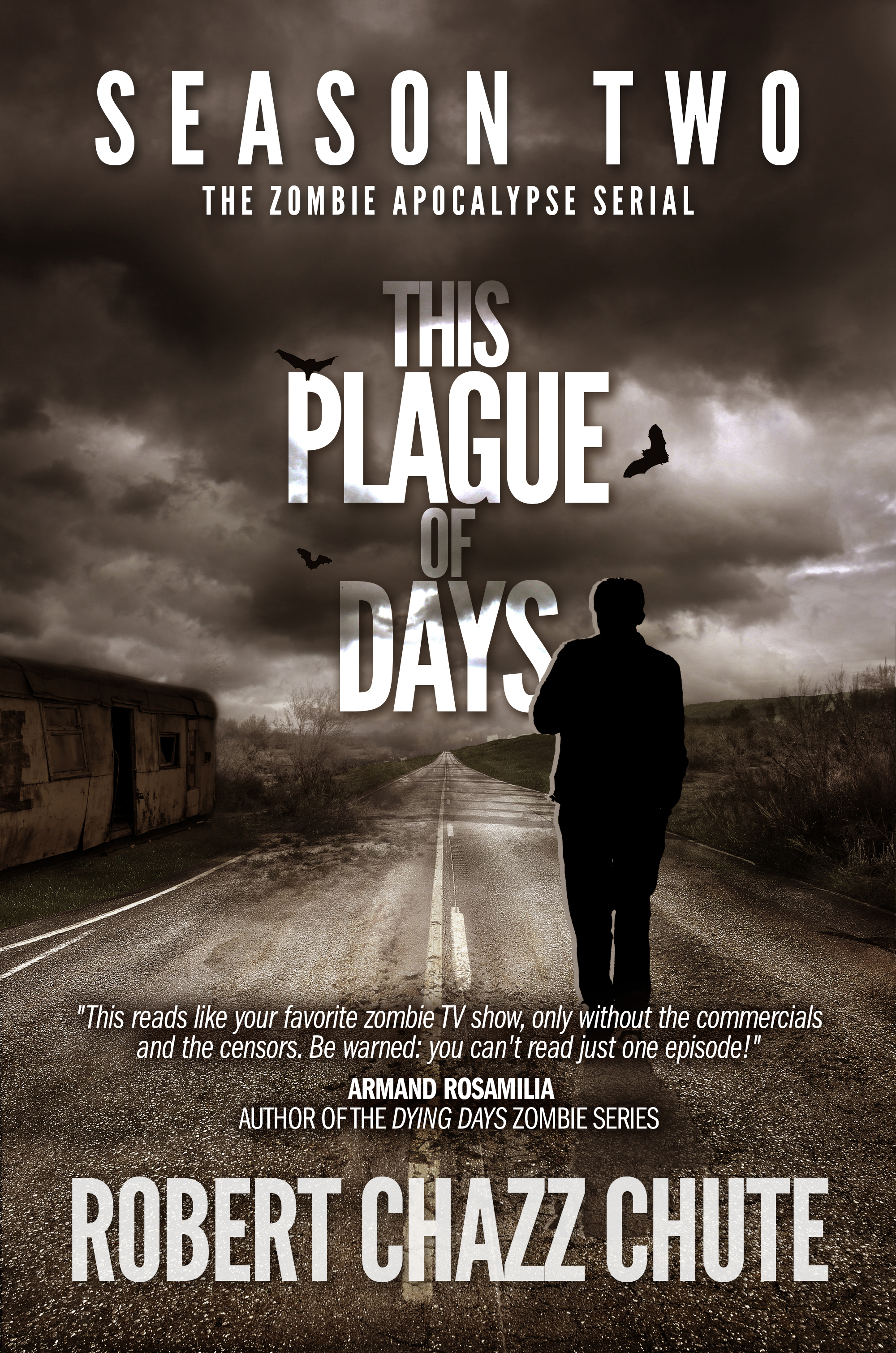
Season Two is out today! To learn more about This Plague of Days, please head over to ThisPlagueOfDays.com. 

To order the book from Amazon, please click the affiliate links in the right sidebar at AllThatChazz.com. Thanks.

Now, on to some wicked confessions of incompetence, poor judgment and a sad lifetime of reflexive defiance.

Defying expectations has not, in general, worked well for me.

At an old job, I was joking with office staff one day. I’m a funny guy. I thought I was killing. Then I looked up and a waiting room full of clients gave me that look. You know that mean look? I smiled and said, “I’m sorry. I was showing too much personality again, wasn’t I?” I wandered away wondering why boring people get to control everything. Yeah. Bad attitude, I’m sure, but don’t boring people run the world? And look what they did with it!

And so it is with books. I have a defiant streak I’d probably do much better without.

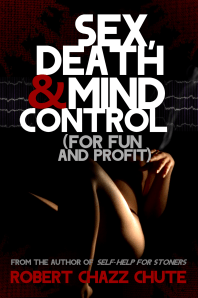
Self-help for Stoners is a funny little book of short stories with a few preachy moments. I might have sold more books if I’d ditched that title. But I might have sold less, too. My thinking was, at least I’ll hit an identifiable niche. Try it, for stoners and non-stoners alike.

I was so flummoxed that Self-help didn’t sell more, I compiled my big book of short stories. I put together my award winning stories and, desperate to be taken seriously, made some “serious” fiction. Pathetic lack of confidence on my part. Murders Among Dead Trees has a lot of gems in it. I’m especially proud of the three-star review that acknowledged the great writing but said it’s full of violence and “bizarre themes.” Sounds like a winner to me! It sells worse than “the stoner book.”

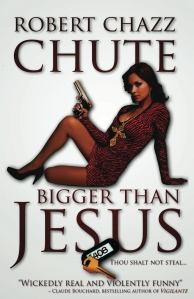
With crime fiction, I called the books Bigger Than Jesus and Higher Than Jesus.

In crime fiction, titles that have to be explained! (It’s pronounced Hay-soose.) Worse? Funny crime fiction! Worse than that? The hero is a Cuban hit man, not a detective. Readers tend to have certain expectations and I defied them with quirky titles that may offend some people at first glance. We usually don’t get a second glance.

I still think those books are fun, fast-paced thrill rides and the people who like them, like them a lot. A pity there aren’t more of those readers, but I’m sure the charm of Jesus Diaz will be discovered over time. In fact, I have several more books planned in the Hit Man Series because apparently I don’t know when to cut my losses. (Try them. They’re damn funny.)

But it turns out having trouble with Authority isn’t bad all the time.

I lost/resigned from another job because I would not bow my head. It’s okay. It was a lousy job and that incident became fodder for Season One of This Plague of Days.

I switched to suspenseful horror with an unconventional zombie serial and lost some rebel cred.

Zombie fans might have hated it because it wasn’t what they expected. Instead, it became a bestseller on Amazon. I made it a serial to further handicap myself, but serialization seems to have worked for me.

A comedian I love by the name of Mike Schmidt named one of his enterprises “The Success is Not An Option Tour”. I love a guy who’s the underdog and Mike’s turned “underdog” into a profession with The 40-year-old Boy Podcast, a CD and flying across the continent to perform his one-man show to a loyal fan base.

I’m not as brave as Mike. I’m make stuff up in a bunker, afraid to go outside. I didn’t set out to proclaim that success is not an option, spit Life in the eye and try to make a living out of attracting chaos and making fine comedy out of it. When I wrote my books, my reasoning was, “That’s weird and different enough to grab eyeballs.”

How weird and different? In Season One, it’s a slow build. I didn’t start in the middle of the action. I showed how the plague began and developed and it didn’t even start with a zombie virus. It started with a world flu pandemic. All the zombie action remains in Europe until Season Two! (Out now. Did I mention that? Right. Good.)

You want weirder? I’ll give you weirder.

The protagonist is a boy on the autism spectrum. Most heroes in zombie books are gun-totin’ ex-military types. Instead, Jaimie Spencer is a selective mute who’s fascinated with words and dictionaries, especially Latin dictionaries! Also, all the chapter titles? They make up one long, dark poem with twisted clues to the future of the story. Poetry! In a zombie book! The survivors argue about God and struggle with finding compassion and worry about losing their humanity. Not much gun totin’ in Season One.

Hm. Maybe I was setting out to fail and screwed it up. That premise sounds ridiculous!

And yet…writing something unconventional worked this time.

Which takes us back to novelist and screenwriter William Goldman who said of Hollywood, “Nobody knows anything.”

I sure don’t. I was just being me. I was just writing the story that pleased me. I followed the Art.

What readers want?

That’s too nebulous, has too many variables and it’s a moving target. I write for me first. I could try to play it safe, but I really don’t know how. Until they perfect personality transplants, I gotta be me. I’m not bragging. I think it would be easier being somebody else.

Filed under: This Plague of Days, What about Chazz?, What about you?, , , , , , , , , , , , , , , ,

The Secret Alphabet of Independent Publishing

"You will laugh your ass off!" ~ Author of Cybrgrrl, Maxwell Cynn

“You will laugh your ass off!” ~ Author of Cybrgrrl, Maxwell Cynn

A is for All of it, which is what we want. (A used to stand for Agent.)

B is for Book, of course, and ebooks are “real” books, too. Literature is about the content not the container.

C is for Cutting prices. It would be bad for writers, but at 70%, we’re still getting paid more per unit sold than in traditional publishing. Also, price cuts sure make now a great time to be a reader.

D is for Deadlines. Don’t take forever to write your book. More time procrastinating doesn’t make a better book.

E is for E-books on E-readers. But you know your kindle is a transitional device, right? The phones are getting bigger again and tablets are coming down in price. We don’t want a device to do one thing. We want one device to be a web surfer, camera, phone, app catalogue, music box, GPS, ebook reader and best friend on our hip.

F is for Future. It’s the direction to look. If you don’t like it, you can change it whereas the past requires an annoying child named Sherman, a dog named Mister Peabody and a Wayback machine.

G is for Guidelines, because guidelines are malleable. There really aren’t many unbreakable rules worth obsessing over. You already know the rules because they’re obvious or you ignore common sense or you’re a slave to unthinking tyranny. The cool kids prefer more options.

H is for Hope. It’s good to have some, especially in this business. When there’s no reason to have any, that’s when you need it most.

I is for Intermediator. Have as few of these as possible. Upload your books yourself if you can, or get help from an independent contractor. This will allow you more choices of forks down the road.

J is for Just you. The myth and prejudice against independent publishing is that’s it’s just you. You are alone, except for the editors, graphic artist, beta editorial team, volunteers, publicity teams and whoever else you can hire or cajole into helping you get your book discovered. Sure, other than that little cyclone of industry, it’s all you.

K is for Killing characters. Killing someone readers love who they were sure would make it to the end? Delicious. (Note: killing darlings is overrated.)

L is for Love. It’s why we write. If you have other motivations, that’s fine, but releasing dopamine as you create is, like reading, a very rewarding addiction. The biological pharmacy in your brain simulates love. Endorphins won’t land you in a dirty rehab unit with a roommate who won’t stop telling that story about the time he tried to get high on burnt bananas and smoking his own hair.

M is for Money. It can happen, but probably not so don’t write for money. As above, write for love. If money does happen, people will resent you slightly less when you claim you never expected it.

N is for Naysayers. Most of them will never write near as many books as you will. Just say no to naysayers. If you sleep with your naysayer, someone’s in the wrong bed.

O is for the Obsession to know things. It seeps into the writing so you can drench your fiction with non-fiction and trenchant verisimilitude. For instance, This Plague of Days, Season Two weaves the Apocalypse with interesting tidbits about Irish legends, military history and the mortal wounds inflicted by the blue-ringed octopus. Mine is the only zombie/plague/autism story that teaches you Latin in an entertaining way, guaranteed!

P is for Portent. Warnings that something big is about to happen are especially fun when you give readers an earnest warning and they still don’t see it until it coming. They’ll only see the clues in retrospect. Secret trails to revelation and love of language are why people reread books. Do it well and someone might think your book isn’t just suspense, but maybe even “literary” or (praise Thor) “important”.

Q is for Quitting. If the project is wrong, quit. If it’s right and you’re just whining, quit whining and finish it. If you aren’t excited to write this book, find another you will be excited about all the way through or for our sake, please do stop. 

R is for Ripoffs. It’s a minefield out there: Fake agents who try to make money off reading fees; publishers who won’t pay; people who use disreputable business practices and call them policies. (R is also for Research. It’s how to avoid R is for Ripoffs.)

S is for Sustained Action. Promoting your work need not be an exhausting blitz. Dig in for the long game and promote at a slower pace. Don’t promote the same stuff to the same audience all the time lest you exhaust them. Keep writing new books. Don’t pin your hopes to one book. Sure, you might accidentally hitch your wagon to a star, but chances are excellent you’ll hitch your wagon to a stump, especially if this is your first rodeo.

T is for Trying. You’ll hate yourself if you don’t try. Losers will hate you because you did try. That’s why they’re called losers. They work from a different definition of failure than you and I. They confuse boring with winning.

U is for Unpublish. If something isn’t working, take it off the market and replace it with your tweaked story, new cover or new edition. Unlike traditional publishing, you have more options. You can adapt. Ours is a different, more flexible, business model. Use that advantage.

V is for Victory. There is no victory. Banish the concept from your life. There are only ups and downs and we’re all trying to make more ups.

Victory is very useful in fiction, however. Readers want to escape real life’s mundanity so it makes them happier when the protagonist achieves victory at the end of a story.

To go all Conan and see your enemies driven before you and to hear the lamentation of the Evil Mort from Accounting? That’s fiction. Working in a cubicle farm with no hope of retirement while Mort gets promoted and vacations in Brazil? That’s real. The real-life Mort is why we all crave escape into stories.

W is for Wit. They say brevity is wit’s soul, but I can take a pounding of wit in dialogue all day and all night, Mr. Sorkin.

Please note that snark is not quite wit. That’s a blunt tool meant only for peeling the outer layer of flesh. Meanness is the opposite of wit. That’s a blunt fool’s weapon. Wit’s funny and smart. When that sword cuts, we see light flashing down the steel blade. Wit allows the victim to take the hit and nod, “Touché!” with a smile.

X is for X-ray vision. All writers have this power. I can see into purses and pockets and the lives of strangers at the mall. I can work backward or forward to tell you who they are and their story of heartbreak in their senior year of high school. I diagnose disease at a distance. I know what you did last summer. I can give your life history and your death meaning, so do not screw with me.

Z is for Zero. It’s what we’re paid for writing. We are never paid for writing. We write for love, remember? If the money ever arrives, we’re paid for putting up with dehumanizing reviews, pretending to take them well and staying silent about them forever. We’re paid for the sad paperwork at tax time. We’re paid for the sting when someone sneers with casual cruelty, “So, are you a big deal yet?” We’re paid pennies an hour for the sacrifices our loved ones make so we can keep writing. 

Writing a good book is a happy, selfish act for the writer.

We are addicts, helpless in our defiance and desperate to monetize our work so we can have the freedom 

to score more of Creation’s sweet biochemical cascade.

Escape reality. Get high on a story.

~ I am Robert Chazz Chute, the author of Self-help for Stoners and this was the high I was talking about. This Plague of Days, Season Two scintillates brains October 1. Get Season One and check out all my books here. I hope to be your favorite candy man one day.

Filed under: author platform, Publicity & Promotion, publishing, Writers, writing tips, , , , , , , , , , , , , , , , , ,

Breaking Bad and making better storytelling choices

Season One has five episodes. Get each one for 99 cents or get all of Season One at a discount for $3.99.

When you’re in the trenches (and by that I mean when you’re at your keyboard) you must stay true to your vision. There are artistic choices to be made that will challenge some readers’ expectations. Choose more conflict and damn the torpedoes.

For instance, at the beginning of This Plague of Days, the protagonist’s sister, Anna Spencer, isn’t particularly likeable. She’s not over the top, but she is a hormonal teenager whose brother is on the autism spectrum. She calls him Ears because he has big ears. She loves her brother, but she can be mean. She’s jealous of the extra attention he gets because of his challenges. She treats him the same way many siblings treat each other in their formative years. If you’ve ever had a sister, or been one, you’ll recognize her turmoil as she matures. Now add the plague apocalypse (and later, scary, infected cannibals) and you’ve got tense family relationships facing a storm of trouble raining down evil doers and crazy cakes.

Readers who only read Episode One might not care for Anna much.

Impatient readers will never get to see how badass she gets. (I’m revising Season Two now and she’s nicer, but still working her way to badass.) If they quit reading at Episode One, they’ll never find out how circumstances and time transform her into an interesting, brave and responsible woman. Anna Spencer has an arc. All my characters have arcs and their own stories to tell. To have those stories, and the complexity I insist upon as a storyteller, the characters can’t begin as static, happy stereotypes.

This Plague of Days has nuance. Some characters you think are good now may surprise you with what they’re willing to do later. Characters you assume are bad may have altruistic motives that aren’t clear up front. Some writers say we shouldn’t even write “characters”. We should write people in all their complexity. The people you write about have to transform, and I don’t mean from likeable and nice to slightly more so.

Think how ineffective Breaking Bad would be if you didn’t watch Walter White’s transformation through the show’s seasons.

He starts off as a nebbish who reached for the brass ring and fell short. A cancer diagnosis turns him from an ordinary Chemistry teacher into a cold and calculating drug kingpin desperate for respect and safety. The cool thing about Breaking Bad is, today’s solution is always tomorrow’s problem. His character arc is entirely logical each step of the way. Throw in a fatal flaw and a few reversals and he ends up in an insane place that is believable over time. 

If Walter White had started out evil, you don’t get grim fun and complexity. You get another stupid, failed TV show (starring cast members who used to be on Baywatch) cancelled and forgotten after half a season.

Another example: Points of view must change.

In This Plague of Days, I made choices to introduce more family strain. This Plague of Days isn’t just about viruses, zombies, fires and firepower. It’s about people under pressure.

The mom is a Christian. The father is an atheist.

Faced with mortality, the mom becomes a Christian with doubts and the dad becomes an atheist with doubts. I believe in readers and I follow the story wherever it leads (i.e. toward more conflict.)

Issues of atheism versus faith are not presented all at once. This isn’t a college seminar. Near the beginning of Season One, the atheist has his say. That may repel some readers who won’t stick around for his confession, feelings of abandonment and transcendence. Too bad those same readers won’t hear the mom’s counterpoint, either. Impatient readers might seize on one aspect in the early going (for or against God, depending on when they stop reading.) I feel it’s an honest, necessary exploration woven into the fabric of a much larger story. (Not that it should matter, I’ve been a believer and an atheist but not at the same time.) I’m not pushing an agenda. I’m pushing for brain tickles. If you want to be pulled into warm marshmallow, read Chicken Soup for Something or Other. I write suspense. Not everything is for everybody.

Readers will draw their own conclusions about religion (or ignore that small aspect of the story completely.) Zombies turn some people to God. For others, zombies turns them away from faith. Put a wife and husband at the edge of the end of the world and I guarantee religion’s going to come up. It’s not my job to make up anyone’s mind. It’s my job to tickle brains and make the debate honest and interesting while the struggle for survival gets harder. Context is everything.

Don’t pander. Follow the Art and the Conflict

People will draw conclusions about you from what you write. Don’t be afraid of that or your story will suffer. You’re a writer, so we already know you’re brave and have an unreasonably high estimation and expectation of the human race. Live up to that commitment with every chapter.

Respecting the reader doesn’t mean that you try to make them like everything they read. However, most readers stay longer with stories that challenge them, make them think and make them laugh. Don’t let it come out as an info dump or a teaching moment. Let it come out naturally. Don’t make your story a seminar on your beliefs. Do let characters have strong, conflicting points of view. Have a spine, but don’t force conclusions. Let the reader do that work for themselves. Always leave room for doubt.

For the Readers

I guarantee, when you read This Plague of Days, you’ll read things you’ve never read before. You’ll learn things you probably didn’t know. (I did!) And you don’t have to agree to anything. It’s a book. It’s not a threat to the tenets of your existence.  

A fun book is a ride at the carnival, an exorcism of fears, a voyeuristic pleasure, an extended brain tickle and a happy distraction, first class on the Crazy Train. All aboard to the end of the line.

Filed under: publishing, writing tips, , , , , , , , , , , , , , , , , , , , , ,

FAQs: How to write books agents will hate (but readers might love)

My luckless hit man is a funny guy in big trouble.

My luckless hit man is a funny guy in big trouble.

Yesterday I told you how a well-meaning friend with experience in traditional publishing gave me advice I thought was askew. As we struggle to gain traction in the marketplace, we get a lot of well-meaning advice we can’t take. (You’ve probably read that sort of advice here from me.) My friend’s other foray at saving me from myself was to tell me to court agents. “With World War Z, zombies are big this summer! Find horror agents and get traditionally published!” he said.

It’s not that it’s necessarily bad advice. However, it’s bad advice for me. Here’s a list of the things I do in my books that repel agents like fried bat armpits at the wedding feast:

1. Bigger Than Jesus and Higher Than Jesus is written in second person, present tense. Unconventional scares agents away. They’re trying to make money after all. I don’t blame them, but I’m in the Art and Brain Tickle business first. I have this crazy notion that being me will lead to making money. Eventually.

2. The assassin/anti-hero in the Hit Man Series is neurotic and afraid of women. (Name another hardboiled gunner who has that problem. Take your time. I’ll wait.)

3. My hit man suffered childhood sexual abuse. He’s also hilarious. Those elements rarely sit side by side comfortably.

4. Hardboiled isn’t selling hard right now. Or is it humor? Or is it action adventure? Easily classifiable is really important to a lot of people who aren’t me.

5. The titles may offend some Christians, especially since it’s crime fiction with a lot of swearing.

6. The titles are confusing until you understand that the assassin, Jesus Diaz, is Cuban and it’s pronounced “HAY-SOOSE”. In fairness, agents and publishers should be repelled by these titles. It wasn’t the best strategy because any title that requires explanation sucks. After two books, I’m committed and in love. I also have a plan around this problem after the next novel in the series is published early next year.

7. In my zombie series, This Plague of Days, the zombies aren’t “true” and “traditional”. It begins with a flu pandemic. You get to see how society gets to dystopian before the action kicks into ever higher gear. The slow burn requires more buy-in from sophisticated readers. Underestimating readers’ intelligence is an easier bet.

Season One has five episodes. Get each one for 99 cents or get all of Season One at a discount for $3.99.

Season One has five episodes. Get each one for 99 cents or get all of Season One at a discount for $3.99.

8. This Plague of Days has an autistic hero who rarely speaks and whose special interest is dictionaries and Latin phrases. Sounds like sales suicide when I put it like that, huh? That sort of gamble can pay off in a book. It’s death in the tough sell of a query letter.

9. The table of contents is a long, dark poem embedded with clues to the bigger story. Reread that and tell me I’m not silly. I know it.

10. Who will serialize a book unless I do it with my imprint? (Amazon Serials didn’t bite but readers are buying in.) Besides hooking up with Kit Foster of KitFosterDesign.com for his awesome covers, serialization has been my best sales strategy yet. This Plague of Days is a sprawling story tracking action over two continents with a big cast of characters. (At times you may wonder, is Chazz British or American? Split the difference. I’m Canadian.) It was too long to publish as just one book and the serialization model fit best.

When you look at that list, which idea comes across stronger? A or B?

A. All agents are evil, lazy and lack imagination.

B. I am determined to fail.

It pains me to say that all agents are not evil. I’ll save further discussion of agents for my next post.

For more on the why of this post, the writer’s character and how this relates to Joyland by Stephen King

click here for my latest post on ThisPlagueOfDays.com:

Writing Against the Grain: B Movies, A Treatments and the Deceptive Familiar


Filed under: agents, book marketing, Publicity & Promotion, publishing, self-publishing, , , , , , , , , , , , , , , , , ,

Confession to readers: I love sound-sex

Stephen Fry invites us to enjoy literature more.

Filed under: readers, , , , , , , , ,

Uncomfortable answers to questions about blogging

1. When’s the best time to post to your blog?

There are better times than others to post to your blog. Late at night isn’t generally so good. There’s a lot less browsing after 9 pm and prime time seems to be the morning hours. Mondays are big blog stats days as people ease into their week. Fridays suck, so I post less on Fridays. The earlier in the day and the earlier in the work week, the better.

2. Should you blog every day?

I think you should post only when you have something to say. If your content is rich and if you post often, the more traffic you’ll get. At DecisionToChange, I often blog several times a day, but with short posts.

3. What should you blog about?

Blog what you care about. If you try to blog about stuff that doesn’t interest you for some audience-centric, strategic reason, you’ll run out of gas before long. People say you shouldn’t blog for writers, but of my six blogs, this is the one that gets the most traffic so far and I did get two books out of writing ChazzWrites, (Crack the Indie Author Code and Write Your Book: Aspire to Inspire) so there’s that.

4. How long should my posts be?

Shorter and to the point is generally better (though this particular post will get pretty long). I used to write very long essays. It’s better to break them up into a series if you’re writing long. If you’re writing at great length, don’t blog it. Book it. You can sell it on Amazon. That’s what I did with Six Seconds.

5. What’s the least I can post?

You can have a static page you don’t update, but don’t expect a ton of traffic unless you’re doing something else to drive eyes there. I do two free podcasts (All That Chazz and Cool People Podcast) and frequently appear on other podcasts. (I’m on a comedy podcast called Inverse Delirium this week).  Even with that weekly boost, I wouldn’t do a static page. Websites are either growing or dying. If I can’t update a page at all, I’d rather abandon it for a more active, and therefore more useful, site.

6. Can you post too much?

Yes, if posting burns out you or your readers, that’s too much.

If it takes away from your core work (i.e. writing books) then prioritize and manage your time so you do the core work first. I post to six blogs, a tumblr, Youtube, iTunes, Vine, Facebook and Twitter. However, I watch almost no TV and writing is my full-time job. That list of social media belongs on the secondary activity, fun stuff and stolen moments list of things to do. Writing new stuff, editing and revising is always number one.

7. Where do you get your ideas for blog posts?

My life and work is research. I’m interested in making kale shakes healthier and more appetizing, so I find out about that and share the wealth. I’m interested in all aspects of the book business and subscribe to various feeds that feed that passion.

8. If you talk about your books on your blog, is it spammy?

Some might complain I talk too much about my own books here. My reply is (A) It’s my blog and if you aren’t that into me, I’m not pestering you with phone calls to visit my blog and (B) working my book stable is where all that real world experience comes from. I’m building a cult out of supplying free information, so it’s hard to feel bad about that. I also help writers and promote other authors and their blogs here frequently, so any outrage is misplaced.

9. What’s the most important element of a website?

A. Some websites I self-host and others I don’t. For the long-term, owning it is important. Ownership allows advertising, monetizing and more control.

B. Having a list for people to subscribe to is critical to monetization. (My mailing list subscription is on the front page at AllThatChazz.com and I use MailChimp.) I give new subscribers perks like sneak peeks and shout outs on the All That Chazz podcast. Some subscribers got Advanced Reading Copies of This Plague of Days.

C.  Your website should look good, but opinions vary on what good looks like. Kit Foster of KitFosterDesign.com creates my web banners. That adds a lot without dealing with webmasters and giant makeovers.

D. Strong content. Everyone says “Content is king.” It’s kind of useless advice because that can be awfully subjective. If you live a sufficiently exciting life with plenty of sex among celebrities, you could rock a diary and make it work. Otherwise, go for useful and newsy so readers feel the value that way.

10. What helps a blog’s readability?

A. List posts like this one.

B. Make it easy for the reader to scan with sub-heads like this post uses.

C. Use a less fancy font to increase legibility. I also bold the type so it’s easier for everyone to read. I dumped the dark background and the light text a long time ago.

11. What are the most useful blogging tools?

A. I think WordPress is the best blogging platform (and essential if you run a podcast.)

B. I love Scoopit! The tool allows me to point readers to useful information on other websites. I can add my thoughts so I’m still adding value without looking like a parrot. I dislike WordPress’s reblog feature because I don’t post pictures on my blogs unless I’m sure there are no copyright issues. Scoopit! allows me to easily delete images. 

C. Rebelmouse. This free tool allows me to post all my blog feeds to one page so if you want to get a look at all I did in a day that was blog or podcast-related, it’s all there in one place. Every blog entry and podcast is displayed in a Pinterest-like array that’s easy to take in and stimulates the senses in a happy way without expensive and tech-heavy interventions. (You can do fancier things with Rebelmouse if you want to pay a bit of cash.)

12. Why should we blog?

(Sorry, I can only tell you why I blog.)

A. Sharing information builds the indie writer community and elevates the general level of expertise, discussion and product quality.

B. Ego and narcissism. I want you to love me and think I’m smart and funny. How else to explain six blogs and two podcasts? Pathetic and needy, isn’t it?

C. Honesty is the best policy unless questioned by Nazis. Honesty builds trust. (See 12B.)

D.  I’ve made friends and allies through my blogs and even a few readers for my books. You might even find a few people willing to be reviewers, ARC readers, beta readers, proofers, donors and helpers. My blogs and podcasts provide ways to help my friends by spreading the good word about great people.

However, if I were blogging just to find book lovers, I’d be disappointed. Only after I’m a huge success as an author using other strategies that have nothing to do with blogging will there be a clamour for all my blogs (and then I’ll have much less time to blog.)

Photo on 12-09-25 at 3.23 PM~ This fall, I’ll tell you about those “other strategies”, after I’ve given them a test run with This Plague of Days.

Have you read the manifesto for artists who want to live forever yet? Read that here.

Have you heard the latest All That Chazz podcast. The reading slips toward erotica toward the end, so this is the NSFW podcast episode you’ll probably want to hear. Check out The One That Gets Sexy here.


Filed under: blogs & blogging, book marketing, Books, , , , , , , , , , , , , , , , , ,

The Great Review Controversy, Take 2

From The Telegraph: A best-selling British crime writer, RJ Ellory, used pseudonyms to pen fake glowing reviews about his “magnificent genius” online while simultaneously criticising his rivals.

Read the link? Wasn’t that frustrating?

This time it’s a writer from the traditional side of publishing who has disappointed and embarrassed himself. As bad and individual as the act is, I’m relieved he’s not an indie author. Blame has been spread  around like confetti at a clown rally lately and I don’t want any more glitter in my jock. Will the fact that he’s traditionally published buy indies any more slack? No, but it probably won’t make things much worse for us. It’s so difficult to get reviews and build an audience that I find it disheartening to be painted with mile-wide brushes. I’m trying to make a living as a suspense novelist here!

Instead of distrusting five-star reviews — or automatically believing one-star reviews — I wish more people paid attention to reading samples. I encourage everyone to read book samples before clicking “buy” (even when, perhaps especially when, it’s “free”).

Reviews get too much weight in some people’s minds. My tastes aren’t necessarily yours, so why give so much power away to another when making reading choices? I read book samples to avoid unpleasant surprises. The first chapter usually gives me a glimpse of the quality and tone of what’s to come. Some people fail to exercise the reading sample option and then blame the author. “I wanted romance and this is fantasy! How dare she?” That’s like getting angry because the drugstore doesn’t sell coconuts.

Is Amazon really “Spamazon”? It’s the Internet. Is the fault in our tools or in ourselves? To confront the problem of bad reviews, fake reviews and attack reviews, we need to grow up, do our due diligence and keep things in perspective. You don’t believe everything you’re told. Fine. Enjoy those free reading samples and make better informed choices before the too-easy click.

Indies are mostly beautiful dreamers and bold, generous storytellers. We are not all evil scammers out to fool readers. Many of us tell entertaining stories with few resources and we perform this service for the equivalent of couch change. It’s churlish to make all authors collateral damage for the offences of others.

When the NY Times story about paid-for reviews broke last week, I was initially forgiving and didn’t take it so seriously. John Locke, for instance, may have paid for reviews, but he said he was open to honest opinions as well and he still wrote all his books which, nicely reviewed or not, a lot of people like. I wished he’d mentioned the paid-for-review strategy in his how-to book in the interest of full disclosure, but at first I figured his tactic just sped up his trip on the success train. However, when I saw so much negative reaction from potential buyers, I got sad. Unfairly or not, it hurt our reputation.

Then I realized I couldn’t approach Locke to ask for a cover blurb for my next book in The Hit Man Series. He was on my short list of authors I planned to ask for an endorsement. I’m not assuming he would have gone for it. I’m just terribly disappointed because of the damage done. (That cry of “I’ll never read indie again!” really got to me, silly as it is.) I read a few of Locke’s books and enjoyed them, but now his name is tainted with the “Paid for Reviews” badge. He’ll recover from this. Locke has a huge fan base who don’t care about this controversy. It’s probably too inside baseball for most and for people who are already fans, why would they care?

It hurt me and fellow indies, though (and we don’t have that big cash cushion to ride out the bad weather.) You know that saying, “Save a horse, ride a cowboy”? Indies need a bumper sticker, too: “Save an author, buy a book.”

Hm. That’s not near as sexy and catchy. Suggestions?

Filed under: publishing, , , , , , , , , , , , , , , , , , , ,

Your blog does not matter


“Writers should not write blogs for writers!” some expert declared.

Instead, write for readers!

Small-town terrors and psychological mayhem in Maine.
These are the foundation stories of the coming Poeticule Bay Series of suspense novels.

I understand the argument, but what about writing about where your passion lies? I’ve written about writing for years now, drawing on my experience first as a journalist, publishing insider, freelancer, then as an editor and finally as an independent author who publishes his own work. I’ll be coming out with a book about writing later this year, so that’s one solution to the problem of writing for writers. But I keep thinking about that advice to write your blog for readers. I think I just figured out why it doesn’t matter.

Blog marketing does not matter. An author’s blog is usually something you discover after you’ve already found the author. Seth Godin’s blog is popular, but I found out about him through media first. Despite his high traffic, JA Konrath is sure that A Newbie’s Guide to Publishing doesn’t net him any new readers. He writes for writers and they come for his opinions and information, not his books. The readers of his blog and the readers of his books are two subsets of his readership with very little overlap. True, I read voraciously, but I still haven’t got around to reading any of his books. (Or John Scalzi’s or Chuck Wendig’s, either, though I love their blogs.) And what of all those successful novelists who blog little or not at all?

John Locke came up with a blogging strategy that helped him sell a lot of books, but he didn’t blog every day to do it. In fact, Locke blogged sparingly. He crafted each blog so he could leave it up for months and, using keyword searches and Twitter, drive traffic to his blog by going out and getting potentially interested parties. (Read Locke’s book on marketing to find out more about that.)

“You will laugh your ass off!” ~ Author of Cybrgrrl, Maxwell Cynn

There is a caveat to these grand pronouncements. I’m not saying don’t blog. I’m saying that it’s unreasonable to expect a tiny engine to move that mountain. You need a website, but fairly static pages might do. Yes, I know (we all know by now, don’t we?) that a blog that changes often and has a lot of posts is smiled upon by search engine spiders and that boosts rankings. But that website you love so much isn’t the burning bush that’s converting believers. That website is where you send readers when you attract them by other means.

What should you spend more time on (and by you, I mean me)? Well, tomorrow night (Sunday at 9 PM) I’m going to have a chat on Blogtalk Radio with Sandi’s Tuttle. Tune in here. So there’s that.

Have a podcast, make personal appearances, show up on other people’s podcasts, do campus radio, do press releases (and make follow-up calls when they ignore you.)

Time for an angry tangent: A reader on a forum called on indie authors to send out press releases because she didn’t think we were brave enough or bothering to do so. She didn’t know what the heck she was talking about. Traditional media has a history of ignoring us because they don’t realize there are no gates to keep anymore. They’ll get over that. Too late, but they’ll get it. In the meantime, I’d love to sit down with that reader who thought we don’t do enough to help our cause and let her know all the things we do any given day, many of us after the full-time job is done. As if sending out a press release was a brilliant and heretofore unknown marketing strategy. She does not know the struggle. Indie authors are some of the bravest people I know in business. That grenade-thrower didn’t understand that just because you can read doesn’t mean you know anything about the writing biz.

Paranormal persuasion and scary stories (including two award winners.)

There are plenty of things you can do that could help your career more than writing a blog: Optimize your sales page on Amazon so readers can find you, for instance. Play with Amazon categories to get listed in the top ten of a subcategory to get traction. According to Klout, Twitter and Facebook help me reach more people than my blogs do (and my Goodreads blog presence doesn’t make a dent.) Becoming a star on YouTube could help more than a blog. If I’d starred on SCTV and become rich and famous at 22, I’d be better off now. (Time machine’s broken, so I’ll have to fix this the old-fashioned way: I’m going to need a DeLorean, a broken town clock and a bolt of lightning.)

What else can you do? You can do all the things you’ve heard about (or have already done): guest post, blog hop, do giveaways, comment up a storm, use free day promotions (to less and less effect), hold contests, pay for ads (though I rarely recommend that), send out more copies to reviewers, contact book bloggers, do signings, approach bookstores, make an app, cultivate powerful friends, save the life of a celebrity or write a book about cute cats.

Click to get Bigger Than Jesus here

So why blog? To serve the burning passion of a thousand stars going nova, I suppose. To express. To help. To have an active site for readers where I can send people who are interested in finding out more about me and my books and my process. On this site, I write for writers. On my author site, yes, there are plenty of links to my books, but mostly I talk to readers directly through my podcast. (Every week this summer and fall, I read a new chapter of my crime thriller Bigger Than Jesus for free. Those who can’t wait for the next instalment can get it all at once here.) Most of all, I write my blogs to discover what I think about things. (Like today.)

Do I expect any writers will convert to my book readership? A precious few, if they like my voice here because there’s some transfer of style in my other writing. No matter what I write, I’m a fan of twisting expectations, sneaky surprises and lots of jokes. I’ll expect most conversions will come when I publish the non-fiction books about writing. There are also niche blogging opportunities. For instance, I think if you’re a crime novelist and you blog about forensics in depth, you might gain interested readers from your blog to your books. Niche marketing is a buzzword, yes, but it does mean something.

The single most important thing you can do to help your career is write your next book.

If your blog is getting in the way of your book, then it’s time to take another look at your priorities.

And by “your”, I mean “my”*

To check out all the books by Robert Chazz Chute, click here.

*More on this tomorrow…


Filed under: publishing, , , , , , , , , , , , , , , , , , , ,

Bestseller with over 1,000 reviews!
Winner of the North Street Book Prize, Reader's Favorite, the
Literary Titan Award, the Hollywood Book Festival, and the
New York Book Festival.

http://mybook.to/OurZombieHours
A NEW ZOMBIE ANTHOLOGY

Winner of Writer's Digest's 2014 Honorable Mention in Self-published Ebook Awards in Genre

The first 81 lessons to get your Buffy on

More lessons to help you survive Armageddon

"You will laugh your ass off!" ~ Maxwell Cynn, author of Cybergrrl

Available now!

Fast-paced terror, new threats, more twists.

An autistic boy versus our world in free fall

Suspense to melt your face and play with your brain.

Action like a Guy Ritchie film. Funny like Woody Allen when he was funny.

Jesus: Sexier and even more addicted to love.

You can pick this ebook up for free today at this link: http://bit.ly/TheNightMan

Join my inner circle at AllThatChazz.com

See my books, blogs, links and podcasts.

Enter your email address to follow this blog and receive notifications of new posts by email.

Join 2,061 other subscribers