C h a z z W r i t e s . c o m

See all my books at AllThatChazz.com.

I like you more when your dog dies: Niches, conversations, dead blogs and a contest.

We don’t sell anything unless we tell stories. To sell stories, we must have stories about our books.

Seth Godin’s blog and books sell because they’re short, pithy, smart and he owns his niche. To own a niche now, you’d do better define a new one. Don’t try to take Seth’s purple cow, tribe or incisive observations about case studies. (Note: “Case studies” is the more scientific word for “stories.”)

Define your own niche and you’ve got a better shot at selling more books.

For instance, my next book is about Romeo in a drug-infested, coming-of-age thriller in New York. Shakespeare plays a role in finding the modern Juliet. Coming-of-age and thriller aren’t normally such cozy neighbors. My last book was a zombie apocalypse with an autistic hero and Latin proverbs. Not a lot of competition in that end of the zombie market.
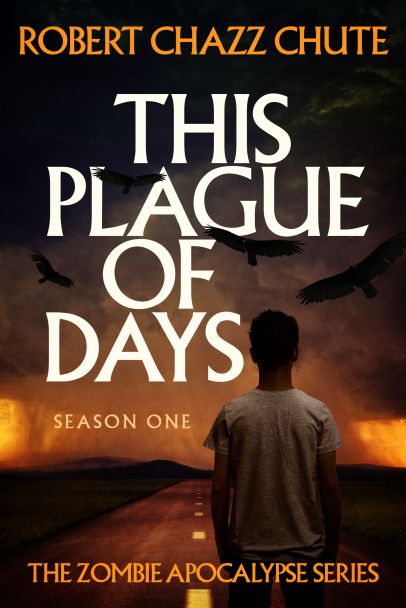
Season One of This Plague of Days is the siege.

Season One of This Plague of Days is the siege.

Familiarity is overdone. Differences define us in the market. (e.g. Bookstores are still crammed with Harry Potter knock-offs, but there’s only one JK Rowling.) Take something familiar and find a way to make it original again and you’ve got something.

Story is the most important thing. Story works.

Podcasts don’t sell unless they’re rich in content and tell stories. From business success to how-to and gee-whiz science, podcasts don’t work as sales engines unless they tell aspirational stories. From the startlingly different (Welcome to Night Vale) to personal confession (Marc Maron’s WTF) stories must be told and be relatable.

I’ve noticed more authors seem to be shifting their cyber-presence to Facebook and away from Twitter. They’re all Twittered out. Tweets are solid tools of discovery and live-tweeting makes the Oscars watchable, but Twitter tends to be less about story and connection. We need a little more space to achieve resonance.

Facebook offers more opportunity for personal connection. FB’s post length helps, but it’s also subtext. On Facebook, you have friends

Twitter is less friendly and more competitive. On Twitter, people have followers and people pay attention to numbers gained and lost. On Twitter you use ManageFlitter and WhoUnfollowedMe. On Facebook, if crazy Aunt Sadie unfriends you, you’re relieved you can swear again and her abandonment confirms your politics are sane.

Personal stories help us plug into each other’s pleasure centres.

The mind often fails to make distinctions among what’s real and illusory, cyber and real world. On Facebook, Story is the carrier wave of connection: “This is my child, my dog, my life!” we tell each other.

Since we don’t know what the hell we’re doing and we’re all scared, our connections reassure us. “Maybe I’ve screwed everything up, but at least I’m making the same mistakes as everyone else in our journey toward a better tomorrow.”

That’s why your photo catalogue of a glorious tropical vacation on Facebook doesn’t fit into the brain’s three-prong plug of connection. People love shared stories of failure, vulnerability and happiness, but only after that happiness is earned by failure and vulnerability. We root for the underdog and rags-to-riches stories, not Donald Trump. Your new car is nice for you, but I like you more when your dog dies. My dog died. Commonality is currency. Because I want to be loved, I love you when you’re suffering insomnia from worry, too. Misery doesn’t just love company. It insists on it.

Though we are each mysteries, we like to imagine we are each other.

Each of us is just as challenged and sad and lonely, but we hope to be rich some day, too. When the money and success roll in, we tend to forget all this stuff about connection. We blame the poor for their poverty, give luck no credit for our rise and trumpet all our hard work to the exclusion of any variable that does not bow to our big ol’ brains.

No wonder the rich and poor hate each other (except the poor want to join the resented rich, too.) Meanwhile, the rich would rip out their own throats with car keys from their repossessed Lexus if they had to get by on less than $100,000 a year.

Our class boundaries break connections. That’s why celebrities seem so otherworldly in person. They lost their shock collars and passed the invisible electric fence! They made it, so we can, too! Unless they’re the children of celebrities. Those lucky devils get a sneer and a Barry Bonds asterisk beside their fame.

Our stories about who we are become who we are.

That quest for privacy? Quaint. Adorable. Amish.

Jonathan Franzen worries about our attention spans, the death of literature and loss of privacy. He worries about the horrors of the Internet, just about every week it seems, in the Huffington Post. Horrors.

Blogs are dead sales platforms.

You have to have an author site, but you’ll get more juice from connecting on Facebook. Twitter will serve you better than a blog because it serves more people.

A blog is too much of a commitment for the reader. Too few blogs are “appointment reading”. A blog is a magazine at the doctor’s office. You only pick it up when there’s nothing else to do and you’d rather be doing something else.

I am subscribed to many blogs. They’re up there somewhere, forgotten in an RSS reader, added to a long reading list I will never get to. The blogs I actually read daily don’t have to be stuck in my bottomless bookmark bin. I go to them.

Blogs fail because signals go out but they don’t connect. Like this post, a bad blog post pontificates. I’m doing it now, connecting less, to fewer people. Still here? You’re already hoping the meta will stop and I’ll somehow pull out of the dive and land a punch and a point in the final sentence. How will I bring us home after such a depressing, meandering trip? I’ll show you. Indulge, a moment more, before the doctor calls you in to talk about those test results.

There are exceptional blogs, still breathing.

You can tell which blogs still have a heartbeat. They have a large and active comment community who aren’t just there to fight. (The Passive Voice is necessary to indie writers, for instance, as is David Gaughran’s blog.) Their lure is a story of aspirational subtext: Read this and you will succeed as we analyze the mistakes and triumphs of others.

And what are comments but the back from the forth? The best comments are more stories, resonating and rising up in conversation.

Commenting as a sales tool is less effective than it once was, back when people still asked, “What’s a blog?” Commenting doesn’t sell, though it can hurt you if you’re a dick. Some commenters never communicate human warmth. They think their intellect and snark will win people over and drag eyeballs back to their own dead blogs. They’re wrong. We only go back to their blogs to see if they’re rude to everyone (yes, always, yes) and make mental notes of what books not to buy.

Living sales platforms are conversations.

Facebook is a bigger sales engine at the moment, coming at you sideways, fun and friendly and under your defences.  We tell stories in conversation with friends. That’s where the connection lies, even if it’s a lie. We share our failures and hopes and dreams and we don’t look at our watch when we’re on Facebook. (That’s how the wasted hours slip away and books don’t get written, too.)

Facebook falls short in some ways, but that’s where I can talk with Hugh Howey or Chuck Wendig or Robert J. Sawyer. Facebook is alive with conversation. That’s the hot, three-pronged brain plug of connection we crave.

So who cares about this shit? Too long to read. Meet me on Facebook and maybe we’ll connect in a conversation. Blogs are dead. I killed it. Just now. I regret nothing.

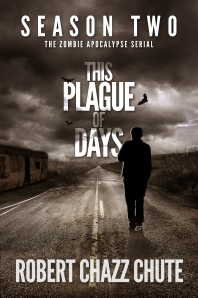
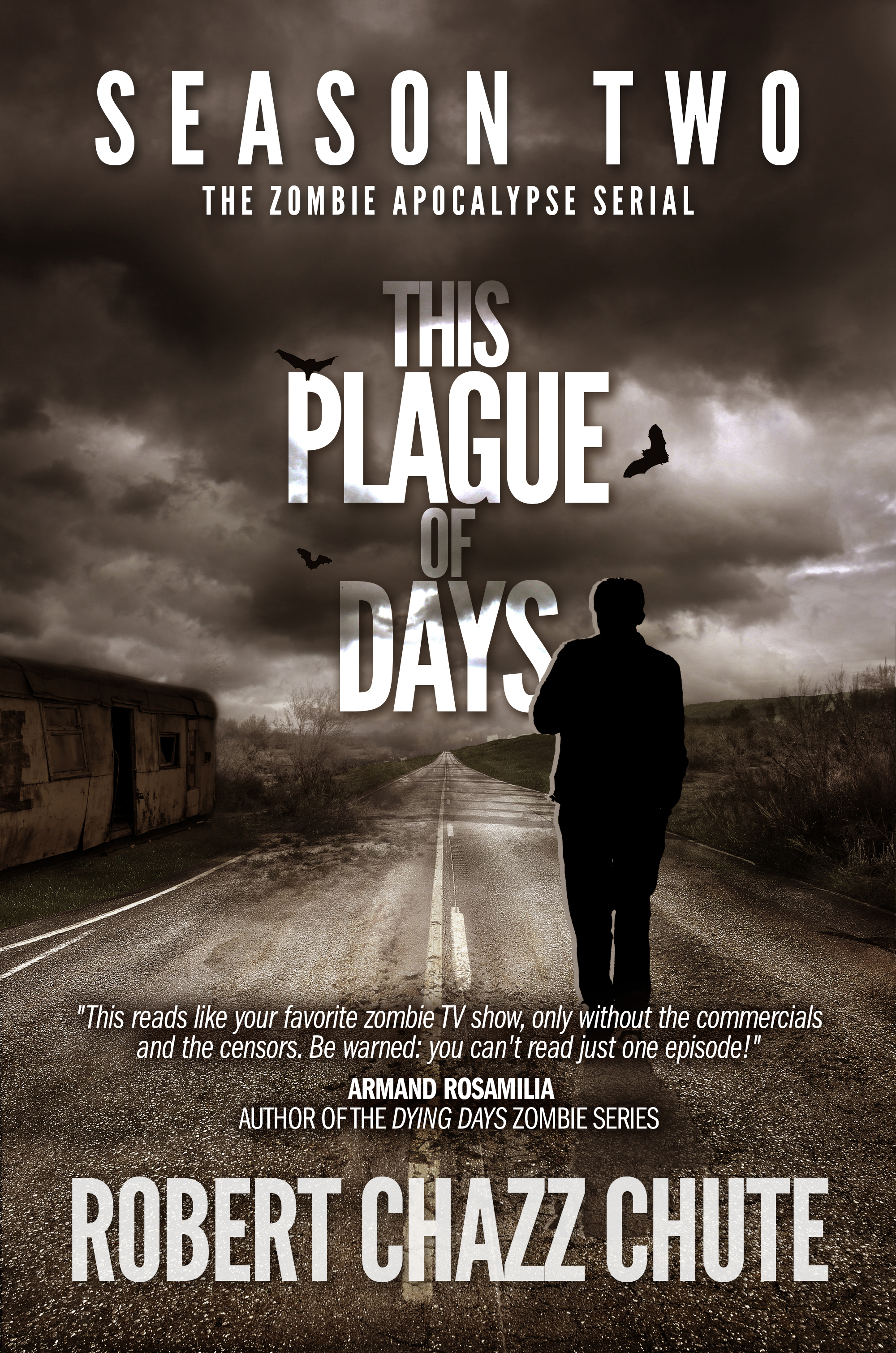
Season 2 is the quest.

Season 2 is the quest.

~ There is a secret in This Plague of Days. You’ve already read it. No one has guessed it yet. If you suspect you know, DM me on Facebook or DM me on Twitter. Praise and adulation will be heaped upon those who guess correctly. First prize is a signed paperback. Three winners will appear in my next book. Adulation for all will happen on the All That Chazz podcast.

Filed under: author platform, , , , , , , , , , , , , , , , , ,

Top Ten for Writers: What matters?

1. Don’t take a paragraph (or a whole post!) to apologize for not posting to your blog recently. They didn’t notice your absence. You have their eyeballs for a few seconds now. Don’t waste their time with throat-clearing or they’ll click away because you don’t have anything to say.

2. “Cover reveals” don’t attract anyone but the people who are already into you. They might not hurt. I’m saying they don’t help. Find a topic that matters to you and your readers instead. To spin an old quote, mere familiarity breeds contempt, but commonality makes friends.

3. Character interviews may be interesting to a few people, but only after they’ve read your book. It gets no new readers. Character is revealed through dialogue and action within the book. In promoting a book, it’s boring without narrative content and context.

A better suggestion:

Soon I’ll interview author Mark Rayner for the Cool People Podcast. When I asked him what he’d like to talk about, he didn’t say his characters, publishing or his writing process. He wants to talk about the themes of his book. I’m looking forward to a cool interview about the singularity and how technology affects all our lives, for good and bad. It’ll be less about him and and his book and more about readers. Then they’ll want to buy The Fridgularity, his funny, smart, entertaining novel.

4. Lose long dedications in ebooks. I’ve done this because I have much for which to be grateful, but it cuts into the online sample. Stick it in the back or put a link to it on your author site. Active links to your websites and other books will expand your circle. Your inner circle will understand.

5. The Table of Contents in your ebook doesn’t have to be in the front. That’s inertial thinking from paper publishing. For fiction, at least, stick it in the rear of the book. They can get to it on their e-reader, if they want it, by hitting “Go to”.

This is especially egregious when you have a long, dark poem as a TOC (as I do in This Plague of Days). It’s something else that cuts into the length of the online sample if it’s up front.

6. Do not complain about the demands of marketing your books. That’s telling readers that trying to reach them is a burden and they are unworthy of your time.

I’m still seeing this. Any potential reader who’s done manual labor, worked retail, been unemployed and/or worked for a boss? Yeah, they all hate you when you complain about being a writer. We have the best job on earth. Even if we aren’t getting paid for it yet, it’s still that awesome.

Instead, do what’s fun for you in otherwise unproductive time, after you’ve hit your word count for the day. If a Twitter account in the voice of your character is fun for you, try that. Unless your character is amazingly funny, profound, unique or wanted for spying by the NSA, it probably won’t pay dividends, but at least you’ll be having fun.

Connect on Facebook with people. My most meaningful interactions probably happen there. Since a reader helped me identify how my Facebook settings shut people out, I’m interacting with more people.

You can even go out and meet people in the real world. I understand non-virtual, human interaction is still a thing. I read about it on the Internet. It sounds dangerous, but you can sell paper books that way.

7. The demands of the work drain our energies so we talk too much about being a writer knocking back coffee. I’ve done it, too, and it’s cliche. Time to say something new. Something about wrestling elementary school teacher-dragons naked maybe. Hm. Gotta work on that metaphor so it sounds less fun.

8. Cramming too much information on your business card doesn’t work. Trying to cram the whole story on your book cover doesn’t work. Any promotional stuff that is too long doesn’t get read. Get your graphic design and white space to do more of the work for you.

The British Special Boat Service’s former motto was “Not by strength but by guile.” Good news! We’re writers! We have the resources to use guile. Writers and small publishers don’t have enough money to attack with strength.

9. Speak with. Engage with readers. Do not talk at readers so much. Talk less about you. Talk more about them. (Nice jammies you’re wearing today, by the way, and I especially like the lacy, red bustier…sir. Better turn off that laptop cam.)

10. Talk more about what you love and less about what you hate.

People enjoy reading about what people hate, but they don’t like the hater or even believe them. For readers to get to know you, they want to know what you’re for and what you read and what you think. Or that you think. Talk about what matters, both to you and to them.

Some writers steer clear of religion and politics for fear of offending.

Sounds like a quick way to be irrelevant and bland.

As a writer, your ability to communicate makes you important to any heavy discussion. You can even contribute as a human being. Your thoughts on violence, poverty and all the ills of the world are far more important than your little writing career. If someone doesn’t read your book because you’re a vegan, for instance, do you really think you’re missing out on a thoughtful and fair review from that person?

Kids are starving and you’re really worried about losing a few reactive sci-fi readers because you’re for X and they’re for Y? Really? Surely the kids are worth losing a few bucks, aren’t they?

I’d rather express my politics on Facebook from time to time. I’d rather win more readers I like. I don’t have to have readers who agree with me about everything. However, I don’t write books for dumb people. Trying to be liked by everyone is chasing a goose into an acid factory that’s on fire. We may be poor and desperate for readers. That doesn’t mean we have to be pathetic.

But yes, it does matter that reasonable readers generally like you. (So follow the Wil Wheaton edict and “Don’t be a dick.”)

I don’t want people to be excited to read the next This Plague of Days. I want them excited to read the next book by Robert Chazz Chute, no matter if I’m writing about zombies or Shakespeare or my funny assassin. Most readers tastes are very genre-specific, but if they like you, they’ll try your other stuff.

I’ve read all of Stephen King’s work except for The Dark Tower stuff. But I did try it. That’s all anyone can ask. After that, it’s down to individual tastes.

So be nice. Be authentic. Be committed to The Good.

And write good stories. Tell the truth through lies. Bypass prejudice and reach their minds by making them laugh first.

Writing good stories will get you more readers. Write great stories and that will come. Or maybe it won’t, but the writing and the stories matter. It matters much less than starving children and nuclear proliferation, but be fully in this world as you create better worlds.

To be heard, we must have something to say that matters to readers.

Filed under: author platform, Writers, writing tips, , , , , , , , , , , , , , , , ,

How to ignore your blog and still get lots of traffic

Season One of This Plague of Days is the siege.

Season One of This Plague of Days is the siege.

I have six blogs and two podcasts. I admit that’s insane, but let’s move on from that briskly and let me tell you about the nice surprise that spurred this post.

I did something that, in the podcast world, is frowned upon. Until last week I hadn’t put out a new show since August. (Letting a show dwindle like that is called “pod fade”.) When I looked at my time management issues in the prep for the launch of This Plague of Days, something had to be deleted from my schedule. I pulled back the throttle on podcasting temporarily.

Just like with blogging, the less you put out into the universe, the less you get back. It’s smart to send up flares and broadcast signals frequently so we can escape anonymity and indifference.

Here’s the surprise.

When I published my All That Chazz podcast last week, I didn’t want to look at the numbers. I clicked on my stats, prepared to wince. Listenership had dropped, but it wasn’t the dreaded flatline I expected. I also know why.

Here are the usual tools for signal amplification for any blog:

Season 2 is the quest.

Season 2 is the quest.

1. Write great headlines.

The words “how to” and “review” are particularly strong link bait. Have a look through my blog for headline ideas. They aren’t all killers, but generally I think they’re pretty sexy.

2. Write great content.

Everybody says this, but it’s not very valuable advice. Lots of gurus in the “content is king” crowd don’t write great content. Nobody sits at their keyboard planning to write lousy posts. My suggestion is more specific: Be useful or be funny. If you can do both? Even better.

3. Triberr.

Being on Triberr definitely helps me get the word out. I know there are detractors. The detractors typically get less traffic. It doesn’t pay to be too shy and helping others always helps you, even if you don’t grok the kind karma connection immediately.

4. Overshare from the heart and get lucky. 

It’s better to write more, of course. When you fire more shots, sometimes you get lucky and hit a distant target.

I wrote a post about the frustrations of publishing and the joys of writing that got picked up by The Passive Voice last week. When a big site reblogs your work, you’re introduced to people who have never heard of you. I got my best stats on that blog by writing this post: This is the post I shouldn’t write. I shouldn’t, therefore I must.

5. Give people what they came for.

Posts that are too short feel like a cheat. Posts that are too long aren’t read. Posts that drag out the suspense too long are irritating, so here’s what you came for:

Tweet Old Post is a plug-in that works while I’m sleeping. There are over 1200 posts on ChazzWrites alone. The plug-in pulls old posts up and tweets them to the universe. That’s how my podcast was still alive when I came back to it. I had 81 episodes of All That Chazz still firing through Twitter and getting retweeted because of my headlines. (I’ve also got a lot of really nice followers on Twitter. Join us @rchazzchute.)

With this plug-in, you can post by category. Sometimes dated content slips through my filter.  (Try tweaking your categories so the evergreen content gets fed to Tweet Old Post.) More people find me because of this plug-in. If you have a lot of posts on your blog, they can still keep working for you long after you’ve forgotten about them.

Here’s the description of Tweet Old Post:

“This plugin helps you to keeps your old posts alive by tweeting about them and driving more traffic to them from twitter. It also helps you to promote your content. You can set time and number of tweets to post to drive more traffic.”

Go to your blog dashboard, search the plug-ins for “Tweet Old Post” and install it. Ta-da!

I wrote a post about book formatting frustrations and time management any writer who follows this blog will want to read. For that rant and my time management strategy, click here now.

This Plague of Days 2 E1 0918 AMAZON~ I am Robert Chazz Chute. I write suspense and horror. Episode One of Season Two of This Plague of Days is available at Amazon. You can begin eating this delicious serialized story of an autistic boy versus the end of the world with Ep. 1.

I recommend you cave to my charm and guile and just grab the complete seasons of Season One and Two, but whatever. I will possess your minds, my pretties. I love you for your minds, among other things. No one wants to be loved for their minds alone.

Filed under: author platform, , , , , , , , , , , , , , , , ,

Writers: Are you in the echo chamber?

I love my writing community here. I’ve learned a lot from others and, as indies, we share a lot of information. We’re a generous bunch with each other. I appreciate your comments and participation on my little writing and publishing blog. Because I’m a sweet bunny pooping love everywhere, I have to tell you something with love:

Writers talk to other writers too much. We must talk to readers more.

Let’s make this go down easy by using an example from another industry.

When massage therapists try to figure out their businesses, they ask their peers and senior massage therapists for their opinions. They want to drink from the well of experience. It’s a good notion that frequently goes awry. Their peers are often as clueless as they are and senior therapists either don’t have the same problems or their advice is out of date. Take pricing, for example. They’ll set fees based on what they’d pay. But many massage therapists would never pay for massage. They don’t have enough money or they swap treatments with other therapists. Massage treatment is for people with real jobs and insurance coverage, not us.

Stick with me and hold my hand, because this is about to get uncomfortable.

Writers need to listen to readers more.

Sadly, writers often don’t have much money to spare so we use libraries or search for free a lot. Most of us buy books when we can, but with budgets as tight as they are, we’re often not your audience. As a result, many of our industry’s book prices are artificially depressed. We’re asking the wrong audience what we should do. (I’ve taken this advice. I just raised prices on some of my books and generally, the trend will be up.)

A veteran writer who’s “made it” (whatever that means) often doesn’t know all the variables that contributed to his or her success. If someone coasted to indie success from a high in traditional publishing, they can’t tell you much about the current scene. Precious few people attribute any of their success to luck. It had to be their sheer brilliance. However, many of us are brilliant and we’re still eating boot soup.

So, what not to do?

If you don’t tweet others at all, you may as well be on Mars.

If you rarely check your direct messages, you’re in the bubble.

If you only check your mentions on Twitter, you’re screaming into the echo chamber.

If you follow three people and two of those are your other Twitter accounts, you’re only hearing yourself plus you’re a raging narcissist (and not in a good way).

If you only have conversations with people who don’t buy books, you’re surveying the wrong people.

If you only speak to people who “buy” free books, you’re engaging the wrong audience. (Readers who buy with money instead of a click are often suspicious if your book is priced too low, for instance.)

If you don’t take new information in and seriously consider change, you’re for slavery. (Your own.)

If you do have conversations with readers from time to time and you talk about them, you’re on a smoother path.

If you don’t cultivate supportive friends, you’ll be alone, surrounded by fiends and without a fire ax or holy water.

If you only attend conventions with other writers instead of fans, you’ll have a great time talking to people who agree with you: “Wow, it sure is hard to connect to new readers!”

If you never get out and talk to real people in the real world and only connect with people on a safe and cyber basis, who will you learn to hate so you can kill them in your next novel?

If somebody says, “I prefer paper books,” and you reflexively say, “How Amish of you! Ebooks are the only future!”, that was kind of funny, but you should be listening instead of cracking that same joke open again. It’s rotten on the inside.

If you say all this social engagement is too hard and it takes away from your writing time, I’m sorry. I thought you were writing to be read. Get a calendar or time management software. At least tweet or email during commercials.

If you immediately dismiss everyone with whom you disagree, you’ll never learn the secret to…well, anything really. Plus, you’ll come across as a jerk.

I’m not suggesting you allow me or readers or reviewers or anyone else to run your life. I am saying that if you recognize yourself in this list and it gives you that squirmy squirts feeling, adapt accordingly. Listen.

You should listen to me. I’m a writer.

Filed under: author platform, getting it done, Publicity & Promotion, publishing, Rant, readers, , , , , , , , , , , , , , ,

Combat the horrors of self-promotion (with fun)

Recently an article appeared in The Weeklings that was picked up by Salon. It was called The Horrors of Self-promotion by author Sean Beaudoin. I felt sorry for the author and, I admit, a touch of impatience, too. His problem is not unique. Most of us suffer hypothermia from a lack of limelight heat. I have the feeling he doesn’t read this blog. Alas. His best marketing so far was complaining about marketing and getting picked up by Salon. I don’t know how many more times that will work since I’ve seen this kind of story on Salon before. Repeatedly!

So, to solutions:

You know that rule about writing a book that states: If you’re bored, readers are bored? Same goes for self-promotion. Find a way to get them invested. Yes, give stuff away! Reward them for being helpful. Helping others helps you and never hurts. (That link will show you how to get stuff by reposting a video from my author site.)

Joanna Penn calls authors helping authors “coopetition”. That sums up why I do podcasts with authors, for instance. Besides, we’re in a lonely profession. It’s fun to talk to like-minded people like Hugh Howey, Jessica McHugh and Armand Rosamilia.)

If you hate Twitter, you won’t use it right. It’s supposed to be a fun, social discovery tool. If you hate Facebook, maybe it’s not the place for you. Those are supposed to be friends and fans you’re hanging out with. These are platforms to discover cool stuff and have conversations. I often can’t converse for long, so usually I choose to tweet useful information. (Follow me @rchazzchute and I’ll prove it.) However, there are plenty more options, both DIY and getting assistance.

We’re writers! We’re creative people. Find a way to have fun with promotions!

1. I’ve said this many times, but it bears repeating: The writing comes first. Social media is for in-between times that would otherwise be unproductive. Most of my tweeting happens from my iPod for that reason. If I’m at my desktop, I’m writing and revising Season Two.

2. For most authors, working with a publicist doesn’t make sense. However, if you really hate promoting books, maybe you should consider how you can farm it out. Can’t afford a publicist? Start with Fiverr.com. My buddy Jeff Bennington has a post about that here. Need more? Outsource or get an intern with whom you can teach and share. Contact your local college or get on Kijiji and find someone who needs experience in your subject or business.

(Please note: It’s not an internship if they aren’t learning anything. Interns don’t do laundry and are not slaves. They learn writing skills, gain publishing information and an important, perhaps first, entry for their resume. That said, if you’re predisposed to go this route, you’ll probably learn tech skills from them, too.)

3. Work with the platform that suits you best. Every day someone repins the cover to my book Self-help for Stoners on Pinterest. I do no other promotion for that book (since I still don’t have time to get it out from under Bookbaby’s distribution yet.) It’s passive, but the word spreads and it sells despite my lack of effort beyond Pinterest and Vine. (Vine’s discussed in #10.)

4. Some people over-correct and fail to promote at all. Maybe that’s shyness, although most authors who make a point of telling you how awful social media is are snobs. Mostly, they’re really complaining about a personal time management issue. We all have the same amount of time: 24 hours in a day. Use it right, don’t complain and reread Item #1. 

5. Some authors are snobs about social media because they’re tired of all the bad promotion that happens on Twitter. They need to exercise more patience, but they aren’t wrong, either. (See my post below, Book Marketing Top 10: When Less is More and tweet to content, not sales links!)

6. Don’t go into denial. Someone said their readers don’t hang out on social media. One in four people worldwide are on social networks and more than half of North Americans are on social media. That number will only grow. If your readers aren’t on social media (Amish people and older people who frequent Renaissance fairs), you better go to them. Get a booth by the guy who sells beer but calls it mead. Compensate somehow because otherwise you’re hurting your discoverability. Go where readers are, electronically or in person.

Readers have hungry minds. Therefore, they are so on social media!

7. Write another book. Too often I speak to nice people who believe their one book should find its audience organically. However, even organic plants need water. More books give your readers more opportunities to discover your awesomeness. Do not deny them your awesomeness. That way, madness lies.

8. I’ve recently posted about the many advantages of the Author Marketing Club and the tools they make available. With their free submission tool, you can harness the power of book promotion websites without hammering your own audience repeatedly. If you’re only tweeting to your followers, you’re doing it wrong. First, write stuff that’s useful, funny or retweetable. Then get on Triberr and expand your reach.

9. Blog. I have many blogs (all listed here) and reach out to varied audiences (writers, readers, podcast lovers, polymaths, the morbidly obese and schlubs like me, just trying to get their shit together.) However, ChazzWrites is the blog with the highest Alexa score. I do them all for the fun of it. If I hated it, I wouldn’t do it. I suggest ideas and try to be useful and helpful. I often try to be funny. People who get my flavor and like the taste will click the ubiquitous links to my books. Or not. But if you don’t blog, there’s no way for anyone to get what you’re about except unconvincing sales links that mostly sound the same.

Should books sell themselves? Yes, in a perfect world. You saw the news feed this morning. Does this look like a perfect world to you?

Are there exceptions and can you do nothing and still be a hit? Sure. It happened to Hugh Howey. His success is quite organic and, of course, well-deserved. However, that’s not the way to bet. Hugh told me so himself on the Cool People Podcast. Unfortunately, the norm is that many deserving books are ignored. It’s not that many of them aren’t good or even great. It’s that no one has helped readers find them effectively. Yet!

Look, I know all you want to do is write. We all just want to write and be taken care of by legions of adoring loved ones and fans. It would be great if we all had robot butlers, too. We don’t. Grow up and find a way to have fun with your chores so they aren’t chores anymore.

10. Do something different. Twitter isn’t everything. I get love and attention using Vine, for instance. If you don’t know Vine, I wrote a book about it. Basically, it’s six-second video and it’s surprisingly fun and addictive. I can choose to post the videos only to Vine, to Facebook, to Twitter or even embed vines (videos) like these fun and/or disturbing examples. 
Find what works for you. Then go do that as much or as little as you can stand. But please, no more complaining. There’s too much fun to be had and too many options to enjoy to waste time complaining. Unless you get picked up by Salon. Then maybe that worked. Sean Beaudoin! Did that work? Are you feeling better? Let us know!

~ I’m Robert Chazz Chute because “Robert Chute” is already taken by a Native American author and poet who surely wouldn’t want to be confused with a crime novelist and horror author. I was recently challenged about why I wrote a book with zombies in it. (Well…not the Romero kind. More the 28 Days Later variety.) Anyway, I justified my love over at ThisPlagueofDays.com with this saucy post. You might enjoy that post, too. Fewer links, more sass.

Filed under: author platform, book marketing, Publicity & Promotion, publishing, self-publishing, , , , , , , , , , , , , , ,

Book Marketing Top 10: When less is more

Some marketing efforts are hurt by doing too much. Here are 10 examples:

Season One: Sponsor of the Cool People Podcast.  Can't have just one chip? Season One has five episodes. Get each one for 99 cents or get all of Season One at a discount for $3.99. Season Two hits this September.

Season One: Sponsor of the Cool People Podcast.
Can’t have just one chip? Season One has five episodes. Get each one for 99 cents or get all of Season One at a discount for $3.99. Season Two hits this September.

1. First there were big author tours. Then radio. Now, podcast and blogging niches are more effective.

Many marketing efforts benefit from going small, personal and specific. Instead of getting a few minutes on radio (while people are in their cars or having breakfast and definitely not buying) better to get on a podcast. Instead of planes and multi-city tours and paying for plane fare, podcasts yield more exposure to a smaller, targeted and invested audience.

Podcasts are usually easier to access. You’ll get more time and sell more books with a podcast interview than by trying to squeeze in a few words between car ads and the giggling Morning Zoo Crew. 

The same principle applies to blogging. I’d rather be featured by a big book blogger than in a local newspaper. (Ask your dad what a newspaper is. If he’s old enough, he might even still get one.)

2. Curation with commentary from bloggers is valuable. Bots drawing from dozens of tweets are not.

Before I knew what Paper.li was, I emailed someone to thank them for including me in their daily electronic newspaper. I soon realized that there’s nothing special about inclusion by bots in an array of harvested tweets. However, when someone reblogs my posts, that’s a personal recommendation that’s much more effective. (Thanks for all the reblogs, Armand Rosamilia!) When someone gives me the mucho bump of love on Twitter, it means more and helps more. (Thanks for your ongoing support and enthusiasm, Eden Baylee!)

Curation tools like Scoopit! are also valuable, as long as the post includes commentary. The difference is that a human makes those choices. “Set it and forget it” is nice for thermostats, but bleating out content without evaluation and recommendation is craptacular, both for the tweeter, the tweeted and, most importantly, our readers.

3. Too much email contact leads to friction. Ease off.

I have a couple of newsletter subscriptions that hit me daily. They’re too relentless. When I fall behind, the emails pile up in my inbox. I tell myself I’ll get around to reading it all, but deletion is more likely. I do open newsletters that fire at me at a slower rate. Give me a chance to look forward to hearing from you.

How much is too much? Wait until you have something to say, something new to announce or something to offer. Too much rah-rah-rah is so much blah-blah-blah.

Similarly, If you’re relying on book event promotions that arrive in an email blast crammed with other book events, find a way to stand out. My morning Goodreads email feels like a firehose aimed at a teacup. (Sadly, the teacup in this analogy is my brain.) Do something different and approach potential readers in varied ways. When one nail is hit too much, too often, it cracks the wood. (That’s a better analogy!) See Item 5 for what I’m doing differently and Items 7 and 8 for effective e-blast options.

4. Use a professional to get things sorted out.

I was briefly part of an affiliate program on another of my blogs. The product was good, but the program was plagued with technical problems. A day didn’t go by without an update on how said problems were being fixed. Then they weren’t. Again! I dumped the program.

I am an Amazon affiliate on my author site. It’s relatively simple. I get updates from them once a month and each update is relevant to me. That’s what to aim for.

5. Complications make us weary.

Make your offers uncomplicated.

My first draft of my viral video offer (details here) was too complicated. I ran it past a friend who suggested tweaks. I had explained too much and made too many jokes instead of getting right to it. I make a lot of jokes in my books, but when it comes to offers and promotions, people just want to know their rewards and prizes and what they have to do to get them. That’s all.

6. Tweet to content.

I use tweet teams sometimes, but much less than I used to and only for special occasions. We all have book tweet and email fatigue, don’t we? Make your tweets funny or intriguing. Tweet to your blog. Your website is the proper locus of sales. Twitter is not where to sell hard or often. Twitter is a place to help people find good stuff.

This has several positive effects:

Helping people tells them you’re not an ass (and if you are an ass, you can’t hide.)

You build your mailing list on your website, not on Twitter.

Your author site is your public face. Potential readers connect with you there, not through a sales link.

Twitter can still be useful, but when it’s not hooked up to content, readers stop paying attention.

7. Aim at targets.

Bookbub works best as a book promotion service because it doesn’t send out a long list of books to everyone. Bookbub knows what genres subscribers are most interested in. Romance readers don’t get sales copy to horror books. Fewer people receive the message, but those people are more likely to buy and less likely to saddle you with one or two-star reviews because they just aren’t that into you.

in the marketing war for our attention, sniper rifles work at long distances. Shotguns do not.

8. Be choosy.

For the last two days, I’ve done a free promotion of Episode One of This Plague of Days. (The sale ends at midnight and, as I type this, it’s the last few hours of the sale. Grab it free or, if you got this too late, Episode One is only 99 cents so, you know the drill.

I’ve held #1 in Dystopian and #1 in Post-apocalyptic for most of the two-day run. That’s probably mostly due to being chosen as a featured author on Freebooksy. They’re choosy, so their email blasts are taken more seriously than some other book promotion services.

Thanks to everyone who helped me give thousands of copies of Episode One away to spread the word. I appreciate your Facebook entries, tweets and clicks. And I don’t forget who helped me. Sincerely, thank you. I have a lot of friends and allies through this blog and I’m grateful.

9. More text = more confusion.

You’ll notice I have a lot of sales links to the right. This blog has gone through several redesigns over the years and I’ll be renovating again soon. However, the other day as I was researching book promotion services, I ran across a website that was literally like reading a phone book. The crammed type fuzzed the signal to noise. It was nearly unreadable. That’s not a good sign when the blog owners set themselves up as book marketing experts. More white space adds focus and more punch to the text. (See below for my post on blog scanning vs blog reading.)

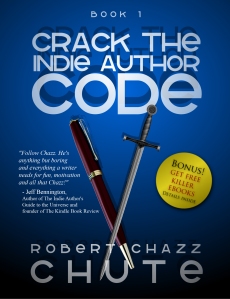
Crack the Indie Author Code10. Small is an attitude that’s easier to relate to.

My writing and publishing guides are journeys through the mud of independent publishing. I chronicled the struggles more than the success. Success teaches less than mistakes can. I was (and continue to be) very honest about my mistakes over the last couple of years of steering the Ex Parte Press imprint. Instead of telling anyone what to do, I did research and gave opinions and examples. I experimented. I tell you what worked for me and what didn’t work. I’m just now beginning to feel like I have a solid idea of what I’m doing. Mostly because now we have more tools at our disposal than we used to have. Independent publishing has matured.

We’re walking together to find our way here. I don’t listen to some experts because their viewpoints come from such a different experience. One indie guru’s solution to marketing problems is to throw money. I don’t know what he’s talking about or to whom. Others are well-established because they came to self-publishing early with trad publishing inertia and lineage mojo. 

They aren’t us. We’re small, but we are getting bigger.

We’re getting traction. We have better tools now and we’re honing them.

No matter what, we’ll remember where we came from and the friends who helped us up and out.


Filed under: blogs & blogging, book marketing, book trailer, Books, getting it done, Publicity & Promotion, publishing, , , , , , , , , , , , , , , , , ,

Today’s ordeal: Insults aren’t a marketing strategy

I talked to a bad sad person today who tried to push me around and deceive.

After a little more research, I figured out he was trying to sell me more of his own services but he wasn’t up front about it. Devious! I responded with reluctance because I hate hard sells and I’m suspicious of verbal sleight of hand. Then he switched from persuasion to an attempt at bullying. Why does any marketer think mean works? I guess he knew he wasn’t getting a sale so he had to get the venom out of his system. (Note: He’s not alone in thinking bullying works in sales. I suppose there are some gym memberships that prove bullying does work, but I don’t recommend it.)

He tried to spin a few dollars into “consulting”, amping a cheap offer ($15) into (I’m guessing) one or two thousand dollars. That’s quite a stretch to the next sales level, isn’t it? If he was as savvy at marketing as he says he is, he’d recognize he’s fishing in the wrong pool. And he’s angry at the fish.

When he wasn’t clear on his offer, I tried to determine if he was willing to work within a budget (any budget!) He went from wheedling to puffery to obfuscation to contempt in four sentences. I figured out what he was up to. What it amounted to was, “That thing I tried to sell you for $15 that I said would be awesome? Tricked you! What I said would be awesome is worthless and sucks, but if you don’t buy the platinum package (which I won’t define) you’re an idiot…” Blah-de-blah. Nonsense and hurt feelings ensue.

So that was eight minutes and ten seconds from hell. Skype tells you exactly how long you’ve been in hell. Convenient. He told me I’d wasted 15 minute of his time. Odd, he wasn’t worried about wasting my time with deception and insults, but we’re all the centre of our own universes, aren’t we?

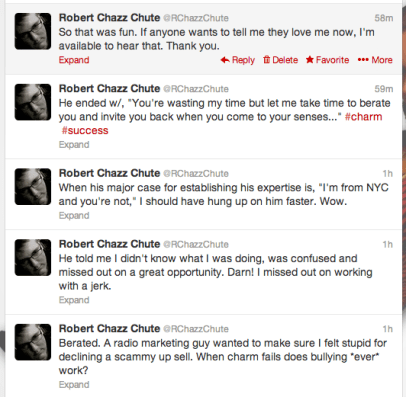
Here’s my Twitter stream (read from the bottom up) from today’s encounter with the outside world. This is why I hide in my writing cave and avoid human contact. It was a delightful reminder of what not to do. Okay, not so delightful, but instructive. Basically, desperate and mean doesn’t work.

Does this seem mean? I don’t think so. If I were mean, I’d tell you his name. Instead, I’ll say, caveat emptor and hang up faster than I did.

Screen Shot 2013-07-18 at 4.47.17 PM

Screen Shot 2013-07-18 at 4.45.36 PM

Start here and read up for the details of how not to market.

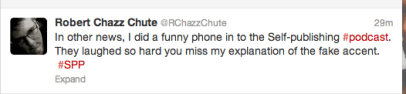
On the other hand, it was fun getting a phone call through to SPP!

Click here to see how I'm recruiting allies in the struggle to get visible (without dealing with Mr. Nasty Meany Big Time).

Click here to see how I’m recruiting allies in the struggle to get visible (without dealing with Mr. Nasty Meany Big Time).

~ For the record, I didn’t hang up on him because my mama raised someone who’s hopelessly polite. I also believe it’s important to give nasty people enough rope to hang themselves so I can spin the ordeal into a post on my blog. At least I get something out of it that way. Click either of the images above and you’ll see my latest marketing attempt for This Plague of Days. It’s the opposite of what was tried on me today. My approach is to go for win-win instead of deceive-insult. If my approach doesn’t work, I guess I could move to New York and give berating potential customers a try. Okay, now I’m officially letting this go. Have a peaceful day.

Filed under: book marketing, , , , , , , , , , ,

How Weird Al, Kevin Smith, Hugh Howey and Scott Sigler Succeed

The mind virus is created. Spread the infection.

The mind virus is created. Spread the infection.

Price alone doesn’t get attention anymore. Being an author isn’t so special. To really stand out and sell more books,  you’re going to have to be you. 

We in the brain tickle business have never had so much freedom and opportunity  to talk directly to readers. We’ve also never been so invisible. The essence of our book marketing problem is that readers are flooded with noise but our signal isn’t getting through. A plethora of fractured choices leaves us catering to smaller niches. The world has exploded with feasts for the senses and books are not central to our cultural dining experience.

How do we help readers find us? 

To figure out how to better reach our niches, let’s look at artists who successfully engage their fans: Hugh Howey, Scott Sigler, Weird Al Yankovic and Kevin Smith.

Be famous for something else first.

When director Kevin Smith’s Clerks hit, that movie was his introduction to his niche. He has described the film as as a handshake to America that said, “Hi, How are you? I’m Kevin Smith!” Being famous first isn’t  helpful advice, but it’s so obvious, I had to get this one out of the way first.

Pioneer something new.

When Kevin Smith jumped on the podcast bandwagon, there weren’t many musicians in that band or on that wagon. He’s always up for something new or a twist on something old. He abandoned the big studio promotion model to take his movie, Red State, on tour to his fans. Now he’s taking his Super Groovy Cartoon Movie on the road.

The same willingness to adapt applies to Scott Sigler. When his manuscripts weren’t selling to publishers, he sat in his closet and recorded his books as podcasts. When he went back to the publishers, it was still so early in the game, the publishers replied, “What’s a podcast?” But Sigler’s readers found him through audio and ended up buying his work in digital and paper.

Think it’s too late to get into something new? Podcasting is still new. You probably write a blog, but there are millions of blogs vying for attention. There are only a few hundred thousand podcasts.

POD Chazz 2I have two podcasts and I sell the most books where my podcast is most popular. Also, I’m connecting with cool people on Vine. I don’t know what the next big thing will be, but I’m open to jumping into anything early if it makes sense to test it. Just don’t wait until the new social media platform makes sense to everyone.

Embrace Different and get noticed.

Hugh Howey has taken a contrarian approach to fan fiction. He’s embracing it. Instead of guarding the realm of Wool, he’s invited others to play in his sandbox. That one move has already gained him new fans and more publicity. The fact that Amazon decided to promote fan fic makes me think he’s on to something. (And before we get snotty about it, don’t forget fan fic is where the Fifty Shades of Gray‘s success sprang from.)

Kevin Smith just pressed a new album for his cult of rabid fans. That’s right. As in vinyl. They’ll buy it, too. They love him.

Scott Sigler appeared on The Joe Rogan Experience recently. Lots of fiction authors (like me!) would love to get on that show. He got there because he’s interesting, does tons of research for his books and he’s technologically innovative. Couldn’t happen to a smarter guy.

Meanwhile, Weird Al expanded his empire into our territory. He’s written a children’s book. Couldn’t happen to a nicer guy.

Build a body of work.

After his many movies, Smith has a plethora of podcasts he’s begun, sponsored, abandoned and continued. His motto is, “Monetize.” He monetized conversation and found a way to keep his connection with his fan base between movies. Before podcasts, his ongoing conversation with fans happened through Twitter. Before that, his was one of the first message boards on the Internet. Keep up with innovation.

Weird Al has made music parodies for decades now (and weirdly, he does not appear to be aging.) It might surprise you to discover that half his songs are originals, not parodies of popular music. His fans know every lyric of his extensive musical inventory, though. Weird Al puts on an amazing show and, though many love him as a comedian, he doesn’t get the respect he deserves as a musician. He and his band have incredible range. They have to be great to convincingly parody so many artists of different styles. Keeping up with the music and being brilliant explain his staying power. His fan base renews so parents and their children have grown up loving Al. He didn’t get that status by being a one-hit wonder.

A bigger inventory is key to successful book marketing. Like I said repeatedly in Crack the Indie Author Code, your one sure, long-term strategy is to write plenty of good books. By occupying more digital real estate (like “Also boughts”), we send up a bigger flare to help readers find us.

The more shots you take, the more chances you have to hit. Once one book hits, all your sales rise. Do not bet it all on one spin of the wheel.

Be available.

Cool+People+Podcast+FinalQuite often you will read complaints about social media, particularly from authors. How many more blog posts will bleat, “But I just want to concentrate on writing my book…”? That’s not social media’s problem. That’s your time management problem. Figure it out and do what you enjoy when you can. (For instance, Vine’s a blast, it goes to my Facebook and Twitter, and it takes six seconds.)

Don’t complain about social media. Complaining about having to talk to readers makes you sound like someone potential fans don’t want to know, love and support. Whining doesn’t make you a diva or an auteur. It makes you a pain in the ass. 

Hugh Howey bubbles over with success, but he’s definitely not churlish. He’s friendly and nice. When I asked him about appearing on the Cool People Podcast, he got back to me right away even though he was on the road. (I’m interviewing him for the show next week! Can’t wait! If you have questions you want me to ask him, submit them to expartepress [AT] gmail [DOT] com.) 

Be available where readers congregate.

Smith and Weird Al tour. Scott Sigler is as close as your earbuds for free and when I sent him a tweet, he got back to me. Hugh Howey’s YouTube channel is plenty busy. If you aren’t talking where people are, you’re either praying or talking to yourself. Whether it’s social media or speaking events, go meet new people.

But it’s not just about sending signals out.

You don’t get much love hiding in a hole. To  engage people, be responsive when you can. For instance, Weird Al found himself waiting for a plane. He tweeted a phone number. “Anybody want to chat? I’ve got five minutes to boarding.” All his fans who couldn’t get through undoubtedly appreciated the gesture. It speaks to the sort of person he is (i.e. someone you want to know, love and support.)

When I met Kevin Smith, he couldn’t have been nicer to me. (Same with comedian Mike Schmidt, who has the same knack for remembering the name of everyone he meets and putting them at ease.)

Here’s the key: Be nice and listen to what they’re saying.

When you’re talking to someone, speak to that person as if, for that moment, he or she is the only person in the world. It sounds easy, which is why it’s so crazy more people don’t do it. (I’m confident divulging this open secret because, if you aren’t already genuinely nice, you won’t be able to fake it.)  Also, successful authors are always interesting, intelligent people with diverse interests. To be interesting, be interested in your world and in others.

Social media isn’t working for everyone.  

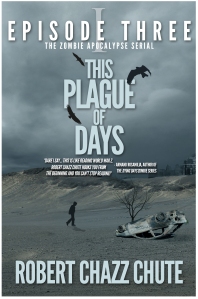
Episode 3 launches today! If you've been holding back on jumping in, now's the time!

Episode 3 launches today! If you’ve been holding back on jumping in, now’s the time!

Maybe that’s because we aren’t loveable, helpful or engaged enough. I’m not saying you have to engage “everyone”. That way madness lies. Besides, the writing has to come first and getting everyone on board isn’t the point. The point is to engage with people who get you and your work. I don’t need millions of readers who can take me or leave me. I need a few thousand die-hard cultists who call themselves an army, build fan clubs, buy books, leave happy reviews and don’t hate. That seems achievable. At least it’s easier than attempting to appeal to everyone (which too many people try to do.)

To the naysayers, I ask, “If social media is a lost cause, what is the alternative? Smoke signals?”

And are you being Weird Al enough?

~ I’m Robert Chazz Chute. I’ve written the Hit Man Series, writing and publishing guides and most recently, This Plague of Days. TPOD is about a flu pandemic that turns into a zombie apocalypse as seen through the eyes of an autistic boy. It’s a serial, so you can gamble 99 cents on Episode One and buy the episodes a bit at a time, or grab the discount and get all of Season One for just $3.99. And by the way, when I’m nice to you, I’m not faking it. I only fake orgasms. In supermarkets.

Filed under: All That Chazz, audiobooks, author platform, book marketing, podcasts, , , , , , , , , , , , ,

Uncomfortable answers to questions about blogging

1. When’s the best time to post to your blog?

There are better times than others to post to your blog. Late at night isn’t generally so good. There’s a lot less browsing after 9 pm and prime time seems to be the morning hours. Mondays are big blog stats days as people ease into their week. Fridays suck, so I post less on Fridays. The earlier in the day and the earlier in the work week, the better.

2. Should you blog every day?

I think you should post only when you have something to say. If your content is rich and if you post often, the more traffic you’ll get. At DecisionToChange, I often blog several times a day, but with short posts.

3. What should you blog about?

Blog what you care about. If you try to blog about stuff that doesn’t interest you for some audience-centric, strategic reason, you’ll run out of gas before long. People say you shouldn’t blog for writers, but of my six blogs, this is the one that gets the most traffic so far and I did get two books out of writing ChazzWrites, (Crack the Indie Author Code and Write Your Book: Aspire to Inspire) so there’s that.

4. How long should my posts be?

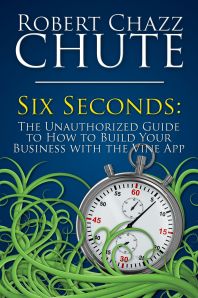
Shorter and to the point is generally better (though this particular post will get pretty long). I used to write very long essays. It’s better to break them up into a series if you’re writing long. If you’re writing at great length, don’t blog it. Book it. You can sell it on Amazon. That’s what I did with Six Seconds.

5. What’s the least I can post?

You can have a static page you don’t update, but don’t expect a ton of traffic unless you’re doing something else to drive eyes there. I do two free podcasts (All That Chazz and Cool People Podcast) and frequently appear on other podcasts. (I’m on a comedy podcast called Inverse Delirium this week).  Even with that weekly boost, I wouldn’t do a static page. Websites are either growing or dying. If I can’t update a page at all, I’d rather abandon it for a more active, and therefore more useful, site.

6. Can you post too much?

Yes, if posting burns out you or your readers, that’s too much.

If it takes away from your core work (i.e. writing books) then prioritize and manage your time so you do the core work first. I post to six blogs, a tumblr, Youtube, iTunes, Vine, Facebook and Twitter. However, I watch almost no TV and writing is my full-time job. That list of social media belongs on the secondary activity, fun stuff and stolen moments list of things to do. Writing new stuff, editing and revising is always number one.

7. Where do you get your ideas for blog posts?

My life and work is research. I’m interested in making kale shakes healthier and more appetizing, so I find out about that and share the wealth. I’m interested in all aspects of the book business and subscribe to various feeds that feed that passion.

8. If you talk about your books on your blog, is it spammy?

Some might complain I talk too much about my own books here. My reply is (A) It’s my blog and if you aren’t that into me, I’m not pestering you with phone calls to visit my blog and (B) working my book stable is where all that real world experience comes from. I’m building a cult out of supplying free information, so it’s hard to feel bad about that. I also help writers and promote other authors and their blogs here frequently, so any outrage is misplaced.

9. What’s the most important element of a website?

A. Some websites I self-host and others I don’t. For the long-term, owning it is important. Ownership allows advertising, monetizing and more control.

B. Having a list for people to subscribe to is critical to monetization. (My mailing list subscription is on the front page at AllThatChazz.com and I use MailChimp.) I give new subscribers perks like sneak peeks and shout outs on the All That Chazz podcast. Some subscribers got Advanced Reading Copies of This Plague of Days.

C.  Your website should look good, but opinions vary on what good looks like. Kit Foster of KitFosterDesign.com creates my web banners. That adds a lot without dealing with webmasters and giant makeovers.

D. Strong content. Everyone says “Content is king.” It’s kind of useless advice because that can be awfully subjective. If you live a sufficiently exciting life with plenty of sex among celebrities, you could rock a diary and make it work. Otherwise, go for useful and newsy so readers feel the value that way.

10. What helps a blog’s readability?

A. List posts like this one.

B. Make it easy for the reader to scan with sub-heads like this post uses.

C. Use a less fancy font to increase legibility. I also bold the type so it’s easier for everyone to read. I dumped the dark background and the light text a long time ago.

11. What are the most useful blogging tools?

A. I think WordPress is the best blogging platform (and essential if you run a podcast.)

B. I love Scoopit! The tool allows me to point readers to useful information on other websites. I can add my thoughts so I’m still adding value without looking like a parrot. I dislike WordPress’s reblog feature because I don’t post pictures on my blogs unless I’m sure there are no copyright issues. Scoopit! allows me to easily delete images. 

C. Rebelmouse. This free tool allows me to post all my blog feeds to one page so if you want to get a look at all I did in a day that was blog or podcast-related, it’s all there in one place. Every blog entry and podcast is displayed in a Pinterest-like array that’s easy to take in and stimulates the senses in a happy way without expensive and tech-heavy interventions. (You can do fancier things with Rebelmouse if you want to pay a bit of cash.)

12. Why should we blog?

(Sorry, I can only tell you why I blog.)

A. Sharing information builds the indie writer community and elevates the general level of expertise, discussion and product quality.

B. Ego and narcissism. I want you to love me and think I’m smart and funny. How else to explain six blogs and two podcasts? Pathetic and needy, isn’t it?

C. Honesty is the best policy unless questioned by Nazis. Honesty builds trust. (See 12B.)

D.  I’ve made friends and allies through my blogs and even a few readers for my books. You might even find a few people willing to be reviewers, ARC readers, beta readers, proofers, donors and helpers. My blogs and podcasts provide ways to help my friends by spreading the good word about great people.

However, if I were blogging just to find book lovers, I’d be disappointed. Only after I’m a huge success as an author using other strategies that have nothing to do with blogging will there be a clamour for all my blogs (and then I’ll have much less time to blog.)

Photo on 12-09-25 at 3.23 PM~ This fall, I’ll tell you about those “other strategies”, after I’ve given them a test run with This Plague of Days.

Have you read the manifesto for artists who want to live forever yet? Read that here.

Have you heard the latest All That Chazz podcast. The reading slips toward erotica toward the end, so this is the NSFW podcast episode you’ll probably want to hear. Check out The One That Gets Sexy here.


Filed under: blogs & blogging, book marketing, Books, , , , , , , , , , , , , , , , , ,

Self-publishing: The stuff that isn’t the core work is still important

Click it to grab it.

Click it to grab it.

I’m up to my alligators in the final revisions and polish of This Plague of Days. Still, other stuff must be juggled when I take a break from the “real” work. Keeping the engine of the author platform going is very important. Without it, who will find and read my books? Fortunately, it’s all fun or I wouldn’t get to it. Here’s what else I did today:

1. Fired off  weird interview questions for a future author appearance on this blog.

2. Answered weird interview questions for another blog, prepping for promoting This Plague of Days. (If you want me on your podcast or blog, email me at expartepress [AT] gmail [DOT] com.

3. I posted the story pitch and beta reader feedback for my horror book and serial at ThisPlagueOfDays.com.

4. I wrote about the Vine app’s huge update on my blog about Six Seconds. Vine is used by 13 million people. Today, a whole new group of people, Android users, may be pulled to check out the book, buy it and use it.

5. I posted multiple vines (little videos) to my Vine account. That cascades to Facebook and Twitter. I welcomed the new Android users and interspersed that with several funny vines about the Android update and using my how-to book about the Vine app, Six Seconds. (I’m “Robert Chazz Chute” on Vine. Follow me there and say hi!)

6. I posted on my weight loss blog early this morning at DecisionToChange.com. Got some great feedback on that piece and I’m growing another audience segment there. That blog competes with this one as my fastest growing blog, though it’s very new and this is my third year posting on ChazzWrites.

7. Email correspondence. Confirmed a story meeting with a friend who’s an expert on logistics and hiking for Season 2 of This Plague of Days. He’ll help me plot details of the journey in Season 2 and he’s okay with getting paid in coffee.

8. Listened to a Self-publishing Podcast over the course of getting my daughter to the dentist and taking her to gymnastics.

9. I appeared on the Podcaster’s Roundtable Sunday night. We talked about dealing with negative feedback, reviews, haters and trolls. I made some good jokes. I had permission to spread the word and post the video, so I stuck the YouTube video up on my author blog at AllThatChazz.com today.

10. My friend Kim Nayyer alerted me to news of indie membership in The Writers Union of Canada. That post and link appears below this one.

11. This blog post is written. It’s 9 PM.

Tonight I’ll do the dishes and walk 5 km. Then I’ll probably polish another episode of This Plague of Days. Projected bedtime: 1 PM. And I’m very happy with that.

To do:

I’m appearing in a sketch on Inverse Delerium, a very cool comedy podcast. That went over so well, they sent me another script (and I get to plug This Plague of Days between the laughs). More revisions, that logistics/story meeting, a fresh reading for the All That Chazz podcast, posting a new Cool People Podcast with author LeRon Barton about drug culture and the drug war in America, incorporating new beta feedback as it arrives, consultations and prepping the TPOD cover and TPOD promo and t-shirt graphics with my friend and uber graphic designer Kit Foster.

They call us “indies” and it doesn’t take an army. It takes a platoon and total commitment and time management.

~ This weekend, in between podcast interviews and, of course, more editing, I now have a YouTube Channel dedicated solely to Ex Parte Press books and podcasts. I expect this channel will grow quite a bit as I incorporate much more video into my author platform. (For instance, I want to use it so you can not only hear the Cool People Podcast on iTunes and Stitcher etc, you can also see the interviews if you wish. My interview with Shermin Kruse about the Middle East and US politics is the first Cool People video cast.) 


Filed under: author platform, , , , , , , , , , , , , , , , , , , , , , ,

Bestseller with over 1,000 reviews!
Winner of the North Street Book Prize, Reader's Favorite, the
Literary Titan Award, the Hollywood Book Festival, and the
New York Book Festival.

http://mybook.to/OurZombieHours
A NEW ZOMBIE ANTHOLOGY

Winner of Writer's Digest's 2014 Honorable Mention in Self-published Ebook Awards in Genre

The first 81 lessons to get your Buffy on

More lessons to help you survive Armageddon

"You will laugh your ass off!" ~ Maxwell Cynn, author of Cybergrrl

Available now!

Fast-paced terror, new threats, more twists.

An autistic boy versus our world in free fall

Suspense to melt your face and play with your brain.

Action like a Guy Ritchie film. Funny like Woody Allen when he was funny.

Jesus: Sexier and even more addicted to love.

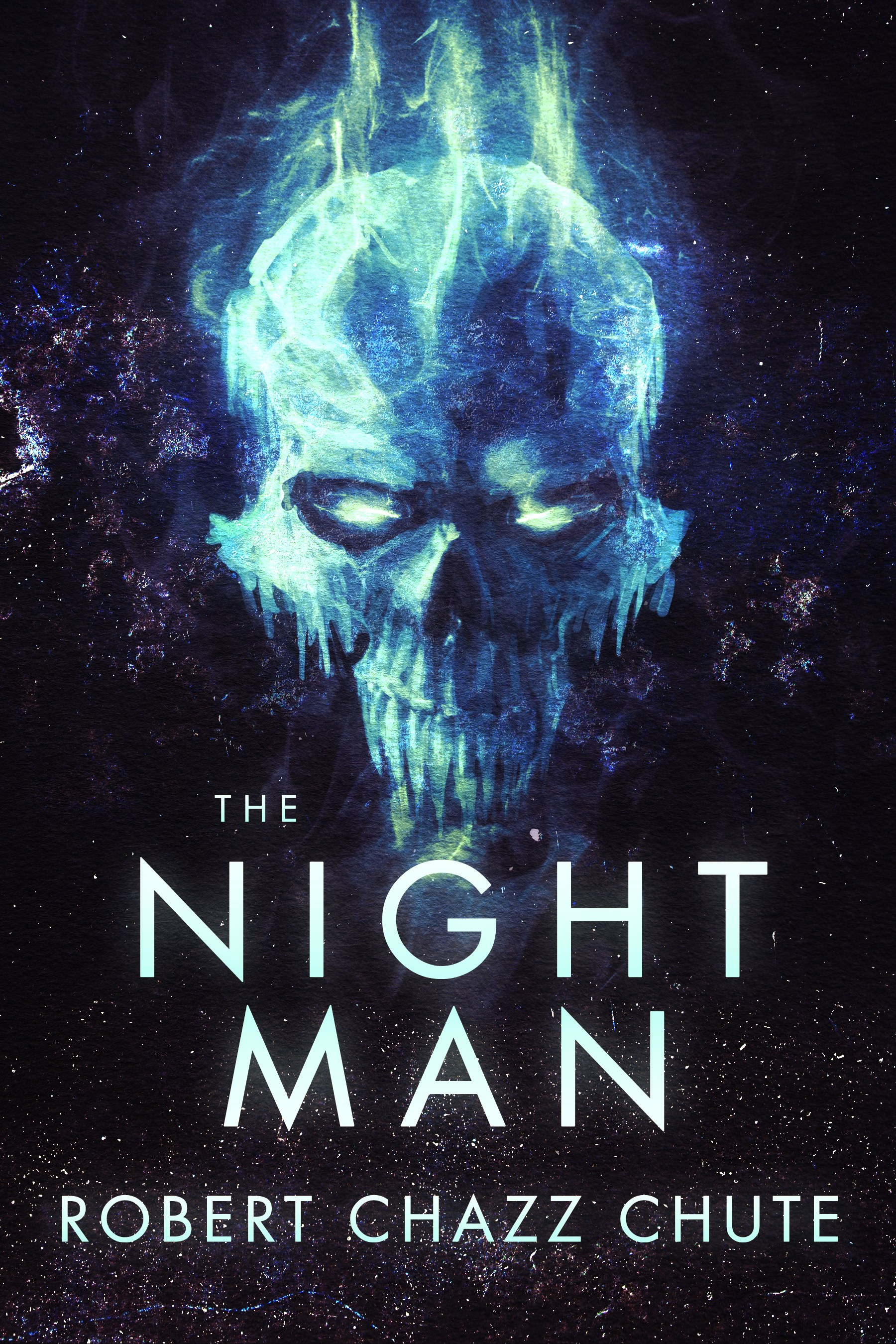
You can pick this ebook up for free today at this link: http://bit.ly/TheNightMan

Join my inner circle at AllThatChazz.com

See my books, blogs, links and podcasts.

Enter your email address to follow this blog and receive notifications of new posts by email.

Join 2,061 other subscribers