C h a z z W r i t e s . c o m

See all my books at AllThatChazz.com.

Solopreneur Writers: 10 Nitty Gritty Pickies

Thousands of little details afflict us as artisanal publisher-authorpreneurial Han Solo writer-heroes. A couple of authors publishing books for the first time have asked me about nitty-gritty details to watch for. Here are ten that came up in our discussions of new book launches.

1. When you set your price on Amazon, the calculator will automatically set comparable prices in other countries. Set it lower for India. The “comparable” price would actually buy three books in India (and so, is too expensive.)

2. If you have a list of book bloggers to whom you wish to send Advanced Reading Copies, check their guidelines carefully to see their preferred reading mode. PDFs are free to email but some people don’t want to sideload their e-reader or read on their computer.

The easiest solution is to gift the book to your list of reviewers, preferably during a pulse sale at 99 cents to minimize the cost of promotion. You get credit for the sales and potential reviewers are more likely to check it out with Amazon’s happy, one-click experience.

Smashwords has a solution that’s free: Promo codes. Send the code to potential reviewers so they can redeem it for a complimentary copy. Inexplicably, no other platform has stolen this idea yet. Still!

3. Services like Smashwords and Draft2Digital can upload to multiple platforms at once. However, there is often a delay if you want to change your prices across retailers. This makes a BookBub promotion, for instance, a logistical problem. And by “problem,” I mean a red-hot skewer in the gluteus maximus.

I’ve noticed the worst delays seem to happen between Smashwords and Apple. One of my books took more than six months to show up on Apple. Draft2Digital had problems with Kobo. Those issues are fixed now.

4. KDP Select’s five days of giving your book away for free isn’t the great tool it once was, though other platforms still seem at a loss as to how to promote effectively and boost discoverability. The commitment to exclusivity with KDP Select is five days out of ninety. 

If you are using free day promotions, I suggest you don’t promote for more than two days at a time. Better to stop while sales are still coming in and visibility is high rather than allow the sale to lose steam over an extended period.

Use Author Marketing Club to identify sites that will promote your promotions so you maximize promotion power.

5. Some intermediaries charge much more to upload your book to various platforms. Avoid them. More important than the fee they charge, you’ll sacrifice power over your book and flexibility to promote.

If you don’t have the technical skills to do it yourself, get someone else to help you for a fraction of the cost (and a one-time fee instead of bleeding cash on an ongoing basis.)

6. Box sets are the latest tool for discoverability. I’m involved in one now and, though we’re still at the very early stages, my visibility on Amazon has already gone up.

How it works is, several authors get together. After a cage match, the Alpha who has the most resources and the one they all trust, publishes a sampler. They might give away whole books. Everybody promotes the box set at 99 cents and bam, the tide raises all boats and more readers find you. 

Some people are sneering at box sets, but I think it’s because they misunderstand the intent. It’s not about making money, particularly. This is us playing the long game and working with allies to fire off flares. It’s about raising your rank, giving strangers a chance to fall in love with your work and selling your other books. (So write more books.)

7. Publishing is a business and, despite the fact that we’re all cybering and telecommuting from our worldwide basement headquarters, you’ll still have to run errands. The thing you track least for tax time is mileage. Keep a notebook in the car and track it. Canadians, use a pencil because you know that pen will freeze each winter (August to June).

It might not add up to much, but it’s a lot when you’re making nothing. You wouldn’t burn cash just for fun, would you? Then keep your receipts and track the little things. Claiming a home office may be all that justifies your new publishing venture to your accountant, and your spouse, for the first couple of years.

8. Word was built for office use. Scrivener was built for writers. The program allows you to bounce around your manuscript with ease and format for publication. Get Scrivener. If you’ve already written your text in Word, importing to Scrivener is not a big deal. Yes, there is a learning curve, but it’s worth it.

9. Before you publish and make all the other edits you’re going to make, search the text for two spaces. Those extra spaces sneak in if you don’t scrub them out.

10. Yes, you need an author website, but a simple WordPress site (preferably with your own name) will do. Eventually, with more books under your belt and future changes in the publishing landscape, you may choose to sell books straight from your site. It’s a cool idea that doesn’t really have elegant delivery solutions for the reader (yet).

You can switch your author site to a more complex configuration later, if need be. Don’t worry about that for now. Now is the time to build a base of readers. You could sell straight from your website, but most authors would prefer not to sacrifice their visibility and reviews across the current sales platforms. 

~ There are many more details to attend to, but that’s a start. Hi, by the way. I’m Robert Chazz Chute. Good to meet you. Find me on Twitter @rchazzchute. Connect with me on Facebook here.

Filed under: author platform, DIY, publishing, self-publishing, , , , , , , , , , , , , , , ,

Writing Process: Ten Moments in the Writer’s Life

1. You become a writer.

It’s usually not something you really decide. It happens to you, like disease. It’s a life where you’re either writing or you’re distracted and feeling you should be writing, forever. Like homework, for adults, 24/7. And some of the teachers mark really hard.

2. You escape the life of mortals.

You become so involved in the story that time flies and you don’t care that you’re cursed to do homework for life. In fact, you feel fortunate you’ve found this for yourself. You dream of seeing your name in print. And the accolades! That will be sweet! Finally, self-worth fed to you by strangers!

3. You meet your first dream killer.

Someone scolds you for daring to use an adverb and shrieks that, “A sentence fragment is not a sentence!”, as if you didn’t know. Then they tell you not to bother with writing.

“Perhaps you’ll find animal husbandry more fulfilling,” they’ll say, because they’re full of terrible advice and, oddly, they sound very confident.

This is a critical juncture.

If the person has too much influence over you or you’re young enough, you might quit. If quitting is an option, that’s okay. Writing isn’t for everyone. 

4. You enter the Octagon.

You send out queries and manuscripts and you get rejection slips but you don’t care because it means you’re putting yourself out there and you’re in the game. You’re not talking about writing like it’s a dream in a far off retirement. You’re doing it now. Every moment of it feels important.

5. You get feedback on your writing that’s really useful.

You put away the first bunch of stories or your novella or even your first novel or two and you begin again. You improve.

6. You get your first success.

It might be a writing award or an article in a magazine. Maybe you get $25 or maybe you don’t, but the money’s not important to you. Your parents will ask how much you won or got paid. That dagger in your heart comes from a place of love. Probably.

7. You get your first hater.

I won third place in short story contest and $1000. Someone was offended that my story won and wrote a screed about how it sucked, I sucked and this was what was wrong with the world (and possibly this side of the galaxy.) He didn’t win so, naturally, now we’re all gonna die!

The thing about the Internet is, people will say things on their blog that, if said in person, would lead them on a trip to major reconstructive surgery and not a judge in the land would convict. As far as I know, that dude still hasn’t written anything besides his doctoral thesis in English literature. Poor guy is still unread and still brings joy to no one. If only he’d pursued animal husbandry, we’d all be happier (though that’s a terrible thing to do to innocent animals.)

8. Your finger hovers over the mouse.

You’re about to hit the “publish” button. It’s nerve-wracking. How many mistakes have you missed? How mean will the reviews be? How good might they be? You thought this would be one of the highs moments of your writing career. Instead, hitting publish is remarkably stressful. After you hit that button, birth that book and send it out into the cold air, you might even feel postpartum depression for days or weeks. I do, every time.

9. You get your first true fan.

For some reason, vague to both writer and reader, something you wrote connects viscerally. Someone loves what you wrote and you love them for it. They are invaluable. They are your chief five-star reviewer, defender, cheerleader and advocate. They’re so awesome, you’re pretty sure they don’t poop. Inexplicably, they think the same of you.

Through the simple mechanism of words on the page, you’ve bypassed his or her brain and you have their heart. Then you start to worry that, with your next book, you’ll screw it up and lose them. The thought of losing a die-hard fan? Hello, Insomnia.

10. You go deeper with your writing.

You tell yourself you’re sufficiently seasoned now so the haters should bother you less. Maybe they shouldn’t bother you, but they will. I got a belittling letter at Christmas that knocked me so far down I didn’t write anything for a month.

But then you get back to it and you remember what cartoonist Lynda Barry calls “that floaty feeling” you get as a creative.

Publication per se? That matters less. It’s the writing process itself that is the thing. Yes, you want readers and lots of them, but you write for yourself first. You discover what you think and feel by writing. The writing journey is the reward. You lose yourself in the prose and in a small way, there’s something immortal and divine about that dopamine drip, washing your neocortex as you write and dream and create.

It’s just so darn godlike to kill people…

Um…in fiction. Right. That’s what I meant.

~ I’m Robert Chazz Chute and I poop. I also create worlds. If you create worlds, too, you’d probably enjoy reading this.

If you like to read stories that make you question whether the author may or may not poop, try this.

Also, right now, for a more buck, you can get a box set from me and seven other writers who are so awesome, they definitely don’t poop. Get the Horror Within box set now. 

This is the most I’ve written the word “poop” in one blog post. Or 3,000 blog posts. Why was I denying you this joy for so long? Now I feel bad. Better go kill some people…


Filed under: Writers, writing tips, , , , , , , , , , , , , , ,

Genre Writing: How to make your book funnier if you want to (and why funny is important)

I’m not talking about writing comedy per se. I’m talking about giving a too-serious book some oomph. (Oomph is funny. Ooh-la-la is erotica, and that’s a different post.) It’s not for every author or every book, but if you’re looking for ways to add a lighter touch to your work in progress, consider this:

1. Say what everyone else is thinking but would never say. Explore why you, too, love disco. You have always loved disco and yes, you, like everyone, have had angry sex in the back of a taxi. It made you feel disappointed in yourself and oddly Germanic. But that was this afternoon, so let’s not live in the past and…

2. Punch up, not down. This is why Jon Stewart is funny and Rush Limbaugh isn’t. Rush mocks the poor while Stewart goes after power. Mocking our betters is what betters are for, apparently. Not many of them seem to be good for much else.

3. Have a sense of humor about yourself and let your protagonist be less monolithic, too. Self-deprecating humor works because, well…few of us are really that great but anybody who thinks they’re great sounds like a donkey. Watch Grosse Pointe Blank or High Fidelity and fall in love with John Cusack (again) because of that funny vulnerability. John Cusack is a funny puppy in those movies (even when he’s killing people for profit.)

4. Juxtaposition can be funny. For instance, I wrote on Twitter that I had an awkward encounter with someone I’d accidentally insulted. I added, “Hiding in my office. Like a man!”

5. Twist it. “I love kids. Not mine, but…” Attack jokes are hard to pull off without supreme confidence. They’re more suited to villains or more minor characters who have a terrible vengeance coming to them. When the boss is caustic and sarcastic, the reader will achieve greater satisfaction when the twit is hoisted screaming by his own penis. Or someone else’s. Hey, I’m not here to judge your book.

6. Find the funny in the character. In Buffy The Vampire Slayer, Joss Whedon would add Xander to a scene to deliver a particular line because, though everyone on the show could be funny, a Xander joke coming from Willow’s mouth would break Willow’s character. Jokes and characters have a point of view, so make sure the joke sounds right coming from your character.

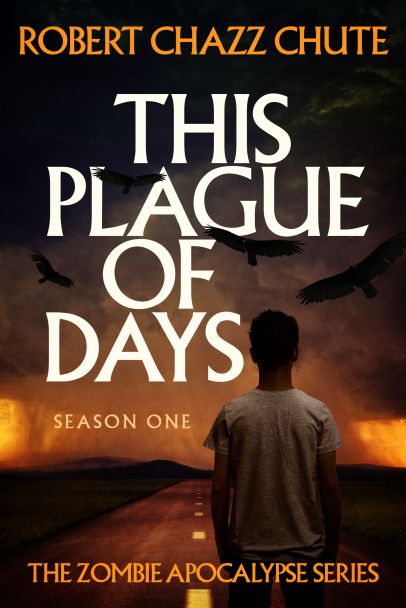
The jokes that spring from my autistic hero in This Plague of Days originate in his innocence. He doesn’t see the world as others do so he often says the unexpected, but from his unique, laconic perspective. There is nothing angry or world-weary in his observations, only wide-eyed, what the heck are they doing now and why? This is normal?

7. Don’t be afraid to deliver a line in a low-key way. In Bigger Than Jesus, Jesus Diaz gets beaten terribly. His girlfriend, the lovely Lily, finds him lying on his kitchen floor icing his blackened eyes. When she tells him that his situation does not look good, the hit man deadpans, “I don’t know why you’d say that.”

8. Outrageous works. Rants can be awesome. Give it a context to sell it and an entertaining rant can go a long way. For instance, in this little Season 3 spoiler from This Plague of Days, Shiva gets some good lines: 

“Please don’t hurt anybody.”

“Darling, I’m the Queen of Hearts.”

“So, you’ll rule with love?”

“No, stupid. I mean I can say, ‘Off with their heads,’ at any time. Love takes time, Rahab. Fear takes root in the second it takes to slap a child.”

9. Writing jokes is difficult. There are many more comedians than there are comedians who are really killing. To improve your chances of hitting the right notes to a killer joke, don’t sweat it so hard on your first draft. Jokes are easier to find and unearth when you’ve already laid the foundation of character, action and dialogue. Jokes are for the second and third pass where you’ve already got something to riff from. Lots of people aren’t quip machines on their own, but when they hang out with friends and loosen up, they can bounce lots of funny ideas off what’s already in the ether over the cocktail bar.

10. A joke is set up, punch. The punch should be fast and short. Don’t reach for it. Eschew dumb, easy jokes and never make a joke you have to explain. Use the fewest words possible to get to the POW! 

BONUS: Why is funny important?

I write suspense. I deliver on a lot of grim scenaria. Horror presents many opportunities to be funny because both scares and laughs are about playing with the audience’s brains and delivering the unexpected. When the reader expects you to zig, zag. These devices are necessary because few readers want to read a long horror story if it’s not an emotional roller coaster. The horror on the next page will have a heavier punch if I can get you to chuckle on this page.

One of the things I don’t like about some books is that they are relentlessly monotone. The reader begins to feel like there’s little emotional payoff and the book becomes a grim march to the finish. Grim can be fun, but a book with only one tone and no cookies and candy along the way isn’t rewarding the reader with enough wit. One tone for a whole book is so hard to pull off, I don’t recommend trying it in most genre fiction. Life’s tough enough. We all need comic relief. (Yes, I can think of exceptions, but I’d rather read the exceptions less often.)

Funny helps your characters. In Die Hard (the original), the hero gets a lot of funny lines. Bruce Willis was a lot easier to like when he was more of a hapless, shoeless badass instead of being the go-to smart ass tough guy out of the gate. Heroes in real danger are compelling. Heroes who face that danger with at least some appreciation for the absurd? We love a wry hero more than the strong, silent type.

Hold back on the easy joke if it saps another emotion’s power moment. In the final battle for the survival of the human race, don’t let your hero suddenly turn into Andy Dick. (If your villain in that scenario suddenly turns into Andy Dick, however, that could work.)

It’s not that hard to give your reader a story with emotional range. Send in the clowns. When you’re done terrifying them with clowns, give them something to laugh at and light some tax accountants on fire.

~ I’m Robert Chazz Chute and some people think I’m funny. I wasn’t always funny. I learned that when you hide your rage behind jokes, you get fired less. I’m not very funny on Twitter, but it would be cool if you followed me there @rchazzchute.

If you like to laugh, and breathe, and eat things, then continue laughing, I recommend Bigger Than Jesus. Bestselling author of Vigilante, Claude Bouchard called it “Wickedly real and violently funny!” and Claude would not lie.  Seriously, he wouldn’t. I tried to get him to write me a better blurb, but that’s it.

Filed under: funny, writing tips, , , , , , , , , , , , , , , , ,

Writing Process: How to screw it up

1. Talk about it too much without typing. Lose energy that could go on the page. Talking is so much easier than typing. In fact, maybe you should be in radio.

2. Don’t write notes as soon as great ideas, additions and twists occur to you. Better to stay in bed another few minutes than catch the lightning.

3. Don’t outline at all for fear it will screw up your spontaneity. You’re an artiste, man! Let the muse sing! Planning is for wussies and many successful writers.

4. Even if a new and brilliant scene occurs to you, don’t stray from your outline because letting OCD control you is much more important than writing a better book. Readers will understand. Well, not readers plural….

5. Take all opinions from your writing group and try to accommodate everyone. They must know your story better than you do, or you wouldn’t be asking everybody, right?

6. Write it quickly and keep going no matter what, even if it appears you’re headed for a dead end because your track coach told you to run through the pain (that spring you tore your knee up and were on crutches all summer.)

7. Write it slowly because the longer it takes, the better it will be, even if the process and the manuscript become so long and involved you can’t keep the core of the story straight in your head anymore. It’s okay, you’ll live forever so it doesn’t matter when, or if, you ever finish the book.

8. Don’t bother with taking any notes for a character guide or story bible. Who cares if your heroine’s eye colour changes eight times and her name changes four times in the space of two paragraphs? You can hate yourself forever, sure, but you were going to do that anyway, right?

9. Don’t read any books in your genre. You wouldn’t want to risk being influenced by anyone good or be aware of what clichés to avoid. That sounds like a task for nasty reviewers.

10. Don’t defend your writing time. Everyone’s more important than you and your dreams. If you don’t allow everyone to stomp all over you, how will you be the martyr who never published because…well, life is just too darn hard, isn’t it? But you could have been great! You’ll always have that.

BONUS:

Hate everything you write. There’s no time to improve it later in revisions so everything sucks and always will. Well…that’s a timesaver!

Love everything you write. History will realize your genius after death. It’s just the editors in this epoch who have you all wrong.

Filed under: Writers, writing tips, , , , , , , , , , , ,

Writing: How to get it done

1. Write what you’ll finish and publish soonest, first. Propulsion increases closer to payoff.

2. Don’t tinker forever. Set a deadline. Stick to it, on penalty of noogies.

3. If you’re a slow writer, outline first so you’ll stay on track. Stop at a place where you know what happens next. You’ll start tomorrow without pausing, stopping or getting stumped.

4. Think of how great it’s going to be once you’ve published. Alert your readers to your progress so they know when to expect the next book launch. You’ll keep your momentum going with a little positive pressure. There are numerous free word count bars you can put on your author site to display your daily progress. That which is measured, improves. That which is not, is rued.

5. Give your graphic designer enough warning so when you’re ready with the manuscript, he’s ready with the cover. You’ll deliver rather than stretch it out past the deadline you set.

6. Give editors, proofreaders and beta readers a deadline so the manuscript gets read, checked and back to you in a timely manner. Write an editorial and production schedule down but put it up where you can see it.

7. Write to a word count or write to a page count or write to a timer. Write. The hardest part is to start. If the story is any good, you won’t want to stop.

8. Don’t wait for inspiration. Go find it by sitting down to write. (My bills, narcissism and terror are all the inspiration I need. What motivates you? Use that.)

9. Don’t count procrastination, marketing, or Internet distractions as writing time. The earlier in the day you get your writing done, the more you’ll get done because your greatest resistance is at the beginning. Start early and you’ll write longer and more.

10. Sleep, exercise and eat well so you don’t rob from your writing time by having to take a nap (due to a gluttonous, glutenous binge.) Naps can be great and rejuvenating, if they’re short and scheduled. (If you’re sleeping to retreat to a safe place, stop reading your bad reviews.)

BONUS:

If you aren’t lost in fun as you write, something’s probably wrong.

Spice it up and twist that plot like you’re wringing out a wet towel.

No one willingly gives time. Take it. Have a schedule and control it.

Write.

Filed under: getting it done, writing tips, , , , , , , , , , , , ,

Top Ten: Renew your readers’ interest between books

As I finish revisions to the finale of This Plague of Days, I’m entering that crazy time between the writing and the publishing. We all go through it. There’s still editing and proofreading to do and you aren’t done until you’re sick of it and not even then. But I am excited!

Today, I had my first back and forth with Kit Foster, my graphic designer. We talked cover designs. Out of context, my description of what I had in mind was pretty dumb or nigh-impossible, but through the magic of his art, Kit will transform that raw material into something awesome that makes browsers into buyers.

But how do you keep the sales going between books?

Sales always drop off. They call Day 30 after your book launch “The Cliff” because you lose attention from readers as you disappear from the bright, shiny new thing list. Interest can be buoyed and sustained, however. You don’t have to try all the strategies from this list (or any), but I do suggest you try at least one. Experiment and let me know what works for you.

Here are some ideas to extend your influence with all your books.

1. Write more than one book because your next book helps promote the last one. At a book event, authors talk about the next book, but readers talk about the last book.

2. Write more books. The bigger the stable, the more horses you have in the race, cross-promoting each other.

3. Write (slightly) shorter books. Sadly, my next tome (after TPOD) will (again!) be more than 100,000 words. I’m writing huge books. Many will see this as over-delivering and they’ll love it. It can also intimidate those less invested. The main problem is it makes you appear less prolific even if you’re very productive. It’s #2’s horse and stable issue.

I’m not saying you should shortchange anyone, but keep it reasonable. Few reviewers complain about a quick read. If you’ve got that much to say in a single book and you can’t make it shorter, make it a series.

The complete series for This Plague of Days will be over 300,000 words. The first draft took ten months and then I doubled its size in another eight months. Down the line, I’ll put out more books by keeping them down around 60,000 – 70,000 words.

My crime novels took 3 months each, for instance, from concept to completion. That length is what I’ll be aiming for in the future. Feeling more productive and hitting more milestones also feeds my excitement between books and keeps energy high. Less time between books also gives readers less time to forget about you.

4. Write in one genre. If you can dominate one list, you’ll be more effective in focussed marketing efforts and provide consistent branding. (I should have done this, but it’s not how my mind works.)

5. Collaborate. Writing with another author can expand your influence to each other’s audience and, if you work it correctly with the right person, you’ll get more done faster. Some people think writing with a partner is more work for half the money, but actually you have more people helping with the load, increasing productivity. The guys at Self-Publishing Podcast have proved it over and over, so there you go.

6. Cooperate. Soon, a new horror anthology will be released and I’m in it. My bit will be a sampler of Episode 1 of This Plague of Days. In joining forces with other authors, we’ll co-promote and raise each other up.

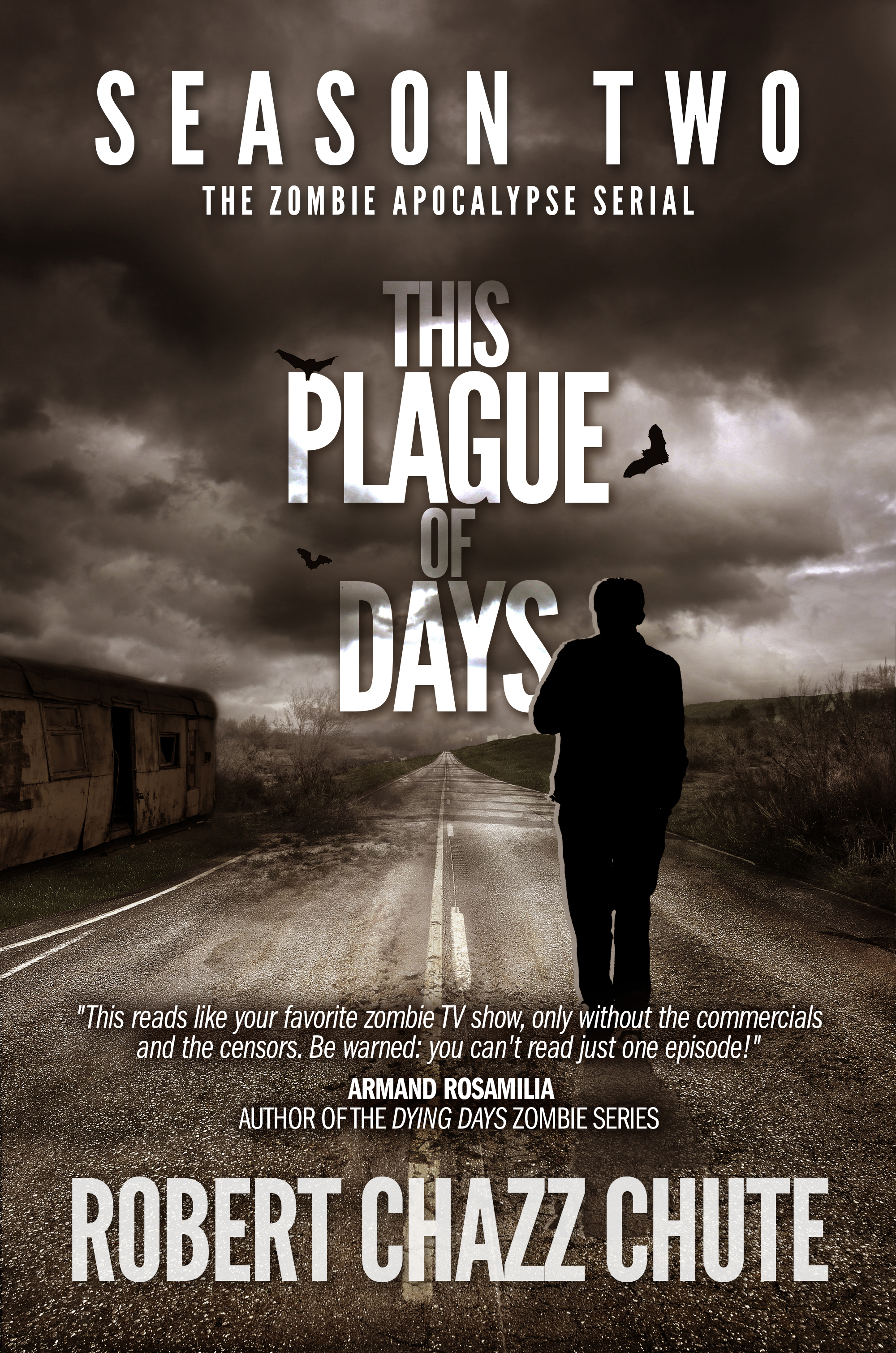
7. Have more to give away. I serialized the first two seasons of This Plague of Days. In the run up to the launch of Season 3 and the stand alone (This Plague of Days, The Complete Series), I’m using KDP Select to give away episodes as samples. Those giveaways always bump up my sales in between books when I would otherwise be in the doldrums. I’m a big believer in pulse sales to help new readers find me.

8. Diversify. To sell more between books, have more to sell in different media. There’s interest in turning This Plague of Days into a TV series. (It helps that I wrote the story like an HBO or Netflix dramatic series in the first place.) However, I’d love to see it as a graphic novel, too. I want to sell it as an audiobook. Each iteration feeds the potential for another opportunity.

9. Repackage. Converting This Plague of Days from serialized episodes into seasons, and then into one, big book that stands alone? That’s one example of repackaging. It’ll also give a new crew of readers what they wanted since quite a few people seem to misunderstand the cliffhangers and twists of a serial or they hate serials on principle. (I don’t know what that principle is, but I recognize it and I’m listening.)

Taking different books and selling them as one bundle is another way to go. (I’ll be doing this with the Hit Man Series by turning three books into a bundled trilogy with a new and better name for the whole.)

10. Stay in touch with readers between books. I don’t have a large mailing list, but I do connect with a lot of readers on Facebook and through podcasts. I also have a blog dedicated to This Plague of Days.

Recently, when I needed to add more beta readers to my team, I went to Facebook first because I knew I’d find people who are already into what I’m doing. I’ve got three new, enthusiastic volunteers now.

Staying in touch with readers keeps projects alive for authors, too. When I get another tweet or email asking when the next book is coming out, it helps drive me to get to the keyboard as fast as I can to oil the roller coaster. I know my readers and I can’t wait to make them scream.

Filed under: author platform, book marketing, writing tips, , , , , , , , , , , , , , , , , , , , , , , , , , , , , , , ,

Writers and Readers: Cutting the pie so you get the right slice

Imagine we’re speed dating.

Between awkward pauses and wondering if my cow lick is showing, I ask, “So, do you like music?”

“Sure! I love music!”

“Great! What kind of music? Jazz, something heavy you can groove to or…?”

“Oh, you know…just…I don’t know…music.”

“Um…okay…how do you feel about comedy?”

“Love it!”

“Carlin or Hedberg? Stewart or Colbert?”

“Oh, you know…comedy.”

The little speed dating bell rings signalling our time is up. We both collapse onto the tabletop. “Oh, thank god! Next!”

I’ve set up something that doesn’t happen in this cute little scenario, of course.

People don’t go out for a night of music. They go out to dance to a beat or to listen to music or they want it played low and far away so they can talk.

People who love comedian Joe Rogan might just storm the stage if an improv troupe shows up. If that same improv troupe makes all their jokes through the magic of interpretive dance, the audience might just murder the performers and not a judge in the land would convict.

And so it is with books.

Some people (not enough) love reading, but there’s more to it than that.

I write across genres, but people who love my take on our collective dystopian future (killer pandemic starting any day now) won’t necessarily snap up my crime novels. I’d argue the sensibility and voice are similar and the jokes are still there. However, (a) nobody argues their way into a sale, and (b) even the most avid readers are often specific about which genres they will and will not read.

If I had to do it all again, I’d try to focus on writing in one genre and try to dominate that field. However, that’s not really how my mind works and plays. I should say, if I were a different person, I would have done things differently. D’uh. Useless!

But even within a genre, there’s plenty of variability.

If you want a zombie apocalypse with a lot of military action, This Plague of Days probably isn’t for you. There are military elements, sure, but there aren’t any robo-Rambo zombie-killing machines in This Plague of Days.

Instead, the series features three strains of the Sutr virus, each with different effects. The zombies aren’t your classic rise-from-the-dead variety. They’re infected bio-weapons. Instead, ordinary people gain some supernormal capacities and it’s humans versus zombies versus Maybe That’s God versus the crazy stuff that comes next.

Mostly, the story is about what underdogs do under pressure when all appears lost. As for Jaimie Spencer, my protagonist on the autistic spectrum from Kansas City, Missouri? I guess I’ve dominated the autism/zombie niche. You won’t find a lot of Aspergers in this genre.

I always set out to be entertaining, but different.

My Cuban assassin, Jesus Diaz, was kidnapped as a child and abused. Now he’s a hit man who loves movies and makes a lot of jokes to cope with pain. He wants to escape into a Hollywood daydream the same way we dream of winning the lottery. Even though both of them were military policemen, Jesus is not Jack Reacher, not that there’s anything wrong with Jack Reacher. Bigger Than Jesus is different, that’s all. (Somewhere, comfortably ensconced in a platinum writing palace, Lee Child is chortling and happy not to be me.)

So, dear readers, please read the sample provided before you click. I want you to be happy with your purchase. If you purchased anything in error, Amazon is great about refunds.

That’s fair, right?

~ Want a sneak peek of Season 3 of This Plague of Days? Read the Prelude to the next season here. It’s horrific, possibly in the right ways, and possibly for you.

Filed under: Genre, publishing, readers, , , , , , , , , , , , , , , , , , , , , , , , , , ,

Writer’s A, B, C: Free tools for finding happy new readers

1. Anonymity is the problem.

2. Discoverability is the issue.

3. Being broke is the obstacle.

4. Prolificacy is the strategy.

5. Generosity is the solution.

Today, I’ll give you three strategies I’m using to sell more books. First, there’s this:

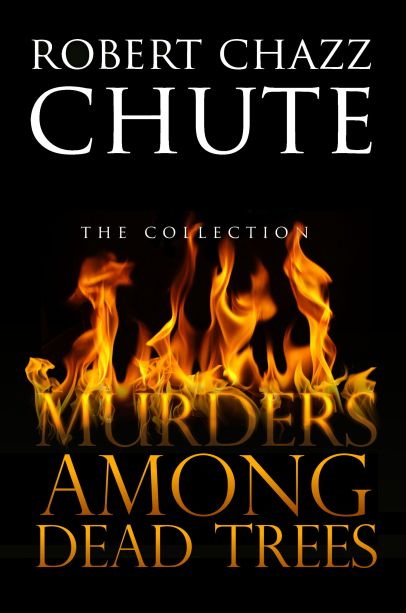
Murders+Among+Dead+Trees+1121-1

This book of suspense is FREE until midnight, March 7, 2014. Have a look, if only to read my favorite three-star review of all time. You might also enjoy it so see for yourself. 

Okay, we all know we can do giveaways to increase our visibility by lowering the risk to new readers, but how to promote it? Here’s what I’m doing:

A. Stop ignoring Facebook groups.

I didn’t mean to ignore anyone. In fact, I’m quite active on Facebook and have made new friends there. After the release of a new book, there’s often a flurry of new friend requests and it’s great fun to interact with readers there because they’re enthused and friendly.

Over time, I’ve joined several relevant Facebook groups. If I had a spare moment (more rare these days) I’d lurk more than I’d participate. Mostly, I’d concentrate on the main news feed. That’s what draws the eye. However, there are plenty of groups to join where you can connect with like-minded people. I’m paying more attention now, making new friends and finding potential readers there.

B. I’m using Wattpad.

It’s a free platform for interaction, improvement, encouragement, feedback, sharing and promotion. Best of all, writers are welcome. Wattpad is not new, but I’ve pretty much been ignoring it. That stops now. It could be a great addition to your platform, too.

Several authors I’ve spoken to have not felt that Wattpad led to conversions. However, like me, they weren’t really active on the site nor did they promote it. To build an audience for the long-term, go where the readers are. Since these readers are also writers, you can expect respect there. It’s a friendly atmosphere.

So, for instance, you can get a sneak peek at my new book now. It doesn’t come out until spring, but I’ve put up the first chapter (The Prelude) of Season Three on Wattpad. It’s not for the faint of heart. Click here to get the link to see the big opening and you’ll also find out what Batman has to do with the apocalypse.

Wattpad’s membership is young and vibrant. I joined early but I wasn’t over there enough. I’m paying better attention now and encouraging my readers, new and old, to get that free sample there. But remember, it’s a social platform. Follow people. Read their stuff. Interact. If you find yourself having fun, congratulations. You’ve just discovered another social medium that’s for you.

I plan to use Wattpad for developing book ideas and finding new authors to read. It would be fun to write short stories as prequels and sequels. Best of all for me and for readers, I’m interested in writing more stories within the worlds I create. 

For instance, This Plague of Days takes place across continents. It’s a vast and sweeping story of the fall of our civilization. Beyond the books, there are many facets I couldn’t tell within the stream of the serial. I’d like to try out Wattpad for stories about minor characters. What happened to Brandy before Jack finds her at the opening of Season 2? What happened at the Joint Air Base in Charleston, before we get to it in Season 3 of This Plague of Days? Stories like that are fun and lead new readers back to all the work you’re selling. (Mental note: Write more books.)

But Chazz, I hate free. Free is evil.

Pre-sold readers are the best audience for any work. Free short stories are a powerful way to find them. If you hate free, write them on Wattpad and, when you’re ready, delete them from Wattpad. Then put your book up for sale as you normally would. That way, your work is doing more work for you while you’re creating it! You might even get valuable feedback through the process as you gain new potential readers for the rest of your books. Considering all that, do you still hate free?

C. Find your audience with more coopetition.

Horror authors Armand Rosamilia and Tim Baker put their talents together in a scary pack two novellas for only 99 cents. Click here to check out Dying Days: Siege 1 and 2. Working together, these guys are louder and reach more readers. That statement about being loud is also affirmed by their weekly radio show, Friday Night Writes. See you in the forum there tonight. Don’t forget to tune in at 8 pm EST. (I use the TuneIn app so you can listen to Surf 17 in Flagler Beach, Florida no matter where you are.)

Next logical question:

Got a novella or some short stories? Who are you going to team up with so you and another author or authors can get more visible?

Triberr is free, too.

I’ve already suggested Triberr as a way for authors to promote each other more effectively and systematically. This week I was invited to join a new tribe that targeted my readers. It’s a good fit because the niche is more specific and my tribe mates are all really strong bloggers.

This is coopetition (a phrase coined by author Joanna Penn, I believe.) The bloggers with whom I’m cross-promoting share similar interests so, as we tweet together, we expand our reach. Blogs generally aren’t very powerful tools, but Triberr is a fulcrum to gain leverage.

Do it right.

Lately I’ve noticed that a few “gurus” in the business are coming off…well…a tad dickish. “Prideful” my Baptist minister grandfather would say. The barrage of narcissism is off-putting and surely hurting them in the long run. I’m worried they might break their arms clapping themselves on the back that hard. That’s why this is such a great time to be generous and humble.

This isn’t about cheap marketing strategies. It’s an attitude that will make you happier. It’s about being the sort of person who elevates their circumstance by helping others instead of stomping them down and standing on their necks. To quote Patrick Swayze as Dalton from Roadhouse (again!), “It’s nice to be nice.”

Better Twitter.

Every day I scan my Twitter stream for people doing cool stuff. It might be an enthusiastic book review or a factoid or a joke. I don’t care what it is as long as it’s cool, fun or helpful. Retweet freely. Too often, I think we’re looking at Twitter’s “Interactions” stream. That’s a mirror. Look out the window instead. Look at what other people are doing and promote them to your followers to expand your view and your visibility. Your followers will appreciate the curation effort and you’ll have more fun with Twitter.

I’ve also made a conscious effort to go find new cool people I want to get to know. How do we find cool readers who are hot for our work? Hashtags are search handles. Use key words to find and follow avid readers of your genre. Active is faster than passive.

By sharing more, we all get to eat and have a more enjoyable meal. 

~ You read all the way down here? Oh, Sweetie, Baby, Cookie, Honey! For your endurance alone, you deserve Murders Among Dead Trees by Robert Chazz Chute. Click!

Filed under: author platform, Publicity & Promotion, publishing, self-publishing, , , , , , , , , , , , , , , , , , , , , ,

What authors should stick in their ears and eyes to succeed

The following is a list of resources for anyone interested in writing and publishing. I’m going to head off any rancour immediately and tell you this is neither meant to be a comprehensive list nor is it in any particular order. Okay? Okay. Read on.

1. Joe Konrath’s blog: Arguments are made. Elucidation ensues. Many writers have become author/publishers after reading Konrath’s blog.

2. Self-Publishing Podcast: The guys behind Write, Publish, Repeat often have great guests, but it’s co-host David Wright who is the soulless soul of the show. Always NSFW. New episodes every Thursday. Joanna Penn appears this coming Thursday. (i.e. week of Valentine’s Day, 2014.)

3. The Creative Penn (podcast): Joanna Penn talks to movers and thumpers in self-publishing. Expect a plethora of brilliant pieces on book marketing. Joanna is very innovative so you’ll no doubt discover resources here you didn’t know you needed. 

4. Dead Robots Society (podcast): They recently had a really good discussion of the business of writing and publishing. Each week when they talk about the word count they’ve achieved (or not) the listener gets the distinct impression these guys are in it for the long haul, head down and bulling their way through no matter what.

5. Kristine Kathryn Rusch’s blog on publishing is a must. She pulls the fire alarm on bad contracts and often pokes holes in the bad thinking going on in publishing big and small.

6. The Passive Voice: A must-read. Sign up for the Passive Guy’s daily picks of stories from around the web about the state of publishing. He’s even featured a couple of my posts from this blog and from ThisPlagueOfDays.com.

7. I Should Be Writing (podcast): Author Mur Lafferty monologues and answers questions from listeners. Honest and no-nonsense.

8. Terribleminds: Chuck Wendig is your fun uncle who swears a lot. He’s informative and just might get you writing if you’ve been coquettish about it thus far. Read his blog.

9. The Self-publishing Roundtable is fun and filled with facts and you can see it on video. It’s a panel with many guests so you get diversity in opinion and experience.

10. The Rocking Self-publishing Podcast: Simon Whistler interviews a new author every Thursday. For the depth of his research and his listening skills, he’s easily the best interviewer among all the podcasts on self-publishing. I’m not sucking up, but yes, I’m scheduled to be on the show in late spring or early summer to coincide with the release of This Plague of Days, Season 3.

11. Renee Pawlish is a bestselling novelist (and, ahem, a former guest on the Cool People Podcast) who does some serious reportage about indie publishing. Don’t miss her analysis of the utility of and pricing at Bookbub.

~ A new episode of the All That Chazz podcast is finally up! First I dealt with an energy vampire and then I had to balance the demands of managing two businesses. I talk about that, exhaustively, for the first 30 minutes or so. Were I you, I’d skip my talk therapy and listen to the reading from my crime novel, Higher Than Jesus. This chapter is Some Like It Hot. Or you could just go ahead and discover the joys of knowing my funny Cuban hit man by buying Bigger Than Jesus and Higher Than Jesus. Yeah. Please do.


Filed under: publishing, writing tips, , , , , , , , , , , , , , , , , , , , , , , , , , , , , , ,

What resources do new publishers need (besides a darn good book)?

You’re a writer. You have a winning attitude and you clean up nice. You’re determined to publish a book this year. What’s needed?

Scrivener

Scrivener helps me write all my books. After experiencing its ability to organize a manuscript so I can bop around and rearrange elements easily, I’d never go back to Word. There’s a free trial or buy it for $45 USD. I now consider this software a need, at least for me.

Editors

Lionheart for editorial services. They did great job (fast and very reasonably priced) formatting my last book for print. I plan to use their services much more in the future. After many frustrating attempts, I realized I could lose my writing time to formatting or I could hand it over to an expert. (Special thanks to Jordanna East for the tip.)

This editor, Jason Whited, also comes highly recommended by the guys at Self-Publishing Podcast. (I guess he had a small hole in his schedule because if  you use his services before February 15, 2014, he’s knocking 25% off his fee.)

The Graphic Artist

Hire Kit Foster at KitFosterDesign.com to design your covers (ebooks, print, audiobook, web banners, logo designs, advertising.) He works for traditional publishers and indies makes beautiful covers. As regular readers of this blog know, I can’t say enough nice things about Kit.

A website

You at least need an author page. WordPress is cheap and easy. If you expect to sell with affiliate links, self-hosted is better. If you’re going with GoDaddy or Hostgator for a domain name, just get the minimum and avoid all the upsells on features you don’t need. Hover is now my preferred place for domain names because they don’t do all the upselling and the price includes a lot of what other places sell piece by piece. Hover isn’t evil.

If you want to get more fancy so you have superior design, support and a badass sales page, try Squarespace.com. The domain name is included in the price at SquareSpace. I’d have moved my author site over to Squarespace already, but the platform isn’t as friendly to podcasting as WordPress (yet).

Social Media

You’ll need a Twitter account and Facebook. (Free to begin, cheap to advertise upon and of limited effectiveness in that regard.) You’ll notice I haven’t included LinkedIn. That’s because I’m not sold on its efficacy as a tool for authors. Some authors like LI more than I do. It can be useful if you’re looking for a job.

You’ll also find forums for authors there, but I put LinkedIn and Tumblr in the same category: nice but optional. My Tumblr posts my stuff automatically. I don’t hang out there. Sadly, Google+ hasn’t really caught on as much as it will. Google+ will get bigger once Facebook alienates more users.

Sales Platforms

An Amazon account for ebooks and CreateSpace for printing. All these accounts are free to open. Other sales platforms like Kobo etc.,… are by choice and as needed. (Many indies will tell you that you must be on all platforms. That’s a debate for another post. Read that here.)

Understand that you are the publisher now and (what fun!) you’re a business owner. Amazon, Kobo, Apple and the like are not publishers. They are sales platforms. The money you hope to get from these online catalogues is not a royalty. Those are sales figures, not royalties.

Since you’re the publisher, I’d form a LLC (US) or register a sole proprietorship (Canada). Do you have to? No. But I think it’s more professional, keeps the bank account out of the hobby category and the Ex Parte Press logo on the spine of my books says, “Yeah, this is real.” ex parte press logo 1

Some platforms don’t require ISBNs. I think they’re a good idea. In the United States, you purchase them through Bowker. In Canada, ISBNs are free except for sending books to the national library.

An accountant

The tax system is far too complicated for mere mortals. When looking for an accountant, don’t ask for a referral from your kid’s orthodontist. He’s got lots of money and will have a slick, high-priced suit for an accountant a young start-up such as ours can’t afford. Ask a dental hygienist instead. She’ll have someone reliable she’s used for years whose fees are not exorbitant. Your accountant won’t wear a $3,000 suit, but who needs that for a bit of handholding? Big companies need high power to hide their assets. We just need a friendly guide through the system so we can have some peace of mind.

Use Wave or Easy Accounting Pilot or any simple spreadsheet program to record all the income, receipts, mileage, publishing and equipment expenditures. This is a do-it-yourself project. Don’t show up at the accountant’s office with a box full of receipts. If you do, no matter how inexpensive their services, the time they have to take to peer at crumpled receipts will run up your accounting bill.

Report all income and pay your taxes. The good news is, chances are excellent you won’t have any such thing as income for a while. However, that laptop, if used for your publishing business, is a write-off. Consult with your accountant. Ask how much of your office space is allowable to claim. Software and hardware have different allowable claims. Find out how much your government is allowing for mileage this year and keep a mileage log. It probably won’t be much, but when’s the last time you burnt a $20 bill? Lose track of receipts and you torch money and Thor knows we can’t afford to do that.

Author Marketing Club

Spend $100 on an Author Marketing Club membership, though even their free tools are good. Do not spend thousands on a publicist. This is especially true if you don’t have thousands of dollars or if you have only one book to sell. Most authors are their own publicity department (just as it is with most traditionally published authors, really).

And remember, the writing always comes first. Twitter, Facebook and promotion is for time that would be otherwise unproductive.

Friends

I don’t have many friends, but through my books, I’ve made friends with new people for the first time in a couple of decades. As I detailed in a recent and surprisingly popular post, friends and allies are not afterthoughts and frivolous relationships. They’re important to help us deal with our questions, our stress and even our workload. No indie who is successful is truly independent. We depend on others for street teams, beta readers, information and support. We’re publishers who crowdfund. We swap services, advice and guest posts and play in our allies’ blog tours and promotional opportunities. This is shoestring publishing that stretches our resources to the limit as we make books to the best of our ability.

Don’t try to publish without support from a writer’s group or like-minded indies, friends and/or family. (Not everyone will be onboard, so don’t expect moon pies from everybody, either.) I’m lucky to have beta readers with extensive military experience. One of my best friends trains elite SWAT and all their input has been invaluable to my crime novels and This Plague of Days. One of my friends is an English major and writer who is vigilant for plot issues and insists I never take a shortcut. Another beta reader is a proud and vocal member of the Grammar Police. Most friends and family won’t buy your books, but with help from a chosen few, you can reach the strangers who will buy your books. Have as big a beta reading team as you can manage, as long as it remains productive.

We need friends to save us from ourselves. I guess that’s true no matter what we’re doing.

What would you add to this list for new publishers who are taking their first steps into the indie pool?

~ This week I went through a bunch of this stuff with a budding self-publisher over the phone. She didn’t have a Twitter account yet, so it got me thinking about the necessities to begin. I think if you start off with the items I’ve listed above, you’ve got a lot of bases covered as you start your journey. I’m sure I’ve forgotten something and I know there are advanced options to add to the list. For instance, going to ACX for audiobook creation is a logical next step after you’ve published an ebook and you’re in print. Please add your recommendations in the comments thread so we can help new indies start off well.

Filed under: author platform, Publicity & Promotion, publishing, , , , , , , , , , , , , , ,

Bestseller with over 1,000 reviews!
Winner of the North Street Book Prize, Reader's Favorite, the
Literary Titan Award, the Hollywood Book Festival, and the
New York Book Festival.

http://mybook.to/OurZombieHours
A NEW ZOMBIE ANTHOLOGY

Winner of Writer's Digest's 2014 Honorable Mention in Self-published Ebook Awards in Genre

The first 81 lessons to get your Buffy on

More lessons to help you survive Armageddon

"You will laugh your ass off!" ~ Maxwell Cynn, author of Cybergrrl

Available now!

Fast-paced terror, new threats, more twists.

An autistic boy versus our world in free fall

Suspense to melt your face and play with your brain.

Action like a Guy Ritchie film. Funny like Woody Allen when he was funny.

Jesus: Sexier and even more addicted to love.

You can pick this ebook up for free today at this link: http://bit.ly/TheNightMan

Join my inner circle at AllThatChazz.com

See my books, blogs, links and podcasts.

Enter your email address to follow this blog and receive notifications of new posts by email.

Join 2,063 other subscribers