C h a z z W r i t e s . c o m

See all my books at AllThatChazz.com.

Writing: How to get it done

1. Write what you’ll finish and publish soonest, first. Propulsion increases closer to payoff.

2. Don’t tinker forever. Set a deadline. Stick to it, on penalty of noogies.

3. If you’re a slow writer, outline first so you’ll stay on track. Stop at a place where you know what happens next. You’ll start tomorrow without pausing, stopping or getting stumped.

4. Think of how great it’s going to be once you’ve published. Alert your readers to your progress so they know when to expect the next book launch. You’ll keep your momentum going with a little positive pressure. There are numerous free word count bars you can put on your author site to display your daily progress. That which is measured, improves. That which is not, is rued.

5. Give your graphic designer enough warning so when you’re ready with the manuscript, he’s ready with the cover. You’ll deliver rather than stretch it out past the deadline you set.

6. Give editors, proofreaders and beta readers a deadline so the manuscript gets read, checked and back to you in a timely manner. Write an editorial and production schedule down but put it up where you can see it.

7. Write to a word count or write to a page count or write to a timer. Write. The hardest part is to start. If the story is any good, you won’t want to stop.

8. Don’t wait for inspiration. Go find it by sitting down to write. (My bills, narcissism and terror are all the inspiration I need. What motivates you? Use that.)

9. Don’t count procrastination, marketing, or Internet distractions as writing time. The earlier in the day you get your writing done, the more you’ll get done because your greatest resistance is at the beginning. Start early and you’ll write longer and more.

10. Sleep, exercise and eat well so you don’t rob from your writing time by having to take a nap (due to a gluttonous, glutenous binge.) Naps can be great and rejuvenating, if they’re short and scheduled. (If you’re sleeping to retreat to a safe place, stop reading your bad reviews.)

BONUS:

If you aren’t lost in fun as you write, something’s probably wrong.

Spice it up and twist that plot like you’re wringing out a wet towel.

No one willingly gives time. Take it. Have a schedule and control it.

Write.

Filed under: getting it done, writing tips, , , , , , , , , , , , ,

Writers: Fire Your Guru

As I suggested in my quotes for this post at tripthroughmymind.com (by Jerry Benns), we learn more from our allies than from self-publishing’s outliers and traditional publishing’s pundits.

Time for a reality check about perception and consequence.

This week I met a lovely and lively someone who was pleasantly surprised to learn I’m friendly and actually quite nice in person. After reading this blog for a long time, she thought I’d be snarky and “difficult”. I was a little shocked by this news. I thought I was funny, but I guess sometimes I do have a tone. I regret that when it leaks out. Mostly, I try to be a people pleaser. She suggested I let people in on my secret niceness by saying a spider crossed my desk and I let it live. That made me laugh because any spider meandering across my desk must die. Horribly.

Anyway, that experience got me thinking about the way we come across online.

For instance, I read a review of a friend’s book about book marketing. The nastiest review I’d read in a long time shredded his work at length because the reader claimed to already be familiar with all his suggestions. The problem with this is that not everybody has the same level of expertise. For the neophyte (at least!), that book would be very helpful. For this self-proclaimed expert, the book is less than nothing.

Worse, the nasty review got praise. “Thanks for the great review!” Really? Don’t ever praise anyone for a review designed to make the author feel bad. It only encourages dickishness. (I will not name the book I’m talking about, to discourage any further acts of dickishness.)

As for me, I wrote two books about writing and publishing. I think they’re very useful to anybody and the reviews reflect that. However, when I pitch it, I always lower the bar of expectation and tell people they’re for newbie writers, to inspire them to write and publish. If I had more confidence, I guess I wouldn’t sell it so short. But those reviewers who insist you write just for them, at their level of knowledge and no lower (or higher!), are waiting. For some egos, criticism is oxygen. It’s easier on my psyche to pitch Crack the Indie Author Code as an entry level book.

YMMV

Often online, when we come close to pontification, we add “Your Mileage May Vary”. That’s pretty elegant and humble. Few of us really want to tell others what to do for free. We’re trying to be helpful. 

When I was a kid, I visited Bermuda. I rented swim fins. I’d never worn fins so huge in the ocean. I tried to put them on while I was at the edge of the water and I was having trouble. A stranger came up to me and suggested I get into the surf first and then put them on. I ignored him and then he said, “I’m trying to help you.” When somebody tells me to do one thing, I really want to do the opposite. (And no, often that attitude has not served me well.)

Anyway, I’d thought he was bossy, but when I looked in his face I could see his intent was pure. I thanked him. I did as he suggested and, once wet, it was easy to get those big fins on and go swim.

Now some people seem to say your mileage won’t vary.

Since I’m resistant to telling anyone what to do, it irks me when anyone gets too full of themselves. Lately, I’ve noticed some authors who have achieved a little success, are getting bossy. They are laying down rules instead of suggestions. Even if they sell non-fiction and you sell romance, they’re sure all books are marketed the same in all venues. They’re assuming there’s only one way to go and it happens to be their way. Isn’t this why we got away from agents and other gatekeepers and published ourselves?

There’s an element of luck and timing involved in any success.

Results aren’t necessarily duplicable. I suspect some pontificators don’t really know why any particular book hit big or even semi-big. Or, they do know, but the market has changed since they hit it big and we can’t replicate that strategy now. Maybe they can afford Bookbub and you can’t, or they got into Bookbub and you can’t break past the application process. Maybe they had a track record and a fan base first. Maybe they have a huge mailing list and you don’t. Maybe they succeeded because of grassroots support and the author is attributing their success to their marketing brilliance in error. Maybe their book is simply better than yours.

Here are a few things you probably won’t read elsewhere:

Maybe [insert successful author name here]’s book is not so good, but it caught on anyway. We all push perfection pretty hard. We all fall short of perfection. Often writers and reviewers are hypercritical and, thank Thor, the average reader is not. Sometimes an author’s marketing skills are far superior to their writing. Meanwhile, some brilliant authors would be better known if they gave one crap about marketing. To each his or her own.

There are too many variables for one opinion to reign supreme. There are many paths up the mountain. There is no one way.

The writers who are too sure of themselves think that everyone is waiting for their next book. They should be more humble because people like me, who are easily irked by condescension, won’t buy their books. Lots of people are popular. That shouldn’t be confused with respect.

I’m sorry.

If I’ve come across too snarky here from time to time, I apologize. I don’t want to be one of those pontificators I complain about. I know I’ve said it occasionally, but maybe I should add the disclaimer more often: I try to help fellow writers and publishers. What I try to do here is make suggestions in an entertaining way.

Look in my face and I hope you’ll see my intent is pure. I’m trying to help.

Fire your gurus. Keep your friends.


Filed under: publishing, , , , , , , , , , , , , ,

Top Ten: Renew your readers’ interest between books

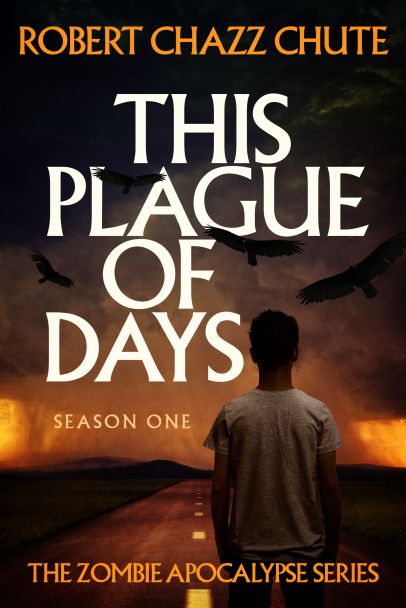
As I finish revisions to the finale of This Plague of Days, I’m entering that crazy time between the writing and the publishing. We all go through it. There’s still editing and proofreading to do and you aren’t done until you’re sick of it and not even then. But I am excited!

Today, I had my first back and forth with Kit Foster, my graphic designer. We talked cover designs. Out of context, my description of what I had in mind was pretty dumb or nigh-impossible, but through the magic of his art, Kit will transform that raw material into something awesome that makes browsers into buyers.

But how do you keep the sales going between books?

Sales always drop off. They call Day 30 after your book launch “The Cliff” because you lose attention from readers as you disappear from the bright, shiny new thing list. Interest can be buoyed and sustained, however. You don’t have to try all the strategies from this list (or any), but I do suggest you try at least one. Experiment and let me know what works for you.

Here are some ideas to extend your influence with all your books.

1. Write more than one book because your next book helps promote the last one. At a book event, authors talk about the next book, but readers talk about the last book.

2. Write more books. The bigger the stable, the more horses you have in the race, cross-promoting each other.

3. Write (slightly) shorter books. Sadly, my next tome (after TPOD) will (again!) be more than 100,000 words. I’m writing huge books. Many will see this as over-delivering and they’ll love it. It can also intimidate those less invested. The main problem is it makes you appear less prolific even if you’re very productive. It’s #2’s horse and stable issue.

I’m not saying you should shortchange anyone, but keep it reasonable. Few reviewers complain about a quick read. If you’ve got that much to say in a single book and you can’t make it shorter, make it a series.

The complete series for This Plague of Days will be over 300,000 words. The first draft took ten months and then I doubled its size in another eight months. Down the line, I’ll put out more books by keeping them down around 60,000 – 70,000 words.

My crime novels took 3 months each, for instance, from concept to completion. That length is what I’ll be aiming for in the future. Feeling more productive and hitting more milestones also feeds my excitement between books and keeps energy high. Less time between books also gives readers less time to forget about you.

4. Write in one genre. If you can dominate one list, you’ll be more effective in focussed marketing efforts and provide consistent branding. (I should have done this, but it’s not how my mind works.)

5. Collaborate. Writing with another author can expand your influence to each other’s audience and, if you work it correctly with the right person, you’ll get more done faster. Some people think writing with a partner is more work for half the money, but actually you have more people helping with the load, increasing productivity. The guys at Self-Publishing Podcast have proved it over and over, so there you go.

6. Cooperate. Soon, a new horror anthology will be released and I’m in it. My bit will be a sampler of Episode 1 of This Plague of Days. In joining forces with other authors, we’ll co-promote and raise each other up.

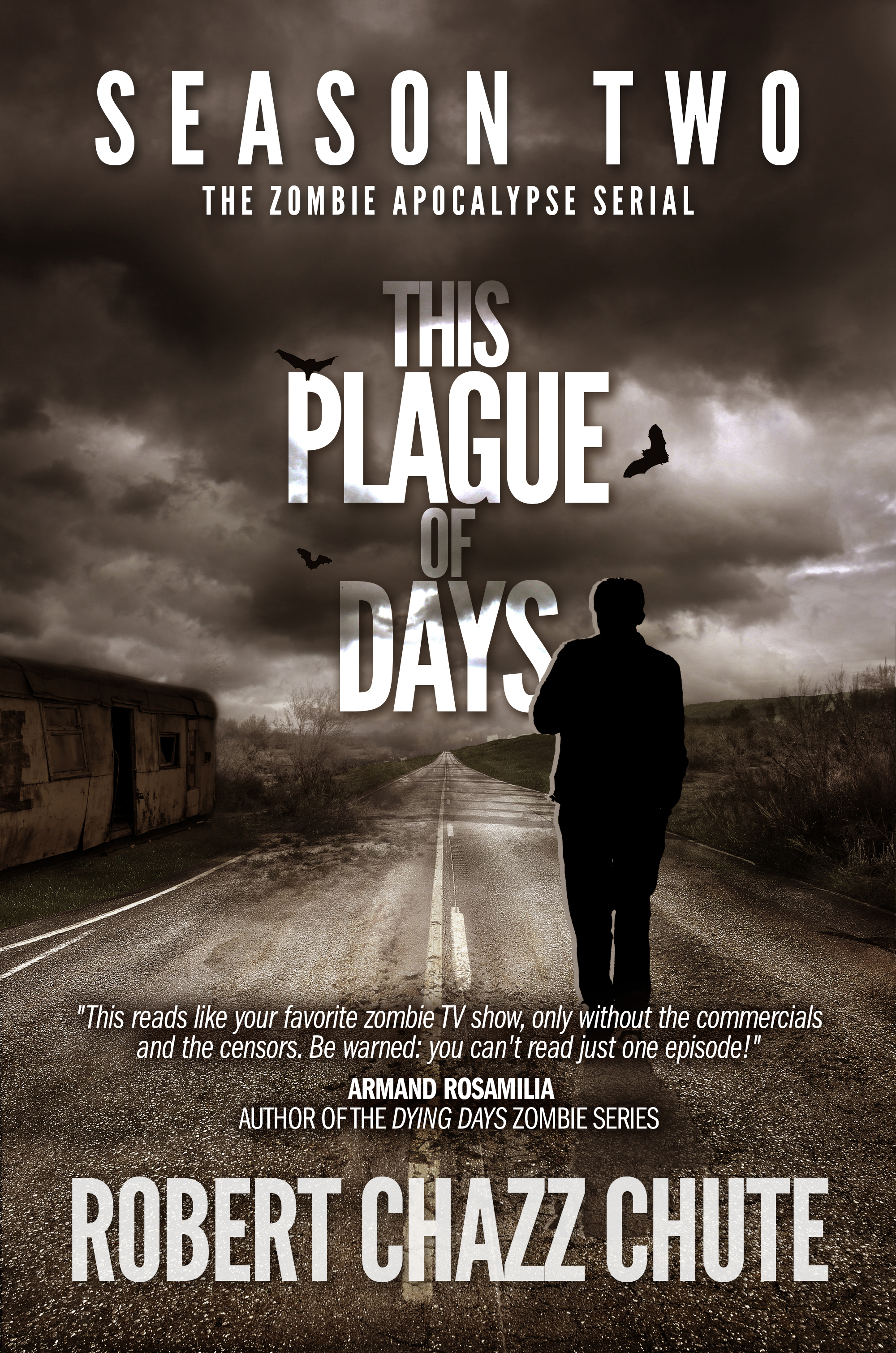
7. Have more to give away. I serialized the first two seasons of This Plague of Days. In the run up to the launch of Season 3 and the stand alone (This Plague of Days, The Complete Series), I’m using KDP Select to give away episodes as samples. Those giveaways always bump up my sales in between books when I would otherwise be in the doldrums. I’m a big believer in pulse sales to help new readers find me.

8. Diversify. To sell more between books, have more to sell in different media. There’s interest in turning This Plague of Days into a TV series. (It helps that I wrote the story like an HBO or Netflix dramatic series in the first place.) However, I’d love to see it as a graphic novel, too. I want to sell it as an audiobook. Each iteration feeds the potential for another opportunity.

9. Repackage. Converting This Plague of Days from serialized episodes into seasons, and then into one, big book that stands alone? That’s one example of repackaging. It’ll also give a new crew of readers what they wanted since quite a few people seem to misunderstand the cliffhangers and twists of a serial or they hate serials on principle. (I don’t know what that principle is, but I recognize it and I’m listening.)

Taking different books and selling them as one bundle is another way to go. (I’ll be doing this with the Hit Man Series by turning three books into a bundled trilogy with a new and better name for the whole.)

10. Stay in touch with readers between books. I don’t have a large mailing list, but I do connect with a lot of readers on Facebook and through podcasts. I also have a blog dedicated to This Plague of Days.

Recently, when I needed to add more beta readers to my team, I went to Facebook first because I knew I’d find people who are already into what I’m doing. I’ve got three new, enthusiastic volunteers now.

Staying in touch with readers keeps projects alive for authors, too. When I get another tweet or email asking when the next book is coming out, it helps drive me to get to the keyboard as fast as I can to oil the roller coaster. I know my readers and I can’t wait to make them scream.

Filed under: author platform, book marketing, writing tips, , , , , , , , , , , , , , , , , , , , , , , , , , , , , , , ,

The blog and book promotion tool you’ll love (that’s easy, effective and free)

Here's one of my Haiku Decks to start off your writing week right.

Here’s one of my Haiku Decks to start off your writing week right.

Haiku Deck is a free presentation tool that uses royalty-free images so you can make a statement with visual impact. Change up your next blog post or make a slick book trailer in minutes, for instance.

Click this link to ThisPlagueOfDays.com to see how I used Haiku Deck to remind readers that my next book is coming soon (and they better buckle up!) It’s actually quite beautiful and even easier and quicker than a YouTube video. The slideshow at the link was my first experiment with Haiku Deck. It took less time to put my trailer for This Plague of Days together than I needed for this short blog post.

There’s nothing wrong with YouTube, Instagram, Vine, and iMovie etc,…. Video can be useful and powerful if used well (and oooh! Moving pictures!) The advantage of Haiku Deck is that it’s free, fast and fun to play with. Consider adding it to your author platform’s arsenal. 

Want to sign up and start making your own trailers, presentations, charts and messages?

You’ll find the way to sign up at the end of each Haiku Deck presentation above. It’s easy to do and easy to share on multiple platforms, but if you do have trouble sharing on your non-self-hosted WordPress blog, no problem. Do what I did with the slideshows above. Load and link a screen shot and bam, it’s there.

Pretty cool, huh?

If you need tips on using video more effectively to promote your books or business, I wrote a quick book on marketing with Vine that highlights what you should be aware of to make it work better. Click the cover for Six Seconds below, for that chewy goodness (for the princely sum of just 99 cents!)

Six+Seconds+copy

~ Okay. We’ve started Monday morning off right. Let’s keep the healthy and happy vibes going. Pardon my excessive happiness today. It’s not characteristic of me, but I’m all ramped up about entering the final stages of publishing my eleventh book. Progress is being made. BAM! Okay, let’s go get ’em!

Filed under: author platform, Publicity & Promotion, publishing, Writers, , , , , , , , , , , , , , , , , , , , , , , , ,

Writers and Readers: Cutting the pie so you get the right slice

Imagine we’re speed dating.

Between awkward pauses and wondering if my cow lick is showing, I ask, “So, do you like music?”

“Sure! I love music!”

“Great! What kind of music? Jazz, something heavy you can groove to or…?”

“Oh, you know…just…I don’t know…music.”

“Um…okay…how do you feel about comedy?”

“Love it!”

“Carlin or Hedberg? Stewart or Colbert?”

“Oh, you know…comedy.”

The little speed dating bell rings signalling our time is up. We both collapse onto the tabletop. “Oh, thank god! Next!”

I’ve set up something that doesn’t happen in this cute little scenario, of course.

People don’t go out for a night of music. They go out to dance to a beat or to listen to music or they want it played low and far away so they can talk.

People who love comedian Joe Rogan might just storm the stage if an improv troupe shows up. If that same improv troupe makes all their jokes through the magic of interpretive dance, the audience might just murder the performers and not a judge in the land would convict.

And so it is with books.

Some people (not enough) love reading, but there’s more to it than that.

I write across genres, but people who love my take on our collective dystopian future (killer pandemic starting any day now) won’t necessarily snap up my crime novels. I’d argue the sensibility and voice are similar and the jokes are still there. However, (a) nobody argues their way into a sale, and (b) even the most avid readers are often specific about which genres they will and will not read.

If I had to do it all again, I’d try to focus on writing in one genre and try to dominate that field. However, that’s not really how my mind works and plays. I should say, if I were a different person, I would have done things differently. D’uh. Useless!

But even within a genre, there’s plenty of variability.

If you want a zombie apocalypse with a lot of military action, This Plague of Days probably isn’t for you. There are military elements, sure, but there aren’t any robo-Rambo zombie-killing machines in This Plague of Days.

Instead, the series features three strains of the Sutr virus, each with different effects. The zombies aren’t your classic rise-from-the-dead variety. They’re infected bio-weapons. Instead, ordinary people gain some supernormal capacities and it’s humans versus zombies versus Maybe That’s God versus the crazy stuff that comes next.

Mostly, the story is about what underdogs do under pressure when all appears lost. As for Jaimie Spencer, my protagonist on the autistic spectrum from Kansas City, Missouri? I guess I’ve dominated the autism/zombie niche. You won’t find a lot of Aspergers in this genre.

I always set out to be entertaining, but different.

My Cuban assassin, Jesus Diaz, was kidnapped as a child and abused. Now he’s a hit man who loves movies and makes a lot of jokes to cope with pain. He wants to escape into a Hollywood daydream the same way we dream of winning the lottery. Even though both of them were military policemen, Jesus is not Jack Reacher, not that there’s anything wrong with Jack Reacher. Bigger Than Jesus is different, that’s all. (Somewhere, comfortably ensconced in a platinum writing palace, Lee Child is chortling and happy not to be me.)

So, dear readers, please read the sample provided before you click. I want you to be happy with your purchase. If you purchased anything in error, Amazon is great about refunds.

That’s fair, right?

~ Want a sneak peek of Season 3 of This Plague of Days? Read the Prelude to the next season here. It’s horrific, possibly in the right ways, and possibly for you.

Filed under: Genre, publishing, readers, , , , , , , , , , , , , , , , , , , , , , , , , , ,

Writer’s A, B, C: Free tools for finding happy new readers

1. Anonymity is the problem.

2. Discoverability is the issue.

3. Being broke is the obstacle.

4. Prolificacy is the strategy.

5. Generosity is the solution.

Today, I’ll give you three strategies I’m using to sell more books. First, there’s this:

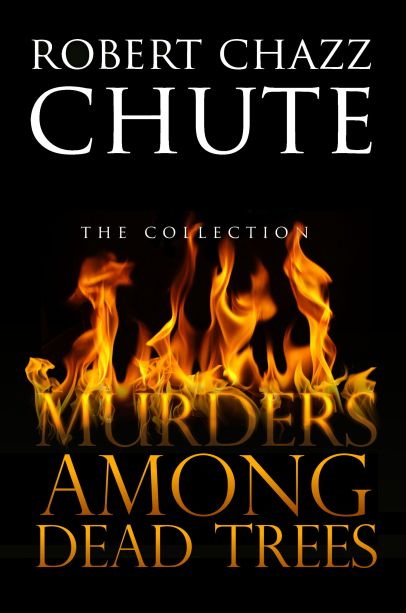
Murders+Among+Dead+Trees+1121-1

This book of suspense is FREE until midnight, March 7, 2014. Have a look, if only to read my favorite three-star review of all time. You might also enjoy it so see for yourself. 

Okay, we all know we can do giveaways to increase our visibility by lowering the risk to new readers, but how to promote it? Here’s what I’m doing:

A. Stop ignoring Facebook groups.

I didn’t mean to ignore anyone. In fact, I’m quite active on Facebook and have made new friends there. After the release of a new book, there’s often a flurry of new friend requests and it’s great fun to interact with readers there because they’re enthused and friendly.

Over time, I’ve joined several relevant Facebook groups. If I had a spare moment (more rare these days) I’d lurk more than I’d participate. Mostly, I’d concentrate on the main news feed. That’s what draws the eye. However, there are plenty of groups to join where you can connect with like-minded people. I’m paying more attention now, making new friends and finding potential readers there.

B. I’m using Wattpad.

It’s a free platform for interaction, improvement, encouragement, feedback, sharing and promotion. Best of all, writers are welcome. Wattpad is not new, but I’ve pretty much been ignoring it. That stops now. It could be a great addition to your platform, too.

Several authors I’ve spoken to have not felt that Wattpad led to conversions. However, like me, they weren’t really active on the site nor did they promote it. To build an audience for the long-term, go where the readers are. Since these readers are also writers, you can expect respect there. It’s a friendly atmosphere.

So, for instance, you can get a sneak peek at my new book now. It doesn’t come out until spring, but I’ve put up the first chapter (The Prelude) of Season Three on Wattpad. It’s not for the faint of heart. Click here to get the link to see the big opening and you’ll also find out what Batman has to do with the apocalypse.

Wattpad’s membership is young and vibrant. I joined early but I wasn’t over there enough. I’m paying better attention now and encouraging my readers, new and old, to get that free sample there. But remember, it’s a social platform. Follow people. Read their stuff. Interact. If you find yourself having fun, congratulations. You’ve just discovered another social medium that’s for you.

I plan to use Wattpad for developing book ideas and finding new authors to read. It would be fun to write short stories as prequels and sequels. Best of all for me and for readers, I’m interested in writing more stories within the worlds I create. 

For instance, This Plague of Days takes place across continents. It’s a vast and sweeping story of the fall of our civilization. Beyond the books, there are many facets I couldn’t tell within the stream of the serial. I’d like to try out Wattpad for stories about minor characters. What happened to Brandy before Jack finds her at the opening of Season 2? What happened at the Joint Air Base in Charleston, before we get to it in Season 3 of This Plague of Days? Stories like that are fun and lead new readers back to all the work you’re selling. (Mental note: Write more books.)

But Chazz, I hate free. Free is evil.

Pre-sold readers are the best audience for any work. Free short stories are a powerful way to find them. If you hate free, write them on Wattpad and, when you’re ready, delete them from Wattpad. Then put your book up for sale as you normally would. That way, your work is doing more work for you while you’re creating it! You might even get valuable feedback through the process as you gain new potential readers for the rest of your books. Considering all that, do you still hate free?

C. Find your audience with more coopetition.

Horror authors Armand Rosamilia and Tim Baker put their talents together in a scary pack two novellas for only 99 cents. Click here to check out Dying Days: Siege 1 and 2. Working together, these guys are louder and reach more readers. That statement about being loud is also affirmed by their weekly radio show, Friday Night Writes. See you in the forum there tonight. Don’t forget to tune in at 8 pm EST. (I use the TuneIn app so you can listen to Surf 17 in Flagler Beach, Florida no matter where you are.)

Next logical question:

Got a novella or some short stories? Who are you going to team up with so you and another author or authors can get more visible?

Triberr is free, too.

I’ve already suggested Triberr as a way for authors to promote each other more effectively and systematically. This week I was invited to join a new tribe that targeted my readers. It’s a good fit because the niche is more specific and my tribe mates are all really strong bloggers.

This is coopetition (a phrase coined by author Joanna Penn, I believe.) The bloggers with whom I’m cross-promoting share similar interests so, as we tweet together, we expand our reach. Blogs generally aren’t very powerful tools, but Triberr is a fulcrum to gain leverage.

Do it right.

Lately I’ve noticed that a few “gurus” in the business are coming off…well…a tad dickish. “Prideful” my Baptist minister grandfather would say. The barrage of narcissism is off-putting and surely hurting them in the long run. I’m worried they might break their arms clapping themselves on the back that hard. That’s why this is such a great time to be generous and humble.

This isn’t about cheap marketing strategies. It’s an attitude that will make you happier. It’s about being the sort of person who elevates their circumstance by helping others instead of stomping them down and standing on their necks. To quote Patrick Swayze as Dalton from Roadhouse (again!), “It’s nice to be nice.”

Better Twitter.

Every day I scan my Twitter stream for people doing cool stuff. It might be an enthusiastic book review or a factoid or a joke. I don’t care what it is as long as it’s cool, fun or helpful. Retweet freely. Too often, I think we’re looking at Twitter’s “Interactions” stream. That’s a mirror. Look out the window instead. Look at what other people are doing and promote them to your followers to expand your view and your visibility. Your followers will appreciate the curation effort and you’ll have more fun with Twitter.

I’ve also made a conscious effort to go find new cool people I want to get to know. How do we find cool readers who are hot for our work? Hashtags are search handles. Use key words to find and follow avid readers of your genre. Active is faster than passive.

By sharing more, we all get to eat and have a more enjoyable meal. 

~ You read all the way down here? Oh, Sweetie, Baby, Cookie, Honey! For your endurance alone, you deserve Murders Among Dead Trees by Robert Chazz Chute. Click!

Filed under: author platform, Publicity & Promotion, publishing, self-publishing, , , , , , , , , , , , , , , , , , , , , ,

To all writers: A Call to End Hostilities (and focus on writing)

I should be writing my book and not blogging, so I’ll try to make this brief. This week someone I like very much called for self-publishers to stop pooping on traditional publishers for their choice to be awesome with the Big Five, agents and brick and mortar bookstores. There is a perception by some, possibly fuelled by the release of the Author Earnings Report, that indies hate writers who aren’t indie. Not true of anyone I know, by the way. It’s largely a myth. No one’s mad at traditional authors. What we often object to are contract terms from traditional publishers. Many of us consider Big Five ebook royalties egregious, for instance. Many of the authors trapped within the tight confines of those contracts feel much more grumpy about it and take it personally, so no controversy there.

Hugh Howey is calling for publishers to amend their contracts for ebook royalties that better reflect reality. Not so long ago, a famous agent claimed that ebooks were priced as high as paper books because they cost as much to produce and deliver. The fact that this statement was clearly nonsense didn’t seem to perforate the screen of what Romanian Canadians call “bool-sheet.” However, said agent is no longer an agent so maybe the dizzying cognitive dissonance corrected that person’s career path.

The debates and finger pointing comes in cycles.

I’d hoped the internecine vitriol had died down but it’s back, wearing tap shoes and has gone from acoustic and unplugged to plugged in, amped up and cranked up to eleven. The shite is stirred and the reaction to Hugh’s numbers, by some, is to complain those numbers aren’t accurate. Oddly, admissions to those mathematical vagaries are already in the report, but why discuss the truth of the big picture when you can argue over details that will eventually be revealed as more data pours in.

Amid this fracas, the call went out not to allow the pro-indie rhetoric to get out of hand.

Indie publishing is not, I’m told, a religion. Agreed. Good. As an atheist, I’m allergic. I was also told self-publishing is not a revolution but a disruption. With that, I do respectfully disagree. “Disruption” suggests impermanence to me. After self-publishing, how are you going to keep us down on the farm now that we’ve seen Paris? Contrary to what you may have heard, not all indies are hoping to be picked up by a “real” publisher. Some sure are hoping for that and good luck and bless them, too. (Me? I’d rather get a graphic novel going, or a series with Netflix, HBO or AMC or a movie contract or a video game deal or domination of zee vorld!…but that’s another post.)

Some (many?) traditionally published authors are going indie and others straddle the fence and opt for the hybrid sweet spot. All excellent choices as long as we go in eyes open with informed consent. As I’ve stated many times, this blog is about indie publishing, but I love all writers: aspiring, published, unpublished, indie, hybrid and mutant. The only writers I don’t care for are the ones who talk more than they type.

When I heard the call for indies to behave themselves, I nodded. Frankly, I’m tired of the indie versus trad argument. Having gone through this news cycle several times before in its various incarnations, I’m done. Nothing wrong with saying, “Let’s all play nice.” It’s about the least controversial thing anyone could say, surely!

Then the other shoe dropped through the glass coffee table.

In the very same thread that called for indies to be nice (ahem, to our betters) shots were fired the other way and several commenters took the call for indie authors to mind our manners as license to tell us how much we all suck. I don’t think that’s in the spirit of the peace treaty. I respect your choices. Please do not make assumptions about why I’m an indie author. Please do not generalize about why we’re “all” anything. No one has to justify their life choices to anyone who isn’t a business partner, spouse, federally appointed judge or priest, okay? And maybe not even then. I’m not fighting you, so why are you still fighting?

Repeat after me: We are all individuals! We are all individuals! If you write or read, by all that is unholy and wrapped in bacon, I love you all more than a basket of puppies and kittens slathered in chocolate sauce under a pile of thousand dollar bills.

Go in peace to your pad of paper or laptop or rock and chisel.

Write a book.

Read a book.

Love a book.


Filed under: author platform, publishing, self-publishing, , , , , , , , , , ,

The Author Earnings Report: You can stop being embarrassed now

I wasn’t going to blog about this since I wanted to get out my microscope and go through all the data and get deep. However, this week on ChazzWrites.com is all about resources for writers and publishers. The Author Earnings Report is out and there are some shockers in there. And not steak-knife-in-the-eye-first-thing-in-the-morning shockers, either. These are pleasant, somebody-else-made-the-coffee-and-oh-look-donuts! surprises. Well…lots of good news for indie authors, anyway.

It’s a big moment for us. I cannot let this slide until I’ve gone through it all. Besides, greater minds than mine are on the case. Joe Konrath, a must-read resource mentioned in the previous post, has jumped in with lots of easily digestible analysis at Newbie’s Guide to Publishing.

One important fact I’ve gleaned so far? I’m glad I’m writing in the genres I’m writing. Read for yourself. These numbers are inspiring.

In coming days, prepare yourself for some flailing spin from the Big Five saying the numbers mean nothing. They were quite happy with previous studies that touted the efficacy of traditional publishing, but those studies were flawed in favour of their confirmation bias. Whatever they say now is quite suspect, so read and think for yourself as more analysis gets out. You can also join the Author Earnings Report project and submit your data so it will only get more accurate and in-depth in the future.

Looking at the volume of ebooks sold, it does appear trad publishing has a lot to worry about. I expect this information will seduce some trad authors to move to publish themselves, as soon as, or if, they can get out of the cruel straitjackets of their contractual obligations and non-compete clauses. (And if traditional publishing is working for you, that’s fine, too. We’re not about naming fingers and pointing shame here. It’s about making informed choices and informed consent.)

This week a friend of mine (who had been screwed over by a small press) decided to self-publish. There was interest in the manuscript and she’s eminently promotable, but the years-long process filled with dead ends finally helped her hit the tipping point. She’ll start selling her book soon. Hers is both a marvellous and important addition to literature and readers won’t have to wait much longer to finally enjoy it. Once we get more data and analysis, I’m sure the numerical conclusions will support the decision she’s earned through personal experience.

Is it premature to say the revolution is complete?

Probably, but if you were embarrassed about going indie before this report, you’ve got enough data to dump that psychological baggage now.

Call up your parents and tell them that, despite their misgivings, your decision to publish your books yourself wasn’t an idiotic failure of mind and character. You stopped trying to woo frigid agents and pursue disdainful traditional publishing and it can be good, maybe even great. Your parents can be proud. You can be proud.

Let your indie freak flag fly!

Filed under: author platform, publishing, Useful writing links, , , , , , , , , , ,

What resources do new publishers need (besides a darn good book)?

You’re a writer. You have a winning attitude and you clean up nice. You’re determined to publish a book this year. What’s needed?

Scrivener

Scrivener helps me write all my books. After experiencing its ability to organize a manuscript so I can bop around and rearrange elements easily, I’d never go back to Word. There’s a free trial or buy it for $45 USD. I now consider this software a need, at least for me.

Editors

Lionheart for editorial services. They did great job (fast and very reasonably priced) formatting my last book for print. I plan to use their services much more in the future. After many frustrating attempts, I realized I could lose my writing time to formatting or I could hand it over to an expert. (Special thanks to Jordanna East for the tip.)

This editor, Jason Whited, also comes highly recommended by the guys at Self-Publishing Podcast. (I guess he had a small hole in his schedule because if  you use his services before February 15, 2014, he’s knocking 25% off his fee.)

The Graphic Artist

Hire Kit Foster at KitFosterDesign.com to design your covers (ebooks, print, audiobook, web banners, logo designs, advertising.) He works for traditional publishers and indies makes beautiful covers. As regular readers of this blog know, I can’t say enough nice things about Kit.

A website

You at least need an author page. WordPress is cheap and easy. If you expect to sell with affiliate links, self-hosted is better. If you’re going with GoDaddy or Hostgator for a domain name, just get the minimum and avoid all the upsells on features you don’t need. Hover is now my preferred place for domain names because they don’t do all the upselling and the price includes a lot of what other places sell piece by piece. Hover isn’t evil.

If you want to get more fancy so you have superior design, support and a badass sales page, try Squarespace.com. The domain name is included in the price at SquareSpace. I’d have moved my author site over to Squarespace already, but the platform isn’t as friendly to podcasting as WordPress (yet).

Social Media

You’ll need a Twitter account and Facebook. (Free to begin, cheap to advertise upon and of limited effectiveness in that regard.) You’ll notice I haven’t included LinkedIn. That’s because I’m not sold on its efficacy as a tool for authors. Some authors like LI more than I do. It can be useful if you’re looking for a job.

You’ll also find forums for authors there, but I put LinkedIn and Tumblr in the same category: nice but optional. My Tumblr posts my stuff automatically. I don’t hang out there. Sadly, Google+ hasn’t really caught on as much as it will. Google+ will get bigger once Facebook alienates more users.

Sales Platforms

An Amazon account for ebooks and CreateSpace for printing. All these accounts are free to open. Other sales platforms like Kobo etc.,… are by choice and as needed. (Many indies will tell you that you must be on all platforms. That’s a debate for another post. Read that here.)

Understand that you are the publisher now and (what fun!) you’re a business owner. Amazon, Kobo, Apple and the like are not publishers. They are sales platforms. The money you hope to get from these online catalogues is not a royalty. Those are sales figures, not royalties.

Since you’re the publisher, I’d form a LLC (US) or register a sole proprietorship (Canada). Do you have to? No. But I think it’s more professional, keeps the bank account out of the hobby category and the Ex Parte Press logo on the spine of my books says, “Yeah, this is real.” ex parte press logo 1
Some platforms don’t require ISBNs. I think they’re a good idea. In the United States, you purchase them through Bowker. In Canada, ISBNs are free except for sending books to the national library.

An accountant

The tax system is far too complicated for mere mortals. When looking for an accountant, don’t ask for a referral from your kid’s orthodontist. He’s got lots of money and will have a slick, high-priced suit for an accountant a young start-up such as ours can’t afford. Ask a dental hygienist instead. She’ll have someone reliable she’s used for years whose fees are not exorbitant. Your accountant won’t wear a $3,000 suit, but who needs that for a bit of handholding? Big companies need high power to hide their assets. We just need a friendly guide through the system so we can have some peace of mind.

Use Wave or Easy Accounting Pilot or any simple spreadsheet program to record all the income, receipts, mileage, publishing and equipment expenditures. This is a do-it-yourself project. Don’t show up at the accountant’s office with a box full of receipts. If you do, no matter how inexpensive their services, the time they have to take to peer at crumpled receipts will run up your accounting bill.

Report all income and pay your taxes. The good news is, chances are excellent you won’t have any such thing as income for a while. However, that laptop, if used for your publishing business, is a write-off. Consult with your accountant. Ask how much of your office space is allowable to claim. Software and hardware have different allowable claims. Find out how much your government is allowing for mileage this year and keep a mileage log. It probably won’t be much, but when’s the last time you burnt a $20 bill? Lose track of receipts and you torch money and Thor knows we can’t afford to do that.

Author Marketing Club

Spend $100 on an Author Marketing Club membership, though even their free tools are good. Do not spend thousands on a publicist. This is especially true if you don’t have thousands of dollars or if you have only one book to sell. Most authors are their own publicity department (just as it is with most traditionally published authors, really).

And remember, the writing always comes first. Twitter, Facebook and promotion is for time that would be otherwise unproductive.

Friends

I don’t have many friends, but through my books, I’ve made friends with new people for the first time in a couple of decades. As I detailed in a recent and surprisingly popular post, friends and allies are not afterthoughts and frivolous relationships. They’re important to help us deal with our questions, our stress and even our workload. No indie who is successful is truly independent. We depend on others for street teams, beta readers, information and support. We’re publishers who crowdfund. We swap services, advice and guest posts and play in our allies’ blog tours and promotional opportunities. This is shoestring publishing that stretches our resources to the limit as we make books to the best of our ability.

Don’t try to publish without support from a writer’s group or like-minded indies, friends and/or family. (Not everyone will be onboard, so don’t expect moon pies from everybody, either.) I’m lucky to have beta readers with extensive military experience. One of my best friends trains elite SWAT and all their input has been invaluable to my crime novels and This Plague of Days. One of my friends is an English major and writer who is vigilant for plot issues and insists I never take a shortcut. Another beta reader is a proud and vocal member of the Grammar Police. Most friends and family won’t buy your books, but with help from a chosen few, you can reach the strangers who will buy your books. Have as big a beta reading team as you can manage, as long as it remains productive.

We need friends to save us from ourselves. I guess that’s true no matter what we’re doing.

What would you add to this list for new publishers who are taking their first steps into the indie pool?

~ This week I went through a bunch of this stuff with a budding self-publisher over the phone. She didn’t have a Twitter account yet, so it got me thinking about the necessities to begin. I think if you start off with the items I’ve listed above, you’ve got a lot of bases covered as you start your journey. I’m sure I’ve forgotten something and I know there are advanced options to add to the list. For instance, going to ACX for audiobook creation is a logical next step after you’ve published an ebook and you’re in print. Please add your recommendations in the comments thread so we can help new indies start off well.

Filed under: author platform, Publicity & Promotion, publishing, , , , , , , , , , , , , , ,

Radio Show Reminder: What Not to Say to a Writer

You know that radio show I recommended in the last post?

Friday Night Writes is on tonight (Friday February 7, 2014) and every Friday night at 8 p.m. EST. The topic is “Stupid Things People Say to Writers.” There’s a deep, rich well.

The show is on Surf 1700 Flagler Beach Radio (FlaglerBeachRadio.com.) I listen in on the TuneIn Radio app. It’s not a podcast so you can’t listen to it later. 

What’s my favorite Stupid Thing recently?

I have several to choose from, but I bristled when someone said, “I can’t imagine doing all that by oneself.” The implication of the tone and context was it couldn’t be done or be any good.

Answer: I don’t do it alone. I have a lot of help.

Unlike most podcasts, this is live radio with an active forum so you can comment and ask questions in real time. In that way, it’s a social media thing, too. Authors Tim Baker and Armand Rosamilia will answer questions in between busting each other’s — so, hey! See you tonight!

You’ll get a lot out of it, plus laughs. Don’t forget to bring your own Stupid Things suggestions.

Filed under: Media, publishing, , , , , , , , , , , , , , ,

Bestseller with over 1,000 reviews!
Winner of the North Street Book Prize, Reader's Favorite, the
Literary Titan Award, the Hollywood Book Festival, and the
New York Book Festival.

http://mybook.to/OurZombieHours
A NEW ZOMBIE ANTHOLOGY

Winner of Writer's Digest's 2014 Honorable Mention in Self-published Ebook Awards in Genre

The first 81 lessons to get your Buffy on

More lessons to help you survive Armageddon

"You will laugh your ass off!" ~ Maxwell Cynn, author of Cybergrrl

Available now!

Fast-paced terror, new threats, more twists.

An autistic boy versus our world in free fall

Suspense to melt your face and play with your brain.

Action like a Guy Ritchie film. Funny like Woody Allen when he was funny.

Jesus: Sexier and even more addicted to love.

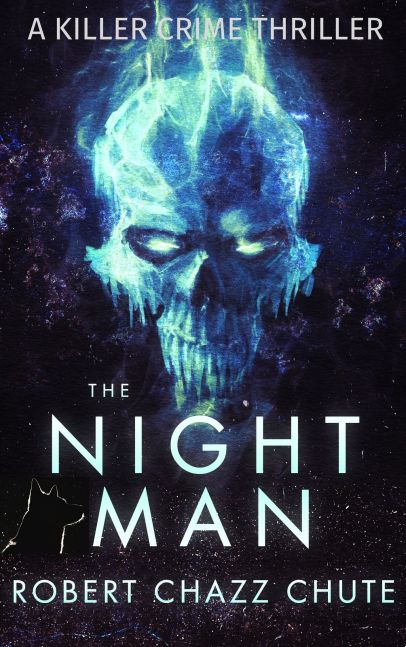
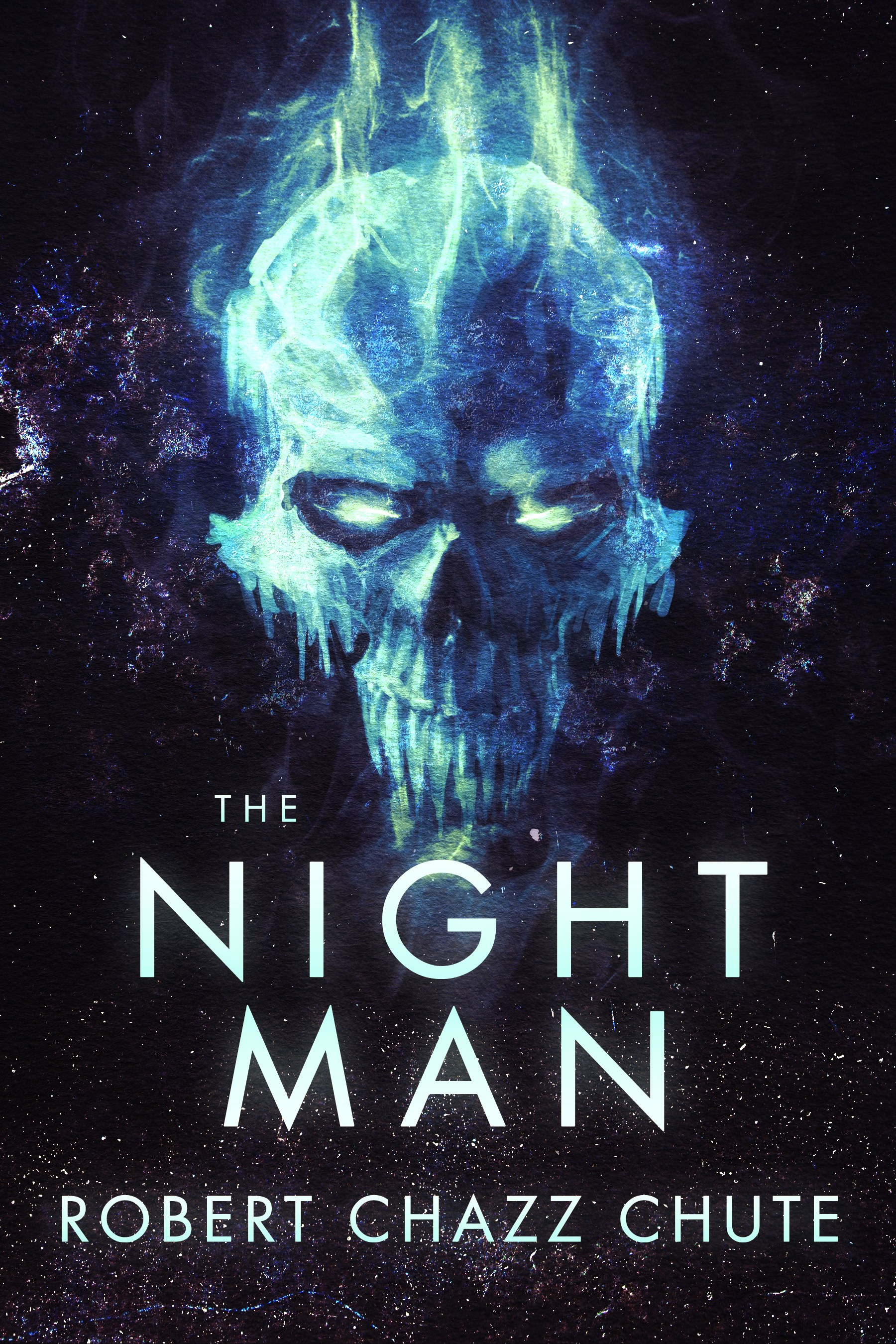
You can pick this ebook up for free today at this link: http://bit.ly/TheNightMan

Join my inner circle at AllThatChazz.com

See my books, blogs, links and podcasts.

Enter your email address to follow this blog and receive notifications of new posts by email.

Join 2,063 other subscribers