C h a z z W r i t e s . c o m

See all my books at AllThatChazz.com.

How to crack writer’s block. No whining. No excuses.

There are many distractions between your bed and your writing desk. Some suggestions to discipline the monkey mind:

1. Well, write in bed then! (Pee bottle or diapers optional.)

2. Work on a computer without Internet access. Unplug the modem or get your pet rat to chew on the wires if necessary.

3. Get your spouse to activate the parental controls (so they have the code). Congratulations! Your distracting porn addiction just vanished. 

4. Commit to scheduling writing time just as you would a doctor’s appointment, the gym or any other important job. You know your writing is important work, too, right?

5. Make your commitments public. Failure yields public humiliation. Success gets you a reward. Make a bet with a writing buddy or do writing sprints in social media. Report your progress, or lack of it, so you’ll do better tomorrow.

6. Defend your writing time. Wield dual ice axes, if necessary. A sign on that door you close marking your designated writing time makes a clear stand. Your writing retreat does not have to be an expensive, remote cabin in the Rockies. It’s as nearby as the word, “No.”

7. Get out of the house and write elsewhere: Starbucks, the library or at your day job. (Write on your lunch hour if the boss keeps close tabs on you.)

8. Wear headphones and use the Brainwave apps that help you focus. Or pump nothing into your headphones. Or be like Stephen King and rock out to Grand Funk Railroad as you compose. Use WriteRoom. Whatever works for you.

9. Unplug and go write the first draft by hand. Some writers feel the words come easier when they’re connecting brain to arm to hand to pen to paper.

10. Work with your biorhythms, but find your sweet spot when your focus is best: late at night or early morning often allows you to work without interruption.

11. Got a writing group? Shape it so you can make it do double duty: make it a day care club. When my kids were little, playdates (and their nap time) were opportunities to get work done. Communal babysitting gets the kids entertaining each other and allows the writing to continue when you organize and rotate the playdates from house to house.

12. Protect your brain. This goes beyond time management. For instance, when you notice you need a nap after eating bread, take the hint. Maybe it’s the gluten making you sleepy. Thanks to a helpful reader, I’m trying a couple of products from Onnit.com and I do feel and think better lately. Exercise doesn’t just get blood to your body’s muscles. Better blood supply revs up brain muscle, too. Since dumping processed foods, losing weight and upping exercise, I’m sharper. The walls are alive, I see into souls and I write harder and longer.

13. Just start. You’re full of resistance and distractions and excuses at first, but once you begin, the words and worlds will begin to flow. Set a timer and tell yourself you’ll write for ten minutes. What? You can’t take ten minutes? Sure you can. Don’t be a weak whiner! Take ten minutes. By the time the timer goes off, you won’t want to stop.

14. Write in short, energetic bursts. Like going to the gym, many people feel they can’t do anything worthwhile unless they have big blocks of time to commit to their projects. For many of us who don’t have that luxury (and hardly anyone has that luxury) we’re actually sabotaging ourselves with that attitude. Consistency works better than bingeing in the long-term.

15. Take a course, go to a conference or read a book to energize yourself and get excited about writing again. We moan too much about writing and forget how fun it is until we’re back to doing it. If you aren’t having fun writing, you must be doing it wrong.

BONUS

Most important, remember why you’re doing this. Hold on to the Why so you’ll overcome obstacles to the How. You are not merely a consumer. You’re a productive writer, pursuing your dreams and telling stories for fun and profit. Don’t put your dreams aside only so others can achieve their goals. You’re important, too.

Filed under: getting it done, Writers, writing tips, , , , , , , , ,

TOP TEN: Publishing paradoxes and problems

1. We discount one-star reviews because of their typically venomous, dismissive hatred yet we read every one.

2. We strive to get on big media to help sell, but not much media is big anymore and it won’t move the sales needle anyway.

3. We hope to be picked up by old traditional media, but we’d connect with our audiences better and get more time, for free, going after podcasts.

4. We’re putting ourselves out there, daring to dream big, but get discouraged by people who do neither of those things.

5. We get jealous of the success of other authors when we should learn, emulate and be inspired.

6. We say “Don’t judge a book by its cover,” but that’s what covers are for.

7. We spend time thinking about being a writer instead of writing.

8. We all hope to catch fire with our first book, but if success came today, many of us would be unprepared for it and wouldn’t have anything else to sell.

9. We spend months or years on our manuscripts, but many of us aren’t taking a few minutes to make sure our hard work is safely backed up (in two different ways.)

10. We call it self-publishing, but it’s a team effort and the author who truly tries to go it alone is a fool or a monster.

Filed under: author platform, Writers, writing tips, , , , , , , ,

My Top Ten: Becoming a healthier writer

Remember when this blog was about publishing?

It still is, but I’ve got to talk about the author and publisher and our mental and physical health. Without us, there will be no books.

As I write this, I am battling a bad infection. On Tuesday, I find out about some medical test results. In short, things have been tough lately, emotionally and physically. I have a plan to deal with this mortal coil (more on that in a moment) but in the meantime, not much writing is happening. A little, yes, but at George RR Martin speed (i.e. glacial). Once this latest problem gets sorted out, I hope to be free of health scares for a good long time. Sickness and fear is draining. Life, as I have failed to organize it, is draining.

And here’s where the mental game comes in…

This last three weeks has been a series of blows. Most of that problem is mental. I’m not dealing with stress properly. I’m obsessive. I’m negative. I’m focussing on what not to do instead of focussing on what to do. If you spend your energy in the present on what you know you should do, you won’t lose time with regret and anger. I know this because I’ve lost too much time already.

The short story is, I allowed an energy vampire into my lair and he shat in my living room. Two days ago, another energy vampire attacked. I dealt with the problem faster this time, but it still ruined an entire day while I obsessed over what else I wish I’d said to cut him off. When I was younger, I wasted a lot of time being furious. The rage monster is back. I’m not punching walls or anything silly like that. Just seething. That can even be useful when I channel that energy into Misericordia, the beastly vampire in This Plague of Days. It’s less helpful when I argue everything in my head again and again. (At least the revenge fantasy with the torch, the knife and the bag of rats is fun.)

But here’s the paradox:

Writing makes me happy and yet I haven’t been writing enough. A friend asked about my strategies for dealing with negative emotions. For two years, I was free of all this nonsense. Those were the happiest two years of my life. Guess when that was. Yes, it’s when I was at home writing and only writing. Running two struggling businesses at once is a time management problem, though proper use of a calendar and a stopwatch alarm should get that sorted out.

There are many components and variables to health and everyone has to deal with these issues at some point. This is where I make my stand. Turmoil and rage is not a successful life strategy.

Living the way I have been isn’t working.

Underneath the anger is fear, just like Yoda says. I’m afraid of failure and a short life and I’m even more scared of a long life in which my brain and body abandon me. Sometimes, I cry a little and wish I could cry more to let it all out. Mostly, I want to take all the bad in the world into my arms and squeeze until it’s tiny and dead and dust. I want justice and just desserts. I want us to live in a better world and I think, through fiction, we can come at solutions sideways. Even if we can’t save the world through Art, we can save people by giving them harmless vicarious thrills and joyful distractions. Stephen King calls books “escape hatches”. That’s exactly what they are. We write about heroes and heroes affirm our humanity in the face of Darkness. We need these myths as a starting point for our aspirations. There is wisdom and honesty in good writing. With our fiction engines running hot, we can make the hopeful lies true.

I know what to do for myself and these latest health problems are reminders that, yes, I really have to deal with this stuff STAT.

Here are my strategies to protect my brain, body, energy and mood:

1. A diet of plants with some protein on the side. Vegetables are the main thing.

2. Daily movement. It could be dancing or Fight Club or running from bears or chasing criminals through the night in my cape. But keep moving.

3. I built an incredibly cheap treadmill desk ($100) but I find it difficult to compose while walking. A friend gave me a pedal treadmill for Christmas (to use while sitting at my desk). I hope to do better with that.

4. No aspartame. As little processed food as possible. Stevia or xylitol in small measures, okay, but the chemicals I can’t pronounce have to be cleared out.

5. Tracking. The same friend who gave me the desk treadmill gave me a FitBit Flex because (a) he’s awesome and generous and (b) that which is not measured cannot be improved. Everything I eat and do goes into tracking. From graphs and math come course corrections and healthy habits.

6. Closer contact with my doctors. I go for regular physicals, but we’re going to do closer monitoring to make sure I’m on track as I make more lifestyle changes.

7. First drink of choice is water. Then more water. Thankfully, coffee is still in, though less than I have been drinking.

8. More sleep. Early mornings are fine, but the late nights have been too much for too long. I took workaholism as par for the course to get things done. Now I think it’s a stupid ego thing and a result of impatience and poor planning.

9. Be more social with friends and invest in those healthy, positive relationships. Cut rude people off faster and destroy any hope they have of being casually destructive to my energy reserves. Psychopaths don’t lurk behind every rock and tree, but they’re out there. I’m not going to engage these people. I’ll simply delete them or throw them out.

10. Write. For me, it’s as important as exercise, if not more so. When I am writing I am most myself. When I am writing, I disappear from the stresses of this world. In that world there are psychopaths waiting, too, but I know how to deal with them better. I’m very unkind to the bad guys in my fiction. They get to think they’re winning for a while, sure. Then? They burn.

11. Every day in this world, I am kind. I make a point of it. The day isn’t done until I can find a way to do someone a solid if it’s within my power. But I have to be kinder to me, too. That’s why I’ve got 1 – 10. Your strategies may not be identical to mine, but I hope you have some that work for you.

Merry Christmas and happy New Year to all my readers!

My next entry on ChazzWrites.com will be in the New Year. As you can see, I have to take some time off to organize for lifestyle changes, rest, recharge and, of course, write. Let’s all have a healthier and happier 2014. We need each other for the fight.

Be well.

~ Chazz

PS If you have links, books, or green smoothie recipes to share about how you take care of yourself, please leave them in the comment thread. We all need to know.

Filed under: Rant, What about Chazz?, What about you?, Writers, writing tips, , , , , , , , , , , , , , , , , ,

The writer, depression and getting the word music to play again

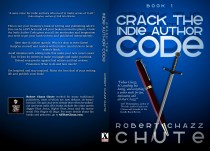
By the way, Crack the Indie Author Code 2nd Edition is out in paperback at $9.99. Smaller format, with jokes.

By the way, Crack the Indie Author Code 2nd Edition is out in paperback at $9.99. Smaller format, with jokes.

A fellow writer meant well when she told me that if you can allow anyone to discourage you from writing, you shouldn’t be a writer. That sounds tough-minded and strong, doesn’t it? It would be good advice to take, but unfortunately, I’m still human. Darn the luck, my skin is no thicker or thinner than it ever was. It will surprise no one, given the sort of dark stuff I often write, that I obsess over the negative. I do not remember sunny days. That’s who I am. Maybe I could fix it with some talk therapy, gene manipulation and a personality transplant.

So, yes, rude email hurt can me and my productivity. A bad review can ruin the morning and robs me of a night’s rest. I’m prone to depression and yes, I’m feeling it now. Due to several factors, I haven’t faced the blank screen bravely in days. I’ve been ill and trying to keep up with the demands of my new day job and, not to whine, but the depletion started with one condescending, presumptuous email. 

I’m letting a terrorist win. The worry treadmill is running. I’ve written ten books, but the negative cyclotron has kicked in. “How can I be a writer? I can’t even type properly.”

When I observe the disparity between Goodreads ratings and Amazon ratings (work is often valued one star less on GR even if the review sounds equally positive), I have an urge to reevaluate my life choices. If I’d gone to that Second City audition or to film school instead…but that way madness lies. At least until I fix the time machine. But enough about me.

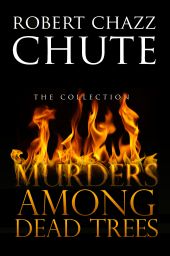
Murders+Among+Dead+Trees+1121-1

What to do when you’re feeling down and not writing*:

1. Call a friend. Do not talk about your problem. Talk about what your friend wants to talk about.

To shore up your ego defences, you’ve already read and reread your happy reviews. Your friend isn’t going to tell you anything new and you’ve already got your “Atta-boy!”

The point of this phone call is to break the obsessive cycle of repetitive arguments, cutting retorts and vengeful homicide plots running through your head. This is a time for jokes. Ask about your friend’s life. 

2. Okay, so, being human, naturally you want another “Atta-boy!” Engage a fan who can’t wait for the next book. A little positive pressure may be all you need to get back to writing the next book in the series.

3. Write a blog post to vent, but only if you must and your friends aren’t answering their phones. (Ooh! Meta!)

4. Remind yourself that this is the firstiest of First World Problems and set the oven timer. How much more wallowing do you plan to allow yourself? More than one more pathetic hour and you’ll burn your life.

The three most powerful words are “I love you.”

The two most powerful? “Begin again.”

~ from Crack the Indie Author Code

5. Read the negative reviews of your favorite books. Choose the classics that you think everyone simply must adore. Realize some people will not be pleased.

Now in paperback!

Now in paperback!

Ev-er.

Or they’re trolls feeding an emotional need that has nothing to do with literary criticism. Or they’re too stupid to get you. I used to think that all readers, because they can read, must be smarter than average. Read some one-star reviews, especially the ones that bring down an author’s rating because Amazon didn’t deliver the book fast enough or they don’t like reading on a kindle and would have preferred paper. Clearly, my supposition about all readers being intelligent was not true.

6. Help somebody else with something. Shovel the walk and bring in the wood and be productive. Productiveness is a habit. This tip works better is you don’t do it for yourself. Do it for the old neighbor with the bum ticker and the broken leg.

7. Read something good that inspires you. Remember this feeling of transcending the great, dirty world? This delicious escape is why you are a writer. 

8. Realize that nothing will be perfect and the critics might have a point about something. Correct errors and move on.

9. But if they’re too harsh and stop you from writing at all, you’ve allowed a rude outlier to rob you, and most readers, of joy. It’s too easy for trolls to throw bombs. You write books, not a few, nasty paragraphs. We’re not allowed to critique reviewers so they’re safe from what you’re feeling now. Don’t let bullies win. Not letting bullies win is another reason you’re a writer.

10. Bing! The oven timer went off.

Start writing again. Anything. Just start. Within five minutes, you’ll be sucked into the other world again. Just get through that first five minutes and write. You aren’t facing a whole book. You don’t have to worry about word count or bad reviews or bruised egos or where to find a Luger, thick rope and kerosene at three in the morning. All you have to do is start writing and get through the first five minutes. Maybe less.

You can gut out five minutes. You don’t even have to act tough to start. Just start. An appreciative audience is out in the future, waiting and hoping you’ll get through the next five minutes. Maybe less.You will fall back into the groove and the word music will begin to play. And a one, and a two and a three…

If none of these suggestions work, call a doctor. Maybe it’s exercise, kale shakes and an anti-depressant you need to elude the mean reds.


Filed under: book reviews, publishing, web reviews, Writers, writing tips, , , , , , , , , , , , , , , , , ,

Top Ten: Make your writing count

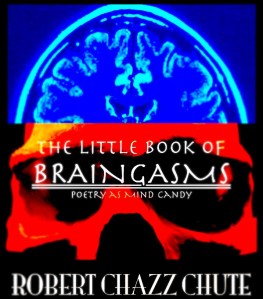
braingasm cover1. One is the loneliest number. It’s you, the author, facing the blank page. There’s no one with whom to share responsibility to write and no one to share the blame for when you get it wrong. You are alone in here until you allow the ghosts to come forward and their voices to speak.

2. Two is you and your reader. You become invisible. The reader disappears. That leaves the story as the bridge, hanging in the air between two indefinite points and reaching through time. If the story is strong, the ethereal is made real and two indefinite points connect in mutual imagination. This is the only magic I know.

3. Three, as in “Rule of”. No one knows why the Rule of Three works. It just does. Lists of two feel insufficient and weak. A list of more than three feels pedantic, overblown, overly long, simply too much and see what I’m doing here? If you do, then you are paying attention, astute and onboard.

4. Four is the number of years you were in university, supposedly learning how to write. If you fell for that, well…I did, too. We would have spent all that money better had we hit the road, read a lot and just wrote. You may want one, but you don’t need an MFA. You need a little recklessness and exposure to the world and curiosity to lead you to what you need to know. I learned more about writing in my first two weeks as a newspaperman than I did in four years of a journalism degree. 

5. Five is age five, as in when you start to remember things you can use against your parents in your first novel. Wherever a remembered childhood begins is where you begin collecting fodder, drama and trauma (see? Rule of Three!) that you will cannibalize until the Alzheimer’s gets its hooks in deep.

6. Six times three is the Number of the Beast and it sounds like “sex” and it was my lucky number when I believed in lucky numbers. Six is the number of degrees of separation and Kevin Bacon. Six represents the tentative connections upon which all fiction is built. Less than six is too linear. Six means you’re making fragile neural connections between ideas to construct something new and fresh and interesting. Shore up that spider web against high winds and less imaginative minds with facts and a realistic context that supports the suspension of disbelief.

7. Seven is the number of things scientists say we can do at one time. Don’t do that. Do one thing at one time. Do not multi-task. When you are writing, write. Until you can make the world go away, there’s no chance of building that bridge over the fog to reach readers.

8. Eight is a good number of beta readers and proofers. Chances are you can’t find eight excellent pre-publication readers willing to comb your manuscript. However, try for half that and use the others for specific skill sets. My survival expert and cartographer, for instance, knows where Saint-Louis-du-Ha! Ha! is.

9. Nine is the number of relatives you were sure would buy your book. At the family Christmas party, they will be disappointingly vague, clueless and heartless about your literary endeavours. Or worse, they will have read it and will shrug off the experience in crushing silence. Or worse still, they’ll ask you to ship them a free copy.

10. Ten is the top ten list you pray you’ll get on even if you don’t believe in God. Ten is the number of good reviews you need to get on many promotional lists. Ten is how you remember the date you took to the prom. Ten is a number representing what’s best. Ten is the number of digits on the hand that pulls you up from anonymity with a tweet of endorsement, a clap on the back and a congratulatory handshake. Ten equals Hope.

Today, you are one.

Write often, boldly and well.

Your writing will count.

Your readers will be innumerable.

~ I’m Robert Chazz Chute. I have a large Irish family and a large Japanese family. I wish they liked me enough to buy my books. Fortunately, #5.


Filed under: author platform, Top Ten, Writers, writing tips, , , , , , , , ,

#NaNoWriMo: Take a chance. Deliver.

I’ve finally begun reading Stephen King’s 11/22/63: A Novel.

Feeling a bit burnt out, I reached for an old reliable author to get me into relaxed creativity mode. The fire in the wood

Stephen King at the Harvard Book Store.

Stephen King at the Harvard Book Store. (Photo credit: Wikipedia)

stove is burning bright and hot as a cold blizzard’s squalls pull at the house. Under my wool blanket, I’m cozy and this book feels comfortable, too. Different story, same old friend in King. I’m one of his Constant Readers. To my delight, King has an Easter egg for writers right off the top. 

His hero, a teacher grading essays, complains about his students “writing like little old ladies and little old men.” Heh. Yeah, I know exactly what he means: Grammar and spelling correct, but boring. Tried and true narrative, but too safe. I want surprises. The development of the story has to be logical, sure, but please, take a chance! Dare to take the reader by the hand and shove them on the roller coaster they didn’t plan to get on. Give them the adventure they didn’t know they wanted.

For instance, in Season One of This Plague of Days, I did a lot of plausible things with strange characters (and I put the implausible in a context that makes it believable.) In Season One, you see a kid on the autistic spectrum operating in our world (i.e. at the end of it.) That was cool, but to heat up the narrative and quicken the pace, I had to go deeper into the implausible and still attempt to make it as believable as it was fanciful. 

In Season Two, the story takes some new turns and we’re in Jaimie Spencer’s world more than he is in ours. Though many people loved Jaimie in Season One, I wasn’t interested in making Two a copy of One. If One is a siege and Two is basically The Road, I had to take the crazy train to places people hadn’t seen before in an apocalypse. The virus that came to kill humanity keeps evolving and that takes us down unfamiliar roads. The Plaguers and I are happy with it.

People love Same Thing Only Different. Too different is a gamble, but some gambles pay off.

Changing a character people love is uncomfortable at times, but certainly do it if the story demands it. (By the way, nobody loves Jaimie more than I do, but he ends up doing a lot of questionable things for a Christlike figure.) I demanded development and change, so I got dreams, a touch of magic and some big questions for the surviving humans caught in the teeth of the gears of existence. If Sartre could read my apocalypse over a lunch of cold milk, ham sandwiches and angst, I think it would spark an interesting discussion about the existential subtext of ambition versus chaos theory. You know…sliding in the thin spaces amongst the bloody zombie attacks, scary new species and terrorized, grieving humans.

Dare to be wrong and, surprise! You’re right.

Sometimes it’s just simple mechanics where writers wimp out and opt for their grammar book over Art with a capital A. In Higher Than Jesus, for instance, a character uses the non-word “father-in-laws”. The correct plural is “fathers-in-law,” of course. Trust your readers to figure out that you know when you’re wrong. Better to stick with what’s true rather than what’s correct. The speaker of “father-in-laws” is an old, homeless guy whose education isn’t terrific. Talking like a Harvard law professor does not fit, so wrong is right.

Most readers will go along and the very few who will think you’re an idiot were never going to like your work, anyway. Grammar fascists don’t read for the enjoyment of reading, so relax and focus on the readers who are with you for the right reason. That reason is Story (and to forget we’re all going to die, and maybe soon, in Death’s razor claws and unforgiving, crushing jaws.)

I like prose that is edgy. Lots of book lovers love it when we’re gutsy.

I like Chuck Palahniuk a lot, perhaps especially when he cruises the experimental. I like much of Norman Mailer’s work for its simplicity. However, I love Stephen King. The narrative is straight A to B. Snobby readers might call it “muscular” or “workmanlike.” That’s old code for not “literary” enough or too pulpy by half. But who do you want telling you a story? An arid auteur who tells it correctly or a writer who get it across right? The writing I’m talking about is visceral. It affects you. It makes you think but it doesn’t have to call attention to itself too much. Have something to say and mean it. Lofty’s fine if your feet stay on the ground. 

Don’t give me fancy writing tricks. Tell me the story, please.

You know all those New Yorker short stories with the super-opaque endings where it’s so very arty you can’t figure out what the hell the last paragraph is supposed to mean? Where they try to trick you into thinking vague ends equal powerful conclusions? You’ve surely read those stories so bathed in antiseptic that they have no honest feeling or real humor. The words are all in the right order but they can’t make you care. It’s hard to define, but when a book has no heart, you know it. 

I suggest you do the opposite of all that empty scribbling and I’ll try to do the same.

A good short story, or a solid book, should deliver a punch and satisfaction (or at least anticipation of the next book in the series) with its last line. It should not generate a confused look on the face of an intelligent reader. 

A great story can be read aloud in the flicker of a dying campfire. If the story’s solid, your rapt audience will worry about the characters in the book. They will be blissfully unaware of the starving bear watching from the woods behind them, sniffing the air, drooling, and measuring the distance to the fading circle of light.

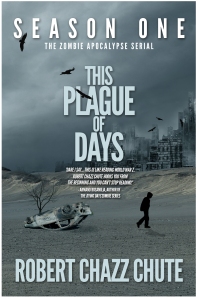
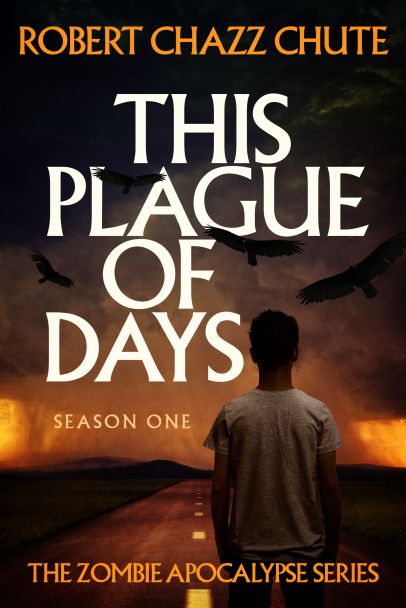
~ I’m Robert Chazz Chute: author, podcaster, perpetually worried. If you want to learn more about This Plague of Days, go to ThisPlagueOfDays.com. Or just zip over to AllThatChazz.com and buy some books. That would be good. Also, Season One of This Plague of Days is in paperback and Christmas is coming. I’ll let you connect the dots from there. Thanks!

Filed under: NanNoWriMo, Writers, writing tips, , , , , , , , , , , , , , , , , , , , , , , , , , ,

#NaNoWriMo: Story stuck and stalled? Try this.

You’ll probably get stuck from time to time. Most everyone does, so don’t panic.

If you get stuck often, outline more to save writing time and stay on track. Keep in mind that outlines are merely guidelines. You’re just dating your outline casually. It’s not serious and you don’t have to marry it. With the shadow of commitment gone, you still have your free and fun, bright and shiny creative mojo working for you.

I’m a pantser, but I do have an idea where my stories are headed. We may take a winding trip to get to our destination, but we will get there, hoping we won’t get stuck and be forced to back up thirty pages or so before we can move forward again. I’ve had to do that. It sucks, sucks away forward momentum and saps confidence. So let’s crash through that mental block and get unstuck.

Solutions to get out of the ditch

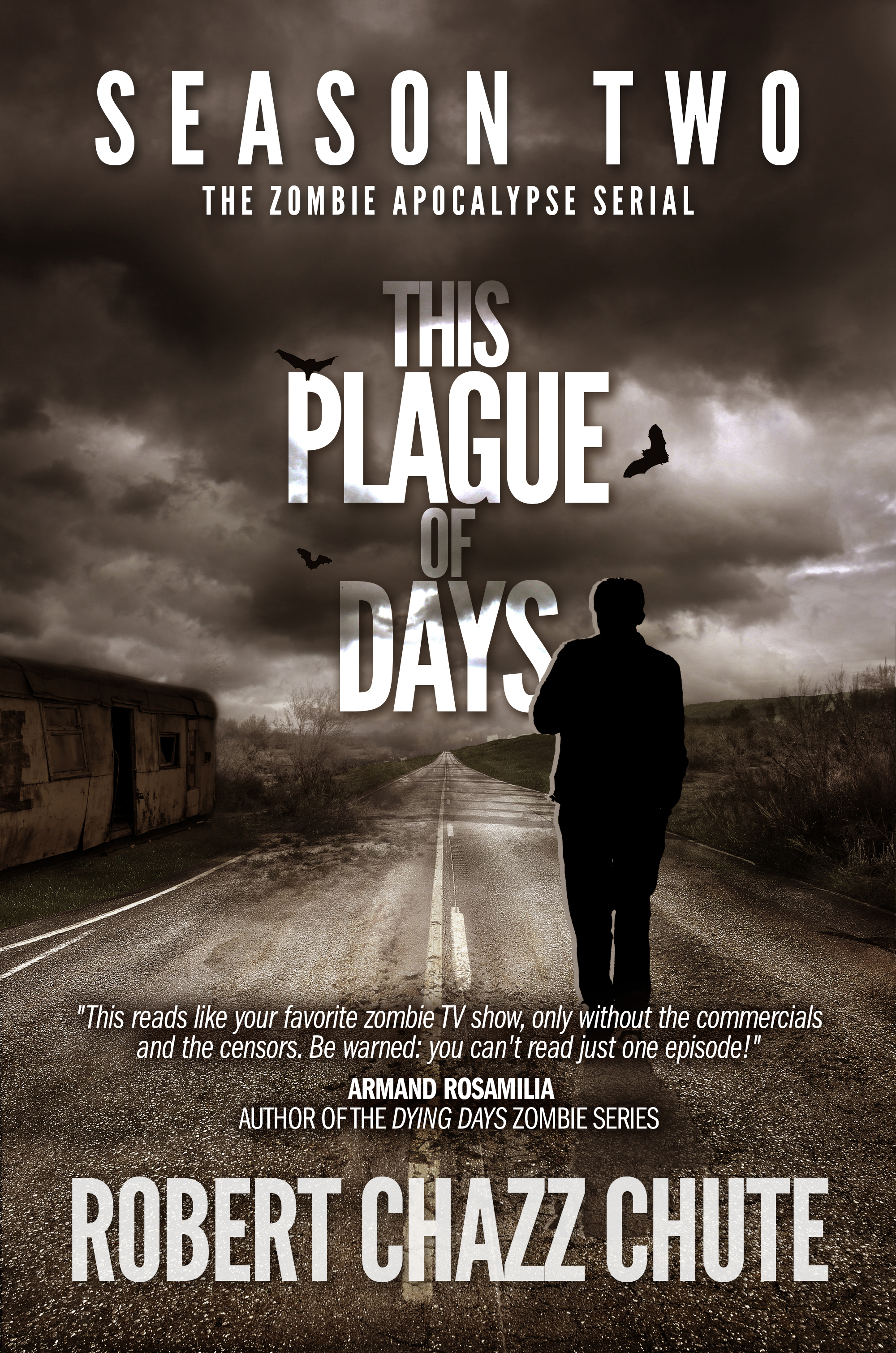
Season One of This Plague of Days is the siege. Sutr-X was the pandemic. Sutr-Z's next and it's coming for you and the Queen's corgis, among others.

Season One of This Plague of Days is the siege. Sutr-X was the pandemic. Sutr-Z’s next and it’s coming for you and the Queen’s corgis, among others.

A random, alluring word, place, fact or event can give spinning wheels traction. For instance, the word “chiroptera” gave me a new direction when I wrote Season 2 of This Plague of Days. Sometimes I choose words, events or facts at random and noodle with them to see how they might fit into the narrative. Or I’ll draw from mythology, philosophy, politics or religion to discover new dimensions in the narrative.

Here’s the surprise: I always find a way to make those intriguing things fit naturally into my story.

I bet you can, too. Don’t load up on $10 words when a nickel word will do, of course…or at least don’t do it for its own sake or to show off. However, if something seemingly random can serve your story, use it (or dump it if it fails.) Readers like learning things as much as you do. They like characters with depth and to discover hidden significance behind meaning.

Get random

Autism, Latin, the Existential Abyss and references to Superman. That's pretty random, but it all fits.

Autism, Latin, the Existential Abyss and references to Superman. That’s pretty random, but it all fits.

This exercise in the writing process is about bouncing new electrical flashes through the writer’s brain, making new connections and getting synapses firing to see nonlinear possibilities. Frequently, you can find something new that influences the story simply by opening a dictionary and pointing. An atlas and a Wikipedia search might give you a random fact that sparks something. I found Gas City, for instance. The name alone captured my imagination and got me thinking about a new track to follow in Season 2. New characters and furious battles evolved from the way that slapped my brain.

If you’ve got an area of interest (baseball, plumbing, woodwork, salmon fishing, animal husbandry, whatever) work it in to give your characters depth. I’ve got a sensitive soldier with expertise in military history who shows up in the zombie apocalypse. I’ve also got an Irish cop from a tiny Irish resort. The place informs the character. These are the sort of factors that make the people on the page real. Jack (Jacqueline) Spencer majored in Elizabethan poetry. That makes her feel pretty useless when society collapses, but her development now has an arc. Up from zero, she gains experience on the road east to a hoped for haven from the apocalypse.

For me? It’s pathology that fascinates.

I studied anatomy first and was awed by our biological complexity. Then I studied Merck’s Manual and I’ve been a hypochondriac ever since. It’s startling how fragile we are, so pathology often finds its way into my books, one way or another. I know a lot about how the body breaks, so I’m sure you can guess how that might play into a crime novel.

I know a lot about migraines (and the many variations of headaches.) His inability to act shows up in one of my WIPs and becomes crucial to the protagonist’s predicament when the cops come calling, asking for an alibi. My protagonist in This Plague of Days is autistic which, naturally, gives him a unique point of view on the end of the world. Another character has Desmoid tumours. This is a rare condition, but it turns out to be very relevant to the story. Her disease saves her from a worse fate than Desmoid tumours (in a way I can’t divulge yet, of course. That’s Season 3 stuff.)

Take a fragment and build your next chapter around it. Make the fragment an element.

These general suggestions are random sparks. If an atlas or a dictionary or a quick Google search can make your story catch fire, and if you can make these new variables seamless, you’ll find their inclusion can get you unstuck.

Therefore:

a summer camp in Columbus, Ohio with too many mosquitoes

the ruins of a castle hidden under heavy snow

a rusted can opener, forgotten in the kitchen’s junk drawer

a tippy chair with one short leg

angina

Captain Cooke’s death

her mother’s wedding ring inscription

Try one of some of those for a start. How might they fit in your narrative? Keep going and don’t worry if you get stuck. The next step will come to you and, if not, go find that next step. Finish your story.

Tips and inspiration for the writer's journey to publication.

Tips and inspiration for the writer’s journey to publication.

~ Hi. I’m Robert Chazz Chute. I wrote a couple of books full of inspiration to get writers to get their books done. I also write about a kid on the autistic spectrum facing the end of the world, zombies who aren’t really zombies and vampires who aren’t really vampires. There are also jokes and Latin proverbs. It’s…oddly engaging and does not suck. See all the books here.

I also host the All That Chazz podcast and the Cool People Podcast. To learn more about This Plague of Days, go to ThisPlagueOfDays.com.

Filed under: NanNoWriMo, Writers, Writing exercise, writing tips, , , , , , , , , , , , , , , , , , , , , , ,

NaNoWriMo isn’t bad. You are.

One neurotic fellow worried, in public, about National Novel Writing Month (NaNoWriMo.) 

Worry 1

“If it goes really well, I’d be embarrassed to admit the published book started with NaNoWriMo.”

Yes, this was actually a concern. That sounds silly to me, but putting aside the snobby subtext, let’s answer that. More than 100 published novels have emerged from NaNoWriMo beginnings and I’m sure the authors are grateful for the kick start NaNo supplied. If you need a kick in the pants, NaNoWriMo can help make a solitary pursuit feel more gentle with the support of an enthusiastic community. Whatever helps you get past the time management hump and into actually writing is peachy with me. Starting is hard.

I’m working on a novel that emerged from a short story in Murders Among Dead Trees. That happens a lot. Bigger Than Jesus and Higher Than Jesus were born from a short story in Self-help for Stoners.

Book ideas come from lots of places. We shouldn’t be embarrassed about process. Instead, embrace what works for you. Otherwise, you get lost chasing your tail. If you must be embarrassed about something, worry about how much autobiographical source material you’re using from that series of bad decisions you made in Vegas.

Or, how about this answer? Don’t be a poo.

Worry 2

“The problem with NaNoWriMo is people think they’ll have a novel at the end of it.”

No, they don’t. NaNoWriMo has warned about this syndrome from the beginning. Most people write to join in the fun and to share support they have no other month of the year. Most people know what these moralizing purists refuse to acknowledge: 

A. Non-writers, novices and aspiring writers are often (oh my Thor!) just as smart as any purist.

B. Writing is the opposite of rocket science. It’s an associative process of making neural connections in new ways that expresses a basic human capacity for creativity. There are good writers and unskilled writers, but ignorance does not equal stupidity. Take the Art seriously, sure, but writers should not take themselves so seriously. It’s supposed to be fun and engaging and many people can do it.

C. Critics of NaNo poop on the participants and say they’re wasting their time. Are all the hobbyist painters wasting their time, too? It’s their time to enjoy wasting. Stop being nasty to NaNoWriMo. You don’t sound noble and professional. You sound insecure about competition from upstarts who dare to pick up a pen, just like you must have done once. 

D. We all know this is just a quick, first draft that will later be expanded, rewritten, pummelled and edited. In most cases, it won’t be submitted or published anywhere, ever. It’s just a start, a challenge, an experiment. Its value is that you can’t edit and improve what isn’t on the page.

This straw man is trotted out for burning each November when oh-so-serious people who write in one way (i.e. like they’re constipated and too fascinated with their leavings) insist that everybody have the same process.*

Yes, some people refuse to acknowledge that their first draft is not great. I’m sure there are even a few people who fire off their first draft of 50,001 words to an agent. But so many people participate in NaNoWriMo, there are bound to be a few novices too sure of their greatness who refuse to follow instructions.

Let’s stop being mean, have a laugh and have a go if you want.

The first time I attempted NaNoWriMo, I didn’t make it to 50,000 words and I was left with a partial manuscript I didn’t like. The second time, I did complete the challenge. Now I don’t do NaNoWriMo because I write no matter what, at least 2,000 words a day. Nothing against NaNo. It’s simply that participating fully would add a stovepipe to my outhouse and the days are short.

Now, on to more troubling questions:

What’s with all the toilet analogies, Chazz?

*This post is based on actual objections to NaNoWriMo. Not all critics of NaNoWriMo deserve the thrashing I’m pointing at one particular critic. If it’s simply not for you, that’s peachy, too. In defence of NaNo, I wrote the inspired imagery with the word “constipated” in it the first time, without revising a word.

Filed under: NanNoWriMo, Writers, writing tips, , , , , ,

Writing and the Day Job: When dreams don’t come true on schedule

Let’s get a myth out of the way immediately.

Some writers say it’s a rule that a day job keeps writers in touch with the real world and, to be good, writers need real world interactions to draw upon for their fiction. Maybe that’s true for them and their process. I had enough drama to draw from before I left home as a teenager. I deal in fiction. Imagination and Google are more useful to me than interactions with actual humans in Meat Space.

Meat Space humans are difficult for me to deal with. I see the world differently and they don’t all get my sense of humor. I’m a little weird and sometimes I have to make myself shut up so all the weirdness doesn’t escape at once and scare people away. In books, it’s easier. I’m supposed to be strange when I write. If you’re reading this blog, there’s a good chance you relate to that. When we go corporate, no one’s supposed to suspect our minds are active.

Even when I’m lying, I try to tell the truth.

I lie to myself about a few things, but I’m honest for readers, sometimes painfully so. That’s why I’m unveiling some vulnerability and complexity here. I wrote a post last night about going back to a day job. Fourteen years ago, I was in the same office, doing sort of the same thing. (Long story.) The point is, in the post I wrote to readers, I was emphasizing the positive. It wasn’t a lie when I wrote it. It’s not a lie as I type this.

However, sometimes my enthusiasm for my return to the real world is a lie. Starting up yet another business is creative and exciting and stressful. When my enthusiasm is down and my pride is butt-hurt, there’s a reason for that. It’s called Entitlement. As in “False sense of”. I have that affliction sometimes. I’m not proud of it. In down moments, I do feel bad about needing to return to work.

But I feel worse about the sacrifices my family has had to make to support my dream. There’s tension when the bills come in. We don’t talk about it, but we know. We don’t take vacations like all the kids’ friends do. Every purchase feels like a commitment to a serious investment. How long will this coat last? Is the van’s muffler a ghost yet? The living room rug absolutely must be burned and replaced. As mentioned in my previous post, poverty sucks.

The Revealing Question

I ran into a friend and former client who got the news I was returning to my old workplace. “Are you okay with that?” he asked.

The question was gentle and well-meaning. He knows that, for me, the last two years dedicated to writing have been the best two years of my life. When I’m at the keyboard, I’m home and having fun creating chaos. I’ve used those two years (mostly) wisely. Ah, but the question. “Are you okay with that?” Depending on my mood, it’s loaded with should haves and what ifs and worries about dealing with an unknown public.

If This Plague of Days wasn’t taking off, I’d have a huge problem with my return. It would feel like capitulation and a backwards step. I’d feel like a loser if not for the seeds of success very slowly budding. I’ve also published ten books in two years. My readership is growing. The timing would have been ideal if the growth I see now happened a year or so ago. But having a hit isn’t like that and hits don’t last, either. There are too many variables and they aren’t all under my control. To pay the bills, I have to do what I did two years ago. I’m risking starting another business.

I’m not quitting writing.

To take things to the next level, I need to have more money coming in to support my family and my imprint, Ex Parte Press. The schools seem to request more cash for projects, school trips and class support almost weekly. Bookbub promotions are not cheap. And yeah, that living room rug is a bio-hazard that no carpet cleaner can cure. Back to work I go.

The Good News

The day job isn’t so demanding in the number of hours it takes.

I can write between clients and still be very productive. In many ways, my day job will be an ideal complement. I can control my time and I still work for myself. I’ll have two businesses. That will undoubtedly diminish some book productivity, but I’ll still have more time than most writers so I should not, must not, whine.

It must also be said that in my other, newer business, I’m really good at it. There are much worse things to be doing with my time. It’s noble work that helps people and yes, I am expert. If not for that expertise and writing, I’d be looking on Monster.com for “Hired assassin”. I’ve considered dog-walking, but only if it was 1980 when nobody had to pick up after their dogs.

We do what we must. We move forward. We make what fun we can from whatever we do. That sense of entitlement with which I am sometimes afflicted? It doesn’t serve me. It doesn’t help any of us. I’m earning my readers, one at a time. Though it is deep and dark, we are finding each other in the forest. It’s going to be fine.

~ These are my books. This is the new business. Tonight, as I write this, I feel no chagrin.

Filed under: author platform, authors and money, book marketing, getting it done, self-publishing, Writers, writing tips, , , , , , , , , , , , ,

Writers: Saving Money and Making It (Part 1)

This week we’re going to talk about writers and money.

Mostly, we’ll talk about not having any because that’s reality for most of us.

Forget the clichés about how writing in a garret or a ditch lined with beer-vomit fuels us creatively. Poverty sucks. Worrying about income and outgo all the time drains us creatively. As a guy who’s basically been unemployed for two years, I have a lot to say on this subject, but let’s start by saving you $1,200 a year or more with one phone call.

You use the Internet for research (I hope). Call whoever supplies you with TV, Internet and your phone. I did this last week. I started the conversation with, “When I leave Bell, do you guys come get the satellite dish and leave holes in my shingles or how does that work exactly?”

“Why would you want to leave Bell, sir?”

“Because I just found out a buddy of mine in the same neighborhood with roughly the same services is paying $100 less a month than I am!”

This is true, by the way. This isn’t about scamming any company. It’s about solving the problem of being overcharged.

The guy I spoke to in Billing was befuddled as to what to do with me so I took the direct approach and said, “You want to transfer me to the Retention Department now.” That’s where the magic happens. The people in Retention are authorized to massage your bill and squeeze out money and happiness for you. The communications market is becoming more competitive and they don’t want to lose a customer.

Next I spoke with a helpful fellow who went through my communications package with me. I was paying for ten features on my landline. I don’t even know what those ten features could be. I dumped all but voicemail and caller ID.

If it were up to me, I’d dump the landline altogether, but we have to keep it so obnoxious telemarketers can harass us about buying gold and cleaning our air ducts. I also dropped my long distance plan. Use Skype for long distance. Skype is free. 

We’re on the net constantly so there were no services to reduce. However, Retention guy “put a promo on it”. That means he knocked $6/month off the price because I bothered to call. That’s $72 a year on one component of the monthly bill, just because I said my bill was too high (which it was.) We also edited down the satellite package. Everybody gets a lot of channels they don’t watch. Kill them.

We haven’t noticed any loss of services or channels, but that one phone call (which took about half an hour) knocked those bills down precipitously. I haven’t got the first bill yet, but I will save about $1,600 in the next 12 months. Your mileage will vary, depending on how much you’re getting screwed to the wall by your service providers already.

In Canada, we no longer have pennies. Sure, a penny saved is a penny earned, but I’m talking about a significant amount of dough. I “earned” $1,600 in half an hour. Make the call.

Part 2 of this week’s series for writers will be about Writing and The Day Job. Stay tuned.

For an article about gratitude, readers and sneak peeks of This Plague of Days, click here.

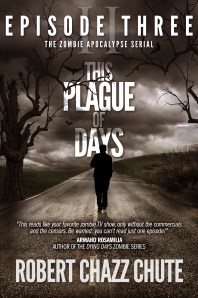
Meanwhile, if you’re reading This Plague of Days as a serial, Episode 3 is out now!

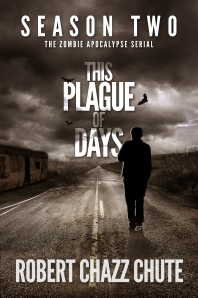
Episode 3 of Season 2 (not Season 3 yet!) is now available. Click on the right sidebar to grab the complete Season One and Two.

Episode 3 of Season 2 (not Season 3 yet!) is now available. Click on the right sidebar to grab the complete Season One and Two.

Photo on 12-05-23 at 4.39 PM~ I’m Robert Chazz Chute. I wrote a couple of books about an autistic kid versus the zombie apocalypse. Sure, that sounds ridiculous, until you understand that it’s also an international thriller and a Latin primer. This Plague of Days, Seasons One and Two have both achieved bestseller status. I’m still broke, but that will change.

Filed under: authors and money, Rant, What about Chazz?, What about you?, Writers, , , , , , , , , , ,

Bestseller with over 1,000 reviews!
Winner of the North Street Book Prize, Reader's Favorite, the
Literary Titan Award, the Hollywood Book Festival, and the
New York Book Festival.

http://mybook.to/OurZombieHours
A NEW ZOMBIE ANTHOLOGY

Winner of Writer's Digest's 2014 Honorable Mention in Self-published Ebook Awards in Genre

The first 81 lessons to get your Buffy on

More lessons to help you survive Armageddon

"You will laugh your ass off!" ~ Maxwell Cynn, author of Cybergrrl

Available now!

Fast-paced terror, new threats, more twists.

An autistic boy versus our world in free fall

Suspense to melt your face and play with your brain.

Action like a Guy Ritchie film. Funny like Woody Allen when he was funny.

Jesus: Sexier and even more addicted to love.

You can pick this ebook up for free today at this link: http://bit.ly/TheNightMan

Join my inner circle at AllThatChazz.com

See my books, blogs, links and podcasts.

Enter your email address to follow this blog and receive notifications of new posts by email.

Join 2,063 other subscribers