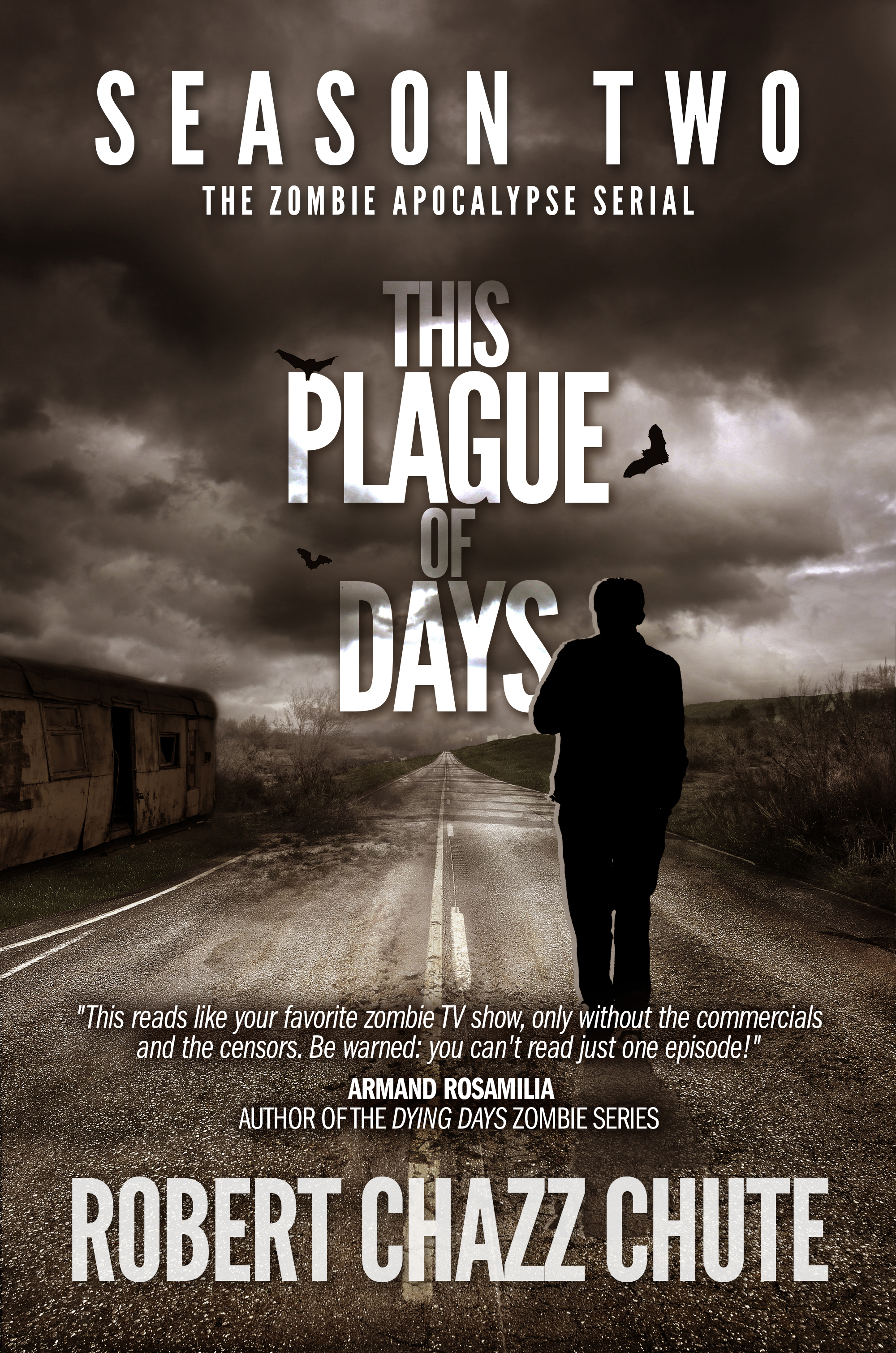
C h a z z W r i t e s . c o m

See all my books at AllThatChazz.com.

Ultimate Blog Challenge: Can you blog a book? Sure you can.

A special welcome to new readers from the Ultimate Blog Challenge! Today, since there are so many new readers pouring in, I should give a little introduction and make an announcement, just to spice things up.

Ancient History:  My first blog, way back when, was mostly about politics. My second blog was devoted to writing (back when I thought I wanted someone else to publish my fiction.) I dumped that blog because someone else was managing it poorly and I needed to get my own sites: ChazzWrites.com and AllThatChazz.com. That was two and a half years ago. Now I blog about writing and self-publishing daily here and keep the political rants confined to my podcast when the spirit (and rage) move me.

Modern History: As I researched self-publishing, I found I had a lot to think about. Since I discover what I think about something by writing about it, my blog grew. I curated a bunch of useful information and that’s still an important part of what I do here: helping fellow authors and writers. My posts grew, matured and got tall as I deepened my involvement, made allies and learned and shared more.

The Current Era: Last November I quit my day job and published a strange book of self-help and inspiration expressed through suspense fiction. I know! Crazy! I wish that I had called it Self-help for Surrealists. As it is, every day for the rest of my life I will say to someone, somewhere, “No, you don’t have to be a stoner to love Self-help for Stoners.” I published two short story collections and a bunch of short stories and marketed them like mad, but the best marketing is to put up another book for sale. Last month, after a long trip through the editorial pipe, I published two more.

The Future’s So Bright, I Had to Cut it in Two: As a result of all this blogging, I realized just this weekend (this is the announcement part) that I have not just one book for new indie authors, but two. As the word count climbed toward 100,000 words on my non-fiction book (Crack the Indie Author Code: Aspire to Inspire) I discovered that it would make more sense, and be less overwhelming, to break up the information into two books.

Alternative Futures: Can you blog a book? Absolutely. There are programs devoted to that very thing, though I suggest caution. Go as slow as you dare. You have to go back in and revise carefully. Omit links and images, for instance. Stuff that works for a blog doesn’t necessarily read well as a book. I’m editing it now and it’s coming soon, promise. It’s a tragic time management issue since I’m also working on the follow-up to my first crime novel Bigger Than Jesus. But that’s a separate blog post and different announcement for another day. Happy blogging!

COMING SOON: 

CRACK THE INDIE AUTHOR CODE: ASPIRE TO INSPIRE (YEAR ONE)

BY ROBERT CHAZZ CHUTE

*2

Filed under: publishing, , , , , , , , , , , , , , , , ,

Author Blog Challenge #26: The demons in my head

AVAILABLE ON AMAZON NOW!

The Dangerous Kind & Other Stories is up on Amazon! It’s kind of the perfect day to address the Author Blog Challenge prompt: What’s your next book about?

I wrote my novella, The Dangerous Kind, about small-town claustrophobia in Maine and the deadly contempt that familiarity can breed. Two brothers have just lost their father to an accident at the mill. They both want the insurance settlement and a hunting trip might yield an opportunity to solve problems with murder. Did I mention there are surprises? I love surprises, don’t you?

Now I’ve bundled The Dangerous Kind with the following SIX shorts,

all precursors to the coming Poeticule Bay Series of novels:

I’ve dealt out deadly consequences to collections agents in the popular award winner End of

Paranormal persuasion and scary stories.

the Line (from Sex, Death & Mind Control). This time I deal with real world problems in different ways. In The Sum of Me, an aspiring writer gets financial help that hurts. I gave a reading of this short story live at a writing convention (to thunderous applause) and it also won an honourable mention from Writer’s Digest. Everyone identified with the palpable writerly desperation.

What do you do when your psychotherapist dumps you? Read Vengeance is #1, about Georgie, a mean girl with bad timing. She’ll give you some tips on how to handle it. Please note: All her ideas are very bad. It reads like steroidal YA. Watch out for the sharp and dangerous mood swings.

You’re a serial killer. Your therapist is helping you to control your impulses. She only wants you to kill the lost causes of she chooses from her patient pool. Then someone comes along who you want to slay so badly you can almost taste the blood. What then? Then it’s mind game time! Take Corrective Measures.

In Over & Out, a wife abandons her husband and children. He tries to put up a brave front while quietly dying inside (maybe literally.) Then he discovers the power of hypochondria and how self-help is sometimes the opposite of real help. Psychological horror and revelations in a little neurotic cup!

In Asia Unbound, a starlet returns to Poeticule Bay for her uncle’s funeral. She meets up with her high school boyfriend, now Marcus in the Morning, your friendly and miserable radio DJ. Drinks are thrown back, mice are killed and awful secrets from the past are revealed. Your heart might bleed for them both, but you should really only feel sorry for one of them. Life’s a mystery you can solve and still get it all wrong.

In this strange follow-up to Asia Unbound, Marcus in the Morning is at work the next day using the power of his microphone to argue with God. In Parting Shots, Marcus is about to find out that there are some arguments you definitely do not want to win! A conundrum is drummed. Fatal deals are made. Hold on to your faith. You’re going to need it.

~ Robert Chazz Chute has won seven writing awards of vastly varying importance and was nominated for a Maggy Award for his columns. He is the author of the newly released (very funny and super twisty) crime novel Bigger Than Jesus. You might know him from Self-help for Stoners, meeting Kevin Smith and such industrial films as Hitting People in the Face with Ball Peen Hammers is Wrong (except in Texas) and Writing About Yourself in the Third Person for an Author Profile Sure Sounds Douchey, Doesn’t It? Please buy his books. Otherwise he cries and it’s hopelessly pathetic. Hopeless!

Filed under: publishing, , , , , , , , , , , , , , ,

AB Challenge 25: The 10 Worst Book Acknowledgements. Ever.

Available soon on Amazon!

I’ve thanked the usual suspects for their contributions privately in emails and publicly on my acknowledgements and dedication pages for all my books. With that attitude of gratitude well established, I’m going to take some liberty with the Author Blog Challenge writing prompt to acknowledge (not thank) a few of the elements that have contributed to my books:

1. Thanks to the elite secret military organization in which I attained the rank of Commander at the age of six. I kept talking to myself in the mirror, and addressing myself as Commander, until my late 20s. Hey, I grew up in a small town. Whatever gets you through the tough times. More despair = more talking to myself.

2. Thanks to the bullies who fuelled my revenge fantasies. My work is full of a lot of revenge fantasy and you started me on the path. Sorry about those groin injuries, boys.

3. Thanks to my Hapkido instructor for showing me the ways of skilled violence. I know what chipped teeth, broken bones and a smashed nose feel like. My experience of combat is not theoretical.

4. Thanks to the small town in which I grew up. In my fiction, you are Poeticule Bay, Maine. You can sample my small-town claustrophobia in The Dangerous Kind & Other Stories, coming out this week on Amazon. The town almost becomes a character in the Poeticule Bay stories. A bad character.

Paranormal persuasion and scary stories.

5. To my third grade teacher. I murdered you in my mind a thousand times. After the first couple of hundred delightful excursions in blood and righteousness, I explored more clever and fantastic ways to achieve a satisfactory death for you. Now in my fiction, people sometimes die in unorthodox ways. In death, you contributed to literature in a lasting way that you never equalled in your role as a teacher.

6. Thanks to Anger. (You got me through when I had nothing else left but #7.)

7. Thanks to Sadness. When I told my mother I was depressed at age thirteen, she replied, “You are not!” (Loop back to #6.)

8. Thanks to Sex, Movies, Books and TV, which broke me out of that awful #6/#7 loop.

9. Thanks to Fear, you ugly son of a bitch. Go ahead. Keep chasing me. You are my motivation.

10. Thank you to all my enemies. I will crush you in everlasting literature. If I haven’t gotten around to you yet, wait. You are on The List. Buy my books and keep an eye out for clues.

Filed under: publishing, , , , , , , , , , , , , , , , , , , , ,

Author Blog Challenge 21: My Top 20 Best (Worst?) Advice for Authors

Обкладинка книги "Над прірвою у житі"

Обкладинка книги “Над прірвою у житі” (Photo credit: Wikipedia)

1. Be weird. Draw outside the lines. Live larger. Be different. If you can’t dare to be a little strange, or stranger, you sound too much like everyone else and there’s quite enough of that. Does your book’s title sound like all the other titles in its genre? Yes? You’re already boring me, mate, and I say that with love. Be three times more daring and ten times more clever.

2. Don’t write what you know. If we all did that, where would science fantasy be? Instead, write what you care about. You’ll get enough research to fill in the holes if you care enough to give your story verisimilitude. It’s always more about relationships, characters and action than it is about the guts of your ship’s stardrive engines, anyway.

3. Lose your thesaurus. You don’t need more words to tell me the story. The right words are the ones that come to you right away. If you use the word “epigonation”, you’re showing off and annoying your reader. A stupid thing to do, especially when you wanted to sound more intelligent. That must have been your aim because, unless you are sending your books back through a time tunnel to the time of Christ, you certainly weren’t trying for clarity in your reader’s mind.

4. Spam me. I don’t mind you telling me about your books one bit. I might be interested and I like to know what my options are. If you hit me over the head too much, of course I’ll ignore or unfollow you, but that doesn’t mean you should be silent. That means be clever and funny and engaging and giving most of the time. Lights are not for hiding under bushels. Light that bushel on fire and throw illumination.

5. Get into fights on the Internet. If you are getting along with everyone all the time, you’ve either got nothing to say or you’ve got no spine. Neither attribute attracts me to what else you might have to say within your book. I’m not advocating douchebaggery or fighting for fighting’s sake. Instead, have the courage to disagree with idiots while pretending to be civil and acting as if you don’t want them dead. We all know the truth.

6. Tell, don’t show. I know, I know. Somebody’s head just exploded and no amount of repainting ever covers up that mess. However, in grown up writing class, we encounter circumstances where telling is sometimes more appropriate. It saves the reader time and skips over stuff the reader doesn’t care about so we can get to the good stuff. Be more Elmore Leonard. Be less mime. Tell when you need to. Show when you need to. There aren’t rules, only guidelines. Learning all the rules before you break them? Sounds like a waste of time on a detour, doesn’t it? Instead, just write what works and stop mucking about.

7. Strangle your strict inner grammarian. If you write for clarity, that will cover most grammar rules, anyway. Some people are still holding on to stuff from eighth grade simply because it’s what they learned in eighth grade. The rest of us are splitting infinitives with wild, naked abandon, ending sentences with prepositions and using the word “hopefully” like a normal human (i.e. technically historically wrong) — and we don’t care. And sentence fragments? Rock! Common parlance trumps grammar. If it didn’t, none of us would communicate the way we do now. Strict grammarians fantasize about a language that isn’t organic and instead is frozen in amber from Dickensian England. They’re nuts. If language could freeze (and therefore die), we’d all still be angry cave people, grunting and pointing like New Yorkers in a Brooklyn deli.

8. Stop rewriting. I’m talking about your first chapter. You’re never going to get your book finished that way. Plunge! Get your atomic turbines to speed, Batman! Write and keep moving forward. Write like I’ll chase you in my Mustang with a twelve-gauge full of rock salt if you don’t finish two chapters tonight. (Because I will.) Rewriting is for later. A first chapter, endlessly written  and rewritten to perfection, does not a book make. Rewriting too soon is a formula for you, drooling on your deathbed, wondering if you should have taken out that comma on page three, and then put it back one more time before all trace of your existence is erased and there’s no book as evidence you ever were, you zero legacy stiff!

9. Stop reading old classics and start watching more movies and reading more comic books. Your english professor thinks Hemingway is the shit because that’s what he was taught in 1980. This is generational data lag. If you insist on classics, read: Crime and Punishment (so dates will think you’re deeper than you are); Hemingway’s short stories (not his novels); Portnoy’s Complaint to instil the value of a sense of humour in literature (a rare thing, that); A Confederacy of Dunces (for douchebag cred with hot Lit. majors at the dean’s cocktail parties and the nerdy chick at the bookstore) and Catcher in the Rye (in case the writing thing doesn’t work out and you turn to the next logical career choice: serial killer.) And nothing at all from Ayn Rand. Nothing! You have nothing to learn from her unless you’re going for what not to write, do, think or be.

Why movies and comic books? Because you need to make your storytelling more visual. (Hint: If most of your “action” takes place in a suburban living room much like your own, think harder. If you’re writing a certain kind of literary fiction that demands domestic ennui and the reader’s patience (yes, the reader — as in one reader — your mom), at least spice it up somehow. Make your main character do their sensitive contemplation by the river (so they can fall in or throw themselves in or get thrown in by a helpful plot enhancer). Or put them in the kitchen, next to the handy knife block so we get a sense that something might actually happen. Events must occur!

10. Stop writing huge, ambitious books. Write shorter books and make it a series so you have hope of making some money.

11. Write for the money. You think love and passion will get you through a whole book? No. There will come a time when you hit a wall, figuratively and literally, with your manuscript. Maybe you won’t want to do one more draft or you won’t have the energy to get up early and write another chapter. Screw that weak, loser talk. If you’re writing with the hope you’ll make some money some day, you get up. You’ll go the extra clichéd mile to yank out the clichés from your manuscript like black, seething tumours. Your kid wants to see Disney before she’s too tall for the rides. Your other kid wants to finally get an iPod for his birthday since he’s the last of his friends to get one. (Ooh, that one hits close to home.) Write for money because you need it. Write for money because, if it’s just a pleasant hobby, what’s at stake when the going gets rough?

12. Pay attention to how much better every other indie author is doing than you. Get angry, envious and jealous of those talentless, lucky hacks. The reasons are similar to #11. Take your ugly motivation wherever you can find it. (Notice I just told instead of showed — #6 — and you didn’t mind.)

13. Put references to popular culture in your books. Traditional publishers always eschewed that in manuscripts.  That’s why you have to infer so much about pop culture from old novels instead of knowing specifically what people paid attention to. The worry was that contemporary references to movies and issues would date the book. I can’t imagine why. What’s modern now will be a period piece in the future. So what? They might sell more books if they paid attention to what served the story and what was most entertaining instead of sticking to rules from from Lit. 101. (See #9) It works for John Locke’s readership.

14. Stop confusing process with product (Part 1). Neo-Luddites who wax poetic about the feel of a paper book are fetishizing the medium of dead trees over the book’s content and are possibly high on glue from all that sniffing. For people who claim they value the written word so much,  they seem overly concerned about the package it’s wrapped in. It’s fine to prefer a paperback to an ebook, but expect to pay more for the privilege and, by Thor’s hammer, stop whining to authors of ebooks about your fetish! When’s the last time you went out of your way to tell a used car salesman you think he’s shifty even though you weren’t buying a car from him anyway? What purpose does complaining serve if you never intend to buy our books? If you don’t want ebooks, then don’t buy them and don’t feel you have to tell me about it. We’re getting creeped out. (Alternative: buy my paperbacks, too.)

15. Stop confusing process with product (Part 2). Last week somebody called someone else a hack because he advocated writing fast. (No, it wasn’t me who was called out, though I have advocated writing faster if you’re up for it.) It’s the writing snob’s equivalent to a George Carlin joke: “Anybody driving slower than you is an idiot and anyone driving faster is a maniac!”

The mistaken subtext here is to think that anyone writing more quantity than you must be suffering in the Quality Assurance Department of the Writer’s Brain. Consider that A. Slow writing is no guarantee of quality, either. B. What counts is the end product, not the speed with which it arrived. (The slow writing advocate in this case admitted she hadn’t actually read any of The Speedy Author’s books, so she was letting her ass talk too much, wasn’t she? C. If someone else can write faster than you and you resent them for it, that might be jealousy talking. (See #12) Or D. Maybe you just aren’t as smart as The Speedy Author, you prejudiced dummy.

16. Wait for inspiration before you write because less competition would be great for me. Oh. For you? Not so much.

17. Offend your family. Disguise them, but use them. If they didn’t want you to use all of that useful childhood trauma, they should have been nicer when they had the chance. That time you got locked in the closet after the unjust beating? That’s rich writerly soil, right there. Rename your brother Larry so he’s Harry in the book. That ought to do it. Larry’s a moron.

18. Start building your author platform long before you need it and don’t whine that it’s hard. Your book is a loudspeaker. Without a platform, your loudspeaker is pointed at empty stands in a cavernous stadium. You don’t want to do this. Why do you think that matters?

19. In fact, hey, that’s another rule! No whining, period! Nothing worth doing is going to be easy. Besides, it’s unattractive. I once stopped watching a blog because a writer felt people weren’t grateful enough for her words. Gratitude is great (see yesterday’s author blog challenge post, below) but demanding unending thanks when you really haven’t done that much in the first place is petty narcissism. Writing professionally is about generous narcissism.

20. Stop reading Writers Digest and Publishers Weekly. There’s nothing in a paper magazine you can’t get in pixels faster and cheaper. WD is a holdover from traditional publishing and that’s why their advice is still weighted toward agents and the New York cadre. Those are lengthy pursuits with questionable ends that eat up your life. It’s procrastination in the guise of relevance and productivity. It’s patriarchal, systemic paralysis by matriarchal, editorial analysis. Chasing slush pile dreams is what my friend, author Al Boudreau, refers to as “dinosaur hunting”. (Brilliant, yes?)

As for all that crap in Publishers Weekly that spouts everything you need to know about traditional publishing? That’s all stuff you never need to know before you have a book written and probably not even then. What possible difference could knowing the industry make when they only ever talk to themselves? They talk too much about trad publishing because that’s where the ads come from. It’s incestuous, out of date and out of touch. If you want to know something about publishing that’s not out of date, read Konrath and Dean Wesley Smith and Passive Guy and Russell Blake and Jeff Bennington or even (for the love of Thor) this blog’s curations for that matter.

BONUS TIP: Instead of listening to the dinosaurs who refuse to see the meteor coming, be a contrarian. Contrarians are more interesting.

Wait.

What do you mean, you agree? What kind of contrarian are you, listening to some twit you don’t even know telling you, “My Top Twenty Best (Worst?) Advice for Authors”? As if I’m preaching the bloody sermon on the Mount! What kind of nonsense is that? Go ahead and write and make your own mistakes and write your own rules.

This blog post was for, as they say, “entertainment purposes only.”

Does anybody really learn anything much from another person’s mistakes?

For anything that really matters, you have to make those life altering mistakes for yourself.

I’m not your dad. I’m another writer, tap dancing for change.

Filed under: publishing, , , , , , , , , , , , , , , , ,

Author Blog Challenge 18: The Top Ten Reasons You (yes! You!) Crave This Book

Please click here to get Bigger Than Jesus

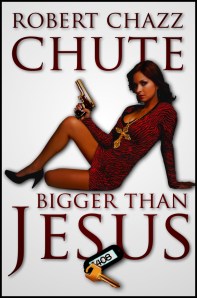
To whom will Bigger Than Jesus appeal? I have serious and much less than serious answers to this Author Blog Challenge writing prompt:

1. People who like a fast beach read of a crime thriller that’s hard to put down. I got the idea for my pacing from Blake Crouch’s Run. There’s a cliffhanger or an aha moment, or several, in every chapter. The tension only cranks up.

2. People who like old caper movies, like To Catch a Thief, Sneakers or The Italian Job. My fondest childhood memories are getting lost in movies to shut out everything else.

3. People who like Coen brothers‘ movies where simple solutions lead to more and more complex problems and the hero is thwarted again and again. Rock? Meet hard place. And now a badger is chewing your jugular as you try to do your taxes.

4. People who like funny, punchy dialogue, including a debate between two hoods: Who shot first, Han Solo or Greedo? (Yes, that’s one of the serious answers and the question does bear on the action at the time.)

5. People who like a lot of twists and surprises. I modelled my plot after screenwriter and author William Goldman‘s penchant for sucker punches where, just when you think you know what happens next, it goes a different way.

6. People who value clever more than gory. For a book about a hit man trying to escape the mob, there’s a lot of word play and when the violence does occur, it’s realistic yet somehow funny in the same way Pulp Fiction could be. The chapters skip along with logical complexity offset by humour.

7. People who like genre fiction that reaches up. Much of the novel has a lighthearted slant, but underneath, when you discover some of the main character’s history, it’s unexpectedly disturbing and heartbreaking. Are you worried I’ve just spoiled  something? Don’t be. I like magic tricks in all of my fiction. I’m telling you up front that I’m going to deceive you and you’re going to watch to catch me at my sleight of hand. The game is, I’m still going to fool you anyway. “Consider the gauntlet thrown,” he said smiling. I know this will work because I often surprised myself while writing Bigger Than Jesus.

8. Movie buffs with an Elmore Leonard sensibility in their reading tastes. Jesus Diaz, the anti-hero of the novel, is a movie buff and, since movies were a large part of his education, he sees the world through a Hollywood lens. The action is definitely influenced by Elmore Leonard’s take on shady characters having strange dialogue.

9. Readers who like a book that plays with them. The entire book is written in present tense, second-person. I loved Bright Lights, Big City for that and I decided that, after twenty-seven years, somebody should try that again. But it’s not just my personal preference or a gimmick at work. There’s a reason. Late in the novel, you get a strong hint as to why the narrative is told as it is.

10. Readers who enjoy a story that ends up in some unexpected places, like a discussion of Salvador Dali’s life, for instance. Bigger Than Jesus is a fun game and a puzzle box of a crime thriller that packs serious emotions behind it.

Some of the less serious answers to this Author Blog Challenge writing prompt include: Everyone with a Kindle or anyone who gets the free Kindle Reading app for any device, NMD (Not my dad), people who enjoy breathing, gorgeous and empowered Latinas, New York pizza joint owners who bought it thinking it was about Jesus Christ but will get sucked in anyway, criminals plotting to go straight, intelligent people (so if you don’t get it…eh, you figure it out), Beatles fans who also love the SIG Sauer, and the authorities who put me on a watch list for my Google searches because of the research for this book.

The second part of the writing prompt asked: How do I connect with them to market to them?

Um. I’m not sure. Have I convinced you yet?

Click the book cover if yes.

GET BIGGER THAN JESUS

If not, send me your email address at expartepress@gmail.com.

Maybe I’ll come to your house.

Maybe I’ll send you something in the mail.

Maybe you’ll wake up hanging upside down.

We’ll work it out.

Filed under: publishing, , , , , , , , , , , , , , , , , , ,

Jodi Picoult and the Myth of the Segregated Marketplace


Author Jodi Picoult ripped on self-publishing recently. Author David Gaughran (and my blogging brother-hero!) breaks down the subtext of her assumptions. I left a nugget in the comment thread of this post. Click the link for the full story and an excellent defence of publishing your work yourself, at least at first. (It doesn’t have to be either/or.) This message brought to you in the name of making better, informed choices.

Via Scoop.itWriting and reading fiction

Jodi Picoult made headlines last week for her views on self-publishing, expressed in an interview with the Daily Beast (from Page 2): What advice would you give to an aspiring author? DO NOT SELF-PUBLISH.

Via davidgaughran.wordpress.com

Filed under: publishing, , , ,

Kit Foster Fiction: Robert Chazz Chute explains how to raise an army of assassins

Via Scoop.itWriting and reading fiction

Fun author interviews come from fun questions. Kit Foster interviewed me at his blog. Swing by at the link below. (Kit’s an author and a great graphic designer, too!) Great graphic of my monkey army of ninja assassins! ~ Chazz

Via kitfosterfiction.blogspot.co.uk

Filed under: publishing, , , , , , ,

What Is a Literary Novel? | Jane Friedman

Via Scoop.itWriting and reading fiction

Click it to get it.

Does this book qualify as "literary" fiction? I don't know.

I reject the distinction many people make between literary writing and fiction. I think good writing is good writing.

Is literary fiction a different genre? Perhaps, but since all good fiction has depth, style and character and can be intellectual, the boundaries are fuzzy. Still, the arguments people make for those distinctions are no less interesting.

Maybe the literary novel is like pornography: undefinable but you recognize it when you see it. I don’t necessarily recognize it, though. Is my book Self-help for Stoners literary fiction? It has all the elements listed in the link, but I really don’t know. I just call it suspense. If you figure out if Self-help for Stoners is “literary” or not, please email me. I’d love to know! Click Jane Friedman’s link below to see if you can puzzle it out. ~ Chazz

Via janefriedman.com

Filed under: publishing, , , , , ,

Scrivener: 3 Reasons You Should Use It For Your Book

Via Scoop.itWriting and reading fiction


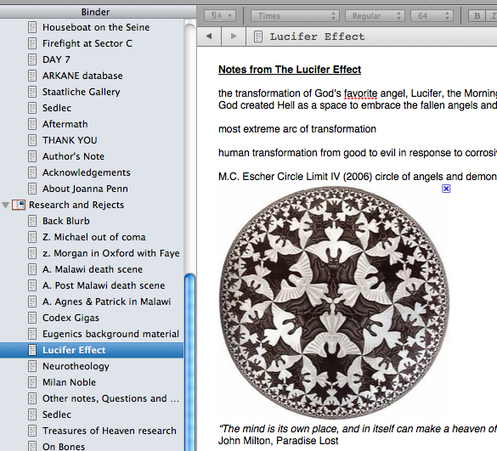
(I just started using Scrivener for a new book. The learning curve was a bit steep at first, but I’m starting to like it now that I’m getting used to it. The Video Tutorials help, though Joanna references a manual in this article, too. ~ Chazz)
I used Scrivener for my latest book, Prophecy.
Via www.thecreativepenn.com

Filed under: ebooks, publishing, scriptwriting, self-publishing, writing tips, , , , , , , , ,

PayPal cracks down on erotica e-book sales | TeleRead: News and views on e-books, libraries, publishing and related topics

Via Scoop.itWriting and reading fiction

So from the last post, we know that erotica is very popular on e-readers. But slow down, there, aspiring erotica fiction writer. PayPal just made Smashwords clamp down on your id with ice tongs and put your readers’ vice in a vice.

I’m probably not going to miss books I wanted to read, but the ultimatum from PayPal is a bit ironic considering that I often write about clever serial killers and nobody will bother me about it. Also, isn’t there research that shows that transgressive fiction may provide an outlet for kinks the world says it hates so said nastiness is not acted out in reality? Also, does it bother anyone that all this stuff Paypal is censoring is, in fact, legal? A group of European scientists are going to publish a scientific paper on how to weaponize an extremely virulent bird flu and nobody’s stopping them?! Wow.
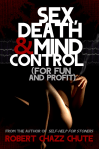
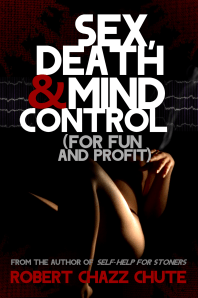
I also worry that Mark Coker states up front in his warning letter to authors that “mistakes will be made.” (Points for honesty.) But will those mistakes include my book Sex, Death & Mind Control (for fun and profit) because of the title? I’d say obviously not, except someone already assumed it was porn because of the title. (It’s creepy suspense and brilliant literature in which you discover more about yourself, I assure you.) If my book gets swept up in the censors’ purge, how long will it be off the electric shelves?

Ultimately, if they’re going to censor, I wish they’d done this on a complaint-based, case by case basis so fewer mistakes will be made and authors won’t lose income.  It’s a sticky situation and I’m sympathetic to Mark’s position. To save the whole, he had to amputate a limb. If that imagery titillates you at all, I’ll have to delete this post. Click the Scoopit! link to learn more and to figure out your feelings on this. ~ Chazz
Via www.teleread.com

Filed under: censors, censorship, Genre, publishing, , , , , , , , , , , , , ,

Bestseller with over 1,000 reviews!
Winner of the North Street Book Prize, Reader's Favorite, the
Literary Titan Award, the Hollywood Book Festival, and the
New York Book Festival.

http://mybook.to/OurZombieHours
A NEW ZOMBIE ANTHOLOGY

Winner of Writer's Digest's 2014 Honorable Mention in Self-published Ebook Awards in Genre

The first 81 lessons to get your Buffy on

More lessons to help you survive Armageddon

"You will laugh your ass off!" ~ Maxwell Cynn, author of Cybergrrl

Available now!

Fast-paced terror, new threats, more twists.

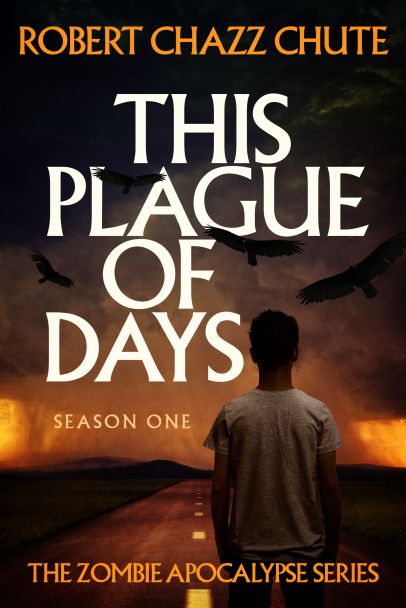
An autistic boy versus our world in free fall

Suspense to melt your face and play with your brain.

Action like a Guy Ritchie film. Funny like Woody Allen when he was funny.

Jesus: Sexier and even more addicted to love.

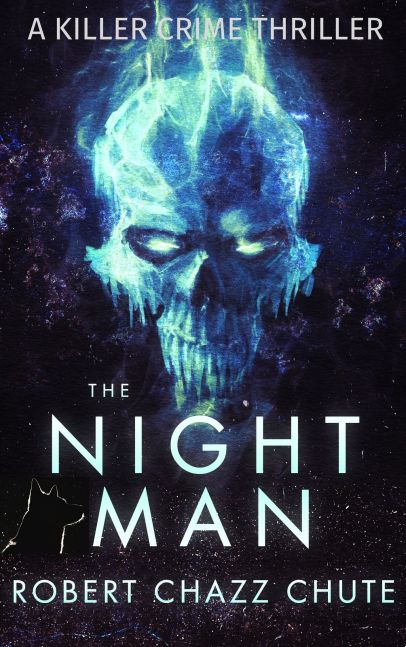
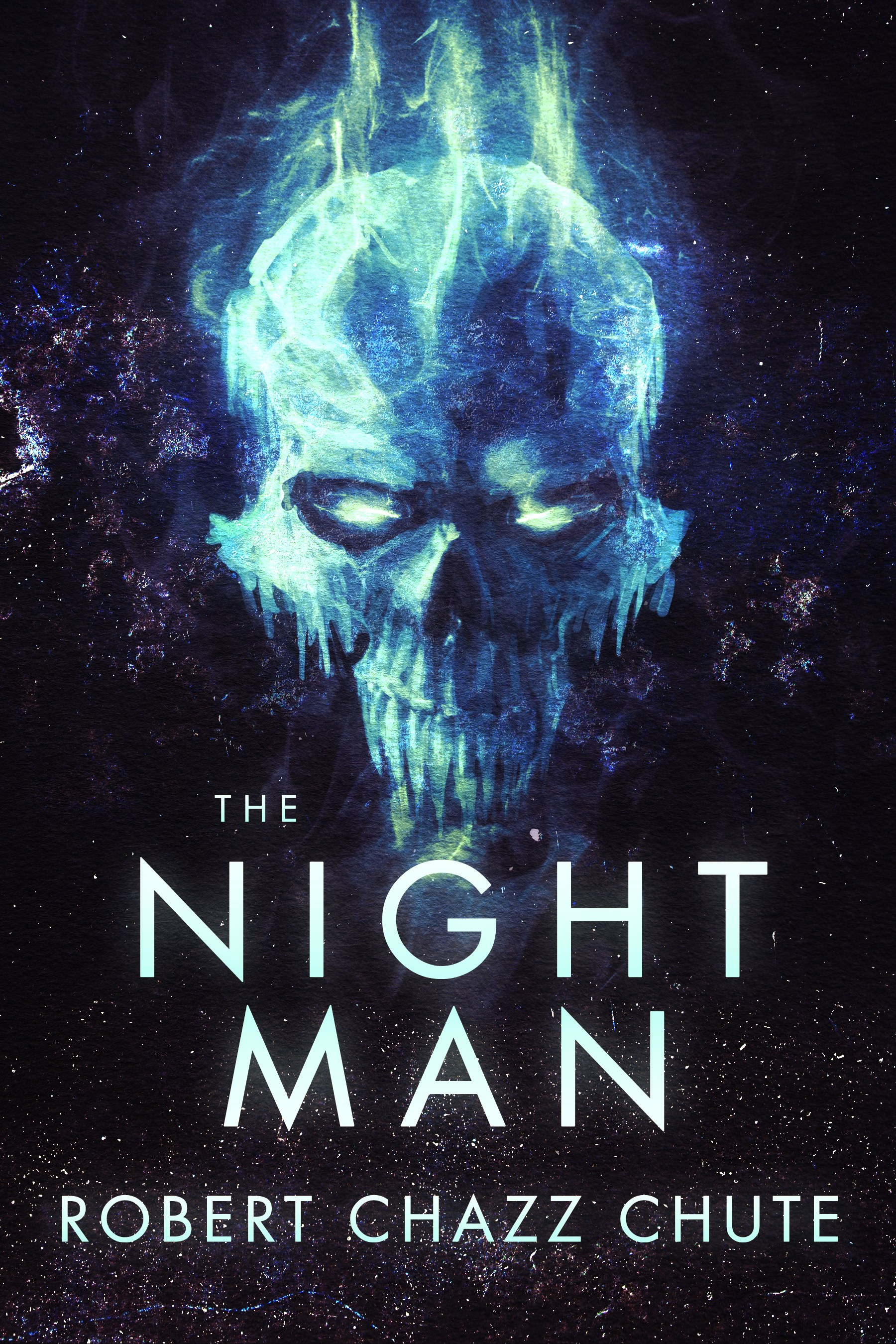
You can pick this ebook up for free today at this link: http://bit.ly/TheNightMan

Join my inner circle at AllThatChazz.com

See my books, blogs, links and podcasts.

Enter your email address to follow this blog and receive notifications of new posts by email.

Join 2,061 other subscribers