C h a z z W r i t e s . c o m

See all my books at AllThatChazz.com.

Breaking Bad and making better storytelling choices

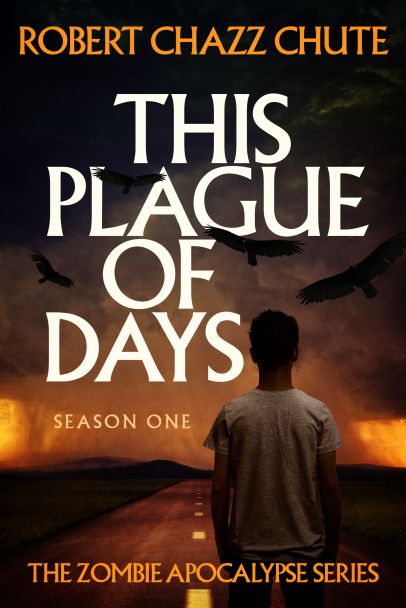
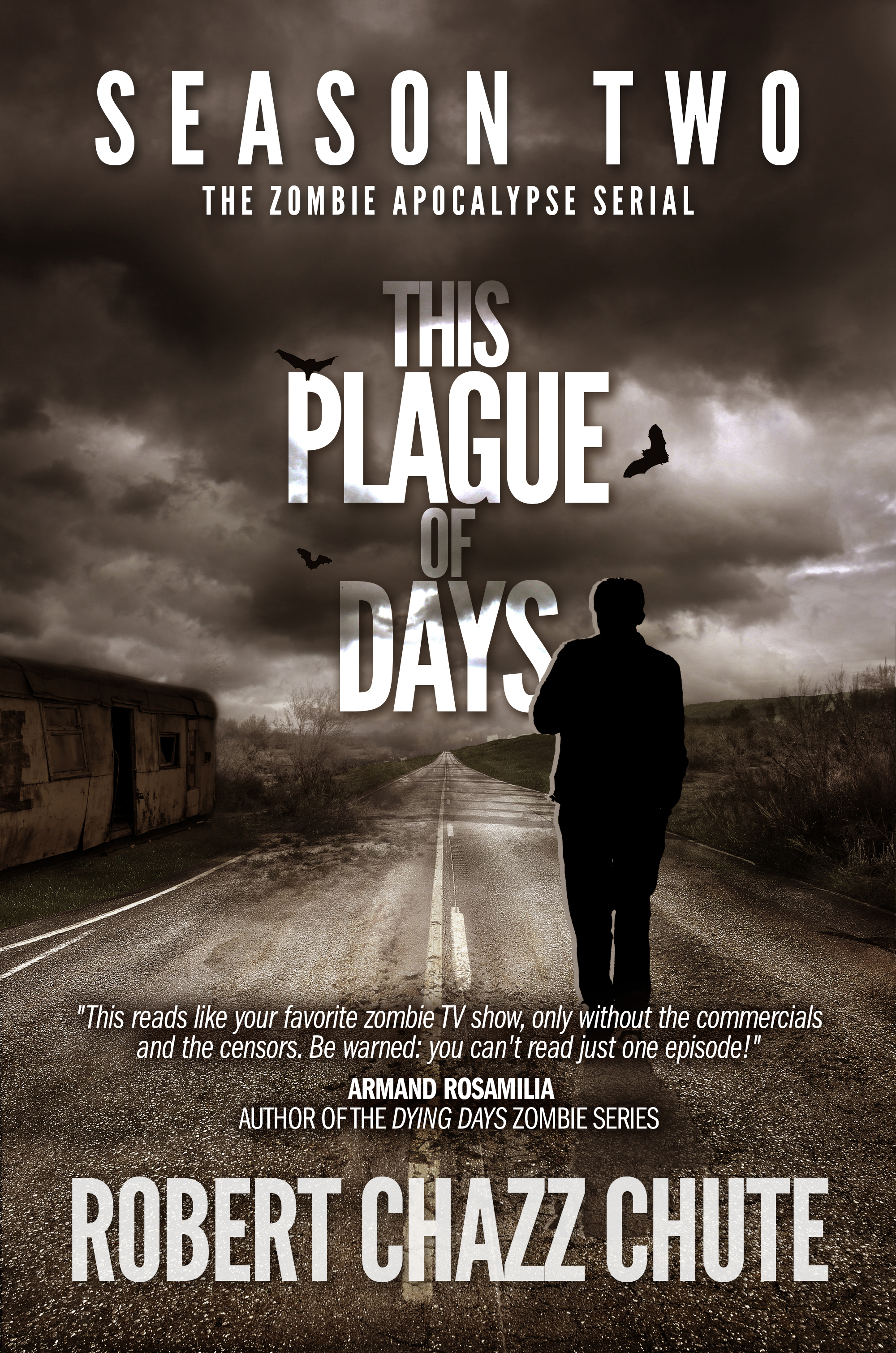
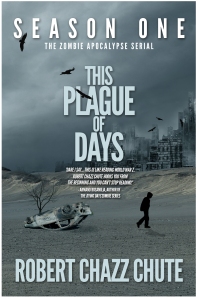
Season One has five episodes. Get each one for 99 cents or get all of Season One at a discount for $3.99.

When you’re in the trenches (and by that I mean when you’re at your keyboard) you must stay true to your vision. There are artistic choices to be made that will challenge some readers’ expectations. Choose more conflict and damn the torpedoes.

For instance, at the beginning of This Plague of Days, the protagonist’s sister, Anna Spencer, isn’t particularly likeable. She’s not over the top, but she is a hormonal teenager whose brother is on the autism spectrum. She calls him Ears because he has big ears. She loves her brother, but she can be mean. She’s jealous of the extra attention he gets because of his challenges. She treats him the same way many siblings treat each other in their formative years. If you’ve ever had a sister, or been one, you’ll recognize her turmoil as she matures. Now add the plague apocalypse (and later, scary, infected cannibals) and you’ve got tense family relationships facing a storm of trouble raining down evil doers and crazy cakes.

Readers who only read Episode One might not care for Anna much.

Impatient readers will never get to see how badass she gets. (I’m revising Season Two now and she’s nicer, but still working her way to badass.) If they quit reading at Episode One, they’ll never find out how circumstances and time transform her into an interesting, brave and responsible woman. Anna Spencer has an arc. All my characters have arcs and their own stories to tell. To have those stories, and the complexity I insist upon as a storyteller, the characters can’t begin as static, happy stereotypes.

This Plague of Days has nuance. Some characters you think are good now may surprise you with what they’re willing to do later. Characters you assume are bad may have altruistic motives that aren’t clear up front. Some writers say we shouldn’t even write “characters”. We should write people in all their complexity. The people you write about have to transform, and I don’t mean from likeable and nice to slightly more so.

Think how ineffective Breaking Bad would be if you didn’t watch Walter White’s transformation through the show’s seasons.

He starts off as a nebbish who reached for the brass ring and fell short. A cancer diagnosis turns him from an ordinary Chemistry teacher into a cold and calculating drug kingpin desperate for respect and safety. The cool thing about Breaking Bad is, today’s solution is always tomorrow’s problem. His character arc is entirely logical each step of the way. Throw in a fatal flaw and a few reversals and he ends up in an insane place that is believable over time. 

If Walter White had started out evil, you don’t get grim fun and complexity. You get another stupid, failed TV show (starring cast members who used to be on Baywatch) cancelled and forgotten after half a season.

Another example: Points of view must change.

In This Plague of Days, I made choices to introduce more family strain. This Plague of Days isn’t just about viruses, zombies, fires and firepower. It’s about people under pressure.

The mom is a Christian. The father is an atheist.

Faced with mortality, the mom becomes a Christian with doubts and the dad becomes an atheist with doubts. I believe in readers and I follow the story wherever it leads (i.e. toward more conflict.)

Issues of atheism versus faith are not presented all at once. This isn’t a college seminar. Near the beginning of Season One, the atheist has his say. That may repel some readers who won’t stick around for his confession, feelings of abandonment and transcendence. Too bad those same readers won’t hear the mom’s counterpoint, either. Impatient readers might seize on one aspect in the early going (for or against God, depending on when they stop reading.) I feel it’s an honest, necessary exploration woven into the fabric of a much larger story. (Not that it should matter, I’ve been a believer and an atheist but not at the same time.) I’m not pushing an agenda. I’m pushing for brain tickles. If you want to be pulled into warm marshmallow, read Chicken Soup for Something or Other. I write suspense. Not everything is for everybody.

Readers will draw their own conclusions about religion (or ignore that small aspect of the story completely.) Zombies turn some people to God. For others, zombies turns them away from faith. Put a wife and husband at the edge of the end of the world and I guarantee religion’s going to come up. It’s not my job to make up anyone’s mind. It’s my job to tickle brains and make the debate honest and interesting while the struggle for survival gets harder. Context is everything.

Don’t pander. Follow the Art and the Conflict

People will draw conclusions about you from what you write. Don’t be afraid of that or your story will suffer. You’re a writer, so we already know you’re brave and have an unreasonably high estimation and expectation of the human race. Live up to that commitment with every chapter.

Respecting the reader doesn’t mean that you try to make them like everything they read. However, most readers stay longer with stories that challenge them, make them think and make them laugh. Don’t let it come out as an info dump or a teaching moment. Let it come out naturally. Don’t make your story a seminar on your beliefs. Do let characters have strong, conflicting points of view. Have a spine, but don’t force conclusions. Let the reader do that work for themselves. Always leave room for doubt.

For the Readers

I guarantee, when you read This Plague of Days, you’ll read things you’ve never read before. You’ll learn things you probably didn’t know. (I did!) And you don’t have to agree to anything. It’s a book. It’s not a threat to the tenets of your existence.  

A fun book is a ride at the carnival, an exorcism of fears, a voyeuristic pleasure, an extended brain tickle and a happy distraction, first class on the Crazy Train. All aboard to the end of the line.

Filed under: publishing, writing tips, , , , , , , , , , , , , , , , , , , , , ,

Potato Chip Math: Size Matters

See on Scoop.itWriting and reading fiction

Do you like a nice long blog post or do you prefer something without as much size? Is it important to you that you target a specific price per word?

Robert Chazz Chute‘s insight:

Though I still believe the concision of a Seth Godin blog appeals to many in our harried world, blogger buddy Andrew Butters at Potato Chip Math makes some interesting arguments and observations about book length, blog length and reader appeal at the link. 

Have a look and see what you think.


~ Chazz 

See on potatochipmath.blogspot.ca

Filed under: publishing

FAQs: Would I go with an agent?

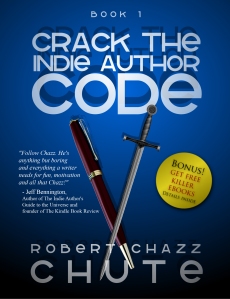
Crack the Indie Author CodeWhen I attended the Banff Publishing Workshop, most attendees were bent on writing and managing magazines and publishing houses.* I knew one nice woman who wanted to be agent. I wonder what she’s doing now? There’s an excellent chance she’s selling real estate. Too bad. She really was nice. Same is true of all my classmates in journalism school who were let go from their newspaper jobs about the time they turned 40. Changing media delivery paradigms sure do stir up chaos.

Given my last post, you might think I’m against agents. Not at all. I think agents could be very useful for negotiating foreign rights for my imprint in the future, for instance.

However, their role is much reduced and smart agents are changing their games. At a recent writing conference, writers were not chasing agents so much. The Meet-An-Agent appointment schedule could not be filled. Now more agents are chasing writers and they’re very interested in how your self-published books are doing. They weren’t at all interested a short time ago. In fact, some were quite pissy about the prospect. But now? Establish a happy track record and they might come a courtin’.

The short answer to this post’s title is:

I’d be interested in hearing what an agent feels he or she could do for me. There are good agents out there. I think hybrid publishing maximizes exposure and opportunities for you and your readers. Look at Wool author Hugh Howey’s experience. An agent found him and she was willing to travel outside the ruts of old publishing’s logging road to get Hugh a deal that worked for everyone.

The long answer? Let’s go with bullet points so I can make this shorter:

  • The submissions process can be a long ordeal. Long as in, are you young enough to begin now?)
  • You may be asked to make major changes to your manuscript. If you succeed in getting a book deal, you’ll make even more major changes.
  • You may choose to make the requested changes and they still won’t take you on. (They may even forget the changes they suggested. Yes, that’s happened.)
  • You can get an agent but still fail to place the book with a publisher. An agent is a person, not a guarantee of slinging back cosmos in Manhattan with your new editor.
  • The myth is that you choose an agent. The fact is if someone sends you a contract, most authors pee their pants and quickly sign. Regret is for later.
  • You can find an agent, dance joyously and then find out it’s a scam (as happened to a friend of mine.)
  • You could bypass the agent and submit directly to publishing houses and they’ll still read it. (They say they don’t, but most will.)
  • As Dean Wesley Smith has said, agents should be your employees. I’m sure he’s right. Guess how many agents see their professional status that way?
  • Submit to the wrong agent who blogs and they’ll mock your submission. Unprofessional, I’d say. As Will McEvoy said recently, “Snark is the idiot’s version of wit.”
  • Good agents have precious few slots open for new clients. Bad agents and scammers demand reading fees.
  • Rather than submit query letters to agents, many agents find new clients via recommendations from the authors in their stable. Who you know? Yeah, that’s still a thing. It’s called networking. Ignore the denials.
  • Getting an agent is tougher than getting published. Why not publish it yourself first and start selling now? As I’ve said many times, Amazon is the new slush pile.
  • Some agents live in fear of submitting manuscripts that might not be accepted. They have to be so sure, they’re too risk averse. One agent complained that one false move with a particular editor would lose her access forever. This sad story tells me that’s a crazed editor. It also tells me that’s an agent who is too fearful, forever doomed to be chasing trends instead of helping to make them.
  • The agent/author relationship is like a marriage: They have a piece of you forever even after the divorce.
  • Lazy agents say, “This would be hard to sell.” As a former sales rep for many publishing companies, I can assure you that there are few easy sales. We don’t need you for easy sales. Selling is part of the job. The better question is, “How can I sell this and to whom?”
  • Often when they say, “This would be a hard sell”, they aren’t lazy. It’s a euphemism for, “I think this is crap but why not be diplomatic?” They’re being kind. Don’t resent them for it. Move on.
  • You’ll get a better deal with a good agent than without her. A good agent will more than pay for herself. However, some agents are getting paid for doing very little. They treat the publisher’s contract as set in stone. That’s supposed to be the publisher’s attitude. It’s a bad attitude for the person negotiating for you.
  • Good agents can act as a buffer and help resolve conflicts with editors. Bad agents are the source of personality conflicts.
  • You have to trust your agent. You don’t have to love your agent. It’s a business relationship. That’s less clear in the beginning when you’re riding high. It’s very clear when they dump your mid-lister ass.
  • A good agent can do things you can’t and navigate the tiny details of contracts. A good agent can pay great dividends for their fifteen percent.
  • But an entertainment lawyer can practice law and navigate the tiny details of contracts and you pay them once. Hm.
  • A good agent can justify their participation in your enterprise without sounding old-school entitled about it. They work in listening mode.
  • Trad publishing has changed. Good agents know it and are adapting to serve their clients better.

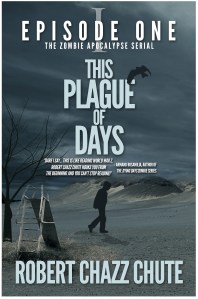
TPOD 0616 EP 1 coverAuthors who love their agents are everywhere. A plethora of horror stories about agents also span the Internet, just as there are snarky complaints about clueless authors everywhere.

A better question is about the human variable: You.

Would you feel better with an experienced, connected agent helping you on an ongoing basis?

Or does the prospect fill you with anxiety?

Are you happier as a publisher/author/entrepreneur who pays for an entertainment lawyer’s expertise on an ad hoc basis?

Enter the relationship self-aware, eyes open.

Even better:

How do you find a good agent if you want one?

Ask an author in your genre who is already delighted with their agent.

*FYI: A magazine is something people used to subscribe to and read, like a blog but made out of glossy paper. Publishing houses were places that had an undeserved reputation for great cocktail parties that were vaguely upper crust, literate and British, no matter where they were located or how little the worker drones were paid.)

~ Robert Chazz Chute was one of those worker drones. He is the author of This Plague of Days World flu pandemic! Autism! Zombies! Oh, my!

Filed under: agents, Books, publishing, self-publishing, , , , , , , , , , , , , , , ,

FAQs: How to write books agents will hate (but readers might love)

My luckless hit man is a funny guy in big trouble.

My luckless hit man is a funny guy in big trouble.

Yesterday I told you how a well-meaning friend with experience in traditional publishing gave me advice I thought was askew. As we struggle to gain traction in the marketplace, we get a lot of well-meaning advice we can’t take. (You’ve probably read that sort of advice here from me.) My friend’s other foray at saving me from myself was to tell me to court agents. “With World War Z, zombies are big this summer! Find horror agents and get traditionally published!” he said.

It’s not that it’s necessarily bad advice. However, it’s bad advice for me. Here’s a list of the things I do in my books that repel agents like fried bat armpits at the wedding feast:

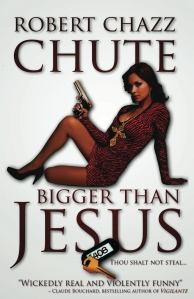
1. Bigger Than Jesus and Higher Than Jesus is written in second person, present tense. Unconventional scares agents away. They’re trying to make money after all. I don’t blame them, but I’m in the Art and Brain Tickle business first. I have this crazy notion that being me will lead to making money. Eventually.

2. The assassin/anti-hero in the Hit Man Series is neurotic and afraid of women. (Name another hardboiled gunner who has that problem. Take your time. I’ll wait.)

3. My hit man suffered childhood sexual abuse. He’s also hilarious. Those elements rarely sit side by side comfortably.

4. Hardboiled isn’t selling hard right now. Or is it humor? Or is it action adventure? Easily classifiable is really important to a lot of people who aren’t me.

5. The titles may offend some Christians, especially since it’s crime fiction with a lot of swearing.

6. The titles are confusing until you understand that the assassin, Jesus Diaz, is Cuban and it’s pronounced “HAY-SOOSE”. In fairness, agents and publishers should be repelled by these titles. It wasn’t the best strategy because any title that requires explanation sucks. After two books, I’m committed and in love. I also have a plan around this problem after the next novel in the series is published early next year.

7. In my zombie series, This Plague of Days, the zombies aren’t “true” and “traditional”. It begins with a flu pandemic. You get to see how society gets to dystopian before the action kicks into ever higher gear. The slow burn requires more buy-in from sophisticated readers. Underestimating readers’ intelligence is an easier bet.

Season One has five episodes. Get each one for 99 cents or get all of Season One at a discount for $3.99.

Season One has five episodes. Get each one for 99 cents or get all of Season One at a discount for $3.99.

8. This Plague of Days has an autistic hero who rarely speaks and whose special interest is dictionaries and Latin phrases. Sounds like sales suicide when I put it like that, huh? That sort of gamble can pay off in a book. It’s death in the tough sell of a query letter.

9. The table of contents is a long, dark poem embedded with clues to the bigger story. Reread that and tell me I’m not silly. I know it.

10. Who will serialize a book unless I do it with my imprint? (Amazon Serials didn’t bite but readers are buying in.) Besides hooking up with Kit Foster of KitFosterDesign.com for his awesome covers, serialization has been my best sales strategy yet. This Plague of Days is a sprawling story tracking action over two continents with a big cast of characters. (At times you may wonder, is Chazz British or American? Split the difference. I’m Canadian.) It was too long to publish as just one book and the serialization model fit best.

When you look at that list, which idea comes across stronger? A or B?

A. All agents are evil, lazy and lack imagination.

B. I am determined to fail.

It pains me to say that all agents are not evil. I’ll save further discussion of agents for my next post.

For more on the why of this post, the writer’s character and how this relates to Joyland by Stephen King

click here for my latest post on ThisPlagueOfDays.com:

Writing Against the Grain: B Movies, A Treatments and the Deceptive Familiar


Filed under: agents, book marketing, Publicity & Promotion, publishing, self-publishing, , , , , , , , , , , , , , , , , ,

FAQs: What book promotion are you paying for?

I sent a close friend the gift of an ebook hoping that he would read it, enjoy it, possibly review it and maybe even spread the word to his vast network of connections. Instead, he sent me a scolding reply: “You’re paying people to read your books!” And by people, he meant him. Ouch. In my defence, I don’t know that he’s read it yet, so that’s my double fail.

Before anybody thinks he’s harsh, a little history and context: I understand that he felt fine paying for the book himself. Also, I got him his first job in book publishing. He’s still thinking about publishing from that perspective. I’m sure he didn’t want to sound mean. I caught him on a bad day. Also, I’m sure he’s worried about me and that’s why he was so undiplomatic and reactive.

However, he’s only thinking of me as a friend and writer. I’m also a publisher.

Publishers have a long history of sending out Advanced Reading Copies (ARCs) to key reviewers, the sales force, bookstores and media. That doesn’t require an apology. That’s business and doing less is hiding your light under a shitstorm called, “Everything else that exists to read, do and enjoy.” Yes, you’re even competing against sex! Clearly, books are doomed!

How many ARCS go out from traditional publishers? Hundreds per book. I can’t afford to do that, but I do send out some that way. I wasn’t paying anyone to read my book. I was paying for advertising and promotion (to teh wrong target, I found out.) You can do the same thing for free by emailing a pdf, though if they can’t instantly stick it on their kindle, most people won’t bother with it. Chances are good they won’t get around to reading it even if you make it very easy for them so avoid handicaps where possible. That’s why I prefer to use Amazon’s gift option where possible and within budget.

About sending copies to book blogs

Check out the book blog first. Review the reviewers and their guidelines before you send anything. Many book blogs are awesome. However, I’ve encountered noobs whose site is nigh-illegible, their traffic is minuscule and their reviews give spoilers without warning. I’d rather let a blindfolded med student practice minor surgery on my tingly bits.

Services to invest in

In the previous post, I mentioned Bookbub is a worthwhile investment. The cost of advertising with BookBub varies depending on genre. Horror and science fiction is $70 to push a free ebook. Find the full range of pricing here.

I also mentioned the Author Marketing Club. That costs $105 per year for an annual membership and it’s worth it for the tools and seminars. My book descriptions look better than ever, for instance. The free submission tool got This Plague of Days at number one in Dystopian and Post-apocalyptic. The book sales widget looks awesome.

Where can you cut corners?

Anyone reading this is probably working on a shoestring budget. To make any money, we have to keep our expenses down to nothing or close to it. We blog and tweet and use Pinterest and Facebook and do Google+ and throw Tumblr in the air and shout out of windows because it’s free and we’re trying to engage new readers. I’ve used Fiverr for videos* (see my video/book promotion strategy here) and free apps from Apple and the Chrome Store. 

We get what services we can for free where and when it makes sense. We swap services and cooperate and consult and promote each other for free. We learn to format books and publish DIY wherever we can so we can keep something of what money might trickle in, knowing the odds are heavily against us. (That sounds bleak, but more indie authors are making a living from their efforts than the traditionally published so it’s not all bad news.)

About ineffective promotion services

Lots of advertising isn’t worth the expense. Some sites say they can promote your books and they’ll do so for a fairly low fee. However, you won’t get even that small fee back. Before you go with another of those sites, review the promoters. Reach out to the indie authors you know. Use your Facebook connections to gather intelligence and ask about other authors’ experiences and results. This is most valuable if their books are similar in genre, quality and look to your own. (In other words, don’t blame the book promotion service when a bad cover sunk the author’s efforts.)

I’m always looking for ways to save money so I can put it into pushing books. The other day I realized I was the only 48-year-old walking around a bookstore in old jeans with ripped up hems. I don’t buy new pants! Think what Bookbub advertising I could buy for the price of a couple of pants! And you know what? I wish I had a bigger budget because however you promote your books, you pay. (And I want new pants. I rocked this look in college but it doesn’t fly now.)

If you don’t pay in money, you pay in time.

Without the cash, you lose time with your family (okay, not always a bad thing). You will lose time going to the gym and end up paying with your health. Time is more important than money because you can make more money but the waking hours are all you get. Worse, if you aren’t careful, marketing cuts into writing time. Be careful. Hemingway was Hemingway, but he never had to share your problems.

Expect to pay something.

Can you go viral and pay nothing and still be successful?  It could happen, but to expect it is stupid. That’s not a strategy. That’s hoping something will happen to you instead of making it happen and that’s not the way to bet. Use AMC and Bookbub now at least. Then be clever and different and promote your brand with long-term strategies that will make a career.

Should I set a budget of $10,000 for a book promotion budget?

I’m not buying new pants. 

*I have a new intro video at AllThatChazz.com, in addition to the intro video at CoolPeoplePodcast.com and of course, here at ChazzWrites.

Filed under: author platform, book marketing, Publicity & Promotion, publishing, , , , , , , , , , , , , , ,

FAQs: Leverage free to move more books

The question comes up constantly: Is the exclusivity of KDP Select and giving away books (“selling” free) worth it? 

Can't have just one chip? Season One has five episodes. Get each one for 99 cents or get all of Season One at a discount for $3.99.

Can’t have just one chip? Season One has five episodes. Get each one for 99 cents or get all of Season One at a discount for $3.99.

For many, it’s not worth it, but maybe that’s because they haven’t combined enrolment in the program with other tools. When the KDP Select program launched, it was lucrative and an excellent tool for discoverability. Now? KDP Select is not easy and perfect certainly. For instance, top free books used to be listed beside top paid books. Now free ebooks are found by clicking a tab. That’s an important difference. It cuts down on happy discoveries by kismet. People who find free ebooks now are searching for free books (and quite possibly are committed to never paying for a book again.)

However, Amazon is where I move and sell books and get traction with new readers.

Some authors seem to have success moving books on Barnes & Noble if they sell romance or science fiction, but generally? The alternative sales platforms are far less helpful than Amazon and KDP Select.

For instance, sometimes I can’t find books on Apple that I know are there! It’s also a pain publishing to Apple at all unless you go through Smashwords or Draft2Digital. (I used to like Smashwords but now I’m past impatient with their failures to upgrade their site.) Meanwhile, I sell little on B&N. Sony isn’t worth the time it takes for me to format for them even though that’s just a click of a button. Kobo does some things well and they’re in many countries. However, Amazon is preferred because it works best for me. (Maybe it’s different for you but if you’re doing better on a platform other than Amazon, statistically you’re an outlier.)

The alternatives usually suck.

The other book sales platforms continue to refuse to steal the best ideas (i.e. promo coupons from Smashwords; user interface and customer focus from Amazon. And they still wonder why the Mighty Zon is the big dog eating their lunch. True, KDP Select is not a flamethrower anymore. It’s a six-gun. However, the competition is still trying to figure out slingshots, so going with Amazon exclusively 90 days at a time is still the best bet.

Yes, be careful of exclusivity.

When you in enroll in KDP Select, do not set it up to automatically renew. Reevaluate whether the program is working for you every three months and change tactics as necessary. If it becomes intolerable for some reason, we can bail out within 90 days.

To make KDP Select work, use the Author Marketing Club and Bookbub wisely to make the promotion go big.

I recommend doing no more than two days of free at a time. Have lots of other books to sell, preferably series or serials. Pump those promo days with the tools at AMC (like the free ebook submission tool.) Bookbub is probably the best PR tool available. It costs, but that’s because it targets readers interested in your genre so it works. You can promote sales of free ebooks or discounted books (under $2.99.)

If your goal is visibility, being in KDP Select is only one tactic in a larger strategy. Brace yourself for bad reviews from the one-star wonders. That tells you you’re reaching new people who don’t get you. Don’t worry. Others will get you and what you’re doing. Giving away books so new fans can find you isn’t the death of literature. Obscurity is our enemy. Get the most you can from KDP Select and use these tools to avoid wasting your promotion days.

I highly recommend serialization.

It’s working for me. Episode One of This Plague of Days promotes all the other episodes in the serial plus sales of my other books. I give away individual episodes. However, I don’t generally give away all of Season One except to book bloggers for reviews. This Plague of Days is a sprawling story that’s my investment in a long-term career so I give away the appetizer but sell the other courses. All my strategies are long-term strategies.

Who shouldn’t use KDP Select to promote their books?

I’d caution anyone with just one book to hold off on great expectations and write more books before waging major campaigns. Once readers discover they love you, have something else ready for them to buy.

Don’t go big if your book isn’t ready for prime time. More publicity for a bad book will make it go down in flames faster. Get back to the keyboard instead, develop, work with your editor or find a new editorial team.

If you already have a huge mailing list and a substantial fan base, you have more options instead of relying on KDP Select and exclusivity could hurt your sales figures (though I’d still consider it for one three-month contract period at KDP Select.)

If you find me unpersuasive and giving books away in the hope of finding new readers offends you, don’t do it. Gifts should be given with a light heart.


Filed under: Publicity & Promotion, publishing, This Plague of Days, , , , , , , , , , , , , , ,

Combat the horrors of self-promotion (with fun)

Recently an article appeared in The Weeklings that was picked up by Salon. It was called The Horrors of Self-promotion by author Sean Beaudoin. I felt sorry for the author and, I admit, a touch of impatience, too. His problem is not unique. Most of us suffer hypothermia from a lack of limelight heat. I have the feeling he doesn’t read this blog. Alas. His best marketing so far was complaining about marketing and getting picked up by Salon. I don’t know how many more times that will work since I’ve seen this kind of story on Salon before. Repeatedly!

So, to solutions:

You know that rule about writing a book that states: If you’re bored, readers are bored? Same goes for self-promotion. Find a way to get them invested. Yes, give stuff away! Reward them for being helpful. Helping others helps you and never hurts. (That link will show you how to get stuff by reposting a video from my author site.)

Joanna Penn calls authors helping authors “coopetition”. That sums up why I do podcasts with authors, for instance. Besides, we’re in a lonely profession. It’s fun to talk to like-minded people like Hugh Howey, Jessica McHugh and Armand Rosamilia.)

If you hate Twitter, you won’t use it right. It’s supposed to be a fun, social discovery tool. If you hate Facebook, maybe it’s not the place for you. Those are supposed to be friends and fans you’re hanging out with. These are platforms to discover cool stuff and have conversations. I often can’t converse for long, so usually I choose to tweet useful information. (Follow me @rchazzchute and I’ll prove it.) However, there are plenty more options, both DIY and getting assistance.

We’re writers! We’re creative people. Find a way to have fun with promotions!

1. I’ve said this many times, but it bears repeating: The writing comes first. Social media is for in-between times that would otherwise be unproductive. Most of my tweeting happens from my iPod for that reason. If I’m at my desktop, I’m writing and revising Season Two.

2. For most authors, working with a publicist doesn’t make sense. However, if you really hate promoting books, maybe you should consider how you can farm it out. Can’t afford a publicist? Start with Fiverr.com. My buddy Jeff Bennington has a post about that here. Need more? Outsource or get an intern with whom you can teach and share. Contact your local college or get on Kijiji and find someone who needs experience in your subject or business.

(Please note: It’s not an internship if they aren’t learning anything. Interns don’t do laundry and are not slaves. They learn writing skills, gain publishing information and an important, perhaps first, entry for their resume. That said, if you’re predisposed to go this route, you’ll probably learn tech skills from them, too.)

3. Work with the platform that suits you best. Every day someone repins the cover to my book Self-help for Stoners on Pinterest. I do no other promotion for that book (since I still don’t have time to get it out from under Bookbaby’s distribution yet.) It’s passive, but the word spreads and it sells despite my lack of effort beyond Pinterest and Vine. (Vine’s discussed in #10.)

4. Some people over-correct and fail to promote at all. Maybe that’s shyness, although most authors who make a point of telling you how awful social media is are snobs. Mostly, they’re really complaining about a personal time management issue. We all have the same amount of time: 24 hours in a day. Use it right, don’t complain and reread Item #1. 

5. Some authors are snobs about social media because they’re tired of all the bad promotion that happens on Twitter. They need to exercise more patience, but they aren’t wrong, either. (See my post below, Book Marketing Top 10: When Less is More and tweet to content, not sales links!)

6. Don’t go into denial. Someone said their readers don’t hang out on social media. One in four people worldwide are on social networks and more than half of North Americans are on social media. That number will only grow. If your readers aren’t on social media (Amish people and older people who frequent Renaissance fairs), you better go to them. Get a booth by the guy who sells beer but calls it mead. Compensate somehow because otherwise you’re hurting your discoverability. Go where readers are, electronically or in person.

Readers have hungry minds. Therefore, they are so on social media!

7. Write another book. Too often I speak to nice people who believe their one book should find its audience organically. However, even organic plants need water. More books give your readers more opportunities to discover your awesomeness. Do not deny them your awesomeness. That way, madness lies.

8. I’ve recently posted about the many advantages of the Author Marketing Club and the tools they make available. With their free submission tool, you can harness the power of book promotion websites without hammering your own audience repeatedly. If you’re only tweeting to your followers, you’re doing it wrong. First, write stuff that’s useful, funny or retweetable. Then get on Triberr and expand your reach.

9. Blog. I have many blogs (all listed here) and reach out to varied audiences (writers, readers, podcast lovers, polymaths, the morbidly obese and schlubs like me, just trying to get their shit together.) However, ChazzWrites is the blog with the highest Alexa score. I do them all for the fun of it. If I hated it, I wouldn’t do it. I suggest ideas and try to be useful and helpful. I often try to be funny. People who get my flavor and like the taste will click the ubiquitous links to my books. Or not. But if you don’t blog, there’s no way for anyone to get what you’re about except unconvincing sales links that mostly sound the same.

Should books sell themselves? Yes, in a perfect world. You saw the news feed this morning. Does this look like a perfect world to you?

Are there exceptions and can you do nothing and still be a hit? Sure. It happened to Hugh Howey. His success is quite organic and, of course, well-deserved. However, that’s not the way to bet. Hugh told me so himself on the Cool People Podcast. Unfortunately, the norm is that many deserving books are ignored. It’s not that many of them aren’t good or even great. It’s that no one has helped readers find them effectively. Yet!

Look, I know all you want to do is write. We all just want to write and be taken care of by legions of adoring loved ones and fans. It would be great if we all had robot butlers, too. We don’t. Grow up and find a way to have fun with your chores so they aren’t chores anymore.

10. Do something different. Twitter isn’t everything. I get love and attention using Vine, for instance. If you don’t know Vine, I wrote a book about it. Basically, it’s six-second video and it’s surprisingly fun and addictive. I can choose to post the videos only to Vine, to Facebook, to Twitter or even embed vines (videos) like these fun and/or disturbing examples. 

Find what works for you. Then go do that as much or as little as you can stand. But please, no more complaining. There’s too much fun to be had and too many options to enjoy to waste time complaining. Unless you get picked up by Salon. Then maybe that worked. Sean Beaudoin! Did that work? Are you feeling better? Let us know!

~ I’m Robert Chazz Chute because “Robert Chute” is already taken by a Native American author and poet who surely wouldn’t want to be confused with a crime novelist and horror author. I was recently challenged about why I wrote a book with zombies in it. (Well…not the Romero kind. More the 28 Days Later variety.) Anyway, I justified my love over at ThisPlagueofDays.com with this saucy post. You might enjoy that post, too. Fewer links, more sass.

Filed under: author platform, book marketing, Publicity & Promotion, publishing, self-publishing, , , , , , , , , , , , , , ,

Horror Authors And Religion

See on Scoop.itWriting and reading fiction

This post is a bit more ‘controversial’ than my normal ones, in that I talk about something I swore I’d never talk about… religion. I also will not talk about politics, and will never bring up th…

Robert Chazz Chute‘s insight:

(Sorry! I had to post this again because reblogging it screwed up spacing in WordPress. Scoopit! is superior. Trying this again..)

What a great post from my brother-in-horror, Armand Rosamilia! It’s an important discussion for authors to have. Please read Armand’s nuanced thoughts on the subject and more great contributions in the comment thread. Here are my thoughts on the subject (also posted in Armand’s comment thread but perhaps not so great as self-indulgent):

This is timely. In a recent review, a reader said the serial’s atheism was cringeworthy. That’s interesting to me because in This Plague of Days, the husband is an atheist (with growing doubt as doom is threatened) and the wife is a die-hard believer (with growing doubt as her faith is tested.) Both character’s views are challenged. Considering that their conversations take place in the context of a massive plague, it would strike me as really weird for them *not* to discuss their beliefs and try to resolve them. Surrounded by death and destruction, issues around spirituality come up honestly. When doctors fail, the next visit is from the priest. We are all searching for meaning, through faith or reason. The debate is natural and honest.

I have no doubt that some readers will say I’m preachy when the wife has her say and a raging atheist if they focus on the husband. I’ve been a member of an evangelical church and I’m now an atheist. I try to give both sides their due. We all read through our own lens, so some atheists may think me a traitor to the cause and some believers will be sure I’m evil. I think most readers, because they are readers, are curious and can be entertained by the narrative without feeling threatened. (And if anyone really feels threatened by a work of fiction, perhaps they should spend more time evaluating or shoring up what they believe.)

I believe in readers. I think most will weather that sprinkling of a debate throughout the series. Just as sci-fi isn’t about how to build a warp engine, horror is about the people and how they face mortality.

There are millions of books to read, so readers who don’t agree have lots of other great choices. I’m sorry to see them go, but I don’t write for everybody. I write for me. The likeminded who want to board my crazy train and come along for the ride are for later.

Love this post, Armand. Reblogging!

~RCC

PS I also have a couple of crime novels with titles that appear at first glimpse to mock Jesus. Most Christians who contacted me about that choice had a sense of humour about it and since those novels are (often) funny, it turned out okay. Not all atheists are open-minded and not all Christians are close-minded. It’s just that we hear a lot from a vocal minority. I don’t think writers should censor themselves for a minority who aren’t predisposed to enjoy much of anything anyway. We’re writers. We tickle brains and follow Art where it leads.

See on armandrosamilia.com

Filed under: publishing, Writers, writing tips, , , , , , , ,

Book Marketing Top 10: When less is more

Some marketing efforts are hurt by doing too much. Here are 10 examples:

Season One: Sponsor of the Cool People Podcast.  Can't have just one chip? Season One has five episodes. Get each one for 99 cents or get all of Season One at a discount for $3.99. Season Two hits this September.

Season One: Sponsor of the Cool People Podcast.
Can’t have just one chip? Season One has five episodes. Get each one for 99 cents or get all of Season One at a discount for $3.99. Season Two hits this September.

1. First there were big author tours. Then radio. Now, podcast and blogging niches are more effective.

Many marketing efforts benefit from going small, personal and specific. Instead of getting a few minutes on radio (while people are in their cars or having breakfast and definitely not buying) better to get on a podcast. Instead of planes and multi-city tours and paying for plane fare, podcasts yield more exposure to a smaller, targeted and invested audience.

Podcasts are usually easier to access. You’ll get more time and sell more books with a podcast interview than by trying to squeeze in a few words between car ads and the giggling Morning Zoo Crew. 

The same principle applies to blogging. I’d rather be featured by a big book blogger than in a local newspaper. (Ask your dad what a newspaper is. If he’s old enough, he might even still get one.)

2. Curation with commentary from bloggers is valuable. Bots drawing from dozens of tweets are not.

Before I knew what Paper.li was, I emailed someone to thank them for including me in their daily electronic newspaper. I soon realized that there’s nothing special about inclusion by bots in an array of harvested tweets. However, when someone reblogs my posts, that’s a personal recommendation that’s much more effective. (Thanks for all the reblogs, Armand Rosamilia!) When someone gives me the mucho bump of love on Twitter, it means more and helps more. (Thanks for your ongoing support and enthusiasm, Eden Baylee!)

Curation tools like Scoopit! are also valuable, as long as the post includes commentary. The difference is that a human makes those choices. “Set it and forget it” is nice for thermostats, but bleating out content without evaluation and recommendation is craptacular, both for the tweeter, the tweeted and, most importantly, our readers.

3. Too much email contact leads to friction. Ease off.

I have a couple of newsletter subscriptions that hit me daily. They’re too relentless. When I fall behind, the emails pile up in my inbox. I tell myself I’ll get around to reading it all, but deletion is more likely. I do open newsletters that fire at me at a slower rate. Give me a chance to look forward to hearing from you.

How much is too much? Wait until you have something to say, something new to announce or something to offer. Too much rah-rah-rah is so much blah-blah-blah.

Similarly, If you’re relying on book event promotions that arrive in an email blast crammed with other book events, find a way to stand out. My morning Goodreads email feels like a firehose aimed at a teacup. (Sadly, the teacup in this analogy is my brain.) Do something different and approach potential readers in varied ways. When one nail is hit too much, too often, it cracks the wood. (That’s a better analogy!) See Item 5 for what I’m doing differently and Items 7 and 8 for effective e-blast options.

4. Use a professional to get things sorted out.

I was briefly part of an affiliate program on another of my blogs. The product was good, but the program was plagued with technical problems. A day didn’t go by without an update on how said problems were being fixed. Then they weren’t. Again! I dumped the program.

I am an Amazon affiliate on my author site. It’s relatively simple. I get updates from them once a month and each update is relevant to me. That’s what to aim for.

5. Complications make us weary.

Make your offers uncomplicated.

My first draft of my viral video offer (details here) was too complicated. I ran it past a friend who suggested tweaks. I had explained too much and made too many jokes instead of getting right to it. I make a lot of jokes in my books, but when it comes to offers and promotions, people just want to know their rewards and prizes and what they have to do to get them. That’s all.

6. Tweet to content.

I use tweet teams sometimes, but much less than I used to and only for special occasions. We all have book tweet and email fatigue, don’t we? Make your tweets funny or intriguing. Tweet to your blog. Your website is the proper locus of sales. Twitter is not where to sell hard or often. Twitter is a place to help people find good stuff.

This has several positive effects:

Helping people tells them you’re not an ass (and if you are an ass, you can’t hide.)

You build your mailing list on your website, not on Twitter.

Your author site is your public face. Potential readers connect with you there, not through a sales link.

Twitter can still be useful, but when it’s not hooked up to content, readers stop paying attention.

7. Aim at targets.

Bookbub works best as a book promotion service because it doesn’t send out a long list of books to everyone. Bookbub knows what genres subscribers are most interested in. Romance readers don’t get sales copy to horror books. Fewer people receive the message, but those people are more likely to buy and less likely to saddle you with one or two-star reviews because they just aren’t that into you.

in the marketing war for our attention, sniper rifles work at long distances. Shotguns do not.

8. Be choosy.

For the last two days, I’ve done a free promotion of Episode One of This Plague of Days. (The sale ends at midnight and, as I type this, it’s the last few hours of the sale. Grab it free or, if you got this too late, Episode One is only 99 cents so, you know the drill.

I’ve held #1 in Dystopian and #1 in Post-apocalyptic for most of the two-day run. That’s probably mostly due to being chosen as a featured author on Freebooksy. They’re choosy, so their email blasts are taken more seriously than some other book promotion services.

Thanks to everyone who helped me give thousands of copies of Episode One away to spread the word. I appreciate your Facebook entries, tweets and clicks. And I don’t forget who helped me. Sincerely, thank you. I have a lot of friends and allies through this blog and I’m grateful.

9. More text = more confusion.

You’ll notice I have a lot of sales links to the right. This blog has gone through several redesigns over the years and I’ll be renovating again soon. However, the other day as I was researching book promotion services, I ran across a website that was literally like reading a phone book. The crammed type fuzzed the signal to noise. It was nearly unreadable. That’s not a good sign when the blog owners set themselves up as book marketing experts. More white space adds focus and more punch to the text. (See below for my post on blog scanning vs blog reading.)

Crack the Indie Author Code10. Small is an attitude that’s easier to relate to.

My writing and publishing guides are journeys through the mud of independent publishing. I chronicled the struggles more than the success. Success teaches less than mistakes can. I was (and continue to be) very honest about my mistakes over the last couple of years of steering the Ex Parte Press imprint. Instead of telling anyone what to do, I did research and gave opinions and examples. I experimented. I tell you what worked for me and what didn’t work. I’m just now beginning to feel like I have a solid idea of what I’m doing. Mostly because now we have more tools at our disposal than we used to have. Independent publishing has matured.

We’re walking together to find our way here. I don’t listen to some experts because their viewpoints come from such a different experience. One indie guru’s solution to marketing problems is to throw money. I don’t know what he’s talking about or to whom. Others are well-established because they came to self-publishing early with trad publishing inertia and lineage mojo. 

They aren’t us. We’re small, but we are getting bigger.

We’re getting traction. We have better tools now and we’re honing them.

No matter what, we’ll remember where we came from and the friends who helped us up and out.


Filed under: blogs & blogging, book marketing, book trailer, Books, getting it done, Publicity & Promotion, publishing, , , , , , , , , , , , , , , , , ,

Dystopian Braingasm: For word nerds and horror readers who love autistic heroes

Click it to grab it free before midnight tomorrow night!

Click it to grab it free before midnight tomorrow night!

It’s time to glimpse your future. The plague is coming. The pandemic will hit us in waves. One strange boy with hidden talents will determine whether this is the end of the world or the just the end of the world as we know it.

Get Episode One of This Plague of Days free until midnight tomorrow night.

Horror lovers have plenty of surprises ahead with this dystopian serial. The infected are not what you expect and the heroes and villains of this zombie apocalypse are like nothing you’ve experienced.

Jaimie Spencer is a selective mute on the autistic spectrum. Read Episode One for free now and find out why parents of autistic children love This Plague of Days.

A savage virus spreads around the globe and society collapses. In Britain, the story has the flavor of the international thriller. In America’s heartland, you’ll see what happens when the Sutr plague comes for a family just like yours.

This serial is two books in one on a collision course.

Five stars from reviewers:

“Not your average Zombie story!”

*

I think this storyline is brilliant. It’s not your cliched, run-of-the-mill zombie apocalypse story. It’s character driven. It’s cerebral. It’s awesome.

The first episode of This Plague of Days is the perfect balance of back story, anecdotes, and the events of the present crisis. Jaimie, the main character, is fantastically written and surprisingly well thought out.

*

Plague of Days Episode 1 takes the reader into a new perspective-the autistic. A different concept, refreshing as well as illustrating the challenges faced in real life as well as in fiction.

*

I’ve read and watched several zombie novels and TV shows. This one is told from a unique perspective and I can’t wait to read the next episode. I think this would translate to a miniseries!

Can't have just one chip? Season One has five episodes. Get each one for 99 cents or get all of Season One at a discount for $3.99. Season Two hits this September.

Can’t have just one chip? Season One has five episodes. Get each one for 99 cents or get all of Season One at a discount for $3.99. Season Two hits this September.

~ Robert Chazz Chute is a former journalist, columnist and podcaster. This Plague of Days is his ninth book. 

Filed under: free ebooks, publishing, Science Fiction, , , , , , , , , , , , , , , , , , , , , , , , ,

Bestseller with over 1,000 reviews!
Winner of the North Street Book Prize, Reader's Favorite, the
Literary Titan Award, the Hollywood Book Festival, and the
New York Book Festival.

http://mybook.to/OurZombieHours
A NEW ZOMBIE ANTHOLOGY

Winner of Writer's Digest's 2014 Honorable Mention in Self-published Ebook Awards in Genre

The first 81 lessons to get your Buffy on

More lessons to help you survive Armageddon

"You will laugh your ass off!" ~ Maxwell Cynn, author of Cybergrrl

Available now!

Fast-paced terror, new threats, more twists.

An autistic boy versus our world in free fall

Suspense to melt your face and play with your brain.

Action like a Guy Ritchie film. Funny like Woody Allen when he was funny.

Jesus: Sexier and even more addicted to love.

You can pick this ebook up for free today at this link: http://bit.ly/TheNightMan

Join my inner circle at AllThatChazz.com

See my books, blogs, links and podcasts.

Enter your email address to follow this blog and receive notifications of new posts by email.

Join 2,063 other subscribers