C h a z z W r i t e s . c o m

See all my books at AllThatChazz.com.

As a writer, what’s optional? What’s necessary? What’s real?

1. I think charity, political action and social justice is important. Let’s not lose sight of what’s important.

(For instance, I’m trying to help a guy find a kidney.) 

This post is about doing what’s necessary and managing our time better as writers and publishers. Don’t click away. It’ll be fun. You’re going to like this post a lot, trust me, but before we proceed, please consider that at least one good kidney is what’s really necessary. Please sign your donor card. Follow @RSawatsky and retweet him. #DudeNeedsAKidney! Spread the word to change and save lives. Thank you.

We now return to your regularly scheduled programming…

Organ donation matters to all of us but Amazon and Hachette’s machinations really don’t much. I try not to get too caught up in industry debates that don’t affect me and hurt my productivity if I give them too much energy. I’ve commented on Amazon versus Hachette, but I don’t live and breathe that debate because I feel no agency in changing the outcome. Amazon and Hachette are gonna do what they’re gonna do.

Meanwhile, I’m publishing my fifteenth book at the end of the month. (That averages out to five a year, so clearly I’m a slacker.) My point is, it’s better that I spend time telling stories instead of scurrying around the ankles of giants.  

2. If you can’t afford to pay an editor, you can swap services, use your writing group or crowdsource. Finding a good editor is hard. Harnessing the hive mind, if you have enough solid people on your side, is easier in some ways. If you can afford to hire an editor, don’t stop there. You probably still need to crowdsource to get a lot of eyes on your manuscript before you release it. More proofreaders in your beta team now mean fewer problems later.

Beware of people who approach you about editing your next book. Better not to answer them. Best to depend on the team you develop and choose. Finding help gets easier as you go along. Don’t despair and take the time you need. Also, there’s zero shame in taking that job you need to pay for the professional assistance you need. You’re a full-time author if you put in a lot of hours, no matter what job is listed on your tax form.

3. I got a bill. As a result, I have never been so focussed as I am now on the famous 80/20 rule. That which does not advance my writing career in some tangible way is a waste of my time and I am ruthless. Priorities are: family and friends, exercise, writing, a certain degree of social interaction and the pursuit of happiness along career lines.

I write and exercise early in the day to make sure that gets done. Everything has a schedule and I am plugged into it.

Why exercise? Because we’re sitters and sitting is the new smoking. Self-care puts the oxygen mask on yourself before assisting other passengers in need. Do that or we’re all gonna die.

4. Experiments are conducted. That which works, stays. That which does not is jettisoned. Bookbub and BookGorilla and Freebooksy are still in. I try smaller services sequentially (separating promotions) to see if they have an effect on daily sales. They don’t (for now) so they’re out. I’ll revisit them periodically to see if they’ve grown their subscriber lists substantially, especially if they’re free services.

If I can spend an afternoon at some kind of author event and if I’ve just reached one new reader and touched their hearts? I’ve wasted that afternoon. 

I’m not playing small ball, anymore. I don’t hang out hoping for individual conversions. I make alliances with my fellow author army for mass mind invasions. I experiment with keywords and categorization. I give sermons to the masses. Scalable stuff. I don’t want twelve disciples. I want a vast cult of love that spreads among strangers by word of mouth in airport lounges and through the matrix as fast as the newly converted can warble at each other excitedly about my last book and my next book. I am a happy infection.

Don’t get me wrong. I love every reader who gets me. I’m not trying to sound harsh. I’m trying to maximize my time because I’m not immortal (yet.) Only the willing are drafted. I’m prepared to sell my books and ideas but it’s an invitation, not a hard sell that makes me hate myself and lose psychic energy.

If I have to spend time convincing them to take my book into their hands? They aren’t ready for me. They’re ready for James Patterson. Godspeed.

5. It’s best to hire someone to do your graphic design. I always recommend Kit Foster of KitFosterDesign.com. He is awesome and if you employ his talents you’ll undoubtedly sell more books.

If you can’t do that (due to financial emergency or scheduling issues), kdrenegade and picmonkey are options that work best together. There are many editing programs. Whatever we do won’t be as good as what a professional can do for us, but it might do until we can redo those covers with the pros.

Do do your best or you’ll rue your doo doo book covers.

6. Book formatters can make your work look great and elevate your art with their art and sensibility. Pay them if you can afford to do so. Otherwise, let’s not be quite so hard on amateur formatting attempts as long as it’s functional.

For instance, book formatters will insist that your print book must begin on the right. The people who care about this are book formatters. They can be hypercritical of details no one else notices. Also, unlike the formatting experts, I prefer seeing the title at the top of each screen of an ebook. I tend to read ten books at a time and the header they disparage as unprofessional reminds me which book I’m looking at instantly. (Did I mention I don’t have a lot of time to spare? Yeah.)

If you don’t care about certain details, you can do it yourself without expense or worry you’re doing too much that is wrong. Experts love to tell you you’re wrong. Non-experts, too. Especially non-experts.

There is much to obsess over. This is not one of those things. Prioritize what matters to you.

7. I blog when I have something to say. Otherwise, I write books.

Chasing the dragon by posting to a blog twice daily (or more) in an effort to boost blog traffic is so 2004.

8. YouTube videos of cats freaking out = a gravity well from which no one escapes. Don’t go there. If you do, you’ll write one less book this year.

You can’t feed your cat by watching cats on YouTube unless you film your own cat to make money on YouTube. You didn’t think all those crazy situations caught on video were accidents, did you? No. That’s a conscious plan to monetize cute (and steal your writing time.)

9. Don’t complain. Never explain. 

Someone at Thanksgiving dinner and on Christmas Day is caught up in outdated misconceptions of what you do. This is an energy suck. Do you really want to have that same conversation about how ebooks aren’t real books, the smell of paper blah-de-blah and your publishing venture is not legit unless a trad publisher pays you a pittance and abuses you with ferocious contract terms? 

Don’t get sucked in. Instead, agree with the Uncle Bozo. Tell him he’s absolutely right. He hasn’t changed his mind about anything ever, anyway, so stop butting foreheads. Your aspirations don’t matter and books don’t pay. Tell him what he wants to hear.

Then tell him, “Fortunately, you can remedy that.” Thank him for his concern as you say, “I’ve got my books in the trunk of the car. You can buy them right now! Thanks again! Be right back!” Don’t wait for his reply.

Bring them all. Before he can protest, tell him you have change for big bills. (With Square, you can also take his credit card.) Refuse to leave until those boxes are empty and his trunk is full. His choice is to buy your stuff or admit he was being a prick and trying to make you feel bad about your aspirations.

Uncle Bozo will never bother you again.

10. Look to others’ successes to figure out how to proceed and what practices to copy.

Don’t waste a minute worrying that everyone else is playing this game better and getting luckier and selling more books than you.

They are all doing much better (often succeeding by accident while you try guile!) They’re all doing great and thinking about buying a boat. You suck. I suck, too. I know! I know! But worry doesn’t help that. Writing the next book helps that.

You’re going to write that next book, anyway, no matter what the “market conditions” are. So go do that. No bullshit.

And stop checking your sales dashboard stats for green arrows ten times a day!

~ This post was briefly titled, “As an authorpreneur…” Then I changed it to “As an writer…” and it went out like that. Oh, for God’s sake! We now return to our regularly scheduled self-loathing….


Filed under: author platform, publishing, Rant, , , , , , , , , , , , , , , , , , , , , ,

Reviews Part 1: This publishing train isn’t going where I thought it was going

I read a review of a friend’s book that bothered me. The reviewer objected to his use of the second person. It’s actually a common objection and, in my view, kind of a silly one. The common objection is the reader couldn’t “get past” all that “you, you, you.” And yet the ubiquitous use of “I, I, I” in first person narration is no problem.

What bothered me more is that reviewer seemed to address the author in a way that made the negative review more personal. “I’m sorry, NAME OF AUTHOR, but nobody does it.”

Nobody does it? Really?

I do in my crime novels and it’s part of the psychology of the hit man’s character. Jay McInerney did so famously in Bright Lights, Big City. There are plenty of novels that challenge convention.

But I’ve blogged about the use of second person before and I don’t want to repeat myself. The above is a reiteration for new visitors to this blog.

And here’s what this post is really about:

Convention. Art challenges it.

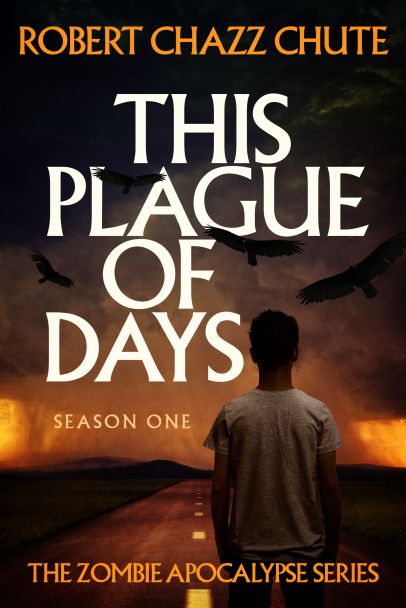
This is not to argue that anything is Art simply because it’s weird. “Weird” is a word that stands in for, “outside the reader’s experience.” This is to say that I enjoy books that are uncommon, that challenge the status quo, that defy expectations. This Plague of Days has a subtext of psychology and philosophy underlying the action. Its design is unusual and that’s done on purpose. 

That was the other thing I objected to when I read some reviews of my friend’s book. The writing was executed in such a way that it played with readers’ expectations. It was well done though it left some readers off-balance. Then a couple of reviewers complained that they didn’t know if it was the author’s skill that accomplished that feat or if he merely missed the mark.

I have an answer for them:

The author knew exactly what he was doing. He did it on purpose and it took skill. It takes a lot of skill to propel a narrative across the expanse of a book. They are entitled to their opinion, of course, but perhaps a more careful reading by the reviewers was in order. All the elements were there and it wasn’t the author’s fault that a couple of readers missed it. I was irritated that a couple of people took the time to review my pal’s book, but they didn’t seem to pay attention in the first place. Worse, despite staying with his story to the end, they opted to question his intelligence in their reviews.

A fluke doesn’t keep going for 250 pages. Writers know this. Perhaps that’s one reason why our reviews tend to be kinder.

In Part II of this essay, I’ll discuss why it’s becoming more difficult to sell books the way some of us used to write them. My suspicion is that next time, perhaps my friend won’t write such a brilliant book and, sadly, he’ll probably sell more of them.

That’s a down note to end a post on, isn’t it? It’ll probably get worse in Part II.

Filed under: author platform, Rant, readers, Writers, writing tips, , , , , , , , , , ,

Sell More Books Top 10: Variables that build success

We often don’t know for sure which strategies sell more books so we have to fire a lot of bullets into the darkness. Last week, the best advice I heard, repeated from a couple of authors, was about the willingness to experiment.

When it comes to radioactive isotopes, infant juggling and indie publishing, it’s good fun to mess around. Play with the variables to sell more books. What are some of those variables? Here we go:

1. If your cover doesn’t sell the book hard enough, change it.

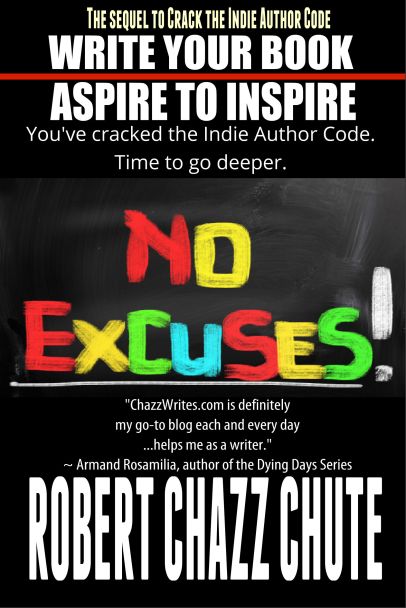
Write Your Book: Aspire to Inspire wasn’t selling the numbers I wanted. I changed the cover.

WYB NEW COVERcover

2. I played with categories for the Hit Man Series.

My funny and luckless assassin is Cuban, so I tried the Hispanic & Latino category. Didn’t work. I switched it back. Each failure is a refinement. It’s not permanent so relax and fire more shots into the dark.

3. I’m experimenting with keywords, too.

Did you know you don’t have to use a single word (i.e. crime, thriller, action, romance) for keywords? You can add up to seven phrases and it can pay to make them less generic. Cater to your niche and, for more on this strategy, listen to Nick Stephenson’s interview on the Rocking Self-Publishing Podcast with host Simon Whistler. It’s called “Quadruple Your Kindle Sales.” That got your attention and turned you into a podcast listener, didn’t it?

Don’t forget to play with changes to your book descriptions, as well. Use keywords where appropriate. Don’t fall into the trap of awkwardly stuffing keywords into the description so it sounds like you’re straining to please search engine robots.

While you’re plugging podcasts into your head, please do listen to my interview on Episode #60 of Rocking Self-publishing. We had a lot of fun talking about how to enjoy marketing your book.

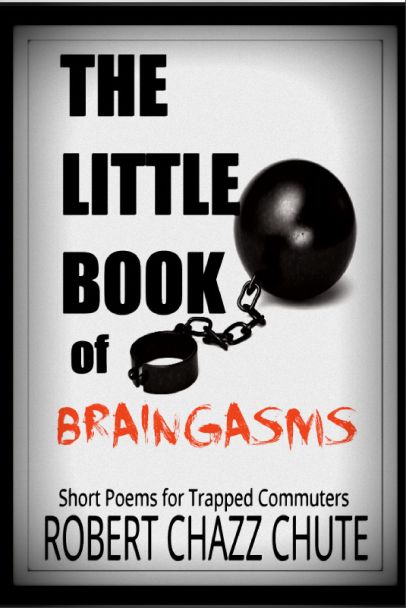
4. I changed the cover for my poetry book, too.

Poetry is hard enough to sell so don’t handicap your efforts with a sad cover like I did. I changed the cover using an image from Pond5 and switching back and forth from two photo editors, Picmonkey and KD Renegade. 

As always, I recommend the awesome cover design work of Kit Foster of KitFosterDesign.com. He wasn’t available this week, so I improvised. It’s an improvement on the original cover (which was my fault, not Kit’s. The original crap cover was my design, too.)

BRAINGASMS FINAL cover

5. My biggest change was long overdue.

My first book was a fun, funny and thoughtful short story collection to read on the toilet. It’s called Self-help for Stoners. Unfortunately, I uploaded my first indie published foray through an intermediary. To make changes to the text cost a lot of money. It needed another edit so I have reclaimed the book from the intermediary. Huzzah!

I did the edit for the second edition. I added bonus material (big tastes of two of my series) so it could act as an introduction to my kind of crazy. Finally, it’s also a sales funnel to my newer books. 

Self Help for Stoners JPEG

I can do more with this book now, like experiment with variables. I can play with the price, keywords and categories. I can change strategies as needed and put it in KDP Select and try countdown deals etc,….

The print version of the second edition will be for sale again soon so I’ll have more to sell for the Christmas season. Most important, with these changes, I’m delivering a better reading experience along with all that awesome hilarity. It’s a relief to be back in the driver’s seat.

6. Speed.

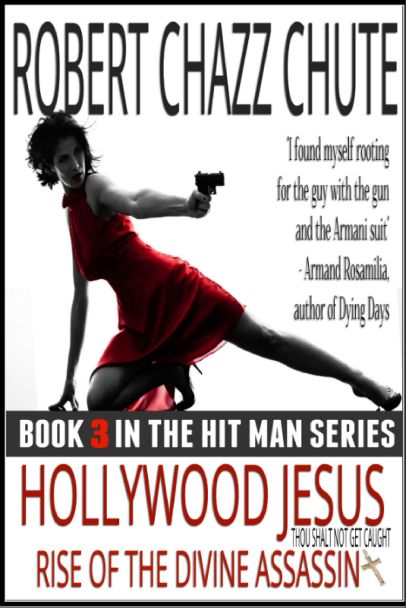
I’ve been thinking a lot about production speed as marketing. I’m changing my production timetable. The third book in the Hit Man Series hits October 1.

HJ COVER FINAL LADY IN RED

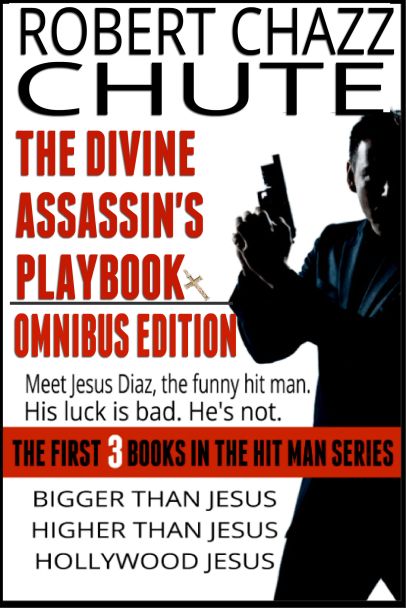
The goal is to put out another crime novel thirty days after that. Thirty days later, the plan is to put out a time travel novel. The books are all written and in the editorial pipeline. I’ll also add an omnibus edition of the first three books in the series.

TWEAKED JESUS OMNIBUS COVER WITH CROSS

The goal is to avoid falling off the cliff. All authors experience the cliff. After a month on Amazon, your beautiful baby is old news and sales tend to begin to slide as you disappear from the list of freshly minted books. Publish a new book more often and all your sales may be buoyed…assuming all the other variables are properly in place. For instance, if the story sucks, nothing can save us.

7. Accept failure as part of the play in the gears.

Please keep in mind that you can put all the sales variables in place, but that does not necessarily mean the book will move. It should move more, but there are too many variables we can’t control. Maybe you’re going head to head against a book with tons of mojo and money behind it. Maybe you’re at the top of a genre that is stone cold. Maybe the book just isn’t that good or you’re an unrecognized genius. (So many of us are. I empathize.)

All we can do is write more books and play with the variables that we can control. I should get a blurb for the Self-help for Stoners cover, for instance. That task is on my list. Blurbs help. More reviews help. Maybe more review copies to book bloggers is something to change up. Or do you need to change the book bloggers on the list you already have?

8. Make plans.

This might be a new idea you want to resist because you’re an artiste, dammit! I know, but work to word count or page count goals and editorial deadlines, anyway. I always get more done when I pretend I’m a grown up.

9. in that vein, establish systems.

When you learn the steps to how to do something once (e.g. putting out a podcast or compiling manuscripts in Scrivener), write what you did right. That way, you don’t have to start at zero knowledge each time you repeat the task. Systems are flow charts of mistakes you corrected. It’s a great way to avoid making the same mistakes with your next project. Put it in a binder within reach of your desk. Update it as you go.

Sure, taking the time to put what you’ve learned into binders sounds like drudgery. However, systems actually make you efficient and eliminate the drudgery of reinventing the wheel each time. Tiny course corrections steal far less from our precious writing time. (Tip: Take screenshots of your winning Scrivener process to make it less tedious.)

10. Speaking of finding efficiencies, track results.

That which is not measured cannot be improved. Repeat the variables that seem to work. Dump what doesn’t work, no matter how much you loved those seemingly brilliant ideas. Old ideas that don’t work can weigh us down as we climb the mountain.

BONUS:
Get better with each book.

This will happen organically. It will happen faster if you organize the variables in that binder.

Pretty soon, you won’t be firing bullets in the dark. You’ll see what hit and become a sharpshooter.


Filed under: author platform, Publicity & Promotion, publishing, , , , , , , , , , , , , , , , , , , , , , ,

Cost control for the Indie Author

(Editor’s Note: Everybody tracks income. We aren’t so enthused about tracking outgo, me included. Fortunately, author Mark Victor Young has some thoughts on that today. ~ Chazz)

Guest Post by Mark Victor Young

“When embarking on a new venture where the returns are likely to be modest, or at the very least uncertain, the quickest way to get into the black is to keep your costs to a minimum.” This has been my guiding principle since the beginning of my Indie Author journey. I’m having a great time doing it and all, but I want this thing to be real first and foremost, so anything I can do myself, I will do. My time is free and I don’t mind spending it on myself.

 There are tons of Book Marketing platforms out there who will tell you they have the magical key to success for an Indie Author and it will only cost you $20 per month, or $100 per year, etc. Just put “Indie Author” in your twitter bio and see how fast they find you and promise you success… for a small fee. But at $2.99 per e-book, I make $2.00/book, so I have to sell 50 books just to break even on a $100 expense. How much would I have to do by myself, using free self-promotional tools, to sell 50 e-books? I don’t know, but I know that when I did, I’d be $100 to the good.

 Let’s look at my start-up expenses and see what I consider to be necessary costs and where you could cut corners.

 Screen Shot 2014-09-08 at 2.01.30 PM


Scrivener is an Indie Author’s best friend. It is a compositional and editing platform that allows you to format your book as a PDF, ePub, Kindle or Paperback and upload it directly to the various sales platforms. This allows you to control your own destiny and not have to rely on one platform (ie. Smashwords) acting as an intermediary with all the others and grabbing a slice of your revenues in the process. It costs about $40 (I found a 10% off coupon online – that is two e-books worth of revenue saved!) and it is well worth it.

 Registering your business as a Sole Proprietorship or Corporation says to the world that yours is a serious venture and is worthy of respect. Registering your business will also have some tax advantages down the line if your sales start rolling. Likewise, paying for a custom domain (myname.com) is a small cost that sends a message that you might be worthy of someone’s hard earned three bucks. Sure, you could just operate as an individual and go with a myname.wordpress.com or myname.blogspot.com and save both fees. I have nothing against this and would commend you on your frugality.

 If you’re planning to offer your books for sale in paperback, you are going to need to see the physical items to really make sure you are putting a quality product out there that will reflect well on you. This will mean shipping yourself some proof copies as well as taking a hard look at the online editing software. But this is also an opportunity to grab some hard copies to use for local, in person sales opportunities (as long as they are what you expected and aren’t full of formatting problems or whatever). CreateSpace (division of Amazon.com) will let you have up to 5 proof copies for a few bucks each plus postage. Make a small change to alter the file and they will let you proof it again (by ordering 5 more copies – see where this is going? J).

 I contacted hundreds of book bloggers through e-mail and social media to ask them to review my first book and only one required a physical copy. This is good, because the postage was frightening! There were plenty out there who would gladly accept a free ePub or Mobi (that I could supply, thanks to Scrivener) for their e-readers. One even purchased the e-book to review it, because she felt it was important to support Indie Authors. Can’t argue with that! But this is a great example of something time consuming but free which will pay off in publicity and promotion. Several bloggers even agreed to publish an interview or promotional feature on me with no mention of a charge at all. I only heard back from about 1 in 20 that I contacted, but I was happy with those responses, I can tell you.

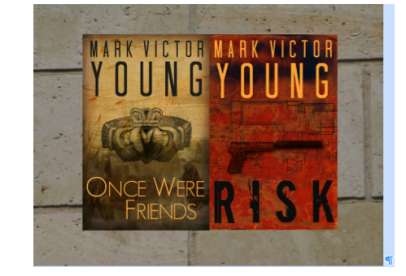
 You’ll notice that I have incurred no costs for book cover design. That’s an interesting story that may be unique to me. My wife is an excellent artist and has a background in marketing and publishing. She designs all my covers for free, so I don’t have any costs in that regard. Sorry – don’t hate me! Here are the covers for my first two novels, which have garnered all kinds of compliments and positive attention:

 Screen Shot 2014-09-08 at 2.01.38 PM


But that doesn’t mean that someone who is not similarly wedded need bear heavy costs in this area. You may know an artist who could help with this in exchange for you promoting their services on your website or social media. Find an author whose covers you love and ask who they use. If you can’t find something fabulous and free, Smashwords has a list of cover designers, some of whom will charge less than $100 to design your book cover. Sometimes you can also save money by going with a ready-made cover. Here are some my wife came up with and here are some by Kit Foster.

 This is not an area for skimping. Don’t send your book out into the world if it looks like a public domain work from Project Gutenberg. That will send a message that your book should be free, or worse, isn’t considered worthy of a great cover, so won’t be worthy of their time. Don’t settle for something that LOOKS self-published (in the amateurish sense). People do judge a book by its cover, unfortunately, so you will need a great-looking, professional finished product whichever way you go.

 There are no guarantees of success for Indie Authors. But there are no guarantees with or without spending money on third party promos. The more you spend in chasing book sales, the more profit gets eaten up by these marketing and promotional expenses. If you consider this to be a long term, truly independent venture and you keep at it and keep adding to your list of books for sale, even a modest success will be income that is all yours to keep. If, that is, you haven’t already paid out all your profits to third parties in advance. If you’re determined to use some service that you think will really pay off, make a deal with yourself. Wait until you’ve made $100 more in revenues than all the expenses you’ve incurred and then spend it on that great book marketing opportunity. That way every sale it generates will be putting money in your pocket. J

 Best of luck on your own Indie Author journey!

~ Find out more about Mark on his website, MarkVictorYoung.com.


Filed under: author platform, , , , , , , , , , , ,

The Chazz Redemption: Course Corrections along the Publishing Way

There is much to do. I wrote the first drafts for three books in two months. If you’ve noticed I’m not posting quite as often here, that’s why. I’m gearing up for Christmas (yeah, I said it!) and trying to catch up on a list of new priorities. Here they are:

1. I’ve got Self-help for Stoners back from BookBaby. It was my first book and I wasn’t confident I could upload it myself way back then. I was so shy. It’s out of the hands of the intermediary so now I can make changes without it costing an organ donation (because all my organs are my favorites.) After a fresh round of edits for the next edition, it’ll be available again.

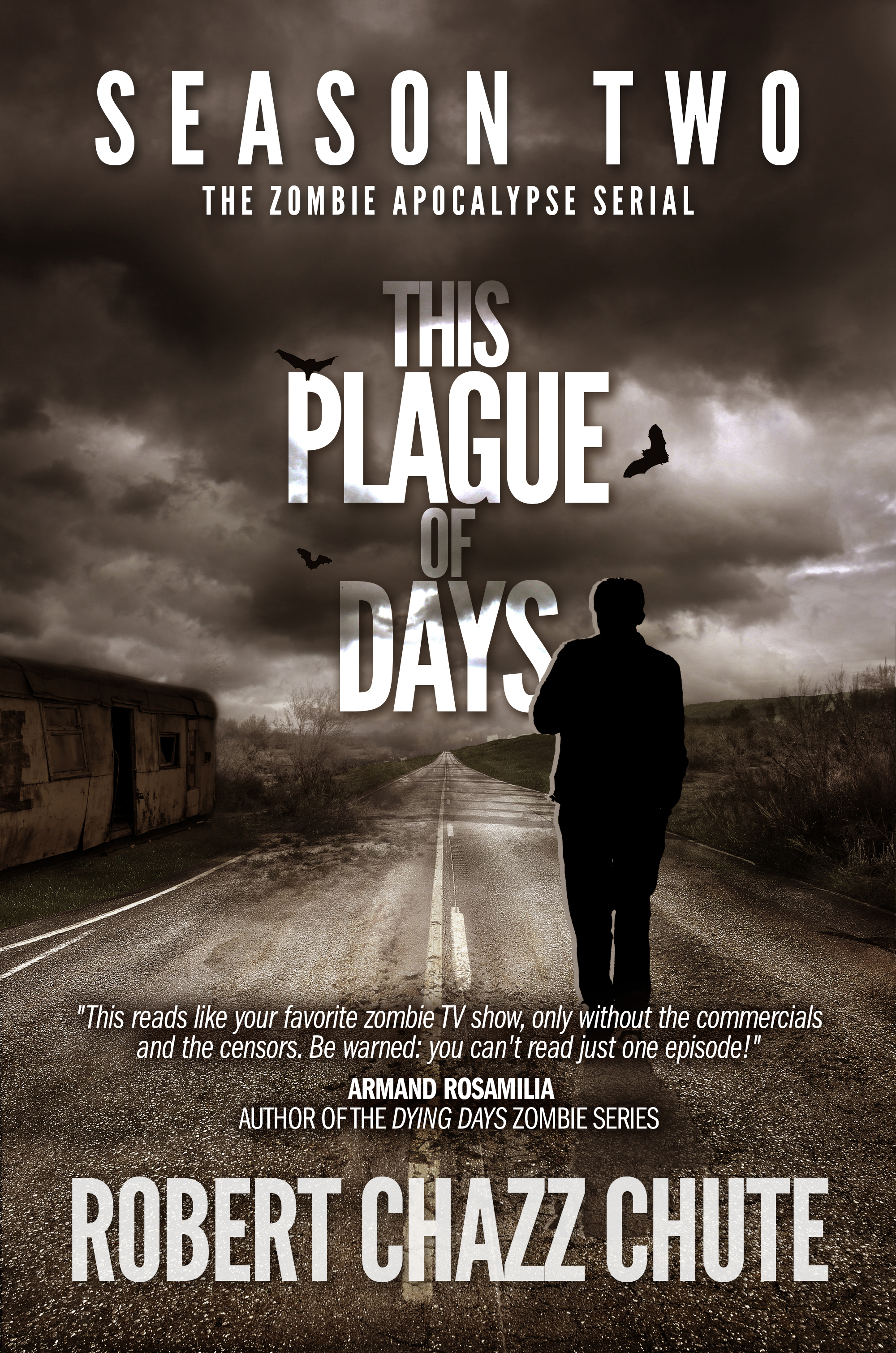
2. I’m behind on my print editions of This Plague of Days. Catching up with Season 3 fast. The Omnibus will be ready soonish (i.e. a month if the formatting goes as planned.) I’ve developed a list of people I want to send the TPOD Omnibus to. Time to get the series more attention and reviews.

3. I think I’ll make Murders Among Dead Trees available in print, as well. I happen to think it’s one of my best books. Print is mostly a promotional tool for me, but paper versions are also important to some readers. Print is also useful as a price anchor for the ebooks. It lends legitimacy. Plus, I have a book fair coming up.

4. I’ve got to track outgo better than I track income. I want less drama at tax time and I have to trim expenses.

5. The next book in the Hit Man Series is now with the beta team. I’m going to change the title and change how the book ends. I decided to do that as soon as it went out to beta readers. Panic is so creative. These are small but important tweaks because I’m going to rebrand the series. (More on that in another post.)

6. Revise two more books. One novel is in time travel and the other is a crime story. The plan is to come out with a new one about every 30 days to boost my visibility. The cliff we all tend to hit thirty days after a book launch is horrific and I already swing back and forth from depressed to somewhat manic.

7. What’s changing with the new writing? Shorter books, generally. I still have another huge standalone book banging to escape a drawer.

Also ahead? Faster pacing. More jokes. (More on that another time, too.) I have deadlines in my mind. If I don’t meet sales targets with certain books, I’ll be changing genres. I’ll also be embracing pseudonyms. Readers of this blog know I’m averse to pen names generally. However, I reserve the right to change my mind when it suits me and when evidence arises to my first opinion.

8. Get back to podcasting. I’ve taken the summer off for a number of reasons. It’s time to find some guests for the Cool People Podcast (check out the guest page here.) I also need to finish up the Higher Than Jesus read on All That Chazz.

After that read is done, I plan to change the podcast format a bit. It’s time for a revamp with books, too. It took me years to write This Plague of Days. I’m proud of it. It’s my Star Wars. Now I’m focusing on series books that come out faster. 

That’s enough of a list for now. I have more to do, but long to-do lists are just another way to procrastinate. For more fun, write a to-done list. Plan to accomplish something specific and by when. Write it down and cross it off, all in one day. Feels good.

The kids are back in school and I’ve been bone-deep grieving dead friends.

Time to get busy livin’ or get busy dyin’, Red.


Filed under: author platform, What about Chazz?, , , , , , , , , , , ,

#Retweet this Top Ten: For the love of Twitter

Though often useful, Twitter can be a strange place. For instance, I just discovered I’ve been blocked by a user who retweeted me. That was odd because I’ve never had a nasty exchange with them. What did I do? That bothered me for a few seconds.

No, that’s a lie.

It bothered me for about a minute. I hate a mystery, so I googled the user who blocked me and checked out their website. Into the second minute of cyber stalking I realized I was acting like a guy who should be blocked. I let it go and I’ll never know what terrible thing I did. (Cries into pillow, wipes tears, big breath…)

Besides, I was breaking my prime directive about Twitter. Twitter is for in-between times. It’s not a primary activity. Writing books is what I do. Everything else — bathing, childcare, self-respect — is secondary.

Tweet when you can’t do something more productive and keep it fun.

Here are ten more Twitter productivity tips: 

1. I look at a lot of Twitter profiles. If the avatar is just an egg, I don’t follow back. The default avatar suggests a spam account or a lack of care or effort.

2. If, in an attempt to be humorous, the profile description sounds aggressively mean, I don’t follow back. Why people do that is a mystery. It can’t be that effective, can it? Is that how mean people gather into rage storms across the Internet? (But don’t be too bland, either. Gimme some salt and sugar, please.)

3. If a Twitter profile says your name and then simply, “Author”? I don’t follow back.

I don’t think that’s enough effort even if you’re a really famous author. At least tell me your genre because readers don’t read everything. Add to your description so I have an idea what I’m getting into.

4. When I decide to follow someone, I’ll often look through their Twitter feed first. I want to get some sense of the user’s personality and interests or at least see if they tweet and retweet useful information. Don’t follow back too randomly. What use to me is a huge following of cement mixer companies?

5. When I follow on Twitter, I don’t send DMs.

It’s not that I really see anything wrong with direct messages. Some people think direct messages to new followers are impolite or spammy. I don’t think they have to be. (You followed, after all. That implies a little bit of buy-in to me.) However, I don’t send DMs for a more practical reason: They rarely add value and my feed is overwhelmed with direct messages. It’s a time management thing and really, there are very few diamonds glittering under the outhouse.

6. Instead of sending a direct message to new followers, I generally try to retweet something from their feed. I’m looking for the helpful or humorous. If I see that and retweet it, that’s a way of acknowledging them without sending a generic direct message.

7. The favorite button is another way of acknowledging new and old followers. I used to think I’d use the favorite button as a reference to come back to the link. That doesn’t happen. I either read the link immediately or it’s somewhere far back in the rearview mirror. For time management purposes, I guess that’s best. I use it as a “like” button on Facebook.

8. Don’t just read your notifications feed looking for mentions of the magic that is you. You won’t get information or engagement that way. Just like a dinner party, if you are only interested in you, you’ll live alone in that fascination.

9. Don’t expect an acknowledgement for every retweet.

I read a rant from one Twitter user who got angry because she expected a thank you for each retweet. I’m generous with retweets of good material because I want to curate good stuff for my followers. Too many people retweet me for me to be able to thank them all individually. There are only so many hours in the day. (I do try to retweet or say thanks for devoted retweeters, but Twitter is a fast-paced assault of information so let’s not be too precious about it.) Share generously.

10. Don’t just curate good stuff. Generate sometimes, too. If I’m following you, it’s because I’m hoping you’re awesome. Let us get to know you. If you put out a decent amount of good information and make a few jokes, followers may even forgive you for the occasional plea to “Buy my book.” Just don’t use those exact words.

BONUS

I use Manageflitter.com to manage Twitter, delete fake followers and delete those who don’t follow back.

If you want to follow me, I’m @rchazzchute. That’d be nice…assuming you don’t sell cement mixers.

Filed under: author platform, , , , , ,

TOP 10 in Publishing: What’s changed again? Amazon.

If hope you enjoyed my interview with Simon Whistler on The Rocking Self-publishing Podcast (see the post below this one for details if you missed it.) We recorded the episode on July 4. It didn’t take long at all for some details to change since the interview. Here’s what you need to know:

1. Yes, on too much coffee, I can get pretty manic. Also, some of the interview was edited for excessive Sean Connery impressions.

2. I was in Kobo briefly. I made $27. Finally and at last! I can retire! …Mm…no, actually, I pulled the plug on Kobo except for some short stories.

Everybody agrees. The folks at Kobo are nice people. Then I heard a horror story of someone who couldn’t move books on Kobo even when Kobo promoted them! I was to meet with the good people of Kobo in Toronto. After evaluating the track record and potential, I blew off the meeting so I could stay home and write and edit my next books. The trip literally wasn’t worth the gas. I do hope things will improve in this regard in the near future for Kobo and several other platforms. Amazon needs healthy, not anemic, competition.

3. Kindle Unlimited was introduced soon after the interview. Seeing so little movement on Kobo, I promptly pulled out and slapped my books back into KDP Select. With their value added proposition, suddenly there is more marketing juice to squeeze out of Amazon. 

4. Kindle just announced they will reward early adopters of the program by relaxing the 10%-read-to-get-paid rule on the first round. They also added to the shared fund for borrows. I missed out on the money bump when they introduced KDP Select in the first place. I wasn’t going to miss out again.

5. Since returning to Select, My KU earnings frequently surpass my regular sales. People are taking to the program. This is especially nice because This Plague of Days, Season One is a whole book, the first in the trilogy. It’s selling at just 99 cents. More readers are willing to check it out through the KU program. That pays roughly a couple bucks per borrow instead of 30 cents. Am I a huge success, yet? No. However, I’m getting exposure that other platforms can’t seem to give.

6. This Plague of Days is getting promoted on a couple different lists by Amazon. Seems it’s getting some traction with teens most, science fiction second and fantasy third. (Interesting, yes? Maybe I should revamp the sales descriptions to skew away slightly from horror since its layers and appeal may lie elsewhere.)

7. Amazon just upped the ante in the value added column by opening up the pre-order button to little guys like me. Holy crap! I have some thoughts on how that could be useful, but I’ll save it for another post once I’ve gone through their submission process firsthand.

8. When we recorded the interview, Simon and I discussed whether the Amazon-Hachette debacle would still be a thing by the time the interview aired August 14th. As I recall, neither of us were that optimistic the battle would be over by then and we were right. In an attempt not to bore the audience or appear dated too soon, we largely avoided that discussion. We’re all suffering Amazon versus Hachette fatigue, aren’t we? Looking forward to the titans figuring it out for themselves.

9. We had a great time with that interview and I hope you laughed along with us. There’s some good information sifting through that hour of self-publishing talk. The field is growing and changing so fast — or at least Amazon is changing their game so fast — several things changed in a very short time.

The other platforms? Um. Can anybody name an innovation from any of the other platforms in the last six months? (There must be something, but nothing strong has stuck with me.)

10. What didn’t change? Pretty much everything else. I’m still glad I serialized This Plague of Days but I don’t intend to serialize again (too many gears and pulleys and cons versus pros on that machine.) 

What’s next?

More series (not serialization) and another omnibus edition. 

Stay tuned.

Filed under: Amazon, author platform, self-publishing, , , , , , , , , , , , , , , ,

We are not gambling writers. We are working writers.

I saw it again, today. Too often, people take the extreme end of an argument and generalize back to the middle to suit their worldview. It’s not logical. It’s bubble poppin’ time!

Example 1: Amazon’s trying to tell Hachette that it should sell the next Stephen King ebook for $9.99 or less. 

There are a couple of problems with this statement.

First, Amazon has categorically stated that some ebooks should be priced higher. Though Amazon’s statement on contract negotiations was short, lots of people missed that crucial detail:

“Is it Amazon’s position that all e-books should be $9.99 or less? No, we accept that there will be legitimate reasons for a small number of specialized titles to be above $9.99.”

If an author has lots of fans who won’t wait for a price drop, the exemption for authors at that level of success makes sense. The math will reveal which way to go. For most of us, lower prices are the way to go. Amazon speaks unusually clearly on this point:

“The author is getting a royalty check 16% larger and being read by an audience that’s 74% larger. And that 74% increase in copies sold makes it much more likely that the title will make it onto the national bestseller lists. (Any author who’s trying to get on one of the national bestseller lists should insist to their publisher that their e-book be priced at $9.99 or lower.)”

Amazon beat Hachette’s argument to death with math. Everybody makes more money by charging less than the inflated ebook prices Hachette wants to set. By “everybody”, it’s obvious we mean everybody but Stephen King and a handful of the 1% authors who are doing really well because that’s where the analysis of sales points us.

The default author we should be concerned with is not anyone at the extreme end of success. It’s you and me. There’s hope for us, but probably not the fictional Mansions in Tahiti Level of Hope. Which brings me to the other argument I see far too often…

Example 2: People say, “Hugh Howey is an outlier and most self-published authors will not equal his success.”

Hugh says himself that he’s a lucky outlier. (Talented, smart, likeable and writing solid books helps immensely, too.) Most self-published authors know they won’t become millionaires. That’s an aspiration that non-self-publishers often put on us as they sneer. We’re not stupid. We know the odds. We’re look at our sales stats seven times a day. We know! 

What some of self-publishing’s critics don’t seem to get, though, is that there are many author/publishers who are making a living by selling at lower prices for a 70% return. They aren’t millionaires, but they are meeting their financial obligations, paying mortgages and getting by. Some are doing even better than simply getting by. They are not rich. Few writers of any ilk ever make it to rich. However, writing is their job. They’re frequently doing better financially than traditionally published authors. (I’m not saying this to make anyone feel bad. I am saying I’m tired of all or nothing thinking among the mathphobic and terminally cranky fact-allergic.)

Still, there are those who refuse to acknowledge that, since the creation of the ebook market, the authorpreneur is a growing possibility for those with middle class aspirations. Not a probability, but a possibility. If you doubt that’s possible, I have evidence from The Passive Voice.

The role of writer has rarely paid well, but it’s a better deal for more of us now than it has ever been. We are not hoping to be lottery winners. We’re hoping to sell the next book at reasonable prices for a growing audience of enthusiastic fans. (There’s also never been a better time to be a reader, by the way.)

If I make it to middle class, that’s awesome. But it’s not about the money, Lebowski. It’s about the writing. It’s always been about the writing. I wrote books for years and never submitted them anywhere. I just wrote for me. Writing is an obsession. Obsessions don’t change whether I make seven figures or a single, dirty dime.

I write. So do you. Let’s keep it real out there. We don’t do it for the money. We do it for love.

Filed under: Amazon, author platform, Books, self-publishing, Writers, , , , , , , , , , ,

The Revolutionary Writer’s Manifesto: Ride that moose!

There is a myth a few really believe. It is the Myth of Originality.

Let’s pop a bubble. There are no new stories. I’ve seen a few stabs at a truly new story, of course. Those experiments are often bloody awful and unrelatable adventures amongst amoebas dwelling in the rings of Saturn. Screw amoebas.

Plots round the same bases all the time:

1. Good versus Evil.

2. Boy gets Girl (and variations thereof).

That’s okay. When a reader complains a story is unoriginal, they probably really mean that it is derivative. Unoriginal and derivative are two different things. It’s derivative if it overshoots homage, feels too much like something familiar while falling short of plagiarism. No story fails on unoriginality alone or all movies of the last few years would be failures.

What readers want is originality in execution, a unique voice and an uncommon angle or viewpoint. You’ll either give it to them or you won’t, but don’t be a weathervane, spun by the whim of the latest review.

This Plague of Days, my apocalyptic saga, has been criticized because it started out in one plausible place and ended in another, rather magical place. That place is not derivative. It is merely unexpected and I make no apologies. I confess, I’m a little flummoxed by folks who find zombies plausible but roll their eyes when vampires show up.

Anyway, why should I apologize? The reasons given why a few don’t like my story choices are the same reasons the majority love it. If, amongst the action, we take a chapter to deal with the origins of good and evil in the universe, that’s my choice. The metaphysics chapter is my favorite…well…that and the many chapters where a horde of the infected attack Wilmington, Vermont.

Write for you, the writer.

If it doesn’t sell, that one was always just for you. At least you’ll be happyish with it. If you write for the crowd you imagine, you’ll often write for no one. Some people manage it well. They make a good living writing similar books and plumb expected veins. If that’s you, you do you and I won’t complain if you’ll let me do my thing, too. In fact, congratulations and good for you!

For instance, I don’t read Dan Brown, but millions do and they love his work. I bet he achieved that by writing for himself. Yes. Let’s not be cynical. He’s not writing by committee and poll and he’s entertained millions. Consider JK Rowling, too. Harry Potter started a copycat industry, but what she was doing wasn’t popular when she began. She wasn’t chasing a market. She was chasing her dreams despite being told by so-called experts that children’s literature would never give her a big payday.

Follow your vision. As we say in the snowbound depths of Canada ten or so months of the year, “Break trail. Ride that moose!”

The Feedback Tightrope

I’m not advocating that anyone operate in an echo chamber. I do get feedback from beta readers and I’ve altered choices because of that valued feedback.

However, some people seem to think they should have more input into those choices. “I wouldn’t have written it that way.” To which I say, “Go write your book. I wasn’t trying to read your mind through a time machine when I wrote mine.”

The Statute of Limitations

I’m not going to give you solid numbers on what or when anyone can use a recognizable device again. There is no number. All I ask is reasonableness.

If This Plague of Days feels too much like The Stand to you, my reply is:

1. Thank you for the compliment! I love The Stand and it’s a big favorite among Stephen King fans. I’m not copying it but I recognize the similar elements, sure. I regret nothing.

2. “Similar elements” does not equal derivative. My characters are unique. It’s a different story in the same genre, that’s all.

3. The Stand was published in 1978. If not now, when am I allowed to write This Plague of Days or any other book that has any commonality with any other book you’ve read? Keep in mind that I’m almost fifty and not as fit as I should be. I can’t wait forever.

About Unconventional Choices

1. My crime novels are written in second person. Recently I read some twit announce that no book written in second person could have literary merit. Ev-er. “Too much you, you, you,” I guess. And yet, first person is all “I, I, I…” Somehow, we manage to soldier on with our lives and no link has yet been found between second person POV and killer tornadoes.

2. Bright Lights, Big City was published in 1984 to great acclaim in second person POV. Another author, (me, for instance) will get permission to use that POV again…when? From the curmudgeons? We’ll never get permission, so I’m not asking.

I need no one’s permission and neither does any writer.

That felt daring and liberating, didn’t it? But really, what’s the point of being in charge of what you publish if you can’t steer the ship where you want to go? Nobody gets into publishing for their health or to be safe. If you want safe, get into an industry that’s too big to fail: guns, drugs, banking, sugar, corn syrup or manufacturing lies for politicians.

The danger

I know this sounds dangerously close to the “I’m not here to make friends,” defense. (That’s what mean people on TV pseudo-reality shows always say. That and, “I’m not a dick, I’m just brutally honest.”)

Not every reader will agree that you should ignore them and simply follow your instincts when you write. They’ll punish you by not buying your next book. But really, is your autonomy and vision for sale for a couple of measly bucks? Is that the whorish vision of yourself you really want to embody? I doubt it. Besides, you’ll flourish when you write what you love. Follow your love and you’ll write more books. Only hacks write what they hate.

I’m not looking for 10,000 true fans by trying to be what they want.

That’s a moving target, and fickle. I’ll be me. Surely, somewhere out there, there are 10,000 people who are enough like me that they’ll dig what I’m doing. Right? Right? Oh, dear gawd! (Shoulda gotten into running guns and drugs for lying politicians!)

Doesn’t matter. I only know my mind. I’ll write for that audience and hope you appreciate my flavor. It’s okay if you don’t, by the way. No one is drafted into my army. I only take volunteers and my people do not clutch pearls or get the vapors easily. We’re here to escape the status quo, take the world and bend it to our will. Or fail. But we’re not here to be pushed around.

If I’m wrong, I’ll be wrong but happyish.

~ With the loss of a treasured friend, I had a tough week last week. It’s not really getting easier. One thing that has provided some solace is the number of people who have wished me peace here and on Facebook and Twitter. In my grief, I wrote. So many readers responded with kindness. I appreciate it so much. Thank you again. 

Filed under: author platform, My fiction, publishing, Writers, writing tips, , , , , , , , ,

What are you waiting for?

Here are Ten Rules About No One:

1. No one is waiting for you to get your life together. They want results, not excuses.

2. No one is waiting for your next book. They say they are, but they will forget you soon and they have plenty of other things to do. Be memorable and come back quickly.

3. No one is waiting for your next blog post, so don’t apologize when you miss a day or three. Get to the topic instead.

4. No one is waiting for you to organize or self-actualize. That’s your business. Organize to build your business. If business is good, you’ll get closer to self-actualization, too.

5. No one is waiting for you to get past your procrastination, so write now.

6. No one is waiting to rescue you. If you need help, ask. Otherwise, everyone assumes you’re fine. Chances are good you’ll still have to pull off your own rescue, though. We are all struggling.

7. No one is trying to hurt you…probably. What’s more likely is they’re taking a verbal or written swing at you because of their own crap issues. You did nothing wrong. You’re just the nearest target. Or they’re wrong. Or they’re just too stupid to see (or care) what you’re doing. Or, worst case scenario, they’re right. 

Never mind. We are sharks. To live, we move forward or we die.

By the way, if it’s a physical swing they’re taking at you, be brutal enough to get away, smart enough to stay away and strong enough to call the police.

8. No one is an extra in the movie that is your life. Each is the star of their own movie.

9. No one remembers what you said. They remember what it’s like to be around you. Give them a reason to come back for more.

10. No one needs you to succeed and some would prefer you didn’t. You need to succeed and you won’t succeed with everyone. You can succeed with someone, though. Start with you.

What are you waiting for?

~ Robert Chazz Chute is a suspense novelist. And tonight? He is pissed at himself and others. Make him happier. Buy a book. Thank you.

Now off to get some more writing done, because Chazz DOES NOT WAIT. WAITING IS OVER. Happy Monday!


Filed under: author platform, What about Chazz?, What about you?, , , , , , , , , , ,

Bestseller with over 1,000 reviews!
Winner of the North Street Book Prize, Reader's Favorite, the
Literary Titan Award, the Hollywood Book Festival, and the
New York Book Festival.

http://mybook.to/OurZombieHours
A NEW ZOMBIE ANTHOLOGY

Winner of Writer's Digest's 2014 Honorable Mention in Self-published Ebook Awards in Genre

The first 81 lessons to get your Buffy on

More lessons to help you survive Armageddon

"You will laugh your ass off!" ~ Maxwell Cynn, author of Cybergrrl

Available now!

Fast-paced terror, new threats, more twists.

An autistic boy versus our world in free fall

Suspense to melt your face and play with your brain.

Action like a Guy Ritchie film. Funny like Woody Allen when he was funny.

Jesus: Sexier and even more addicted to love.

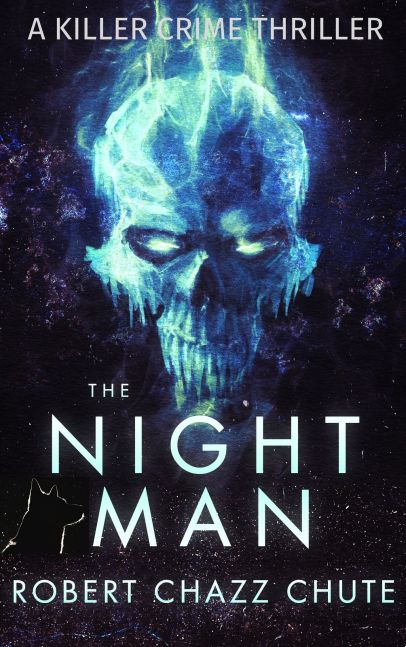
You can pick this ebook up for free today at this link: http://bit.ly/TheNightMan

Join my inner circle at AllThatChazz.com

See my books, blogs, links and podcasts.

Enter your email address to follow this blog and receive notifications of new posts by email.

Join 2,063 other subscribers