People are still reading books, so don’t freak out. Humans are still voracious for good stories. However, that doesn’t mean they want to read words on paper or pixellated pages. We have a lot of competition for our inky offerings. Who has time to read a book when Netflix, Facebook videos and YouTube offer so many diversions to suck up our potential reading time? It makes sense that we leverage that video competition instead of merely combatting or denying it.
Sell more books by selling the movie of the book, too.
You’ve written a book or maybe a bunch of books. Meanwhile, Netflix and Amazon are doubling their offerings of original programming. They need stories. Maybe they need your stories. If you’re beating your brains out trying to make money on online bookstores alone, it’s time to think about expanding your repertoire to screenwriting.
If you’re interested in doing this, get a program to format your script correctly. Scrivener can do it. Final Draft is the industry standard. Final Draft will cost you about $250. Celtx is a free script program (with some paid upgrades for a small fee.) None of the above are terrible.
Amazon made the free StoryWriter App to make the formatting task easier, but it has one other little feature that is intriguing. In addition to saving your work anywhere you want, Storywriter includes a button to submit your screenplay directly to Amazon Studios. Yes, Amazon is serious about competing with Netflix by making it easy to send them scripts. Their desperate search for more original programming and the next big hit means another barrier to the gatekeepers has fallen.
This is not to say that getting a movie made is at all easy. It’s a complex endeavour. Odds are against your grand success, just like with anything creative. But we aren’t writers because it’s easy money. We’re writers because we have stories to tell and we want to reach a wide audience. Video means a wide audience.
Of all my books, I have two series that would best lend themselves to film adaptation, the Hit Man Series andGhosts and Demons. One is a crime thriller and the other’s quite Buffy. Both would be fun to write so I’m fitting scripts into my publishing schedule this year.
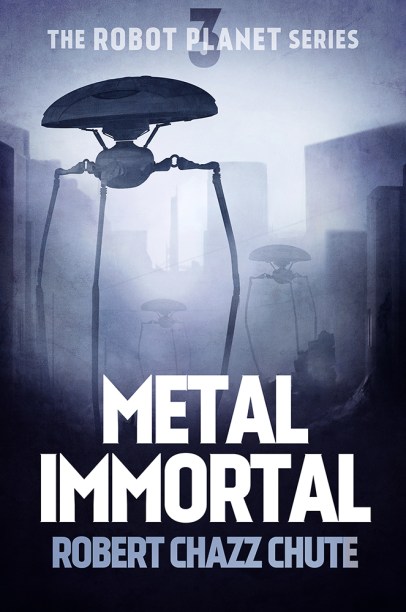
I’ve published three long SF novellas in the last few months. Metal Immortal is free today, so click that beautiful Kit Foster Design cover to get on board for some kick ass military SF reminiscent of War of the Worlds.
It’s a robot uprising that’s pulpy fun. Before Asimov made robots three laws nice, this is what robot mayhem looked like: the Next Intelligence taking over the world, subterranean subs and giant Zilla Class city-killers lumbering across the landscape. Lt. Avery is a Sand Shark pilot on a recon mission in the desert. Things go wrong quickly and get worse.
What’s different is the experiment: four novellas build one big novel.
I love novellas for their lack of fat. This is action, action, action with nary a break. You’ll love Deborah Avery for her competence and jokes, but characterization comes through action. It’s still hefty enough at 30,000+ words, but it will go so fast, you’ll think it’s shorter.
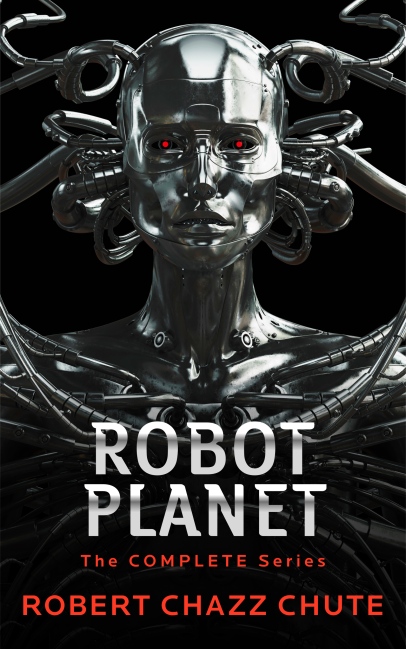
You can read each of the three novella as stand-alones. The stories are interconnected, true. However, all the threads come together in Book 4 of the Robot Planet Series. The characters that survive the robo-apocalypse join forces for the final epic battle in book 4: Metal Forever (coming in December.)
As usual, nothing’s usual. Big surprises and fun ahead. Please click the pic to join the adventure and, if you dig it, I’d really appreciate it if you left a review. Thanks!
Enough of worries about Amazon KU and the coming apocalypse. Let’s talk about a fun little Armageddon.
It is time for great fun and a free ebook, isn’t it? Please click the covers for your links.
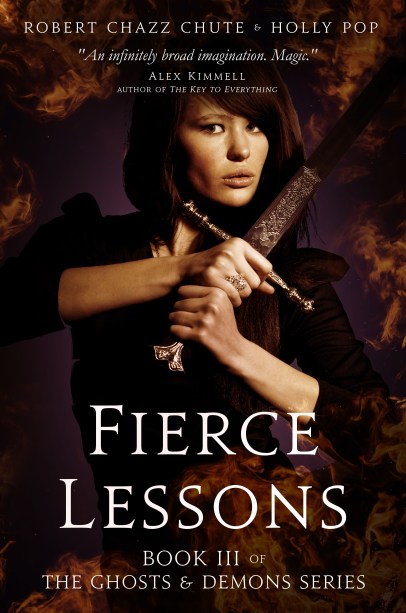
The third book in the Ghosts & Demons Series, Fierce Lessons, is now available.
In your new favorite dark urban fantasy, join the Choir Invisible to save the world.
Come to fight demons in California. Stay for the very Buffy banter.
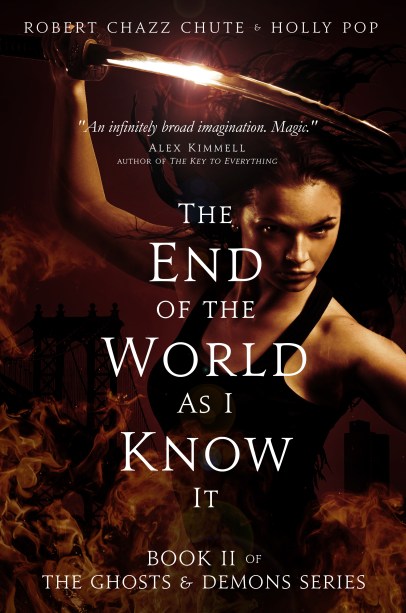
Click the image to get The End of the World As I Know It. Climb into the ride that is book two in the series and see what blows up from New York to Iowa.
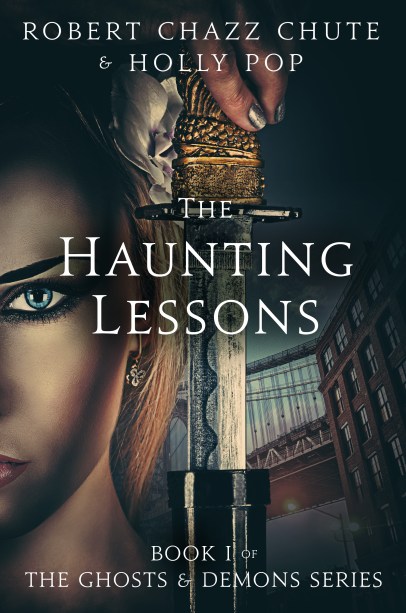
Oh…but you want the first in the series, right?
You want to meet Tammy Smythe and see how the adventure begins.
So there I was reading a blog from Wise Ink about the ups and downs of Amazon’s new page count policies for Kindle Unlimited payouts. I ran across this concern:
That’s one of the dangers? Compelling page-turners?
Um…hm.
I think some people (a vocal minority) say they hate cliffhangers. It’s that thing that keeps us reading and keeps us coming back to television shows from week to week and year to year. Even if we think we hate it, we keep coming back.
Dickens did it. Many authors I love do it. I think every chapter deserves a word button that encourages the reader to stay up all night and get fired for falling asleep at work the next day. Isn’t that part of the fun?
Wise Ink is a fine blog with a lot of great content. I’m not crapping all over them for one statement. Let’s not make it about Wise Ink.
Instead, I will ask this:
Look at that bold assertion and let me know: Why or why not? Discuss. Am I way wrong?
Amazon has announced that KU will pay per page. Previously, authors were credited with a “borrow” only after the reader got past 10% of the book. Now the pay will be based on how far the reader actually gets so authors of longer works will be compensated more (and, perhaps, fewer people will write shorter works or try to “game the system.”)
The above statement is how many people seem to be reading the new Kindle Unlimited policy change announcement.
That’s not how I see it. Here’s my take:
1. It doesn’t matter. Write your books to whatever length tells the story satisfactorily. Readers don’t care about this behind-the-scenes drama so you shouldn’t worry overly much about it, either.
2. A lot of people are talking about jumping out of Select because of the surprise change. Here’s the thing: after July your revenue may go up or it may go down. That depends less on KU and more on your books. For instance, you can write a really long book and assume you’ll get handsomely compensated under the new system. However, if readers abandon the book in the early going when they encounter a saggy middle, you’re no farther ahead than if you wrote a ripper at a shorter length that the reader fully devoured.
3. I plan to write some shorter fiction. I’m not altering that plan because I’d rather have more stories in a series or in a world. I can always box them up later for length later if need be.
4. Shorter work still has another advantage everyone seems to ignore: increased visibility. Publish more often, be seen more often. Every 30 days, every author faces the dreaded Cliff. Focusing on page count alone blinds us to other variables.
5. Once again, Amazon is innovating. Don’t be afraid of change. Roll with it. Adapt. Crush your enemies and drink wine from their skulls and whatnot. The writing biz is not for pussycats.
6. Again, the other sales platforms are not changing a thing. Hm. That’s not stability you’re smelling. That’s rot.
7. If you take a hit from Amazon’s change in policy, it may be time to go wide to other platforms and build your readership elsewhere (if you aren’t working on that already.) The catch is, though Amazon may suck in one regard for you, that still does not equate to improvement on the other platforms. I make all my money on Amazon US and that’s pretty much it.
8. Panic is not a plan. I’ll leave it to others who are geniuses with calculators to do the calculating. I’m waiting and watching to learn if there’s anything to learn (besides write more great books.) I’m also expanding my plans for serious promotional tactics in any case. Even before yesterday’s announcement of changes with KU, I’ve noticed slower sales and fewer reviews. Like it or not, ready or not, it’s time to spend money to make money to stay in this game.
9. I never tried to “game the system.” But I think people who wrote shorter after KU was introduced weren’t necessarily “gaming” anything. They were being flexible and using business acumen. Serials made a comeback. Their popularity has always waxed and waned. And what’s wrong with writing short, anyway? Many people tell us that many readers prefer shorter books because it fits their lifestyle demands, their attention span and their time management choices. Write what you want and what you think your readers want (or what you can make them want.) Fashion changes. Winds change. Leaders go out front with a lantern, a will and a plan to break the trail.
10. If you write short books, you might take a hit. Or box sets are going to come roaring back. (I have omnibuses, so cool.) You know what else is growing and only going to get bigger? Audiobooks. There’s plenty to sell on Amazon besides mobis. KU is only one segment of sales.
11. This really doesn’t change anything for me. I’ll write short books. I’ll write long books. I’ll find out what I get paid when the Amazon check arrives. It is, as always, about the writing. Arguably, judging books by pages read means it’s about pleasing the reader, now more than ever.
12. Everybody relax. We’ll all live longer if we relax. Breathe. Repeat. Continue.
Successful fiction always depends on conflict and often relies on surprise. The mechanics of telling stories successfully are not secrets. That’s why this article decrying the latest developments in Game of Thronesis a little annoying. Maybe they were just going for click bait. It seems the critics want to go to Vegas and gamble, but they want everyone to come home rich.
Vegas doesn’t work that way. Neither does compelling fiction. Bad things happen. People die. Deal with it…or don’t watch or read Game of Thrones.
I’m sure some fans are earnestly distressed at things that occur in the show. However, what happens in fiction stays in fiction. Those characters people love and love to hate do not reside on Earth. They are in Westeros and that’s a terrible and dangerous place to live and die. The show’s producers could suck the scary out of it, but then everyone would complain and no one would watch.
People complain George RR Martin kills off his characters. That’s the risk that makes it worth reading and watching. The sense that “anything could happen” is what is missing from other, lesser, books and shows. If you watch a game where everyone wins, everybody’s bored. Even the winners would stop playing to seek out more challenging pursuits.
If you want reassurance that everything will work out, watch iCarly reruns (as I do.) If you want a complex story that’s a gamble every Sunday night (as I do), watch Game of Thrones.
Yes, to some degree, what happens in fiction doesn’t stay in fiction.
What happens in Westeros might make you squirm or cry or feel disgust. That’s why you’re watching. If it didn’t affect you and it doesn’t make you care (like the last season of Dexter) then we won’t watch or we’ll hate-watch. Oh, Dexter, you fell so far.
Same with reading. A good story has stakes and people lose and die. All sorts of terrible things can happen and that conflict keeps more people riveted to the screen (even if, perhaps especially if, they have to look away sometimes.) What pushes some away will pull more closer, like watching a car accident. You want to look away. Maybe you should. Most won’t.
A few other thoughts about misconceptions about fiction*:
1. It’s not “manipulation” if I make you hate or love a character. It’s good storytelling.
2. If you recognize a theme or element from something else, that doesn’t make it a copy, a tribute or plagiarism. It just means there are only so many stories in the world. As an author, I’m only obligated to tell my story with my unique voice (and a pantload of panache, thank you very much.) There were, no doubt, other stories about similar topics. (But they lack Chazz.)
3. Just because a way of telling a story is not something you’re used to reading (e.g. second person) doesn’t necessarily make it “experimental” or “bad.” Don’t say to an author (as one friend of mine was told) “Nobody does it.” There are plenty of examples of alternate POV books.
4. The familiar plot device (sometimes observed pejoratively as “tropes”) is what makes many stories work. You could come up with something more elaborate than the old reliable ticking time bomb under a seat, but make it understandable. (GoT came up with a bad guy in an insurance salesman for mariners. You had to watch the explanation a couple of times to get the gist. They should have used a trope. Instead, they confused viewers.)
Tropes are only bad if you get bogged down in too many of them. Readers want to be surprised, but tropes are touchstones which ground the story and make it comfortable for the reader. A writer once pitched me a story utterly devoid of tropes. Unique, it was. Understandable, it was not. (Yes. I’m quoting Yoda.)
Genres also have specific expectations that you don’t necessarily want to avoid. If the couple doesn’t get together at the end of a romance, that’s not a tired trope. That’s an expectation the reader paid for. Romance readers want you to land the plane safely after a stormy flight (and possibly a slap and tickle in the washroom.)
5. If you’re very familiar with a non-fiction topic and read a book aimed at beginners, it’s churlish to snark, “Nothing new here.”
6. “Churlish” is a word that should be used more. I’m also a huge fan of “groovy.” Use it today! (But not “far out!” Forget that crap.)
7. “It’s been done,” is an dull barb. Everything has been done. It’s up to us to write it in a fresh way.
8. I don’t owe you a happily ever after ending and I never guarantee it. When I come to the end of a story, I write satisfying finales. The conclusion might be happy. Might not. Spin the wheel and find out. I don’t write soothing books for children.
9. Some people, like me, say they “hate” cliffhangers. We’re a vocal minority and we don’t really mean it. If you’re writing a series and you advertise it as a series, the reader should expect some questions to be answered and others to be raised. I “hate” Walking Dead cliffhangers. You know…that thing that brings me back to the television set for the next episode every time? People hate cliffhangers most when the device is effective.
10. I don’t write for readers first. I write for myself first. I’m at my desk or a coffee shop or on my couch when I write and I have no idea what “readers” (that amorphous mass waiting out there in the future somewhere) will like. I don’t write by committee. I can’t take a poll. I can’t work to a writing prompt. There is no formula. I just unearth the story and what ignites, burns. I know what I like and I’m hoping readers will climb aboard my crazy train. I’m not looking to board someone else’s commuter bus.
11. Politics shows up in my writing. So does religion. My worlds are populated with all kinds of social interactions (gay, straight, minorities, right and left.) No apologies. Whether the world is post-apocalyptic or I’m writing in the slow apocalypse we’re in now, my books are populated with people. People have opinions, so characters have opinions. They worry about what might happen to them after they die so God comes up for discussion. Some suffer existential angst. Not all the opinions I write about are opinions I happen to share. NO APOLOGIES! Characters come alive in readers’ minds because of familiarity. Depth and resonance come from dealing with big questions. I regret nothing.
12. I don’t always answer those big questions in a way every reader is going to like, either. I often let the reader figure out for themselves how the big gears of the universe turn. However, if someone is prepared to send me a huge sum of money, I could rewrite a book that aligns perfectly with every ideology that person holds. I’ll hate it and only that person will read it, but I do have kids to send to college so…there you go.
13. I scratched me a book. Everybody gets an opinion, but the writer doesn’t have to listen to that opinion. If you do listen to that opinion, know this: someone will tell you something is grammatically wrong, but they are incorrect. (They’ll also tell you in the same breath they’re an authority.) Someone will declare they’ll never come back for more. You can go back and fix something and/or write another book. You’ll get better the more books you write (if you get feedback from an editor or writing group etc.) The review you read today that is depressingly kind of accurate in some regard will be a cause for laughter at cocktail parties in a few short years. Forgive yourself and assume no one else will.
14. I can write books fast. I can write books slow. If you write faster or slower, that doesn’t make it de facto better or worse. The calculation in that criticism (usually coming from slower writers) almost always deletes the crucial variables: x = the quantity of procrastination divided by y = we are all different.
15. When we put ourselves out there and stand up on our hind legs and dare to speak or write or paint or sing, someone will think they know us. They’ll make assumptions about us, even people who should know better. If you write about zombies, they might assume you’re dumb. If you write erotica, your neighbor might skip straight to slut shaming or ask you out. If you write “literary” they might assume you’re smart and rich.
Though it’s awfully tempting to think so, no one knows us through our books. Fiction reflects reality in a warped mirror. Fiction is not reality. No one knows another’s mind. The writer, in writing mode, remains a cipher. Therefore, ignore the people who are looking for clues to your psyche in your writing (even your Mom) and write whatever the hell you want. It’s not about you. It’s about telling a good story and engaging those who dig your chosen flavor of crazy. Writing crazy shit doesn’t make me crazy. Writing crazy shit keeps me more sane.
16. Don’t write what you know. Write what you care about. Supporting details will be researched or they will be made up. Unless you’re writing a textbook on thoracic surgery, it’ll probably work out.
17. It’s tempting to make people think that writing is arduous. If so, maybe you should try writing something funner. And use the word “funner” more often. (Thanks to comedian Greg Proops for that.) When people complain about the task of writing, I suspect they’re either in the wrong head space at that moment or in the wrong business altogether. I’ve done hard labor and worked retail. That was awful. Writing is a joy and, usually, it’s play.
*This blog and this post is not aimed at readers. It’s aimed at writers. I mention this because, though some readers suffer these misconceptions about the craft, that doesn’t concern me. That’s their business. I’ve met writers who fall for them, though, and that’s a worry.
~ I am Robert Chazz Chute. I’m a suspense novelist who is much kinder and more patient than this post may make me appear. Visit my author site, AllThatChazz.com, for updates on new cars added to my crazy train.
I cleared my calendar and, full of energy, I looked forward to an afternoon of writing. Then I accidentally ran across a negative review of one of my favorite books. Worse, it’s one of my favorites that I wrote. I didn’t agree with the review. In fact, this person might have been reviewing a different book because the reviewer made a point that…honestly, I have no idea what they’re talking about.
And so I started thinking about the futility of trying to please everyone and, yes, this is part of the business…it happens to all who dare… be mature…and blah-de-blah you’ve heard all that crap before. We aren’t supposed to have feelings. Certainly some reviewers write reviews as if we don’t. I’m still human so, I admit, I didn’t tough it out and set my jaw and type on bravely. My enthusiasm died. Instead of writing, I retreated to a darkened theater alone to watch a disaster movie because that seemed like the metaphor for my life.
From Wikipedia:
The Kübler-Ross model, or the five stages of grief, is a series of emotional stages experienced by survivors of an intimate’s death, wherein the five stages are denial, anger, bargaining, depression and acceptance.
And so…The Writer’s Five Stages of Grief after a Bad Review:
1. Denial.
“No! Can’t be! That book is really good! Maybe even great!”
2. Anger
“My book is fantastic, dammit! Whose house have I got to burn down to get some justice in this cock-eyed universe?”
3. Bargaining
Maybe if I talked to the reviewer… (instantly rejected as a terrible idea, but that bad idea always flashes by.)
4. Depression
“What’s the point? Maybe I could do something else to finally prove my worth to Dead Mom.” When I read that bad review (and reread it over and over) I thought I might write a blog post entitled, Writing in the Post-enjoyment Age, or something similarly grim.
And then…a light.
The movie started. San Andreas isa really cheesy movie that makes me want to see the original 1974 Earthquake starring George Kennedy, Charlton Heston and Ava Gardner. San Andreas is packed full of tropes and cliches and plot holes and a startling amount of product placement and a few unintentionally funny lines that sound like a rehash of a dozen movies.
But you know what? That’s some tasty cheese! I forgot about my bad review and watched the Pageant of Crazy that is this disaster movie. I couldn’t quite decide who was prettier, Dwayne Johnson or Alexandra Daddario. (She edged him out for gorgeous, but The Rock makes me want to work out more and get huge.)
As the destruction flag unfurled before me, I remembered a review of San Andreas that complained there were no awe-inspiring moments. WHAAAAAAaaaat?
CGI is the star of this show! Nothing is left standing! C’mon! How could it not be awe-inspiring? What more could anyone possibly want from a silly disaster movie on a Friday afternoon?
Ah.
Somebody didn’t get what San Andreas was doing just like the reviewer didn’t get what I did. It wasn’t for that person.
That’s okay. I’m looking for 10,000 true fans who want to board my crazy train. There are other readers who do get it, and will. Just as people like music but they don’t like all music, people like books but my preferred form of Chazz jazz isn’t for them. It doesn’t make them wrong or bad necessarily. They just aren’t into my flavor.
Finally…
5. Acceptance.
Deep breath.
You can find what you’re looking for in the strangest places sometimes.
Back to writing….
~ I’m Robert Chazz Chute and I invite you to partake of a couple of free ebooks, podcasts and a fair degree of whatnot on my author site, AllThatChazz.com.
Mat Morris and Nancy Elliott are the hosts of a new publishing podcast you’re going to want to check out. What sets them apart is they’re going for a relatively short show compared to most, but they’re doing it daily. They aim to top out around thirty minutes for each show, so put your ear buds in while you’re doing dishes or on your commute. Pack in some motivation every day and you’ll have fewer days in which you do not write.
Mat is a friend of mine who is so analytical, I call him Math Morris. He’s the guy who has written 50,000 words for NaNoWriMo in one day, several times over. Successful and making money as a pseudonymous writer from the shadows, he’s crushing it. The podcast is a bouncy good time but he doesn’t miss some deeper questions. His first question to me was, “What was your greatest failure?” Yikes. (So many to choose from!)
5. My knee injury is fully rehabbed, so I got to cancel the MRI. I have no cane and no pain.
6. I had an epiphany and a major change in attitude and started writing a business book, in addition to the fiction addiction.
7. I’m quite a bit happier now.
8. Depending on scheduling and co-authors and whatnot, Ex Parte Press will publish seven to nine new books this year.
9. Despite all this, I’m quite relaxed.
10. (You skipped straight down here after reading the heads up, didn’t you? It’s okay. I don’t blame you.)
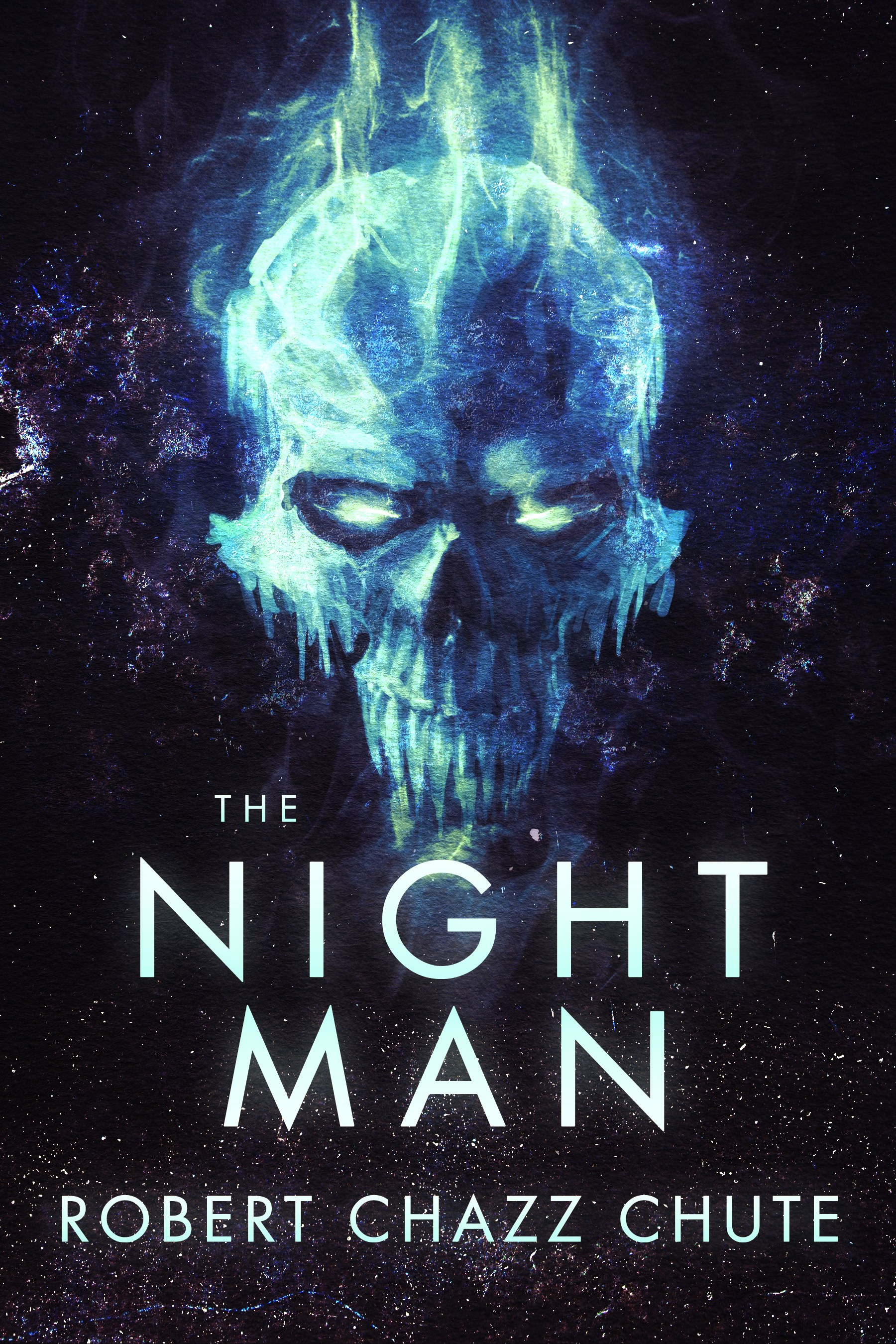
I’ve been promoting my graphic designer’s work for years, advertising him on my podcasts and generally acting like a happy booster. I see what he does as a useful need. We’re friends. Now we’re also business partners. I’m Alfred to his Batman, taking care of the nitty and the gritty so he can focus on creating fantastic book covers that deliver results. We’re organized, efficient and ready to serve you.
Camp NaNoWriMo is on now and it’s not too late to jump in.
It’s only the second week of April’s Nano and I’m powering along, really happy with my story. It’s all very Buffy. I came up with the first draft to The Haunting Lessons in eighteen days during November’s NaNoWriMo so I’ve got a good track record of getting it done, especially when other writers are watching.
With Camp Nano, it’s you and ten other cabin mates cheering each other on. I find the friendly competition encourages me to move forward and write longer. (I’m up to about 16,500 and expect to finish the draft to the third in the Ghosts & Demons Series this month. (You can pre-order the second in the series, The End of the World As I Know It, here.)
I’m using the Pomodoro App again, and loving it.
Writing isn’t a problem for me, but sometimes I’m reluctant to start. Pomodoro gets me going and I often keep going even though the app gives you scheduled breaks. There’s something about a timer clicking down in the background that makes you want to beat the clock. Then I cruise on, powered by Pomodoro Technique inertia. Try it.
Google sheets.
Within Google docs are easy-to-use spreadsheets. I started using them for recording my tax receipts. Turns out, I love them for lots of reasons, like tracking word counts, productivity, weight loss, food choices. Only that which is measured is changed. I talk about that quite a bit on the all new, All That Chazz podcast. Find out more at AllThatChazz.com.
~ More on productivity soon. In the meantime, after a hiatus to reorganize (and for his wife to have a baby), Kit Foster of Kitfosterdesign.com is back and working full throttle to provide excellent ebook cover designs, web banners and paperback covers for authors and publishing houses everywhere. Check out his portfolio at KitFosterDesign.com and make your next book cover work harder to sell more books.












 C h a z z W r i t e s . c o m