C h a z z W r i t e s . c o m

See all my books at AllThatChazz.com.

Simon Whistler: How to find your People

[Editor’s note: Today we welcome Simon Whistler of Rocking Self-Publishing Podcast fame. He’s got a nifty and useful mastermind group going, too. Don’t miss checking that out at the end of his post to leverage the power of podcasting for greater success for authors! ~ Chazz]

Eighteen months ago I started a little side project. A podcast called Rocking Self-Publishing.  

Eighteen months later, I’ve talked to over 80 authors, for around 100 hours of interviews. I’ve reached thousands of people though 600,000 podcast downloads. I’ve emailed, Skyped, and met, with a number of people I admire. I’ve even started a small online community for successful and hungry authors; the group of people that I hope my podcast resonates the most with.  

When Chazz asked me to come and do a guest post for his fantastic blog, I knew I didn’t need to write an article, I needed to answer a common question:

Should I start a podcast?

I’m sure Chazz would be the first to agree with me, being a man of many podcasts himself, that podcasting is not “talking to someone and sticking it on iTunes.” It is hard work.

But that’s good news.

Hard is good.

Hard means people don’t do it. Hard means people don’t put in the effort to put out great content week after week. Hard means that if you have grit, you can make it. You can distinguish yourself from the masses, and reap the rewards of being exceptional in the space you carve out for your show.

What space should you carve?

That all depends on what you want to get out of your podcast. What is your perfect end result? I’m going to run with the assumption that you want this podcast to add to your bottom line. And while there are plenty of ways to add to that bottom line, let’s stick with the basics: sell more books, make more money.

Now for the big question, and please, don’t immediately write it off as daft:

Do you want your future listeners to buy your books?

I can hear you thinking: “Simon! I’m not starting this for fun, I thought we covered that?”

Okay fine, we’ll start with the type of show where your listeners will buy your books.

The niche podcast. One that appeals to the readers in your genre.

The process? Work out who is buying (or will buy) your fiction. Create a podcast that appeals to that reader base. Build the listener base. Sell books to them.

What’s awesome about this type of podcast is that you’re probably going to really love doing it! If you write horror, you’re probably into horror, and so are your readers. Let’s break it down:

  1. Who buys your fiction – Survey if you can, there’s nothing better than info from the horses mouth. If you have a mailing list, get on SurveyMonkey, present some podcast options, and ask them! If you don’t have a way to get in touch with your audience directly, check out your Facebook fans, what sort of things are they into?
  2. Create a podcast that appeals – This is more than just the topic. What angle are you going to take? What’s are other, similar, podcasts doing? If there isn’t competition, why not? Also think about tech, quality audio is important, but that’s a discussion for another day.
  3. Build the base – iTunes is important, and audience building through that platform is vital. I really recommend checking out PodcastAnswerMan.com for details on this (and much more about podcasting).
  4. Sell books to them – The good part. Listeners like you, they’ll buy your books, the books were written for people like them (if you did your targeting right).

Super important caveat: Platforms launch books, they don’t continually sell books. Once you’ve hit your audience up a couple of times, everyone who is going to buy has bought.

What about the podcast where your listeners don’t buy your books?

I told you we’d get to this one.

The podcast for writers.

Do you think if I wrote fiction, my audience would buy it? My audience are writers not readers. Yes, there would be some spillover, but if you want to sell fiction to your listeners, don’t start a show about writing. It is inefficient.

If you want to sell fiction to your listeners, you need a listener base who have an interest in your fiction, not your writing process.

Let’s say I put out a spy thriller. The RSP audience might buy it to check out my writing chops (and mock me), but they don’t care about my Jason Bourne wanna-be protagonist.

If you want to sell a book about writing though… well, start a podcast about writing. I myself launched my first book to 80 five-star reviews in the first 10 days. Podcasting in this way can be very effective for non-fiction authors.  

Now, don’t discount the podcast aimed at writers for helping with your fiction sales, I’m about to get to the good part.

Indirect sales.

The most incredible thing about the self-publishing community is the community. When I started RSP, I wondered, “Why would anyone get on the phone with me?” But I wanted to podcast. I wanted to be on the mic. It was going to be fun.

I had less than ten posts on KBoards (the author community a friend told me to check out). Within hours I was setting up digital meetings with people who were selling hundreds of thousands of books.

A niche podcast is a way to “network up.” A way to connect with people who you admire, people you can look to as mentors, people who you might even be able to work with. If you make a quality podcast, it is a ticket to talking to people you admire. I can’t remember where I first heard this, but it has always stuck with me:

“Most successful people you can’t get on the phone for an hour of consultation, even if you pay them. Stick the microphone on, call it a podcast, and you’re in business!”

A network of other authors around you is something that authors at the highest level have. Podcasting is an enjoyable way to build that network, if you are up for a challenge.

But what do you do with this network? Learn from it, work with it, take advantage of the opportunities it presents. Having the ability to call on the expertise of a group of successful people is epic.

It a Wrap

The question, “should I start a podcast?” Pops up in my inbox on the regular.

My reply is usually more succinct when I’m writing an email back to someone, so I should be able to wrap this up nicely:

“Dear Podcast Listener,

Starting a podcast brings many advantages and opportunities, whether you start one for your readers or other writers.

It’s not as easy as we make it sound though, and high quality, regular, podcasts are the ones that make it. So prepare to commit some time. If you can see the return, and will enjoy it, then rock and roll and let me know when you’re live.

Cheers,

Simon

simon@rockingselfpublishing.com

I’m such a proponent of the value of a network that I decided to interconnect mine through an online community. I created a group for the kind of successful authors who come on my podcast. For a limited time, we are looking for outside applications. If you are towards the head of the indie pack, I’d check out the info page at http://writerscircle.rockingselfpublishing.com.  

~ Simon Whistler is a podcaster, author, and audiobook narrator. He podcasts long-form interviews every Thursday at RockingSelfPublishing.com.

Filed under: author platform, podcasts, , , , , , , , , ,

Laugh Riot: The Rocking Self-publishing Podcast

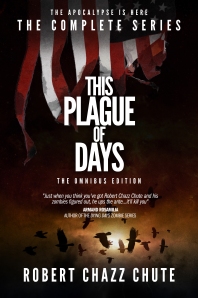
This Plague of Days OMNIBUS (Large)I’m on Episode #60 of the Rocking Self-publishing Podcast with host Simon Whistler! Hoo-freakin’-HA!

We talk about having fun with book marketing. In fact, the whole interview was really fun. I laughed a lot. Simon edited out all the instances where I made him laugh milk out of his nose (I swear.)

Listen for the jokes, stay for the marketing discussion. Available everywhere!

Here’s the link to The Rocking Self-Publishing Podcast.

Enjoy! I sure did.

(Curious about my blog and podcast network? You’ll find that here at AllThatChazz.com.) 

Follow me on Twitter here. I follow back for writers and readers.

Join me on Facebook here.

Thanks!

Filed under: publishing, , , , , , ,

“Writing a book by committee is a great idea in every way!” said everyone but the writer.

Imagine all the people from all the classes you’ve ever taken in one room. Each group has its own character, but today we’re going to focus on the outliers and oddball characters with whom you’ve gone to school. I’m not talking about those who stand out for their smarts and sweetness. I’m talking about the girl who, just before the last bell rang, reminded the teacher about extra homework for the class just before the long weekend. Remember the annoying guy who always had another question or inane comment to add long after a subject was beaten to death? And don’t forget the person who was really stupid, but for some reason thought he should speak a lot. Worse, he was smug about it.

Now put all those people you didn’t like in school and put them in charge of your work in progress.

That pressure behind your eardrums is your brain trying to escape.

This scenario isn’t entirely theoretical.

Recently, I listened to two different podcasts about two of the most successful television shows that exist. These were true fans…but:

1. On several points, they seemed determined to be confused about plot points even though the answers were readily available on screen, if only they’d looked.

2. Several weenies missed subtleties that weren’t really that subtle. It’s not the fault of the show’s writers if you aren’t paying attention. If you’re missing something, stop tweeting while you watch The Walking Dead

3. Someone objected to issues within the shows that are non-issues. e.g. Is Leonard’s mom on The Big Bang Theory really a licensed psychiatrist? If true, she’s terrible! Answer: it’s a comedy and you aren’t supposed to like that character and it’s a comedy and it’s a comedy and oh, for the love of Thor! Stop!

4. These dedicated amateurs had one or two good suggestions (I’m guessing by accident.) The rest of their requests for changes were objectively terrible, like dumping beloved characters that made the shows work, for instance.

There’s a reason we don’t write by committee.

It’s good that writing is a lonely job. You don’t get book ideas and plot points from other people. The elements develop organically, rising up from character and logic and by answering the question, “What’s next?” And then answering it again and again until you stop writing or die. The writing grows from the act of writing.

Input is helpful after you’ve done the work, sure, but don’t even ask a trusted friend what to do when you’re still in the second draft. He doesn’t know. How can he? You wouldn’t ask if you should turn left or right when all he knows is that you’re somewhere in New Mexico.

“Is this the right direction? Should the Mom die in the middle of the book?” A good friend will tell you to keep writing and hang up on you so you can get back to it. Finish something before you show it to anyone. You’re in command. Steer your ship solo. Lots of people will have their say later.

Everyone has an opinion on everything, even more so when they know less about the subject.

Once upon a time at a writing conference, an author asked me about the book I was writing. I gave him the broad strokes and he said, without hesitation, that my second act was “wrong”. If there’s a high school suicide in the first act, then the main character has to be torn up about it.

“Not if he hated the suicidal kid’s guts to begin with,” I replied. 

“Dude!” he said without a microbe of doubt, “High school kids don’t act that way. They shouldn’t act that way!”

“In my book they do.”

Summarily dismissed, I slunk away and have since dedicated my life to hating Stephen King with the fiery heat of a thousand suns. (No! I’m kidding! The offending author was not Stephen King. I love Steve! Him, I would have believed.)

Here’s the crux:

There are few rules in writing, but one I’m sure of is this, “If it plays, it plays.” You can make anything work in context. You can sell anything if the story sells it.

My luckless hit man is a funny guy in big trouble.

My luckless hit man is a funny guy in big trouble.

People doubted me, but I created a sympathetic hit man named Jesus (in second-person throughout, no less.) I create a lot of anti-heroes and no, I don’t care if readers love and agree with all my characters. Loving and agreeing with characters is overrated. Interesting is more important than loving.

Many of my stories don’t yield an easy happy ending but give unexpected, yet satisfying endings instead. I rarely do happily ever after, but you’ll often find transcendence there.

My main character in This Plague of Days is on the autistic spectrum and hardly ever speaks (and when he does, it’s often in Latin phrases.) When Doubting Tommy asks, “How the heck are you going to make that work?”, the answer is, “Watch me.”

My mission isn’t to write something easy that entertains. My mission is to write something different that entertains. Too much consultation, especially early on, would squelch my process. We don’t write by committee because committees are how most things don’t get done. Committees are where good ideas go to die. Committees are where you’ll find three reasonable, intelligent and helpful people compromising with one insane fascist to arrive at something closer to crazy than good.

Choose your beta readers, editors and allies carefully and don’t show them anything too early in your process. The book is only yours as long as you’re writing it. After that, it goes out to the world and it’s up to thousands of readers to decide if your vision pleases them. 

Make sure that, whatever you write, it pleases you.

~ The latest All That Chazz podcast is up at AllThatChazz.com. You’ll also find helpful affiliate links to my books there so you can buy them, which is quite a happy coincidence, isn’t it? Thanks. For a topic sort of related to this one, you can also get the latest update on Season 3 of This Plague of Days here.

Filed under: All That Chazz, publishing, Writers, writing tips, , , , , , , , , , , , , , , , , , , , , , , , , , ,

What authors should stick in their ears and eyes to succeed

The following is a list of resources for anyone interested in writing and publishing. I’m going to head off any rancour immediately and tell you this is neither meant to be a comprehensive list nor is it in any particular order. Okay? Okay. Read on.

1. Joe Konrath’s blog: Arguments are made. Elucidation ensues. Many writers have become author/publishers after reading Konrath’s blog.

2. Self-Publishing Podcast: The guys behind Write, Publish, Repeat often have great guests, but it’s co-host David Wright who is the soulless soul of the show. Always NSFW. New episodes every Thursday. Joanna Penn appears this coming Thursday. (i.e. week of Valentine’s Day, 2014.)

3. The Creative Penn (podcast): Joanna Penn talks to movers and thumpers in self-publishing. Expect a plethora of brilliant pieces on book marketing. Joanna is very innovative so you’ll no doubt discover resources here you didn’t know you needed. 

4. Dead Robots Society (podcast): They recently had a really good discussion of the business of writing and publishing. Each week when they talk about the word count they’ve achieved (or not) the listener gets the distinct impression these guys are in it for the long haul, head down and bulling their way through no matter what.

5. Kristine Kathryn Rusch’s blog on publishing is a must. She pulls the fire alarm on bad contracts and often pokes holes in the bad thinking going on in publishing big and small.

6. The Passive Voice: A must-read. Sign up for the Passive Guy’s daily picks of stories from around the web about the state of publishing. He’s even featured a couple of my posts from this blog and from ThisPlagueOfDays.com.

7. I Should Be Writing (podcast): Author Mur Lafferty monologues and answers questions from listeners. Honest and no-nonsense.

8. Terribleminds: Chuck Wendig is your fun uncle who swears a lot. He’s informative and just might get you writing if you’ve been coquettish about it thus far. Read his blog.

9. The Self-publishing Roundtable is fun and filled with facts and you can see it on video. It’s a panel with many guests so you get diversity in opinion and experience.

10. The Rocking Self-publishing Podcast: Simon Whistler interviews a new author every Thursday. For the depth of his research and his listening skills, he’s easily the best interviewer among all the podcasts on self-publishing. I’m not sucking up, but yes, I’m scheduled to be on the show in late spring or early summer to coincide with the release of This Plague of Days, Season 3.

11. Renee Pawlish is a bestselling novelist (and, ahem, a former guest on the Cool People Podcast) who does some serious reportage about indie publishing. Don’t miss her analysis of the utility of and pricing at Bookbub.

~ A new episode of the All That Chazz podcast is finally up! First I dealt with an energy vampire and then I had to balance the demands of managing two businesses. I talk about that, exhaustively, for the first 30 minutes or so. Were I you, I’d skip my talk therapy and listen to the reading from my crime novel, Higher Than Jesus. This chapter is Some Like It Hot. Or you could just go ahead and discover the joys of knowing my funny Cuban hit man by buying Bigger Than Jesus and Higher Than Jesus. Yeah. Please do.


Filed under: publishing, writing tips, , , , , , , , , , , , , , , , , , , , , , , , , , , , , , ,

It’s time for your Coolest People nominations

Cool+People+Podcast+FinalOne of my podcasts is the Cool People Podcast. I’m making a list and checking it twice. Guests can be naughty or nice, but they have to be cool. I’m looking for your nominations for 2014. What interviews would you like to hear (or would you like to be heard yourself)?

Who’s cool?67113_196559600480167_927925947_n

I’m interested in speaking with guests about their passions. From director Chris Richardson talking about his latest film to Renee Pawlish talking about the book business, all my guests have strong opinions about the what they do and their place in the world.

Jordanna 2I’ve interviewed Wool author Hugh Howey, Dying Days author Armand Rosamilia, scientific and skeptical person Gordon Bonnet, erotica author Eden Baylee, Middle East foreign policy expert Shermin Kruse, graphic artist Kit Foster, funny sci-fi guy Mark Rayner, musician Mosno Al-Moseeki. Jordanna East shared her experiences with writing and publishing and I spoke with bestselling author Jessica McHugh about True Romance, among other things.

LeRon Barton talked about drug culture and Janice Landry spoke about the Jessica McHugh Shermin picdramas first responders face (and even took a fun quiz about ’80s music as a bonus, so have a listen and play along.)
Actor Dave Straus told us about his worst audition ever and I talked acting and graphic novels with actor Jay Hash.

What about you?

Know somebody you think should get heard? Got a cool project like a graphic novel or a TV show or a movie in the works? Want to talk science, psychology, how the world works (and how it doesn’t)?

There’s a podcast for that. It’s the Cool People Podcast.

If you’d like to be featured on the Cool People Podcast in 2014, here’s the site. Click on the Be My Guest tab for answers to your questions and use the contact information so you make your nomination. I enjoyed every interview in 2013. I’m looking forward to adding new friends through the Cool People Podcast in 2014.

Who knows? I might be giving you a call on Skype soon and we’ll talk to the world about you. And have a listen at CoolPeoplePodcast.com.

Filed under: podcasts, , , , , , , , , , , , , , , , , , , , , , , , , ,

When Readers Wander Away

Readers wander away.

There’s so much new and shiny stuff out there. There are new word confections to smell and taste, luring readers away from The Magic That is You. Let’s talk about reader attrition and how to combat it because keeping an old reader, fan, friend, client or spouse is easier (and less expensive) than gaining a new one.

I used to listen to all of the Smodcast podcast network religiously. Then I wandered away to get lost in the labyrinth of choice. I subscribe to more than 100 podcasts. Smodcast had some funny stuff, but I’m more into news and politics as the world blows up in slow motion, so I moved on to the plethora.

Almost everybody moves on.

Crack the Indie Author CodeAudiences are fluid. In my first book on writing and publishing, I said ten percent of people love you no matter what you do and ten percent hate you no matter what you do. The remaining eighty percent are consumers who may enjoy what you offer them, but they aren’t committing to the long haul. The passengers you have on the Crazy Train now won’t be aboard at the last station.

Confession Time

This week I went through boxes of files looking up addresses of former clients for my new business venture. It felt like cavorting in the Huge Catalogue of My Carnival of Past Failures. I had names in there I didn’t recognize. There were a bunch of clients I saw, once, years ago. Another group saw me a few times and they felt that was plenty. People move, lose jobs, get new ones, divorce, move again, remarry, forget about us and die. I probably pushed a few away by not nodding on cue, too. I’m lousy at that. I wonder how many of those addresses aren’t dead and stale?

In the end, I came up with a minute mailing list of hardcore fans and a few fringe possibilities. Twenty years in the business and to count the letters I’m sending out? You could count them all on your fingers and toes…but not all your toes.

Nurture the readers who think of themselves as fans.

The people who dig what you do? We all dig them back. Fans are awesome. They’re helpful and they’re motivated to leave reviews and they get us. Engage them. And why wouldn’t you? They’re fun and they know where you’re coming from so you have lots to talk about.

Fans are the people who are most like you. Our minds connect.

Be tolerant of people who don’t get you. 

You can even welcome these folks because most of them don’t hate you.* These people can change their minds. They might take you or they might leave you. They aren’t invested in you, but they might buy what you’re selling.

Ignore haters

They won’t change their minds because they hate everything. Hate is all they have and most of them can’t even be funny about it because they’re serotonin-disenfranchised. Haters are in no one’s demographic and they’re already cursed enough. They’re unhappy and it’s not really about you. The poor things can’t seem to enjoy anything. Move on quickly and don’t let them get any of their default setting on you. 

Own a genre

If I had to do it all again, I’d focus on one genre and write only that. That’s not how my mind works, but that’s my problem. I’d also write series exclusively. Preferably I’d set out to claim a beachhead in a big, well-read genre. (Read: Hardboiled with jokes wasn’t a big enough genre.) 

My luckless hit man is a funny guy in big trouble.

My luckless hit man is a funny guy in big trouble.

When you get lost in the woods, experts tell you to stay in one spot so you can be found. Same with literature. Moving targets, unless you’re Isaac Asimov forty years ago, are harder to find.

Go out of your way to find new readers and maybe even fans.

Facebook is the place to nurture community. Twitter is the place to find new people, discover new things and begin conversations. LinkedIn is where you go for people to talk at each other and say how everyone’s doing everything wrong in order to impress potential employers. (Sorry. That was my experience.)

Bookbub is hot. Author Marketing Club is hot. Publicists with small lists or lists that are too general and unsegmented** are cold. 

Write more quality books.

With each book, we get better. We refine our style and process. Write more. Be better. Build a bigger fire so the rescuers can find you.

Be different enough that you stand out.

People love identifiable genres that challenge expectations. Everyone loves “same thing only different.” It makes them comfortable, and you discoverable, without boring them. I’ve already said enough about this in previous posts, and this post is too long, so…

Go where readers are.

Writers are excited to meet with other writers. Meeting readers often freaks us out. Feel the fear and poop your pants anyway. It’ll make a great story. Do signings, readings, conventions (for readers) and get a business card with your hottest book cover on it. Everyone has hot and cold runs. Make sure readers get a chance to remember you at the top of the hill so you have some inertia to get up the next hill.

Be honest, but be nice. Be a person.

From the I-shouldn’t-have-to-say-this Department: Jerks around the world try to justify the jerkiness with, “I’m just being honest.” Probably a lie. Chances are, they’re just being mean to make themselves feel better.

A blogger I’ve followed a long time lost me today. I detected a mean tone in something they wrote that didn’t sit right and gave me indigestion. It didn’t sound like they were trying to be helpful and the smart and funny didn’t outweigh the nastiness. I need more positivity in my life. I’m a bit low on serotonin, too. Goodbye, blogger.

You’re supposed to lose some readers.

The only thing you can depend on is Change. As you progress as an artist, a bunch who did like you won’t be along for the whole trip. Maybe you switched to a genre they don’t read. Maybe they’re the sort of people who prefer bands “before they sell out.” (Read: “…before they become popular” or “before they repeat themselves too much.”) Maybe they only love underdogs or you squeaked out too much happiness when your book took off and now they feel resentment. Maybe they outgrew you or vice versa. Perhaps we aren’t so awesome after all and don’t deserve them. Not every book is going to be a home run and that’s where some readers will step off.

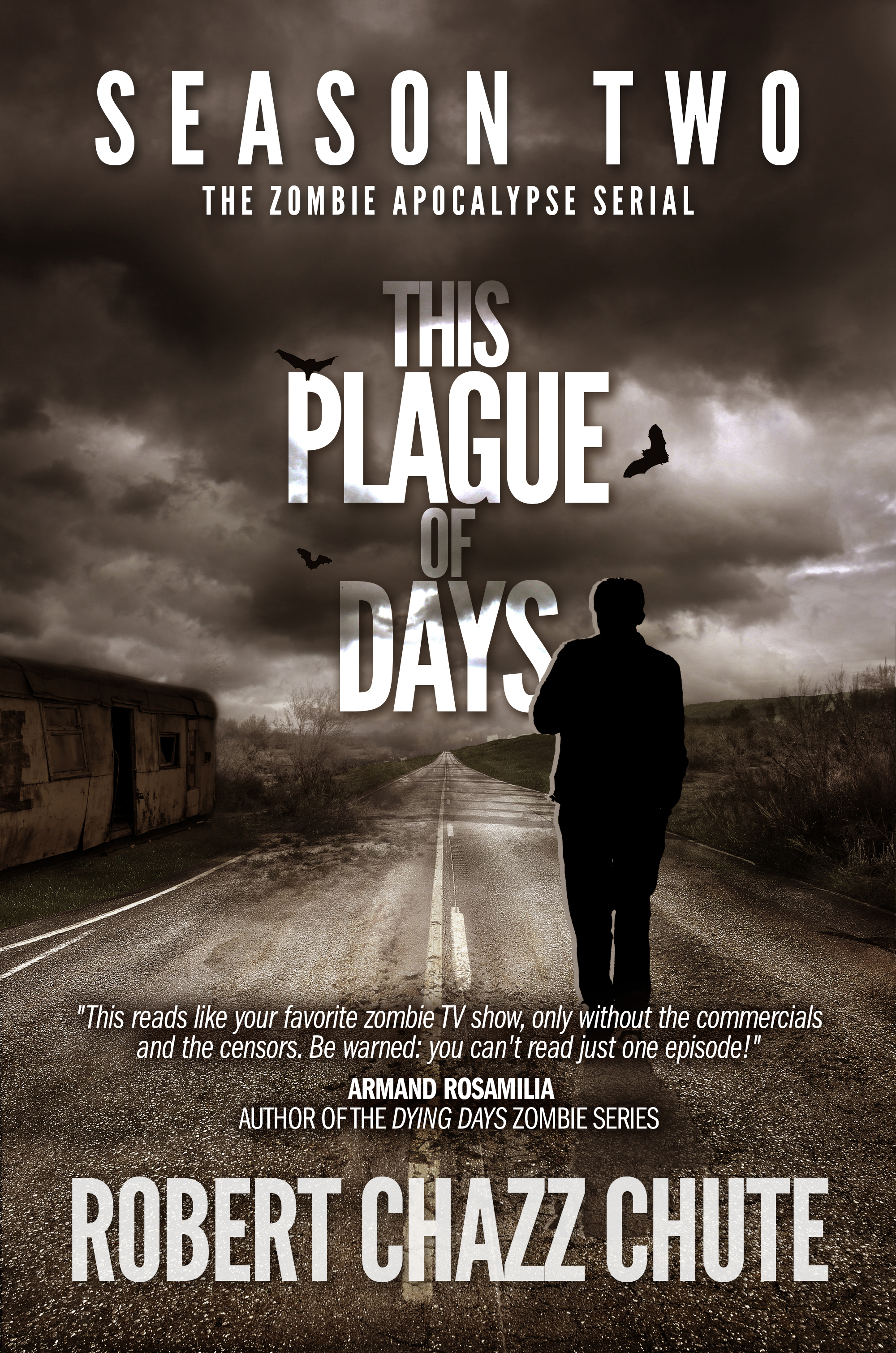
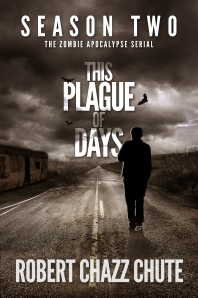
I lost a reader recently who loved Season One of This Plague of Days but didn’t like where Season Two took them. I’m helpless in this regard. I followed where the Art took me and Season Two is markedly different in some aspects. However, for the characters and story to evolve and do things and go places, I had to use different gas in the narrative engine. I promised something different from the usual zombie apocalypse and I’m delivering. Most people dig it. However, it pains me most to lose a reader who loved the first iteration but was less enthused about the next. It saddens me they won’t see the big payoffs on the way in Season Three.

I’m the literary engineer and the conductor, but I’m also a passenger on the Crazy Train. I go where the train takes me to the end of the line. I wonder how many fellow passengers I’ll have at the last stop?

This is why we all need those fans to nurture us in return.

People will buy your stories or not, but most readers will never say a word to you. As a writer working alone, driving the train through the night? It’s lonely work. We go through long, black tunnels between books. In the dark, every engineer looks back into the quiet train and wonders, Is anyone really still back there?

*Note: It’s not you, the writer, who should be hated. It’s a book, not genocide, though some people come on so strong in their negative reviews, you’d think babies were being slaughtered with each chapter.

It is legitimate to dislike a book, of course. But readers don’t generally distinguish a book from its author. Neither do authors. When we see a bad review, we don’t think, Oh, they didn’t like that book. We think, She hates me. She probably does. A lot of people are that harsh, for one thing. Also, since your book is a product of your mind, so naturally we identify with our work.

**Unsegmented refers to mailing lists where the subscriber doesn’t identify which genres they’re interested in hearing about. Send your romance sample out to everyone and a bunch of readers will grab it and dislike it because they signed up for steampunk and wouldn’t read a romance with a gun to their head.

~ I’m Robert Chazz Chute. I write a bunch of stuff that’s funny and suspenseful and strange. I’d tell you more, but I have to dash off to be ignored and invisible in a totally different field. See my books here. Buy them, even. Thanks.

Filed under: author platform, book marketing, publishing, , , , , , , , , ,

How to ignore your blog and still get lots of traffic

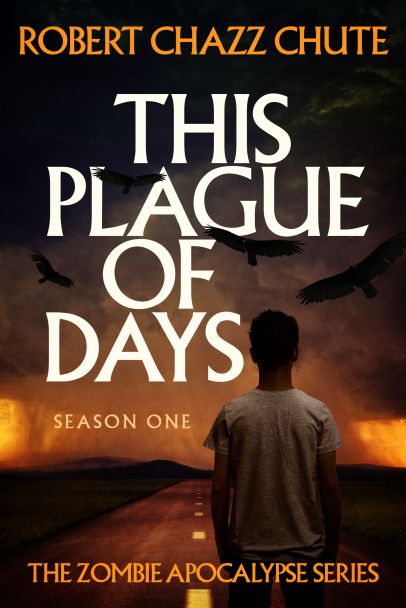
Season One of This Plague of Days is the siege.

Season One of This Plague of Days is the siege.

I have six blogs and two podcasts. I admit that’s insane, but let’s move on from that briskly and let me tell you about the nice surprise that spurred this post.

I did something that, in the podcast world, is frowned upon. Until last week I hadn’t put out a new show since August. (Letting a show dwindle like that is called “pod fade”.) When I looked at my time management issues in the prep for the launch of This Plague of Days, something had to be deleted from my schedule. I pulled back the throttle on podcasting temporarily.

Just like with blogging, the less you put out into the universe, the less you get back. It’s smart to send up flares and broadcast signals frequently so we can escape anonymity and indifference.

Here’s the surprise.

When I published my All That Chazz podcast last week, I didn’t want to look at the numbers. I clicked on my stats, prepared to wince. Listenership had dropped, but it wasn’t the dreaded flatline I expected. I also know why.

Here are the usual tools for signal amplification for any blog:

Season 2 is the quest.

Season 2 is the quest.

1. Write great headlines.

The words “how to” and “review” are particularly strong link bait. Have a look through my blog for headline ideas. They aren’t all killers, but generally I think they’re pretty sexy.

2. Write great content.

Everybody says this, but it’s not very valuable advice. Lots of gurus in the “content is king” crowd don’t write great content. Nobody sits at their keyboard planning to write lousy posts. My suggestion is more specific: Be useful or be funny. If you can do both? Even better.

3. Triberr.

Being on Triberr definitely helps me get the word out. I know there are detractors. The detractors typically get less traffic. It doesn’t pay to be too shy and helping others always helps you, even if you don’t grok the kind karma connection immediately.

4. Overshare from the heart and get lucky. 

It’s better to write more, of course. When you fire more shots, sometimes you get lucky and hit a distant target.

I wrote a post about the frustrations of publishing and the joys of writing that got picked up by The Passive Voice last week. When a big site reblogs your work, you’re introduced to people who have never heard of you. I got my best stats on that blog by writing this post: This is the post I shouldn’t write. I shouldn’t, therefore I must.

5. Give people what they came for.

Posts that are too short feel like a cheat. Posts that are too long aren’t read. Posts that drag out the suspense too long are irritating, so here’s what you came for:

Tweet Old Post is a plug-in that works while I’m sleeping. There are over 1200 posts on ChazzWrites alone. The plug-in pulls old posts up and tweets them to the universe. That’s how my podcast was still alive when I came back to it. I had 81 episodes of All That Chazz still firing through Twitter and getting retweeted because of my headlines. (I’ve also got a lot of really nice followers on Twitter. Join us @rchazzchute.)

With this plug-in, you can post by category. Sometimes dated content slips through my filter.  (Try tweaking your categories so the evergreen content gets fed to Tweet Old Post.) More people find me because of this plug-in. If you have a lot of posts on your blog, they can still keep working for you long after you’ve forgotten about them.

Here’s the description of Tweet Old Post:

“This plugin helps you to keeps your old posts alive by tweeting about them and driving more traffic to them from twitter. It also helps you to promote your content. You can set time and number of tweets to post to drive more traffic.”

Go to your blog dashboard, search the plug-ins for “Tweet Old Post” and install it. Ta-da!

I wrote a post about book formatting frustrations and time management any writer who follows this blog will want to read. For that rant and my time management strategy, click here now.

This Plague of Days 2 E1 0918 AMAZON~ I am Robert Chazz Chute. I write suspense and horror. Episode One of Season Two of This Plague of Days is available at Amazon. You can begin eating this delicious serialized story of an autistic boy versus the end of the world with Ep. 1.

I recommend you cave to my charm and guile and just grab the complete seasons of Season One and Two, but whatever. I will possess your minds, my pretties. I love you for your minds, among other things. No one wants to be loved for their minds alone.

Filed under: author platform, , , , , , , , , , , , , , , , ,

One to read. One to hear. One to love.

“This is the post I shouldn’t write. I shouldn’t therefore I must.”

You know that post I just wrote about being contrary? Sometimes something catches fire when you say what you aren’t supposed to say out loud. It just happened on one of my other blogs, ThisPlagueOfDays.com. It was picked up by the Passive Voice and spread hither and thither. So far I’ve received two stern talking-tos (one of which I didn’t understand), appreciative notes and emails and offers of Prozac. The piece is about writing: the frustrations, the joys and the braingasms. You’re invited to have a look at my heart under the klieg lights.

And the All That Chazz podcast is finally back.

Have a listen if you dare. It’s not safe for work. I touch on control issues, the joys of colonoscopies, and get to an overdue reading from my crime novel Higher Than Jesus.

Oh, and Season Two of This Plague of Days is going great. If you’ve read it but haven’t reviewed it yet, please do. Thanks!

October’s mandates are stacked higher than September’s to-do list, but I’m dancing as fast as I can.

“Have you ever danced with the devil in the pale moonlight? I ask that of all my prey.”

Filed under: author platform, Author profiles, ebooks, Useful writing links, Writers, , , , , , , , , , , , , , , , , ,

Book Marketing Top 10: When less is more

Some marketing efforts are hurt by doing too much. Here are 10 examples:

Season One: Sponsor of the Cool People Podcast.  Can't have just one chip? Season One has five episodes. Get each one for 99 cents or get all of Season One at a discount for $3.99. Season Two hits this September.

Season One: Sponsor of the Cool People Podcast.
Can’t have just one chip? Season One has five episodes. Get each one for 99 cents or get all of Season One at a discount for $3.99. Season Two hits this September.

1. First there were big author tours. Then radio. Now, podcast and blogging niches are more effective.

Many marketing efforts benefit from going small, personal and specific. Instead of getting a few minutes on radio (while people are in their cars or having breakfast and definitely not buying) better to get on a podcast. Instead of planes and multi-city tours and paying for plane fare, podcasts yield more exposure to a smaller, targeted and invested audience.

Podcasts are usually easier to access. You’ll get more time and sell more books with a podcast interview than by trying to squeeze in a few words between car ads and the giggling Morning Zoo Crew. 

The same principle applies to blogging. I’d rather be featured by a big book blogger than in a local newspaper. (Ask your dad what a newspaper is. If he’s old enough, he might even still get one.)

2. Curation with commentary from bloggers is valuable. Bots drawing from dozens of tweets are not.

Before I knew what Paper.li was, I emailed someone to thank them for including me in their daily electronic newspaper. I soon realized that there’s nothing special about inclusion by bots in an array of harvested tweets. However, when someone reblogs my posts, that’s a personal recommendation that’s much more effective. (Thanks for all the reblogs, Armand Rosamilia!) When someone gives me the mucho bump of love on Twitter, it means more and helps more. (Thanks for your ongoing support and enthusiasm, Eden Baylee!)

Curation tools like Scoopit! are also valuable, as long as the post includes commentary. The difference is that a human makes those choices. “Set it and forget it” is nice for thermostats, but bleating out content without evaluation and recommendation is craptacular, both for the tweeter, the tweeted and, most importantly, our readers.

3. Too much email contact leads to friction. Ease off.

I have a couple of newsletter subscriptions that hit me daily. They’re too relentless. When I fall behind, the emails pile up in my inbox. I tell myself I’ll get around to reading it all, but deletion is more likely. I do open newsletters that fire at me at a slower rate. Give me a chance to look forward to hearing from you.

How much is too much? Wait until you have something to say, something new to announce or something to offer. Too much rah-rah-rah is so much blah-blah-blah.

Similarly, If you’re relying on book event promotions that arrive in an email blast crammed with other book events, find a way to stand out. My morning Goodreads email feels like a firehose aimed at a teacup. (Sadly, the teacup in this analogy is my brain.) Do something different and approach potential readers in varied ways. When one nail is hit too much, too often, it cracks the wood. (That’s a better analogy!) See Item 5 for what I’m doing differently and Items 7 and 8 for effective e-blast options.

4. Use a professional to get things sorted out.

I was briefly part of an affiliate program on another of my blogs. The product was good, but the program was plagued with technical problems. A day didn’t go by without an update on how said problems were being fixed. Then they weren’t. Again! I dumped the program.

I am an Amazon affiliate on my author site. It’s relatively simple. I get updates from them once a month and each update is relevant to me. That’s what to aim for.

5. Complications make us weary.

Make your offers uncomplicated.

My first draft of my viral video offer (details here) was too complicated. I ran it past a friend who suggested tweaks. I had explained too much and made too many jokes instead of getting right to it. I make a lot of jokes in my books, but when it comes to offers and promotions, people just want to know their rewards and prizes and what they have to do to get them. That’s all.

6. Tweet to content.

I use tweet teams sometimes, but much less than I used to and only for special occasions. We all have book tweet and email fatigue, don’t we? Make your tweets funny or intriguing. Tweet to your blog. Your website is the proper locus of sales. Twitter is not where to sell hard or often. Twitter is a place to help people find good stuff.

This has several positive effects:

Helping people tells them you’re not an ass (and if you are an ass, you can’t hide.)

You build your mailing list on your website, not on Twitter.

Your author site is your public face. Potential readers connect with you there, not through a sales link.

Twitter can still be useful, but when it’s not hooked up to content, readers stop paying attention.

7. Aim at targets.

Bookbub works best as a book promotion service because it doesn’t send out a long list of books to everyone. Bookbub knows what genres subscribers are most interested in. Romance readers don’t get sales copy to horror books. Fewer people receive the message, but those people are more likely to buy and less likely to saddle you with one or two-star reviews because they just aren’t that into you.

in the marketing war for our attention, sniper rifles work at long distances. Shotguns do not.

8. Be choosy.

For the last two days, I’ve done a free promotion of Episode One of This Plague of Days. (The sale ends at midnight and, as I type this, it’s the last few hours of the sale. Grab it free or, if you got this too late, Episode One is only 99 cents so, you know the drill.

I’ve held #1 in Dystopian and #1 in Post-apocalyptic for most of the two-day run. That’s probably mostly due to being chosen as a featured author on Freebooksy. They’re choosy, so their email blasts are taken more seriously than some other book promotion services.

Thanks to everyone who helped me give thousands of copies of Episode One away to spread the word. I appreciate your Facebook entries, tweets and clicks. And I don’t forget who helped me. Sincerely, thank you. I have a lot of friends and allies through this blog and I’m grateful.

9. More text = more confusion.

You’ll notice I have a lot of sales links to the right. This blog has gone through several redesigns over the years and I’ll be renovating again soon. However, the other day as I was researching book promotion services, I ran across a website that was literally like reading a phone book. The crammed type fuzzed the signal to noise. It was nearly unreadable. That’s not a good sign when the blog owners set themselves up as book marketing experts. More white space adds focus and more punch to the text. (See below for my post on blog scanning vs blog reading.)

Crack the Indie Author Code10. Small is an attitude that’s easier to relate to.

My writing and publishing guides are journeys through the mud of independent publishing. I chronicled the struggles more than the success. Success teaches less than mistakes can. I was (and continue to be) very honest about my mistakes over the last couple of years of steering the Ex Parte Press imprint. Instead of telling anyone what to do, I did research and gave opinions and examples. I experimented. I tell you what worked for me and what didn’t work. I’m just now beginning to feel like I have a solid idea of what I’m doing. Mostly because now we have more tools at our disposal than we used to have. Independent publishing has matured.

We’re walking together to find our way here. I don’t listen to some experts because their viewpoints come from such a different experience. One indie guru’s solution to marketing problems is to throw money. I don’t know what he’s talking about or to whom. Others are well-established because they came to self-publishing early with trad publishing inertia and lineage mojo. 

They aren’t us. We’re small, but we are getting bigger.

We’re getting traction. We have better tools now and we’re honing them.

No matter what, we’ll remember where we came from and the friends who helped us up and out.


Filed under: blogs & blogging, book marketing, book trailer, Books, getting it done, Publicity & Promotion, publishing, , , , , , , , , , , , , , , , , ,

Authors and Publishers: Six things to do immediately to get more readers and keep them

We are in a battle for attention. Here are three things to consider today to get readers’ attention and keep it:

1. List posts, like this one, are popular because they are easier for readers to scan. (They’re also pretty quick to write.)

2. There’s a good chance your blog posts are too long. Mine often have been. I changed that once I realized how few people give blogs a deep reading. You probably aren’t reading this. You’re scanning this for what you can use.

3. I put the font for this blog in bold after a few readers complained the font was thin. Some readers, either because of their devices or their eyesight, still had problems reading the font. I bumped it up again.

4. When you write a blog post, you often have the option of adding links outside your blog. Click the underlined word and blog readers get whisked away for more on “kerning” and its history. I used to do that within blog posts but not now. Those links are excuses for readers to put their attention elsewhere. If they need something explained, explain it for them. I still provide related articles at the bottom of most posts for added value. New readers often find me through those links.

5. Go to your author profile on whatever sales platforms you use. Shorten it. I wrote a hilarious profile for Amazon. It was funny and informative, but it wasn’t doing its job because it was too long. People want to know enough to have confidence you could write an informative or entertaining book. Leave some mystery and make it an invitation instead of forcing the full bodacious on them all at once. If they want to know more about me, they can visit my author site or (gasp!) purchase my books. We want browsers to read our books, but they’re merely scanning our author profiles, if that.

6. Add video. Your blog is a charging at us too hard on the first date and it’s intimidating.

You’ll notice a new feature at the top of this blog on the main page. A spokesperson tells you about some of my websites and the free ebook promotional offer. I added the text to the video for added punch. Since adding the video a couple of nights ago, traffic to my author site has risen 66 percent.

New visitors will stay if you use video to welcome them and get them acclimated to what you’re about. Regular visitors will discover something about you they didn’t know. We’re visual creatures and people are used to taking in information that way. Too much text all at once puts them off. Text is for books. (I use a spokesperson for the  Cool People Podcast page, too. “What? You have two podcasts, Chazz?” See, somebody found out something new already. Notice, I’m tickling their ears with yet another medium: podcast.) For my author site, I’ll soon add a personal message from me instead of using a spokesperson.

To win eyeballs, hearts and minds, heavy text isn’t the answer. That’s for book readin’!

More white space and YouTube helps readers discover how awesome you are.

Robert Chazz Chute

Robert Chazz Chute

~ Add an author profile, pic or note (like this one) at the end of your blog posts, too, if you want. Glad you found me!

I’m a former journalist and columnist who has worked in all aspects of book and magazine publishing. Have you checked out all the cool videos and excerpts from my book about an autistic boy facing the end of the world? Go to ThisPlagueOfDays.com to learn more about my serial. Looking to lose weight and be healthier? Check out another of my blogs, DescisionToChange.com.

Filed under: author platform, blogs & blogging, book marketing, publishing, , , , , , , , , , , , , , ,

Bestseller with over 1,000 reviews!
Winner of the North Street Book Prize, Reader's Favorite, the
Literary Titan Award, the Hollywood Book Festival, and the
New York Book Festival.

http://mybook.to/OurZombieHours
A NEW ZOMBIE ANTHOLOGY

Winner of Writer's Digest's 2014 Honorable Mention in Self-published Ebook Awards in Genre

The first 81 lessons to get your Buffy on

More lessons to help you survive Armageddon

"You will laugh your ass off!" ~ Maxwell Cynn, author of Cybergrrl

Available now!

Fast-paced terror, new threats, more twists.

An autistic boy versus our world in free fall

Suspense to melt your face and play with your brain.

Action like a Guy Ritchie film. Funny like Woody Allen when he was funny.

Jesus: Sexier and even more addicted to love.

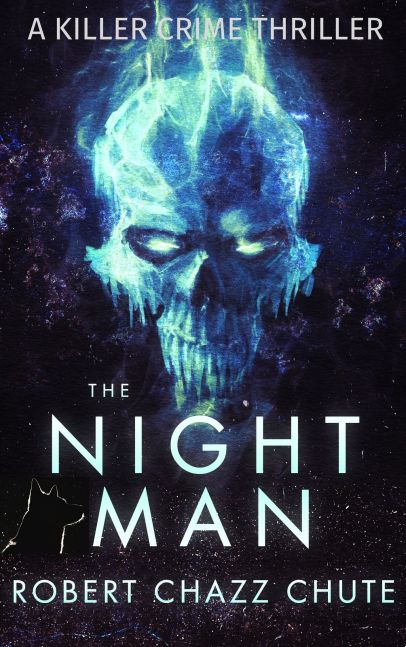
You can pick this ebook up for free today at this link: http://bit.ly/TheNightMan

Join my inner circle at AllThatChazz.com

See my books, blogs, links and podcasts.

Enter your email address to follow this blog and receive notifications of new posts by email.

Join 2,063 other subscribers