C h a z z W r i t e s . c o m

See all my books at AllThatChazz.com.

When Readers Wander Away

Readers wander away.

There’s so much new and shiny stuff out there. There are new word confections to smell and taste, luring readers away from The Magic That is You. Let’s talk about reader attrition and how to combat it because keeping an old reader, fan, friend, client or spouse is easier (and less expensive) than gaining a new one.

I used to listen to all of the Smodcast podcast network religiously. Then I wandered away to get lost in the labyrinth of choice. I subscribe to more than 100 podcasts. Smodcast had some funny stuff, but I’m more into news and politics as the world blows up in slow motion, so I moved on to the plethora.

Almost everybody moves on.
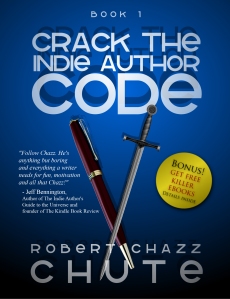
Crack the Indie Author CodeAudiences are fluid. In my first book on writing and publishing, I said ten percent of people love you no matter what you do and ten percent hate you no matter what you do. The remaining eighty percent are consumers who may enjoy what you offer them, but they aren’t committing to the long haul. The passengers you have on the Crazy Train now won’t be aboard at the last station.

Confession Time

This week I went through boxes of files looking up addresses of former clients for my new business venture. It felt like cavorting in the Huge Catalogue of My Carnival of Past Failures. I had names in there I didn’t recognize. There were a bunch of clients I saw, once, years ago. Another group saw me a few times and they felt that was plenty. People move, lose jobs, get new ones, divorce, move again, remarry, forget about us and die. I probably pushed a few away by not nodding on cue, too. I’m lousy at that. I wonder how many of those addresses aren’t dead and stale?

In the end, I came up with a minute mailing list of hardcore fans and a few fringe possibilities. Twenty years in the business and to count the letters I’m sending out? You could count them all on your fingers and toes…but not all your toes.

Nurture the readers who think of themselves as fans.

The people who dig what you do? We all dig them back. Fans are awesome. They’re helpful and they’re motivated to leave reviews and they get us. Engage them. And why wouldn’t you? They’re fun and they know where you’re coming from so you have lots to talk about.

Fans are the people who are most like you. Our minds connect.

Be tolerant of people who don’t get you. 

You can even welcome these folks because most of them don’t hate you.* These people can change their minds. They might take you or they might leave you. They aren’t invested in you, but they might buy what you’re selling.

Ignore haters

They won’t change their minds because they hate everything. Hate is all they have and most of them can’t even be funny about it because they’re serotonin-disenfranchised. Haters are in no one’s demographic and they’re already cursed enough. They’re unhappy and it’s not really about you. The poor things can’t seem to enjoy anything. Move on quickly and don’t let them get any of their default setting on you. 

Own a genre

If I had to do it all again, I’d focus on one genre and write only that. That’s not how my mind works, but that’s my problem. I’d also write series exclusively. Preferably I’d set out to claim a beachhead in a big, well-read genre. (Read: Hardboiled with jokes wasn’t a big enough genre.) 
My luckless hit man is a funny guy in big trouble.

My luckless hit man is a funny guy in big trouble.

When you get lost in the woods, experts tell you to stay in one spot so you can be found. Same with literature. Moving targets, unless you’re Isaac Asimov forty years ago, are harder to find.

Go out of your way to find new readers and maybe even fans.

Facebook is the place to nurture community. Twitter is the place to find new people, discover new things and begin conversations. LinkedIn is where you go for people to talk at each other and say how everyone’s doing everything wrong in order to impress potential employers. (Sorry. That was my experience.)

Bookbub is hot. Author Marketing Club is hot. Publicists with small lists or lists that are too general and unsegmented** are cold. 

Write more quality books.

With each book, we get better. We refine our style and process. Write more. Be better. Build a bigger fire so the rescuers can find you.

Be different enough that you stand out.

People love identifiable genres that challenge expectations. Everyone loves “same thing only different.” It makes them comfortable, and you discoverable, without boring them. I’ve already said enough about this in previous posts, and this post is too long, so…

Go where readers are.

Writers are excited to meet with other writers. Meeting readers often freaks us out. Feel the fear and poop your pants anyway. It’ll make a great story. Do signings, readings, conventions (for readers) and get a business card with your hottest book cover on it. Everyone has hot and cold runs. Make sure readers get a chance to remember you at the top of the hill so you have some inertia to get up the next hill.

Be honest, but be nice. Be a person.

From the I-shouldn’t-have-to-say-this Department: Jerks around the world try to justify the jerkiness with, “I’m just being honest.” Probably a lie. Chances are, they’re just being mean to make themselves feel better.

A blogger I’ve followed a long time lost me today. I detected a mean tone in something they wrote that didn’t sit right and gave me indigestion. It didn’t sound like they were trying to be helpful and the smart and funny didn’t outweigh the nastiness. I need more positivity in my life. I’m a bit low on serotonin, too. Goodbye, blogger.

You’re supposed to lose some readers.

The only thing you can depend on is Change. As you progress as an artist, a bunch who did like you won’t be along for the whole trip. Maybe you switched to a genre they don’t read. Maybe they’re the sort of people who prefer bands “before they sell out.” (Read: “…before they become popular” or “before they repeat themselves too much.”) Maybe they only love underdogs or you squeaked out too much happiness when your book took off and now they feel resentment. Maybe they outgrew you or vice versa. Perhaps we aren’t so awesome after all and don’t deserve them. Not every book is going to be a home run and that’s where some readers will step off.

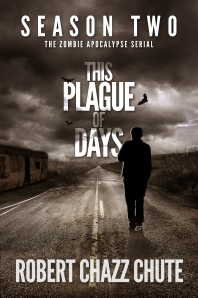
I lost a reader recently who loved Season One of This Plague of Days but didn’t like where Season Two took them. I’m helpless in this regard. I followed where the Art took me and Season Two is markedly different in some aspects. However, for the characters and story to evolve and do things and go places, I had to use different gas in the narrative engine. I promised something different from the usual zombie apocalypse and I’m delivering. Most people dig it. However, it pains me most to lose a reader who loved the first iteration but was less enthused about the next. It saddens me they won’t see the big payoffs on the way in Season Three.

I’m the literary engineer and the conductor, but I’m also a passenger on the Crazy Train. I go where the train takes me to the end of the line. I wonder how many fellow passengers I’ll have at the last stop?

This is why we all need those fans to nurture us in return.

People will buy your stories or not, but most readers will never say a word to you. As a writer working alone, driving the train through the night? It’s lonely work. We go through long, black tunnels between books. In the dark, every engineer looks back into the quiet train and wonders, Is anyone really still back there?

*Note: It’s not you, the writer, who should be hated. It’s a book, not genocide, though some people come on so strong in their negative reviews, you’d think babies were being slaughtered with each chapter.

It is legitimate to dislike a book, of course. But readers don’t generally distinguish a book from its author. Neither do authors. When we see a bad review, we don’t think, Oh, they didn’t like that book. We think, She hates me. She probably does. A lot of people are that harsh, for one thing. Also, since your book is a product of your mind, so naturally we identify with our work.

**Unsegmented refers to mailing lists where the subscriber doesn’t identify which genres they’re interested in hearing about. Send your romance sample out to everyone and a bunch of readers will grab it and dislike it because they signed up for steampunk and wouldn’t read a romance with a gun to their head.

~ I’m Robert Chazz Chute. I write a bunch of stuff that’s funny and suspenseful and strange. I’d tell you more, but I have to dash off to be ignored and invisible in a totally different field. See my books here. Buy them, even. Thanks.

Filed under: author platform, book marketing, publishing, , , , , , , , , ,

NaNoWriMo isn’t bad. You are.

One neurotic fellow worried, in public, about National Novel Writing Month (NaNoWriMo.) 

Worry 1

“If it goes really well, I’d be embarrassed to admit the published book started with NaNoWriMo.”

Yes, this was actually a concern. That sounds silly to me, but putting aside the snobby subtext, let’s answer that. More than 100 published novels have emerged from NaNoWriMo beginnings and I’m sure the authors are grateful for the kick start NaNo supplied. If you need a kick in the pants, NaNoWriMo can help make a solitary pursuit feel more gentle with the support of an enthusiastic community. Whatever helps you get past the time management hump and into actually writing is peachy with me. Starting is hard.

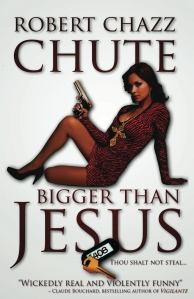
I’m working on a novel that emerged from a short story in Murders Among Dead Trees. That happens a lot. Bigger Than Jesus and Higher Than Jesus were born from a short story in Self-help for Stoners.

Book ideas come from lots of places. We shouldn’t be embarrassed about process. Instead, embrace what works for you. Otherwise, you get lost chasing your tail. If you must be embarrassed about something, worry about how much autobiographical source material you’re using from that series of bad decisions you made in Vegas.

Or, how about this answer? Don’t be a poo.

Worry 2

“The problem with NaNoWriMo is people think they’ll have a novel at the end of it.”

No, they don’t. NaNoWriMo has warned about this syndrome from the beginning. Most people write to join in the fun and to share support they have no other month of the year. Most people know what these moralizing purists refuse to acknowledge: 

A. Non-writers, novices and aspiring writers are often (oh my Thor!) just as smart as any purist.

B. Writing is the opposite of rocket science. It’s an associative process of making neural connections in new ways that expresses a basic human capacity for creativity. There are good writers and unskilled writers, but ignorance does not equal stupidity. Take the Art seriously, sure, but writers should not take themselves so seriously. It’s supposed to be fun and engaging and many people can do it.

C. Critics of NaNo poop on the participants and say they’re wasting their time. Are all the hobbyist painters wasting their time, too? It’s their time to enjoy wasting. Stop being nasty to NaNoWriMo. You don’t sound noble and professional. You sound insecure about competition from upstarts who dare to pick up a pen, just like you must have done once. 

D. We all know this is just a quick, first draft that will later be expanded, rewritten, pummelled and edited. In most cases, it won’t be submitted or published anywhere, ever. It’s just a start, a challenge, an experiment. Its value is that you can’t edit and improve what isn’t on the page.

This straw man is trotted out for burning each November when oh-so-serious people who write in one way (i.e. like they’re constipated and too fascinated with their leavings) insist that everybody have the same process.*

Yes, some people refuse to acknowledge that their first draft is not great. I’m sure there are even a few people who fire off their first draft of 50,001 words to an agent. But so many people participate in NaNoWriMo, there are bound to be a few novices too sure of their greatness who refuse to follow instructions.

Let’s stop being mean, have a laugh and have a go if you want.

The first time I attempted NaNoWriMo, I didn’t make it to 50,000 words and I was left with a partial manuscript I didn’t like. The second time, I did complete the challenge. Now I don’t do NaNoWriMo because I write no matter what, at least 2,000 words a day. Nothing against NaNo. It’s simply that participating fully would add a stovepipe to my outhouse and the days are short.

Now, on to more troubling questions:

What’s with all the toilet analogies, Chazz?

*This post is based on actual objections to NaNoWriMo. Not all critics of NaNoWriMo deserve the thrashing I’m pointing at one particular critic. If it’s simply not for you, that’s peachy, too. In defence of NaNo, I wrote the inspired imagery with the word “constipated” in it the first time, without revising a word.

Filed under: NanNoWriMo, Writers, writing tips, , , , , ,

Writers, Readers, Nonsense and the Perpetual War on Anonymity

I have secrets to reveal about the true source of my fearsome power. And jokes. And weird East Coast expressions. Click the cover to get that article.

I have secrets to reveal about the true source of my fearsome power. And jokes. And weird East Coast expressions. Click the cover to get that article.

We complain about having to market our books. It is tough and I wish there were more and better missiles for the War on Anonymity. A few things to keep in mind:

1. Traditional or self-published, you’re still stuck doing most of your own publicity. No one will save you. You’ll have to save yourself. If you’re in the right mood, that statement can, theoretically, feel empowering.

2. Some strategies won’t work. Dump them and move on. You will, however, have to make some forays and investments here and there. Don’t let holding on to a little money now hold you back from making more money later. The risk-averse always arrive late to the party after all the daring, beautiful people have gone home with each other for a Chess Orgy…or whatever it is the beautiful people do.

3. You are not above marketing. I mean, unless you don’t care if anyone reads your work. Hm…actually, that would be quite freeing.

4. Everybody can and should do something to sell their books. Too shy does not serve you. Bookbub costs money, sure, but it’s effective. There’s also a lot you can do that costs nothing but time. I’m doing it right now and you’re watching. Is it hot in here, or is it just you?

5. When something is less effective than it used to be (Bookbub, KDP Select, pleading for sex) that doesn’t mean it’s not at all effective. You may have to spank your rump harder to get going, that’s all. 

6. When I see those tweets from collectives trying to sell books for authors, more often than not, I’m turned off.

By the way, Crack the Indie Author Code 2nd Edition is out in paperback at $9.99. Smaller format, same old information if you need a NaNoWriMo kick in the inspiration. With jokes.

By the way, Crack the Indie Author Code 2nd Edition is out in paperback at $9.99. Smaller format, same old information if you need a NaNoWriMo kick in the inspiration. With jokes.

Sorry, it’s a visceral thing that is not routed through my brain. I’m not saying they’re all bad or that you shouldn’t use those services. It’s that image of one person acting relentlessly enthusiastic about the constant steam of recommended books that bothers me. Equally enthusiastic and paid to be so. It doesn’t feel organic.

I would say that if outsourcing to others is your only strategy, your rocket needs more fuel.

7. The best is when an actual reader loves your neuro-fudge book mojo so much, she has to spread the word to share the adventure to her friends so she will, in turn, gain love, respect and immortal life. Word of mouth is the hardest cake to find, but it’s the tastiest. You start by asking friends to read your book. If you’re like me, you run out of friends fast, so you have to get used to engaging strangers. I’ve made a lot of friends out of strangers lately. I like it. I wish I’d known how to chat in high school.

Facebook is your friend (except, of course, when Facebook is evil.)

8. Stop just looking for mentions of your Twitter handle and go discover more people through Twitter.

Blogs lie there, hoping to be discovered. Blogs used to be so come-hither and stick your tongue in my…um…ear. Now blogs are feeling entitled to the attention they no longer receive, getting drunk and screaming at the DJ to play Copacabana. (See, this is a blog and you’re losing interest now, but I’ll mention Silver Surfer, Klingon and a date gone bad soon, so read to the end.)

With Twitter, you go find people who are talking about your areas of interest. I’m fascinated by neurology, psychology, brutish and funny poetry, autism, comedians, alternative health, weird facts, pathology, writing, publishing and righteous vengeance as a lifestyle choice. I will never run out of new strangers who might become friends. You won’t, either. We’re writers. We’re at least a little interested in lots of things. (Search hashtag #zombies and #vampires and #agoraphobia, #writing, #insomnia, #anxiety, #depression and #headaches, slam-bam-boom…the info-cornucopia only ends when the EEG is a flat line and your heirs start arguing over your Hummel figurines.)

Aren't you sick to death of me telling you what to do? Click the cover to read jokes and confessions about my life in Not-Maine.

Aren’t you sick to death of me telling you what to do? Click the cover to read jokes and confessions about my life in Not-Maine.

9. Big-time authors who have an assistant tweet for them? Nobody’s “big-time” enough for that. Galactus could write a book and (even though he’s his herald!), if the Silver Surfer tweets about Eating Planets for Fun and Profit, we riot and unfollow.

10. There are dozens of technological solutions to most of your marketing problems, but you have to get out there. I appear, at times, curmudgeonly and a contrarian. The jokes make that easier to take…in short bursts. No technological solutions can help you if you’re a pain all the time. Don’t do that.

Do this: Be friendly. The more readers you gain, the easier it is to be friendly. Get out on Twitter and meet people. Learn about them. I like learning things. That’s an excellent place to start, and think of all the high school trauma I could have avoided if I’d known how to talk to humans.

Also, get off Twitter and meet real people at book signings, fairs, conventions and readings. Be the best you that you can attain and all that rah-rah Anthony Giant Within Robbins stuff. (Hey, that works for some cult members!)

I rush in where devils fear to tread.

On November 14 at 7 pm I’ll be interacting with actual humans in the Meatspace of London, Ontario’s Central Library. Author Mark Rayner and I will give readings and answer questions about publishing, writing and discuss the people of Whoville and how we can fight The Great Suessian Nostril Menace.

I will drink champagne from an old lady’s boot while doing a ventriloquist act with Mark on my knee. Then he’ll breakdance for about two hours straight while I recite Klingon love poetry. We work without a net, so if you’re in the area and want to see me stammer while being bludgeoned, this is the best blunt force trauma event of the night. (Lesser blunt force trauma will be at play after the show at Joe Kool’s.)

Last chance to read the blog post about Not-Maine. People with ten toes will want to check this out. Unless all the toes are on one foot. Those freaks need to move out from under the power lines and then click the link and get a few grim laughs at ThisPlagueOfDays.com.

~ Not to be too forward, but you’re very attractive and I’m feeling very drawn to you. Feeling down and vulnerable and mad at your dad? Oh, good! I thought you looked like the sort of adventurous person who needs something special tonight. The way that dress clings…I mean…wow, have you even tried fabric softener? How about you come with me? You can lie down, put some Nina Simone on low so she won’t burn, and have a sweet, hot book. C’mon back to my place. The drinks are on the bar and the books are in the sidebar. I’m Robert, by the way. Robert Chazz Chute…Isn’t that last name quite unfortunate? Buy my nonsense! Hold my books! Ease the pain…sir? It’s one night early for Halloween. I didn’t recognize you in that dress…dad. Well, this got awkward fast.

Filed under: author platform, , , , , , , , , , , , , , , , , , , ,

Top Ten for Writers: What matters?

1. Don’t take a paragraph (or a whole post!) to apologize for not posting to your blog recently. They didn’t notice your absence. You have their eyeballs for a few seconds now. Don’t waste their time with throat-clearing or they’ll click away because you don’t have anything to say.

2. “Cover reveals” don’t attract anyone but the people who are already into you. They might not hurt. I’m saying they don’t help. Find a topic that matters to you and your readers instead. To spin an old quote, mere familiarity breeds contempt, but commonality makes friends.

3. Character interviews may be interesting to a few people, but only after they’ve read your book. It gets no new readers. Character is revealed through dialogue and action within the book. In promoting a book, it’s boring without narrative content and context.

A better suggestion:

Soon I’ll interview author Mark Rayner for the Cool People Podcast. When I asked him what he’d like to talk about, he didn’t say his characters, publishing or his writing process. He wants to talk about the themes of his book. I’m looking forward to a cool interview about the singularity and how technology affects all our lives, for good and bad. It’ll be less about him and and his book and more about readers. Then they’ll want to buy The Fridgularity, his funny, smart, entertaining novel.

4. Lose long dedications in ebooks. I’ve done this because I have much for which to be grateful, but it cuts into the online sample. Stick it in the back or put a link to it on your author site. Active links to your websites and other books will expand your circle. Your inner circle will understand.

5. The Table of Contents in your ebook doesn’t have to be in the front. That’s inertial thinking from paper publishing. For fiction, at least, stick it in the rear of the book. They can get to it on their e-reader, if they want it, by hitting “Go to”.

This is especially egregious when you have a long, dark poem as a TOC (as I do in This Plague of Days). It’s something else that cuts into the length of the online sample if it’s up front.

6. Do not complain about the demands of marketing your books. That’s telling readers that trying to reach them is a burden and they are unworthy of your time.

I’m still seeing this. Any potential reader who’s done manual labor, worked retail, been unemployed and/or worked for a boss? Yeah, they all hate you when you complain about being a writer. We have the best job on earth. Even if we aren’t getting paid for it yet, it’s still that awesome.

Instead, do what’s fun for you in otherwise unproductive time, after you’ve hit your word count for the day. If a Twitter account in the voice of your character is fun for you, try that. Unless your character is amazingly funny, profound, unique or wanted for spying by the NSA, it probably won’t pay dividends, but at least you’ll be having fun.

Connect on Facebook with people. My most meaningful interactions probably happen there. Since a reader helped me identify how my Facebook settings shut people out, I’m interacting with more people.

You can even go out and meet people in the real world. I understand non-virtual, human interaction is still a thing. I read about it on the Internet. It sounds dangerous, but you can sell paper books that way.

7. The demands of the work drain our energies so we talk too much about being a writer knocking back coffee. I’ve done it, too, and it’s cliche. Time to say something new. Something about wrestling elementary school teacher-dragons naked maybe. Hm. Gotta work on that metaphor so it sounds less fun.

8. Cramming too much information on your business card doesn’t work. Trying to cram the whole story on your book cover doesn’t work. Any promotional stuff that is too long doesn’t get read. Get your graphic design and white space to do more of the work for you.

The British Special Boat Service’s former motto was “Not by strength but by guile.” Good news! We’re writers! We have the resources to use guile. Writers and small publishers don’t have enough money to attack with strength.

9. Speak with. Engage with readers. Do not talk at readers so much. Talk less about you. Talk more about them. (Nice jammies you’re wearing today, by the way, and I especially like the lacy, red bustier…sir. Better turn off that laptop cam.)

10. Talk more about what you love and less about what you hate.

People enjoy reading about what people hate, but they don’t like the hater or even believe them. For readers to get to know you, they want to know what you’re for and what you read and what you think. Or that you think. Talk about what matters, both to you and to them.

Some writers steer clear of religion and politics for fear of offending.

Sounds like a quick way to be irrelevant and bland.

As a writer, your ability to communicate makes you important to any heavy discussion. You can even contribute as a human being. Your thoughts on violence, poverty and all the ills of the world are far more important than your little writing career. If someone doesn’t read your book because you’re a vegan, for instance, do you really think you’re missing out on a thoughtful and fair review from that person?

Kids are starving and you’re really worried about losing a few reactive sci-fi readers because you’re for X and they’re for Y? Really? Surely the kids are worth losing a few bucks, aren’t they?

I’d rather express my politics on Facebook from time to time. I’d rather win more readers I like. I don’t have to have readers who agree with me about everything. However, I don’t write books for dumb people. Trying to be liked by everyone is chasing a goose into an acid factory that’s on fire. We may be poor and desperate for readers. That doesn’t mean we have to be pathetic.

But yes, it does matter that reasonable readers generally like you. (So follow the Wil Wheaton edict and “Don’t be a dick.”)

I don’t want people to be excited to read the next This Plague of Days. I want them excited to read the next book by Robert Chazz Chute, no matter if I’m writing about zombies or Shakespeare or my funny assassin. Most readers tastes are very genre-specific, but if they like you, they’ll try your other stuff.

I’ve read all of Stephen King’s work except for The Dark Tower stuff. But I did try it. That’s all anyone can ask. After that, it’s down to individual tastes.

So be nice. Be authentic. Be committed to The Good.

And write good stories. Tell the truth through lies. Bypass prejudice and reach their minds by making them laugh first.

Writing good stories will get you more readers. Write great stories and that will come. Or maybe it won’t, but the writing and the stories matter. It matters much less than starving children and nuclear proliferation, but be fully in this world as you create better worlds.

To be heard, we must have something to say that matters to readers.

Filed under: author platform, Writers, writing tips, , , , , , , , , , , , , , , , ,

One to read. One to hear. One to love.

“This is the post I shouldn’t write. I shouldn’t therefore I must.”

You know that post I just wrote about being contrary? Sometimes something catches fire when you say what you aren’t supposed to say out loud. It just happened on one of my other blogs, ThisPlagueOfDays.com. It was picked up by the Passive Voice and spread hither and thither. So far I’ve received two stern talking-tos (one of which I didn’t understand), appreciative notes and emails and offers of Prozac. The piece is about writing: the frustrations, the joys and the braingasms. You’re invited to have a look at my heart under the klieg lights.

And the All That Chazz podcast is finally back.

Have a listen if you dare. It’s not safe for work. I touch on control issues, the joys of colonoscopies, and get to an overdue reading from my crime novel Higher Than Jesus.

Oh, and Season Two of This Plague of Days is going great. If you’ve read it but haven’t reviewed it yet, please do. Thanks!

October’s mandates are stacked higher than September’s to-do list, but I’m dancing as fast as I can.

“Have you ever danced with the devil in the pale moonlight? I ask that of all my prey.”

Filed under: author platform, Author profiles, ebooks, Useful writing links, Writers, , , , , , , , , , , , , , , , , ,

Defying expectations: When going the other way works.

Season Two is out today! To learn more about This Plague of Days, please head over to ThisPlagueOfDays.com. 

To order the book from Amazon, please click the affiliate links in the right sidebar at AllThatChazz.com. Thanks.

Now, on to some wicked confessions of incompetence, poor judgment and a sad lifetime of reflexive defiance.

Defying expectations has not, in general, worked well for me.

At an old job, I was joking with office staff one day. I’m a funny guy. I thought I was killing. Then I looked up and a waiting room full of clients gave me that look. You know that mean look? I smiled and said, “I’m sorry. I was showing too much personality again, wasn’t I?” I wandered away wondering why boring people get to control everything. Yeah. Bad attitude, I’m sure, but don’t boring people run the world? And look what they did with it!

And so it is with books. I have a defiant streak I’d probably do much better without.

Self-help for Stoners is a funny little book of short stories with a few preachy moments. I might have sold more books if I’d ditched that title. But I might have sold less, too. My thinking was, at least I’ll hit an identifiable niche. Try it, for stoners and non-stoners alike.

I was so flummoxed that Self-help didn’t sell more, I compiled my big book of short stories. I put together my award winning stories and, desperate to be taken seriously, made some “serious” fiction. Pathetic lack of confidence on my part. Murders Among Dead Trees has a lot of gems in it. I’m especially proud of the three-star review that acknowledged the great writing but said it’s full of violence and “bizarre themes.” Sounds like a winner to me! It sells worse than “the stoner book.”

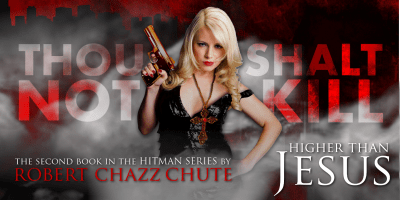
With crime fiction, I called the books Bigger Than Jesus and Higher Than Jesus.

In crime fiction, titles that have to be explained! (It’s pronounced Hay-soose.) Worse? Funny crime fiction! Worse than that? The hero is a Cuban hit man, not a detective. Readers tend to have certain expectations and I defied them with quirky titles that may offend some people at first glance. We usually don’t get a second glance.

I still think those books are fun, fast-paced thrill rides and the people who like them, like them a lot. A pity there aren’t more of those readers, but I’m sure the charm of Jesus Diaz will be discovered over time. In fact, I have several more books planned in the Hit Man Series because apparently I don’t know when to cut my losses. (Try them. They’re damn funny.)

But it turns out having trouble with Authority isn’t bad all the time.

I lost/resigned from another job because I would not bow my head. It’s okay. It was a lousy job and that incident became fodder for Season One of This Plague of Days.

I switched to suspenseful horror with an unconventional zombie serial and lost some rebel cred.

Zombie fans might have hated it because it wasn’t what they expected. Instead, it became a bestseller on Amazon. I made it a serial to further handicap myself, but serialization seems to have worked for me.

A comedian I love by the name of Mike Schmidt named one of his enterprises “The Success is Not An Option Tour”. I love a guy who’s the underdog and Mike’s turned “underdog” into a profession with The 40-year-old Boy Podcast, a CD and flying across the continent to perform his one-man show to a loyal fan base.

I’m not as brave as Mike. I’m make stuff up in a bunker, afraid to go outside. I didn’t set out to proclaim that success is not an option, spit Life in the eye and try to make a living out of attracting chaos and making fine comedy out of it. When I wrote my books, my reasoning was, “That’s weird and different enough to grab eyeballs.”

How weird and different? In Season One, it’s a slow build. I didn’t start in the middle of the action. I showed how the plague began and developed and it didn’t even start with a zombie virus. It started with a world flu pandemic. All the zombie action remains in Europe until Season Two! (Out now. Did I mention that? Right. Good.)

You want weirder? I’ll give you weirder.

The protagonist is a boy on the autism spectrum. Most heroes in zombie books are gun-totin’ ex-military types. Instead, Jaimie Spencer is a selective mute who’s fascinated with words and dictionaries, especially Latin dictionaries! Also, all the chapter titles? They make up one long, dark poem with twisted clues to the future of the story. Poetry! In a zombie book! The survivors argue about God and struggle with finding compassion and worry about losing their humanity. Not much gun totin’ in Season One.

Hm. Maybe I was setting out to fail and screwed it up. That premise sounds ridiculous!

And yet…writing something unconventional worked this time.

Which takes us back to novelist and screenwriter William Goldman who said of Hollywood, “Nobody knows anything.”

I sure don’t. I was just being me. I was just writing the story that pleased me. I followed the Art.

What readers want?

That’s too nebulous, has too many variables and it’s a moving target. I write for me first. I could try to play it safe, but I really don’t know how. Until they perfect personality transplants, I gotta be me. I’m not bragging. I think it would be easier being somebody else.

Filed under: This Plague of Days, What about Chazz?, What about you?, , , , , , , , , , , , , , , ,

The Secret Alphabet of Independent Publishing

"You will laugh your ass off!" ~ Author of Cybrgrrl, Maxwell Cynn

“You will laugh your ass off!” ~ Author of Cybrgrrl, Maxwell Cynn

A is for All of it, which is what we want. (A used to stand for Agent.)

B is for Book, of course, and ebooks are “real” books, too. Literature is about the content not the container.

C is for Cutting prices. It would be bad for writers, but at 70%, we’re still getting paid more per unit sold than in traditional publishing. Also, price cuts sure make now a great time to be a reader.

D is for Deadlines. Don’t take forever to write your book. More time procrastinating doesn’t make a better book.

E is for E-books on E-readers. But you know your kindle is a transitional device, right? The phones are getting bigger again and tablets are coming down in price. We don’t want a device to do one thing. We want one device to be a web surfer, camera, phone, app catalogue, music box, GPS, ebook reader and best friend on our hip.

F is for Future. It’s the direction to look. If you don’t like it, you can change it whereas the past requires an annoying child named Sherman, a dog named Mister Peabody and a Wayback machine.

G is for Guidelines, because guidelines are malleable. There really aren’t many unbreakable rules worth obsessing over. You already know the rules because they’re obvious or you ignore common sense or you’re a slave to unthinking tyranny. The cool kids prefer more options.

H is for Hope. It’s good to have some, especially in this business. When there’s no reason to have any, that’s when you need it most.

I is for Intermediator. Have as few of these as possible. Upload your books yourself if you can, or get help from an independent contractor. This will allow you more choices of forks down the road.

J is for Just you. The myth and prejudice against independent publishing is that’s it’s just you. You are alone, except for the editors, graphic artist, beta editorial team, volunteers, publicity teams and whoever else you can hire or cajole into helping you get your book discovered. Sure, other than that little cyclone of industry, it’s all you.

K is for Killing characters. Killing someone readers love who they were sure would make it to the end? Delicious. (Note: killing darlings is overrated.)

L is for Love. It’s why we write. If you have other motivations, that’s fine, but releasing dopamine as you create is, like reading, a very rewarding addiction. The biological pharmacy in your brain simulates love. Endorphins won’t land you in a dirty rehab unit with a roommate who won’t stop telling that story about the time he tried to get high on burnt bananas and smoking his own hair.

M is for Money. It can happen, but probably not so don’t write for money. As above, write for love. If money does happen, people will resent you slightly less when you claim you never expected it.

N is for Naysayers. Most of them will never write near as many books as you will. Just say no to naysayers. If you sleep with your naysayer, someone’s in the wrong bed.

O is for the Obsession to know things. It seeps into the writing so you can drench your fiction with non-fiction and trenchant verisimilitude. For instance, This Plague of Days, Season Two weaves the Apocalypse with interesting tidbits about Irish legends, military history and the mortal wounds inflicted by the blue-ringed octopus. Mine is the only zombie/plague/autism story that teaches you Latin in an entertaining way, guaranteed!

P is for Portent. Warnings that something big is about to happen are especially fun when you give readers an earnest warning and they still don’t see it until it coming. They’ll only see the clues in retrospect. Secret trails to revelation and love of language are why people reread books. Do it well and someone might think your book isn’t just suspense, but maybe even “literary” or (praise Thor) “important”.

Q is for Quitting. If the project is wrong, quit. If it’s right and you’re just whining, quit whining and finish it. If you aren’t excited to write this book, find another you will be excited about all the way through or for our sake, please do stop. 

R is for Ripoffs. It’s a minefield out there: Fake agents who try to make money off reading fees; publishers who won’t pay; people who use disreputable business practices and call them policies. (R is also for Research. It’s how to avoid R is for Ripoffs.)

S is for Sustained Action. Promoting your work need not be an exhausting blitz. Dig in for the long game and promote at a slower pace. Don’t promote the same stuff to the same audience all the time lest you exhaust them. Keep writing new books. Don’t pin your hopes to one book. Sure, you might accidentally hitch your wagon to a star, but chances are excellent you’ll hitch your wagon to a stump, especially if this is your first rodeo.

T is for Trying. You’ll hate yourself if you don’t try. Losers will hate you because you did try. That’s why they’re called losers. They work from a different definition of failure than you and I. They confuse boring with winning.

U is for Unpublish. If something isn’t working, take it off the market and replace it with your tweaked story, new cover or new edition. Unlike traditional publishing, you have more options. You can adapt. Ours is a different, more flexible, business model. Use that advantage.

V is for Victory. There is no victory. Banish the concept from your life. There are only ups and downs and we’re all trying to make more ups.

Victory is very useful in fiction, however. Readers want to escape real life’s mundanity so it makes them happier when the protagonist achieves victory at the end of a story.

To go all Conan and see your enemies driven before you and to hear the lamentation of the Evil Mort from Accounting? That’s fiction. Working in a cubicle farm with no hope of retirement while Mort gets promoted and vacations in Brazil? That’s real. The real-life Mort is why we all crave escape into stories.

W is for Wit. They say brevity is wit’s soul, but I can take a pounding of wit in dialogue all day and all night, Mr. Sorkin.

Please note that snark is not quite wit. That’s a blunt tool meant only for peeling the outer layer of flesh. Meanness is the opposite of wit. That’s a blunt fool’s weapon. Wit’s funny and smart. When that sword cuts, we see light flashing down the steel blade. Wit allows the victim to take the hit and nod, “Touché!” with a smile.

X is for X-ray vision. All writers have this power. I can see into purses and pockets and the lives of strangers at the mall. I can work backward or forward to tell you who they are and their story of heartbreak in their senior year of high school. I diagnose disease at a distance. I know what you did last summer. I can give your life history and your death meaning, so do not screw with me.

Z is for Zero. It’s what we’re paid for writing. We are never paid for writing. We write for love, remember? If the money ever arrives, we’re paid for putting up with dehumanizing reviews, pretending to take them well and staying silent about them forever. We’re paid for the sad paperwork at tax time. We’re paid for the sting when someone sneers with casual cruelty, “So, are you a big deal yet?” We’re paid pennies an hour for the sacrifices our loved ones make so we can keep writing. 

Writing a good book is a happy, selfish act for the writer.

We are addicts, helpless in our defiance and desperate to monetize our work so we can have the freedom 

to score more of Creation’s sweet biochemical cascade.

Escape reality. Get high on a story.

~ I am Robert Chazz Chute, the author of Self-help for Stoners and this was the high I was talking about. This Plague of Days, Season Two scintillates brains October 1. Get Season One and check out all my books here. I hope to be your favorite candy man one day.

Filed under: author platform, Publicity & Promotion, publishing, Writers, writing tips, , , , , , , , , , , , , , , , , ,

Writers: Are you sitting on the money?

They call it the Cliff. You can do Author Marketing Club and Bookbub and free promotions and blow giveaways out the digital door. You can even start catching fire and getting traction and selling books for (gasp!) actual money. Then, the fall from grace comes. Sales drop off, often steeply. What happened? You ran off the Cliff. Lots of people do. In this post, we’re going to think about climbing back up and promoting our previous works again (and doing it better this time) because I suspect we’re sitting on money.

I’m rethinking the old marketing paradigm that’s always oriented to what’s new. 

It’s the thing we should question most: accepted wisdom. Despite all my efforts, old wave thinking is still permeating my brain. In traditional publishing, you get a short window to get traction and then the bookstores return your books to the publisherCrack the Indie Author Code for credit. That’s the structure of the short tail market. In long tail marketing, our books are up forever (or at least until the cyber war brings us all low). Still, we tend to think of our books as hitting big (or not) and then the graph points down. We’re mimicking thinking and marketing patterns from traditional wisdom because all old ideas are awesome, right? Oh, wait…

Case #1

I’ve been meaning to do this for a while and by not sleeping, I’m finally getting to it. I pulled Crack the Indie Author Code and Write Your Book, Aspire to Inspire from print. I didn’t like the look of the interior design. I’m fixing them and will make Crack the Indie Author Code available in print again soon. (They’re both still out there as ebooks.)

Self Help for Stoners JPEGCase #2

Self-help for Stoners was my first book. It’s funny and strange and with an intermediary. I used Bookbaby for that collection and I want to get it back at Ex Parte Press and put it out myself. I’m sure I can make it go higher once I have full and instant control of the marketing. I queried Amazon about the process today because I’m afraid of losing the reviews. Either way, I do need to steer my ship and reach out to stoners and non-stoners, alike and anew. (If you’re a Bigger Than Jesus and Higher Than Jesus fan, my luckless Cuban hit man appears first in Self-help for Stoners, by the way.)

This post won’t help you much if you only have one book to sell, but here are my thoughts on renewed marketing efforts: 

If you have one book, write more. No whining,

If you have a backlist, who is to say what’s old and what’s renewable? You’re the one to say.

If you have a bunch of books, I bet you’re a better writer by now. Why not revisit those books and do new editions?

Consider the power of bundling books. You could enliven your Amazon dashboard with more happy green up arrows. Stop sitting on the money.

Lots of people missed your fledgling efforts the first time. You didn’t know what you were doing. Who did? Any book they haven’t read is new to them. 

The most powerful promotions tend to be the first ones. But maybe that’s because we don’t put the same marketing efforts into books we published a couple of years ago. In digital, the term backlist is less relevant. As long as it’s clear it’s a new edition or a new launch or you’ve added material, what’s the problem? 

Maybe those early efforts flopped because you had a lousy cover. Get a new, better cover* and launch it right this time. With all you’ve learned about marketing since your early efforts, it’s bound to do better, right?

Most fiction doesn’t get stale. Our efforts get stale because we want to focus on the new thing. Maybe the old thing is only old in your mind. With some tweaking, a fresh edit and a new campaign, you might have a book people will love and buy. Reuse, recycle, repurpose. Turn short stories into collections. Open up to new possibilities with prequels to your books. Tie books together. Add to your series. Serialize. There’s plenty of fun to be mined in what you’ve already accomplished.

Your problem with these suggestions isn’t necessarily that my head is full of feathers. Your problem is the same as mine. This will take a lot of time and you feel you’ve already covered this ground. But most of us didn’t cover this ground well the first time. There are new promotional tools now. Yes, time management can be tough and we can only do what we can do. But that’s business. We are not special snowflakes, but we’re letting good stuff go cold.

*About good covers, I know a guy. He’s Kit Foster of KitFosterDesign.com. He’s an award-winning graphic artist with an extensive portfolio who works well with indies and traditional publishers. Like my covers? Kit did them all. Check out his site. You’ll be glad you did.

Dark Higher Than Jesus banner ad

Filed under: author platform, Books, ebooks, Publicity & Promotion, publishing, , , , , , , , , , , , , , , , , , , ,

Writers: Are you in the echo chamber?

I love my writing community here. I’ve learned a lot from others and, as indies, we share a lot of information. We’re a generous bunch with each other. I appreciate your comments and participation on my little writing and publishing blog. Because I’m a sweet bunny pooping love everywhere, I have to tell you something with love:

Writers talk to other writers too much. We must talk to readers more.

Let’s make this go down easy by using an example from another industry.

When massage therapists try to figure out their businesses, they ask their peers and senior massage therapists for their opinions. They want to drink from the well of experience. It’s a good notion that frequently goes awry. Their peers are often as clueless as they are and senior therapists either don’t have the same problems or their advice is out of date. Take pricing, for example. They’ll set fees based on what they’d pay. But many massage therapists would never pay for massage. They don’t have enough money or they swap treatments with other therapists. Massage treatment is for people with real jobs and insurance coverage, not us.

Stick with me and hold my hand, because this is about to get uncomfortable.

Writers need to listen to readers more.

Sadly, writers often don’t have much money to spare so we use libraries or search for free a lot. Most of us buy books when we can, but with budgets as tight as they are, we’re often not your audience. As a result, many of our industry’s book prices are artificially depressed. We’re asking the wrong audience what we should do. (I’ve taken this advice. I just raised prices on some of my books and generally, the trend will be up.)

A veteran writer who’s “made it” (whatever that means) often doesn’t know all the variables that contributed to his or her success. If someone coasted to indie success from a high in traditional publishing, they can’t tell you much about the current scene. Precious few people attribute any of their success to luck. It had to be their sheer brilliance. However, many of us are brilliant and we’re still eating boot soup.

So, what not to do?

If you don’t tweet others at all, you may as well be on Mars.

If you rarely check your direct messages, you’re in the bubble.

If you only check your mentions on Twitter, you’re screaming into the echo chamber.

If you follow three people and two of those are your other Twitter accounts, you’re only hearing yourself plus you’re a raging narcissist (and not in a good way).

If you only have conversations with people who don’t buy books, you’re surveying the wrong people.

If you only speak to people who “buy” free books, you’re engaging the wrong audience. (Readers who buy with money instead of a click are often suspicious if your book is priced too low, for instance.)

If you don’t take new information in and seriously consider change, you’re for slavery. (Your own.)

If you do have conversations with readers from time to time and you talk about them, you’re on a smoother path.

If you don’t cultivate supportive friends, you’ll be alone, surrounded by fiends and without a fire ax or holy water.

If you only attend conventions with other writers instead of fans, you’ll have a great time talking to people who agree with you: “Wow, it sure is hard to connect to new readers!”

If you never get out and talk to real people in the real world and only connect with people on a safe and cyber basis, who will you learn to hate so you can kill them in your next novel?

If somebody says, “I prefer paper books,” and you reflexively say, “How Amish of you! Ebooks are the only future!”, that was kind of funny, but you should be listening instead of cracking that same joke open again. It’s rotten on the inside.

If you say all this social engagement is too hard and it takes away from your writing time, I’m sorry. I thought you were writing to be read. Get a calendar or time management software. At least tweet or email during commercials.

If you immediately dismiss everyone with whom you disagree, you’ll never learn the secret to…well, anything really. Plus, you’ll come across as a jerk.

I’m not suggesting you allow me or readers or reviewers or anyone else to run your life. I am saying that if you recognize yourself in this list and it gives you that squirmy squirts feeling, adapt accordingly. Listen.

You should listen to me. I’m a writer.

Filed under: author platform, getting it done, Publicity & Promotion, publishing, Rant, readers, , , , , , , , , , , , , , ,

The World’s End…and our beginning

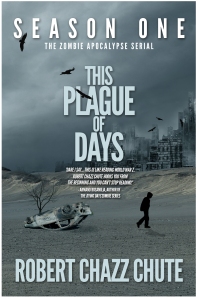
TPOD season 1 ecoverFor most, the last milestone of summer just slipped by. Labor Day’s demise means the end of bikinis, bikini dreams and the return to indoctrination centres. But Time’s notches are  artificial milestones, like New year’s resolutions, your anniversary or waiting to start your new diet on Monday morning. If you need to begin again, now is the time whenever now happens to be.

For instance, don’t wait until it’s your anniversary to send flowers. It’ll mean more because it’s not a special day. Any day can be made special, momentous or mundane. Our choices make it so. Let’s take a moment to think about those important choices and a fun Simon Pegg movie.

I saw The World’s End today.

Mostly, I liked it, especially when it didn’t take itself seriously. However, between that and the trailer for Last Vegas, a depressing theme returns. Last Vegas is old guys “getting the band back together” for one last blowout party before making funeral arrangements.

Even the last Bond movie explored mortality’s dark territory. Note to Hollywood: James Bond getting old is something no Bond movie should ever explore. Bond is timeless, cool and indestructible, just like we wish we were. We want a vicarious thrill ride with babes sporting unlikely names, not a vicarious prostate exam.

Comedies that pound on mortality? That’s a hard target. Getting old and worrying about mortality are what doctor’s appointments are for. When I’m guzzling overpriced popcorn, I don’t want a reminder that my time is limited. If the best is behind us, why go forward unless it’s merely out of habit? (Insert Jack Nicholson impression here: “What if this is as good as it gets?”)

So let’s focus on the positive.  

Defy the forces of Time. Ignore Time’s dictates. Do what you want to do. Often, when we aren’t doing what we want to do, we’re forgetting:

  1. our dreams from childhood.
  2. that our time is limited.
  3. who we are.

Reality check: But most of us can’t do all we want to do.

As per my last post, I have to start another business to shore up Ex Parte Press. But I haven’t forgotten childhood dreams, mortality or who I am. Simon Pegg (whom I love, but geez, man!) wouldn’t let me forget, even as I tried escape into a movie to forget my problems for a couple of hours. It’s not Simon’s fault, though. I identified too much with the film’s immature main character crying out, “We want to be free!” and “They told me when to go to bed!” 

I’m still working toward my dreams and freedom. I’m still writing brain tickles and suspense. I hope you’re undeterred and writing madly, too.

If not, don’t wait.

Begin again.

Now.

Live a life full of new beginnings and you can ignore what happens just before the credits roll.

~ Robert Chazz Chute is the author of a bunch of books. His neural net fires into the dark wildly. He does not wear collars. He eschews ties. If you want an easier, happier life, those are bad bets but a jerk’s gotta do what a jerk’s gotta do.


Filed under: getting it done, publishing, Writers, , , , , , , , , , , , , , , ,

Bestseller with over 1,000 reviews!
Winner of the North Street Book Prize, Reader's Favorite, the
Literary Titan Award, the Hollywood Book Festival, and the
New York Book Festival.

http://mybook.to/OurZombieHours
A NEW ZOMBIE ANTHOLOGY

Winner of Writer's Digest's 2014 Honorable Mention in Self-published Ebook Awards in Genre

The first 81 lessons to get your Buffy on

More lessons to help you survive Armageddon

"You will laugh your ass off!" ~ Maxwell Cynn, author of Cybergrrl

Available now!

Fast-paced terror, new threats, more twists.

An autistic boy versus our world in free fall

Suspense to melt your face and play with your brain.

Action like a Guy Ritchie film. Funny like Woody Allen when he was funny.

Jesus: Sexier and even more addicted to love.

You can pick this ebook up for free today at this link: http://bit.ly/TheNightMan

Join my inner circle at AllThatChazz.com

See my books, blogs, links and podcasts.

Enter your email address to follow this blog and receive notifications of new posts by email.

Join 2,063 other subscribers