C h a z z W r i t e s . c o m

See all my books at AllThatChazz.com.

On Writers, Publishing and Entitlement (with jokes in parentheticals)

This is not a story about titles. You’re thinking of “titling.” We digress today from the relentless cheerfulness and positivity of this blog to have a look at how some in traditional publishing still see us.

But first, since what’s to come triggered a memory of indignity, a story from the trenches: 

I was once a sales rep representing several publishing houses. Hang in there for the big honkin’ point at the end.

Once upon a time I worked for an oh-so-serious publishing house in downtown Toronto. We published oh-so-serious books that were sometimes hard to sell. No surprise. We were Canadian, after all. Worse, we published books that had to sound Canadian, or vaguely British, and not even of the 20th Century. (Told you this was an old war story.)

Unfortunately, the publishing house was close to a then-fairly-famous bookstore. The publisher would take authors out to lunch. On the way back from that hoity-toity lunch, the publisher would take authors to that bookstore to say, “We put your book on that shelf and aren’t we both so lucky to be fabulous swells? No promises on your next novel, but I’ll try to get you a government subsistence grant which I shall pen from my Swiss Chalet.” (Not the chicken restaurant. An actual Swiss Chalet. You get the classist dynamic.)

The publisher, a wealthy glitterati, was draped in diamonds even during the day, not knowing that was gauche and should be reserved for dining at night (with Queen Elizabeth.)

The author, a poverty-stricken member of the lowly literati, wore elbow patches on his ratty old sports jacket. Not to appear avuncular and professorial. To cover actual holes. The ink-stained wretches get the crumbs their betters forget to throw to the dogs. Traditional publishing hasn’t changed that much through the years. (This was the late ’80s. Now, there are no lunches with the wretches. Just ignored emails. Anyway, you get the income inequality dynamic.)

One terrible day, the bookstore tour backfired.

The nearby bookstore did not have the author’s book. We published it and it was not there. (Clutch those pearls. Here’s where it gets ugly.) The bookstore owner, infamous for being a dick, did not order the book in question in any quantity. They weren’t “out”. They didn’t order and didn’t plan to do so. (“Ev-er!” as we used to say.) The publisher was wounded and embarrassed, of course, for herself and for the author. (Soon the rage would be turned on me, your-ever-loving Chazz, so don’t feel too bad for her.)

The dick didn’t want that crap novel in his store, as was his right. He didn’t like the author’s work and he didn’t like the author personally. That was perfectly understandable. Nobody but snobs liked that author’s books and nobody but his mom liked the author. I especially didn’t like him after he threw (as we called it back in the day) “a hissy.”

I was the sales rep to that bookstore. I received the publisher’s anguished memo recounting her horror. The note ended with two words, “What’s wrong?!”

Since she was the boss and also the acquisitions editor for this boring book and this insipid author, naturally, we couldn’t tell her the truth. I wanted to express exactly what I’ve written here since I wasn’t being paid enough to lie. I campaigned for the truth. However, a cooler head prevailed and my immediate boss dragged his sorry ass over to the dick’s bookstore and grovelled to get it in stock.

I felt bad for him. And me. I’d already done my job. I tried to sell the dick a book and he said no and we moved on to the other 100 books in the catalogue because that’s what grown-ups do, even when they hate each other’s guts. (That bookstore is now closed. The dick is still alive. In related news, voodoo dolls do not work. At least they don’t work this far north of the equator.)

The first point is that no one can force any place that sells books into selling any particular book. Free will and freedom and eagles and moose and all that and whatnot. It’s a business and the author in question wasn’t a social fellow. The bookstore owner wasn’t a social fellow. Their poor sales rep (i.e. me) was in the middle and I didn’t appreciate dealing with either of them.

Do I regret my time as a sales rep for big publishing? I’ve learned more as a micro-publisher. As a micro-publisher, I finally found love. Thank you. 

And now…the point: A video to blow your mind.

Today I witnessed a spectacle of what The Passive Guy of The Passive Voice refers to as Amazon Derangement Syndrome. I’m about to provide you a link that shows a lot of things. I see derangement, certainly. Also, a sharp tang of smug even I have never aspired to. On the video you’ll see a lot of fear and other weirdness. Calling Amazon a monopoly when they are merely winning at competition, for instance, is pretty weird.

You will also witness entitlement. Make that Entitlement with a big E. As in, how dare Amazon not carry certain books even though they are available elsewhere? (It wouldn’t actually matter if they weren’t carried elsewhere, by the way. No bookstore carries all books. Not even online bookstores.)

Or how about this one: How dare Amazon sell Big Publishing’s books at the price that’s stamped on their books? The word “democracy” is floated out there willy-nilly. There is a distinct disconnect from reality. There are also a few lies or blind falsehoods and errors. I’ll let you figure out which belongs to whom. (See the comment thread — below — for help with that.)

For every problem Big Publishing has, they have someone else to blame. Well…one thing, actually. It’s always Amazon’s fault. Pay attention to the guy beside the woman who isn’t really moderating the debate. That’s Passive Guy himself AKA the rational one. The rest are very afraid and make few good points. When James Patterson wheels off into something about burning books, I have no clue what the #$@! he is on about. 

Here’s the video of the most lopsided debate ever.

You’ll also find the comment thread over at The Passive Voice illuminating.

Filed under: author platform, book marketing, , , , , , , , , , , , , , , , , , ,

The Business of Writing Top 10: How to have more fun

Have you ever watched shows like World’s Funniest Commercials?

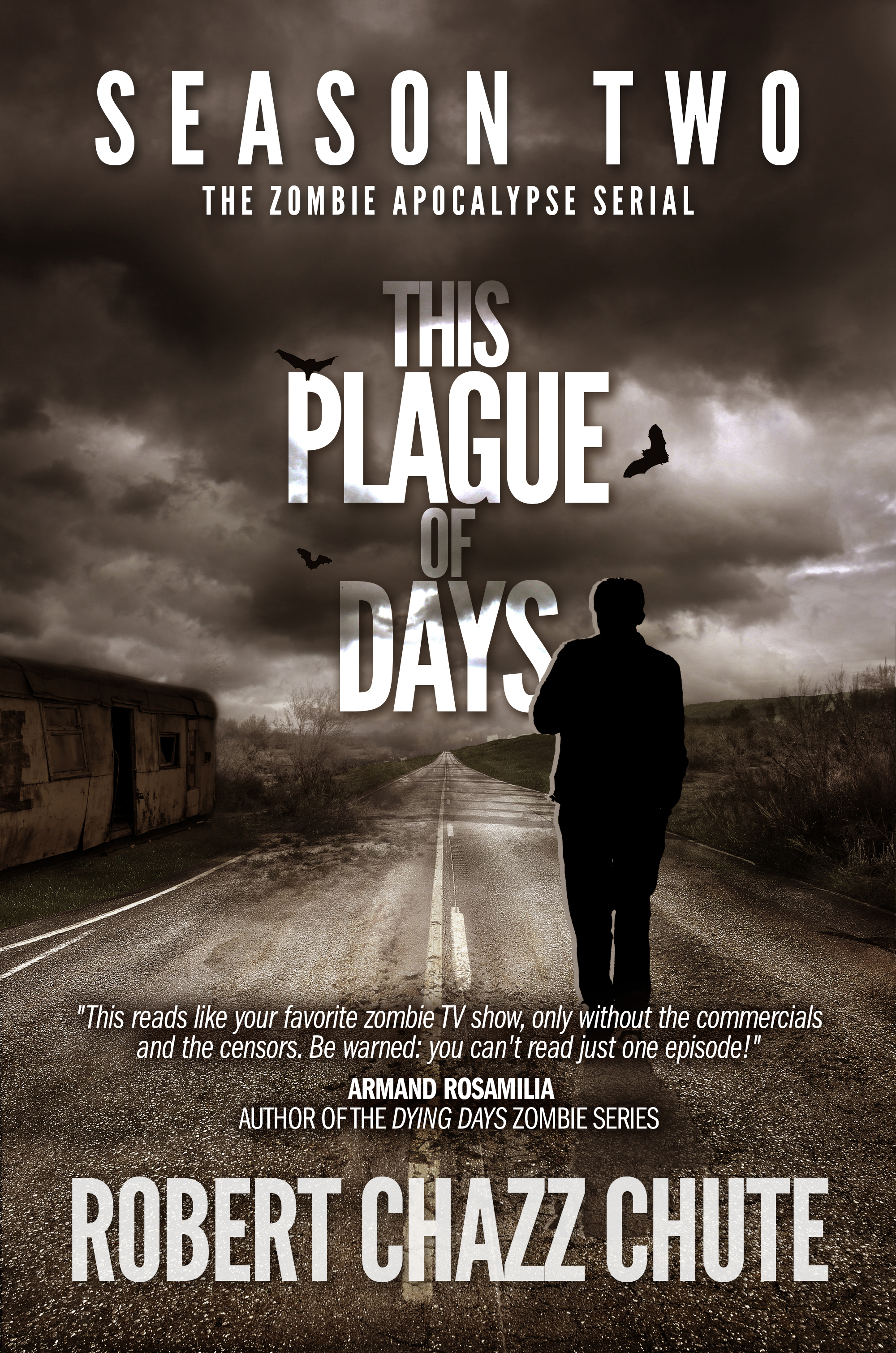
This Plague of Days OMNIBUS (Large)When the show took a commercial break, did you sit on your couch and watch the regular commercials and wonder why they had to be so bland? Or did you go make a sandwich or run for the bathroom? Commercials don’t have to be as bad as they often are. Think of the annual hype around Superbowl commercials. How is it that the rest of the year, commercials are background noise for making sandwiches and flushing? The ad industry should try harder.

And so should we. Book promotion can be fun. We should take fun more seriously.

When we write our books, we are at our best. We’re witty and play with ideas and irony. We tell stories. We’re in the entertainment business. So why lose all that buoyancy when it comes to promoting our work? Advertising is writing, too. Yes, writing back cover blurbs and advertising copy is a somewhat different skill set, but this is not rocket science. Examples of good and bad sales copy are all around us. Emulate what works on you.

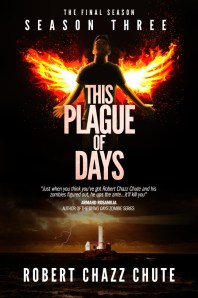
Some copywriters will enthuse that, sure, maybe you can write a book, but leave a couple of paragraphs of sales copy to a professional. That sounds rather convenient and self-serving, doesn’t it? IRobert Chazz Chute This Plague of Days: Season 3 don’t believe it. It’s great to be able to hand off such work to others with confidence, but for most of us, we’re writing our own promotional copy. Let’s loosen up and raise the bar.

If you can write a book, you can promote your work effectively without falling back on the cliché of “Buy my book!” I admit, there are writers who only say “buy my book” on Twitter and they are derided everywhere. I think this happens because no one has given them permission to be as imaginative and bouncy as they are when they write their books. It’s all writing, not a separate challenge. If it feels too different from writing books, it’s probably erring on the side of bland.

This is your permission slip:

1. Have more fun. There’s a reason it’s Rule #1. It’s that important, for you and your readers.

2. Use more pull quotes from your work of genius.

3. Make a joke. Be self-deprecating. Be different. Dare to show some personality. Let the joy leak through from your usual writing.

4. Craft something you’d want to read and act upon as a reader.

5. Relax. This is a marathon, not a sprint. Your sales plan doesn’t have to come together within a week or two of your book launch. Ebooks are forever and there are plenty of kicks at the marketing can ahead.

6. Sell less and interact more. Conversations are good. Blaring at is bad.

7. If you can’t interact, curate.

8. Selling effectively is never about selling. It’s about helping your tribe identify their want and need for you. I’m not here to sell. I’m here to help you buy. Stop being so self-conscious and apologetic about what you’re doing and do what you do in books: Put on a show!

9. Not all books are for everyone. Identify where your readers hang out and go there. Advertising for a niche and to a tribe willing to spread your good word is more important than trying to be all things to all people.

Smile. Rejection is a gift. It relieves you of the stress of dealing with boneheads later.

10. Tell more stories, not just in writing books, but in your promotional efforts, too.

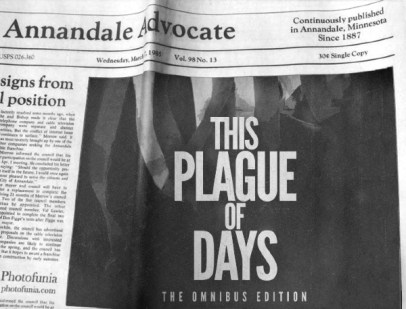
Here’s an example of some fun I had on Facebook today:

Newspaper

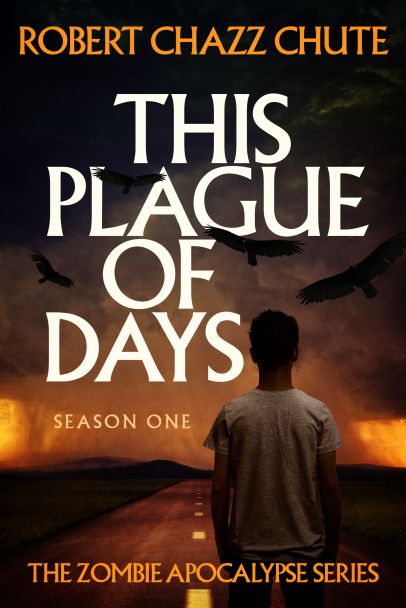
“Abandoned to an unfeeling universe, an increasing number of Americans are turning to This Plague of Days to confront ‘the horror of it all,'” an anonymous State Department official said. High-level advisors at the White House confirm, “An autistic boy named Jaimie Spencer, 16, of Kansas City, Missouri, may be key to resolving existential ennui. There are jokes, too, but mostly it freaks us out.”

Senator John McCain stated that Congress still can’t decide if Chute’s book is “literary bull****, zombie bull**** or ‘some other bull****.'” The gridlock continues.

Senator Rand Paul is threatening a filibuster, stating, “This is not horror per se! This is dark fantasy and President Obama knows it!” The secret of This Plague of Days remains classified to all but those who read to the end. Rumors of secret video and an offer of a free ebook are confined to those who read the TPOD Omnibus Edition. While Progressives call that anti-egalitarian and elitist, Secretary of State John Kerry said (in a speech that felt like three hours), “That’s capitalism. Whaddaya gonna do?

Meanwhile, the US Congress approval rating has sunk to a new low of 8%, still above public approval of McDonalds’ fishwich and slightly below mononucleosis as a diet strategy.

However, in a stunning break from party lines in a gracious “hands across the aisle” gesture, Speaker John Boehner and Liberal Senator Harry Reid did come to some concord and issued a joint statement. “The pace really picks up in Season 2 and the gross outs were balanced by some high-minded stuff neither of us really understood. We are all frightened for the Spencer family and keep them in our prayers.”

Robert Chazz Chute Bio Picture~ That was fun. I wrote a post recently answering reader’s questions about This Plague of Days. Find that here.

Filed under: author platform, book marketing, Publicity & Promotion, , , , , , , , , , , , , , , , , , , ,

How to reach readers in a way most writers don’t

When you think of using video to promote your book, you probably think of a book trailer, like this:

I made the trailer above and it turned out pretty slick, I think. But there’s a better way. A book trailer broadcasts out. I want to motivate readers to find me, not just talk at them. Sure, book trailers can be cool, but there’s little to no evidence they motivate people to purchase more books. (Click on my old post here for thirteen options for using video. I especially like the Scott Sigler strategy.)

Here’s how I added value to This Plague of Days, Omnibus Edition.

The better way is to use video is to thank readers and engage them with a question or a reward. I opted to do both with a link to a secret video at the back of the TPOD Omnibus Edition. It’s three books in one, so, for those who care to, they can make one purchase and save a couple of bucks.

Here are the specifics of my latest launch strategy:

1. I’ve just launched two books, This Plague of Days, Season 3 and This Plague of Days, Omnibus Edition.

2. I dropped the price on the first novel to 99 cents and marked the second book down to $2.99. I’m selling the Omnibus (three big books in one) for $6. 

3. At the back of the Omnibus, exclusive to those readers, is a link to a private video. In it, I talk about the saga. It’s been years in the making. This is my Star Wars. Putting it to bed is a big deal to me and I give some behind-the-scenes origin information.

4. I ask a sincere question. A secret has been buried in this series from Season One and it pays off late in Season 3. It’s a huge surprise that a lot of people tried to figure out but they only saw it in retrospect. (My beta readers all said the same thing. “Oh! Of course! You dog!”)

5. As long as Omnibus readers answer the question in the comment thread at the private video link this year, I’ll send each of them my next thriller ebook as a gift. Free. No strings or demands for a newsletter sign-up. The new thriller comes out later this summer and it even ties other books together. It’ll be a fun ride and also a solid bridge to my other books even though it’s not in TPOD‘s genre.

6. Video is a more personal way to thank readers. By adding another book to the six-dollar Omnibus, readers won’t just save some bucks. They’ll get four books (three huge ones and one decent-sized novel.) Readers will benefit and I hope to gain readers who are already enthusiastic about my particular brand of crazy. 

7. I know this approach trips some fear alarms for some authors. Please don’t tell me I’m devaluing literature by pricing it too low and giving too much away. I’ve lowered the price, not the value. The literature that is devalued most is that which is read least. Times are tough for a lot of people, me included. But I still believe that generosity and helping others wins over greed. Give more and you’ll attract the people you want to be your readers. When they find you, they’ll buy all your books. Don’t chase anyone. Count the giveaway as the cost of advertising, something any business does. Let readers come to you willingly and they’ll bring you joy instead of heartache. 

How did I do it?

I used iMovie, but you could use a cell phone. It doesn’t matter as long as it uploads to Youtube and designate the link “unlisted” so only those who have the link can access it. It doesn’t have to be slick and fancy or have a kickass soundtrack that sounds like it’s calculated to accompany an invasion of Libya.

Your video might even be better if it’s not slick. I love my energetic little book trailer, but heartfelt and speaking into the camera? Heartfelt is more important than slick.

But how did I sell the TPOD Big Deal Book Launch to readers?

Here’s exactly how I did it.

~ I’m Robert Chazz Chute and no one can begin to fathom the depths of my exhaustion at this moment. I am puddin’. But I’m also happy. Anxious and happy. Mostly anxious. Go make a video. Of love. (No, I don’t mean like that!…okay…maybe like that.) 

Filed under: author platform, book marketing, , , , , , , , , , , , , , , , , , ,

Writing: Find time or make time in 22 quick tips

No one will give you time to write. You have to take it. I’m in a time crunch now, but I needed a break. Therefore, here are 22 tips it didn’t take me long to come up with: 

1. Say, “No.” Do that more.

2. Schedule your writing time.

3. Steal your writing time, between the other stuff you have to do and away from the stuff that’s optional.

4. Write when the kids are napping.

5. Get up before everyone else.

6. Get the kids to bed earlier and you stay up to write.

7. Stop reading reviews, checking Amazon stats and obsessing over what you can’t control. Write the next book.

8. Get away from Facebook and Twitter. That stuff is for breaks when you are creatively exhausted.

9. Plot while watching your kid’s soccer game. I came up with a book that way recently and still paid enough attention that I didn’t miss my kid’s heroics. 

10. Someone else is cooking tonight.

11. Delegate laundry. Ask for help.

12. Do more. Write more. Talk less.

13. Dump rituals around writing. Waiting for the perfect writing environment is procrastination disguised as usefulness.

14. Write on the train commute.

15. Turn off all screens but the one you use to write. Turn off your Internet connection during writing time.

16. Look at your email once, at the end of the day, if you must.

17. Don’t just delete the emails that don’t serve you. Dump the subscriptions to all those newsletters and blogs you don’t really follow.

18. Focus on what’s productive. Getting into arguments on the Internet isn’t productive. Feed your need for drama by writing books instead.

19. Someone will try to draw you into unproductive time sucks. If they won’t take a hint, do not tolerate trolls. Unfriend, unfollow, mute. Block them across all your social media so you don’t accidentally run into each other again after you’ve forgotten their names.

20. Make a habit of planning what you will write tomorrow. Momentum carries us forward.

21. Jump into writing first. What must be seen on television (precious little) is recorded for later.

22. Stop reading this blog. Go write.

Time is life. Manage it right and you’ll write more books.


Filed under: writing tips, , , , , , , , , ,

How to write more, faster, now

After I publish a book, I tend to fall into a mild bout of postpartum depression. To head that off, I’m writing a new crime novel as I prepare to launch the finale to This Plague of Days. This new one has a very fast pace and I’m also writing it fast. This isn’t going to fall into a plotting versus pantsing discussion because, Thor knows, we’ve all hit that gong plenty hard already. Today, let’s talk about how to discover your story.

Here’s four writers to pay attention to, in case you don’t care what I think:

1. Anthony Burgess had a cool trick I’ve used. Pick three words at random. Those words will appear in your next chapter.

Go! You’ll find gooey, fudge brownie richness with that one tool alone.

2. E.L. Doctorow said writing a book is, “like driving a car at night. You never see further than your headlights, but you can make the whole trip that way.”

When I wrote my first crime novel, Bigger Than Jesus, I knew the last line of the book, but I had no idea from one night to the next what tomorrow’s chapter might bring. It worked out in a really peachy way.

3. Stephen King talks about excavating the story, discovering and unearthing dinosaur bones.

Some people start with character. I often find my brush and trowel to dig the dirt away is conflict. Everybody wants something. It’s more interesting if everyone’s competing for the same thing but use different methods to get what they want. (Game of Thrones, anyone?) Through conflict, character and snappy dialogue often emerge. Direction and velocity will reveal themselves as you discover how the story evolves. It may divert from your outline. That’s okay. Follow the drama. It might lead you off the map to a beautiful place.

4. Chuck Palahniuk suggests writing each chapter as a short story.

As each story connects to the next until the end, this process cuts down on a lot of intimidation. It also lessens the danger of a saggy middle because you’re demanding more of each story element instead of relying on the reader’s patience. Each chapter is a pillar. Don’t build a weak one and depend on it to hold up the structure.

I’m going to suggest the writing process as an exercise in free association.

Free association emerged as a counselling approach in Freudian analysis. The core of the therapy was to let the mind wander and for the patient to tell his or her own story rather than take on the worldview of the therapist. This was resolution by exploration.

The key is to let ideas bubble up and connect unhampered by the choke valve of self-criticism. Criticism is for later. In the creative process, let it go and flow. You’ll go faster and arrive in places that aren’t mundane and expected. Using these methods, you’re going to cut down on procrastination, too. You’ll write more because you’re having more fun. Stop agonizing. This is entertaining fiction you’re writing, not a eulogy.

In This Plague of Days, the autistic hero of my zompoc epic (Season 3 coming June 15!) is Jaimie Spencer. He’s obsessed with the dictionary. That’s me. I collect odd factoids. I let one Wikipedia entry lead me to another and to another until I free associate my way to new plot developments. The world is made of details and small components build bigger things. That’s also true if your world is fictional. The dictionary and Wikipedia are full of the atoms of your next story.

For instance, take a swig of Doctorow.

In my current WIP, I know the destination and I have a hastily drawn outline of how to get there. It’s not deep in details. I came up with most of it while watching my son’s soccer game. The first atom was a small conceit. The idea exploded when I had my hook. More on this later this summer.

Enjoy a tall, cold glass of Burgess.

Take a random fact from Wikipedia and see where that leads you. Your foundation is already getting poured.

In the crime story I’m working on, I needed to show the love interest’s character. She’s an underdog determined to win. That led me to a story from Wikipedia she could identify with. By showing the tragic, yet heroic story that guided her life, we understand her better and we like her immediately. (Me? I’m big on pathology. Give a character a medical problem and I can use that, for them and against them. Desmoid tumors saved the life of one character in This Plague of Days, for instance. Read the books. You’ll get that reference.)

Free association comes faster from good questions.

Quick! What are the hits playing on the radio in 1974? Which manager was first to get kicked out of a baseball game twice in the same day? What was happening to your protagonist that day in 1974 when he was thinking about baseball and listening to the radio? What song titles spoke to his state of mind? These are the connections I made to write a chapter (a pillar, if you will) that could stand on its own as a short story. Hello, Mr. Palahniuk!

As the factoids build and scenes connect into a river of stories that collect and flow into one ocean of words, new connections are made. New developments float to the surface. You’ll discover new intersections in the network of your story you didn’t suspect were there when you began to write.

That’s Stephen King’s story archeology.

Good stories aren’t written. They are discovered. It is the nuance we find in the depths of free association that contribute to verisimilitude and character interplay. It’s nuance that builds, not just a book, but a believable world.

Those details you’ll use through free association? It’s not the only key to Creativity’s lock, but it’s a good one. Try it.

~ I wrote Crack the Indie Author Code and Write Your Book, Aspire to inspire. Check out AllThatChazz.com for affiliate links to all my fiction. That would be double plus cool. Thanks.

Filed under: Writers, Writing exercise, writing tips, , , , , , , , , , , , , , , , , , , , , , , ,

Publishing Advice: Don’t Believe a Word

The writing and publishing business is full of, “On the one hand, this. Oh, yeah, but on the other foot, what about this BS?” Here’s the conflicting advice on my mind this week, to and fro, pro and con:

1. People complain about marketing on Twitter, “What can I say of value in 140 characters?”

It gets worse. It’s better if you say it in 100 characters. Say more with less and it’s more likely to be read and retweeted. Leaving more room allows for additions, links and commentary from enthusiastic retweeters. So be pithier. You’re a writer. You can handle that. 

2. More blog posts, daily, equals more traffic to your blog.

Unless you’re blogging a book, you’re losing time you could be using to write your next book. There are still many writers who struggle with time management and discipline. The writing — the book writing — has to come first. Promotion is secondary because you aren’t in the promotion business. You’re in the writing business. Promotion is for the stolen time that would otherwise be unproductive.

Hint: If you’re still flogging the same book, and you only have one book, and that was published over a year ago? You aren’t in the writing business. Finish something new.

3. Some people say we should begin promoting the book as soon we conceptualize what it will be….someday.

However, you’re going to change the title before you publish it at the very least and if you take too long, someone will steal that great title. Promoting too soon is an exercise in chicken counting that could just as easily wear out potential readers if you talk about the potential book, too much, forever. 

Corollary: Don’t write your blog or push your book until you have something solid to say.

And don’t repeat yourself too often, please. If I see one more blog post with the title proclaiming “Content is king!” I might have to shoot somebody with a water pistol full of skunk juice. And then kill them. (Note: Don’t swing sledgehammers in small rooms. Ice picks to brain stems are efficient. A disposable raincoat and a friend who gives alibis without asking questions is essential. Ask a mystery writer for best strategies…though you might have to wipe them out, too, just to cover your tracks.)

4. We all look forward to being discovered by a huge audience.

That’s where the negative reviews come from, too. Brace yourself.

My quest isn’t for a huge audience. It’s for 50,000 true fans. Yes, I know people usually say 1,000 true fans, but I’m ambitious and we all need to stretch and reach. (Plus 50,000 true fans fits my budget better. Daddy’s got bills!)

5. We aren’t supposed to respond to reviews.

It is a bad idea, generally….which means the false and misleading reviews stay up, uncorrected. This one isn’t about the conflict in the advice. It’s about the conflict that arises in you. You crave justice for your innocent book babies.

This one? Live with it. It’s not worth it. It’s annoying, but the Authors Behaving Badly meme is much stronger than the Reviewers Behaving Badly meme. We’re outnumbered.

Unless they’re threatening you physically, forget it. If they are threatening you physically, revisit #3 for helpful, murderous suggestions if you’re not into dialling 911. And click the Report Abuse button with gusto.

6. Everybody wants to write the great American novel.

It’s been written and it’s probably The Great Gatsby. The problem here is some writers get caught up in what they think they should write and how that ideal should look and sound. Don’t be the serious guy who takes himself too seriously. He is tiring to be around and his shoulds are misplaced.

Originate, do not emulate. If someone else did it better, we’ll go read the original. Of the hundred Harry Potter clones, how many do you really want to read? Do not chase trends. A trend is so fast, it runs you over and leaves you far behind at the same time.

7. Everyone says social media marketing is about having Internet “presence.”

Presence is weak. It says, “I’m here. I hope you find me.” Hunters don’t wait for deer to come to their house, knock on the door, peel some potatoes and conveniently slip into the oven. Hunters go hunting.

We’ll find more readers if we’re active and proactive. Go find book bloggers. Go where readers are. Make a list and follow people on Twitter as a planned approach. There are people out there who already proclaim their love of Steampunk in their Twitter profiles. If you write Steampunk, why haven’t you introduced yourself already? Stop waiting for them to come to you.

8. Gurus say, “Be everywhere.”

Maybe “everywhere” isn’t for you. Is LinkedIn really helping you as an author or is that medium best built for job searches? Unless there are forums there you love, maybe that’s wasted energy. What about Tumblr? It might be an excellent spot for you, but Tumblr’s users tend to be young, hip and artistic. Is pushing historical fiction about railway trains of the Klondike really the best use of your time there? Choose a platform or two or three you love. Focus.

Almost everyone says we should dump the exclusivity of KDP Select and be on all sales platforms. Maybe not or maybe not yet. I’ve written extensively on this issue in the past so I won’t beat that zebra into a coma again. However, when you do make that decision, don’t jump (or not jump) because someone told you to do so. Have a plan how you’re going to move those books on those other platforms (because, with few exceptions, those platforms don’t have tools you can use to raise that crop of readers.)

Don’t believe a word. Test suggestions instead.

9. When publishing gurus have nothing else to offer, they say, “Work harder.”

I don’t know a single author who isn’t working hard. Writing despite kids, day jobs, lost sleep, and long hours? Check, check, check, check. “Work harder,” for most of us, does not add value. It’s a bad math teacher telling a student staring, clueless, at an algebraic equation on the blackboard: “Stare harder and you’ll solve for X.”

Excuse me, sir, but your pants are on fire. With napalm.

“I will work harder,” is the horse that gets carted off for meat and glue in Animal Farm. What we need is to test strategies, first on a small scale. If Slideshare works for you and gets more clicks to your author site and conversions to your newsletter, do more of that. If one lure to your mailing list doesn’t work, add value and try again. Always focus on what works instead of trying everything at once. Eighty percent of results come from twenty percent of your efforts. Find your twenty percent.

Also, please, please, don’t work harder. We’re already sitting too much and worrying ourselves into an early grave while some consultants are actually making money off poor writers by yelling, “Work harder!” That damn whip arm never seems to tire. Screw those guys. We’re already putting in the time. We need smarter tools, not louder barking from the water boys.

Instead of working harder, when you’re writing, please write more joyously. Take chances. Have more fun. You can even enjoy the creative aspects of marketing, believe it or not. Joy translates to all your work. Readers won’t necessarily know why they love the joyous writer more, but they’ll feel it and respond.

10. We’re told to market to readers only.

Don’t bother writing a writing blog. There’s too much of that already and writers don’t buy books. They’re too busy writing them. Forget writers!

Hm. If true, that’s worrisome. Writers should read a lot. I think, generally, we do read plenty. I’m a voracious reader. I wrote two books about writing that emerged from this blog, so there’s that. But more important, the friends I’ve made through blogging to writers and podcasting with writers? They’ve been an immense help to me. I’ve connected with allies who’ve blurbed my books and been my beta readers and helped me expand my reach in many ways. The indie writing community is a very supportive group.

Through this blog and my podcasts, there are literally dozens of people who have helped me publish and publicize. I started to write a list of helpful fellow authors and fans, but the list got too long and I worried I’d forget somebody. Connecting with allies here, not aiming exclusively at readers, has delivered great opportunities. 

I hope I’ve helped my allies plenty, too.

Thank you all. Much love.

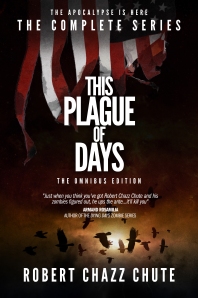
~ Robert Chazz Chute isn’t as mean as he sometimes sounds. His next books are This Plague of Days, Season 3 and This Plague of Days, The Complete Series. They’ll launch June 15th. For more on This Plague of Days, the international zombie thriller with an autistic hero, go to ThisPlagueOfDays.com.

Filed under: author platform, Publicity & Promotion, publishing, Writers, writing tips, , , , , , , , , , , , , , ,

Helpful Mother’s Day Advice plus what’s tiring me out in publishing this week

At the end of this post, we’re going to find the happy. You’ll feel the height and breadth of the contrast to the rest of the article when we bring this post in for a landing. Also, at the bottom, you’ll get some excellent Mother’s Day advice. Now, here’s ten things that suck:

1. Relentless Facebook group “marketing.”

How can I miss you if you don’t go away? Spread that stuff out! Give me some space instead of pummeling me with spam. I am begging you.

2. Publishing gurus saying (smugly) that ebook sales are slowing down.

Slowing down from a rocket launch still gets us to high orbit. Nobody said we’d grow 800% every year. Slow down from that a bit and the growth curve still exceeds any reasonable expectations. E-publishing is a young industry and it’s doing great.

3. Certain players in traditional publishing complaining about Amazon’s “monopoly.”

It is not, by any definition, a monopoly. Amazon dominates the market because in most areas of marketing and innovation, they’re ahead of their competitors. I want Amazon to have healthy competition. If other platforms happen to suck, that’s not Amazon’s fault. Attention other platforms: up your game. Complaining about Amazon is not solving your problems. Consider emulating best practices instead of bitching about them.

4. Bagging on box sets.

I’m in on a box set with seven other awesome horror authors. Together, we’re amping up our discoverability and finding new readers with what Joanna Penn calls “coopetition.” It doesn’t devalue my books to charge 99 cents. It’s a valuable investment in new readers. It’s one strategy that says, “I value readers.” Generosity is one worthwhile strategy for any author who isn’t out to make a quick buck. We’re in this for the long game and we stand proud.

5. Libel in book reviews.

A friend of mine, whom I shall not name so she draws no further ire, has been insulted personally, maligned and called a fraud on Amazon. Her bio has been questioned. Go ahead and hit the “Report abuse” button. Many people have done so and pointed out to Amazon that this is libel. The review remains. Still! That sucks.

6. Spoilers in reviews.

Please don’t tell the whole story in a review. That’s what reading the book is for. I was further outraged recently to find that a review of a new author’s book (which is great) contained a spoiler. Worse, that three-star spoiler was ranked “most helpful.”

7. The fun police.

Popularity, and pendulums, swing back and forth. Today’s fans can have a strange propensity to turn into tomorrow’s haters if an artist dares to change. It’s not selling out, dude. It’s growing. If you now hate a superstar author you used to love, please examine why you’d venture into “hate” territory over a piece of entertainment. Maybe this book isn’t you. That doesn’t mean it’s bad. It means it’s not to your taste. Everybody’s had food poisoning a few times but we all keep eating. Chill.

8. All or nothing.

Don’t quit after one book because that book didn’t win the sales lottery. We focus too much on rare outliers and not enough on the people who are merely doing well. As if good isn’t good enough. This life is about the journey, not the dead stop at the end. It’s about the writing and the joy of creation. If someone else finds joy in your creation, fantastic! (Be assured, no matter how bad your early attempts are, someone will love it.) Relax.

People ask why billionaires keep trying to make money after so many millions or billions are already in the bank. How many homes do you need? But I think it’s more than just smelly greed. There’s a clue in the mentality of the writer: this is simply what we do. That’s where the fun is. We would do this for free. Many of us already write for free or are in debt because of our obsession for the written word. Enjoy the process and stop thinking in terms of winning and losing.

Think in terms of doing.

9. Fake outrage.

Despite the tone of this post, I’m a nice guy. But when one writer calls another a “hack” on the Internet, I have to ask a question or two: You do realize the object of your casual derision is a human being doing the best they can, right? Do you think you’d walk away unbloodied if you treated people in person the way you do when you’re safe behind a keyboard? Right.

So don’t be a troll. And if you’re trying to sabotage another author to make yourself look or feel good, you know that won’t work, right? We know the truth and you know trashing other authors with fake reviews doesn’t advance your books, right? You want fan love? Earn it. You aren’t climbing over anybody’s body any other way. And what if those nasty tactics actually did work? You’d always know you earned nothing. That angry, fake review from a fake account just makes you look angry and dumb and we all know it’s not real. Be real.

10. “It’s been done.”

Everything has been done. However, not everything has been explored in quite the unique way only you, Mr./Ms./Mrs./Dr./Whatever Author, can write it.

“It’s been done,” is a lazy agent’s way of saying no. “It’s been done,” is the dismissive wave of a critic who doesn’t bother to look deeper. “It’s been done,” is the casual cruelty of a dream crusher. These people aren’t your readers. They’re incurious, boring people. Don’t believe them. You can make anything fresh. Some will say there are only twelve plots, or ten, or five. I say there are two: Good versus Evil (and variations thereof) and Boy gets Girl (and variations thereof.)

Maybe the next trend will be westerns. These things go in cycles and westerns haven’t been hot for a while. Maybe you will be the pioneer to break new ground in the genre and spawn a thousand vacuous imitators who will spur critics to, once again, proclaim the genre dead. All genres are proclaimed dead at some point and every critic who says so is (almost) always proven wrong. Genres get resurrected and everything runs how and cold. Don’t chase these trends. Heat them up again in new ways.

You be you. Have a blast. We’ve stepped through the darkness with this post. Now let’s go be lights. Blow them away with what you can do. Let’s flounce out on to the field, put ourselves out there, karma-positive and ready to write amazing fiction so hot we melt fans’ faces.

I already love you. Know why? Because you aren’t done. You’re a writer. You’ll always be a writer and nobody’s pulling down your flag.

~ To find out more about my books, go to AllThatChazz.com. To see Spiderman 2, go to a theater. For a nice, cool drink, squeeze some limes into some cold water from the fridge. To hear cool interviews with cool people, try CoolPeoplePodcast.com. To stay in the will, call you Mom on Sunday. It’s Mother’s Day. Forgive her for what she said about your boobs in front of your friends that time in grade 9.


Filed under: Amazon, Writers, , , , , , ,

Writing Process: Ten Moments in the Writer’s Life

1. You become a writer.

It’s usually not something you really decide. It happens to you, like disease. It’s a life where you’re either writing or you’re distracted and feeling you should be writing, forever. Like homework, for adults, 24/7. And some of the teachers mark really hard.

2. You escape the life of mortals.

You become so involved in the story that time flies and you don’t care that you’re cursed to do homework for life. In fact, you feel fortunate you’ve found this for yourself. You dream of seeing your name in print. And the accolades! That will be sweet! Finally, self-worth fed to you by strangers!

3. You meet your first dream killer.

Someone scolds you for daring to use an adverb and shrieks that, “A sentence fragment is not a sentence!”, as if you didn’t know. Then they tell you not to bother with writing.

“Perhaps you’ll find animal husbandry more fulfilling,” they’ll say, because they’re full of terrible advice and, oddly, they sound very confident.

This is a critical juncture.

If the person has too much influence over you or you’re young enough, you might quit. If quitting is an option, that’s okay. Writing isn’t for everyone. 

4. You enter the Octagon.

You send out queries and manuscripts and you get rejection slips but you don’t care because it means you’re putting yourself out there and you’re in the game. You’re not talking about writing like it’s a dream in a far off retirement. You’re doing it now. Every moment of it feels important.

5. You get feedback on your writing that’s really useful.

You put away the first bunch of stories or your novella or even your first novel or two and you begin again. You improve.

6. You get your first success.

It might be a writing award or an article in a magazine. Maybe you get $25 or maybe you don’t, but the money’s not important to you. Your parents will ask how much you won or got paid. That dagger in your heart comes from a place of love. Probably.

7. You get your first hater.

I won third place in short story contest and $1000. Someone was offended that my story won and wrote a screed about how it sucked, I sucked and this was what was wrong with the world (and possibly this side of the galaxy.) He didn’t win so, naturally, now we’re all gonna die!

The thing about the Internet is, people will say things on their blog that, if said in person, would lead them on a trip to major reconstructive surgery and not a judge in the land would convict. As far as I know, that dude still hasn’t written anything besides his doctoral thesis in English literature. Poor guy is still unread and still brings joy to no one. If only he’d pursued animal husbandry, we’d all be happier (though that’s a terrible thing to do to innocent animals.)

8. Your finger hovers over the mouse.

You’re about to hit the “publish” button. It’s nerve-wracking. How many mistakes have you missed? How mean will the reviews be? How good might they be? You thought this would be one of the highs moments of your writing career. Instead, hitting publish is remarkably stressful. After you hit that button, birth that book and send it out into the cold air, you might even feel postpartum depression for days or weeks. I do, every time.

9. You get your first true fan.

For some reason, vague to both writer and reader, something you wrote connects viscerally. Someone loves what you wrote and you love them for it. They are invaluable. They are your chief five-star reviewer, defender, cheerleader and advocate. They’re so awesome, you’re pretty sure they don’t poop. Inexplicably, they think the same of you.

Through the simple mechanism of words on the page, you’ve bypassed his or her brain and you have their heart. Then you start to worry that, with your next book, you’ll screw it up and lose them. The thought of losing a die-hard fan? Hello, Insomnia.

10. You go deeper with your writing.

You tell yourself you’re sufficiently seasoned now so the haters should bother you less. Maybe they shouldn’t bother you, but they will. I got a belittling letter at Christmas that knocked me so far down I didn’t write anything for a month.

But then you get back to it and you remember what cartoonist Lynda Barry calls “that floaty feeling” you get as a creative.

Publication per se? That matters less. It’s the writing process itself that is the thing. Yes, you want readers and lots of them, but you write for yourself first. You discover what you think and feel by writing. The writing journey is the reward. You lose yourself in the prose and in a small way, there’s something immortal and divine about that dopamine drip, washing your neocortex as you write and dream and create.

It’s just so darn godlike to kill people…

Um…in fiction. Right. That’s what I meant.

~ I’m Robert Chazz Chute and I poop. I also create worlds. If you create worlds, too, you’d probably enjoy reading this.

If you like to read stories that make you question whether the author may or may not poop, try this.

Also, right now, for a more buck, you can get a box set from me and seven other writers who are so awesome, they definitely don’t poop. Get the Horror Within box set now. 

This is the most I’ve written the word “poop” in one blog post. Or 3,000 blog posts. Why was I denying you this joy for so long? Now I feel bad. Better go kill some people…


Filed under: Writers, writing tips, , , , , , , , , , , , , , ,

Writing Process: How to screw it up

1. Talk about it too much without typing. Lose energy that could go on the page. Talking is so much easier than typing. In fact, maybe you should be in radio.

2. Don’t write notes as soon as great ideas, additions and twists occur to you. Better to stay in bed another few minutes than catch the lightning.

3. Don’t outline at all for fear it will screw up your spontaneity. You’re an artiste, man! Let the muse sing! Planning is for wussies and many successful writers.

4. Even if a new and brilliant scene occurs to you, don’t stray from your outline because letting OCD control you is much more important than writing a better book. Readers will understand. Well, not readers plural….

5. Take all opinions from your writing group and try to accommodate everyone. They must know your story better than you do, or you wouldn’t be asking everybody, right?

6. Write it quickly and keep going no matter what, even if it appears you’re headed for a dead end because your track coach told you to run through the pain (that spring you tore your knee up and were on crutches all summer.)

7. Write it slowly because the longer it takes, the better it will be, even if the process and the manuscript become so long and involved you can’t keep the core of the story straight in your head anymore. It’s okay, you’ll live forever so it doesn’t matter when, or if, you ever finish the book.

8. Don’t bother with taking any notes for a character guide or story bible. Who cares if your heroine’s eye colour changes eight times and her name changes four times in the space of two paragraphs? You can hate yourself forever, sure, but you were going to do that anyway, right?

9. Don’t read any books in your genre. You wouldn’t want to risk being influenced by anyone good or be aware of what clichés to avoid. That sounds like a task for nasty reviewers.

10. Don’t defend your writing time. Everyone’s more important than you and your dreams. If you don’t allow everyone to stomp all over you, how will you be the martyr who never published because…well, life is just too darn hard, isn’t it? But you could have been great! You’ll always have that.

BONUS:

Hate everything you write. There’s no time to improve it later in revisions so everything sucks and always will. Well…that’s a timesaver!

Love everything you write. History will realize your genius after death. It’s just the editors in this epoch who have you all wrong.

Filed under: Writers, writing tips, , , , , , , , , , , ,

Writing: How to get it done

1. Write what you’ll finish and publish soonest, first. Propulsion increases closer to payoff.

2. Don’t tinker forever. Set a deadline. Stick to it, on penalty of noogies.

3. If you’re a slow writer, outline first so you’ll stay on track. Stop at a place where you know what happens next. You’ll start tomorrow without pausing, stopping or getting stumped.

4. Think of how great it’s going to be once you’ve published. Alert your readers to your progress so they know when to expect the next book launch. You’ll keep your momentum going with a little positive pressure. There are numerous free word count bars you can put on your author site to display your daily progress. That which is measured, improves. That which is not, is rued.

5. Give your graphic designer enough warning so when you’re ready with the manuscript, he’s ready with the cover. You’ll deliver rather than stretch it out past the deadline you set.

6. Give editors, proofreaders and beta readers a deadline so the manuscript gets read, checked and back to you in a timely manner. Write an editorial and production schedule down but put it up where you can see it.

7. Write to a word count or write to a page count or write to a timer. Write. The hardest part is to start. If the story is any good, you won’t want to stop.

8. Don’t wait for inspiration. Go find it by sitting down to write. (My bills, narcissism and terror are all the inspiration I need. What motivates you? Use that.)

9. Don’t count procrastination, marketing, or Internet distractions as writing time. The earlier in the day you get your writing done, the more you’ll get done because your greatest resistance is at the beginning. Start early and you’ll write longer and more.

10. Sleep, exercise and eat well so you don’t rob from your writing time by having to take a nap (due to a gluttonous, glutenous binge.) Naps can be great and rejuvenating, if they’re short and scheduled. (If you’re sleeping to retreat to a safe place, stop reading your bad reviews.)

BONUS:

If you aren’t lost in fun as you write, something’s probably wrong.

Spice it up and twist that plot like you’re wringing out a wet towel.

No one willingly gives time. Take it. Have a schedule and control it.

Write.

Filed under: getting it done, writing tips, , , , , , , , , , , , ,

Bestseller with over 1,000 reviews!
Winner of the North Street Book Prize, Reader's Favorite, the
Literary Titan Award, the Hollywood Book Festival, and the
New York Book Festival.

http://mybook.to/OurZombieHours
A NEW ZOMBIE ANTHOLOGY

Winner of Writer's Digest's 2014 Honorable Mention in Self-published Ebook Awards in Genre

The first 81 lessons to get your Buffy on

More lessons to help you survive Armageddon

"You will laugh your ass off!" ~ Maxwell Cynn, author of Cybergrrl

Available now!

Fast-paced terror, new threats, more twists.

An autistic boy versus our world in free fall

Suspense to melt your face and play with your brain.

Action like a Guy Ritchie film. Funny like Woody Allen when he was funny.

Jesus: Sexier and even more addicted to love.

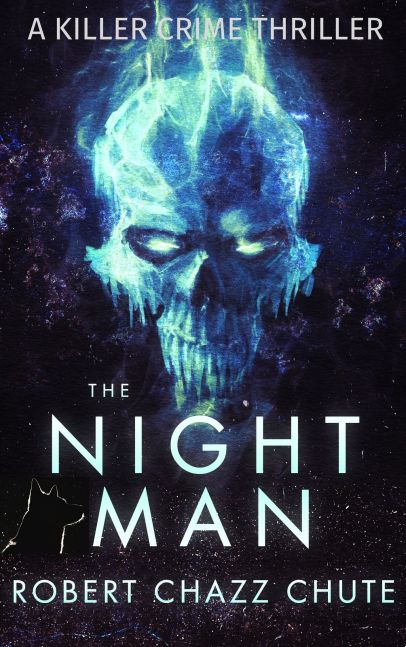
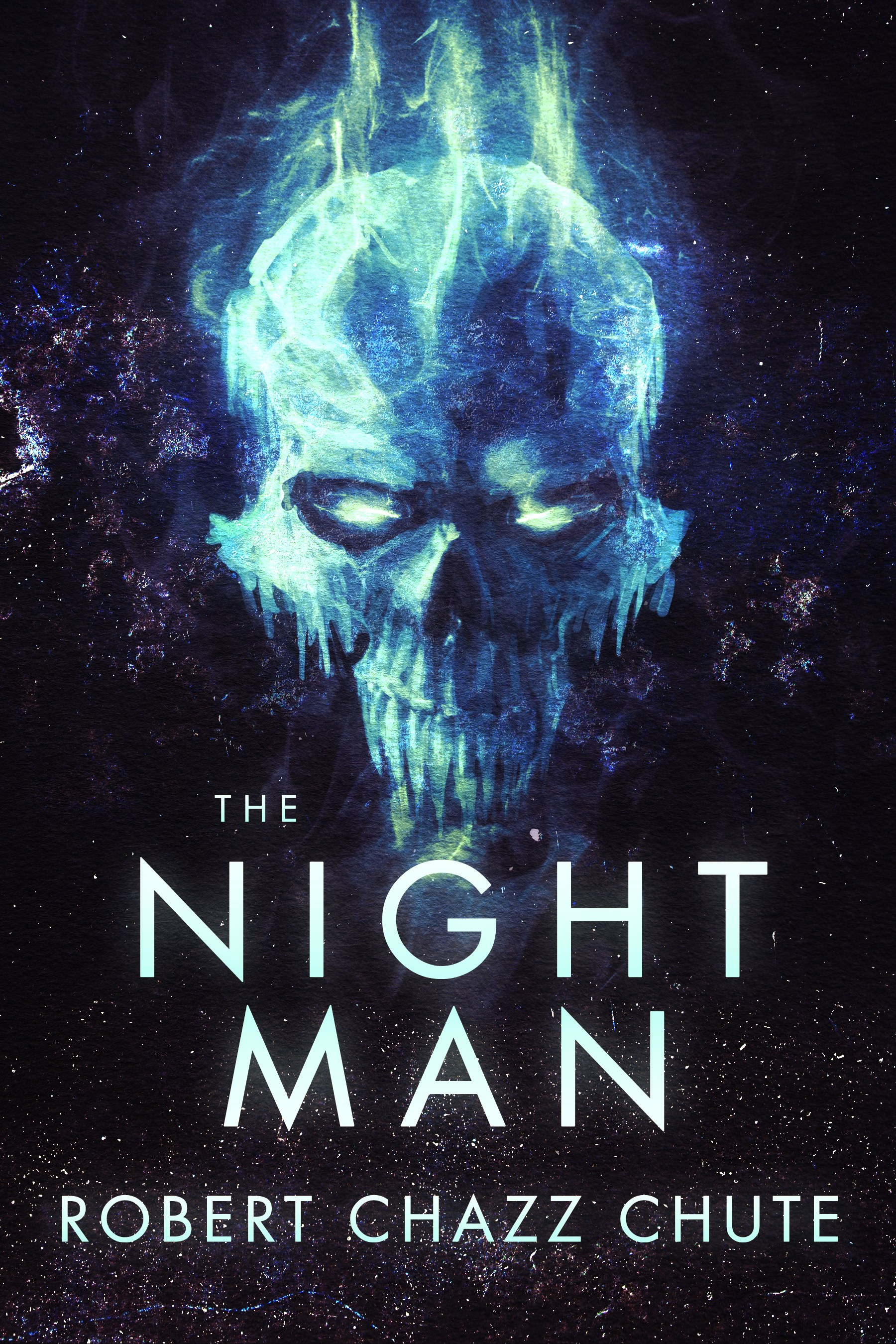
You can pick this ebook up for free today at this link: http://bit.ly/TheNightMan

Join my inner circle at AllThatChazz.com

See my books, blogs, links and podcasts.

Enter your email address to follow this blog and receive notifications of new posts by email.

Join 2,063 other subscribers