C h a z z W r i t e s . c o m

See all my books at AllThatChazz.com.

Why I unpublished from Amazon (it’s about sales pages, not Hachette)

This isn’t a story about getting away from Amazon. It’s about sales page management, and you need to be aware, sales pages are not something you can just “set and forget.” You have to keep an eye on them for glitches. A glitch just happened to me.

Today, I had a shock.

In the middle of my book launch for This Plague of Days, Season 3 and the TPOD Omnibus Edition, the Omnibus suddenly wasn’t on my Amazon sales page anymore! I checked and that’s the only reason I knew it had disappeared.

Gone! Oh, no! Not now!

I refreshed the page and knocked back a vodka.

Still gone!

I cursed my fate and invoked Thor’s intervention.

Still nothing. Dammit, Thor!

Naturally, after those early strategies failed, I contacted Amazon. They said they’d get back to me within 24 hours. If this had been my first rodeo, I would have pooped kittens. However, they generally get back faster than that and, in this case, I had the fastest response I’ve ever had.

The email assured me there was a “slight glitch” that deleted the book from my sales page. Maybe a slight glitch to them, but I just launched! My interviews are appearing across various blogs promoting my latest books. It was a big deal to me. The email further assured me that the problem would be corrected within “one to three days.”

One to three days?

Vomit.

No, not really. Like I said, this ain’t my first time on a horse. Those emails always allow a long time for their fixes, but the Amazonian techs have, invariably, acted much faster than that. And so it was. This Plague of Days, Omnibus Edition featuring the complete three seasons of the apocalyptic saga with the autistic protagonist trying to save the world? We’re back, baby!

They fixed it within a couple of hours. I have it on good authority other sales platforms don’t swoop in to fix problems nearly so quickly.

Check your pages and make sure all your books are there from time to time.

Further thoughts on sales pages and serialization

After I brought out Season 3 in my series, I had a problem. The sales page looked cluttered and my work is not displayed in the order I’d prefer for greatest sales advantage. What to do? I skipped calling on Thor since he doesn’t show up unless I dress up as a hot chick. (I’m still carrying some winter weight and can’t sell the hotpants.) I sent another email to Amazon:

Could I, perhaps, edit my sales page to make it less cluttered and show my wares to greatest advantage? 

The reply was, for now, a polite no. My Amazon contact did agree that mine was actually a good idea and they would pass the suggestion up the line. Currently, the order of book display is based on sales figures. Self-help for Stoners has been on sale longest, so it’s up top. That’s not the problem. Serial episodes are. 

My Serialization Problem. 

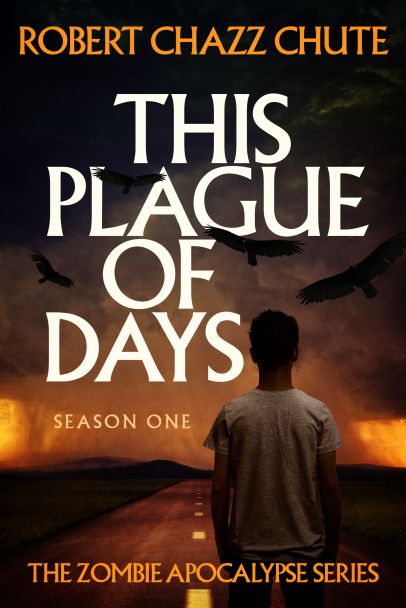
Season One of This Plague of Days was released as one book, but also as five episodes (and each episode’s price was 99 cents.) My Season One episodes sat there, clogging the page and confusing customers. 

I came up with a solution that fit my longer game plan.

I unpublished the five episodes from the first book and set the price for Season One at just 99 cents.

This presents several advantages:

1. At 99 cents, Season One is a low barrier to entry into the series.

2. It gives readers a break on price. 

3. It promotes my visibility and my other books. Sales are up, author rank is up.

4. It avoids (I hope) angry reviews from people mistakenly purchasing Episode IV and V at 99 cents each when they could have had all of Season One (which contains all five episodes) for one incredibly low price. It’s couch change, yes, but some reviewers go nuclear over such things and outrage is rarely expressed with a sense of proportionality. Angry? Burn down somebody’s house! Mildly annoyed? Burn down somebody’s house! See what I mean?

A note about the trouble with serialization.

Serialization certainly has its advantages and helped Season One  and Season Two get more attention. However, no matter how much you might explain it and lay it out in the descriptions and vary the cover art, some readers seem determined to confuse Seasons and Episodes despite a lifetime of watching television. Quick to click, I guess.

I’m very sensitive to criticism (so yes, wow! I know! I am in the wrong business!) Anyway, the last thing I want is for readers to be confused or feel ripped off. That’s another reason Season Three is one huge book instead of broken into episodes. Serialization put me on the map, but the Law of Diminishing Returns has kicked in.

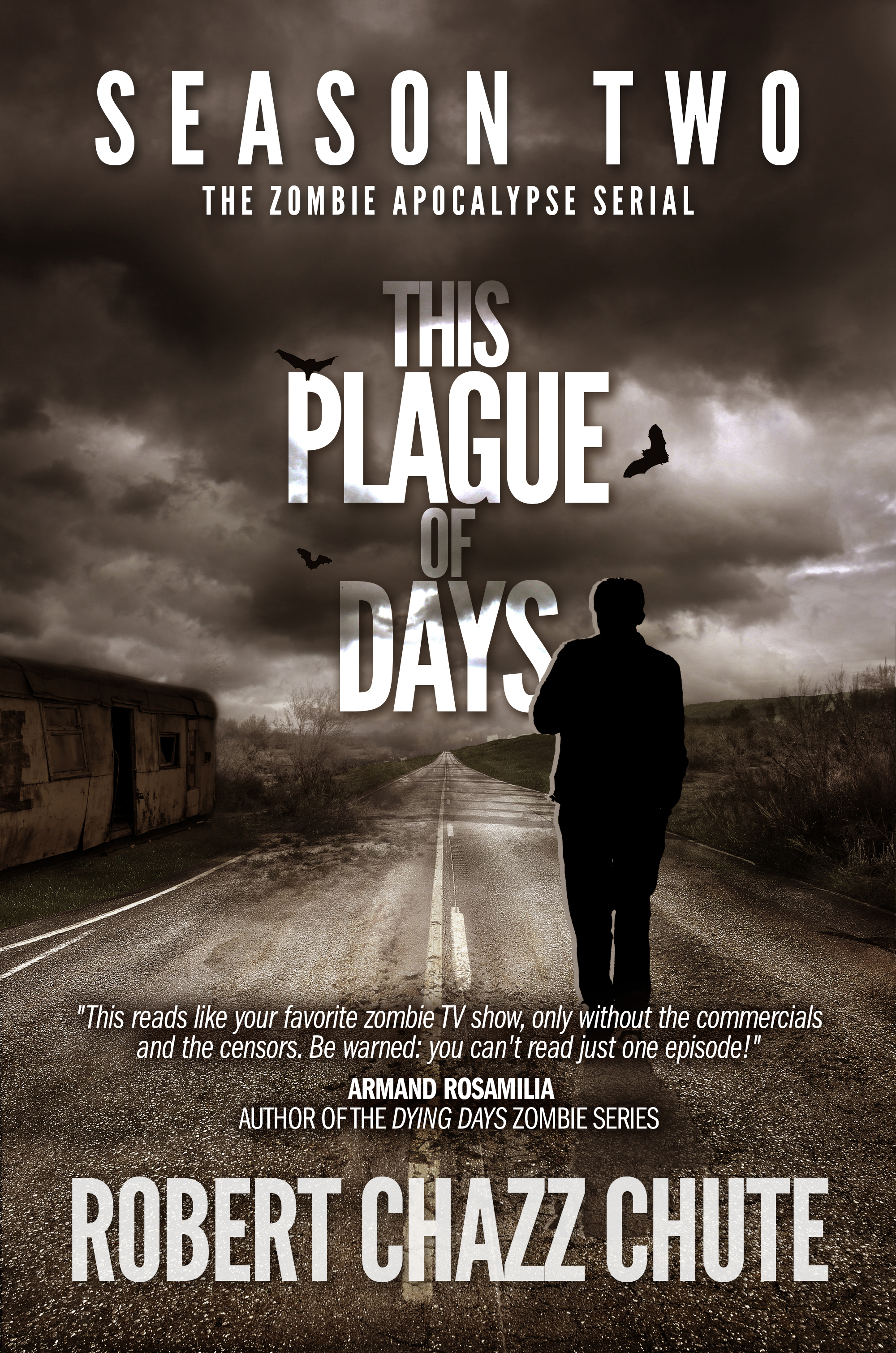
I still have episodes of Season Two on Amazon obstructing the view on my sales page. It is, as it has always been, cheaper to buy the season than to buy the episodes. I can’t let it go at 99 cents, though, so those episodes are going to stay up for a long time. Until Amazon changes its policy and allows me to control title placement, they stay and Season Two is priced as low as I will make it. When I do get control, the eps will go to the back of the sales page. I could just unpublish them, but I don’t want to leave the few who just bought Season 2, Episode III in the lurch.

How long is long enough to wait for those readers to catch up and complete their S2 episode purchases? A year? Two? I don’t know.

~ The TPOD book launch bargains continue.


Tell me when you discovered the secret of the TPOD Omnibus and I’ll send you my next thriller as an ebook. Details here.

Filed under: author platform, Books, free ebooks, self-publishing, , , , , , , , , , , , , , , , , ,

How to reach readers in a way most writers don’t

When you think of using video to promote your book, you probably think of a book trailer, like this:

I made the trailer above and it turned out pretty slick, I think. But there’s a better way. A book trailer broadcasts out. I want to motivate readers to find me, not just talk at them. Sure, book trailers can be cool, but there’s little to no evidence they motivate people to purchase more books. (Click on my old post here for thirteen options for using video. I especially like the Scott Sigler strategy.)

Here’s how I added value to This Plague of Days, Omnibus Edition.

The better way is to use video is to thank readers and engage them with a question or a reward. I opted to do both with a link to a secret video at the back of the TPOD Omnibus Edition. It’s three books in one, so, for those who care to, they can make one purchase and save a couple of bucks.

Here are the specifics of my latest launch strategy:

1. I’ve just launched two books, This Plague of Days, Season 3 and This Plague of Days, Omnibus Edition.

2. I dropped the price on the first novel to 99 cents and marked the second book down to $2.99. I’m selling the Omnibus (three big books in one) for $6. 

3. At the back of the Omnibus, exclusive to those readers, is a link to a private video. In it, I talk about the saga. It’s been years in the making. This is my Star Wars. Putting it to bed is a big deal to me and I give some behind-the-scenes origin information.

4. I ask a sincere question. A secret has been buried in this series from Season One and it pays off late in Season 3. It’s a huge surprise that a lot of people tried to figure out but they only saw it in retrospect. (My beta readers all said the same thing. “Oh! Of course! You dog!”)

5. As long as Omnibus readers answer the question in the comment thread at the private video link this year, I’ll send each of them my next thriller ebook as a gift. Free. No strings or demands for a newsletter sign-up. The new thriller comes out later this summer and it even ties other books together. It’ll be a fun ride and also a solid bridge to my other books even though it’s not in TPOD‘s genre.

6. Video is a more personal way to thank readers. By adding another book to the six-dollar Omnibus, readers won’t just save some bucks. They’ll get four books (three huge ones and one decent-sized novel.) Readers will benefit and I hope to gain readers who are already enthusiastic about my particular brand of crazy. 

7. I know this approach trips some fear alarms for some authors. Please don’t tell me I’m devaluing literature by pricing it too low and giving too much away. I’ve lowered the price, not the value. The literature that is devalued most is that which is read least. Times are tough for a lot of people, me included. But I still believe that generosity and helping others wins over greed. Give more and you’ll attract the people you want to be your readers. When they find you, they’ll buy all your books. Don’t chase anyone. Count the giveaway as the cost of advertising, something any business does. Let readers come to you willingly and they’ll bring you joy instead of heartache. 

How did I do it?

I used iMovie, but you could use a cell phone. It doesn’t matter as long as it uploads to Youtube and designate the link “unlisted” so only those who have the link can access it. It doesn’t have to be slick and fancy or have a kickass soundtrack that sounds like it’s calculated to accompany an invasion of Libya.

Your video might even be better if it’s not slick. I love my energetic little book trailer, but heartfelt and speaking into the camera? Heartfelt is more important than slick.

But how did I sell the TPOD Big Deal Book Launch to readers?

Here’s exactly how I did it.

~ I’m Robert Chazz Chute and no one can begin to fathom the depths of my exhaustion at this moment. I am puddin’. But I’m also happy. Anxious and happy. Mostly anxious. Go make a video. Of love. (No, I don’t mean like that!…okay…maybe like that.) 

Filed under: author platform, book marketing, , , , , , , , , , , , , , , , , , ,

The book marketing tool! (That’s a five dressed up as a nine?)

Every marketing guru will tell you to build your mailing list because that’s where the money is. They’re not wrong and I’m no marketing guru, but here are some deeper considerations, past the hype:

1. It’s gotten much harder to build that mailing list. The tools are there. I use Mailchimp on my author site (AllThatChazz.com.) Aweber is another good mailing list management tool. It’s lovely to be able to announce your latest book launch to a huge mailing list of eager fans. It’s also much more rare than the marketing gurus pretend. Everybody’s got a mailing list and they aren’t all equally special.

2. You need a really great giveaway to entice someone to subscribe to a mailing list: free fiction, a useful white paper or some other shiny thing. I offer free mentions on the All That Chazz podcasts, but through Facebook, Twitter, my blogs, Triberr, enthusiastic readers and my rebel writer allies, I’ve got a much wider reach.

3. If people are subscribing to the mailing list just for free stuff, will they keep that subscription after they’ve scooped up said free stuff? Periodically prune your mailing list by asking if your subscribers are still into you. Wise list owners seem to ask if you wish to continue receiving mailings annually.

You can check open rates and find out when interest has waned. A huge mailing list boosts the ego. However, if they’re mostly disinterested and cruising on momentum, that big list can cost you money and, worse, it won’t help. Better to have a smaller list of people who can’t wait for your next mailing.

4. Are your blog readers more interested in your latest blog post than your pestering through the mailing list? I’d rather be a destination blog than an obligation blog. By that I mean, it’s great when people make a point to come here or follow my posts.

Mailing list subscriptions are often ignored or deleted. Test your mailings and ask your subscribers what sort of material they want. It may be that all they really want is to know what your next book is and when and where they can buy it.

5. Subscriptions get deleted or ignored, especially when they come too fast and too furiously. Sure, you’ll mark it to read for later, but when the email is rolling in too often, it’s easier to delete it.

6. I’m currently following many blogs officially. Unofficially, with as many as 200 emails a day or more, I tend to stick with reading destination blogs. In other words, there are certain blogs I feel I have to check out and I don’t need a subscription service to remind me to go look.

7. If you’re producing material for a mailing list and for your blog, too, you’re doubling your effort. True, we all hope email subscribers are more invested in what we do. However, the folks who come to ChazzWrites just because they’re into what I do (which is to generally inform in a more entertaining fashion than I’m doing today)? They might be much more invested than those on the mailing list. Mailing lists aren’t quite as hot as advertised.

So my suggestions are:

Keep in touch with mailing list subscribers, but don’t overwhelm them.

I’m far behind on Seth Godin’s blog, but at least his posts are pithy and short. I’ll never get to some I’m subscribed to. If that describes you, save time and unsubscribe. Deleting posts each day as they come in is a time suck.

Content is king. Yeah, yeah, sure.

Lots of bloggers repeat that mantra, but they all think their content is great so it’s kind of an empty slogan. All I can add is, don’t post unless you have something to say. If you’re straining for a topic, you’re working too hard. Rest it. You’ll get more hits the more you post, until it feels to the reader like too much good content too often or too much drivel. Blogging is a high wire act, isn’t it? (And if all your content is that good every day, sell it as a book, instead.)

Take the opportunity to promote someone else’s excellent content instead banging your own drum.

Not feeling inspired for a blog post? No problem. Write your books instead or reblog. Point to other great content. You don’t have to be brilliant every day if you’re an excellent curator. Scoopit is another tool you can use to curate content and build a following.

Ease back on the throttle sometimes.

We talk a ton about getting out there and marketing books like mad and spreading the literary word. However, lots of readers appreciate us more if we know when to shut up.

I’m shutting up.

~ Chazz is preparing to release This Plague of Days, Season 3, on Father’s Day. The full TPOD compendium will launch then, too. Find out more about the zombie apocalypse with the young, autistic hero at ThisPlagueOfDays.com. It’s much more than a single zombie apocalypse. It’s your future.


Filed under: author platform, book marketing, Publicity & Promotion, publishing, , , , , , , , , , , , , , , , ,

How to write more, faster, now

After I publish a book, I tend to fall into a mild bout of postpartum depression. To head that off, I’m writing a new crime novel as I prepare to launch the finale to This Plague of Days. This new one has a very fast pace and I’m also writing it fast. This isn’t going to fall into a plotting versus pantsing discussion because, Thor knows, we’ve all hit that gong plenty hard already. Today, let’s talk about how to discover your story.

Here’s four writers to pay attention to, in case you don’t care what I think:

1. Anthony Burgess had a cool trick I’ve used. Pick three words at random. Those words will appear in your next chapter.

Go! You’ll find gooey, fudge brownie richness with that one tool alone.

2. E.L. Doctorow said writing a book is, “like driving a car at night. You never see further than your headlights, but you can make the whole trip that way.”

When I wrote my first crime novel, Bigger Than Jesus, I knew the last line of the book, but I had no idea from one night to the next what tomorrow’s chapter might bring. It worked out in a really peachy way.

3. Stephen King talks about excavating the story, discovering and unearthing dinosaur bones.

Some people start with character. I often find my brush and trowel to dig the dirt away is conflict. Everybody wants something. It’s more interesting if everyone’s competing for the same thing but use different methods to get what they want. (Game of Thrones, anyone?) Through conflict, character and snappy dialogue often emerge. Direction and velocity will reveal themselves as you discover how the story evolves. It may divert from your outline. That’s okay. Follow the drama. It might lead you off the map to a beautiful place.

4. Chuck Palahniuk suggests writing each chapter as a short story.

As each story connects to the next until the end, this process cuts down on a lot of intimidation. It also lessens the danger of a saggy middle because you’re demanding more of each story element instead of relying on the reader’s patience. Each chapter is a pillar. Don’t build a weak one and depend on it to hold up the structure.

I’m going to suggest the writing process as an exercise in free association.

Free association emerged as a counselling approach in Freudian analysis. The core of the therapy was to let the mind wander and for the patient to tell his or her own story rather than take on the worldview of the therapist. This was resolution by exploration.

The key is to let ideas bubble up and connect unhampered by the choke valve of self-criticism. Criticism is for later. In the creative process, let it go and flow. You’ll go faster and arrive in places that aren’t mundane and expected. Using these methods, you’re going to cut down on procrastination, too. You’ll write more because you’re having more fun. Stop agonizing. This is entertaining fiction you’re writing, not a eulogy.

In This Plague of Days, the autistic hero of my zompoc epic (Season 3 coming June 15!) is Jaimie Spencer. He’s obsessed with the dictionary. That’s me. I collect odd factoids. I let one Wikipedia entry lead me to another and to another until I free associate my way to new plot developments. The world is made of details and small components build bigger things. That’s also true if your world is fictional. The dictionary and Wikipedia are full of the atoms of your next story.

For instance, take a swig of Doctorow.

In my current WIP, I know the destination and I have a hastily drawn outline of how to get there. It’s not deep in details. I came up with most of it while watching my son’s soccer game. The first atom was a small conceit. The idea exploded when I had my hook. More on this later this summer.

Enjoy a tall, cold glass of Burgess.

Take a random fact from Wikipedia and see where that leads you. Your foundation is already getting poured.

In the crime story I’m working on, I needed to show the love interest’s character. She’s an underdog determined to win. That led me to a story from Wikipedia she could identify with. By showing the tragic, yet heroic story that guided her life, we understand her better and we like her immediately. (Me? I’m big on pathology. Give a character a medical problem and I can use that, for them and against them. Desmoid tumors saved the life of one character in This Plague of Days, for instance. Read the books. You’ll get that reference.)

Free association comes faster from good questions.

Quick! What are the hits playing on the radio in 1974? Which manager was first to get kicked out of a baseball game twice in the same day? What was happening to your protagonist that day in 1974 when he was thinking about baseball and listening to the radio? What song titles spoke to his state of mind? These are the connections I made to write a chapter (a pillar, if you will) that could stand on its own as a short story. Hello, Mr. Palahniuk!

As the factoids build and scenes connect into a river of stories that collect and flow into one ocean of words, new connections are made. New developments float to the surface. You’ll discover new intersections in the network of your story you didn’t suspect were there when you began to write.

That’s Stephen King’s story archeology.

Good stories aren’t written. They are discovered. It is the nuance we find in the depths of free association that contribute to verisimilitude and character interplay. It’s nuance that builds, not just a book, but a believable world.

Those details you’ll use through free association? It’s not the only key to Creativity’s lock, but it’s a good one. Try it.

~ I wrote Crack the Indie Author Code and Write Your Book, Aspire to inspire. Check out AllThatChazz.com for affiliate links to all my fiction. That would be double plus cool. Thanks.

Filed under: Writers, Writing exercise, writing tips, , , , , , , , , , , , , , , , , , , , , , , ,

Publishing: Rules are Rules (except when they aren’t)

I didn’t make up any of the following. I’ve observed it.

1. When Margaret Atwood writes dystopian sci-fi, it’s not dystopian sci-fi. If you wrote The Year of the Flood, you can be darn sure professional reviewers would call it dystopian sci-fi. Some special subgroup would think less of you for writing SFF, even if your work is as brilliant as Atwood’s work.

2. If you write an about-to-be-divorced, mid-life crisis novel from a man’s perspective, I know of at least one agent who would reject it without reading a word. Apparently, those authors are “wrong” to write that story. Roth had the last word and no more need be attempted. Ev-er! (Thank Thor for choices.)

3. If you’re young and writing an autobiographical, coming-of-age novel, many skeptics will sneer at your offered manuscript and declare that it is undoubtedly, “Too autobiographical.” Rewrite it to make that less transparent and, in round two, they’ll say it “lacks verisimilitude.”

4. If you’re a teen quoting your peers, a much older agent or editor may declare that “teens don’t talk that way.” (Yes. That happened.)

“B-but — “

“No. No one speaks that way. Anywhere, ever, in any world real or imagined.”

5. If a well-known author writes an homage to hardboiled fiction, it’s an homage to hardboiled fiction. If you do it, you’re plagiarizing Mickey Spillane.

6. If you attempt something different and innovative, it’s experimental and stupid. If it’s attempted in mainstream publishing (rarely), it’s different, innovative and brave. (Forget that. Always be brave. That’s often where the fun is.)

7. You may have lived in Dublin all your life, but some reviewer will tell you your characters, “don’t sound Irish enough.” That’s because they think the cartoon presentation of Irish dialect in a cereal commercial is a documentary. Not all Irish people sound like leprechauns.

Don’t worry about it. If you wrote it their way, you’d turn off too many readers with awkward depictions and hard to read dialect. And earn the wrath of all of Ireland. I like Amy Adams, but the movie Leap Year was an affront. Not a single Irish person had even a passing interest in particle physics, but the old men were all afraid of black cats. Nice.

8. You have a clever plot twist in your manuscript. That black sheep beta reader will rush to tell you he’s read that same twist in two books, so it’s a cliché. Back to square one for another rewrite. Never mind that the execution is different, all stories are similar in some regard and those two books he’s talking about were published before 1975.

9. Win a writing contest and somebody will spend a blog post on how undeserved the win was. They will claim they did not submit a losing entry into the same contest. However, the heat of their condemnation (a sun-surface temperature usually reserved for Nazis and pedophiles and Nazi-pedophiles) will reveal their jealous motives and their cowardly lies.

10. Someone will assume that, since you wrote a zombie novel, you’re a hack chasing money and trends. (And by “you”, I mean, “me.”) Never mind that I started writing This Plague of Days before there was a Walking Dead. I don’t chase trends and, while zombie readers tend to be rabid readers, it’s really a small sub-genre. I know few rich zombie writers, though I know several who deserve riches.

Sadly necessary addendum:

Someone called my serial “clichéd.” I won’t say whom and no hard feelings, really. It actually struck me as funny. Say what you will (and I know some will.) But really? “clichéd?” I guess it’s virtually indistinguishable from all the other zombie books where the zombies aren’t really zombies, the vampires aren’t really vampires, the humans might be the supernatural players, bio-terrorists attack in very weird ways, three worldwide plagues evolve as the virus spreads across continents and, oh, yeah, the hero of my zombie apocalypse is an autistic boy with an obsession for Latin proverbs who sees auras and is a selective mute.

Just like all the others.

The crux

I guess what I’m saying is, no matter how many manuscripts you read professionally or personally, for consideration or for review or for whatever, don’t fall into cynicism. Come to each manuscript or book innocent and free of preconceptions. Give us a day in court before you condemn. You might fall in love. That happens, too.

~ Robert Chazz Chute writes a lot of books. Check them out and click those affiliate links at AllThatChazz.com. Season 3 of This Plague of Days and This Plague of Days, The Complete Series, launches June 15, 2014. Find out more about This Plague of Days at ThisPlagueofDays.com.

Filed under: publishing, , , , , , , , , , , ,

Publishing Advice: Don’t Believe a Word

The writing and publishing business is full of, “On the one hand, this. Oh, yeah, but on the other foot, what about this BS?” Here’s the conflicting advice on my mind this week, to and fro, pro and con:

1. People complain about marketing on Twitter, “What can I say of value in 140 characters?”

It gets worse. It’s better if you say it in 100 characters. Say more with less and it’s more likely to be read and retweeted. Leaving more room allows for additions, links and commentary from enthusiastic retweeters. So be pithier. You’re a writer. You can handle that. 

2. More blog posts, daily, equals more traffic to your blog.

Unless you’re blogging a book, you’re losing time you could be using to write your next book. There are still many writers who struggle with time management and discipline. The writing — the book writing — has to come first. Promotion is secondary because you aren’t in the promotion business. You’re in the writing business. Promotion is for the stolen time that would otherwise be unproductive.

Hint: If you’re still flogging the same book, and you only have one book, and that was published over a year ago? You aren’t in the writing business. Finish something new.

3. Some people say we should begin promoting the book as soon we conceptualize what it will be….someday.

However, you’re going to change the title before you publish it at the very least and if you take too long, someone will steal that great title. Promoting too soon is an exercise in chicken counting that could just as easily wear out potential readers if you talk about the potential book, too much, forever. 

Corollary: Don’t write your blog or push your book until you have something solid to say.

And don’t repeat yourself too often, please. If I see one more blog post with the title proclaiming “Content is king!” I might have to shoot somebody with a water pistol full of skunk juice. And then kill them. (Note: Don’t swing sledgehammers in small rooms. Ice picks to brain stems are efficient. A disposable raincoat and a friend who gives alibis without asking questions is essential. Ask a mystery writer for best strategies…though you might have to wipe them out, too, just to cover your tracks.)

4. We all look forward to being discovered by a huge audience.

That’s where the negative reviews come from, too. Brace yourself.

My quest isn’t for a huge audience. It’s for 50,000 true fans. Yes, I know people usually say 1,000 true fans, but I’m ambitious and we all need to stretch and reach. (Plus 50,000 true fans fits my budget better. Daddy’s got bills!)

5. We aren’t supposed to respond to reviews.

It is a bad idea, generally….which means the false and misleading reviews stay up, uncorrected. This one isn’t about the conflict in the advice. It’s about the conflict that arises in you. You crave justice for your innocent book babies.

This one? Live with it. It’s not worth it. It’s annoying, but the Authors Behaving Badly meme is much stronger than the Reviewers Behaving Badly meme. We’re outnumbered.

Unless they’re threatening you physically, forget it. If they are threatening you physically, revisit #3 for helpful, murderous suggestions if you’re not into dialling 911. And click the Report Abuse button with gusto.

6. Everybody wants to write the great American novel.

It’s been written and it’s probably The Great Gatsby. The problem here is some writers get caught up in what they think they should write and how that ideal should look and sound. Don’t be the serious guy who takes himself too seriously. He is tiring to be around and his shoulds are misplaced.

Originate, do not emulate. If someone else did it better, we’ll go read the original. Of the hundred Harry Potter clones, how many do you really want to read? Do not chase trends. A trend is so fast, it runs you over and leaves you far behind at the same time.

7. Everyone says social media marketing is about having Internet “presence.”

Presence is weak. It says, “I’m here. I hope you find me.” Hunters don’t wait for deer to come to their house, knock on the door, peel some potatoes and conveniently slip into the oven. Hunters go hunting.

We’ll find more readers if we’re active and proactive. Go find book bloggers. Go where readers are. Make a list and follow people on Twitter as a planned approach. There are people out there who already proclaim their love of Steampunk in their Twitter profiles. If you write Steampunk, why haven’t you introduced yourself already? Stop waiting for them to come to you.

8. Gurus say, “Be everywhere.”

Maybe “everywhere” isn’t for you. Is LinkedIn really helping you as an author or is that medium best built for job searches? Unless there are forums there you love, maybe that’s wasted energy. What about Tumblr? It might be an excellent spot for you, but Tumblr’s users tend to be young, hip and artistic. Is pushing historical fiction about railway trains of the Klondike really the best use of your time there? Choose a platform or two or three you love. Focus.

Almost everyone says we should dump the exclusivity of KDP Select and be on all sales platforms. Maybe not or maybe not yet. I’ve written extensively on this issue in the past so I won’t beat that zebra into a coma again. However, when you do make that decision, don’t jump (or not jump) because someone told you to do so. Have a plan how you’re going to move those books on those other platforms (because, with few exceptions, those platforms don’t have tools you can use to raise that crop of readers.)

Don’t believe a word. Test suggestions instead.

9. When publishing gurus have nothing else to offer, they say, “Work harder.”

I don’t know a single author who isn’t working hard. Writing despite kids, day jobs, lost sleep, and long hours? Check, check, check, check. “Work harder,” for most of us, does not add value. It’s a bad math teacher telling a student staring, clueless, at an algebraic equation on the blackboard: “Stare harder and you’ll solve for X.”

Excuse me, sir, but your pants are on fire. With napalm.

“I will work harder,” is the horse that gets carted off for meat and glue in Animal Farm. What we need is to test strategies, first on a small scale. If Slideshare works for you and gets more clicks to your author site and conversions to your newsletter, do more of that. If one lure to your mailing list doesn’t work, add value and try again. Always focus on what works instead of trying everything at once. Eighty percent of results come from twenty percent of your efforts. Find your twenty percent.

Also, please, please, don’t work harder. We’re already sitting too much and worrying ourselves into an early grave while some consultants are actually making money off poor writers by yelling, “Work harder!” That damn whip arm never seems to tire. Screw those guys. We’re already putting in the time. We need smarter tools, not louder barking from the water boys.

Instead of working harder, when you’re writing, please write more joyously. Take chances. Have more fun. You can even enjoy the creative aspects of marketing, believe it or not. Joy translates to all your work. Readers won’t necessarily know why they love the joyous writer more, but they’ll feel it and respond.

10. We’re told to market to readers only.

Don’t bother writing a writing blog. There’s too much of that already and writers don’t buy books. They’re too busy writing them. Forget writers!

Hm. If true, that’s worrisome. Writers should read a lot. I think, generally, we do read plenty. I’m a voracious reader. I wrote two books about writing that emerged from this blog, so there’s that. But more important, the friends I’ve made through blogging to writers and podcasting with writers? They’ve been an immense help to me. I’ve connected with allies who’ve blurbed my books and been my beta readers and helped me expand my reach in many ways. The indie writing community is a very supportive group.

Through this blog and my podcasts, there are literally dozens of people who have helped me publish and publicize. I started to write a list of helpful fellow authors and fans, but the list got too long and I worried I’d forget somebody. Connecting with allies here, not aiming exclusively at readers, has delivered great opportunities. 

I hope I’ve helped my allies plenty, too.

Thank you all. Much love.

~ Robert Chazz Chute isn’t as mean as he sometimes sounds. His next books are This Plague of Days, Season 3 and This Plague of Days, The Complete Series. They’ll launch June 15th. For more on This Plague of Days, the international zombie thriller with an autistic hero, go to ThisPlagueOfDays.com.

Filed under: author platform, Publicity & Promotion, publishing, Writers, writing tips, , , , , , , , , , , , , , ,

Since I can’t rock a pencil skirt: My Writing Process

I don’t look good in a pencil skirt, even the neon pink one (dammit!) However, my friend, awesome author Mohanalakshmi Rajakumar (who does look sharp in a pencil skirt), asked me about my writing process. Since my fashion sense sucks, we stuck to talking about writing.

What are you working on, Chazz?

I’m putting the finishing touches to my apocalyptic series, This Plague of Days. It’s about a boy on the autistic spectrum facing the end of the world with his family. He’s our very unlikely champion. This is the third and last book in the series, but I’m putting all three seasons into one big ebook, too. At the moment, I’ve got five other books in the editorial pipeline at various stages of production.

How does your work differ from others of its genre?

I wrote it kind of like a television series. Three seasons (books) with five episodes per season. It’s not your typical shoot ’em up of a zombie story. There are three plagues and a large cast of characters so you see the crisis develop across continents. Lots of seeds and secrets were dropped along the way so the big payoffs and reveals all culminate in a story that builds and builds. It’s ambitious and really takes the reader on unexpected journeys. All the questions are answered in the end. This is my Star Wars.

Why do you write what you do?

I’m not attached to any one genre, but I do love suspense. My obsession is to take the reader on a roller coaster ride with lots of fun twists and turns, hanging off cliffs and chased by dragons and whatnot. You know…imagine the roller coaster at Hell’s amusement park. And just when you’re sure you’re safe, you aren’t.

How does your writing process work?

Typically, I write one chapter a day. That’s usually 1200 to 2500 words. I used to be more nocturnal, but now I find I’m more productive when I work earlier in the day. Since writing This Plague of Days as a serial, I’m really enjoying interacting with readers on Facebook as I write. I’ll finish a chapter and pick out a tidbit I like as a teaser or a taster and post it for some insta-reaction. That’s fun and buoys me through the parts of writing and publishing I enjoy less.

The writing process, for me, is to write myself lost. There I am in a corner. How will I find my way out? At the end of my crime novel, Higher Than Jesus, for instance, I figured a way for Jesus Diaz to kill an armed bad guy, credibly, while Diaz is bound to a chair eight feet away. That was quite a trick and one I’m proud of.

I don’t write by-the-numbers fiction. That bores me. Frequently, the only firm thing I know as I write is what the last line of the book will be. I write to discover what I think and for the joy of creativity and to surprise myself. If I can surprise myself, I’ll definitely surprise the reader.

This Plague of Days will launch in early June. Find out more about This Plague of Days at ThisPlagueOfDays.com. My author site is AllThatChazz.com.

~ Mohanalakshmi Rajakumar included me in her blog hop so a string of writers could share how they approach their writing process. She is a South Asian American who has lived in Qatar since 2005. Moving to the Arabian Desert was fortuitous in many ways since this is where she met her husband, had two sons, and became a writer.

To learn about her writing process and to check out her books, go to www.mohadoha. Follow her on Twitter @moha_doha. Click here for her Amazon author page.

You can also hear my interview with Mohana on the Cool People Podcast. She speaks of her experience in Qatar as a writer whose book has been banned. Why listen? Because she’s cool, of course.

Filed under: What about Chazz?, Writers, , , , , , , , , , , , , , , , , ,

Writing: The Pregnant Pause and Slacking to Win

One thing about being an indie author that nobody ever seems to say is, relax and stop running from time to time.

Sometimes, the Internet seems like it’s all about motion. We push books and try to pull people in. We follow endlessly and sometimes joylessly. It should be fun to meet new people and find out about what’s new and cool. But everybody needs a break, if it’s at the right time.

I’ve found the right time.

You haven’t seen me lately, unless you checked out my review of Transcendence at AllThatChazz.com or my article on food and emotion at DecisionToChange.com. After doing a major promotion for my crime novel, Bigger Than Jesus, I felt it was time to step back. I’m still busy, but sometimes it makes a lot of sense to get out of your followers faces for a bit. Give your tribe some time off from The Magic That is You.

Spend more time reading and writing.

(I’m reading LT Vargus’ Casting Shadows Everywhere at the moment. Go get it. It’s the kind of demented joy I love.)

I’m working on new books and revising old books, too. This Plague of Days Season 3 launches in June along with The Complete This Plague of Days. I had to get my taxes done (blech!). A collaboration with another author is on the horizon and, between promotions and events and blog tours, I’ll be boosting my marketing and visibility plenty this summer. I don’t want to wear out my welcome by peaking too soon.

The problem is overwork and overexposure. 

There’s a podcast I loved to listen to that I’m now a little sick of. I might love it again, but if I have to hear the same stuff from the same guys too often…well, maybe it’s me. I needed to take a break from them. The relentless self-promotion machines of the Internet? Geez, guys, shut up and take a breath.

I mean, really, don’t you get sick of me banging on and on about writing and publishing sometimes? I would, and I love me (except when I hate me.) 

It’s not just about giving readers and listeners a break, either.

You need a break sometimes. I know you’re all out there crushing it a la Gary Vaynerchuk and perfecting your marketing simplicity through Seth Godin’s genius and…well, slamming your head against the wall. Marketing should be a creative and joyful thing. It certainly can be fun if you are doing the right things and going into it with the right attitude.

The right attitude is excitement.

(Here’s a guy who knows how to enjoy the marketing process and make it fun for others. Help Armand Rosamilia name his new podcast here.) BONUS hint: Many authors complain about marketing. They’d have more fun if they weren’t so whiny about the necessities of business and, instead, look for opportunities to help others and make publicity and marketing into an interactive game with and for readers. But that’s a post for another time. Tonight, we dance.

Take it easy on yourself and others.

If you push the accelerator through the floor all the time, your car’s engine will blow up. Don’t burn out your engine.

Push too hard too often and you’ll end up pushing people away. Instead, try discovering and promoting others, or be still and listen. Let your mind be that cabin in the woods, free of distractions so you can hear the peaceful hum of the Om of the world and the anguished screams of your tormented enemies burning out, flailing and failing.

How do I know when it’s time to take a break?

When my patience wears thin.

When I catch myself getting cynical.

When every interaction with a kid I made feels like an interruption.

When I’m too tired to do anything else.

When I’m too tired to do anything. 

The rewards of slacking to win are:

Rejuvenation, physical and mental. 

New excitement upon your return.

Fresh ideas.

Balance and peace.

Excitement for the tasks ahead instead of weariness.

Writing is my retreat and my solace.

I write every day. But it’s a great relief to you and to me not to talk about it at recess ad nauseum. This week (if it suits you and the timing’s right and if you’re feeling cranky at the world anyway) let’s talk less about writing and, instead, write more.

~ Full disclosure: Between writing sessions I do post excerpts of upcoming books on Facebook or just share goofy news and interesting memes. I love interacting with readers there and I find it relaxing. Hit me up with a friend request there. We’ll be cool together. Bring margaritas.


Filed under: author platform, blogs & blogging, book marketing, getting it done, Publicity & Promotion, publishing, Rant, , , , , , , , , , , , ,

Writing Process: Ten Moments in the Writer’s Life

1. You become a writer.

It’s usually not something you really decide. It happens to you, like disease. It’s a life where you’re either writing or you’re distracted and feeling you should be writing, forever. Like homework, for adults, 24/7. And some of the teachers mark really hard.

2. You escape the life of mortals.

You become so involved in the story that time flies and you don’t care that you’re cursed to do homework for life. In fact, you feel fortunate you’ve found this for yourself. You dream of seeing your name in print. And the accolades! That will be sweet! Finally, self-worth fed to you by strangers!

3. You meet your first dream killer.

Someone scolds you for daring to use an adverb and shrieks that, “A sentence fragment is not a sentence!”, as if you didn’t know. Then they tell you not to bother with writing.

“Perhaps you’ll find animal husbandry more fulfilling,” they’ll say, because they’re full of terrible advice and, oddly, they sound very confident.

This is a critical juncture.

If the person has too much influence over you or you’re young enough, you might quit. If quitting is an option, that’s okay. Writing isn’t for everyone. 

4. You enter the Octagon.

You send out queries and manuscripts and you get rejection slips but you don’t care because it means you’re putting yourself out there and you’re in the game. You’re not talking about writing like it’s a dream in a far off retirement. You’re doing it now. Every moment of it feels important.

5. You get feedback on your writing that’s really useful.

You put away the first bunch of stories or your novella or even your first novel or two and you begin again. You improve.

6. You get your first success.

It might be a writing award or an article in a magazine. Maybe you get $25 or maybe you don’t, but the money’s not important to you. Your parents will ask how much you won or got paid. That dagger in your heart comes from a place of love. Probably.

7. You get your first hater.

I won third place in short story contest and $1000. Someone was offended that my story won and wrote a screed about how it sucked, I sucked and this was what was wrong with the world (and possibly this side of the galaxy.) He didn’t win so, naturally, now we’re all gonna die!

The thing about the Internet is, people will say things on their blog that, if said in person, would lead them on a trip to major reconstructive surgery and not a judge in the land would convict. As far as I know, that dude still hasn’t written anything besides his doctoral thesis in English literature. Poor guy is still unread and still brings joy to no one. If only he’d pursued animal husbandry, we’d all be happier (though that’s a terrible thing to do to innocent animals.)

8. Your finger hovers over the mouse.

You’re about to hit the “publish” button. It’s nerve-wracking. How many mistakes have you missed? How mean will the reviews be? How good might they be? You thought this would be one of the highs moments of your writing career. Instead, hitting publish is remarkably stressful. After you hit that button, birth that book and send it out into the cold air, you might even feel postpartum depression for days or weeks. I do, every time.

9. You get your first true fan.

For some reason, vague to both writer and reader, something you wrote connects viscerally. Someone loves what you wrote and you love them for it. They are invaluable. They are your chief five-star reviewer, defender, cheerleader and advocate. They’re so awesome, you’re pretty sure they don’t poop. Inexplicably, they think the same of you.

Through the simple mechanism of words on the page, you’ve bypassed his or her brain and you have their heart. Then you start to worry that, with your next book, you’ll screw it up and lose them. The thought of losing a die-hard fan? Hello, Insomnia.

10. You go deeper with your writing.

You tell yourself you’re sufficiently seasoned now so the haters should bother you less. Maybe they shouldn’t bother you, but they will. I got a belittling letter at Christmas that knocked me so far down I didn’t write anything for a month.

But then you get back to it and you remember what cartoonist Lynda Barry calls “that floaty feeling” you get as a creative.

Publication per se? That matters less. It’s the writing process itself that is the thing. Yes, you want readers and lots of them, but you write for yourself first. You discover what you think and feel by writing. The writing journey is the reward. You lose yourself in the prose and in a small way, there’s something immortal and divine about that dopamine drip, washing your neocortex as you write and dream and create.

It’s just so darn godlike to kill people…

Um…in fiction. Right. That’s what I meant.

~ I’m Robert Chazz Chute and I poop. I also create worlds. If you create worlds, too, you’d probably enjoy reading this.

If you like to read stories that make you question whether the author may or may not poop, try this.

Also, right now, for a more buck, you can get a box set from me and seven other writers who are so awesome, they definitely don’t poop. Get the Horror Within box set now. 

This is the most I’ve written the word “poop” in one blog post. Or 3,000 blog posts. Why was I denying you this joy for so long? Now I feel bad. Better go kill some people…


Filed under: Writers, writing tips, , , , , , , , , , , , , , ,

Genre Writing: How to make your book funnier if you want to (and why funny is important)

I’m not talking about writing comedy per se. I’m talking about giving a too-serious book some oomph. (Oomph is funny. Ooh-la-la is erotica, and that’s a different post.) It’s not for every author or every book, but if you’re looking for ways to add a lighter touch to your work in progress, consider this:

1. Say what everyone else is thinking but would never say. Explore why you, too, love disco. You have always loved disco and yes, you, like everyone, have had angry sex in the back of a taxi. It made you feel disappointed in yourself and oddly Germanic. But that was this afternoon, so let’s not live in the past and…

2. Punch up, not down. This is why Jon Stewart is funny and Rush Limbaugh isn’t. Rush mocks the poor while Stewart goes after power. Mocking our betters is what betters are for, apparently. Not many of them seem to be good for much else.

3. Have a sense of humor about yourself and let your protagonist be less monolithic, too. Self-deprecating humor works because, well…few of us are really that great but anybody who thinks they’re great sounds like a donkey. Watch Grosse Pointe Blank or High Fidelity and fall in love with John Cusack (again) because of that funny vulnerability. John Cusack is a funny puppy in those movies (even when he’s killing people for profit.)

4. Juxtaposition can be funny. For instance, I wrote on Twitter that I had an awkward encounter with someone I’d accidentally insulted. I added, “Hiding in my office. Like a man!”

5. Twist it. “I love kids. Not mine, but…” Attack jokes are hard to pull off without supreme confidence. They’re more suited to villains or more minor characters who have a terrible vengeance coming to them. When the boss is caustic and sarcastic, the reader will achieve greater satisfaction when the twit is hoisted screaming by his own penis. Or someone else’s. Hey, I’m not here to judge your book.

6. Find the funny in the character. In Buffy The Vampire Slayer, Joss Whedon would add Xander to a scene to deliver a particular line because, though everyone on the show could be funny, a Xander joke coming from Willow’s mouth would break Willow’s character. Jokes and characters have a point of view, so make sure the joke sounds right coming from your character.

The jokes that spring from my autistic hero in This Plague of Days originate in his innocence. He doesn’t see the world as others do so he often says the unexpected, but from his unique, laconic perspective. There is nothing angry or world-weary in his observations, only wide-eyed, what the heck are they doing now and why? This is normal?

7. Don’t be afraid to deliver a line in a low-key way. In Bigger Than Jesus, Jesus Diaz gets beaten terribly. His girlfriend, the lovely Lily, finds him lying on his kitchen floor icing his blackened eyes. When she tells him that his situation does not look good, the hit man deadpans, “I don’t know why you’d say that.”

8. Outrageous works. Rants can be awesome. Give it a context to sell it and an entertaining rant can go a long way. For instance, in this little Season 3 spoiler from This Plague of Days, Shiva gets some good lines: 

“Please don’t hurt anybody.”

“Darling, I’m the Queen of Hearts.”

“So, you’ll rule with love?”

“No, stupid. I mean I can say, ‘Off with their heads,’ at any time. Love takes time, Rahab. Fear takes root in the second it takes to slap a child.”

9. Writing jokes is difficult. There are many more comedians than there are comedians who are really killing. To improve your chances of hitting the right notes to a killer joke, don’t sweat it so hard on your first draft. Jokes are easier to find and unearth when you’ve already laid the foundation of character, action and dialogue. Jokes are for the second and third pass where you’ve already got something to riff from. Lots of people aren’t quip machines on their own, but when they hang out with friends and loosen up, they can bounce lots of funny ideas off what’s already in the ether over the cocktail bar.

10. A joke is set up, punch. The punch should be fast and short. Don’t reach for it. Eschew dumb, easy jokes and never make a joke you have to explain. Use the fewest words possible to get to the POW! 

BONUS: Why is funny important?

I write suspense. I deliver on a lot of grim scenaria. Horror presents many opportunities to be funny because both scares and laughs are about playing with the audience’s brains and delivering the unexpected. When the reader expects you to zig, zag. These devices are necessary because few readers want to read a long horror story if it’s not an emotional roller coaster. The horror on the next page will have a heavier punch if I can get you to chuckle on this page.

One of the things I don’t like about some books is that they are relentlessly monotone. The reader begins to feel like there’s little emotional payoff and the book becomes a grim march to the finish. Grim can be fun, but a book with only one tone and no cookies and candy along the way isn’t rewarding the reader with enough wit. One tone for a whole book is so hard to pull off, I don’t recommend trying it in most genre fiction. Life’s tough enough. We all need comic relief. (Yes, I can think of exceptions, but I’d rather read the exceptions less often.)

Funny helps your characters. In Die Hard (the original), the hero gets a lot of funny lines. Bruce Willis was a lot easier to like when he was more of a hapless, shoeless badass instead of being the go-to smart ass tough guy out of the gate. Heroes in real danger are compelling. Heroes who face that danger with at least some appreciation for the absurd? We love a wry hero more than the strong, silent type.

Hold back on the easy joke if it saps another emotion’s power moment. In the final battle for the survival of the human race, don’t let your hero suddenly turn into Andy Dick. (If your villain in that scenario suddenly turns into Andy Dick, however, that could work.)

It’s not that hard to give your reader a story with emotional range. Send in the clowns. When you’re done terrifying them with clowns, give them something to laugh at and light some tax accountants on fire.

~ I’m Robert Chazz Chute and some people think I’m funny. I wasn’t always funny. I learned that when you hide your rage behind jokes, you get fired less. I’m not very funny on Twitter, but it would be cool if you followed me there @rchazzchute.

If you like to laugh, and breathe, and eat things, then continue laughing, I recommend Bigger Than Jesus. Bestselling author of Vigilante, Claude Bouchard called it “Wickedly real and violently funny!” and Claude would not lie.  Seriously, he wouldn’t. I tried to get him to write me a better blurb, but that’s it.

Filed under: funny, writing tips, , , , , , , , , , , , , , , , ,

Bestseller with over 1,000 reviews!
Winner of the North Street Book Prize, Reader's Favorite, the
Literary Titan Award, the Hollywood Book Festival, and the
New York Book Festival.

http://mybook.to/OurZombieHours
A NEW ZOMBIE ANTHOLOGY

Winner of Writer's Digest's 2014 Honorable Mention in Self-published Ebook Awards in Genre

The first 81 lessons to get your Buffy on

More lessons to help you survive Armageddon

"You will laugh your ass off!" ~ Maxwell Cynn, author of Cybergrrl

Available now!

Fast-paced terror, new threats, more twists.

An autistic boy versus our world in free fall

Suspense to melt your face and play with your brain.

Action like a Guy Ritchie film. Funny like Woody Allen when he was funny.

Jesus: Sexier and even more addicted to love.

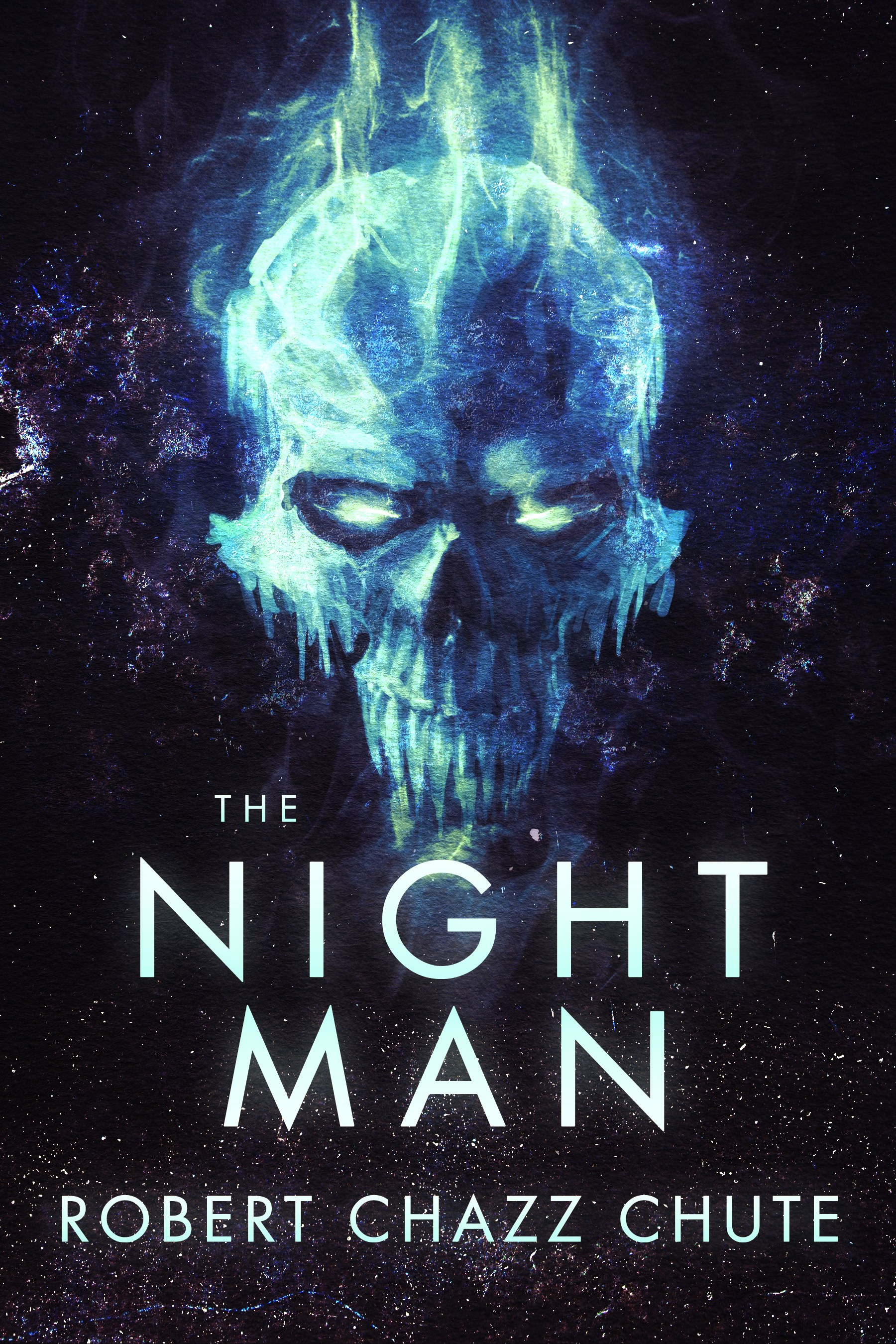
You can pick this ebook up for free today at this link: http://bit.ly/TheNightMan

Join my inner circle at AllThatChazz.com

See my books, blogs, links and podcasts.

Enter your email address to follow this blog and receive notifications of new posts by email.

Join 2,063 other subscribers