C h a z z W r i t e s . c o m

See all my books at AllThatChazz.com.

How to sell cross-genre books in The Land of The Easy No

Picture this:

You walk into a store and can’t find what you’re looking for. You ask the clerk behind the counter, “Have you got moldy bat wing party favors hiding somewhere in the back of the loading dock?”

Far too quickly, without looking up from his coffee, he says, “Nope! We’re out of the entire line of moldy bat wing party favors.”

You walk out empty-handed, but you’re thinking, “I bet there might be some left in the back if the clerk had just bothered to take the time to check.”

 You’ve still got your moldy bat wing party favor deficit, but as soon as the clerk said no, their problem was over.

It’s easier to say no than to say yes. “Yes” means more work.

This is the downfall of living in The Land of The Easy No.

Which brings us to the business of selling books… As a sales rep for numerous publishers, I had a lot of catalogues to get through. Appointments could take two or even three hours, depending on how much hemming and hawing the bookseller went through to complete an order. I had to power through those catalogues, talking fast, to fit three appointments into a day. Traveling between bookstores took time away from selling, so efficiency was not a trivial issue.

Each book received a few seconds of attention and — surprise!— not all books get equal attention. A “credibility book” is a book from the backlist that a sales rep steers a bookseller away from. “You don’t have to worry about that one,” is code for, “If you buy that book you’ll be returning it as quick as you can and you won’t believe a word I say when I tell you to go heavy with your order on another title.” When you have seconds to sell a title, you go with the high points. Selling an author who has sold well before is the easiest thing to do. When I sat down with booksellers, there was a shorthand with popular authors. Other pitches focused on publisher support or celebrity. Getting them excited over a story was usually (but not always) the last choice in the hierarchy of what made a sale quick and easy.

Easy sell: “How about you double the order on that romance author you’ve already sold a ton of? It’s the same unchallenging book her fans want over and over, and sure, the quality has slipped, but it’s about branding and a following.”

Fast and easy sell: “How many of the new Stephen King do you want?” (Note the “how many?” not whether and if.) Whenever you can talk about big name authors instead of covers, content or media coverage, the easier the sale.

Difficult sell: “Here’s a new author you’ve never heard of but it’s a great story.”

Better: “Here’s a new author you’ve never heard of, but it’s a great story, and she’s getting major media and we’re really pushing it and it’s so much like Lee Child and we’ve got great advance reviews and Bill Clinton will provide a cover quote and Bill O’Reilly will write the introduction.”

Much better: And did I mention this Lee Child-toned story is about a sexy woman who commits grisly sex murders who escapes from jail and the sexy female FBI agent who brings her to justice? Did I mention it’s based on a true story and it will be a major motion picture just in time for your Christmas season…and did I mention Brad Pitt will play the roles of both sexy women and he makes out with himself? Think Fight Club, but with more lingerie and slow panning shots of Brad Pitt’s legs in ripped nylons.”

Tough sell: “Let me tell you about this quirky one with a niche hook that’s going to be a slow build but a cult hit over time.” 

META ANALYSIS: That, I think, is a great description of Self-help for Stoners, Stuff to Read When You’re High (though I am biased.) The trouble with this pitch: It’s a short story collection (ouch!) that’s a self-help (Oh! Good and hopeful!) in fictional form (huh? Like parables? Like in the Bible?) and no, you don’t have to be a stoner to enjoy it. (Slow down. I think I have to be high to get all of that at once!)

Note the language: quirky, niche, slow build, cult hit, time. That’s too many caveats and double backs for a quick and easy sale because it sits across genres, squatting there in its damnable uniqueness.

Short shorthand sale: When I sell my post-apocalyptic and suspense novels, the sales pitch will be much quicker: Think Stephen King. Done.

CHECK OUT ALL THE BOOKS HERE

Publishers’ sales forces have diminished immensely since I was driving around with a car so heavy with books it ran low on the axles. Times have changed. When publishers talk about authors giving authors a big push now, what they really mean is the author is tech savvy and not shy. The author will do most of the publicity work, though that’s been true since the birth of the Internet, anyway.

Where have the big publicity opportunities gone? They went away when Oprah went away. She was the the book industry’s angel. Now the big angel is Jon Stewart, but that won’t help you if you sell fiction. The Daily Show is only for non-fiction. (The last fiction author on The Daily Show was Kurt Vonnegut, shortly before his death, and he talked mostly about his non-fiction book Man Without a Country.)

Forget big publicity.

Look for small publicity opportunities.

Radio is still a good publicity opportunity and you don’t have to travel anywhere. Contact radio show producers and pitch them, but remember fiction is still tough so to succeed, you’ll need an angle. (The easiest? I lost my job and now I’m a hometown start-up business and my book is set in this town and I kill hobos for sport…The Most Dangerous Game!) Morning radio is topical and lends itself to non-fiction books. Consider going after shows that are not radio prime time  (i.e. the drive time slots.) Book a show that is a book show. You’ll find it easier to get on air with a university radio station.

The “push” comes from authors now. It’s up to you. Authors don’t just write anymore. We sell ourselves. I’ve got three blogs, a podcast and three twitter accounts. And that’s not nearly all the publicity I do or plan to do. I’ll be expanding in social media and beyond social media in the new year (TBA). And I really have to start chasing down reviewers for my books. (If you’re a book blogger or book reviewer and like suspense, let me know at expartepress@gmail.com.) All that social media is a lot to maintain while I’m getting a new novel written and revising the already-written novels. That’s three eight-hour shifts by my reckoning. Set up that intravenous by my desk! And make my new desk chair a toilet!

Can you pay for media coverage to increase sales? Ads are expensive and often ineffective, though I’ll give you some strategies to consider. You’ve already got an author page on Goodreads and you’re doing a book giveaway or a contest or guest blogging. You’ve considered paying for a Goodreads  promotion, Amazon ads, the exclusive-to-Amazon offer and advertising with banners on websites. Those are all digital strategies that are already covered elsewhere ubiquitously, so let’s think about some retro, analog approaches for a change. We don’t think old school much, but it can be less expensive than some of the usual options if we’re creative.

Start thinking local, like the tiniest newspaper in town, not the big one. Contact the columnist who does the odd interview. Send a press release. Send a copy. Give him a hook. Maybe the story isn’t your book. Maybe the story is that you have three jobs and are near homeless but you’re still writing the Great American Novel. Or you were published in paper and switched to ebooks. The great ebook versus traditional publishing debate is pasted across the web, but it might be new to the columnist. (We forget what we’ve been soaking in for two or three years is outside the awareness of non-publishing civilians.) Maybe you make your own glue and paper to create your own books to sell from your website. Maybe your book promotion is tied in with a charity. Maybe you didn’t read until you were twenty-six and now you’re an author. Find a hook and be interesting. There’s often a way in if you’re clever.

Then think smaller. Instead of radio, start thinking about podcasts (either producing one yourself as a companion to the book like I did — Self-help for Stoners is on iTunes weekly and will soon be on Stitcher, as well — or sponsor a podcast.) Podcasts are cheaper and usually more targeted or more personal than regular radio.

Now think even smaller. What could be smaller? A newsletter. Just today an opportunity landed in my lap. A friend has a busy business and a newsletter to go with it. He offered me free space in his newsletter. It will go out to 2,000 of his clients with his personal recommendation. That sort of help is precious to me. Who do you know who has a newsletter? How can you expand your sphere of influence by thinking small? Even if you have to pay for the privilege, newsletter ad rates are cheaper than newspaper or magazines ads and are often better read.

Traditional wisdom is that cross-genre books have been a challenge to market to bookstores. But remember? A tough sell is not an impossible sell. Remember the store clerk in The Land of The Easy No? He is the enemy of innovation, profit and expanding minds and experiences. As small publishers, we can invest the time to convince others to try books that aren’t easy to sell. I have just three books on sale. I don’t have the constraints of a huge list where each book has mere seconds to hit or miss. I can take the time to connect with people and tell them more about the book and build enthusiasm.

In the big picture, I have more time and long tail sales opportunities. Now that my books are up for sale on the web, they’ll be up  forever. I don’t have to worry about the bookstore packing them up and sending them back for credit six weeks from now. I don’t have a short sales window. I have a sales vista that stretches out, positively prairie-like. I have the time to find readers and for my readers to find my books. We can make quick decisions and invest time rather than cash.

Small companies have flexibility and enthusiasm that big companies do not. Big publishers have a distribution system (which diminishes steadily) and bigger budgets…but in many ways their promotion isn’t that much different from mine with most of their books. I’m selling my books so I care about each precious baby so much more.

How does a small publisher survive in The Land of the Easy No? Flexibility. Enthusiasm. Creative thinking. Innovation. And not falling for saying no too easily.

A difficult sale is not an impossible sale, and sometimes when a difficult book catches on, it catches fire. Too often a sales force mistakes a difficult sell in the short-term for an impossible sell. That’s why the first Harry Potter book was so hard for JK Rowling’s agent to sell to publishers. Rowling didn’t want it to even be a children’s book per se. From the beginning, she saw it as a cross-genre book for adults and children. That’s what it soon turned out to be despite all those editors and sales reps saying, “I can’t sell this.” Maybe what they really meant was, “Selling this will take more than a few seconds, so forget it. Make my job easier by giving me a book to sell that’s an easy yes.” A “Yes” means more work. A “No” means the problem is easily solved by missing a huge opportunity.

Big publishers depend heavily on the opinions of non-editorial staff. Salespeople I worked with thought of books as “products” and “brands” rather than “experiences”, “journeys” and “ideas.” They decided which products were quick, easy packages to sell. That’s why they miss out on opportunities to sell cross-genre books. It’s the same facile mistake as passing up selling Vivaldi for the latest boy band. The Vivaldi will sell more, for a longer time. Short-term thinking left a lot of publishers cutting the same sales force that so influenced their sales.

They lost out because they lived in The Land of The Easy No.

~ Robert Chazz Chute is the author of Self-help for Stoners, Stuff to Read When You’re High, Sex, Death & Mind Control (for fun and profit) and The Dangerous Kind. Download to your smartphone or e-reader. For more information on the book or the podcast, go to AllThatChazz.com.

Filed under: Publicity & Promotion, publishing, What about Chazz?, , , , , , , , , , , ,

Inspiration and Unreasonable Belief

I’m feeling the love at The Writing Bomb.

Thanks to Jeff for allowing me to spout off about inspiration, perspiration and what self-publishers need.

READ MY GUEST POST HERE.

Now please share with me, what inspires you?

Filed under: All That Chazz, ebooks, Publicity & Promotion, self-publishing, What about Chazz?, Writers, , , , , , ,

Self-publishing: The gold rush is not over. Believe.

Logo of LIFE magazine.

Image via Wikipedia

A couple of indie publishers have expressed concerns about the whole self-publishing venture lately.“Concerns” is too weak a word. They’re talking like the self-publishing revolution is over and already lost, an infant succumbed to Crib Death. It was, they say, a gold rush and only those who got in early with paranormal romance and lame thrillers made it big (or at all.) As I embark on a new career in self-publishing, it’s pretty scary to hear people you respect talk like they might fold their cards and curl up like cute little hedgehogs poked with a stick.

Writing a great book is always the main problem. If you don’t have that, there really is no hope. Then there’s the problem of obscurity. How will people find your great book? The easiest way to be a bestseller is to already be a bestseller, so that’s no use to most of us. What to do? Nobody knows how to make anything “go viral” unless it involves a basket of kittens in danger of being crushed by an anvil. (You wince at that image, but you’d click that link on YouTube, if only to express your outrage.)

Self-publishers must believe in themselves and their work, especially when it is unreasonable to do so. To be heard, to go viral, to get any attention at all, we must engage with others, often individually. Such promotional activity eats up a lot of time, but I don’t know any other solid way to do it. (Actually, I do have some other ideas I’m acting upon, TBA soon.)

If your self-publishing strategy isn’t working, you’re going to have change your strategy. Evaluate what you’re publishing and then evaluate again. Do your covers suck? Are you publishing to your taste without regard to your audience? Do you have an identifiable audience you can reach out to? What do you have to do differently to make this crazy Scooby Gang scheme work? (Hint: It’s not what you have been doing, more and louder.)

If you don’t find that hope you once had, what will you do? Take up selling real estate and self-loathing? No. We write because we must write. It wasn’t really a choice. Giving up and doing something else is a choice, but if you’re here, the writing bug sank its fangs in early and that burning venom never leaves the body.

No whining or blaming. I’m sympathetic to problems in self-publishing, of course. I was in traditional publishing for years, sold a lot of books for others and eventually got fed up with the hierarchy. Now that I’ve switched to self-publishing, it’s all shiny and new and I’m full of foolish missionary zeal and silly hope and I haven’t been worn down by grim reality yet. I get that. But what are the alternatives to getting fatigued by the Sisyphian task of promoting your books in an environment where most people think your babies are ugly and your promotional efforts are spam?

Start with unreasonable hope. Move on from there to taking a refreshing break (possibly with peers over scotch) and some reevaluation time to figure out how you’ll change your game. Don’t put down the slush of ebooks that obscure your precious work. Rise above it by being just that damn good. If what you’re doing isn’t working, find alternative paths to indie success. Retitle your book to something catchier. Get a power endorsement from someone you might now think is inaccessible. Figure out what successful people are doing and model your strategy on theirs.

I haven’t sold a lot of my books yet. I’m maintaining the delusion that I will until I make these lies I tell myself true. Steve Jobs had a Reality Distortion Field to motivate himself and others to believe they could accomplish big things. We need to energize our own Reality Distortion Fields. That’s what gets this crappy reality bent to the reality you want.

Comfort yourself in knowing that the gold rush isn’t over. It’s barely begun. When I go out in the world with my Kindle, people still slow down and say, “What’s that?” Last Christmas, readers got a big boost. There will be another big boost this Christmas in e-reader sales. Buck up. Believe.

Remember when you started self-publishing and were innocent of the struggle? Find that person in the mirror. You’re going to need him or her to face getting that big rock up that big hill. If it be a failure, make it glorious so you’ll know you really tried. The most powerful words I know are, “Begin again.”

If you’re indie, you are not a cute little hedgehog.

You are a lion.

Click here to get your free sample of Self-help for Stoners, Stuff to Read When You’re High

Filed under: DIY, e-reader, ebooks, getting it done, self-publishing, What about Chazz?, , , , , , , , , , , , , ,

Surprising self-publishing delays and how ebooks are not so instant after all

Ebooks aren’t quite as instant as you might expect. They certainly aren’t as instant as I expected. A couple of months ago, my friend Rebecca Senese encouraged me not to announce a publication date for my ebooks. Rebecca was an early adopter in the ebook craze and has formatted a ton of her short stories using Smashwords. She knows whereof she speaks…so naturally I considered her advice seriously before stupidly ignoring it.

I thought I could get the formatting and conversion done and once the ebooks were delivered to the various digital platforms, bang! The books would be up and available for at least a couple of weeks before my official launch date of November 1. I wasn’t rushing to publish. Editorially, the books are ready for the big show. Still, self-publishing guru Joe Konrath’s words were probably lurking somewhere in the back of my mind: “A month’s lost sales is a month you’ll never make up.”

Only a couple of months ago, November 1 seemed so far off. It wasn’t an arbitrary date for me…at least it’s not psychologically. That’s when my career odometer turns over. Next Tuesday I am officially no longer a part-time massage therapist and stay-in-the-home-bunker dad. On that date I’m retired from twenty years of clinical practice in the treatment of sports injuries and broken backs and squeezed brains. I’ll be writing and publishing and podcasting full-time…oh my god! Next week! Jesus! Anyway, Rebecca was right, of course. It doesn’t pay to be inflexible because even though you can deliver the books — fully formatted and converted to specs — they still won’t be available for sale right away.

After delivery, Amazon can have your stuff up for sale within two to four business days. Great, right? However, Sony won’t have my ebooks available on their e-reader for weeks! I really wanted to hit the ground running and have all my books available across all digital platforms by the time I switched careers. I hadn’t considered how slow the word “instant” could really be. I’m not beating myself up about it. This is a learning curve and a huge milestone in my life does not translate to a publishing schedule. That’s an emotional attachment I’m putting on a business situation.

I soon decided I would use the delay as an advantage. I had wanted to say the books were available across all digital platforms, but Kobo still isn’t in my mix (and I’m still evaluating the worth of the Kobo platform to me.) I have The Dangerous Kind available most everywhere through Smashwords. All three ebooks are up on Amazon. Sony is the third most popular platform (behind smartphones and Amazon) so the wait is a bit frustrating. I don’t know why Sony takes so much longer than Amazon. I can only assume they don’t have the same resources for the task. However, the procedural delay will allow me to announce new platform availability over time so I can repeat my message and not feel so spammy about it. I also have some advertising plans to evaluate and pbook ARCs to publish so a little more time will allow me to hone them to a sharper edge. (And the paper books will take a long time, too. For sure!)

After all the work and coffee consumption involved in making an idea into a book, there’s nothing instant about the writing and editing process. It’s true for the production process, too, even when we think we’ve taken delays into account. It’s always later than you think!

CLICK HERE TO SEE A SAMPLE FROM

SELF-HELP FOR STONERS, STUFF TO READ WHEN YOU’RE HIGH

Filed under: DIY, e-reader, ebooks, Writers, , , , , , , , ,

On judging books by their covers

Thank you to everyone for your input on the covers for my book, Self-help for Stoners, Stuff to Read When You’re High (available on all e-readers Nov. 1, cha-cha-cha!)

The input has been put in. By a huge majority, the votes are for the bright orange cover (below). When it’s on a shelf, digital or wooden, it will stand out. It was an interesting experiment to see how people reacted to the covers. The happy thing is that, even among people who weren’t so sure about the orange cover, most of them still thought that cover could be effective. The other aspect about book cover colors is a little more inside baseball: The rule of thumb is that, unless it’s a golf or gardening book, green covers don’t sell very well.  (It’s one of those weird little details I learned from the Banff Publishing Workshop. It was reinforced by years of selling books for multiple publishers. I’m not sure about much, but that tidbit is pretty consistent except for The Celestine Prophecy.) 

Soon you’ll be hearing from my graphic designer, Kit Foster of www.kitfosterdesign.com. Kit’s a novelist, too, and very talented. Someone told me the other day how impressed he was with Kit’s covers. They do look like they’re from a large publishing house, not my tiny kingdom of Ex Parte Press. We’re all told we shouldn’t judge a book by its cover, but we all do. Without a solid cover, no one will pick it up or click on it to discover the tasty treats inside.

The process of working with a graphic designer: When Kit and I started a dialogue about book covers, the arrangement evolved organically. I described what I had in mind and sent him a sample of the manuscript. He suggested a few things and I saw his wisdom and asked for some tweaks. He sent me a cover and we narrowed it down with another round or two or three of tweaks. His input was invaluable. I have no idea how he does what he does and I bowed to his experience with graphics. Even though I have a deep background in selling books, my focus was the words. Kit came up with the images to sell the words. With Sex, Drugs & Romeo, the final graphic is very close to his original proposal. With Sex, Death and Mind Control (for fun and profit), we went back and forth a bit more, but Kit was always patient and helpful. The only element I knew I wanted to keep was the author tag. I wanted it to be consistent across the bottom in cherry red on all the covers so my books would be instantly identifiable for cross-promotion purposes.

Kit’s great at what he does and a photographer friend of mine is also awesome. I’m going to ask them to guest post and drop some science on us about the art of book cover creation. In the meantime, rethink your green cover and ask for a poll from your network of writer friends and readers. People will often help if you dare to ask.

Filed under: Books, ebooks, self-publishing, What about Chazz?, , , , , , , , , , , ,

Curiosity Quills Interviews Polly Courtney | Curiosity Quills

Polly Courtney was the author who dumped her publisher at the book launch. Now that she’s telling her side of the story, the plot sickens. Check it out. ~ Chazz

Via Scoop.itWriting and reading fiction

So, you’ve finished the backbreaking work of writing, polishing, and packaging your novel for release.
Show original

Filed under: publishing, , , , , , ,

Writers: Not everyone will love us. I’m okay with that.

AllgemeineGesichts-Hals massage

Image via Wikipedia

I’m a couple of months away from writing and publishing full-time now. After 18 years as a massage therapist, I’m seeing an unflattering commonality between professions. Writers and massage therapists both seem to want respect desperately. And that’s the problem.

As I move into writing full-time, I see some of the same mistakes among the self-published that I witnessed in my (soon-to-be-former) occupation. Massage therapists want respect so badly they often give up their power to other health care practitioners and bureaucrats . That’s not how to gain respect. They should get respect by doing great things rather than trying to regulate to the lowest common denominator. (But that’s another rant about having a shred of dignity for another time and place.)

As writers seeking respect, we must give respect, but not require it of others artificially. Instead of respect, I suggest we seek out a readership.Respect must arise organically from circumstance and accomplishment. We have to do what we do well. That is all that’s needed. There’s a lot to that process, of course. Writing well, editing well, proofing well, formatting well, publishing with as few mistakes as possible…makes the head spin, doesn’t it? Most of all, tell a good story that keeps readers engaged. Sell a lot of books. Ultimately, sales will really get the attention of naysayers (and then they’ll really get cranky with you!)

Until then, self-published authors are called wannabes, amateurs, pretenders, unvetted, unproven, and unserious hobbyists.

Don’t worry about that.

You can mount a number of logical, fiscally sound arguments worthy of Joe Konrath, but until you deliver on the numbers, you’re just another “one of those.”

Sales figures aren’t subjective.

In my crotchety opinion, the best thing self-published authors can do is stay the course and ignore naysayers. Don’t even try to convince them. Let your success with readers be your argument. You know why, right? Because some publishers and critics and traditionally published authors don’t want to concede anything. They don’t want to give what you’re doing any respect. They fear change. They don’t want to like you. Maybe that will come later. (I’m not saying all critics and legacy authors want to dislike you, of course. However, the naysayers are loud and already get too much attention. They can hurt your feelings and sap your motivation if you give them your energy.)

You know who does want to like what you do? People who like stories. Readers. Readers and writers are not the same group. Readers differ from writers in number, grammar fetish, decibels, expertise, enjoyment and predisposition. Readers want to like your story and they want to like you. Cater to the right audience and maybe someday the naysayers will come around. If they don’t, either you didn’t do a good job or they are very determined snobs. If it’s the former, improve and carry on. If it’s the latter, screw ’em. Not everybody has to love you.

Wanting love without needing it from just any bonehead?

That’s the beginning of self-respect.

Filed under: DIY, ebooks, getting it done, self-publishing, Writers, writing tips, , , , , , , ,

How do you like me now?

It occurred to me this evening that the big book I’m betting on heavily to put me on the map is…unconventional. By that I mean it’s a mongrel of a book that breaks a book full of rules. It mixes stories of horror and erotica, philosophy and thought experiments with a sprinkling of non-fiction. It’s got a marketing hook that better be strong enough to overcome the “traditional” liabilities of stories told in second-person present.

Either I’m an evil genius or an idiot, but I keep flashing on Keanu Reeves in The Matrix when  he’s about to rescue Morpheus:

Trinity: “No one’s ever done anything like this before.”

Neo: “That’s why it’s going to work.”

November 1 will be my Indie-pendance Day.

More to come.

Filed under: Books, DIY, self-publishing, What about Chazz?, Writers, writing tips, , , , , , , , ,

TOP TEN: The divide between the published and the self-published

At a recent writers’ conference, I was in grand company. I met a lot of cool people. Almost all of them were traditionally published authors. I watched them ask questions of panels of publishers, agents and editors.

Here’s what I noticed:

1. They don’t want to change along with the rest of the publishing landscape.
Inertia is powerful, even in broken systems. And why should they want to change? Things haven’t actually been good, but they didn’t have to worry about things they have to worry about now with the DIY route. It used to be that they were expected to write, mostly to the exclusion of all else. That was job #1 and everything else was supposed to be, in theory, someone else’s job. However, many authors have already felt this pressure change because more and more book promotion and publicity duties have been unloaded on them by publishers.

2. Some of them are excited to self-publish. Either they had bad experiences with agents and traditional publishers or they simply want more control of their books. Their out-of-print books and their unpublished books may have new life as self-published works. The digital revolution, to these authors, is an opportunity. (Also, some DIY authors see self-publishing as their way into legacy publishing.)

3. Some are still wringing their hands, aggressively…as if that will turn back time. Like the music industry, Blockbuster, milk men, buggy whips and enjoyable air travel, there was a lot of nostalgia in that room. But nostalgia isn’t an argument against the proliferation of ebooks. It’s sadness at loss and change. They mourn the loss of some of the perks. Though many authors complained about the six city book tour and hanging out in bookstores ignored and unnoticed, admit it: all those bookstore signings had cachet. Book signings were part of the dream of being published and it was nice to rely on the publisher to pay for the trip.

4. Some traditionally published authors denigrate indie authors.
That’s understandable. I admit, many self-published books are, at the very least, utter crap. Not just to my taste! Crap! If careless authors call themselves authors, their old world club is no longer quite as special in the new world. However, blanket condemnations are pretty silly. Writers on either side of the divide are amorphous and as unified as a herd of cats. That’s part of our charm.

5. I found many authors I listened to weren’t angry at indies. They weren’t pointing fingers with nonsense “pay your dues like I did” rhetoric. Instead, they were worried that they themselves couldn’t adapt. Look at the demands on the self-published: write, revise, edit, review, format, upload, distribute, promote, market, repeat, improve and next time so it all faster. So much for self-publishing being the lazy way to get published. The mantra is, “When will I have time to write in this environment?” Indies worry about this, too. Though more books will be published digitally, somewhat fewer may be produced per author. As my self-published author friend Jeff Bennington observed recently, half of his time is spent writing and the other half is spent marketing. Somewhere in there, Jeff mixes in a job and probably eats and sleeps a little, too. There’s simply so much authors have to do to have a chance at getting noticed (and perhaps even getting their books bought.)

6. Some view digital publishing as part of the decline of literature. Hm. That’s an interesting one. The digital revolution propagates more books conveniently therefore there are many more books out there. If you are very concerned about the difference between low brow fiction and vaunted literature (say “literature” with a royal British accent), then go write some literature, you big baby. If it can’t be found amid the din, that doesn’t mean it’s not available. It’s means you can’t sell it. If the argument is that you don’t like the taste of the hoi polloi, that’s not digital publishing’s fault. That’s your fault. Or maybe it’s the educational system’s fault. Or the human brain isn’t as good as you’d like. You can blame readers, I suppose, but that’s a rather unprofessional stance. Most people who claim their stuff is good but out of step with their fellow humans are really just writing stuff that can’t connect. On the other hand, lots of people (well…English majors) will love you high-lit writers after you’re dead. So there’s that.

7. Some traditional authors are very concerned about the change in gatekeepers.
It’s not a small group of editors anymore. The market is the gatekeeper. Democracy can be scary because the group may go where you don’t want it to go. There’s still a very strong market for vampire books and bodice-ripper romances and yes, even the Jersey Shore, for instance. If actual readers don’t want your fiction, there might still be a market for it with traditional publishing (which, by the way, isn’t disappearing completely) but traditional publishing is less adventurous the bigger the press. You’ll have better luck with a small press or DIY. It’s as if the kids who ran the chess club suddenly had to contend with a bunch of dumb jocks getting a voting membership…and the lunkheads want a kegger.

8. Authors want reassurance that bookstores will survive. What am I? A freaking miracle worker? You want a combination of Harry Potter and Merlin to fix it so more bookstores won’t die? Magicians are on film, TV and in books. Hey! I love bookstores, too! But that’s more nostalgia. (See point #3.)

9. Many authors will carry on with their traditional publishers. They got in early and they got in good and they’re going to ride that train right to the end of the line and hope the fuel doesn’t run out. Yes, they wonder about the pittance publishers are throwing them with regards to ebook royalties (or wonder how well those sales are recorded.) Yes, they’ve had spats with their agents. But a broken system isn’t a dead system and there is…eh, has been…much to recommend it.

10. Indies and the traditionally published agree: its about the writing.
We all love good books. We may be dubious about how it’s delivered, but the core product is no less valued on either side of the divide. The concerns about the delivery and quality may vary, but we’re all writers and readers.

It used to take a powerful store of hope to be a self-published author. Now more faith is demanded of my traditionally published friends.

Filed under: authors, DIY, e-reader, ebooks, Publicity & Promotion, publishing, Rant, self-publishing, Top Ten, Writing Conferences, , , , , ,

New Feature: Scoop it!

Scoop it! allows me to grab a bunch of articles to quickly curate an on-line magazine for your pleasure. My focus, of course, is writing and reading and publishing news, particularly indie publishing. It’s more great stuffing for my juicy and delicious info-turkey that will complement the Chazz Writes potatoes, mashed, potatoes and gravy you’ll find on this blog.

In other news, I think I need to go get some lunch.

Shoot on over to check it out.

Filed under: authors, blogs & blogging, Books, publishing, self-publishing, web reviews, Writers, , , , , , , ,

Bestseller with over 1,000 reviews!
Winner of the North Street Book Prize, Reader's Favorite, the
Literary Titan Award, the Hollywood Book Festival, and the
New York Book Festival.

http://mybook.to/OurZombieHours
A NEW ZOMBIE ANTHOLOGY

Winner of Writer's Digest's 2014 Honorable Mention in Self-published Ebook Awards in Genre

The first 81 lessons to get your Buffy on

More lessons to help you survive Armageddon

"You will laugh your ass off!" ~ Maxwell Cynn, author of Cybergrrl

Available now!

Fast-paced terror, new threats, more twists.

An autistic boy versus our world in free fall

Suspense to melt your face and play with your brain.

Action like a Guy Ritchie film. Funny like Woody Allen when he was funny.

Jesus: Sexier and even more addicted to love.

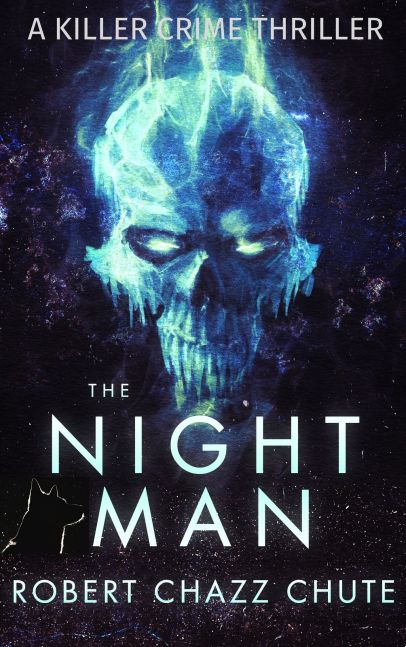
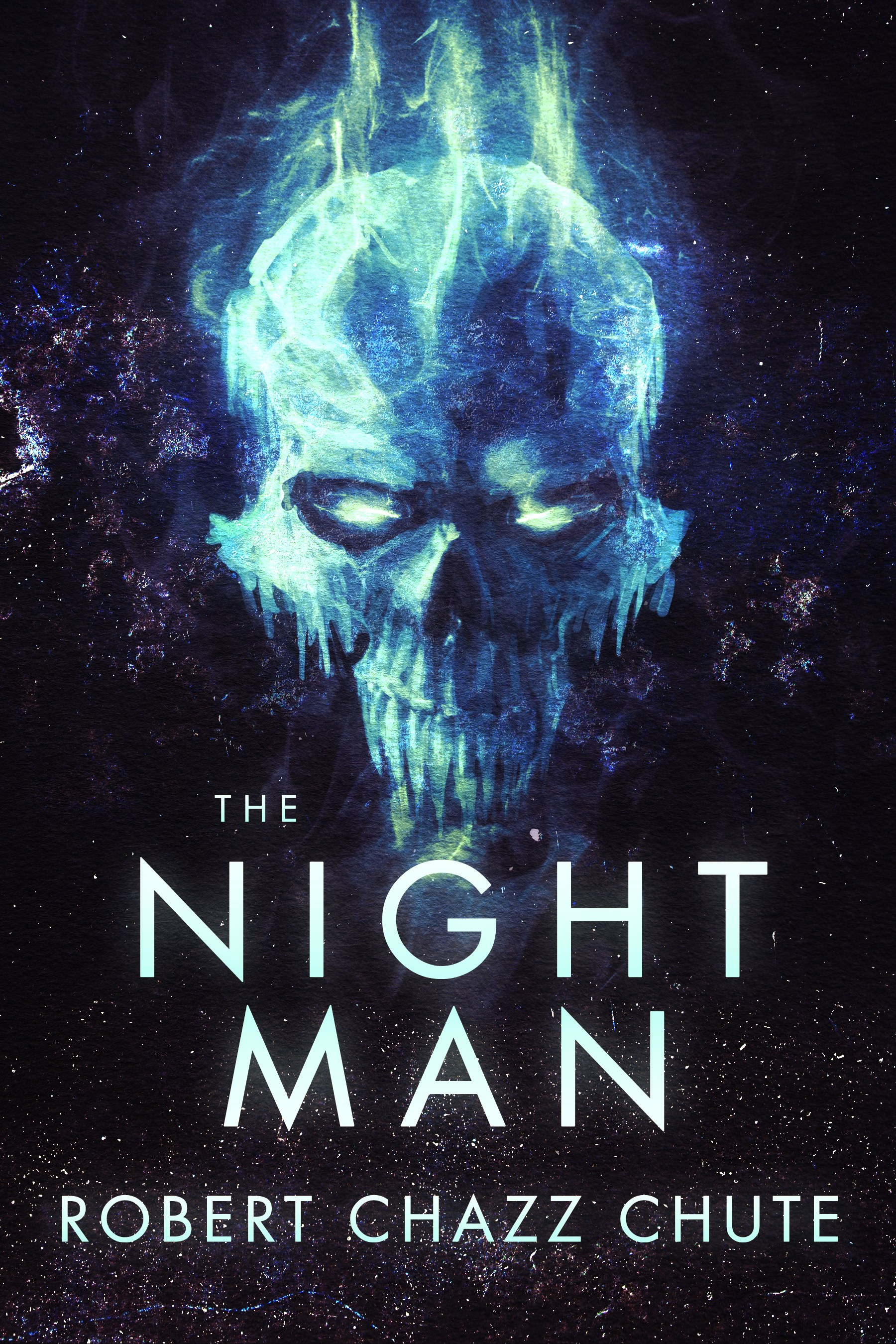
You can pick this ebook up for free today at this link: http://bit.ly/TheNightMan

Join my inner circle at AllThatChazz.com

See my books, blogs, links and podcasts.

Enter your email address to follow this blog and receive notifications of new posts by email.

Join 2,063 other subscribers