C h a z z W r i t e s . c o m

See all my books at AllThatChazz.com.

Your blog does not matter


“Writers should not write blogs for writers!” some expert declared.

Instead, write for readers!

Small-town terrors and psychological mayhem in Maine.
These are the foundation stories of the coming Poeticule Bay Series of suspense novels.

I understand the argument, but what about writing about where your passion lies? I’ve written about writing for years now, drawing on my experience first as a journalist, publishing insider, freelancer, then as an editor and finally as an independent author who publishes his own work. I’ll be coming out with a book about writing later this year, so that’s one solution to the problem of writing for writers. But I keep thinking about that advice to write your blog for readers. I think I just figured out why it doesn’t matter.

Blog marketing does not matter. An author’s blog is usually something you discover after you’ve already found the author. Seth Godin’s blog is popular, but I found out about him through media first. Despite his high traffic, JA Konrath is sure that A Newbie’s Guide to Publishing doesn’t net him any new readers. He writes for writers and they come for his opinions and information, not his books. The readers of his blog and the readers of his books are two subsets of his readership with very little overlap. True, I read voraciously, but I still haven’t got around to reading any of his books. (Or John Scalzi’s or Chuck Wendig’s, either, though I love their blogs.) And what of all those successful novelists who blog little or not at all?

John Locke came up with a blogging strategy that helped him sell a lot of books, but he didn’t blog every day to do it. In fact, Locke blogged sparingly. He crafted each blog so he could leave it up for months and, using keyword searches and Twitter, drive traffic to his blog by going out and getting potentially interested parties. (Read Locke’s book on marketing to find out more about that.)

“You will laugh your ass off!” ~ Author of Cybrgrrl, Maxwell Cynn

There is a caveat to these grand pronouncements. I’m not saying don’t blog. I’m saying that it’s unreasonable to expect a tiny engine to move that mountain. You need a website, but fairly static pages might do. Yes, I know (we all know by now, don’t we?) that a blog that changes often and has a lot of posts is smiled upon by search engine spiders and that boosts rankings. But that website you love so much isn’t the burning bush that’s converting believers. That website is where you send readers when you attract them by other means.

What should you spend more time on (and by you, I mean me)? Well, tomorrow night (Sunday at 9 PM) I’m going to have a chat on Blogtalk Radio with Sandi’s Tuttle. Tune in here. So there’s that.

Have a podcast, make personal appearances, show up on other people’s podcasts, do campus radio, do press releases (and make follow-up calls when they ignore you.)

Time for an angry tangent: A reader on a forum called on indie authors to send out press releases because she didn’t think we were brave enough or bothering to do so. She didn’t know what the heck she was talking about. Traditional media has a history of ignoring us because they don’t realize there are no gates to keep anymore. They’ll get over that. Too late, but they’ll get it. In the meantime, I’d love to sit down with that reader who thought we don’t do enough to help our cause and let her know all the things we do any given day, many of us after the full-time job is done. As if sending out a press release was a brilliant and heretofore unknown marketing strategy. She does not know the struggle. Indie authors are some of the bravest people I know in business. That grenade-thrower didn’t understand that just because you can read doesn’t mean you know anything about the writing biz.

Paranormal persuasion and scary stories (including two award winners.)

There are plenty of things you can do that could help your career more than writing a blog: Optimize your sales page on Amazon so readers can find you, for instance. Play with Amazon categories to get listed in the top ten of a subcategory to get traction. According to Klout, Twitter and Facebook help me reach more people than my blogs do (and my Goodreads blog presence doesn’t make a dent.) Becoming a star on YouTube could help more than a blog. If I’d starred on SCTV and become rich and famous at 22, I’d be better off now. (Time machine’s broken, so I’ll have to fix this the old-fashioned way: I’m going to need a DeLorean, a broken town clock and a bolt of lightning.)

What else can you do? You can do all the things you’ve heard about (or have already done): guest post, blog hop, do giveaways, comment up a storm, use free day promotions (to less and less effect), hold contests, pay for ads (though I rarely recommend that), send out more copies to reviewers, contact book bloggers, do signings, approach bookstores, make an app, cultivate powerful friends, save the life of a celebrity or write a book about cute cats.

Click to get Bigger Than Jesus here

So why blog? To serve the burning passion of a thousand stars going nova, I suppose. To express. To help. To have an active site for readers where I can send people who are interested in finding out more about me and my books and my process. On this site, I write for writers. On my author site, yes, there are plenty of links to my books, but mostly I talk to readers directly through my podcast. (Every week this summer and fall, I read a new chapter of my crime thriller Bigger Than Jesus for free. Those who can’t wait for the next instalment can get it all at once here.) Most of all, I write my blogs to discover what I think about things. (Like today.)

Do I expect any writers will convert to my book readership? A precious few, if they like my voice here because there’s some transfer of style in my other writing. No matter what I write, I’m a fan of twisting expectations, sneaky surprises and lots of jokes. I’ll expect most conversions will come when I publish the non-fiction books about writing. There are also niche blogging opportunities. For instance, I think if you’re a crime novelist and you blog about forensics in depth, you might gain interested readers from your blog to your books. Niche marketing is a buzzword, yes, but it does mean something.

The single most important thing you can do to help your career is write your next book.

If your blog is getting in the way of your book, then it’s time to take another look at your priorities.

And by “your”, I mean “my”*
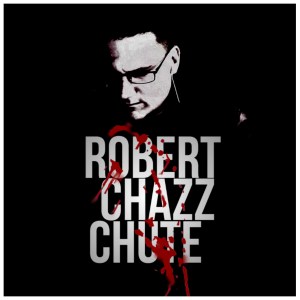
To check out all the books by Robert Chazz Chute, click here.

*More on this tomorrow…


Filed under: publishing, , , , , , , , , , , , , , , , , , , ,

Twitter Etiquette, Book Promotion & the Narcissist Inversion

How much should authors tweet to promote our books? Buckle up, because I’m about to get a little contrarian on your brain. We are told that Twitter is a conversation and if all we do is promote our books, we deserve to be unfollowed. Agreed! Let’s be clear about that. I agree. Okay? We get it!

But…there’s always a but… it’s tough to find the balance. If all you get from an author is “BUY MY BOOK!” then, yes, absolutely, the complainers are right. That’s too much. I’m not sure how they feel about all the promotion I do of other people’s books. Maybe that’s offensive to somebody, too. Anyway, work out your own cost/benefit analysis and do that UNFOLLOW math.

Now comes the contrarian counter programming: You want me to find the balance? I’m trying.

But is your view balanced?

I’m going to turn the narcissism charge around on the accusers and usual suspects for a change.

1. One person’s sensibility isn’t everyone’s sensibility. We’re taught in school to never start a rant, argument or sentence with the words, “I think.” This programs our brains to think they aren’t subjective machines. We mistake our words for universal law. I call this “King (or Queen) of the Universe Syndrome.” K(orQ)US is a common affliction which makes the afflicted think everyone should share their opinion. For example, I’m infected right now. (The only antidote I know is to go for a walk at night and look at stars.)

2. You’re telling me what to do. I don’t like to be told what to do. I’m interested in what other people think, but I like to decide things for myself. I don’t wear a collar well — everybody gets the devil’s advocate thing — but there’s a larger point: There are no rules. It’s the Internet. The only rules are in service contracts. Etiquette changes. Etiquette is not universal. Aside from the blogs of hyper-marketing gurus and scolds, we can do what we want. It’s the Old West and that’s what we love about the Internet. You and your tin badge don’t have no jurisdiction outside of town, Sheriff.

3. Twitter is a microblogging platform. People use it in all sorts of ways: to search out new customers, to find new friends, to discover grisly pictures of weird roadkill and cute baby animals. Some use it like it’s Instant Messenger. To some, a blog; to others, a flog. There’s a lot more diversity to our choices than simply insisting that people “engage” you all the time.

4. If I’m filling up your feed, you’re the narcissist for not following enough people. My incoming tweet stream is a roaring river of information, diversity and neural input. I love that. Even the most verbose can’t dominate my stream for long because I’ve got so much input coming at me from so many cool people.

5. What’s your problem? It’s free. Twitter is free and opting into someone’s stream is free. Complaining about something you got for free is beyond the “First World Problem” category. It seems rude to me.

6. The agony I’m putting you through is voluntary and your safe word is UNFOLLOW. If you are following anyone against your will, please call the police and take jujitsu so no one can snatch your autonomy from you again.

7. Just because you’re not interested, it’s not necessarily spam. It might just mean that you’re not interested. That doesn’t make all authors spammers. That makes you a Lookie-Lou. You’re a browser who has no intent to buy. What good am I doing you? What good are you doing me? What is this “Some pigs are more equal than others” con you’re trying to pull on me?

8. You’re a delicate doily. With Netflix, PVR and DVDs, the populace is trained not to sit through commercials to get to the good stuff. We used to have to sit through ads and now we don’t. (Tangent: Have ad rates come down significantly to reflect this fact?) But Twitter is not Netflix, PVR, or DVDs. It’s live people and a bunch of them are offering you the opportunity to sample their wares and delight you for hours for less than the cost of a Starbucks coffee. And it’s not killing you. Ignoring stuff is easy. The people who are delicate doilies stopped reading after the first paragraph of this post, for instance. They only read stuff they agree with. Hm. I should try that. It sounds peaceful.

9. You’re limiting my creativity. One morning I watched Kevin Smith’s Twitter feed fill up as he wrote a long treatise on art and aspiration. I loved it and couldn’t wait for the next tweet of argumentation and inspiration. However, some people complained he was filling up their feed. His answer was, “I’m expressing myself here! If you don’t want to read it, don’t.” That unfollow button is so darn handy.

Some people take a dim view of following too many people, but I think that means your interested in your world. However, if you’re really not interested in what someone has to say on Twitter and it offends you in some way, maybe you’re meant to follow only those for whom you’re a true fan. And if you’re a true narcissist (or weak-minded or insecure in your convictions) I suspect you follow no one on Twitter because this is Sparta and following is for sheep! Or some such macho BS.

10. To write, narcissism is necessary. It takes a truckload of delusion to write and allow the words outside of your house for others to read. Why should anyone care? Most won’t. Writing is a quixotic affliction. If we had a choice before birth, the smart babies would choose to be better at math so they could get a paying gig. Writers don’t choose writing. It chooses us. The crazy narcissism of expecting a readership to discover us? That’s what keeps us writing (and from stepping off that high ledge.)

11. We are all narcissists. All social media taps into the secret we keep from ourselves. We are all the stars of our own movies and the little people are waiting for our grand pronouncements. Let the extras eat after me. Deliver the pheasant under glass to my trailer.

12. I won’t miss you. I’m not into making rules for others, just the odd argument that is hopeless in the face of cultural entrenchment. However, if pressed for a rule it would be: When clicking unfollow, don’t tell anyone. “I don’t like what you’re saying, so I’m announcing to everyone that I’m leaving! I’m taking my marbles and going home!” How petty. That’s the ultimate douchey, narcissist move.

There once was a guy who was very rude to me on Twitter. I unfollowed. I never listened to his podcast again, either, but I will never name him. I’m sure he didn’t notice my absence or care. We’re both better off.

13. You’re not engaging me in conversation, either. That’s what Facebook is for. Seriously, I have noticed that the people who insist the loudest that they be “engaged” in conversation, are waiting for me to come to them. They’ve never tried to “engage” me with anything. They don’t retweet anyone. They wouldn’t pee on me if I were on fire. They are princesses, sitting on pillows, waiting to be asked so they can experience the delight of pointing their noses at the ceiling and saying no.

14. There are too many people on Twitter to have a conversation with everyone. That’s a silly, unrealistic requirement. That’s math. If you insist I engage you constantly and personally you, who’s the narcissist?

That’s the equivalent of requiring authors to go door-to-door…and…and…hey! Waitaminute! That’s the answer! I could sell my crime novels door to door! Excuse me. Gotta run.

No, before I go pound on strangers’ doors, one more:

15. Somebody I kind of like said that the only way to sell is by not selling. To me? That seems like a slap in Art’s face. Maybe that’s shame and fear masquerading as etiquette and high-mindedness. Whenever we tweet about our books, yes, we risk turning someone off. That’s focusing on the wrong end of the equation. What about all the people turned on to our books? Don’t focus on the I Hate Everything Cult. (There’s a clue. They hate everything! They only download books for free so they can crap on the dreams we are fulfilling!)

What about readers who actually enjoy reading a good book? What about your fan base, out there somewhere, searching for you? You’ve got a Twitter beacon but they can’t find you because you’re being so darn polite, you won’t risk a shout into the darkness. You don’t want to risk annoying people who don’t care about you, anyway! Grow a spine and tweet. Yes, for the love of all that’s chocolate, balance it out as best you can, but go ahead and tweet about your book without all the worry. You won’t kill anyone. And if you do, call me. I know a guy who’s good about making bodies disappear.

Does beating Twitter followers over the head with sales offers work? No. But keeping our magnificence a secret shame sure won’t do the job, either. Authors: toughen up and find your balance. Twitter etiquette fascists: for the sake of Art and your own enjoyment, ease up and toughen up. Or get out.

~ I’m Robert Chazz Chute, the award-winning writer and author of the world’s first bathroom/marijuana/suspense/humor book Self-help for Stoners and the twistiest, funniest crime novel Bigger Than Jesus (among other things.) 

Follow me on Twitter @rchazzchute.

Or unfollow me on Twitter @rchazzchute.


Filed under: publishing, , , , , , , , , , , , , , , , , , , , , ,

UBC #28: The zero money approach to book promotion

Small-town terrors and psychological mayhem in Maine.
Reached #18 in shorts on Amazon!

Each morning, author Al Boudreau asks a question about the writing life and publishing on Facebook. This morning, he asked which we preferred: A big launch of our books or a soft launch? Other people have their own answers. Here’s mine, as I wrote it this morning:

My short answer is: Hint and be clever about promotion rather than try to spend our way to success.

Sorry about my long answer, but it could have been even longer: I used to work in trad pub, so I kept all details secret. Now I hint and promote a bit for upcoming books (especially those in a series because, knowing it’s a series, that appeals to readers more.) The hints comprise things like the odd progress report, tweeting love and my Six Words or Less Contest in which the witty and pithy winner will have his or her name in the next book in the series. That’s really selling the foundation novel as it promotes the next one.

[Wanna play? Scroll down the page for the SIX WORDS OR LESS CONTEST. Entry deadline, July 31.>

With respect, I think there’s still a bit of inertia from old to new model with thinking in terms of a big launch. Except for ARCs to media and long lead times on seasonal books, Trad publishing is much about keeping it under wraps and then blasting PR and promotion for a short period of time (in part because they have so many other books to move on to and because the obsession is short tail vending and beating quick return deadlines in bookstores.) We’re kind of like classical music. We don’t get rock star tours and roadies, but we can sell lots in the long term because our books are available until we evolve past the Internet and start reading each other’s minds. (Or heat death and an ugly extinction, whichever comes first.)

With long tail marketing, though we don’t have the resources for a huge launch with cap displays and buying bookstore space, all our energy isn’t spent in a tiny retail window, either. Publishers have largely abandoned big launches anyway. Most midlisters never get that dreamed of release party and all their publicity is really up to authors who thought they’d get more logistical support.

Our books can go up faster with low overhead and they are on sale forever.No returns. Rather than blast potential

“You will laugh your ass off!” ~ Author of Cybrgrrl, Maxwell Cynn

readers, I hint because I wouldn’t want to tire anybody out. “Oh, there’s Chazz talking about Self-help for Stoners and Kevin Smith again,” wears me out, too (hence more books are critical.) That’s okay, though, because we’re better at social media than trad publishing has been. Social media is personality based. Who cares what Random House’s twitter is on about? I want to hear from individual authors, not faceless corporate entities. Corporations are not people, my friend.

Big launches feel like putting all the chips on one roll of the dice, which is an awful way to start your trip to Vegas. I just hint and hope the dribble never becomes an embarrassing orgiastic fit or a drone. Just my opinion as the author of the hilarious crime novel Bigger Than Jesus. (See what I did there? Um…yeah. See, there’s such a fine line between fun promotion and self-loathing.)

Filed under: publishing, , , , , , , , , , , , , , , , , , ,

Find out if you win the great popularity contest

Imagine how perplexed I was when I discovered this website is most popular in Wichita.What? According to

Fisherman's Wharf sign

Fisherman’s Wharf sign (Photo credit: Wikipedia)

Alexa.com, “the global leader of analytics”, it’s true. Before you plug in your URL into Alexa’s Popularity Contest Scanner, brace yourself for a stake through your ego. But it’s also fascinating. More women read this website and a bunch of readers here have grad school education.

You can actually get a breakdown of your audience for free using Alexa. Just plug in your URL and you’ll get a lot of clues about SEO. You can find out how people found you with these analysis categories: Search, Audience, Reviews, Clickstream (indicating for percentage of unique visitors) and Traffic stats. Be sure to click for details. That’s how I found out I’m popular in Wichita. (Hello, Wichita! Never been there. Don’t know anyone there. Thanks for reading! Keep clicking!)

Another site to consider is Klout. It’s really a data farm, but it’s no less fascinating and measures your overall influence, not just your websites. (Just resist tweeting your laudatory notes from all your new friends.) Through Klout I learned that my Facebook marketing extends my reach and influence more than my three Twitter accounts. That amazed me. I got my cool new business cards (from Moo) as a perk through Klout, so there’s that. Also, Klout allows me to give a note of acknowledgement and gratitude to people who contribute to my neural net. I especially enjoy seeing how influencers are classified. I’m an expert in a niche according to Klout. One day, maybe there will be fame and riches, too, but Klout says, “Not yet!”

I wrote about starting up a podcast of your very own (below). Libsyn shows me, not only the numbers, but where my podcasts are consumed and on what platforms. My podcast, Self-help for Stoners, is most popular in San Francisco — way to hold up the brand’s stoner cliche, Frisco! (Hey! Pick up your feet, Wichita!) Chicago, New York and Alberta count among heavy listeners to the podcast, too. What does it mean? I don’t think anything. Hm. Except…maybe in a future book in The Hit Man Series, Jesus Salvador Diaz will wreak some entertaining mayhem in Wichita on his way to San Francisco. (Actually, in Higher Than Jesus — coming soon — Jesus already admits to a visit to San Francisco’s Fisherman’s Wharf and Alcatraz (as a tourist.) I wasn’t pandering when I wrote that, though. It was relevant because I spent some time there and everything I do is research. I am looking forward to pandering to my audience, though.

These are the dubious rewards of the flip side of the great popularity contest.

Filed under: publishing, , , , , , , , , , , , , , , ,

Ultimate Blog Challenge: I was on CBC Radio’s Cross Country Checkup yesterday

Yesterday I spoke on national radio in Canada. The show is Cross Country Checkup on CBC Radio. I reference the show in my

English: Lion's mane jellyfish Español: Medusa...

English: Lion’s mane jellyfish Español: Medusa melena de león ártica (Photo credit: Wikipedia)

book Self-help for Stoners (it’s the last story, called Context.) I did get to plug my latest book, but I didn’t mention Context on the show, though. It wasn’t the same host. The topic was basically, Social Media: Good or Bad?

They tried to finesse it, but that was the basic, kind of clunky, out-of-date, black and white question. Thing is, I think I was in the minority in extolling the virtues of social media! I was a bit shocked about how many people called in to say how terrible social media was for the children, the zombified masses and the fate of our doomed society. After I hung up I realized that, though they did have a few social media experts to balance things out, the demographic of listeners to CBC Radio on a Sunday afternoon aren’t exactly social media mavens.

For all the hand wringing, most of the objections people raised about social media seem to come down to poor time management and either/or thinking. They couldn’t say no to their kids. They couldn’t turn it off or they were nostalgic for a time that never was.

Here’s what I said on the show (and a couple of points I didn’t get a chance to add):

1. Social media allows me to have the business I do. (Yes, here’s where the plug for Bigger Than Jesus came in.)

2. I like what social media does to my brain. More neural input leads to more complex neural output.

3. Social media allows me to meet people I never would. And I wasn’t at all social in person before. I pretend to be an extrovert here. In real life, I’m one long beard and a pack of chewing tobacco away from being a recluse.

4. My neighbours are fine people, but our relationships are infrequent and accidents of proximity. Social media gives me the tribe, followers and conversationalists I choose.

5. Get used to it. Social media is spatial displacement. I don’t have to be there to be there. Physical presence is not required. This should be obvious since I was speaking on a national phone-in show that’s broadcast around the world.

6. We are social animals. (If we weren’t, we’d be extinct.) Social media is the new place to be social. Wring your hands all you want. We aren’t going backwards. Is it just for narcissists? I’d say we are all so subjective, we are all narcissists. However, the guy who extolled the virtues of cutting himself off from the noise of social media so he could explore only what his brain could come up with? That jerk sounded like the King of the Narcissists.

7. With Twitter and Facebook, I get information pushed at me that I wouldn’t think to search for. The other day I saw a Lion’s Mane Jellyfish for the first time. (See the picture above? That’s one.) It’s amazing. It predates the dinosaurs and they are still floating around in the Arctic Ocean. Oh, yeah. Did I mention they are about the size of a huge cube van? They’re a-MAZ-ing! I ended up using a reference to the Lion’s Mane Jellyfish in my new crime thriller. (I know that sounds crazy, but you’ll get the metaphor when you read Higher Than Jesus this fall.)

8. People worry social media takes too much time. The founding fathers of the United States wrote reams and reams of letters in their lifetimes that must have taken hours out of every day. They still got a few things done, don’t you think? (You could argue that the founding fathers had slaves. True, though I read somewhere that all our modern conveniences which automate our lives so much actually replace the work of fifty slaves, so everything evens out except for the awful horror of slavery.)

9. Someone argued that social media reduces us to selling ourselves all the time. How is that different from always except we now have a more efficient way to do it? We sell ourselves, our time, our personalities to get a job, get a mate, keep a job, keep a mate and to avoid being disowned by our parents and children. Tools change quickly. We evolve slowly.

10. Social media has a tremendous power for good and just because the critics can’t handle it doesn’t mean the rest of us can’t love it and use it responsibly. Through social media I sell my books. Without social media I wouldn’t know all the cool people I know. Were it not for social media, I would not have been privileged to participate in a campaign to help a young man suffering leukaemia with his medical bills. (I wouldn’t even have known about his struggle in the first place.)

I probably irritated some CBC listeners because

Get Bigger Than Jesus

I was one of the few who weren’t worried about the damage social media can do.

It will make them feel better to know that my appearance didn’t help me sell a single book.

So much for moving that needle.

(UBC #13 of 31)

Filed under: publishing, , , , , , , , , , , , ,

Ultimate Blog Challenge: I am an artist, not a beggar

A forum post out of the cyber-ether really irritated me,

and not just because the person who posted was biased against self-publishing.

She was horribly misinformed and self-centered.

Her complaint is about “all these self-published authors begging for likes on their Facebook pages” and that apparently angered her by…okay, I’m not sure how that could bother her so much. Cluttering up her world, I guess. The strength  of venom I detected is usually found in a rattler’s fangs. Anyway, let’s flesh out the ugly misconception in her deluded subtext:

1. It’s not just indie authors. All authors with a Facebook page ask for “likes”. The more important likes are the like and buy buttons of our Amazon pages, but we all want to be liked. Most traditionally published authors understand that their publisher’s publicists are already stretched too thin, are often less effective than publicity that comes directly from authors and what resources that are channelled toward their books tend to be minuscule and fleeting.

2. It’s not begging. It’s asking politely and you often get something in exchange, like free entertainment, free education (like this post) and books that are much cheaper than what you’d pay a traditional publisher. All my books are currently priced at $2.99. That’s couch change — an impulse buy — for professionally published books. For less than the cost of one Starbucks coffee you get hours of entertainment I am happy to provide. I am an artist, not a beggar.

I’m not asking for loose change in exchange for nothing. I’m offering you a chance at relaxed Sunday afternoon with a book when it’s too hot to go outside; a cozy read on a winter’s night when you can’t sleep; suspense that won’t let you go to sleep;  a euphoric discovery that will delight you and might even change you. Yeah, you betcha that’s a bargain. If you refuse, no hard feelings.

3. Providing you with information or the opportunity to help out is not spam. It’s a question you don’t even have to answer. Get over yourself or turn off your Internet connection and take a break. I’m sorry the world isn’t catering to you. It’s not catering to me, either, but I suspect I hate fewer people than you do. I’d define spam as bombarding people with ads that provide no value, are out to scam you and a steady stream of blaring that gives you no opportunity to opt out. (i.e. You don’t get to complain if you decide for yourself you’re going to read it.)

4. Ignoring  the request takes nothing from you. Simply ignoring a request takes the bare minimum of tolerance. This person must be a nightmare in real life. How would she handle a real problem?

5. Why all the animus toward authors? Helping out costs nothing and I don’t think authors have any bad feelings toward those who don’t bother to “like” their books on Amazon, click “Agree with these tags” button on Amazon (it’s toward the bottom of each sales page) and “like” their Facebook page. (Thanks for helping to spread the word. And if you didn’t, no hard feelings.)

6. Ads are only irritating if you aren’t interested. On the computer, I click away. If assailed by the TV, I ignore it, fast forward, check my email or get up from the couch and get a glass of water. Indie authors (well, everyone) deserve more compassion than the complainer was willing to bestow. Sadly because the complainer might even love our work if she gave it a chance.

7. Despite my frustrated tone here, I know authors are not entitled to sales any more than Wal-mart or Toyota “deserves” your sales. We don’t even “deserve” your attention. That’s the myth of the entitled author I hear so much about. I honestly haven’t met many authors who suffer that delusion.

We get it. It’s a book. To most, “just” a book. We write them and lots of people don’t care. A lot of people don’t even read! Still, we stand behind our work and hope to find our audience. We hope our audience finds us. If I’m speaking to a crowd, I’m not speaking to everyone and I know it. Please be patient and polite while I direct my audience toward my books. I promise I won’t take long doing it and I’ll be as entertaining and quick as I can as I ask these things. You can always opt out.

Whether you’re indie or traditionally published, the promotion for your book really is up to you, your tribe, your followers and your readers. Publishers do very little for most authors. Stephen King gets a big promotional budget. That’s right. The authors who need the promotion least get the biggest boost because it’s a simple business decision: the publisher banks on the biggest title. Big publisher or small, these are the evaluations we all have to make.

I make that same evaluation every week. I have two very new titles just released in June. One is a short story

Get Bigger Than Jesus

collection bundled with a novella, The Dangerous Kind & Other Stories. The other is my crime thriller, Bigger Than Jesusthe first in a series. Which do I spend my limited resources promoting? Obviously, the crime thriller.

No short story collection will sell as well as a thriller. In all likelihood, my short story collections’ sales (there are three collections in all) will come after readers decide they like my flavor by discovering the novel. Some of the stories include characters and references that cross books, so there’s cross-pollination going on, too.  The short story collections are great, but they’re harder to sell (though they will be a valuable long term sales avenue.)

Yes, we have to interact and connect and make connections and help others to be heard.

Endure a little promotion amid all that for art’s sake.

Everybody’s trying to make a living

and civility is the grease to the gears of civilization.

Filed under: publishing, , , , , , , , , , , , , , , , , , , ,

Social media: Twitter Etiquette & Maybe Myths


Get Bigger Than Jesus

We’re told content is king, one-to-one engagement is paramount and direct messages on Twitter are rude. Maybe not. Before you swallow somebody else’s rules, we need to be careful we aren’t hiding our lights under bushels again. As the resident introvert pretending to be an extrovert, I’m not suggesting “rules” here. I’m suggesting not all rules are for everybody all the time. Question the rules and let’s rethink what’s rude when you’re on Twitter. Let’s examine the self-appointed arbiters’ assumptions about marketing manners with some Maybe Myths. I may not change your mind with this contrarian post, but I’ll be happy you made up your own mind.

Maybe Myth 1: Content is king.

Sin: Last week I promoted more authors than ever through Twitter. In return, they promoted my new books, Bigger Than Jesus and The Dangerous Kind & Other Stories. The Tweet Teams at World Literary Cafe and me friends at Triberr helped sell books. It’s a tricky balance, figuring out how much to tweet, how much to retweet and how much to engage. I thought I was risking my follower count by tweeting a drumbeat of, “Buy my book! Buy these books!” I promoted others more than myself, but it was still a big stack of book flogging. It was, you might well argue, what many people object to when they think of desperate authors trying to get attention and yell past the ambient sound.

Redemption: Or, if you think of it differently, it’s helping out and giving more people more opportunities to discover cheap entertainment they might otherwise have missed. Silence or too much self-conscious inhibition would not have connected with people or moved any books. Besides, my numbers of Twitter followers increased with this promotional campaign. No, don’t harangue anyone, but don’t be so shy, either. Be proud. Assert. Declare. Let yourself be known.

Maybe Myth 2: Engagement is queen. 

Sin: You can’t get more followers, and you don’t deserve more followers, unless you engage with people. “Twitter is a conversation,” the gurus say. I think that’s often right, but what I did last week wasn’t much of a conversation. The signal went out, not back and forth.

Redemption: I want to be clear: I remember my pleases and my thank yous. I do engage with people on Twitter a few times a day. I’ll respond to a question or a comment here and there. However, I follow 2,000 interesting people on just one of three Twitter accounts. How much real engagement is logistically or reasonably possible to expect?

Before you answer, “So follow fewer people”, nope! I follow a lot of people for all that great neural input. Information and joke tweets stimulate my brain and I want to keep my brain stimulated. I value their tweets and all that fresh data.

3. Maybe Myth 3: Everyone’s a delicate little princess.

Sin: Some people object to auto-tweets welcoming new followers because they think direct messages to strangers are rude and bot tweets suck. (Who handed down that law to begin with, anyway?)

Redemption: I’d argue that if you follow somebody, it indicates a good faith act that you don’t want to be just strangers. You might not have them over for a barbecue yet, but the condemnation of a friendly, welcoming auto-tweet with a little more about me, my website and my book babies seems a wild overreaction. Please  don’t go to Defcon 1 and condemn one auto-tweet with the same vehemence as world hunger or skinning live puppies.

Some people complain welcoming auto-tweets are annoying. I think that’s a very vocal minority, probably the same subset of people who insist on validating Twitter accounts. I don’t do that, either. I tried it and it was cumbersome and if somebody’s that stiff and vituperative about a simple follow, they probably aren’t my crowd. I’ve had followers thankme for letting them know I have books (of Doom!) and podcasts (of Doom!) that they may want to check out. One person’s spam is another person’s tasty meat product in a can.

Small-town terrors and psychological mayhem in Maine.

More about the auto-tweet debate: Consider the case of Claude Bouchard, a brilliant author, who uses Twitter very effectively. I know this because his following is closing in on 273,000 people. Um. Wow. In a recent post, How I Really Got a 1/4 million Twitter Followers, he explained that he takes a few minutes each day to unfollow the people who don’t climb aboard his party boat to make room for people who get him. Click that blog post link for more information on his strategy and thinking. I would not presume to summarize it here. (You could also set TweetAdder to take care of unfollows and other tasks automatically, though Mr. Bouchard doesn’t trust such bots and does it manually.)

I read someone condemn the welcoming tweet idea as useless. My answer: Do you have half as many Twitter followers? Have you sold as many books? Then maybe Mr. Bouchard has something to teach, not learn. I’m glad I ran across his post.

Think you’ve heard it all? I’ve watched a couple of people on Twitter castigate someone who dared to hit “reply” to one of their tweets. These dicks, a couple of celebs so minor as to be nearly microscopic, took the minimalist  approach to Twitter engagement and made up a new rule: How dare you speak to someone you don’t even know? (Answer: um, so we might get to know each other?) For these guys, Twitter is a place for everyone to sit quietly while they talked. I think applause was allowed, as long as it was quiet golf green applause. You can monologue on podcasts, but when people declare that Twitter is only for people who already know each other? Really? Isn’t that what email is for? Unfollowed.

To the vocal minority: I make free podcasts, free blog posts (that are usually wittier, far less cranky and more fun than this one), cheap but pretty damn awesome books and give friendly-but-not-needy engagement to my Twitter friends. That ought to suffice, shouldn’t it? Sorry if I annoyed you last week, but if it did annoy you, apparently you were a small group and, respectfully, I hope you unfollowed so I won’t bother you further. I don’t want to bother anyone. Let’s just keep things in perspective. Twitter is free and you don’t have to listen to anyone you don’t want to listen to. I wouldn’t have it any other way. You no like? Unfollow. Don’t tell me you’re unfollowing. Just do it, no hard feelings. Not everybody likes mocha coffee. Crazy, but true.

What some people call spam, others thank you for. I fractured the royal rules and made them into Maybe Myths, gained more Twitter followers, helped a bunch of readers and writers connect, and sold some books. And not just my books, either. Maybe the Internet scolds need to reconsider the accepted dogma. I’m going to continue to let people know about my books as they keep coming. Lots of people seem to appreciate that. Those who do board my party boat and go for a fun fiction cruise with me have no idea how grateful I am for their enthusiasm and support.

Truly. Thank you.

Filed under: publishing, , , , , , , , , ,

Author Blog Challenge 19: Choose how to grow your author platform

The Author Blog Challenge writing prompt was: What are the three most important things you are doing to grow your platform? This is such a good question and everyone has so many different answers. I don’t have an answer. I have a survey of what I do. How to grow your author platform? Eh…I have a menu of stuff from which to choose. Choose to do what you’ll enjoy so you can be effective and sustain it.

Just today I read a fellow indie author opine that one day a week of concentrated social media, pumping and pimping, hadn’t helped him a bit. Mind you, his sample was a bit too small. He was only talking about a month, which translated to four workdays. However, he’s not alone in the complaint. You can do a lot of work and still not move the needle in a measurable way, and measurable is really what counts. I suspect what was missing was connection. You have to be interested in people and what they’re doing. Interacting is better than spouting (he spouted.) Failing earnest interaction, when you just can’t bear to rip your heart out of your chest again for another blog post or comment thread, do what I do and make more jokes about strangling mimes.

I’m really very consistent in establishing my web presence. I do something every day and here’s what I’m active in: three Twitter accounts (though the main one is @rchazzchute); Facebook pages; a podcast broadcast two times a week; the author site (AllThatChazz.com) and, of course, this site. I even do a little bit of Google Plus. I always think of G+ last, but I know I picked up a new reader (who promised to review my book!) through G+ today. I know that’s a lot. This is part of my full-time job, no whining. The rest of the time, I’m writing, and no, there’s not time for much of anything else. Most people can’t devote the amount of time I do to marketing and promotion, and yes, I realize I’m very lucky to have such a supportive spouse in She Who Must Be Obeyed.

When you do a lot of social media, you do risk annoying people. I certainly risked that today. My Amazon free promo day was plastered across my podcast, my Twitter and retweeted across at least 50 other Twitter accounts. I emailed some people and reached out a bit through Facebook. Somebody must have thought, “Yeah, yeah, we get it. You’re excited about your book but I got a sammich here!” Even as I was promoting, I noticed a fellow author got cussed out severely on Facebook for his pleas. In my defence, everyone who tweeted me got my support, too. I share. They share. Some would say that adds up to a lot of noise and signal degradation. On the other hand, my novel rose from a dark place in my skull a couple of days ago to #545 on the general Amazon list last I checked (UPDATE: and #73 in Mysteries & Thrilers! Yay!) Self-help for Stoners shot up 140,000 places as a collateral benefit so something’s selling in addition to all those free books.

I curate a lot of helpful information for indie authors. On the one hand, this blog brings me a lot of traffic, but they (well…you) aren’t necessarily interested in reading suspense, funny and weird self-help in the form of fiction, strange humour and crime novels. Some people say writing about writing is a complete waste of time. I say write what you’re passionate about and you’ll never run out of blog posts. I don’t want to blog about animal husbandry. It’s icky hanging out with naked animals.

When I joined Klout, I had assumed most of my influence came through this blog or Twitter. Klout says it’s Facebook where I make the most impact (though my Ex Parte Press page only has 37 likes and my personal page only 177 friends. That’s lousy, though it’s almost 177 more friends that I ever had elsewhere.) I doubt Klout, but it’s hard to say. Besides, maybe that’s too reductionist. In layered marketing, you do a lot of things in order to appear to be just about everywhere at once, like The Flash or herpes.

So what are the three things I do that are most effective? I’m sorry. No easy answers. I couldn’t narrow it down that much. I think my podcast, though small, helps me reach out to new people around the world and when the podcast went up at 6 pm this evening, listeners snapped up the free promo. Triberr is effective. World Literary Cafe Tweet Teams help. I’m exploring new ways to advertise on a tiny (to zero budget) like Masquerade Crew, Kindle Nation Daily, and Kindle Book Review. I have to reach out to book reviewers to get noticed. I have to find crime novelists or suspense writers willing to give up a blurb for Bigger Than Jesus.

There’s only one thing I am sure will help me sell more books: I have to get the next book up. And the next, and the next and so on until I am discovered, die or you decide you want you r kids back with all their thumbs attached.

What to do?

Do what you can. Do what you love. Get the writing done first. Nothing should cut into your writing time.

How do I do it? I don’t sleep much. It’s like cramming for finals every day and night.

It would be hell, except I’m having fun.

Filed under: publishing, , , , , , , , , , , , , , , , , , ,

Elvis has left Linked In

English: Graph of social media activities

English: Graph of social media activities (Photo credit: Wikipedia)

I thought I was a social media gadfly with unlimited capacity and patience. I was wrong. I thought more was always better. Usually more is better unless we’re talking gunshot wounds. However, as the reminders and posts from Linked In piled up, I found Linked In had the least to offer me of the social media options I’ve explored. Linking with friends or old acquaintances was fun. Finding out what horrible job afflicted an old enemy filled me with inappropriate glee. However, the rewards were brief. Most friends, readers and dreamers are on Facebook or Twitter anyway, so Linked In quickly became redundant. After the bottom dropped out of Facebook’s IPO this week, some pundits are saying the big FB has past its peak and will tank to become the next MySpace. Facebook still looks plenty active to me.

The primary reason for my ennui has nothing to do with Linked In: I’m not looking for a job. Publishing keeps me very busy. If I were looking for a job, I might feel differently.

However, I had thought the groups related to my interests could be useful. Theoretically, they could have been, but that’s where the corpse floated up. I’m not going to name any names, but I can tell you that far too many posts seemed to fall into one of two camps:

1. I know nothing about X and could someone explain all the basics to me so I won’t have to do a pesky Google search or look at Wikipedia or read a blog or a book on the subject?

or, far worse,

2. Everybody sucks but me and I know everything and I’ve been in this business for 40 years and you all know that because I start every snarky post with, “After 40 years in this business…”

Ugh. No, thanks. I’ve had quite enough of that attitude, thank you. I really have to protect my time, especially from big green meanies. I hadn’t encountered that much rudeness in one place in other branches of social media and my policy is I give rude people no time.

If you were trying to connect with me, there are still plenty of fun and friendly ways to do so (Twitter, Facebook, email, puppetry and interpretive dance or possibly even G+.) I don’t think Linked In is a great communications opportunity for indie authors or at least it isn’t for me. Joining was an experiment. Staying with it too long was my mistake. Leaving means one less thing to track.

(Hm? Pinterest? What’s that? Never mind what it is! Quick! Sign me up!)

Filed under: publishing, , , , , , , , ,

The ebook marketing experiment

Last week I announced that my short story, Corrective Measures, is free to anyone who wants one at Smashwords.com for the rest of January. It’s a look inside Jack’s mind. He’s a serial killer who has a complex

Click here for your free story!

relationship with God, his psychotherapist and the woman he wants to kill for an argument over a parking space. It’s quirky and dark and there’s even a subtle Sarah Palin joke in there.

But that wasn’t why I chose to make this ebook free. As discussed in Part I, I haven’t been happy with my sales so far. I have eight works for sale and I needed to harness the power of cross-pollination.

As I’ve often said, publishing is easy now. Being found is hard. I chose to make this ebook free because Jack and Dr. Circe Papua show up in my other stories. At the end of Corrective Measures, I discuss where these characters show up in my other work and basically advertise my podcast and what else they might like to buy. I’m hoping, of course, that if they like Corrective Measures, they might like my other stuff. That’s why I think every self-published author absolutely must be prolific. The worst circumstance is to have readers eager for more of your work and not having anything for them to buy. We’re all in a hurry. That’s why my goal for 2012 is to finish writing and revising three novels. (Two are in the revision stage. The other WIP is in the first draft stage.)

So what happened with the free ebook giveaway?

Sorry. Buried the lead. I promoted the ebook like this:

1. Twittered over three twitter accounts cool quotes from Corrective Measures. (“Your hair looks very…flammable.” Still makes me chuckle.)

2. Google+’d the post from this blog and also posted it on my author blog allthatchazz.com.

3. Announced in my Facebook timeline and my Ex Parte Press Facebook page.

4. Promoted Corrective Measures in my podcast that was released Friday across Stitcher and iTunes. Some people download the Self-help for Stoners podcast straight from allthatchazz.com, as well.

5. Made a couple of videos with iMovie that appear on my G+ profile, my author blog and on my Facebook timeline. (I also revamped my author blog with a new header—thanks again to my buddy Kit Foster of KitFosterDesign.com—and added fresh content.)

6. Asked for help spreading the word from my friends on Facebook.

What worked?

I have an answer, but before I tell you that, I should add that as I write this, the experiment is only three days old. Many of the people who took me up on the free ebook offer now have the story on their device, but they haven’t gotten around to reading it yet. Some of them may never get to it. It’s too early to evaluate the worth of the experiment to e-publishers yet. But I do know what’s been most effective.

Okay, but no, really. What worked?

Contacting friends and family on Facebook by messaging them individually and asking them to spread the word through their Facebook helped.

How do you know it helped?

On Smashwords, the nearest maximum download count was 19 downloads on stories that have been up for over a month. Over the weekend, as of Sunday afternoon, 53 people have downloaded Corrective Measures and I have a fresh and fabulous review. I’m hoping for more reviews to help spread the word. I am encouraged that several people who liked it and sent me feedback are not my immediate friends and family. They are friends of friends, out there in the social media ripple effect, enjoying the fiction and enhancing my credibility with their participation and kind words.

How has this helped sales, though?

So far, there is one (lonely) new sale over the weekend of Vengeance is #1. That’s a short story, too, on sale for $1.99, that features the psychotherapist from Corrective Measures. (Whoever you are, may Thor bless you!)

One sale? Really? Do you call that a success?

Nope. I call that a start. I believe in my work. I’ve got seven writing awards and years of experience that suggest I have an inking of what I’m doing. My readership will find me. I’ll let you know how the experiment works out. I’m pretty relaxed about this process. I’ve started businesses before and I know what it’s like to wait for people to find me. When they do find me, we’ll both be happy. And like I said, it’s three days into the free ebook experiment. Bread needs time to bake. This is what it’s like before you get to the place on the path where you look back and wonder where the time went. Besides, I’ve got big plans for my novels and big plans for promotion that could go huge. I’m not worried. I’m excited. The key word to keep in mind while hunting down dreams is YET.

What can self-publishers learn from this?

I’m three steps into the race. Still, I’m sure of this much:

1. Put out a general call and it’s just an announcement in a world full of announcements. If you don’t ask individuals, everyone will assume that someone else will rise to the occasion. One to one is how messages get passed.

2. Give a lot to get anything. I’m giving away an ebook and free entertainment and a free podcast every week, but big deal. There’s lots of free entertainment available. I could get sucked into watching babies laugh on YouTube for an hour. I’m not talking about the free ebook as the “give a lot.” I mean try to be giving and kind all the time. I dared to impose on my friends because they are my friends. I’ve had interactions with them that were generally pleasant. I’ve promoted several authors on the blog over the last couple of years, but I don’t feel like anyone owes me anything. I approached the people I approached based on rapport and where I felt their interest might lie. I’m wary of bothering anyone with my requests for reviews and downloads so I won’t be repeating a similar experiment like this for a very long time. I also left some people alone because, even though they are friends and family, I do not presume that they are interested in my flavor of fiction. I didn’t ask anything of anyone who I thought wouldn’t be eager to help me out by spreading the word. I’d do the same for them. That’s what friends are for. As Patrick Swayze says in Roadhouse, “It’s nice to be nice.” That little syllogism is the basis of all relationships.

3. Build an email list. This is one thing I have not pursued and I have to get on it. When people express an interest or appreciation or leave a review, that’s an audience who will be interested in the next thing I write. I should be able to email them directly to say, “Hey, here’s more of that thing you liked! Yay!”

4. Get back to writing. This ties in with my resolution to have three more novels for sale by Christmas. You might have noticed that all this social media stuff takes a lot of time and effort. Well…yeah. It does. I’m not complaining. Actually, I enjoyed saying hello to Facebook friends and playing with iMovie was a blast. I love doing the podcast and these are now essential skills in this environment. For instance, this week I’ll record a commercial for a major podcast (hint: not mine). What would have intimidated me a couple of months ago is now something I look forward to doing. I know the tech now so the prospect does not leave me at all flummoxed. However, since November 1, my focus has been getting Ex Parte Press up on its hind legs. It’s been a lot of editing and promotion and learning administrivia and technical details. This is also fun, but it’s not writing new content. It’s not getting the novels done. In a previous post, I called this period The Worst of the First. I’ve burst through that stage now and the full-length novels will be easier to market (for a plethora of reasons to be discussed in a future post.)

I’m writing now more than I’m doing anything else.

My eyes are on the prize.

The prize is your mind. You’re curled up on a couch with the aroma of fresh coffee fading in the air. You’re reading my stories and, when it gets scary, you pull up the blanket to keep warm because the body and mind do not distinguish between the imagined and the real. Your mug cools, unnoticed. Your coffee grows cold and you still haven’t touched it because you’ve pulled my fiction over your head and you’re in my world. You recognize characters you’ve never met. This world feels familiar, but is slightly skewed. You chuckle in surprise. You believe. Fiction is a participatory magic trick. You are invested in one question, “What happens next?” Time stands still and you only come up for air when you realize it’s getting dark and harder to read. The quiet winter afternoon has crept by you. You twist the knob on the lamp beside you and the room floods with a weak yellow light. You should get dinner started. You’ve got things to do. You spare a regretful glance at the full mug of cold coffee.

You pick up the book again. You keep reading.

Just a little more. 

And once more, you are swallowed.

Filed under: My fiction, Publicity & Promotion, self-publishing, short stories, , , , , , , , , , , ,

Bestseller with over 1,000 reviews!
Winner of the North Street Book Prize, Reader's Favorite, the
Literary Titan Award, the Hollywood Book Festival, and the
New York Book Festival.

http://mybook.to/OurZombieHours
A NEW ZOMBIE ANTHOLOGY

Winner of Writer's Digest's 2014 Honorable Mention in Self-published Ebook Awards in Genre

The first 81 lessons to get your Buffy on

More lessons to help you survive Armageddon

"You will laugh your ass off!" ~ Maxwell Cynn, author of Cybergrrl

Available now!

Fast-paced terror, new threats, more twists.

An autistic boy versus our world in free fall

Suspense to melt your face and play with your brain.

Action like a Guy Ritchie film. Funny like Woody Allen when he was funny.

Jesus: Sexier and even more addicted to love.

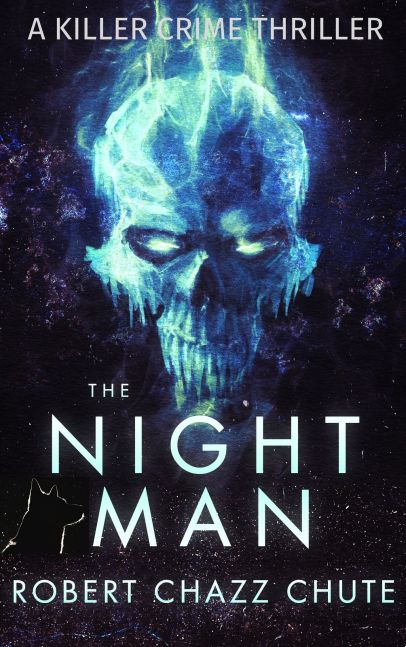
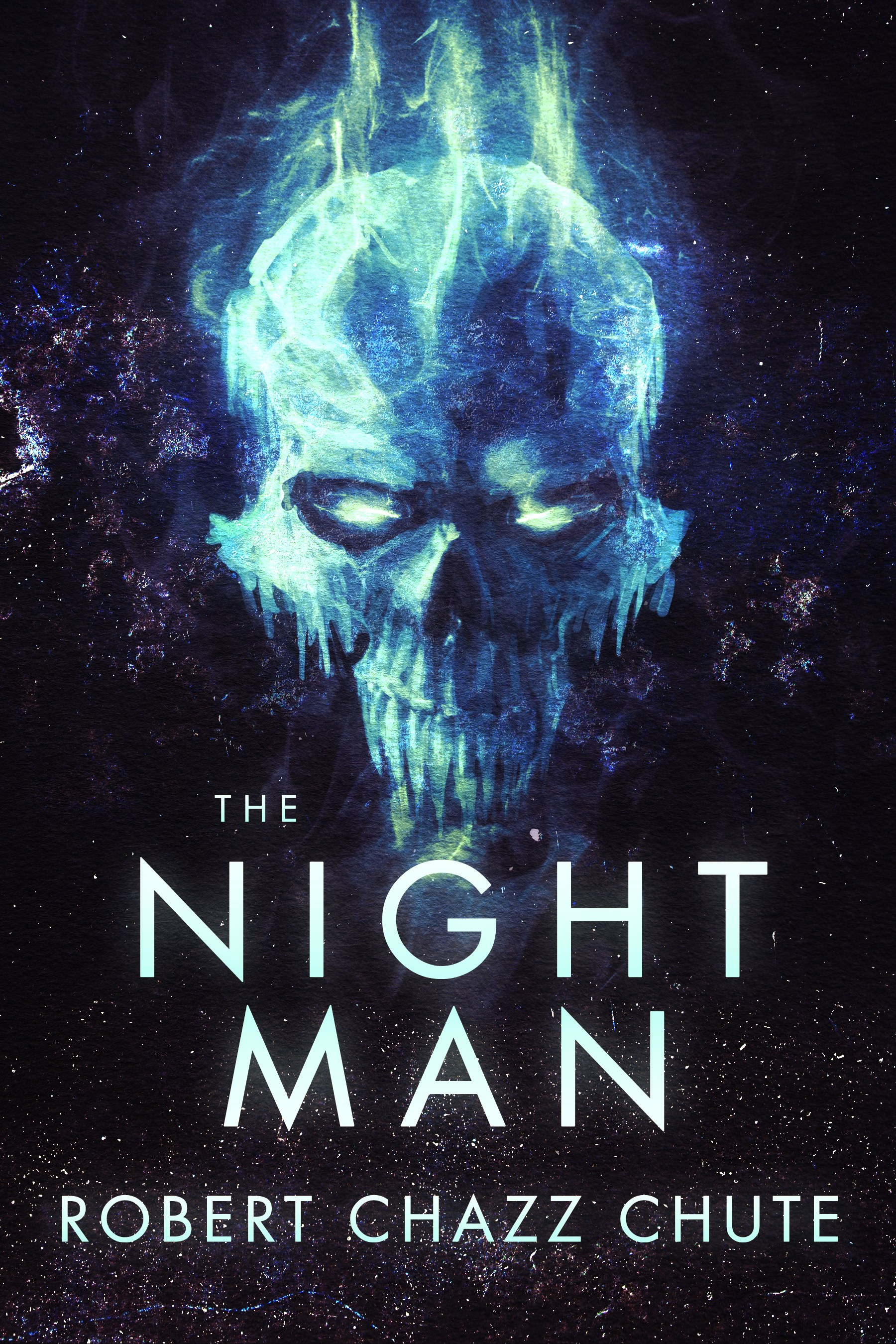
You can pick this ebook up for free today at this link: http://bit.ly/TheNightMan

Join my inner circle at AllThatChazz.com

See my books, blogs, links and podcasts.

Enter your email address to follow this blog and receive notifications of new posts by email.

Join 2,061 other subscribers