C h a z z W r i t e s . c o m

See all my books at AllThatChazz.com.

What We Don’t Know

Have you gathered all your tax receipts yet? I recorded all my expenditures as I made them in 2021, so this should be the easiest tax prep yet. Last year, we had to chase our accountant to do his job, but that’s a long story about frustration. Short story: We’re getting a new accountant.

Today’s brief post isn’t really about taxes. It’s about what we don’t know. I’ve always used an accountant because tax law is far too complicated (by design, depending on where you live). For instance, I don’t know what the latest mileage allowance is. I could look it up, but what about the deductions or pitfalls I might miss? Hiring a professional eases my mind because I don’t know what I don’t know. There’s no shame in ignorance as long as you learn or compensate.

We don’t know what we don’t know.

When you’re outsourcing work for your writing business, keep that adage in mind. My editor is far more versed in the many subtle nuances of comma placement. She’s taught me a few things (which I promptly forgot). Instead of trying to know everything, I rely on her encyclopedic knowledge of The Chicago Manual of Style. She knows her stuff inside and out and having her on my side eases my stress.

(FYI: Looking for a great editor? Email Gari at editor@strawnediting.com.)

It’s a popular (and damaging) myth that self-publishers do it all themselves. For many of us, our editorial pipeline resembles what you might expect of a traditional publisher. With the use of beta reading teams, some authors’ editorial process is superior to trad pubs. This is especially true after all the cuts to editorial budgets among traditional publishers.

Some readers and writers are stuck in the inertia of old biases. Detecting our own ignorance is the beginning of wisdom.

What work do you outsource?

~ I’m Robert Chazz Chute. I write apocalyptic epics with heart and killer crime thrillers with muscle. Find links to all my books at AllThatChazz.com.

Filed under: publishing, , , , , , , , , , ,

Authors versus Our Demons

If you overcome your demons and publish, more demons await. Keep these 70 pithy tips in mind when the unholy fanged ones come for you:

  1. Write for a particular person or write for yourself. Just choose the right audience.
  2. Some go to the drugstore for coconuts. Ignore them. Write for people who read your genre.
  3. When you give away free books, some readers who would never read your genre will snap it up. Lower ratings often ensue.
  4. Write for people who actually like to read. (Yes, there are posers.)
  5. Feedback from chosen supporters is helpful. Not all supporters can help in a measurable way, but boosting your morale counts, too.
  6. A slim minority of reviewers think snark is sport and heckling is intelligence. They’re mistaken, but who’s going to convince them otherwise? They’ll only know if they ever dare to write their own book.
  7. Listen to your editor and yourself, not every voice in your writing group. Do not write by committee.
  8. Occasionally, a craptacular troll will grab at you from beneath a bridge. Burn that bridge. Block and move on.
  9. Getting bad reviews may mean something is off, but it’s also quite possible someone outside your target audience found you. Congratulations! Your advertising campaign is reaching a wider audience!
  10. Some reviewers are unhappy. They will project that state on you. When you check their other reviews and discover they hate just about everything, that’s a clue.
  11. Do not outsource your self-esteem to strangers on the internet.
  12. Fame is fickle, fleeting, and sometimes fantastic. Enjoy it while it lasts, even if you’re only famous in small circles.
  13. Have teachers and follow good examples. Do not have heroes. Failing that…
  14. Do not meet your heroes. (They’re only human, and sometimes worse.)
  15. Be real about your fiction. Is it the best you could do? Are you improving? Is it close enough to your vision to be released? Do you need to give it a rest or do another draft?
  16. If you’re stuck, what’s holding you back? Dig deep. (No, deeper than that.)
  17. Do you have a dated idea of how modern fiction should sound? Develop your style and chase what compels you. Is your self-confidence so low that you’re emulating the writing style of a British nobleman from the 1800s?
  18. Aim for excellence, not perfection. Perfectionism is self-loathing in coveralls. It’s also an active form of procrastination. It may look like you’re doing something, but really, you’re just looking busy. Checking out The Huffington Post again is not writing. Wordle is not writing.
  19. Some readers will make unwarranted assumptions about you based on what you write. Don’t let that deter you from communing with whatever muse moves you.
  20. Some readers look down on certain genres without reading your work or even knowing those genres. Allow them every bit of respect you would give to an amateur pharmacist wielding a rusty syringe.
  21. Some readers have fixed and/or dated ideas about certain grammar rules. “Sentence fragments aren’t sentences!” (We know.) “You can’t start a sentence with but!” (But you can.) That’s all between you and your editor.
  22. Language isn’t static. It’s fluid. Rigidity is a sign of death. If you want to put a new spin on an old phrase, I’m all for it.
  23. Giddy and high on caffeine, you’ll put little Easter eggs in your work, alluding to other stuff you’ve written. You’re the only one who will ever know. That’s okay. You’re enjoying the creative process.
  24. You will occasionally repeat yourself. That’s not the catastrophe some think it is. Don’t repeat yourself within one book, but seriously, how many themes did Kurt Vonnegut really have? One? (That being: Dammit, I wish we were more kind to each other.)
  25. “It’s been done,” is a weak objection. Everything has been done. It’s all about execution.
  26. Novelists get paid for communicating stories from our imaginations with clarity. If you aren’t putting a movie in their heads, your writing isn’t clear enough yet.
  27. Some (well, many) readers won’t follow you on that journey. That’s okay. There are still plenty of willing voyagers in your target market.
  28. Good writers will always have their detractors. Great writers, even more so.
  29. Bad readers aren’t an excuse for writers to get lazy.
  30. Huge fan bases aren’t an excuse for writers to become lazy.
  31. In writing a novel, there is no easy way out. The way out is through, ass in chair, composing like Time itself does not exist.
  32. Some readers will say your work “could have been so much better” or, “I would have done XYZ with that premise.” You liked that plot enough to spend a hefty chunk of your life writing it and publishing it. Meanwhile, the most those people have written is probably a paragraph or two of a hypercritical review. Why give their judgment more weight than yours? Have they earned that from you?
  33. If someone tells you to write “high literature” instead of to genre, you could say a lot of mean things. “I’d prefer to write something that pays” is kind of clever and more subtle. Or how about, “See my nose? See how it’s not in your business? Isn’t that cool?”
  34. You don’t have to be polite to someone who is rude to you.
  35. Some stranger may try to insinuate himself or herself into your process. Develop an inner circle of trusted readers who can fill that role.
  36. A typo will slip through. Do not panic. I repeat, DO NOT PANIC!
  37. We don’t make it on our own. We develop and depend upon trusted advisors, beta readers, editors, graphic designers, and fans. We are grateful.
  38. #37 doesn’t mean you owe everyone your time and attention equally. The fantasy that the customer’s always right has been taken way too far.
  39. Naturally, some criticism will be valid and well-intentioned. (That’s especially appreciated when it comes at you privately. Thank them for their thoughts.)
  40. You and the demons know when feedback is weaponized, so let’s not pretend.
  41. As a novelist, you write about conflict all the time, so you already know some people are just dumb and mean. “Developing a thick skin” is bullshit. Don’t buy into the idea that you shouldn’t have legitimate human reactions to aggressive nonsense.
  42. Knowing all this, it takes hubris and chutzpah to put yourself out there and publish. Be proud you dare to defy demons, those many within and those few without.
  43. There are many variables to success and you cannot control all variables. Spin the dials on what you can control.
  44. Many people will tell you they’ll buy your book. Most of them are just trying to be nice as they motor on about their day.
  45. You won’t get all the reviews you expected. Ask for more. Expect fewer.
  46. If you gift someone a book, don’t mention it afterward. If they like it, they’ll tell you. Otherwise, you’re giving out homework and quizzing them. Nobody likes tests and you definitely won’t like their answers.
  47. You will be shocked and envious at the success of authors whose work you consider inferior. Keep that shit to yourself, or at least between you and your therapist.
  48. If self-published, those unfamiliar with the battlefield will be aghast that you “aren’t properly published.”
  49. Stay in the game long enough and a traditional publisher may hit you up. SP is okay. Going hybrid or trad can be okay, too. Your dad won’t understand if you don’t jump at the chance to go with New York, but that’s fine. He sold furniture for a living, not books.
  50. Someone in your family will ask, “You write a lot. Shouldn’t you be rich and famous by now?” (Possible answer: “I don’t know, Gary. You buy all those tickets. Weren’t you supposed to win the lottery by now?” Fuckin’ Gary.)
  51. Checking your sales stats several times a day will not increase your sales.
  52. The 80/20 Rule rules.
  53. You may have to abandon a series. If it’s not worth the effort, accept that fact and be brave enough to let go. Some readers may experience a few moments of disappointment. Is that really worth your opportunity cost and the time and money it takes to put out a book you’re sure won’t pay off?
  54. Never share how much money you did or did not make off a book. For somebody, your answer will spur them to shout “Too much!” or “Not enough!” You’ll feel bad for the rest of the day, or possibly for the remainder of the decade.
  55. Someone may embarrass you by asking, “I picked up your book while it was free. Was that worth it to you?” (Possible answer: “Depends. Did you enjoy it and leave a happy review? Or are you trying to make me feel bad?”)
  56. Sometimes you’ll get probing questions that aren’t anybody’s beeswax. The inquisitors aren’t trying to be mean. They are virgins fantasizing about writing their own book one day and they want the inside scoop.
  57. Virgins think there’s a lot of inside scoop. Not really!
  58. When a well-meaning person says they downloaded your book when it was a free promotion, others within earshot will titter because they don’t understand the reasons for free promotions. Yes, you will want to murder them all for mocking what they perceive as your failure. You probably won’t kill them, though. Coward.
  59. Treasure the people who treasure you.
  60. Don’t exhaust yourself trying to be all things to all people. Demons don’t go after people pleasers so much, but energy vampires feast upon them.
  61. Respect the opinions of those who don’t treasure you. They might have a point. You don’t have to hang out with them, though. Save that trial for Hell.
  62. Writing and publishing is work. Sometimes it will be hard, but you can do difficult things.
  63. You wrote yourself into a corner and don’t know how to make a smooth escape for your protagonist. You don’t have to chuck it all or retreat 50 pages. Take a walk, give it a rest, and the answer will come. You wrote yourself into that predicament. Write your way out.
  64. Guard your energy. Protect your peace. Put a moat and barbed wire around your writing time.
  65. Set out each day to write a book that will entertain brains, melt faces, and make the reader remember your story. Create joy and do so joyously. If you’re having fun, your target reader will have fun.
  66. Though writing sessions can begin as a grudging grind, something’s amiss if it remains a slog. Maybe alpaca wrangling really is for you. Or maybe you need a break, a fresh approach, or a new story. Give it a good think before you google alpaca ranches in Montana.
  67. Not everyone shares or even understands our obsessions. This is difficult when your loved ones don’t support your dreams. If you can’t afford the surgery to get your husband a personality transplant, find a writing buddy who gets it. Your spouse may become more interested when you pay for takeout with your book earnings. Or you could drown the filthy bastard. Up to you.
  68. Believe in the value of your work. However, don’t chain your value as a human being to a manuscript. In the end, it’s just a book. It’s not your life. Your legacy comes from how others feel when you engage them.
  69. Look forward, knowing in your heart that the next book will be even better. Be the badass who tells jokes, fills minds, and touches souls.
  70. You’re daring to accomplish what many only dream of doing and I love you for it. Keep writing.

Here’s the latest:

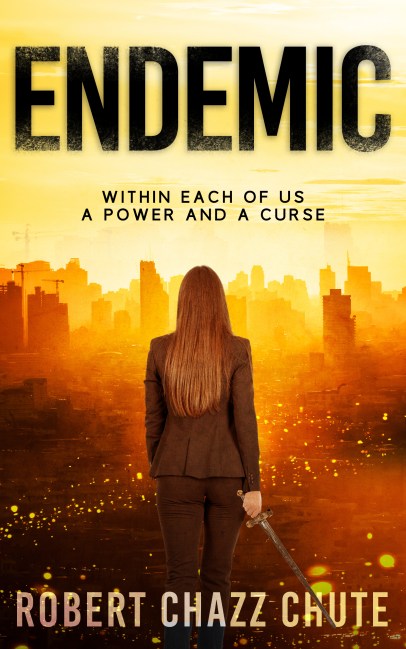
Endemic: mybook.to/MakeEndemicGoViral
Our Alien Hours: mybook.to/OurAlienHours

Filed under: publishing, writing advice, , , , , , , , ,

All of Us Are Wondering

The pandemic has altered our perceptions of what makes society’s gears turn. At their wit’s end, many people are exhausted of the fight against COVID-19. Not all changes are bad. I think the Great Resignation is a hopeful indicator that we’ll see more activism by labor in the future. However, the pandemic has also laid bare ignorance and institutional vulnerabilities. Watching the occupation of Ottawa, multiple failures have given birth to something ugly in the zeitgeist. I guess that ugly subtext was always there, but now that it’s out in the open, I wonder how these grotesqueries will change what we create in the next few years.

In my 20s, a friend often called me Mr. Cynical. After witnessing how a large contingent prizes convenience over the safety of others, I wasn’t cynical enough. A friend once insisted that people would come together in an emergency. Most will answer that call, sure. Others are too selfish to protect the vulnerable. I was cynical, but I did have higher hopes for us. George Carlin nailed it when he said, “Inside every cynical person, there is a disappointed idealist.”

What does this mean for writers and readers now?


I have a new book out, and like Endemic, the world at large has influenced my writing.

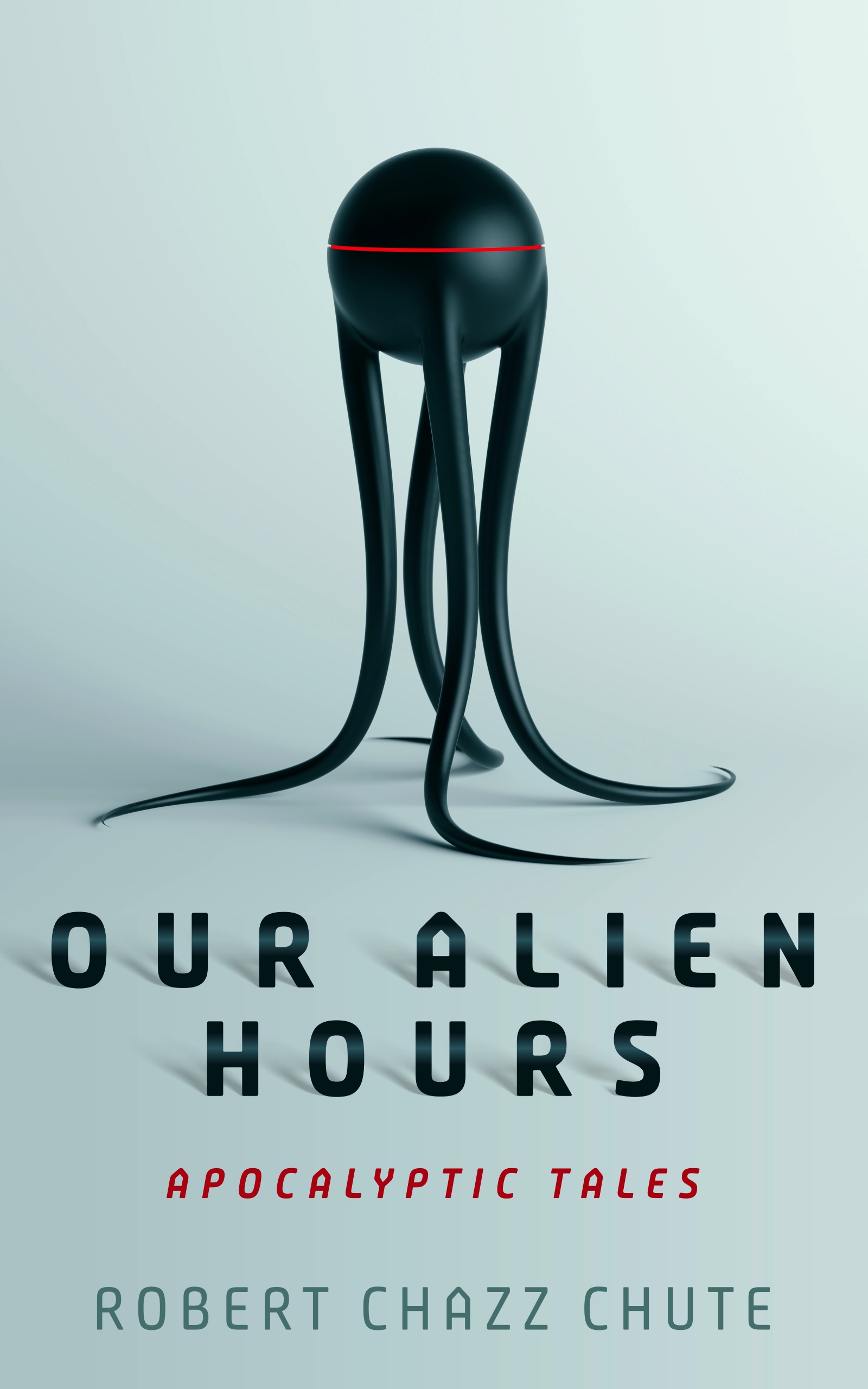
Our Alien Hours is about how humans react to the arrival of interstellar conquistadors. My editor made an interesting comment. “This is an unusual move for you. It doesn’t offer sunshine and lollipops.” She has a point. I always offer a bit of hope at the end of the journey and there are usually lots of jokes in the mix of action, suspense, and adventure. Always, that is, until Our Alien Hours. Offering too rosy a vision of alien invaders didn’t ring true to the scenario I posed. Resisting attackers who have the technology to cross the galaxy sounded so optimistic it was silly. Getting grim made more sense in this case. It’s that feeling you get when you watch the Korean sensation, All of Us Are Dead: Oh, no! Not her, too!

(Hint: The first episode of All of Us Are Dead is a hurdle, but after that, the series really picks up. They take the zombie genre in unusual directions that will be familiar to lovers of This Plague of Days and AFTER Life. I gotta love that.)

You’ve seen the memes. Does future lit have to be dumber?

“Zombie books of the future must have a scene where people run toward the zombies to get bit as they proclaim it’s all a hoax.” And, “We owe horror movie writers an apology. When the killer is breaking down the front door, a certain percentage of victims will definitely run upstairs instead of out the back door.” Heck, the human inclination to wish our problems away is the whole point of the Oscar-nominated Don’t Look Up! Given all we’ve seen, it’s hard to shake the feeling that plenty of idiots are in charge, or at least our leaders are willing to cave to the mob’s whims.

We want our fiction to ring true, but when there’s no one to cheer for, I’m out. I just don’t care for that at all. As writers, we’re going to have to strike a balance even as we endeavor to provide authenticity and a context of verisimilitude.

Here’s how one franchise failed in my estimation:

I find The Walking Dead‘s tone so relentlessly grim that survival seems pointless. I abandoned watching it because it seemed like so much rinse and repeat. It left me wondering why the survivors were fighting so hard to live since doing so seemed so joyless. There is a follow-up to TWD. It’s basically, TWD, The Next Generation. I couldn’t detect any fun to be had in that enterprise, either.

Train to Busan is brilliant, and the staging makes for an awe-inspiring film. However, if you stretched it over eleven seasons like TWD, it would surely wear out its welcome, too.

What are our options as writers?

Well, we could give in to despair, steer into the skid, and admit that the inspiring utopian Star Trek future we dreamed is beyond our reach. I don’t think that’s the way to go, though. Of course, in horror, readers demand the icy finger of grim reality delivering shivers down their spines. Those readers aren’t looking for Margaret Atwood-level character development from the villain. The maniac who dips his victims in hot wax isn’t that complex or worth knowing beyond a gesture toward a bad childhood. We’re in the entertainment business and that market wants to know how the victims react. Horror villains from Jason to zombies to vampires are rarely real characters. Instead, they usually represent Mortality itself as a force of nature. The entertainment value is measured differently in that genre. We don’t need to know the complexities behind the killer clown in It. We resonate with the kids he drags into the sewers.

Note to all fiction writers about educating readers versus entertaining them! Please, whatever you write, set out to entertain first. If your primary goal at the keyboard is to educate, stick to writing textbooks. Thanks!

Now, where were we?

Next option:

Balance out the horrors of grim reality with happy escapism. Write more romances where quirky people somehow get married to their frenemy accidentally. Ooh, the storm is here, the bridge is out, and golly gee! This romantic little B&B only has one room left and look at that queen-size bed! Romance has always been the most reliable powerhouse of genres. To get us past the pandemic so we finally arrive intact in the New Roaring ’20s, writing fiction that looks the other way is a sure bet. A hundred years from now, if there are any historians left, they won’t be combing old romances for clues to how we dealt with COVID-19. And that’s a good thing. I’m all for getting your comfort wherever you can find it.

Don’t forget hopepunk. It’s not a big genre, probably because it is so difficult to execute with authenticity. Go this way and who knows? To counter the difficulties of the pandemic, it could be the genre that explodes in the next couple of years.

Or, we could reflect reality.

Remember The War of the Worlds, the Tom Cruise movie from 2005? It’s an alien invasion story, but it’s really about how war affects refugees. Both the film and the book explore our foibles, failures, and vulnerabilities. Survival is the goal, but the journey rotates around heroism, family, commitment, and communication.

In Our Alien Hours, I didn’t look away from doom. The book is about communicating the experience of facing death and danger. Heroes and fools both make interesting choices. The phrase “the human condition” has always sounded empty to me, but after writing Our Alien Hours, that’s not true anymore. The outcome may sound grim, but the trip offers noble and true moments as we face mortality together.

My next book will offer more hope for the human race, but it won’t get there dishonestly. Salvation must be earned. I hope by the time I publish my next book, we’ll be at the other end of this pandemic. We have a long way to go yet.

~ Our Alien Hours just launched. For a gritty but not gory alien invasion, you can pick it up here.

For links to all my books, head over to my author page at AllThatChazz.com.

Filed under: pandemic, writing, , , , , , , , , , , , , , , ,

What’s Changed in Publishing and What Hasn’t?

If you’re new or newish to independent publishing, you may wonder how much has changed since the early days. Some things have changed little. Here are a few similarities and a lot of differences between now and a decade ago:

  • Ten years ago, champions and detractors of the movement both called our new outlet self-publishing or indie publishing. Indie creators pointed to filmmakers who also called themselves indie. The cred didn’t transfer well. Now we understand that readers shouldn’t be able to tell the difference between an independently published book and the latest from Simon & Schuster.
  • When KDP was new, we called it the Amazon Gold Rush. As soon as the term was coined, everyone speculated how long it would last. There’s no firm time of death, but it’s definitely been over for a long while.
  • Bookbub promotions were much easier to get. Advertising was generally cheaper, though reach was a bit shorter.
  • More book promotion sites are available now, and their newsletter lists are longer than they used to be. (Search book promo sites and you’ll get a lot of options. e.g. Booksends, Robin Reads, Freebooksy, Bargainbooksy, The Fussy Librarian, Ereader News Today, Kindle Nation Daily, Book Barbarian, Rebel Reads, Books Butterfly, and so on.)
  • We didn’t have Vellum to format books. I even formatted one or two books before Scrivener came along. That was a slog. Vellum makes formatting easy now, but Scrivener also serves as a writing tool and is cheaper.
  • There weren’t as many programs to assist with editing and those that were around weren’t nearly as good as they are now. We still need human editors, but the machines are saving us time with the easy catches.
  • The publishing camps were more entrenched in the old days. You were either indie or you had a contract with trad pub. If you were the latter, you pointedly referred to yourself as a “published author” on social media. There are many more trad-pubbed authors crossing the line to go indie or hybrid now. They figured out it was possible to gain control, make more money, and get more transparency. (No more waiting for incomprehensible sales reports from a publisher twice a year. Now you can get a tally of each day’s sales! Whee!)
  • Agents used to wield more power. Some even made sport of the submissions in their slush piles. Then most realized such denigrating behavior was bad for their business. A lot of would-be authors wised up and stopped being wannabes. Rumors of bad agent behavior get called out quicker and the bad smell lingers.
  • Even though you can hire the same editors and graphic designers who once worked in traditional publishing, there’s still some stench on publishing your own books. Outdated ideas die slowly, usually along with the brains that held those stale ideas.
  • As new publishing developed, a bunch of gurus emerged with plenty of courses to sell. They are not all created equal. Be especially cautious of those who break their arms patting themselves on the back. If they get most of their money from courses instead of selling their own books, that’s a red flag.
  • Organic reach used to be easier. You could sell your old book simply by publishing your new book. A popular blog might be enough to gain sustained attention. Now you’ve got to advertise and promote more. Successful authors tend to have podcasts, eager fans, a fast publishing schedule, and newsletter subscribers to the moon and back.
  • Reviews seem much harder to get these days. (Insert heavy sigh here.)
  • You used to be able to respond to Amazon reviews. Few authors thought it was a good idea to do so, but on those occasions when it seemed necessary, it was nice to have the option.
  • Way back when, we were all convinced a savvy competitor would rise and give better terms than Amazon. It was logical and expected. Didn’t happen.
  • One might assume that non-Amazon platforms would copy their business model because Amazon sells more books. (There are exceptions, mostly dependent on genre. However, for most authors, Amazon income dominates.) Anyway, that didn’t happen. Amazon puts customers over curation. Others still treasure curation, so who you know matters.
  • Draft2Digital has made uploading to multiple sales platforms a breeze. I remember contacting Apple in the early days of the revolution. I asked how to upload a book to their sales platform and their reply could be characterized as both bewildered and useless.
  • Goodreads always had an angry contingent of meanies. The site’s user interface was never intuitive. If they were going to fix those problems, surely they would have by now.
  • Audiobooks were a thing, but they were much less accessible to creators. They are still expensive to produce unless you go DIY. However, the future of audio isn’t just bright. It’s loud. Audiobooks demand less attention. You can do the dishes and listen to an audiobook. That’s why we must make the move to record our books.
  • From my sampling of indie creators, many of us are more professional in our presentation than we used to be. As ever, we hate typos and plot holes. Now we have editorial teams, street teams, and beta readers to help us out. Many books from independent creators have more eyes on the lookout for problems than books created by big publishers. To trim costs, many big publishers purged their editorial departments years ago. That’s often where your skilled freelance workforce comes from.
  • Hardcovers on Amazon are a recent addition. Ingram Spark has some competition is this regard now. Endemic is my first book available in hardcover and it is beautiful!
  • There are plenty of podcasts about books and book publishing now and some are excellent. I miss some of the old ones, though. Old heads will remember Simon Whistler’s pod. The Self-publishing Roundtable and the Self-publishing Podcast are gone. So is the Author Strong podcast. Alas. Good times.
  • Good news: There are so many resources available, we can all improve or maintain our level of skill and professionalism.
  • Bad news: Your parents still wish you’d finished dental school or gone ahead and become a corporate lawyer who hates her job, herself, and everyone else.

What I hope hasn’t changed too much is you.

Learned and grown in the past decade? Of course. But I hope your level of passion for making art with words still burns bright. I hope you still get up each morning eager to entertain, inspire, and inform readers. Artists die, but they don’t stop creating. The connections, wonder, and experiences we share live on. If you’re a writer and you have readers, you’ve got a chunk of immortality.

Filed under: publishing, , , , , , , , , , , , ,

Your Plan for 2022

As I write this, it’s the morning of January 3. According to discoverhappyhabits.com, a 2019 survey found “7% of survey participants stuck to all their resolutions in 2019, while 19% kept some but not all of their resolutions (and) 8% of participants failed to keep any resolution.” It’s also instructive that 57% of those surveyed rejected making any New Year’s resolutions. I’m with the 57%.

Here’s what I do instead:

  1. Resolutions come from resolve and that often fades. Motivation is temporary. Focus on forming habits instead. Writing goals down and putting them in a prominent place can help to keep you focused.
  2. To get the changes you want, make it fun. Gamify your changes the way NaNoWriMo makes writing friendly competition. Hate running? Me, too. But maybe volleyball or tennis is for you. Training can be grueling and lifting heavy things repeatedly can be boring. A sport can get you to exercise without noticing.
  3. Suffering is overrated. Your “diet” food still has to taste good if your new lifestyle is to be sustainable. Muscling through the whole way is performative gym bro bullshit. Ignore anyone who is posturing. Even bootcamp doesn’t go on forever.
  4. Reject perfection. Perfectionism is a form of self-loathing that only leads to procrastination.
  5. Environment and supports trump motivation. For instance, you can’t binge on chips if you don’t bring them home from the grocery store. A chaotic environment burdens you with extra stress you don’t need.
  6. That which is not measured does not change. Metrics can be helpful as long as they aren’t a chore. (I use MyFitnessPal, for instance, to keep my meals on track. I also check my blood sugar.)
  7. Tracking when I’m consistent encourages me to form streaks. A streak is the seed of a habit. The FitOn app encourages me to keep going with my workouts by earning badges. Meaningless badges? Sure, theoretically. Those badges have no monetary value, but Iin practice, they work for me.
  8. Accountability can be a gym partner or reporting your hits and misses to a trusted friend. People make fun of posting pictures of meals on Instagram, but many use social media as an accountability tool. It’s not for the audience. It’s for the intrepid poster.
  9. Reject punishment and judgmental paradigms. Being mean to yourself (or others) is added stress you don’t need, and it’s counterproductive. Assuming you’re not striving for world domination, your goals are in alignment with love of self and others.
  10. The toughest part is right before you start. Making plans is exciting. Establishing systems helps you succeed. Many people don’t get that far because they don’t begin.

    My suggestion is to start by doing a little. Say, “I’ll write 500 words today,” and go do that ASAP. Once you get into it, you’ll often find you’re on a roll and will write more. Same with going for a walk or a jog. “I’ll just go for a short walk” might turn into a longer walk. Even if it doesn’t, you got out and did something for you.

    Martyrdom is overrated. Do things for you. You deserve love, too.

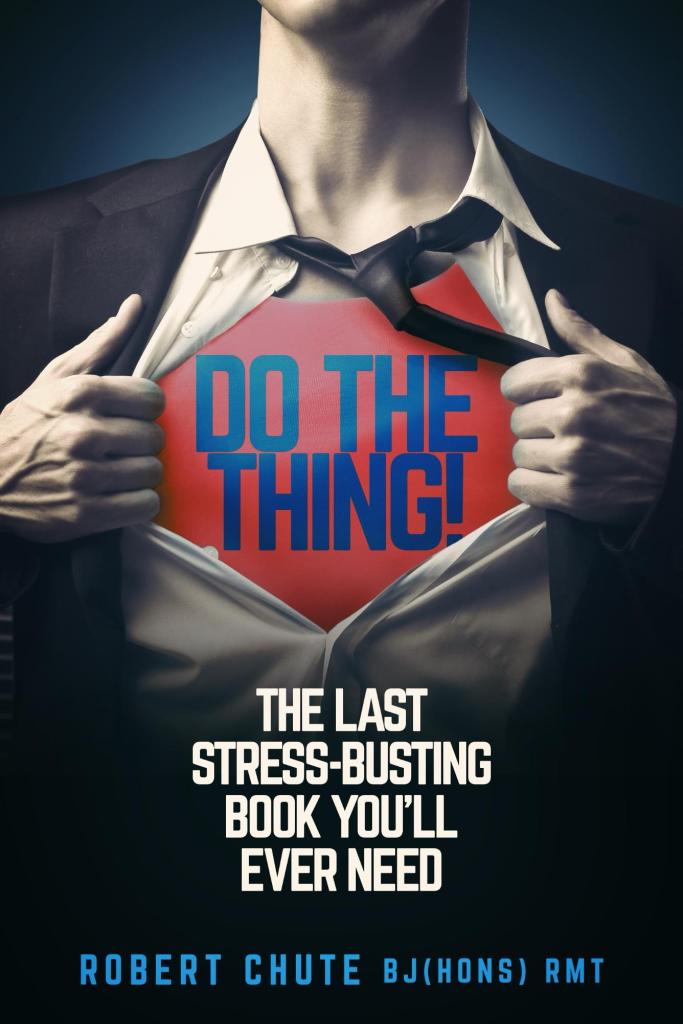
For more tips and tricks, try Do The Thing by some guy:


mybook.to/DoTheThing

~ Robert Chazz Chute mostly writes apocalyptic epics with heart and crime thrillers with muscle. Do The Thing is his only non-fiction book. For all this books, check out his author site, AllThatChazz.com.

Filed under: mindset, , , , , , , , , , , , ,

No More Loser Talk

It’s Friday, December 24, 2021! A few thoughts on marketing to round things out before the end of the year:

  1. Don’t feel bad if you aren’t selling a ton of books for Christmas because (a) you’re competing with a lot of people who are trying to sell their stuff at the same time, and (b) a bunch of those other advertisers have deep pockets.
  2. Page reads down? That’s understandable. People are busy now and many don’t take their foot off the gas pedal and slow down until after Christmas.
  3. January is often a better month for promotions because the cost of advertising goes down. Your ad bids are competing with fewer advertisers with deep pockets.
  4. Sometimes book sales are even better in February because people are still getting over their credit card shock in January. Admittedly, I’m looking for the blue sky in a storm here, but more lockdowns appear imminent and that’s been good news for some readers. They have more time to immerse themselves in a novel while they stay safe.
  5. Though people may be unwrapping their brand new kindles on Christmas day, don’t launch your book on December 25th. A marketing expert I don’t like advised against it, so naturally I did it, anyway. I let my emotions cloud my judgment. He was right. (Guy’s still a dick, though.) The novel recovered, but it could have had a better launch if I weren’t a contrarian.
  6. Something I’ve learned to focus on is the long tail of retail. Not every book launch is a home run, but once you’ve published an intellectual property, it’s yours forever. It can take a while for a book to be discovered after a soft launch. That doesn’t mean it won’t happen.
  7. What almost no one talks about is luck. A friend of mine who worked in trad publishing told me about a couple of books that weren’t selling well. Then a minor celebrity with a decent following picked it up and tweeted her love for the novel. That’s when the book took off. Some major movie deals have started similarly, too.
  8. Kurt Vonnegut declared that the novel was dead in the ’70s. And yet, we keep writing and people keep reading. Fiction isn’t the force it once was, but there are still enough readers to sustain us. When the sales aren’t coming through, remember to love what you’re doing right now. Not every painter expects to end up a millionaire. Most artists aren’t that delusional. As all the gurus say, remember your why.
  9. Discovery is often a slow process. Word of mouth is slow. Reviews come in slowly. Your audience’s attention is fragmented in hundreds of ways. Be patient. What I’ve just described is the norm, but stories of instant success tend to pull focus. This isn’t loser talk. I’m keeping it real.
  10. When you’re down, low on energy, and disappointed, find balance. A bunch of people will tell you to do more research, invest more in what didn’t work, and keep fighting. Maybe you need to step back and enjoy the holidays without obsessing about the number of words you didn’t write today. This goes especially for those writing machines intent on churning out a new book every month. Because a bunch of us are running scared, some writers think it sounds crazy to slow down, take a break, or even take a breath. Burnout is a serious danger. When the writing isn’t fun, give yourself permission to step back. That’s a sign your readers won’t have fun, either.

I’m taking this time to enjoy the holidays and get back into exercise after a long illness. Still recovering, actually, but feeling more grateful and relaxed these days. I’ll be blogging again soon, but not too soon. See you in 2022?

Merry Christmas and happy holidays!

~ Robert

Reviews of Endemic are coming in!

Timely, unique, and entertaining tale!

December 22, 2021 Format : Paperback | Verified Purchase A deadly virus has brought the world a half step away from the apocalypse. Neurodivergent book editor Ovid Fairweather struggles to function in the new reality. When a terrifying incident threatens her survival, everything changes. Armed only with the voices in her head, her fabulous vocabulary, her knowledge of the steps of the hero’s journey, and her finely nuanced understanding of plot structure, Ovid is forced to focus on the world around her in order to save herself. In doing so, she may just save us all.


I enjoy Robert Chazz Chute’s books. They are always refreshingly unique and original. This one was no exception. The critical importance of perception is a central theme in this story. As we are at a point in society when perception is reality, this book is indeed both relevant and timely. Highly recommended!


Timely, Gripping, Excellent

December 19, 2021 Format : Paperback | Verified Purchase Written by a gifted author and subtle philosopher, Endemic clutches the reader’s hand to pull him into an uneasy existence where nothing is certain but danger and the unknown. Ovid Fairweather’s life, off-balanced from the beginning by an unloving and unreasonable mother, teeters from one chapter to the next, and readers will seek comfort when they finish the tale and lay the book down. Excellent in storytelling and skillful in technique, Chute is a fabulous author.


An apocalypse of the soul

December 17, 2021 Format : Paperback | Verified Purchase There are no zombies in ‘Endemic’. No vampires either. Instead there are human-shaped monsters who profit from the degradation of others and glory in the exercise of power.


Not that different from the here and now. The only real difference is that waves of plague have stripped away the veneer of civilization that hid the darkness within. Now the monsters are out in the open and free to indulge their most outrageous whims.
And then there is Ovid Fairweather, a survivor who was broken to begin with and finally finds her niche in a broken world.


I’ve been a huge fan of Robert Chazz Chute since I first read This Plague of Days, but I have to say that Endemic is even better. It’s a brilliant read and highly recommended.


Can’t stop thinking about COVID? Same.

December 14, 2021 Format : Paperback One of the best books I’ve read this year. And timely as heck! Robert writes so well, and I read everything he puts out but rarely have time to leave reviews. This one, though—I came straight to share with you. Read Endemic, so so good.


A Story With a Soul

November 2, 2021 Format : Paperback | Verified Purchase If you’re tired of the formulaic schlock that clutters dystopian literature, then you need to read Endemic. The author has created a unique tale that serves up the best of deep characterization, nuanced plot, and emotional impact. Read this and you’ll soon be looking for other books by Robert Chazz Chute.


A Chilling Reflection of What Could Be

Reviewed in Canada on December 9, 2021 I’ve read quite a bit of Chute’s stuff, enough that I could probably pick out a passage of his in a blind taste test. He normally has a way of turning a phrase but for ENDEMIC he pulled out all the stops. Every chapter, and indeed it seems like almost every page, Chute crafts the perfect sentence full of imagery and depth. In spite of the fact that this book outlines a not-entirely-unrealistic pandemic scenario, I enjoyed every bit of it.

Filed under: publishing, , , , , , ,

What to do when the wheels fly off

Between illness and trying to bounce back from Amazon sabotaging my book launch, December has been rough. However, I’m making the effort to look on the bright side even when things are damn dark. My outlook tends to be grim and all the news events confirm that bias. However, giving up isn’t an option and pessimism isn’t a great strategy. Optimists may be wrong often, but they get more done so they get more chances to score. In my defense, at least I’m usually funny about my grim worldview. (That’s right, Rob! Sublimate your rage with humor.)

One Quick Parable

I was riding a tandem bike with my wife when the road we were on suddenly turned to dirt and then nothing. Dead end. Trying to find our way back in unfamiliar surroundings, we crossed a large property with a mansion on it. A couple of the curious workers looked at us askance but we pedaled by quickly. Then the bike’s front wheel fell off. One of the seats flew off in the crash, too. My wife and I weren’t really hurt, but we found ourselves lost, far from home, and carrying the parts to a broken bike.

The mansion’s owner came out and asked if we were okay. Then he asked how he could help. I was embarrassed and felt like a trespasser. The homeowner, Cyrus, didn’t treat us that way, though. He must have had better things to do than to cater to a couple of forlorn strangers. Instead of shooing us away, he asked us to follow him to the workshop in his huge garage. Together, we worked on putting the bike back together. That wasn’t what pulled my attention, though. What got me was how relentlessly positive Cyrus was. He was both kind and eager to problem-solve.

And all the while, I thought, I wish I could be more like you, you beautiful sunny bastard.

But I could. It does require forming new habits to rewire my neural network. Fortunately, a full personality transplant isn’t necessary. Mindset sets the tone for whatever comes next.

Unfortunately, cynicism is often associated with intelligence.

Skepticism is valuable, and it’s not the same as cynicism. Being mean isn’t smart and being mean to ourselves is downright dumb. I want to be more like Ted Lasso, but I resonate more with Dexter.

My encounter with Cyrus reminded me of three people. There’s Dan, a friend who seems immune to worry. Wayne was a relentlessly positive guy whose presence elevated everyone around him. Then there was the guy who worked at one of the dining room stations at a resort in Cuba. These are people with genuine smiles who are pretty sure things are going to work out okay. If things don’t work out the way they want, they hold on to their sunny attitudes, secure in the belief they can at least make things better.

I don’t always make things better or easier for myself. Anxiety is always ready in my pocket. What I wrote about Ovid Fairweather in Endemic comes straight out of my brain. “When I say, ‘I love me,’ I mean the opposite.'”

Solutions, not Resolutions

I’m very aware that it’s easy to fall back into my old habits of thinking. Between the pandemic and… (gestures everywhere), I can be downright sour. With Cyrus in mind, I’m working on putting things back together. Recently, I ran into someone else who has a lot of that positive Ted Lasso energy. I need that. Besides continuing to watch Ted Lasso, I have to reinforce my optimism with:

  1. Positive self-talk.
  2. Self-care (e.g. healthier lifestyle, more water and vegetables, exercise).
  3. Interacting with positive people more.
  4. Avoid too much negative reinforcement (AKA the dark side of social media).
  5. Avoid overdosing on the news.
  6. Problem-solving.
  7. Fewer side missions, more purpose.
  8. Setting boundaries so I’m not stuck trying to be rational with irrational people.
  9. Especially avoid comment sections on the internet, because trolls used to live under bridges but now they’re coming for our minds.
  10. Focus on what I can control and letting go of the variables I can’t control.

The wheels flew off my metaphorical bike. I’m not a big believer in New Year’s resolutions, so this is just my commitment. Not for 2022. Right now. Nothing metaphorical about that.

We all pretty much know what to do already. That’s not the challenge. The challenge is to be consistent in the application of what we know.

Filed under: mindset, the writing life, , , , , , , , , , , , , ,

When I get up, you better watch out

First comes the whining

Anyone remember the fight music from the original Star Trek? Na-na, na! Na! Na! Na! Na! Na-na, na! Na! That’s the soundtrack in my head right now.

November was about fighting Amazon over an unjust review freeze (see the post How Amazon killed My Book.)

December started with a terrible head cold. The subsequent inner ear infection is persistent and has knocked me flat. I’ve got antibiotics going and I think I might be on the mend, but not nearly fast enough to suit me. As soon as the ear infection clears, I’m off to get my booster in the hope that Omicron won’t kill me. I’ll have to choose which of the remaining days of 2021 I will ruin because, though I’m glad to take the booster, each one has made me achy and shaky for days.

Not going to lie, Amazon tanking the launch of Endemic was a harsh blow. The only terrible event I could compare it to would be losing a complete manuscript.

Then comes the winning. I’m looking at solutions.

  • Endemic‘s launch was sabotaged by its own sales platform, so revenue from my masterpiece must depend on the long tail of retail. It’s disappointing, but I’m pointing my nose forward and refusing to look in the rearview mirror. No point in obsessing over that loss now. There’s too much to do.
  • I joined a mastermind group for writers in 2021. They are a good group. The people are encouraging and supportive. The writing room alone got me writing more and more often. Kind hearts help.
  • I successfully completed NaNoWriMo and have an alien anthology to edit because I harnessed the power of friendly competition, consistency, and metrics.
  • I have plans for a non-fiction podcast with a partner. She’s an expert ghostwriter. I’m there to tell jokes and pick her brain on behalf of the audience. Various tech issues and sickness slowed the start on that podcast. We’ve been thwarted at every turn, but the new year is looking good.
  • I have plans for a fiction podcast I’m excited about.
  • A prequel to This Plague of Days is two-thirds written.
  • I have covers in the chamber ready to fire off more projects.
  • I’m looking forward to getting back to my exercise program and joined an on-line group whose focus is healthy living.

The Gist

I’m going to stop there because I learned my lesson about exhaustive to-do lists in 2020. Too many to-dos and not enough to-don’ts can rob us of focus. Overwhelm is dangerous to productivity.

The Commitment

Years ago, I moved to a new city where I knew no one. I started up a business from a cold start with no clients and no allies. A guy I met my first week in the city made it clear he was skeptical of my prospects for success. He ended his list of my disadvantages with, “Aren’t you afraid?”

“No,” I replied. “I’m excited.” (You dick!)

Once I get past this illness, I’ll get excited again. There’s plenty to do to right my ship. I’m looking forward to the challenge.

http://mybook.to/MakeEndemicGoViral
NEW from ROBERT CHAZZ CHUTE

Filed under: book marketing, , , , , , , ,

How Amazon Killed My Book

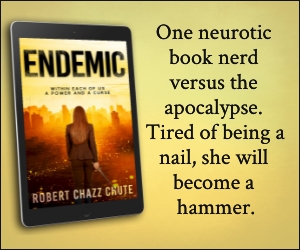
I wrote about a book nerd who went through life feeling like a nail. Through an incredible ordeal, Ovid Fairweather becomes a hammer. Tonight, I feel like a nail and my head is pounding.

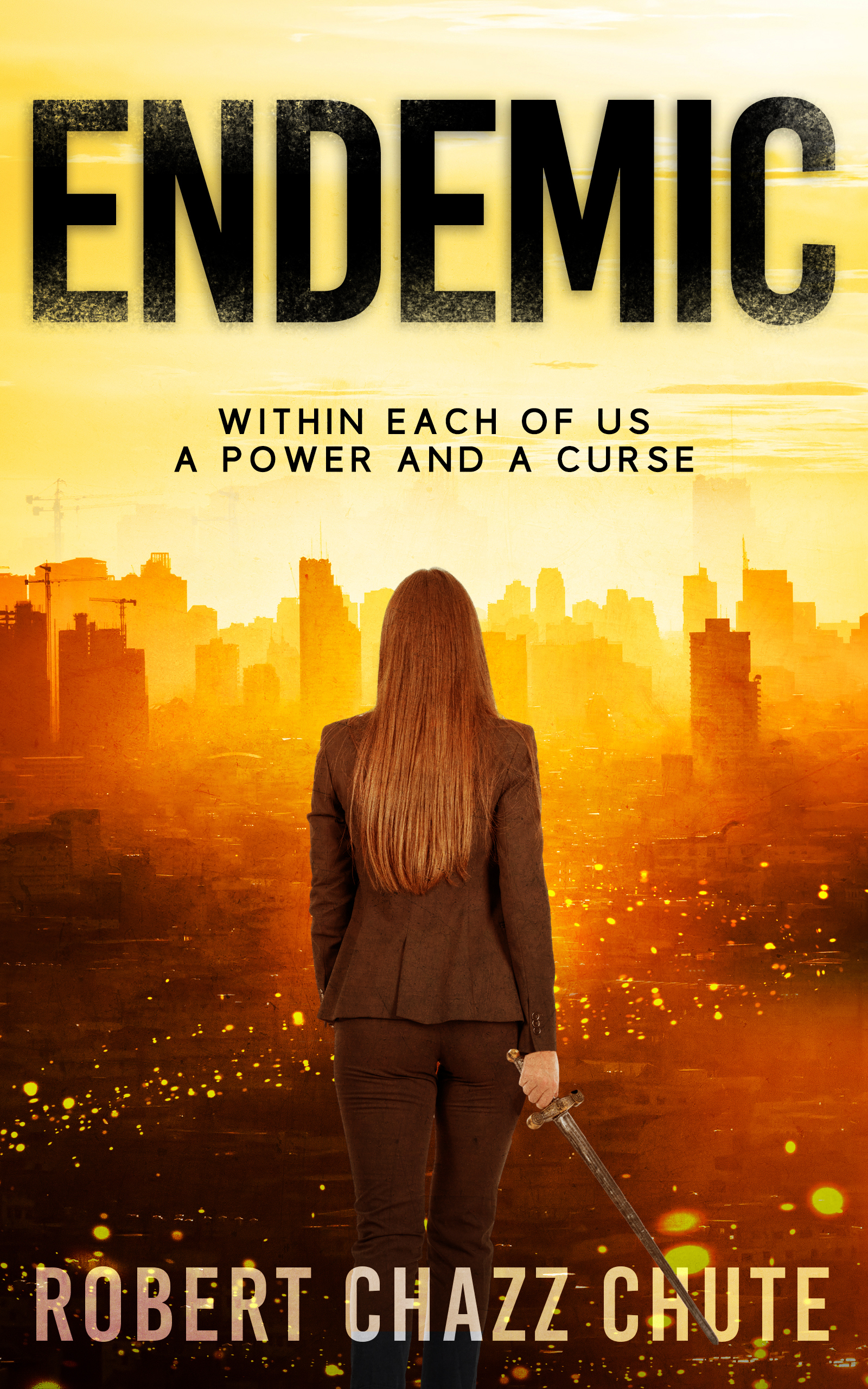
It took me two years to pen my latest apocalyptic epic. Endemic, partially informed by the unfolding global pandemic, is an action-packed psychological story that pits a flawed and highly sensitive protagonist against a collapsed system. I love this book, but now I’m the one with the sensory-processing sensitivity suffering at the hands of a system. Amazon killed my book. What follows is a cautionary tale.

The Timeline

Endemic launched on October 27, 2021. I soon received three reviews, all five-stars. I noticed a new five-star that appreciated the humor. The next time I checked, that review mysteriously disappeared. Thinking that strange, I reached out to the Amazon Review Moderation team to ask what was going on and could that lovely review get reinstated? Oddly enough, that same reviewer remembered another of my novels and reviewed that one, too. That review of the previous book is still up, no problems. Clearly, the reviewer was not the issue. But what was? My questions and frustrations outpaced the answers I was to receive.

On November 20, I finally heard something from the Amazon Review Team regarding my query. “We removed your review because we detected unusual review behavior on this product and are not accepting reviews of it at this time… Once we remove a review that does not comply with our guidelines, the reviewer may not submit any new reviews on the same product.” This is done to enhance customer trust in reviews. I understand that, but Amazon’s handling of this situation did serious damage to my trust.

In the same email, they invited me to review their community guidelines. I did, and I can assure everyone that didn’t help because I did nothing wrong. When did the review freeze actually begin? I have no idea. From the moment I accidentally stumbled on the problem to now is eighteen days, but it could be longer, taking a mortal chunk the critical first thirty days from launch day.

Innocence does not protect us.

I sent an appeal with three key questions.

1. How long does this review freeze last?
2. Is this a tech issue from an overly aggressive algorithm?
3. How can I appeal or resolve this?


I ended the email with the standard, “Thank you for your attention to this matter.”

The trouble was that there was no attention to this matter. After a two-year hiatus since publishing my last book, my new novel was quickly dying on the vine. I received no reply to the three key questions.

The Twist

The next day I did get a message from someone claiming to be from Amazon Spain. (I suppose my book are available there, but I write only in English so I sell few if any books there.) They wrote:

Hello from Amazon Selling Partner Support,

I understand you are facing issues with customer reviews.

Your account is currently in an inactive status and no further subscription fees will be charged to your account. If you take no further action on your account, it will remain inactive.

That was a little scary. The first thing I did was to make sure Endemic and the rest of my backlist was still available for sale. Yep! So what was this about?

A link was included to take me to a dashboard, but suspecting it might be a scam, I didn’t click it. Instead, I called Amazon immediately. The connection was so bad that the customer service agent sounded like she was underwater. The upshot was that the email was not from KDP, so I could safely ignore it. That line about knowing I was “facing issues with customer reviews” sure made me question what the heck was going on, though. Was the scammer at the root of the “unusual review behavior” setting me up? No idea. When I spoke to someone at Amazon who was helpful, they declined to speculate. (But that helpful phone call didn’t happen right away. Read on.)

Trying again

Hearing nothing from Amazon for a week, I sent a second query. On November 30, I finally heard back, but the answer I got was infuriating. It was strictly boilerplate stuff answering a question I did not ask. Instead, they asked me for specifics on what review had possibly violated Customer Review Guidelines. None that I’m aware of. That was the whole point!

Was this a reading comprehension problem? I have heard other authors are experiencing the phenomenon of disappearing reviews. Perhaps customer support is overwhelmed with queries. Nonetheless, that response was worse than useless. Writers write for many reasons. One is to be heard. I was not being heard.

Finally, a crack of light

Fed up, I tried the phone again and got a helpful agent. John informed me that when there are review freezes, the investigation isn’t supposed to last longer than five days. We were well past that and John was sympathetic to my plight. He asked for a case number, but I was not given a case number from the Amazon Review Moderation Team. He said he would send them an email and encouraged me to send an email again detailing our call. Hoping that would spur some action, I thanked him for his kindness and shot off another email. Hoping for the review freeze to thaw, I detailed it all again. Tired yet? I sure was. Still am.

Then I waited.

And waited. No new emails arrived. I was in limbo. I got depressed. My immune system crashed. I got sick and I’m still recovering.

As I write this, it’s December 9. Last night, someone rated Endemic with three stars, no review. Ordinarily, I’d grumble something to myself about being appreciated after I’m dead. However, that was how I found out the freeze had finally thawed. I began to alert my street team and a fresh, happy review is up! Hurray! Well, not quite hurray. I’m grateful for reviews, but the first month is critical to gaining momentum and getting happy attention from Amazon’s algorithms. Readers love a new book, and my work was frozen in amber for too long. Reheating is difficult and requires a bigger investment in advertising and publicity. (Yes, I guess this post is my stab at the free publicity part. Venting my spleen might also be therapeutic. Am I bitter? Sure, why wouldn’t I be?)

Lessons learned

  1. The Amazon Review Moderation Team is a walled garden. I could phone KDP Customer Support, but not the ARMT. They should probably fix that, but I’m betting it would make for an angry call center with high turnover. There’s a need for the work the review team does and it must be difficult. Crushing hopeful authors should not be one of the bullet points on their whiteboard in the break room.
  2. As noted above, you can do nothing wrong and everything right and still get screwed over. That’s life. But what was the “unusual review behavior”? No idea. Will I ever know? No. Is there anything I could do to avoid this happening again? No. I have published well over 30 books with Amazon, mostly under my name, some with pen names. This is the first trouble with Amazon I’ve had, but am I gun shy now? You bet.
  3. Note that I was never warned that a review freeze had been enacted. I only found out because I inquired. They assigned no case number to the issue. They also didn’t tell me the results of their investigation or that the review freeze had been lifted. Feedback is not their strong suit. (I can’t say for sure what their strong suit is.) As a result, I can’t tell you how to immunize yourself from the same treatment.
  4. I suspect an overly aggressive algorithm, not a human being, is to blame for freeze and review removal. Humans are to blame for not assigning case numbers, failing to alert authors about investigations, and failing to complete investigations in a timely manner. Nor was there any report of the outcome of said investigation. I guess we could point fingers at the programmer who came up with the algo, too. After that initial stumble, the shit rolled downhill pretty fast, huh?
  5. For any cynical readers here, suppose for a moment that, after 30+ books, I did do something to contravene terms of service. I don’t know what that would be, so I couldn’t even course correct were I guilty of something.
  6. As this debacle unfolded, the head of my writers’ mastermind group told me there was probably not much I could do. He was right. Another guru’s answer was, “Don’t worry about it, just keep marketing,” I did waste money on Facebook and Amazon advertising in the dim hope of salvaging the launch. Hard to get any traction on a book with only three reviews, though.
  7. The obvious lesson is to go wide and sell beyond Amazon. That’s not the insurance one would hope, as I explain below. Will I take Endemic wide as soon as it’s out of KDP Select? That’s not the easy answer many might think. It will depend on how high I can get this dead cat to bounce.
  8. Last year a big publisher approached me about going hybrid. I’m reconsidering that offer now. Is that trading one uncaring master for another? Possibly, but it would be nice to be able to talk to a human when they mess up. At least smaller organizations have identifiable humans to speak to.
  9. Due to depression, anxiety, and isolation, the pandemic got me in nasty ways without actually infecting me. That’s why it took two years to write Endemic. Putting my excuses aside for a moment, it might be better to write more and publish more often. That way, this one torpedoed novel might not have been so devastating.
  10. So keep writing, I guess. Sometimes this work feels like an expensive hobby. Sometimes I think about quitting, but what else could I do? This is my last of four careers and I’m unsuited for much else. Fortunately, I had NaNoWriMo to fall back on. November would have been much tougher without it. A little friendly competition among friends kept me writing through this nonsense.

A word about Amazon Derangement Syndrome

I’ve sold books on Amazon since 2010. For the past several years, it’s been my only source of income. I have migrated a bunch of my backlist to other platforms, but frankly, that’s pennies compared to the amount I’ve sold on Amazon. I’ve found it to be the superior sales platform in most ways for me and my genres for over a decade. Amazon gets bookselling right, except when they don’t.

Did I feel trepidation about publishing this post? Sure, but not because I fear Amazon cares what I think. They’ve demonstrated they don’t. The root of my hesitation comes from other writers whose reflex is to defend Amazon no matter what.

Some writers will not entertain criticisms of The Mighty Zon. Their reasoning is that they’re grateful to a platform which provides them income. Where would we be without them? I agree with that to an extent. However, we can point out problems when they exist. Not doing so with Amazon is like saying, “We depend on cops to protect us, so don’t you dare complain when they stomp you for no reason.”

Don’t bite the hand that feeds us, some say. But Amazon didn’t feed me this time out. With discourtesy and caprice, they sabotaged me. As of tonight, the all-time income from Endemic’s ebook, paperback, and hardcover is $104.34. I spent more on that getting author copies.

Hint: If your reflex is to dismiss my little troubles, go away. If your inclination is to blame the victim, assume I did something shady, or leave a nasty comment, go away. I’ve already been sufficiently abused through this ordeal. How badly? As I write this, Endemic is #490,296 in the Kindle Store, #4,303 in Dystopian Fiction, #5,461 in Dystopian Science Fiction, and #8,220 in Science Fiction Adventure.

Endemic deserves much better.

There’s risk in writing for a living, of course. I’ve worked in trad and independent publishing and I accept the dangers of my calling. However, do you? Like I said, this isn’t merely whining. This is a cautionary tale. If you are about to embark on a writing career, this is your warning from someone who has been at it for quite a while. Don’t bank too hard on one book. There are so many variables you can’t control. There are venomous snakes in the grass and booby-traps. Best-laid plans and all that.

Is there hope? In the long tail of retail, yes. Endemic will be available forever. It’s a solid book I’m proud of, bound to entertain. However, barring a stellar turnaround, I’ll probably always go to sleep each night thinking my hard work got shortchanged. I have an eidetic memory for unfortunate events and this sting will feel hot for a long time.

Some think the writing life isn’t work. True, sometimes the words come easy. I’ve often found this work is wonderful even when it’s not so easy. And sometimes, like any great love, it can break your heart.

Filed under: publishing, , , , , , , ,

Writing Easy, Advertising Hard

Authors, be especially careful with advertising your books at this time. It’s the Christmas season, so every writer, particularly those with deep pockets, is flogging their wares. I was about to put up another Amazon ad for my latest book. Then I looked at the suggested bids and, boy howdy, I was discouraged from even running that experiment. The suggested bids were simply too high. You don’t have to go with the suggested bids, of course. However, cut down too much and your ad will be invisible.

Depending on the popularity of your genre, you may find it takes way too much money to

(a) get your ad delivered at all, and

(b) make a profit on the sale.

Watch your math and consider saving your advertising dollars for the new year rather than competing head to head with Big Trad.

I have changed my advertising strategy and returned to experiments with to Facebook. My experience with Facebook was that they can burn through your advertising budget very quickly.

Please keep in mind, no advertising strategy is safe enough to gamble on set it and forget it.

However, I do like the granular targeting I can do with Facebook. With a keen eye for monitoring the ad spend, I’m hoping to find new readers for Endemic.

UNIVERSAL LINK TO YOUR AMAZON STORE:
mybook.to/MakeEndemicGoViral

What happens if the pandemic never ends?

~ I’m Robert Chazz Chute. Check out all my apocalyptic epics and killer crime thrillers on my author site, AllThatChazz.com.

Filed under: publishing, , , , , , , , , , ,

Bestseller with over 1,000 reviews!
Winner of the North Street Book Prize, Reader's Favorite, the
Literary Titan Award, the Hollywood Book Festival, and the
New York Book Festival.

http://mybook.to/OurZombieHours
A NEW ZOMBIE ANTHOLOGY

Winner of Writer's Digest's 2014 Honorable Mention in Self-published Ebook Awards in Genre

The first 81 lessons to get your Buffy on

More lessons to help you survive Armageddon

"You will laugh your ass off!" ~ Maxwell Cynn, author of Cybergrrl

Available now!

Fast-paced terror, new threats, more twists.

An autistic boy versus our world in free fall

Suspense to melt your face and play with your brain.

Action like a Guy Ritchie film. Funny like Woody Allen when he was funny.

Jesus: Sexier and even more addicted to love.

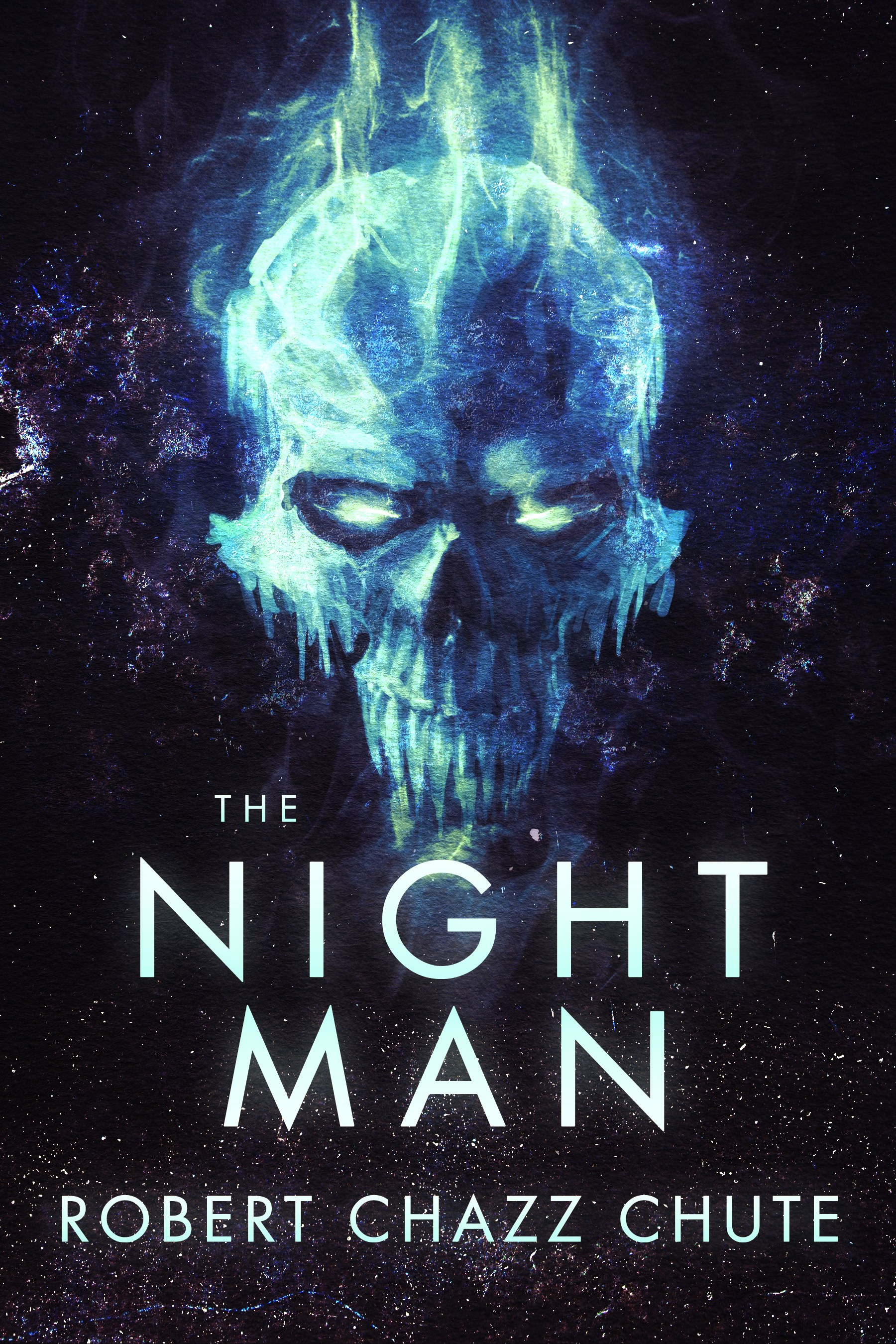
You can pick this ebook up for free today at this link: http://bit.ly/TheNightMan

Join my inner circle at AllThatChazz.com

See my books, blogs, links and podcasts.

Enter your email address to follow this blog and receive notifications of new posts by email.

Join 2,063 other subscribers