C h a z z W r i t e s . c o m

See all my books at AllThatChazz.com.

Genre Writing: How to make your book funnier if you want to (and why funny is important)

I’m not talking about writing comedy per se. I’m talking about giving a too-serious book some oomph. (Oomph is funny. Ooh-la-la is erotica, and that’s a different post.) It’s not for every author or every book, but if you’re looking for ways to add a lighter touch to your work in progress, consider this:

1. Say what everyone else is thinking but would never say. Explore why you, too, love disco. You have always loved disco and yes, you, like everyone, have had angry sex in the back of a taxi. It made you feel disappointed in yourself and oddly Germanic. But that was this afternoon, so let’s not live in the past and…

2. Punch up, not down. This is why Jon Stewart is funny and Rush Limbaugh isn’t. Rush mocks the poor while Stewart goes after power. Mocking our betters is what betters are for, apparently. Not many of them seem to be good for much else.

3. Have a sense of humor about yourself and let your protagonist be less monolithic, too. Self-deprecating humor works because, well…few of us are really that great but anybody who thinks they’re great sounds like a donkey. Watch Grosse Pointe Blank or High Fidelity and fall in love with John Cusack (again) because of that funny vulnerability. John Cusack is a funny puppy in those movies (even when he’s killing people for profit.)

4. Juxtaposition can be funny. For instance, I wrote on Twitter that I had an awkward encounter with someone I’d accidentally insulted. I added, “Hiding in my office. Like a man!”

5. Twist it. “I love kids. Not mine, but…” Attack jokes are hard to pull off without supreme confidence. They’re more suited to villains or more minor characters who have a terrible vengeance coming to them. When the boss is caustic and sarcastic, the reader will achieve greater satisfaction when the twit is hoisted screaming by his own penis. Or someone else’s. Hey, I’m not here to judge your book.

6. Find the funny in the character. In Buffy The Vampire Slayer, Joss Whedon would add Xander to a scene to deliver a particular line because, though everyone on the show could be funny, a Xander joke coming from Willow’s mouth would break Willow’s character. Jokes and characters have a point of view, so make sure the joke sounds right coming from your character.

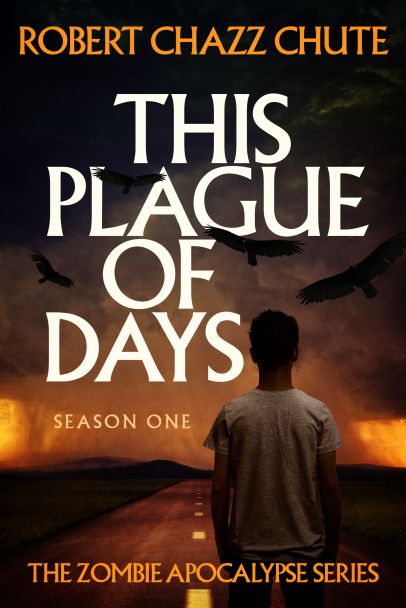
The jokes that spring from my autistic hero in This Plague of Days originate in his innocence. He doesn’t see the world as others do so he often says the unexpected, but from his unique, laconic perspective. There is nothing angry or world-weary in his observations, only wide-eyed, what the heck are they doing now and why? This is normal?

7. Don’t be afraid to deliver a line in a low-key way. In Bigger Than Jesus, Jesus Diaz gets beaten terribly. His girlfriend, the lovely Lily, finds him lying on his kitchen floor icing his blackened eyes. When she tells him that his situation does not look good, the hit man deadpans, “I don’t know why you’d say that.”

8. Outrageous works. Rants can be awesome. Give it a context to sell it and an entertaining rant can go a long way. For instance, in this little Season 3 spoiler from This Plague of Days, Shiva gets some good lines: 

“Please don’t hurt anybody.”

“Darling, I’m the Queen of Hearts.”

“So, you’ll rule with love?”

“No, stupid. I mean I can say, ‘Off with their heads,’ at any time. Love takes time, Rahab. Fear takes root in the second it takes to slap a child.”

9. Writing jokes is difficult. There are many more comedians than there are comedians who are really killing. To improve your chances of hitting the right notes to a killer joke, don’t sweat it so hard on your first draft. Jokes are easier to find and unearth when you’ve already laid the foundation of character, action and dialogue. Jokes are for the second and third pass where you’ve already got something to riff from. Lots of people aren’t quip machines on their own, but when they hang out with friends and loosen up, they can bounce lots of funny ideas off what’s already in the ether over the cocktail bar.

10. A joke is set up, punch. The punch should be fast and short. Don’t reach for it. Eschew dumb, easy jokes and never make a joke you have to explain. Use the fewest words possible to get to the POW! 

BONUS: Why is funny important?

I write suspense. I deliver on a lot of grim scenaria. Horror presents many opportunities to be funny because both scares and laughs are about playing with the audience’s brains and delivering the unexpected. When the reader expects you to zig, zag. These devices are necessary because few readers want to read a long horror story if it’s not an emotional roller coaster. The horror on the next page will have a heavier punch if I can get you to chuckle on this page.

One of the things I don’t like about some books is that they are relentlessly monotone. The reader begins to feel like there’s little emotional payoff and the book becomes a grim march to the finish. Grim can be fun, but a book with only one tone and no cookies and candy along the way isn’t rewarding the reader with enough wit. One tone for a whole book is so hard to pull off, I don’t recommend trying it in most genre fiction. Life’s tough enough. We all need comic relief. (Yes, I can think of exceptions, but I’d rather read the exceptions less often.)

Funny helps your characters. In Die Hard (the original), the hero gets a lot of funny lines. Bruce Willis was a lot easier to like when he was more of a hapless, shoeless badass instead of being the go-to smart ass tough guy out of the gate. Heroes in real danger are compelling. Heroes who face that danger with at least some appreciation for the absurd? We love a wry hero more than the strong, silent type.

Hold back on the easy joke if it saps another emotion’s power moment. In the final battle for the survival of the human race, don’t let your hero suddenly turn into Andy Dick. (If your villain in that scenario suddenly turns into Andy Dick, however, that could work.)

It’s not that hard to give your reader a story with emotional range. Send in the clowns. When you’re done terrifying them with clowns, give them something to laugh at and light some tax accountants on fire.

~ I’m Robert Chazz Chute and some people think I’m funny. I wasn’t always funny. I learned that when you hide your rage behind jokes, you get fired less. I’m not very funny on Twitter, but it would be cool if you followed me there @rchazzchute.

If you like to laugh, and breathe, and eat things, then continue laughing, I recommend Bigger Than Jesus. Bestselling author of Vigilante, Claude Bouchard called it “Wickedly real and violently funny!” and Claude would not lie.  Seriously, he wouldn’t. I tried to get him to write me a better blurb, but that’s it.

Filed under: funny, writing tips, , , , , , , , , , , , , , , , ,

Writing Process: How to screw it up

1. Talk about it too much without typing. Lose energy that could go on the page. Talking is so much easier than typing. In fact, maybe you should be in radio.

2. Don’t write notes as soon as great ideas, additions and twists occur to you. Better to stay in bed another few minutes than catch the lightning.

3. Don’t outline at all for fear it will screw up your spontaneity. You’re an artiste, man! Let the muse sing! Planning is for wussies and many successful writers.

4. Even if a new and brilliant scene occurs to you, don’t stray from your outline because letting OCD control you is much more important than writing a better book. Readers will understand. Well, not readers plural….

5. Take all opinions from your writing group and try to accommodate everyone. They must know your story better than you do, or you wouldn’t be asking everybody, right?

6. Write it quickly and keep going no matter what, even if it appears you’re headed for a dead end because your track coach told you to run through the pain (that spring you tore your knee up and were on crutches all summer.)

7. Write it slowly because the longer it takes, the better it will be, even if the process and the manuscript become so long and involved you can’t keep the core of the story straight in your head anymore. It’s okay, you’ll live forever so it doesn’t matter when, or if, you ever finish the book.

8. Don’t bother with taking any notes for a character guide or story bible. Who cares if your heroine’s eye colour changes eight times and her name changes four times in the space of two paragraphs? You can hate yourself forever, sure, but you were going to do that anyway, right?

9. Don’t read any books in your genre. You wouldn’t want to risk being influenced by anyone good or be aware of what clichés to avoid. That sounds like a task for nasty reviewers.

10. Don’t defend your writing time. Everyone’s more important than you and your dreams. If you don’t allow everyone to stomp all over you, how will you be the martyr who never published because…well, life is just too darn hard, isn’t it? But you could have been great! You’ll always have that.

BONUS:

Hate everything you write. There’s no time to improve it later in revisions so everything sucks and always will. Well…that’s a timesaver!

Love everything you write. History will realize your genius after death. It’s just the editors in this epoch who have you all wrong.

Filed under: Writers, writing tips, , , , , , , , , , , ,

Writing: How to get it done

1. Write what you’ll finish and publish soonest, first. Propulsion increases closer to payoff.

2. Don’t tinker forever. Set a deadline. Stick to it, on penalty of noogies.

3. If you’re a slow writer, outline first so you’ll stay on track. Stop at a place where you know what happens next. You’ll start tomorrow without pausing, stopping or getting stumped.

4. Think of how great it’s going to be once you’ve published. Alert your readers to your progress so they know when to expect the next book launch. You’ll keep your momentum going with a little positive pressure. There are numerous free word count bars you can put on your author site to display your daily progress. That which is measured, improves. That which is not, is rued.

5. Give your graphic designer enough warning so when you’re ready with the manuscript, he’s ready with the cover. You’ll deliver rather than stretch it out past the deadline you set.

6. Give editors, proofreaders and beta readers a deadline so the manuscript gets read, checked and back to you in a timely manner. Write an editorial and production schedule down but put it up where you can see it.

7. Write to a word count or write to a page count or write to a timer. Write. The hardest part is to start. If the story is any good, you won’t want to stop.

8. Don’t wait for inspiration. Go find it by sitting down to write. (My bills, narcissism and terror are all the inspiration I need. What motivates you? Use that.)

9. Don’t count procrastination, marketing, or Internet distractions as writing time. The earlier in the day you get your writing done, the more you’ll get done because your greatest resistance is at the beginning. Start early and you’ll write longer and more.

10. Sleep, exercise and eat well so you don’t rob from your writing time by having to take a nap (due to a gluttonous, glutenous binge.) Naps can be great and rejuvenating, if they’re short and scheduled. (If you’re sleeping to retreat to a safe place, stop reading your bad reviews.)

BONUS:

If you aren’t lost in fun as you write, something’s probably wrong.

Spice it up and twist that plot like you’re wringing out a wet towel.

No one willingly gives time. Take it. Have a schedule and control it.

Write.

Filed under: getting it done, writing tips, , , , , , , , , , , , ,

Spotlight On: Robert Chazz Chute #HorrorWithin

Horror Within box set. I’m in it with amazing authors with great stories to tell. And only 99 cents for all of us, so…

Armand Rosamilia's avatarARMAND ROSAMILIA

Me B&W

SPOTLIGHT ON: Robert Chazz Chute

What is the title of your book in Horror Within box set?

This Plague of Days, Episode 1

Quick description of it (no spoilers)

A pandemic is killing billions. A strange boy on the autistic spectrum in Kansas City, Missouri will become our unlikely champion against people who become bio-weapons.

Something unique about it.

Well, the autism angle is pretty weird. Also, the protagonist, Jaimie Spencer, is a selective mute. He hardly ever speaks, but when he does it’s in Latin phrases because words and the depth of their meanings is his special interest. Like me, he can get lost in a dictionary.

Your promo links.

You can check out all my books from the author page at AllThatChazz.com. That’s also where you can hear the All That Chazz podcast. To find out more about This Plague of Days, go to ThisPlagueOfDays.com.

Your short Bio.

View original post 42 more words

Filed under: publishing

Being Banned Ain’t All Bad

Image

Photo Credit: Besa Photography

Guest post by Mohanalakshmi Rajakumar

My colleague came bouncing into my office. “Put it up here!” He said, expecting a high-five, and confirming that being a banned author in the Middle East isn’t all bad.

He was referring to the news story that had posted the night before, on the national blog, that everyone, expat and national, reads like the rest of the world peruses the Huffington Post. The breaking news was that my novel, the one without any sex, atheism or politics, had been banned for sale in the country in which it was set because it was about the country and her citizens.

I published Love Comes Later, the book in question, in the summer of 2012 as an e-book. American literary agents told me it was too foreign, too male and therefore completely unsellable. After two years of reaching out to book bloggers, 72 Amazon.com reviews, and several paperback editions, the Ministry of Culture in Qatar was telling me it was too racy to sell in bookshops.

This was clearly a book without a home; a literary identity crisis.

But would the ban help the book’s sales?

Well, that’s not a straightforward story either. The night that the news daily posted their piece, the Amazon.com ranking rose swiftly, climbing for about a week, peaking in the low 80s of top 100 paid listings for Family Sagas and Literary Fiction.

When I logged into my Kindle Direct Publishing (KDP) sales report, yes, the notorious Love Comes Later, was selling steadily.

I’m pleased not be in jail or to have lost my job, due to the decision by authorities not to sell my book in the country where it was set. Both of these, and far worse would have been the consequences – and still could be – in parts of the Middle East even five years ago. The congratulatory vibes from Arabs and Americans (and the lowered voices asking where, by the way, can they get the book?) are all indications of a changing ethos. 

~ Dr. Rajakumar is my most recent guest on the Cool People Podcast. Hear my interview with her about her books (and getting banned from distribution in Qatar) at CoolPeoplePodcast.com.

Filed under: publishing, , , , , , , ,

Writers: Fire Your Guru

As I suggested in my quotes for this post at tripthroughmymind.com (by Jerry Benns), we learn more from our allies than from self-publishing’s outliers and traditional publishing’s pundits.

Time for a reality check about perception and consequence.

This week I met a lovely and lively someone who was pleasantly surprised to learn I’m friendly and actually quite nice in person. After reading this blog for a long time, she thought I’d be snarky and “difficult”. I was a little shocked by this news. I thought I was funny, but I guess sometimes I do have a tone. I regret that when it leaks out. Mostly, I try to be a people pleaser. She suggested I let people in on my secret niceness by saying a spider crossed my desk and I let it live. That made me laugh because any spider meandering across my desk must die. Horribly.

Anyway, that experience got me thinking about the way we come across online.

For instance, I read a review of a friend’s book about book marketing. The nastiest review I’d read in a long time shredded his work at length because the reader claimed to already be familiar with all his suggestions. The problem with this is that not everybody has the same level of expertise. For the neophyte (at least!), that book would be very helpful. For this self-proclaimed expert, the book is less than nothing.

Worse, the nasty review got praise. “Thanks for the great review!” Really? Don’t ever praise anyone for a review designed to make the author feel bad. It only encourages dickishness. (I will not name the book I’m talking about, to discourage any further acts of dickishness.)

As for me, I wrote two books about writing and publishing. I think they’re very useful to anybody and the reviews reflect that. However, when I pitch it, I always lower the bar of expectation and tell people they’re for newbie writers, to inspire them to write and publish. If I had more confidence, I guess I wouldn’t sell it so short. But those reviewers who insist you write just for them, at their level of knowledge and no lower (or higher!), are waiting. For some egos, criticism is oxygen. It’s easier on my psyche to pitch Crack the Indie Author Code as an entry level book.

YMMV

Often online, when we come close to pontification, we add “Your Mileage May Vary”. That’s pretty elegant and humble. Few of us really want to tell others what to do for free. We’re trying to be helpful. 

When I was a kid, I visited Bermuda. I rented swim fins. I’d never worn fins so huge in the ocean. I tried to put them on while I was at the edge of the water and I was having trouble. A stranger came up to me and suggested I get into the surf first and then put them on. I ignored him and then he said, “I’m trying to help you.” When somebody tells me to do one thing, I really want to do the opposite. (And no, often that attitude has not served me well.)

Anyway, I’d thought he was bossy, but when I looked in his face I could see his intent was pure. I thanked him. I did as he suggested and, once wet, it was easy to get those big fins on and go swim.

Now some people seem to say your mileage won’t vary.

Since I’m resistant to telling anyone what to do, it irks me when anyone gets too full of themselves. Lately, I’ve noticed some authors who have achieved a little success, are getting bossy. They are laying down rules instead of suggestions. Even if they sell non-fiction and you sell romance, they’re sure all books are marketed the same in all venues. They’re assuming there’s only one way to go and it happens to be their way. Isn’t this why we got away from agents and other gatekeepers and published ourselves?

There’s an element of luck and timing involved in any success.

Results aren’t necessarily duplicable. I suspect some pontificators don’t really know why any particular book hit big or even semi-big. Or, they do know, but the market has changed since they hit it big and we can’t replicate that strategy now. Maybe they can afford Bookbub and you can’t, or they got into Bookbub and you can’t break past the application process. Maybe they had a track record and a fan base first. Maybe they have a huge mailing list and you don’t. Maybe they succeeded because of grassroots support and the author is attributing their success to their marketing brilliance in error. Maybe their book is simply better than yours.

Here are a few things you probably won’t read elsewhere:

Maybe [insert successful author name here]’s book is not so good, but it caught on anyway. We all push perfection pretty hard. We all fall short of perfection. Often writers and reviewers are hypercritical and, thank Thor, the average reader is not. Sometimes an author’s marketing skills are far superior to their writing. Meanwhile, some brilliant authors would be better known if they gave one crap about marketing. To each his or her own.

There are too many variables for one opinion to reign supreme. There are many paths up the mountain. There is no one way.

The writers who are too sure of themselves think that everyone is waiting for their next book. They should be more humble because people like me, who are easily irked by condescension, won’t buy their books. Lots of people are popular. That shouldn’t be confused with respect.

I’m sorry.

If I’ve come across too snarky here from time to time, I apologize. I don’t want to be one of those pontificators I complain about. I know I’ve said it occasionally, but maybe I should add the disclaimer more often: I try to help fellow writers and publishers. What I try to do here is make suggestions in an entertaining way.

Look in my face and I hope you’ll see my intent is pure. I’m trying to help.

Fire your gurus. Keep your friends.


Filed under: publishing, , , , , , , , , , , , , ,

Writer’s Hangout: Conventional Wisdom

I’m quoted plenty and offend every keynote speaker except Neil Gaiman, so you’ll want to read this.

Filed under: publishing

Letter from the Editor: Milestone

Horror writers, take note. I want to write a Louisiana horror story. Doesn’t everybody?

Filed under: publishing

Writers: Please dare to be different

I’m sick as a very sick dog, so this will be brief and a little truculent. We should try harder. Far be it from me to tell anyone else what to do. However, I want more and better books to read. What am I ranting about? I’m angry at writing “by the numbers.”

I once got into a discussion where a fellow writer challenged me to define what I meant. I replied that he already knew what I meant and he had the grace to say, “Well, yeah.”

However, in case anyone is unclear, I’m talking about books that are too predictable and the tread is gone on their plots.

I’m talking about writing that is too safe. It can race along, but feels like it’s on the Indianapolis oval, always that predictable left turn. Race that car through the woods and duck some trees and crash through the stands!

When I see a cover that looks like all the other covers of a genre and read a sample that seems interchangeable with a dozen other books, I admit, I don’t go in with high expectations (or I don’t look further). Different gets eyeballs, if it’s good different. You don’t find good different without risking bad different.

No one sets out to write a bad book. There aren’t any really bad books because every author can find a raging fan for anything. There are only books that are not to your particular taste. What’s death to art is catering to one bland taste. That’s the lowest common denominator. There’s room for that and lots of people will buy it, sure, but is bland why you wanted to be a writer? It’s certainly not why I’m a reader.

Here’s what isn’t to my taste:

If the title is indistinguishable from six other titles in the genre and the plot sounds too much like all the others, it’s possible the manuscript emerged not from a printer, but from a hamburger grinder.

Take a damn risk!

Make an unpopular or forbidden artistic choice once in a while! Cross a genre boundary. Use poetic language instead of one steady drone of minimalism. Don’t kill someone when it’s the easy way to solve a plot problem. Then kill a beloved character. Do something in your art that isn’t easily defined. Try something new instead of writing the same book over and over. 

Yes, I know many authors write the same book again and again to great success. Yes, I know some (dumb) readers won’t be receptive to you taking chances. They’ll say “I don’t get it,” or “This wasn’t what I expected and I’m uncomfortable with how the story strayed.”

The story never strays. The story goes where it’s supposed to go. It’s where the author wrote it. Maybe the author didn’t write enough small words. Or maybe the author failed to make a satisfying end or a believable context or a dozen other variables that are the author’s fault. But please, dare to be different somehow.

Don’t aspire to be Hemingway or King or anybody else. Strive to develop your unique voice.

My friend, author Shermin Kruse, risks being branded “experimental” by allocating a part of her debut novel, Butterfly Stitching, to the form of a screenplay. It’s not experimental or dense. It’s cool. (I’ll let you know when the book comes out.)

Follow her lead. Do something unexpected. Some writers will say you shouldn’t. Most readers will appreciate that you did.

Now go write. And REACH!

Filed under: Books, writing tips, , , , , , , ,

Top Ten: Renew your readers’ interest between books

As I finish revisions to the finale of This Plague of Days, I’m entering that crazy time between the writing and the publishing. We all go through it. There’s still editing and proofreading to do and you aren’t done until you’re sick of it and not even then. But I am excited!

Today, I had my first back and forth with Kit Foster, my graphic designer. We talked cover designs. Out of context, my description of what I had in mind was pretty dumb or nigh-impossible, but through the magic of his art, Kit will transform that raw material into something awesome that makes browsers into buyers.

But how do you keep the sales going between books?

Sales always drop off. They call Day 30 after your book launch “The Cliff” because you lose attention from readers as you disappear from the bright, shiny new thing list. Interest can be buoyed and sustained, however. You don’t have to try all the strategies from this list (or any), but I do suggest you try at least one. Experiment and let me know what works for you.

Here are some ideas to extend your influence with all your books.

1. Write more than one book because your next book helps promote the last one. At a book event, authors talk about the next book, but readers talk about the last book.

2. Write more books. The bigger the stable, the more horses you have in the race, cross-promoting each other.

3. Write (slightly) shorter books. Sadly, my next tome (after TPOD) will (again!) be more than 100,000 words. I’m writing huge books. Many will see this as over-delivering and they’ll love it. It can also intimidate those less invested. The main problem is it makes you appear less prolific even if you’re very productive. It’s #2’s horse and stable issue.

I’m not saying you should shortchange anyone, but keep it reasonable. Few reviewers complain about a quick read. If you’ve got that much to say in a single book and you can’t make it shorter, make it a series.

The complete series for This Plague of Days will be over 300,000 words. The first draft took ten months and then I doubled its size in another eight months. Down the line, I’ll put out more books by keeping them down around 60,000 – 70,000 words.

My crime novels took 3 months each, for instance, from concept to completion. That length is what I’ll be aiming for in the future. Feeling more productive and hitting more milestones also feeds my excitement between books and keeps energy high. Less time between books also gives readers less time to forget about you.

4. Write in one genre. If you can dominate one list, you’ll be more effective in focussed marketing efforts and provide consistent branding. (I should have done this, but it’s not how my mind works.)

5. Collaborate. Writing with another author can expand your influence to each other’s audience and, if you work it correctly with the right person, you’ll get more done faster. Some people think writing with a partner is more work for half the money, but actually you have more people helping with the load, increasing productivity. The guys at Self-Publishing Podcast have proved it over and over, so there you go.

6. Cooperate. Soon, a new horror anthology will be released and I’m in it. My bit will be a sampler of Episode 1 of This Plague of Days. In joining forces with other authors, we’ll co-promote and raise each other up.

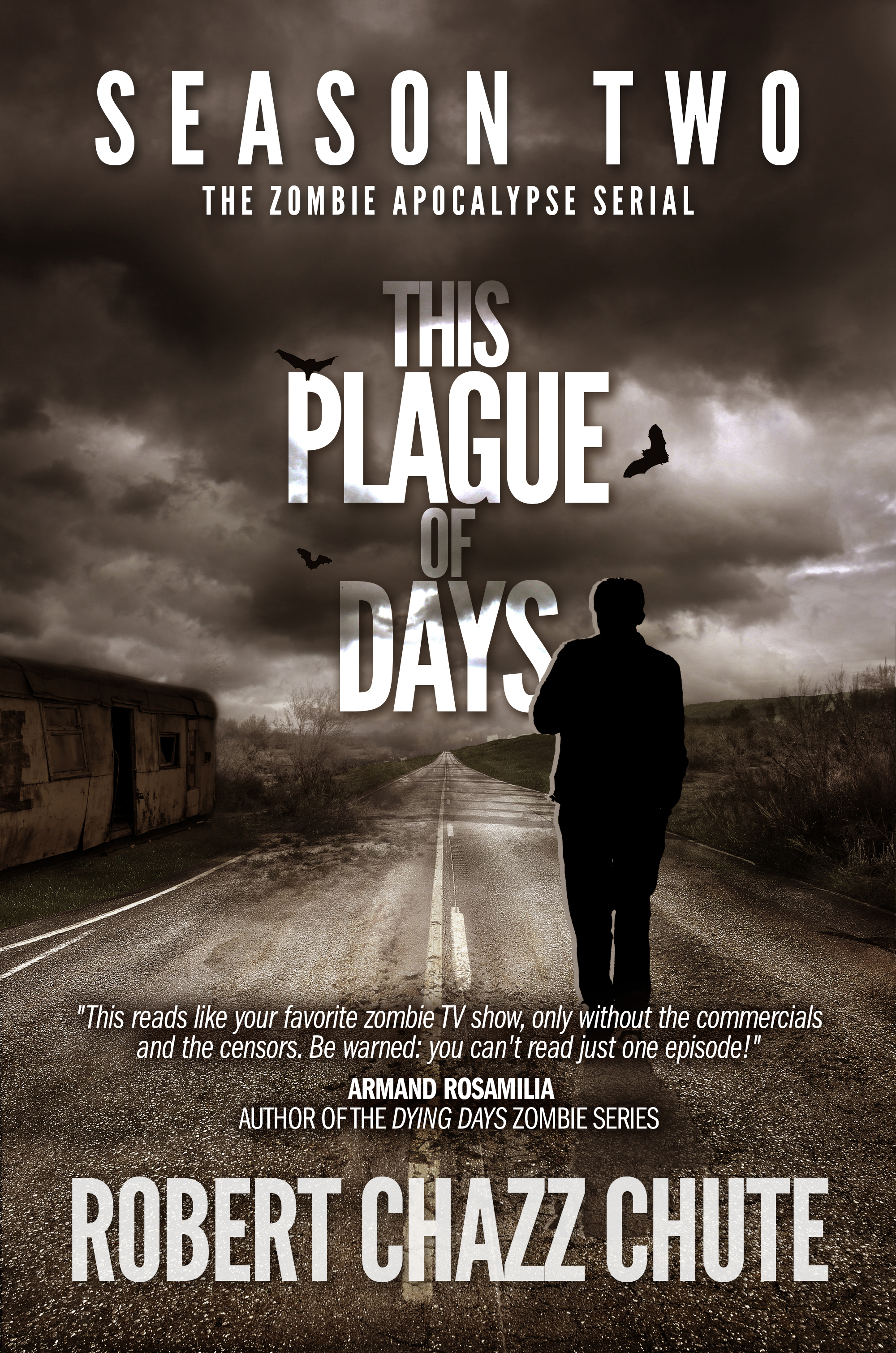
7. Have more to give away. I serialized the first two seasons of This Plague of Days. In the run up to the launch of Season 3 and the stand alone (This Plague of Days, The Complete Series), I’m using KDP Select to give away episodes as samples. Those giveaways always bump up my sales in between books when I would otherwise be in the doldrums. I’m a big believer in pulse sales to help new readers find me.

8. Diversify. To sell more between books, have more to sell in different media. There’s interest in turning This Plague of Days into a TV series. (It helps that I wrote the story like an HBO or Netflix dramatic series in the first place.) However, I’d love to see it as a graphic novel, too. I want to sell it as an audiobook. Each iteration feeds the potential for another opportunity.

9. Repackage. Converting This Plague of Days from serialized episodes into seasons, and then into one, big book that stands alone? That’s one example of repackaging. It’ll also give a new crew of readers what they wanted since quite a few people seem to misunderstand the cliffhangers and twists of a serial or they hate serials on principle. (I don’t know what that principle is, but I recognize it and I’m listening.)

Taking different books and selling them as one bundle is another way to go. (I’ll be doing this with the Hit Man Series by turning three books into a bundled trilogy with a new and better name for the whole.)

10. Stay in touch with readers between books. I don’t have a large mailing list, but I do connect with a lot of readers on Facebook and through podcasts. I also have a blog dedicated to This Plague of Days.

Recently, when I needed to add more beta readers to my team, I went to Facebook first because I knew I’d find people who are already into what I’m doing. I’ve got three new, enthusiastic volunteers now.

Staying in touch with readers keeps projects alive for authors, too. When I get another tweet or email asking when the next book is coming out, it helps drive me to get to the keyboard as fast as I can to oil the roller coaster. I know my readers and I can’t wait to make them scream.

Filed under: author platform, book marketing, writing tips, , , , , , , , , , , , , , , , , , , , , , , , , , , , , , , ,

Bestseller with over 1,000 reviews!
Winner of the North Street Book Prize, Reader's Favorite, the
Literary Titan Award, the Hollywood Book Festival, and the
New York Book Festival.

http://mybook.to/OurZombieHours
A NEW ZOMBIE ANTHOLOGY

Winner of Writer's Digest's 2014 Honorable Mention in Self-published Ebook Awards in Genre

The first 81 lessons to get your Buffy on

More lessons to help you survive Armageddon

"You will laugh your ass off!" ~ Maxwell Cynn, author of Cybergrrl

Available now!

Fast-paced terror, new threats, more twists.

An autistic boy versus our world in free fall

Suspense to melt your face and play with your brain.

Action like a Guy Ritchie film. Funny like Woody Allen when he was funny.

Jesus: Sexier and even more addicted to love.

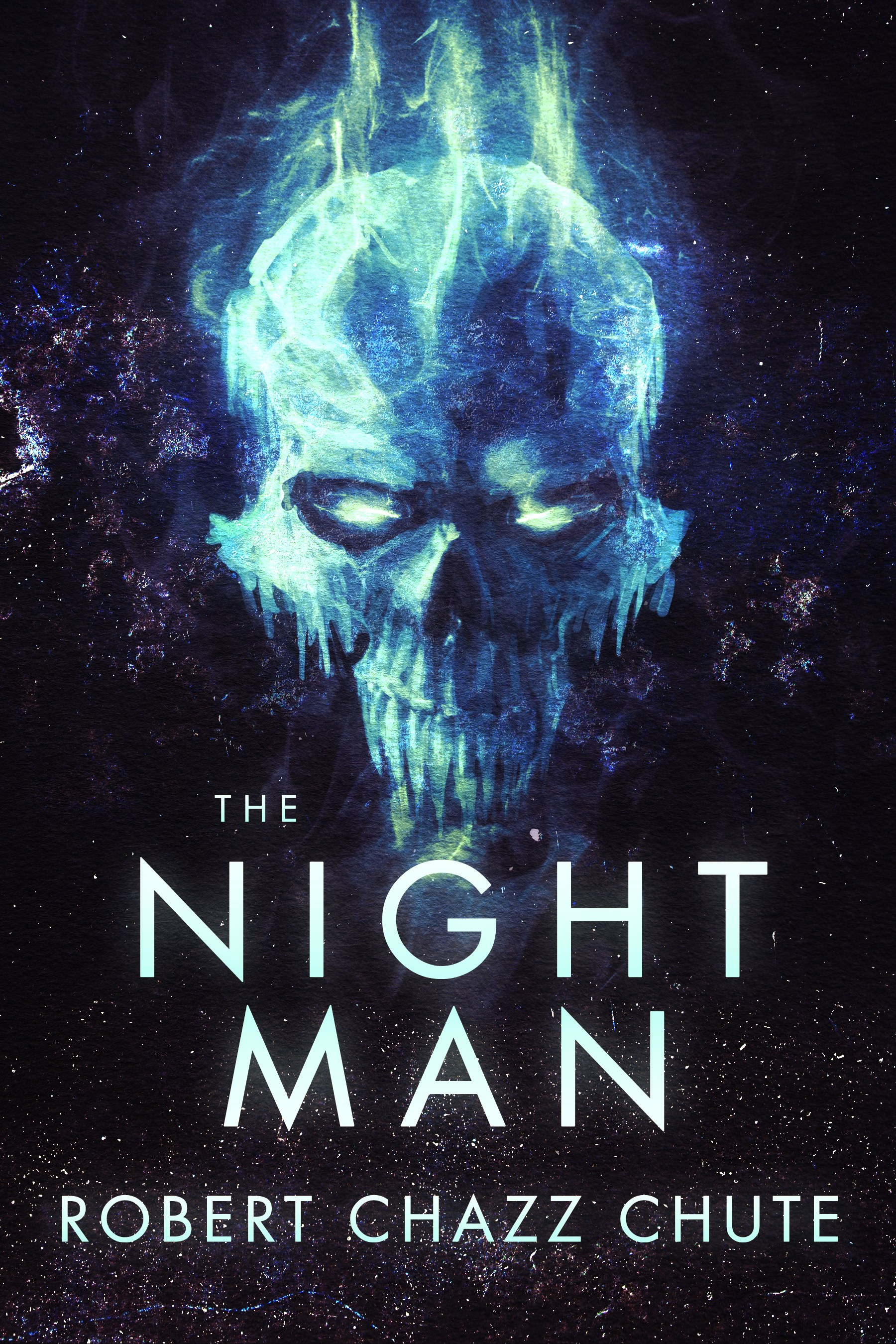
You can pick this ebook up for free today at this link: http://bit.ly/TheNightMan

Join my inner circle at AllThatChazz.com

See my books, blogs, links and podcasts.

Enter your email address to follow this blog and receive notifications of new posts by email.

Join 2,063 other subscribers