C h a z z W r i t e s . c o m

See all my books at AllThatChazz.com.

What I Learned from The Practice

While recovering from hip surgery, I have had the opportunity to unearth a gem I missed when it aired: The Practice. David E. Kelley’s work for television is genius.

Steve Bochco dominated TV in the ’80s, but I had no idea how prolific Kelley was. Until recently, the only TV writer who sprang to my mind was Aaron Sorkin. However, Kelley has been steadily writing and producing for a very long time.

Consider David E. Kelley’s TV history:

Ally McBeal, The Practice, Boston Legal (my favorite), The Lincoln Lawyer, Big Little Lies, Picket Fences, Boston Public, Goliath, Chicago Hope, Mr. Mercedes, among many others. All these, plus multiple film credits? The man is a powerhouse of productivity. And he’s married to Michelle Pfieffer. Winner.

I’d seen James Spader in plenty of movies, but his performance in The Practice and Boston Legal made me a fan. He is uniquely talented, capable of delivering deep monologues with utter eloquence and passion. His character is a self-destructive good guy who often acts like a bad guy.

From Boston Legal: What kind of lawyer are you, anyway?”

“The damaged, but fun kind.”

I was never a fan of Ally McBeal, but I appreciated the bold tangents into surreality. Watching the evolution of The Practice has been edifying to me as a writer. Bobby Donnel, played by Dylan McDermott, too often hit one-note. The hub of the show’s wheel, his character lacked depth. That was, I’m sure, by design. I didn’t care for that tac, but the stories carried me through. The ensemble cast usually compensated for the bang of Bobby Donnel’s triangle with a symphony of compassion, pain, and earnestly trying to do the right thing in a broken judicial system. Actor Steve Harris was especially compelling and convincing as a criminal attorney. I don’t know why we haven’t seen more of him on TV and in films.

Bingeing The Practice all at once, I found the show’s too-frequent forays into “why do we get murderers off?” a bit tiring. Watching week to week, few viewers probably noticed. There were missteps. Besides Bobby Donnel trying to death stare judges into submission, I found the writers relied on the same reactions too often. The tics of “What?” and “Excuse me?” were particularly frequent. There was also a lot of unnecessary yelling over each other. Are these lawyers or stevedores on meth? I kind of wish I was the guy in charge of making the courtroom extras mumble and rabble-rabble in shock as each verdict was announced. Or did they just record it once and leave it to sound editing?

By the time we get to the spin-off of Boston Legal, most of the kinks are ironed out, and the writing rises to its zenith. The interplay between Spader and William Shatner was charming. Even when the characters were creeps, usually a human layer underneath shone through beaming good intentions. Alan Shore’s closing arguments were unfailing erudite. That’s what really sold me.

Takeaways for Writers

Craft develops over time. Be patient.

Watch out for your writing tics.

You will likely be remembered for one work more than others, but some writers build worlds and empires from their collected creations. It’s a great ambition.

Do the work as consistently as you can.

Research, not to beat the reader over the head with facts, but to create verisimilitude.

Vary your tone. If two characters sound too much alike, you probably don’t need both.

Jokes have a place, even in serious scenes. I preferred the dramedy of Boston Legal to the relentlessness of The Practice. Perhaps that’s why I missed The Practice the first time.

Recovering from hip surgery has been made a little easier with David E. Kelley supplying the entertainment.


For more on this, head over to my author site, AllThatChazz.com.

Filed under: writing, writing tips, , , , , , , , ,

Hang Out With Me

I’m on a podcast! This is an instructive listen, but it was also a lot of plain old fun. Sadly, they cut out a bunch of jokes wherein I threatened the hosts. Tell somebody you wish their mother such great health that she outlives her children, and suddenly, I’m the bad guy! Come to think of it, I’m not sure Joe understood I was just joshin’. Alas.

Re-creative has an interesting premise. The hosts speak to artists of all sorts and discuss their influences. Of course, we have so many influences. I’ve got Stephen King for plotting and tone, Blake Crouch for pacing, and my ninth and tenth-grade English teachers who underestimated my dazzling powers. Darn their souls to heck and I hope their socks and shoes never fit quite right! Yes, spite counts as an influence, too.

My go-to guy for writing wisdom is William Goldman. I learned more about writing from Bill Goldman than I ever gleaned from a writing class. Allow me to explain here:

What are your artistic influences?

~ For more Robert Chazz Chute, check out my author site, AllThatChazz.com.

Filed under: writing, writing advice, writing tips, , , , , ,

12 Tips to Write More

I’ve written, co-written, and worked as a book doctor for a long time. People have asked, how do you keep your ass in the chair long enough to be that productive? I do have a robot in my watch that tells me to get up and move around once an hour so I don’t become pudding. I set alarms to get me to bed and get me to work, too. Setting alarms is not just for nagging you to get out of bed.


Here are my simple suggestions for increasing your word count:

  1. Clear your workspace of distractions. (I have a blanket fort because I like to hide.)
  2. Clear your calendar so you have dedicated time to write. Be specific about when and where.
  3. Get excited about the current scene you’re writing. If it’s not exciting for you, it’s not exciting for the reader. If that’s the case, maybe it’s good you’re dragging your feet on writing it.
  4. Set a timer and, especially for that first draft, get the words down as fast as you can while you race the clock. You can accomplish a lot in short bursts.
  5. Shut off the internet so you focus on the job rather than checking out the latest on Huffington Post and Twitter news. The world’s ending. There, saved you some time.
  6. Do not wait for inspiration. Inspiration strikes at the keyboard, not while you’re playing Call of Duty.
  7. Since the hardest part is starting, tell yourself you’ll just write for ten minutes. Once you start swinging that hammer, you’ll get caught up in doing more damage.
  8. Take notes between writing sessions so you’ll have prompts when you’re back in the saddle.
  9. Drop your writing session on a note that’s easy to pick up again.
  10. Accountability is helpful. That could be just you counting your streaks in an app or on a spreadsheet, getting a writing partner, or finding a writing group. Tracking and reporting keeps you writing. My mastermind group has a writing room in Slack which tends to get me going.
  11. Visualize your success and how good it will feel to publish a book. You can’t get there without the homework part of being a writer, so do the thing.
  12. Picture the sad faces of all your haters when you hit it big. Cackle about it as you type. Motivation comes and goes, but fear of failure, terror of poverty, and ambition born of spite are strong emotions.

    What keeps you at the keyboard in this ridiculous, capricious business?

~ I’m Robert Chazz Chute. I write apocalyptic epics with heart and killer crime thrillers with muscle. Find links to all my books at AllThatChazz.com.

Filed under: writing, writing advice, writing tips, , , , , , , ,

How to Make Readers Hallucinate Happily

I once read a popular novel by a very successful author whose name escapes me at the moment. Two characters were young guys who were virtually identical in worldview and speech patterns. To distinguish one from the other, the author slapped a ridiculous hat on one of them. He fussed with said hat throughout the book.

As I read on, I thought, you got a lot of money for this. I see what you’re doing and I understand why. It still pissed me off. If you have too many characters to juggle, it can be difficult for the reader to keep track of who’s who.

One solution is to break up your groups. In reading one of my favorite books, The Stand, I didn’t love every character equally. While focusing on one less favorite character, I’d wonder what was happening with my faves. However, the story was sufficiently compelling to propel me through the whole book. Stephen King didn’t toss everyone into one room all at once, so it was easy to track the huge cast.

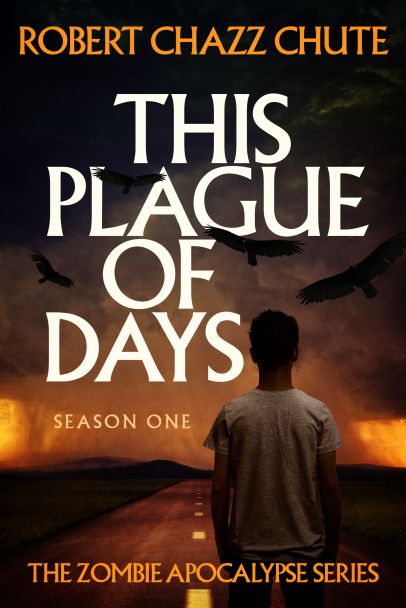
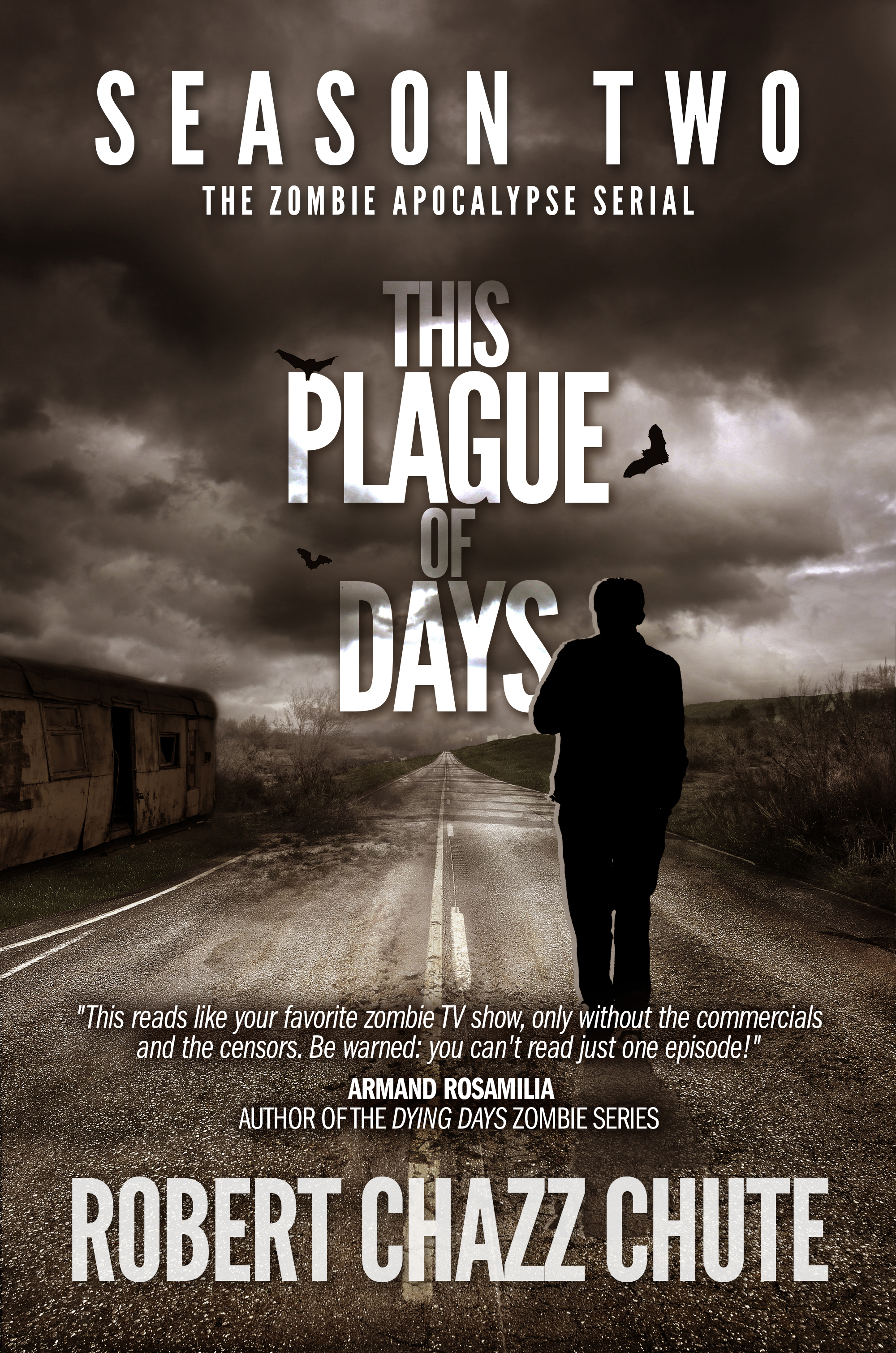
I used that same template in This Plague of Days. Huge cast, but I separated varied groups. The heroes are the Spencer family from Kansas City. There’s a group of Europeans struggling to escape to North America. Then there’s a motley crew of villains: two cults and three species (human, zombie, and vampire).

A writer friend teased me about the global scope of the trilogy. “Meanwhile, in Jakarta…” In my defense, killing off a bunch of characters along the way narrowed the focus and all the threads get pulled together in the end.

The Problem of Who’s Who

Consider a novel featuring a large number of new recruits shoved in a barracks for Basic. They’re all wearing the same greens, so fashion won’t help you. Suppose you make the cast even more homogenous by putting them all on the same page mentally as well as physically. Instead of a nice segmented plate where the peas don’t touch the mashed potatoes, now you’ve got soldier soup.

Who’s who? How can you help the reader distinguish one character from another? Some fantasy authors list the cast of characters at the front of the book and add a glossary at the back. I find convention dated and cumbersome. As a reader, I don’t want to (and won’t) flip back and forth to understand what’s going on in a story. I want full immersion. Let’s talk about how to get there more elegantly.

Possible Solutions

Taking our soldiers in the barracks example further, here are my suggestions for avoiding reader confusion and exhaustion.

  1. Avoid giving them one worldview. Perhaps in an attempt to unify them in glory, some writers forget that soldiers are still people who are drawn to service from varied backgrounds and from marginalized groups. In Jarhead, a drill sergeant demands of the protagonist why he joined up. “Sir! I got lost on the way to college, sir!”
  2. As King did masterfully in The Stand and It, take the time to develop characters by giving them their own chapters so readers get to know them. Some readers complain that the King of Horror goes off on too many tangents. I disagree. He’s not telling you some minor character’s background just because he enjoys typing. He’s making you care when that character gets killed off.

    Repeat after me: NO! FACELESS! REDSHIRTS!

  3. An alternative is to put guard rails on your story. Tighten the focus on a smaller group. Reading Misery, I enjoyed the story very much. However, reading as a writer, I was amazed how King managed to keep most of an entire novel’s action to one room and still keep me invested.

    Tom Cruise’s version of War of the Worlds is instructive, too. The scope of the alien invasion is global, but the focus is confined to one not-so-great divorced father trying to get his kids to safety. It’s not just a pulpy science fiction story. It’s a war story that brings home the horrifying plight of refugees. That’s a war story that’s too rare.
  4. Distinguish your cast by giving them more depth, character, and flaws. I’m not suggesting something as superficial as playing with their hat for 300 pages. Make one a coward and another a traitor. Make one mean and another innocent.

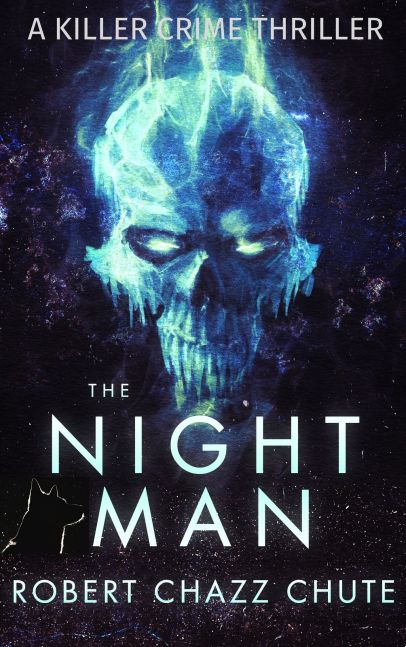
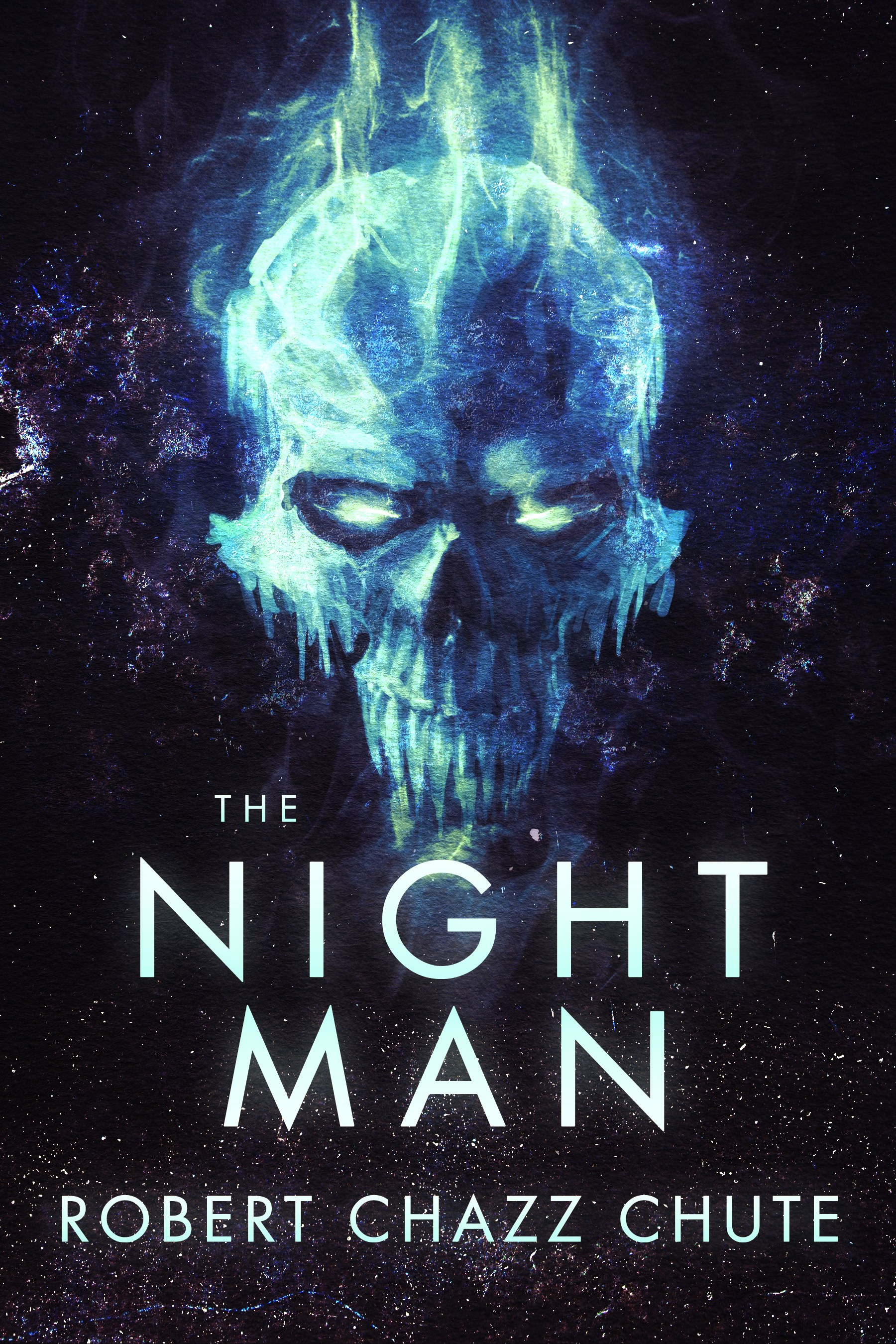
    In The Night Man, Easy Jack is an Army Ranger out on a medical discharge. His knee hurts all the time, he’s overly sensitive to light, and returning home to poverty in rural Michigan has screwed him up and screwed him over. He’s also got a bomb plot and a corrupt cop to deal with. Fortunately, he’s a wry underdog with a loyal guard dog at his side. Complexity serves the story.

    In Band of Brothers, the paratroopers are all highly trained professionals. Still, tensions are high. They fight for the a noble cause and for each other, but a couple still get into a fistfight aboard a troopship after one makes a stupid antisemitic remark.

Unless it’s Winnie The Pooh, there is always an enemy, within and without. Conflict is at the heart of our art. Making our cast of characters less homogenous, we do more than help the reader hold them all in their minds. We transform our tiny imaginings into fully-realized people. We deepen the story’s potential and draw readers into genuine joy and escape.

When a novel is great, it’s not a mere distraction from the moribund spiral of mundane existence. When the experience is rich, reading becomes an immersion to the point of compelling hallucination.

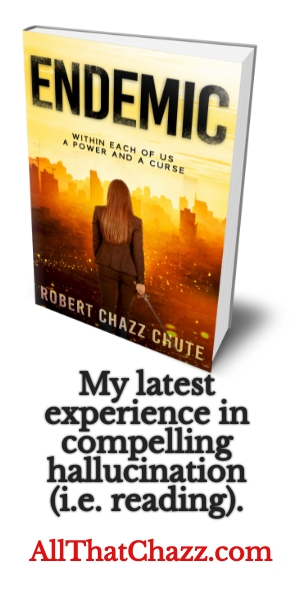
AT RISK OF TELLING YOU WHAT TO DO, READ ENDEMIC NOW.

~ I’m Robert Chazz Chute. Check out all my books at apocalyptic epics and killer crime thrillers at my author site, AllThatChazz.com.

Filed under: writing advice, writing tips, , , , , ,

Every Writer Needs a Gari

I’ve taken a bunch of writing workshops, but one thing I learned that I consider most valuable is about managing expectations. A very successful author stood at the front of the room and pulled a manuscript from her bag. The stack of paper bound by rubber bands was replete with Post-It Notes, all corrections from her editor. I don’t know whether it was her line editor or copy editor, but I can tell you the notes were copious, several to a page. That’s normal. Expect problems and recruit more pairs of eyes to comb your manuscript.

When I worked at Harlequin, we had many tiers of editors and proofers working on each manuscript. A few typos and whatnot still slipped through the net. We can aim for excellence, but perfection will always hover just beyond our grasp. You know why? Because we don’t know what we don’t know. Everybody needs a safety net. Whether you pay an editor or recruit a passel of beta readers (preferably both), pobody’s nerfect.

As I write this, I’m going through revisions on two new books (coming soon). I didn’t know the difference between a chartered accountant and a CPA. I didn’t think to check, either. However, my beta reader caught it. He also knew that it’s not restauranteur (with an n). It’s restaurateur. Somebody reading this doesn’t believe me because they, like me, have been spelling it incorrectly their entire lives. (For more on why the n is left out, enjoy this article from Mental Floss.)

Every time I think, Yeah, I’ve gone through the manuscript a few times. Surely, it’s pretty clean. Nope! And why? I’m not careless and I’m not an idiot, but I don’t know what I don’t know. The idiosyncrasies of comma placement often befuddle me. When I read a sentence, sometimes my brain fills in blanks so I miss something that should or shouldn’t be there. I publish in American English, but I sometimes write in Canadian. There are subtle differences and nuances, like whether to write Grade 4, or fourth grade. Some regional or Irish idioms that I grew up with would sound odd and unfamiliar to American readers.

Writing primarily for an American audience, I’ll take something for granted they may not. For instance, I wrote, “She took up after them,” instead of “She took off after them.” To me, took off connotes speed. Took up means the chase is on, but the runner is trailing and not catching up. Once our masterpieces are sanded smooth, readers stumble less. You want an easy glide path into their brains so you can highjack the feed of their consciousness. That’s where recruiting help comes in.

Fortunately, I have Gari Strawn of strawnediting.com on my side. Among Gari’s strengths are her tireless curiosity and a keen eye for details. I also suspect she sleeps with the Chicago Manual of Style under her pillow. She knows things, eases my stress, and allows me to focus on the story.

Confused about when to write a number out or type the numeral? Trained as a journalist, I was stuck in the AP Stylebook mindset until Gari reminded me of CMOS guidelines. Russ, my beta reader, and Gari, my assiduous editor, help to make my work better and clearer. Even Batman had Robin watching his back, so, no, most people cannot reliably edit their own work. Some authors will push back on this idea and say, “I’ve been an editor so I can edit my work.” Put aside the premise that you don’t know what you don’t know. To those writers, I would ask, “Why would you want to work without a net?” Please tell me it’s not pride. Would you rather hear about your misses privately and correct them, or read about them publicly in a negative book review?

Good editors and capable beta readers are out there and they do want to help you. If it’s not an editor, work with other writers. Recruit a team of beta readers. Since I began working with Gari, I’m more confident when I hit that big scary button marked Publish.

Something may still slip through, but that’s the case with every published book. Manage your expectations, strive for excellence, let others help. Expecting perfection is unhealthy and unrealistic, but making your books as wonderful as you can manage is much easier on you in the long-term.

~ I write killer crime thrillers and apocalyptic epics. Get the links to all my work at my author site, AllThatChazz.com.

Filed under: Editing, Editors, writing advice, writing tips, , , , , , , , , , , , , , , ,

Show me you are a writer

You know this meme:

Tell me you’re X without telling me you’re X.
It just occurred to me that this is another version of a good writing guideline: Show, don’t tell.

Good fiction exploits resonance and a certain amount of circuitousness. Don’t tell me your heroine is brave. Let the character demonstrate her bravery. Book readers want to meet the author halfway to achieve an immersive experience. They don’t want a telegram.

Of course, there are times to tell, not show. When dialogue is interesting and clever, let it be said in quotes. If the dialogue is merely informative and delivers zero bam-pop-pow, then it’s time to tell instead of show.

Telling:

He asked me if I wanted a coffee before the interview, and I declined.

Showing:

“Fancy a hot cup of java?”

“No offense, sir, but I make it my policy to never accept any beverage from a person of interest in a poisoning case.”

~ Robert Chazz Chute shows and tells appropriately. His killer crime thrillers and apocalyptic epics deliver lots of bam-pop-pow. Check out his books on his author site, AllThatChazz.com.

Filed under: writing, writing advice, writing tips, , , , , , , ,

Finding the Genre Vibe

When you’re writing, understand the tropes of your genre even if you don’t adhere to them closely. Lean into those and you’ll make your readers feel comfortable that they’re getting what they expected when they clicked the buy button. It’s a truism: People want the same thing, only different. Avoid cliches, sure, but tropes are often helpful in getting a reader and keeping a reader.

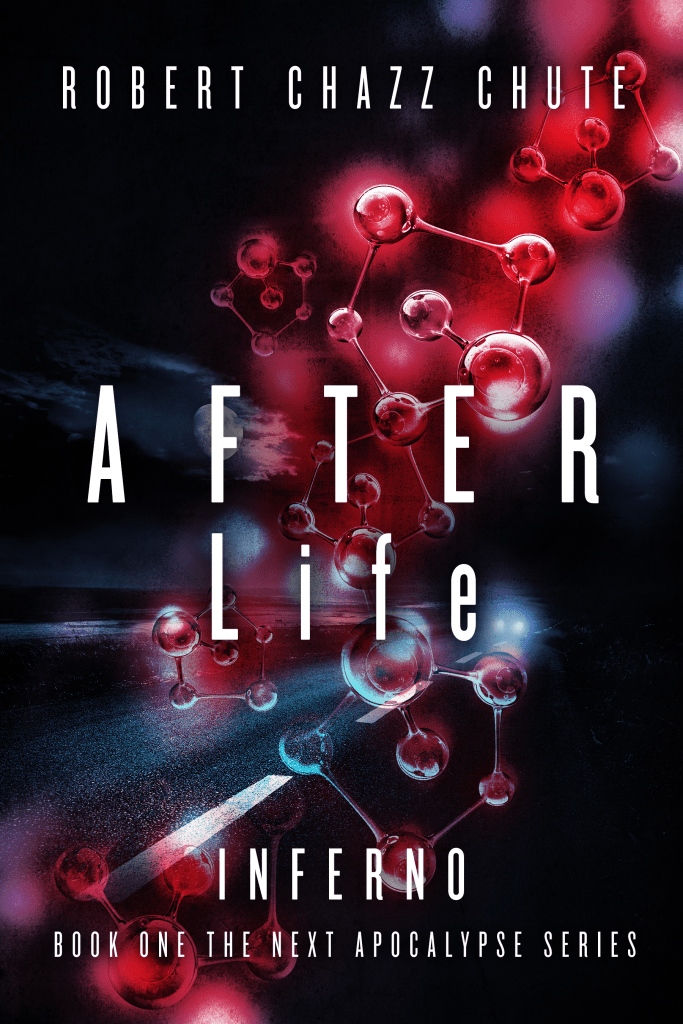
I must admit, I have not always stuck with what’s expected. My two zombie trilogies colored outside the lines. This Plague of Days is vastly different from a lot of books with “Zombie Apocalypse” in the subtitle. It’s a slow burn that builds and builds and relies heavily on supernatural elements and a mute hero on the spectrum. AFTER Life has plenty of zombie action, but the nanotechnology involved places the trilogy firmly in the techno thriller and least science fiction categories.

It may seem simple, but there are plenty of niches to drill down to and you don’t always know. When I published This Plague of Days, I thought I was writing straight horror. Then I got a Bookbub, and their marketing experts helpfully informed me I was writing science fiction. I suspect the success I had with TPOD was in part because of its contrast with other zombie books.

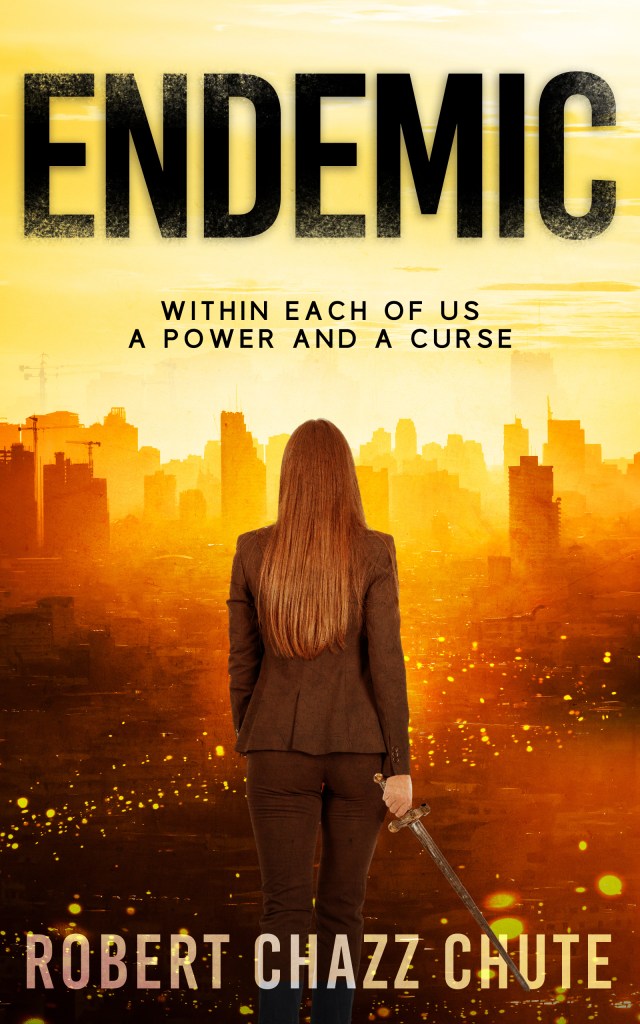
Now, when someone asks, I follow Stephen King’s example and say I’m a suspense writer. Mostly my backlist is suspenseful sci-fi. Other times, it’s crime fiction, but it’s all suspenseful. I’m a big fan of twists and turns. As I write this, my trusty Editrix Supreme, Gari Strawn of strawnediting.com, is working on my newest big book. It’s called Endemic, a survivalist thriller set in New York during the viral apocalypse. It does not have zombies in it, but there are infected people who are zombie-adjacent. The protagonist is a 38-year-old woman who is a very unlikely heroine. I like unlikely protagonists. If someone is prepared for their mission, the stakes are lowered. Will Endemic be different enough, or too different? We’ll see.

In the Meantime

While I wait for the final edits of Endemic, I cranked out a pop-up anthology. There was a time when I thought I was done writing short stories. However, I can produce them quickly and I enjoy writing them. Anthologies don’t sell as well as full novels, but I can use it for other purposes, such as creating an IP that leads to other IPs. Need a reader magnet to boost your newsletter? Short stories can give subscribers a sense of your style without the time commitment of a full free novel.

Leaning In

I’ve been reading a couple of gurus who are very deep into writing the same thing, only different. It can be profitable catering to a particular niche. If you’ve read X author and had a good time, you’ll probably read the rest of her books to get a similarly joyful experience. Browsing around, you’ll find successful authors who do this and their branding shows it. They have no shortage of entertaining stories their readership loves. Perhaps their biggest worry is burnout or that their graphic designer will die and they’ll have to find another who can create the same style of cover art. It is a good strategy and I do not disparage it.

For this coming anthology, I’m doing something I haven’t done before. I’m leaning into the zombie/horror tropes and giving readers more what they expect from the genre. That is not to say there won’t be twists and turns. I still offer plenty of those. However, there are no sci-fi elements. I just want to scare people for Halloween (and beyond).

Meaning

For all my writing, I look for meaning. The characters have to be relatable. Even if the good guys and bad guys are wading into the Wondrous Pool of the Fantastic, it’s important that readers find resonance. We all understand jealousy, anger, and fear. Tapping into our common human experience triggers the empathic parts of our brain. That’s when the world of the book envelops the reader.

You can accomplish that state by telling an entertaining story readers expect, or you can do it while pushing at the boundaries of their expectations. The trick is to do it in such a way that you reel them in instead of freaking them out.

Please note: Some minority of readers will always freak out.

Example: This Plague of Days has zombies and vampires in it. Some readers will never accept those genres colliding. They’ll take zombies, but introduce a smarter bloodthirsty killer, and suddenly they’re breaking the spine of the book and yelling, “Bullshit!” My thought was, what’s a sentient zombie? A vampire. Never mind that evolution, and never mind if you get a few reviewers who kick back against any genre-bending. That’s okay. Everybody gets an opinion. Relax and write your book.

There’s always someone who will say, “I would have done x, y, and zombie differently.” To which I reply, “Great! Go write that. Express yourself! Then somebody can try to educate you as to what they would have done differently. Then you’ll understand me better. Heh-heh-heh!

To put it crudely, meeting reader expectations does not make any writer a hack. Ideas are cheap. It’s the execution of the story you choose to tell that will elevate the work in readers’ minds or fall short of their expectations. I like blowing through their expectations, but it can be fun to play the game within restrictions, too. As Hitchcock said, a limited budget makes one more creative.

Endemic is a big book that will defy expectations because the protagonist is older, nerdy, and neurotic. She and I share several of the same neuroses, in fact. Our Zombie Hours is a small anthology playing to readers’ expectations of the horror genre. I’m oddly optimistic each book will find a readership.

To go deeper on writing, reading, and marketing that resonates with more readers, I suggest you check out 7 Figure Fiction: How to Use Universal Fantasy to Sell Your Books to Anyone by T. Taylor. It’s an enjoyable, quick read that will get you thinking about adding butter to your writing recipe and boost reader engagement with your words.

It’s all about resonance. Do you dig my vibe?

~ Robert Chazz Chute occasionally writes about himself in the third person (like right now) to encourage you to read his books. He writes apocalyptic epics and killer crime thrillers. Browse them all at his author site, AllThatChazz.com.

Filed under: book marketing, This Plague of Days, writing, writing advice, writing tips, , , , , , , , , , , , , , , , , , , , , ,

An Apocalypse in the Middle of an Apocalypse

When I started publishing books in 2010, my pace got faster as I refined my processes. Take a couple of books through the editorial process and you identify quirks, mistakes, and inefficiencies you can avoid with future projects. At one point, I wrote five books in one year (and that was while I still had a day job). I took three days to format my first book. Back when I serialized This Plague of Days, I refined that formatting process down to a few minutes. Some things get easier with experience, feedback, and repetition. Then along came a killer pandemic and all my routines and expectations got torpedoed.

Trouble writing? This bud’s for you, bud.

Not Coping with COVID-19

The last book I put out was a thriller called The Night Man. That was Christmas, 2019. Almost two years later, I’m finally about to publish again. For several reasons, I took my time with my new book. This apocalyptic tale is a compelling experience that, in part, explores how we respond to disaster (or don’t). Endemic asks, “What happens when a pandemic never ends?” It’s not a short read, but the pacing will make it feel that way. I put so much of myself into this book that, despite its grand setting and sweeping scenes, the story is a relatable cautionary tale about what happens when variant storms strike. I wish the story wasn’t so relatable. The immediacy of viral dangers affected my writing routines negatively. What follows are my suggestions if you have been similarly afflicted.

How to Write (or not) in the Middle of an Ongoing Disaster

  • Put yourself on a social media diet. If the TikTok warning comes up suggesting you go outside to smell the roses, you know you’ve been on the app too long. It’s easy to get sucked into doom scrolling. I sure did. Though the news might give you ideas, it can just as easily suck away writing energy. So much of the news is repetitive that listening to a third epidemiologist in one day is counterproductive.
  • Self-care. Maybe that means remembering to take a shower. Perhaps exercise is missing from your day. Look at what’s missing and fill that need.
  • Writing sprints with a willing writing buddy work.
  • Setting a timer and writing your first draft as fast as you can in short bursts works, too.
  • Focus on what you can do, not what you can’t do.
  • Think of each chapter as a short story instead of setting your sights on a huge word count. “I am going to write 500 words before the top of the hour,” sounds reasonable and doable. “I’m going to knock out a massive epic of 150,000 words by the end of the month,” is intimidating.
  • Tell stories you feel a great need to tell. Passion alone may not take you all the way to the end of the project, but it should give you some inertia. Hacks don’t have passion. Business considerations are for before and after the writing session, not during. Write the story.
  • Abandon unreasonable expectations. If you’re writing 200 words a day, don’t torture yourself with promises to craft 10,000 words tomorrow morning.
  • There is no rule that says you have to produce x number of books a year. Things change. Your response can change. Do what you can do and want to do. What you think you need to do can’t be bigger than what you can do.
  • Avoid martyrdom. I’ve pulled my share of all-nighters as a writer. I don’t do that anymore because I know if I push myself too hard for too long, I’ll get burned out. I want to write useful pages. Longer hours might just give you more mistakes to fix.
  • You are a writer, not a robot. Accept that now isn’t necessarily your time to accomplish x, y, or z. The rise and grind ethos is fine if you can stay healthy working at a blistering pace. Some people get energy from that approach. It’s not for everyone, though. Is anything?
  • Many go-getters and gurus will encourage you to “get back to normal.” The pandemic is not over and, to me, such admonitions feel like celebrating a touchdown at the 30-yard line. I understand the inclination to pretend this disaster isn’t ongoing, but it is. These are not normal times and not everyone is okay. Not everyone’s losses or ability to respond to challenges are equal. Be kind to yourself.
  • Some writers have found the lockdown experience energizing to their work. I know of no stats that suggest what and where that split is. On the other hand, many people have quit their jobs. Writing is a job you can turn your back on. You can quit and focus your energies elsewhere. If it’s not good for you right now, be honest with yourself when you need to walk away.
  • Professionalism? Sure, I’m all for it. Set a schedule. Have a dedicated work space and show up. Establish flowcharts of your action plans for writing and marketing. Measure and record your quantitative output. Keep an eye on the quality of your input. Do the thing … as long as it’s helping you, not hurting. Writing is supposed to be fun, remember?
  • Hydration, sufficient sleep, a healthy diet, and exercise are all important. However, these are not panaceas. When people need help with physical and mental issues, some well-meaning cheerleaders will appear to tell you to go for a walk in the sunshine. That’s fine as far as it goes, but if your pancreas is merely serving a decorative function, you’re going to need more intervention than nice thoughts and meditation. If you need professional help, get it.
  • Another’s writer’s success can be motivating. That’s not true for me, though. When Amazon tells me an author I follow has come out with their fourth book in four weeks, I don’t feel good about myself. Besides, there are too many variables to replicate another’s path precisely. Do not compare your output to anyone else’s production schedule.
  • Procrastinate productively, whatever that means for you. If you need a nap and can do so, enjoy that nap. If you want to clean up your workspace, go head. However, don’t tell yourself you’re going to write “sometime” today and end up torturing yourself with I-should-haves. If you’re going to take the day off from writing, choose to do so consciously and choose early in the day. The worst writing days are the ones you tell yourself you were supposed to have had and didn’t execute.
  • A caution about procrastination: Are you one of those travelers who pack your entire wardrobe for a weekend getaway? When traveling, take half the clothes and twice the money. When writing, no, you don’t need to do so much research. Research to achieve verisimilitude is encouraged. Research that pushes your deadline back a month is procrastination.
  • Rely on social support. We have all grown more isolated in the last year and a half. Break loneliness. Talk to friends on the phone. Enjoy a Zoom call. Reach out and text someone. Share another cute dog video. Think of it as physical distancing, not social distancing.
  • Prioritize. That sounds like I’m scolding, so let me rephrase: Be lazy about the right things. Say no to the right things and yes to the write things. For instance, me to She Who Must Be Obeyed: “I got a lot of words down today, but I didn’t mow the lawn. It’ll keep another day.” Or, “I’m sick of the Sunday Bean Soup I made. It’s the fourth day in a row. Wanna order pizza?”
  • Writing, but you’re not feeling that last scene? Maybe it’s time to reward yourself with a short story to submit to an anthology. The right change can boost your creative energy. Taking a break can mean going for a swim. It might mean putting your energy into that mystery you’ve always dreamed of. You know, the one where the orangutan escapes from the zoo and solves heinous crimes with his sidekick, a Mormon sign language interpreter with a penchant for exotic cheeses. Do you, boo!
  • Blocked? Start writing about that. What does that frustration feel like? What childhood affront does that pain remind you of? Thinking about writing and not doing so is pain. Starting to write about anything, primes the pump and gets the juices flowing. Write fast, write now, and edit later. Silence your inner critic and dive in. Soon you’ll look up from the page and discover you’ve been at it a while and now you have something to work with. Blank pages are notoriously difficult to edit.
  • Read something that inspires you. You can read as a writer and analyze the narrative. I’d suggest you read like a reader instead. Remember the joy of reading? Let that feeling percolate so you’ll come back to your love of the written word.
  • Find what motivated you before you lost your mojo. There aren’t any wrong answers. Love, spite, competition, proving your ex wrong? Whatever gets you back to the writing mindset.
  • Aim for excellence, not perfection. Perfectionism is self-hatred. Some writers speak of putting out “minimum viable product.” I’m nervous about that wording and how it can be twisted. However, if it helps to get you writing, consider that there are plenty of successful writers entertaining legions of happy readers. Not all of them are solely focused on writing The Best Thing Ever Written. They are writing to entertain without the burden of a subjective and snobby literary standard.

What helped me most?

I faced challenges to my mental and physical health over the past couple of years. Chronic insomnia robbed me of many productive days, for instance. What I needed was time. I wrote a little, poking at my WIP. I didn’t manage to write every day. The best I could do was four days out of seven. When I allowed a limit and told myself it was okay not to write on a certain day (or series of days), the stress headaches went away. Taking my time with the story fueled my creativity. Patience made for a richer, more layered novel.

Writing a little at a time, I got where I needed to be. This month, I’ll release my first book in a long time. I’m healthier these days. My mojo and ambitions are rising again. There will be a hardcover, paperback, and a podcast of Endemic. Next year, expect an audiobook. Endemic holds echoes of my most successful series, This Plague of Days. I took my time. Endemic was worth the wait.

~ For all my killer crime thrillers and apocalyptic epics, please do check out my links at AllThatChazz.com.

http://www.AllThatChazz.com

Look for Endemic on Amazon later this month. To get your heads-up about when it’s available, sign up for updates at AllThatChazz.com.

Filed under: publishing, writing, writing advice, writing tips, , , , , , , , , , , ,

The I of the Eye

When I’m not working on my latest apocalyptic WIP, I’m reading Chuck Palahniuk’s guide to writing. Consider This: Moments in My Writing Life After Which Everything was Different is a humdinger. Each short chapter mines his success and ends with simple, direct advice: “If you were my student,” I’d tell you X. From craft to how to run a writer’s group and how to make author readings extra interesting, he shares wonderful experiences and solid tips for writers at all levels. I admire his writing and bold story choices. His cynical worldview delivers on dark, perverse fun and a rich subtext of social commentary.


As a fan of Fight Club, Survivor, Choke, and Lullaby, I was curious about his writing process and what he considers good writing. I once thought I was a minimalist writer. As a former journalist who read Hemingway, I even identified as such. I was wrong, but Chuck Palahniuk is a real minimalist. Stuff happens, but he goes to great lengths to avoid judgments. At all costs, Palahniuk eschews telling readers how they should feel about plot events, no matter how disturbing. His fiction style is influenced by what straight journalistic reportage is supposed to be.
For instance, X and Y happened. Draw your own conclusions. Even better if readers draw different conclusions so they can argue with each other over their literary takeaways.

Where We Differ

Recently, I followed a guided meditation in which each meditator was asked to adopt a mantra that reflected some facet of their base state. For instance, hands over heart, you could say to yourself, “I am a compassionate person dedicated to helping others.” My mantra that night was, “I explore consciousness.” In the writing context, that would send up red flags for Mr. Palahniuk.

To contrast his approach with my own, plenty of events happen in Endemic, my next novel. However, the neurotic protagonist indulges in internal commentary. Off medication and arguing with the voices in her head, Ovid Fairweather needs therapy and it shows. If you’re unfamiliar with my work, I admit I dare to do this sort of thing often. In The Night Man and AFTER Life, the main characters are conflicted souls. Ernest Jack has PTSD, a physical disability, and a fraught relationship with his criminal father. Officer Dan Harmon battles a killer artificial intelligence and brain parasites while doubting his career choices. (You ever notice that, in fiction, cops are always full of certainty they shouldn’t be off somewhere else painting watercolors? That’s not Dan in AFTER Life.)

I acknowledge writing about feelings is dangerous territory. It can drag the words too far from the plot. Every writing guide advises writers to delete “I remember…” or “I felt…” Delete the I of the eye. Be imaginative and descriptive, but don’t tell us, show us. Evoke feelings in readers instead telling them how to feel. Good advice, but there are exceptions and I do gravitate toward guidelines rather than rules. Mama Chute certainly didn’t mean to, but she raised a rebel.

What Dreams May Fail

Palahniuk advises writers to avoid dream sequences. His argument is that reality has plenty of drama and weirdness without resorting to fanciful sleep adventures that lower the stakes. I see what he’s saying and, in general, I agree. I often draw on a context of real life happenings to cushion the fiction in verisimilitude.

I can also say I’ve broken that no-dream rule on numerous occasions. To good effect, I think. (Consider This Plague of Days, Wallflower, and especially Dream’s Dark Flight). The trick to making those scenes work is to have dream life collide with reality. In real life, dreams mean nothing at all, or at least nothing to anyone other than the dreamer. If you use them in fiction, probably do so sparingly and definitely make them relevant. Inception made the use of dreams work, sure, but that’s the end of the shortlist.

How people react in stressful situations fascinates me, but if a novel is crammed with reactions alone, the story is weakened and skids to a dead stop. People can have feelings and dwell on them, but avoid pounding the reader into the ground. For example, if you’re a fan of The Walking Dead, you know the television show devolves into annoying self-parody each time Rick returns to the same drawling speech, “Things have chaaaaaaaanged!” Yeah, things have changed in the Don’t-Call-Them-Zombies Apocalypse. We get it. Move along, please.

The Rancid Pickle Jar of Self-indulgence


Endemic will be my most personal novel yet. After a furious writing session, I had to sit back and recover when I realized several true stories from my childhood fit perfectly in an adventure about desperate people trying to survive a viral apocalypse. I’m confident I’ve sifted, intertwining action and reaction sufficiently that the story is propelled forward with each new twisty revelation. My hope is that, as screwed up as my protagonist is, Ovid remains relatable. She’s an ordinary person trapped in extraordinary events, much like all of us have been trapped through the pandemic.


Warning: If your book reads like therapy for the writer alone, you’re five knuckles-deep in the Rancid Pickle Jar of Self-indulgence. This September, when Endemic is unleashed upon the world, you’ll decide if I’ve found the balance. Until then, I heartily recommend reading Chuck Palahniuk’s book on writing. You’ll undoubtedly find engaging advice that will enhance your writing and your writing life. It’s so good, I might even cowboy up and try to take all his advice with my next novel.

Until then, I’m conflicted and arguing with myself about it.

~ For links to all my books, head over to AllThatChazz.com for killer crime thrillers and apocalyptic epics. Thanks!

Filed under: writing, writing advice, writing tips, , , , , , , , , , , , , , , , ,

Writing at Turtle Speed

I am currently writing the final act to my new apocalyptic novel, Endemic. I’m not going to kid you, this has been a long time coming. I have not been blazing through this journey through 2020 to now. I’ve poked at the manuscript, much like one might poke a bear carcass with a stick to make sure it’s dead. (Pro tip from a Canadian: Don’t do that.)

I do have a large backlist, but if you haven’t published anything in over a year, readers tend to forget the magic that is you. Without advertising or a little prodding, potential fans and algorithms tend to become oblivious to your existence. As a writer, you may feel so out of it that you must, like me, double-check the spelling of algorithm every goddamn time you use the word.

Pre-pandemic, there were times when I published five books a year. A couple of them were anthologies, but still, that was quite a respectable pace of productivity for me. 2020? Not so much. By not so much, I mean I published nothing new at all. However, I’m beginning to think that’s okay. When approaching a steep hill and a sharp curve, it’s good to slow down. If this is your writing life, too, I want to tell you that’s okay.

Here’s why I am giving myself a break

My bestseller took three years to write. This Plague of Days is a trilogy about the zombie apocalypse, but it didn’t start out that way. The first book was a story of disaster and survival. It’s a slow build with Latin phrases quoted from a mute kid on the spectrum trying to cope with the end of the world. It is an ambitious story and I rewrote it so many times, I can’t even guess how many drafts I revised before I got to the books that are still my steady sellers. (I should also note that my fastest full-length novel took 30 days with a pace as frantic as its composition. I love that novel no more nor less than others.)

Some writers may have found themselves trapped at home and amazingly productive during the pandemic. That’s not me. I hid in my blanket fort and, as someone who suffers health anxiety, became even more hypervigilant to emerging symptoms. COVID-19 has not been great for my mental or physical health, but more on that tomorrow.

Flash forward to writing Endemic

This new novel has some common ground with This Plague of Days. The main character is intelligent but, like Jaimie Spencer, she’s a very unlikely hero in an apocalypse. She’s a former book editor turned urban gardener fighting marauders. There’s great action, but hers is also a psychological story. She’s a neurotic outcast trying to survive on her own. Major handicap? Her psychotherapist is dead. That doesn’t stop her from talking to Dr. Rosa, but the deceased aren’t that much help. The main character, like me, has voices in her head. That input is not always helpful.

I slowed down to write Endemic, but the manuscript has turned into something special because I took my time. There are levels to this that explore what happens to the psyche under stress and duress. As a result, this novel will be my most personal book to date. There is a chapter called Three True Things that spring directly from my childhood experience. Let me tell you, it’s not a little disturbing to discover events from your childhood fit neatly into a story about the end of the world.

This is not say that if you write faster or slower, your narrative will become more or less rich. Everybody writes at their own pace. At some point, any writer in a Facebook group has been scolded, told that if you write too fast, it’s gotta be a bad book and you’re a hack. Ignore those judgments. That cliche doesn’t come from a kind place and that knee-jerk from jerks against pulp speed is simply wrong. Mileage varies. Some writers are simply faster than others. Others take it slow. Some books spring to life easily and others are hothouse flowers that need to be nurtured and coddled.

What matters is, do the readers in the target demographic dig it? Don’t listen to other writers too much. They tend to use only one measure: their own experience. On the subject of the speed of creation, I’m reminded of the old George Carlin joke about driving: Anyone slower than me is an idiot and anyone driving faster is a maniac!

Some writers take more time and some stories require more time to germinate. For my story to reach its potential, I had to take my time. For my health and for the betterment of this story, I drove about as fast as a I would in a busy parking garage.

Fortunately, after so much contemplation and taking copious notes, I’m speeding up in the home stretch. Endemic will be published this fall. Going slow has not helped my visibility or my career as an author (yes, there are cons to the pros). However, beyond that dent in my fender, I have no regrets.

~ Check out my books on my author site, AllThatChazz.com.

BONUS:

The first book in the AFTER Life Trilogy, Inferno, is now permafree and available wide on just about every publishing platform you can imagine. It’s a zombie apocalypse story with a twist brought to you by artifical intelligence, brain parasites, and nanotechnology with ambitions to give the human race a makeover. Look for AFTER Life by Robert Chazz Chute, wherever you want to dig my swing.

AFTER Life, the first book in the trilogy, is followed by AFTER Life Purgatory and AFTER Life Paradise.

Filed under: writing advice, writing tips, , , , , , , , ,

Bestseller with over 1,000 reviews!
Winner of the North Street Book Prize, Reader's Favorite, the
Literary Titan Award, the Hollywood Book Festival, and the
New York Book Festival.

http://mybook.to/OurZombieHours
A NEW ZOMBIE ANTHOLOGY

Winner of Writer's Digest's 2014 Honorable Mention in Self-published Ebook Awards in Genre

The first 81 lessons to get your Buffy on

More lessons to help you survive Armageddon

"You will laugh your ass off!" ~ Maxwell Cynn, author of Cybergrrl

Available now!

Fast-paced terror, new threats, more twists.

An autistic boy versus our world in free fall

Suspense to melt your face and play with your brain.

Action like a Guy Ritchie film. Funny like Woody Allen when he was funny.

Jesus: Sexier and even more addicted to love.

You can pick this ebook up for free today at this link: http://bit.ly/TheNightMan

Join my inner circle at AllThatChazz.com

See my books, blogs, links and podcasts.

Enter your email address to follow this blog and receive notifications of new posts by email.

Join 2,061 other subscribers