C h a z z W r i t e s . c o m

See all my books at AllThatChazz.com.

Writing: Tics and traps to consider

We all have tics in our writing that show up as we revise our manuscripts. I think it was Elmore Leonard who said we shouldn’t use, “all hell broke loose,” and “suddenly.” I actually don’t see a problem with suddenly, but because Elmore Leonard didn’t like it, I’m too chicken to use it. I also think adverbs get a bad rap, though I use them sparingly.

Here are some more things that get repeated in manuscripts you should consider leaving out for a faster, easier and clearer read.

1. When you can say it in fewer words, do so. (General guideline. No, this doesn’t mean all novels should be reduced to their three-paragraph summaries. Yes, we’d all be better read, but it’s about the journey.)

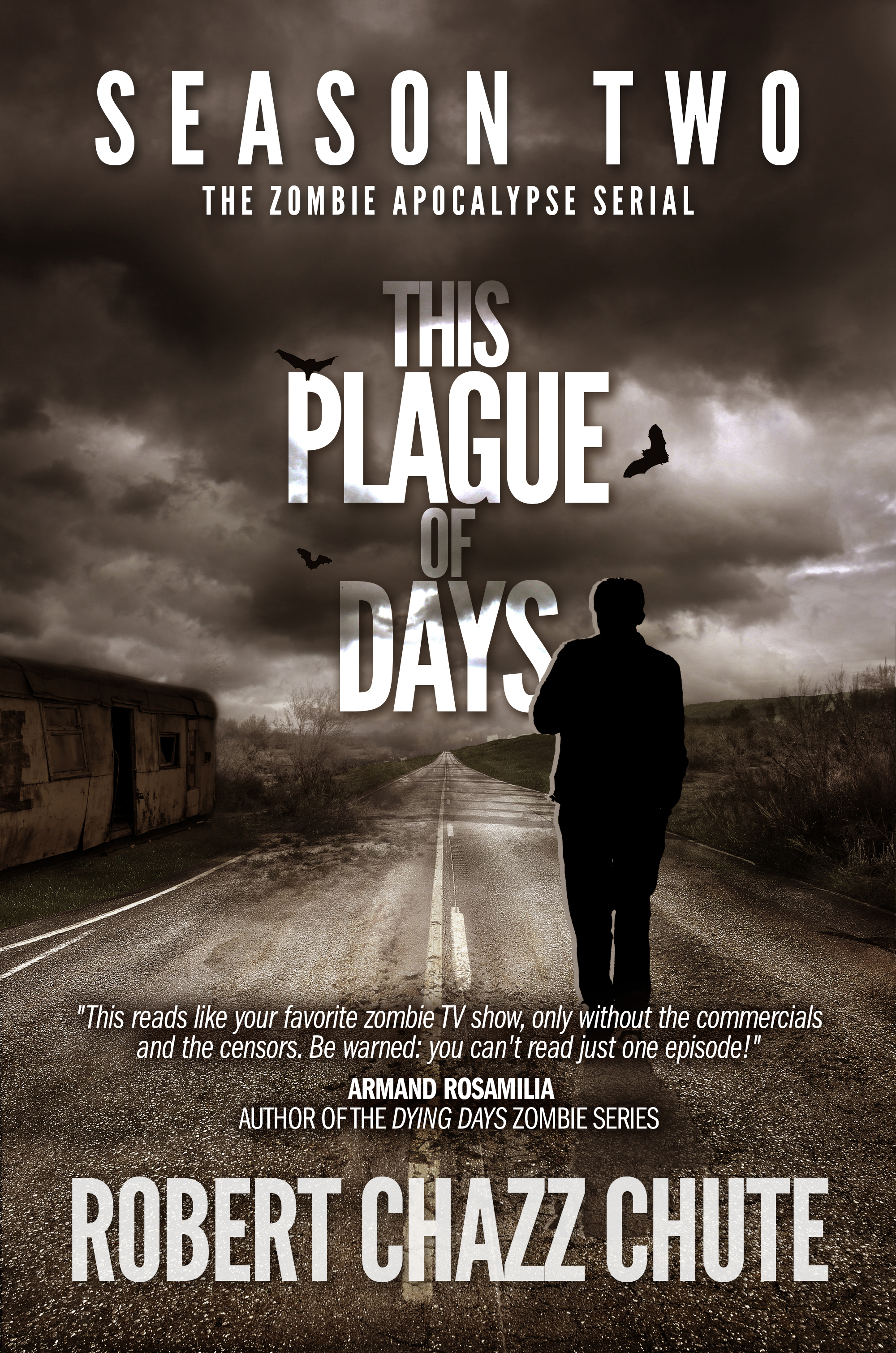
2. When you can use a simpler word instead of an unfamiliar one, consider that. I use some Latin and unusual words in This Plague of Days, but all is explained and it all has a point.

3. The house across the street or right across the street? In Nova Scotia, we said “right across” often, which technically connotes “directly,” or “nearest.” But across the street will usually do. “Right over there,” becomes “Over there.” Nothing lost.

4. Eliminate gerunds where possible. This often accompanies a manuscript packed with “was.” “He was working on the plan”? Will “He worked on the plan,” serve your purpose with a more direct and muscular verb?

5. Felt. He felt this. He felt that. I’m not saying eliminate it completely. But showing is generally better than telling (though not always) and doing is better than feeling (often.) Feeling is passive. Demonstrate how he feels that his wife walked out and took the beloved dog he brought into the marriage.

6. Up and down. I go through my manuscripts looking for “up” because that’s my tic. He stood up? He stood is the same. And “she sat down in the purple chair”?  “She sat in the purple chair,” communicates the same thought, right?

7. Began. “He began to think about…” How about, “He thought about…”? Once you start thinking, you’re already into it, right?

8. Then. “She then lit the match. Then she lit the fuse and then it began to burn.” Things happen in sequence in the order you put it down  write. Then is often unnecessary.

9. And at the beginning of the sentence. It’s not that it’s wrong. Some of my old-school English teachers went hardcore on this point. It’s when it’s used too often, it becomes a placeholder that delays the action by three little letters. It’s often unnecessary.

10. So at the beginning of a sentence. It’s not wrong, but it’s a common tic. It’s often the writing equivalent of “um” in public speaking. “So, how are you doing?” versus, “How are you doing?” This can be a stylistic choice. In dialogue, maybe it’s a subtle cue to the reader that the speaker is attempting to appear casual or isn’t sure what to say.

BONUS

Look for opportunities to vary sentence length. It makes for an easier read. Run-on sentences intimidate, confuse and frustrate readers. 

~ Robert Chazz Chute is revising Season 3 of This Plague of Days. Season 3, and This Plague of Days, The Complete Series is scheduled for release June 15th, 2014.

Haven’t started Season 1 and Season 2, yet? There’s still time. Grab them here.

Filed under: Editing, writing tips, , , , , , , , , ,

Publishing Advice: Don’t Believe a Word

The writing and publishing business is full of, “On the one hand, this. Oh, yeah, but on the other foot, what about this BS?” Here’s the conflicting advice on my mind this week, to and fro, pro and con:

1. People complain about marketing on Twitter, “What can I say of value in 140 characters?”

It gets worse. It’s better if you say it in 100 characters. Say more with less and it’s more likely to be read and retweeted. Leaving more room allows for additions, links and commentary from enthusiastic retweeters. So be pithier. You’re a writer. You can handle that. 

2. More blog posts, daily, equals more traffic to your blog.

Unless you’re blogging a book, you’re losing time you could be using to write your next book. There are still many writers who struggle with time management and discipline. The writing — the book writing — has to come first. Promotion is secondary because you aren’t in the promotion business. You’re in the writing business. Promotion is for the stolen time that would otherwise be unproductive.

Hint: If you’re still flogging the same book, and you only have one book, and that was published over a year ago? You aren’t in the writing business. Finish something new.

3. Some people say we should begin promoting the book as soon we conceptualize what it will be….someday.

However, you’re going to change the title before you publish it at the very least and if you take too long, someone will steal that great title. Promoting too soon is an exercise in chicken counting that could just as easily wear out potential readers if you talk about the potential book, too much, forever. 

Corollary: Don’t write your blog or push your book until you have something solid to say.

And don’t repeat yourself too often, please. If I see one more blog post with the title proclaiming “Content is king!” I might have to shoot somebody with a water pistol full of skunk juice. And then kill them. (Note: Don’t swing sledgehammers in small rooms. Ice picks to brain stems are efficient. A disposable raincoat and a friend who gives alibis without asking questions is essential. Ask a mystery writer for best strategies…though you might have to wipe them out, too, just to cover your tracks.)

4. We all look forward to being discovered by a huge audience.

That’s where the negative reviews come from, too. Brace yourself.

My quest isn’t for a huge audience. It’s for 50,000 true fans. Yes, I know people usually say 1,000 true fans, but I’m ambitious and we all need to stretch and reach. (Plus 50,000 true fans fits my budget better. Daddy’s got bills!)

5. We aren’t supposed to respond to reviews.

It is a bad idea, generally….which means the false and misleading reviews stay up, uncorrected. This one isn’t about the conflict in the advice. It’s about the conflict that arises in you. You crave justice for your innocent book babies.

This one? Live with it. It’s not worth it. It’s annoying, but the Authors Behaving Badly meme is much stronger than the Reviewers Behaving Badly meme. We’re outnumbered.

Unless they’re threatening you physically, forget it. If they are threatening you physically, revisit #3 for helpful, murderous suggestions if you’re not into dialling 911. And click the Report Abuse button with gusto.

6. Everybody wants to write the great American novel.

It’s been written and it’s probably The Great Gatsby. The problem here is some writers get caught up in what they think they should write and how that ideal should look and sound. Don’t be the serious guy who takes himself too seriously. He is tiring to be around and his shoulds are misplaced.

Originate, do not emulate. If someone else did it better, we’ll go read the original. Of the hundred Harry Potter clones, how many do you really want to read? Do not chase trends. A trend is so fast, it runs you over and leaves you far behind at the same time.

7. Everyone says social media marketing is about having Internet “presence.”

Presence is weak. It says, “I’m here. I hope you find me.” Hunters don’t wait for deer to come to their house, knock on the door, peel some potatoes and conveniently slip into the oven. Hunters go hunting.

We’ll find more readers if we’re active and proactive. Go find book bloggers. Go where readers are. Make a list and follow people on Twitter as a planned approach. There are people out there who already proclaim their love of Steampunk in their Twitter profiles. If you write Steampunk, why haven’t you introduced yourself already? Stop waiting for them to come to you.

8. Gurus say, “Be everywhere.”

Maybe “everywhere” isn’t for you. Is LinkedIn really helping you as an author or is that medium best built for job searches? Unless there are forums there you love, maybe that’s wasted energy. What about Tumblr? It might be an excellent spot for you, but Tumblr’s users tend to be young, hip and artistic. Is pushing historical fiction about railway trains of the Klondike really the best use of your time there? Choose a platform or two or three you love. Focus.

Almost everyone says we should dump the exclusivity of KDP Select and be on all sales platforms. Maybe not or maybe not yet. I’ve written extensively on this issue in the past so I won’t beat that zebra into a coma again. However, when you do make that decision, don’t jump (or not jump) because someone told you to do so. Have a plan how you’re going to move those books on those other platforms (because, with few exceptions, those platforms don’t have tools you can use to raise that crop of readers.)

Don’t believe a word. Test suggestions instead.

9. When publishing gurus have nothing else to offer, they say, “Work harder.”

I don’t know a single author who isn’t working hard. Writing despite kids, day jobs, lost sleep, and long hours? Check, check, check, check. “Work harder,” for most of us, does not add value. It’s a bad math teacher telling a student staring, clueless, at an algebraic equation on the blackboard: “Stare harder and you’ll solve for X.”

Excuse me, sir, but your pants are on fire. With napalm.

“I will work harder,” is the horse that gets carted off for meat and glue in Animal Farm. What we need is to test strategies, first on a small scale. If Slideshare works for you and gets more clicks to your author site and conversions to your newsletter, do more of that. If one lure to your mailing list doesn’t work, add value and try again. Always focus on what works instead of trying everything at once. Eighty percent of results come from twenty percent of your efforts. Find your twenty percent.

Also, please, please, don’t work harder. We’re already sitting too much and worrying ourselves into an early grave while some consultants are actually making money off poor writers by yelling, “Work harder!” That damn whip arm never seems to tire. Screw those guys. We’re already putting in the time. We need smarter tools, not louder barking from the water boys.

Instead of working harder, when you’re writing, please write more joyously. Take chances. Have more fun. You can even enjoy the creative aspects of marketing, believe it or not. Joy translates to all your work. Readers won’t necessarily know why they love the joyous writer more, but they’ll feel it and respond.

10. We’re told to market to readers only.

Don’t bother writing a writing blog. There’s too much of that already and writers don’t buy books. They’re too busy writing them. Forget writers!

Hm. If true, that’s worrisome. Writers should read a lot. I think, generally, we do read plenty. I’m a voracious reader. I wrote two books about writing that emerged from this blog, so there’s that. But more important, the friends I’ve made through blogging to writers and podcasting with writers? They’ve been an immense help to me. I’ve connected with allies who’ve blurbed my books and been my beta readers and helped me expand my reach in many ways. The indie writing community is a very supportive group.

Through this blog and my podcasts, there are literally dozens of people who have helped me publish and publicize. I started to write a list of helpful fellow authors and fans, but the list got too long and I worried I’d forget somebody. Connecting with allies here, not aiming exclusively at readers, has delivered great opportunities. 

I hope I’ve helped my allies plenty, too.

Thank you all. Much love.

~ Robert Chazz Chute isn’t as mean as he sometimes sounds. His next books are This Plague of Days, Season 3 and This Plague of Days, The Complete Series. They’ll launch June 15th. For more on This Plague of Days, the international zombie thriller with an autistic hero, go to ThisPlagueOfDays.com.

Filed under: author platform, Publicity & Promotion, publishing, Writers, writing tips, , , , , , , , , , , , , , ,

Helpful Mother’s Day Advice plus what’s tiring me out in publishing this week

At the end of this post, we’re going to find the happy. You’ll feel the height and breadth of the contrast to the rest of the article when we bring this post in for a landing. Also, at the bottom, you’ll get some excellent Mother’s Day advice. Now, here’s ten things that suck:

1. Relentless Facebook group “marketing.”

How can I miss you if you don’t go away? Spread that stuff out! Give me some space instead of pummeling me with spam. I am begging you.

2. Publishing gurus saying (smugly) that ebook sales are slowing down.

Slowing down from a rocket launch still gets us to high orbit. Nobody said we’d grow 800% every year. Slow down from that a bit and the growth curve still exceeds any reasonable expectations. E-publishing is a young industry and it’s doing great.

3. Certain players in traditional publishing complaining about Amazon’s “monopoly.”

It is not, by any definition, a monopoly. Amazon dominates the market because in most areas of marketing and innovation, they’re ahead of their competitors. I want Amazon to have healthy competition. If other platforms happen to suck, that’s not Amazon’s fault. Attention other platforms: up your game. Complaining about Amazon is not solving your problems. Consider emulating best practices instead of bitching about them.

4. Bagging on box sets.

I’m in on a box set with seven other awesome horror authors. Together, we’re amping up our discoverability and finding new readers with what Joanna Penn calls “coopetition.” It doesn’t devalue my books to charge 99 cents. It’s a valuable investment in new readers. It’s one strategy that says, “I value readers.” Generosity is one worthwhile strategy for any author who isn’t out to make a quick buck. We’re in this for the long game and we stand proud.

5. Libel in book reviews.

A friend of mine, whom I shall not name so she draws no further ire, has been insulted personally, maligned and called a fraud on Amazon. Her bio has been questioned. Go ahead and hit the “Report abuse” button. Many people have done so and pointed out to Amazon that this is libel. The review remains. Still! That sucks.

6. Spoilers in reviews.

Please don’t tell the whole story in a review. That’s what reading the book is for. I was further outraged recently to find that a review of a new author’s book (which is great) contained a spoiler. Worse, that three-star spoiler was ranked “most helpful.”

7. The fun police.

Popularity, and pendulums, swing back and forth. Today’s fans can have a strange propensity to turn into tomorrow’s haters if an artist dares to change. It’s not selling out, dude. It’s growing. If you now hate a superstar author you used to love, please examine why you’d venture into “hate” territory over a piece of entertainment. Maybe this book isn’t you. That doesn’t mean it’s bad. It means it’s not to your taste. Everybody’s had food poisoning a few times but we all keep eating. Chill.

8. All or nothing.

Don’t quit after one book because that book didn’t win the sales lottery. We focus too much on rare outliers and not enough on the people who are merely doing well. As if good isn’t good enough. This life is about the journey, not the dead stop at the end. It’s about the writing and the joy of creation. If someone else finds joy in your creation, fantastic! (Be assured, no matter how bad your early attempts are, someone will love it.) Relax.

People ask why billionaires keep trying to make money after so many millions or billions are already in the bank. How many homes do you need? But I think it’s more than just smelly greed. There’s a clue in the mentality of the writer: this is simply what we do. That’s where the fun is. We would do this for free. Many of us already write for free or are in debt because of our obsession for the written word. Enjoy the process and stop thinking in terms of winning and losing.

Think in terms of doing.

9. Fake outrage.

Despite the tone of this post, I’m a nice guy. But when one writer calls another a “hack” on the Internet, I have to ask a question or two: You do realize the object of your casual derision is a human being doing the best they can, right? Do you think you’d walk away unbloodied if you treated people in person the way you do when you’re safe behind a keyboard? Right.

So don’t be a troll. And if you’re trying to sabotage another author to make yourself look or feel good, you know that won’t work, right? We know the truth and you know trashing other authors with fake reviews doesn’t advance your books, right? You want fan love? Earn it. You aren’t climbing over anybody’s body any other way. And what if those nasty tactics actually did work? You’d always know you earned nothing. That angry, fake review from a fake account just makes you look angry and dumb and we all know it’s not real. Be real.

10. “It’s been done.”

Everything has been done. However, not everything has been explored in quite the unique way only you, Mr./Ms./Mrs./Dr./Whatever Author, can write it.

“It’s been done,” is a lazy agent’s way of saying no. “It’s been done,” is the dismissive wave of a critic who doesn’t bother to look deeper. “It’s been done,” is the casual cruelty of a dream crusher. These people aren’t your readers. They’re incurious, boring people. Don’t believe them. You can make anything fresh. Some will say there are only twelve plots, or ten, or five. I say there are two: Good versus Evil (and variations thereof) and Boy gets Girl (and variations thereof.)

Maybe the next trend will be westerns. These things go in cycles and westerns haven’t been hot for a while. Maybe you will be the pioneer to break new ground in the genre and spawn a thousand vacuous imitators who will spur critics to, once again, proclaim the genre dead. All genres are proclaimed dead at some point and every critic who says so is (almost) always proven wrong. Genres get resurrected and everything runs how and cold. Don’t chase these trends. Heat them up again in new ways.

You be you. Have a blast. We’ve stepped through the darkness with this post. Now let’s go be lights. Blow them away with what you can do. Let’s flounce out on to the field, put ourselves out there, karma-positive and ready to write amazing fiction so hot we melt fans’ faces.

I already love you. Know why? Because you aren’t done. You’re a writer. You’ll always be a writer and nobody’s pulling down your flag.

~ To find out more about my books, go to AllThatChazz.com. To see Spiderman 2, go to a theater. For a nice, cool drink, squeeze some limes into some cold water from the fridge. To hear cool interviews with cool people, try CoolPeoplePodcast.com. To stay in the will, call you Mom on Sunday. It’s Mother’s Day. Forgive her for what she said about your boobs in front of your friends that time in grade 9.


Filed under: Amazon, Writers, , , , , , ,

Since I can’t rock a pencil skirt: My Writing Process

I don’t look good in a pencil skirt, even the neon pink one (dammit!) However, my friend, awesome author Mohanalakshmi Rajakumar (who does look sharp in a pencil skirt), asked me about my writing process. Since my fashion sense sucks, we stuck to talking about writing.

What are you working on, Chazz?

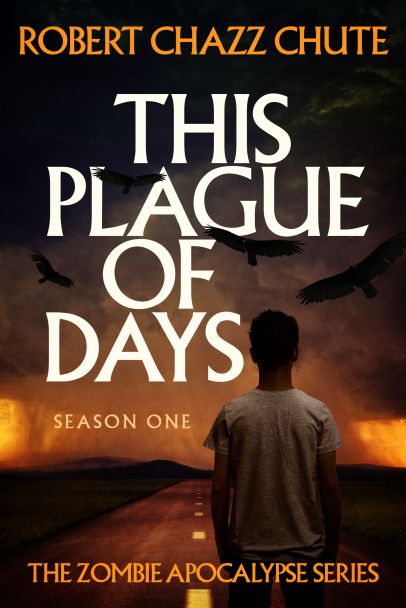
I’m putting the finishing touches to my apocalyptic series, This Plague of Days. It’s about a boy on the autistic spectrum facing the end of the world with his family. He’s our very unlikely champion. This is the third and last book in the series, but I’m putting all three seasons into one big ebook, too. At the moment, I’ve got five other books in the editorial pipeline at various stages of production.

How does your work differ from others of its genre?

I wrote it kind of like a television series. Three seasons (books) with five episodes per season. It’s not your typical shoot ’em up of a zombie story. There are three plagues and a large cast of characters so you see the crisis develop across continents. Lots of seeds and secrets were dropped along the way so the big payoffs and reveals all culminate in a story that builds and builds. It’s ambitious and really takes the reader on unexpected journeys. All the questions are answered in the end. This is my Star Wars.

Why do you write what you do?

I’m not attached to any one genre, but I do love suspense. My obsession is to take the reader on a roller coaster ride with lots of fun twists and turns, hanging off cliffs and chased by dragons and whatnot. You know…imagine the roller coaster at Hell’s amusement park. And just when you’re sure you’re safe, you aren’t.

How does your writing process work?

Typically, I write one chapter a day. That’s usually 1200 to 2500 words. I used to be more nocturnal, but now I find I’m more productive when I work earlier in the day. Since writing This Plague of Days as a serial, I’m really enjoying interacting with readers on Facebook as I write. I’ll finish a chapter and pick out a tidbit I like as a teaser or a taster and post it for some insta-reaction. That’s fun and buoys me through the parts of writing and publishing I enjoy less.

The writing process, for me, is to write myself lost. There I am in a corner. How will I find my way out? At the end of my crime novel, Higher Than Jesus, for instance, I figured a way for Jesus Diaz to kill an armed bad guy, credibly, while Diaz is bound to a chair eight feet away. That was quite a trick and one I’m proud of.

I don’t write by-the-numbers fiction. That bores me. Frequently, the only firm thing I know as I write is what the last line of the book will be. I write to discover what I think and for the joy of creativity and to surprise myself. If I can surprise myself, I’ll definitely surprise the reader.

This Plague of Days will launch in early June. Find out more about This Plague of Days at ThisPlagueOfDays.com. My author site is AllThatChazz.com.

~ Mohanalakshmi Rajakumar included me in her blog hop so a string of writers could share how they approach their writing process. She is a South Asian American who has lived in Qatar since 2005. Moving to the Arabian Desert was fortuitous in many ways since this is where she met her husband, had two sons, and became a writer.

To learn about her writing process and to check out her books, go to www.mohadoha. Follow her on Twitter @moha_doha. Click here for her Amazon author page.

You can also hear my interview with Mohana on the Cool People Podcast. She speaks of her experience in Qatar as a writer whose book has been banned. Why listen? Because she’s cool, of course.

Filed under: What about Chazz?, Writers, , , , , , , , , , , , , , , , , ,

Writing: The Pregnant Pause and Slacking to Win

One thing about being an indie author that nobody ever seems to say is, relax and stop running from time to time.

Sometimes, the Internet seems like it’s all about motion. We push books and try to pull people in. We follow endlessly and sometimes joylessly. It should be fun to meet new people and find out about what’s new and cool. But everybody needs a break, if it’s at the right time.

I’ve found the right time.

You haven’t seen me lately, unless you checked out my review of Transcendence at AllThatChazz.com or my article on food and emotion at DecisionToChange.com. After doing a major promotion for my crime novel, Bigger Than Jesus, I felt it was time to step back. I’m still busy, but sometimes it makes a lot of sense to get out of your followers faces for a bit. Give your tribe some time off from The Magic That is You.

Spend more time reading and writing.

(I’m reading LT Vargus’ Casting Shadows Everywhere at the moment. Go get it. It’s the kind of demented joy I love.)

I’m working on new books and revising old books, too. This Plague of Days Season 3 launches in June along with The Complete This Plague of Days. I had to get my taxes done (blech!). A collaboration with another author is on the horizon and, between promotions and events and blog tours, I’ll be boosting my marketing and visibility plenty this summer. I don’t want to wear out my welcome by peaking too soon.

The problem is overwork and overexposure. 

There’s a podcast I loved to listen to that I’m now a little sick of. I might love it again, but if I have to hear the same stuff from the same guys too often…well, maybe it’s me. I needed to take a break from them. The relentless self-promotion machines of the Internet? Geez, guys, shut up and take a breath.

I mean, really, don’t you get sick of me banging on and on about writing and publishing sometimes? I would, and I love me (except when I hate me.) 

It’s not just about giving readers and listeners a break, either.

You need a break sometimes. I know you’re all out there crushing it a la Gary Vaynerchuk and perfecting your marketing simplicity through Seth Godin’s genius and…well, slamming your head against the wall. Marketing should be a creative and joyful thing. It certainly can be fun if you are doing the right things and going into it with the right attitude.

The right attitude is excitement.

(Here’s a guy who knows how to enjoy the marketing process and make it fun for others. Help Armand Rosamilia name his new podcast here.) BONUS hint: Many authors complain about marketing. They’d have more fun if they weren’t so whiny about the necessities of business and, instead, look for opportunities to help others and make publicity and marketing into an interactive game with and for readers. But that’s a post for another time. Tonight, we dance.

Take it easy on yourself and others.

If you push the accelerator through the floor all the time, your car’s engine will blow up. Don’t burn out your engine.

Push too hard too often and you’ll end up pushing people away. Instead, try discovering and promoting others, or be still and listen. Let your mind be that cabin in the woods, free of distractions so you can hear the peaceful hum of the Om of the world and the anguished screams of your tormented enemies burning out, flailing and failing.

How do I know when it’s time to take a break?

When my patience wears thin.

When I catch myself getting cynical.

When every interaction with a kid I made feels like an interruption.

When I’m too tired to do anything else.

When I’m too tired to do anything. 

The rewards of slacking to win are:

Rejuvenation, physical and mental. 

New excitement upon your return.

Fresh ideas.

Balance and peace.

Excitement for the tasks ahead instead of weariness.

Writing is my retreat and my solace.

I write every day. But it’s a great relief to you and to me not to talk about it at recess ad nauseum. This week (if it suits you and the timing’s right and if you’re feeling cranky at the world anyway) let’s talk less about writing and, instead, write more.

~ Full disclosure: Between writing sessions I do post excerpts of upcoming books on Facebook or just share goofy news and interesting memes. I love interacting with readers there and I find it relaxing. Hit me up with a friend request there. We’ll be cool together. Bring margaritas.


Filed under: author platform, blogs & blogging, book marketing, getting it done, Publicity & Promotion, publishing, Rant, , , , , , , , , , , , ,

How Amazon’s new sales dashboard got me moving (plus Art that sells books)

Lily BG-1

Click here to get Bigger Than Jesus

Click here to get Bigger Than Jesus

I wasn’t going to blog about the new Amazon sales dashboard.

Then I gave it a second look. The quick, detailed analysis is interesting and sometimes disheartening. Seeing all the outcomes across various countries at one glance is great. (Thanks, Australia. This Plague of Days is gaining ground Down Under.) I suspect the new dashboard will be an obsession to which we can lose a lot of time. The clarity delivered is better than what other retailers offer and absolutely crushes mainstream publishers for their lack of transparency. 

More information (or at least data that informs more easily) can change behavior. It just did that for me. Knowledge of weaknesses is more useful than knowing strengths. I checked through which books were moving and which weren’t. I asked myself which books could move better than they do. 

The ebook is also available in paperback for $9.99.

I settled on my funny crime novel, Bigger Than Jesus.

I’d just received three more fantastic reviews recently, so the book is sitting, highly rated, with 17 reviews. But it’s not selling. Several people have told me Bigger Than Jesus is my best book. It’s a fast read with a careening plot and there’s a follow-up with Higher Than Jesus

So why no love for Jesus?

There’s an issue with the title (you can guess) which I plan to remedy with the third installment in the Hit Man Series. Meanwhile,Bigger_Than_Jesus_Cover_for_Kindle I’ve failed to market it well enough. I think of myself as a suspense novelist, but most of my sales are coming from the horror side of the equation with This Plague of Days. Because I was letting Bigger Than Jesus sell “organically” (translation: not doing anything) I wasn’t paying attention to promoting my luckless Cuban hit man.

Bigger Than Jesus is not getting the visibility it deserves, so I must make it visible.

There are many complicated and expensive ways to do that. I’m opting for the easiest vector. This morning, through the Author Marketing Club website, I set up various free ebook sites to give the book away next week. I’ve applied to BookBub and paid a visit to The Fussy Librarian. More visibility and reviews will translate into more love, and more buyers, down the line. 

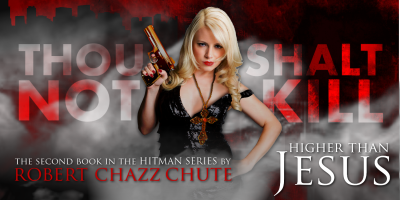
Dark Higher Than Jesus banner ad

I wouldn’t have changed my strategy if not for the change in the sales dashboard.

The changes make it easier to identify where the ball is not bouncing. Since my crime novel is well placed to fly higher, I’m attaching a booster rocket to it. 

~ Now you’re wondering about the art, right? That’s awesome work done by my buddy, Kit Foster of Kit Foster Design. More than just awesome covers, he can do ads and web banners, too. Spruce up your author sites and campaigns to sell books. He’s a very nice guy and his rates are very reasonable. You’ll be glad you did. Tell Kit that Chazz sent you.

Filed under: Amazon, book marketing, , , , , , , , , , , , , , , , ,

Solopreneur Writers: 10 Nitty Gritty Pickies

Thousands of little details afflict us as artisanal publisher-authorpreneurial Han Solo writer-heroes. A couple of authors publishing books for the first time have asked me about nitty-gritty details to watch for. Here are ten that came up in our discussions of new book launches.

1. When you set your price on Amazon, the calculator will automatically set comparable prices in other countries. Set it lower for India. The “comparable” price would actually buy three books in India (and so, is too expensive.)

2. If you have a list of book bloggers to whom you wish to send Advanced Reading Copies, check their guidelines carefully to see their preferred reading mode. PDFs are free to email but some people don’t want to sideload their e-reader or read on their computer.

The easiest solution is to gift the book to your list of reviewers, preferably during a pulse sale at 99 cents to minimize the cost of promotion. You get credit for the sales and potential reviewers are more likely to check it out with Amazon’s happy, one-click experience.

Smashwords has a solution that’s free: Promo codes. Send the code to potential reviewers so they can redeem it for a complimentary copy. Inexplicably, no other platform has stolen this idea yet. Still!

3. Services like Smashwords and Draft2Digital can upload to multiple platforms at once. However, there is often a delay if you want to change your prices across retailers. This makes a BookBub promotion, for instance, a logistical problem. And by “problem,” I mean a red-hot skewer in the gluteus maximus.

I’ve noticed the worst delays seem to happen between Smashwords and Apple. One of my books took more than six months to show up on Apple. Draft2Digital had problems with Kobo. Those issues are fixed now.

4. KDP Select’s five days of giving your book away for free isn’t the great tool it once was, though other platforms still seem at a loss as to how to promote effectively and boost discoverability. The commitment to exclusivity with KDP Select is five days out of ninety. 

If you are using free day promotions, I suggest you don’t promote for more than two days at a time. Better to stop while sales are still coming in and visibility is high rather than allow the sale to lose steam over an extended period.

Use Author Marketing Club to identify sites that will promote your promotions so you maximize promotion power.

5. Some intermediaries charge much more to upload your book to various platforms. Avoid them. More important than the fee they charge, you’ll sacrifice power over your book and flexibility to promote.

If you don’t have the technical skills to do it yourself, get someone else to help you for a fraction of the cost (and a one-time fee instead of bleeding cash on an ongoing basis.)

6. Box sets are the latest tool for discoverability. I’m involved in one now and, though we’re still at the very early stages, my visibility on Amazon has already gone up.

How it works is, several authors get together. After a cage match, the Alpha who has the most resources and the one they all trust, publishes a sampler. They might give away whole books. Everybody promotes the box set at 99 cents and bam, the tide raises all boats and more readers find you. 

Some people are sneering at box sets, but I think it’s because they misunderstand the intent. It’s not about making money, particularly. This is us playing the long game and working with allies to fire off flares. It’s about raising your rank, giving strangers a chance to fall in love with your work and selling your other books. (So write more books.)

7. Publishing is a business and, despite the fact that we’re all cybering and telecommuting from our worldwide basement headquarters, you’ll still have to run errands. The thing you track least for tax time is mileage. Keep a notebook in the car and track it. Canadians, use a pencil because you know that pen will freeze each winter (August to June).

It might not add up to much, but it’s a lot when you’re making nothing. You wouldn’t burn cash just for fun, would you? Then keep your receipts and track the little things. Claiming a home office may be all that justifies your new publishing venture to your accountant, and your spouse, for the first couple of years.

8. Word was built for office use. Scrivener was built for writers. The program allows you to bounce around your manuscript with ease and format for publication. Get Scrivener. If you’ve already written your text in Word, importing to Scrivener is not a big deal. Yes, there is a learning curve, but it’s worth it.

9. Before you publish and make all the other edits you’re going to make, search the text for two spaces. Those extra spaces sneak in if you don’t scrub them out.

10. Yes, you need an author website, but a simple WordPress site (preferably with your own name) will do. Eventually, with more books under your belt and future changes in the publishing landscape, you may choose to sell books straight from your site. It’s a cool idea that doesn’t really have elegant delivery solutions for the reader (yet).

You can switch your author site to a more complex configuration later, if need be. Don’t worry about that for now. Now is the time to build a base of readers. You could sell straight from your website, but most authors would prefer not to sacrifice their visibility and reviews across the current sales platforms. 

~ There are many more details to attend to, but that’s a start. Hi, by the way. I’m Robert Chazz Chute. Good to meet you. Find me on Twitter @rchazzchute. Connect with me on Facebook here.

Filed under: author platform, DIY, publishing, self-publishing, , , , , , , , , , , , , , , ,

Writing Process: Ten Moments in the Writer’s Life

1. You become a writer.

It’s usually not something you really decide. It happens to you, like disease. It’s a life where you’re either writing or you’re distracted and feeling you should be writing, forever. Like homework, for adults, 24/7. And some of the teachers mark really hard.

2. You escape the life of mortals.

You become so involved in the story that time flies and you don’t care that you’re cursed to do homework for life. In fact, you feel fortunate you’ve found this for yourself. You dream of seeing your name in print. And the accolades! That will be sweet! Finally, self-worth fed to you by strangers!

3. You meet your first dream killer.

Someone scolds you for daring to use an adverb and shrieks that, “A sentence fragment is not a sentence!”, as if you didn’t know. Then they tell you not to bother with writing.

“Perhaps you’ll find animal husbandry more fulfilling,” they’ll say, because they’re full of terrible advice and, oddly, they sound very confident.

This is a critical juncture.

If the person has too much influence over you or you’re young enough, you might quit. If quitting is an option, that’s okay. Writing isn’t for everyone. 

4. You enter the Octagon.

You send out queries and manuscripts and you get rejection slips but you don’t care because it means you’re putting yourself out there and you’re in the game. You’re not talking about writing like it’s a dream in a far off retirement. You’re doing it now. Every moment of it feels important.

5. You get feedback on your writing that’s really useful.

You put away the first bunch of stories or your novella or even your first novel or two and you begin again. You improve.

6. You get your first success.

It might be a writing award or an article in a magazine. Maybe you get $25 or maybe you don’t, but the money’s not important to you. Your parents will ask how much you won or got paid. That dagger in your heart comes from a place of love. Probably.

7. You get your first hater.

I won third place in short story contest and $1000. Someone was offended that my story won and wrote a screed about how it sucked, I sucked and this was what was wrong with the world (and possibly this side of the galaxy.) He didn’t win so, naturally, now we’re all gonna die!

The thing about the Internet is, people will say things on their blog that, if said in person, would lead them on a trip to major reconstructive surgery and not a judge in the land would convict. As far as I know, that dude still hasn’t written anything besides his doctoral thesis in English literature. Poor guy is still unread and still brings joy to no one. If only he’d pursued animal husbandry, we’d all be happier (though that’s a terrible thing to do to innocent animals.)

8. Your finger hovers over the mouse.

You’re about to hit the “publish” button. It’s nerve-wracking. How many mistakes have you missed? How mean will the reviews be? How good might they be? You thought this would be one of the highs moments of your writing career. Instead, hitting publish is remarkably stressful. After you hit that button, birth that book and send it out into the cold air, you might even feel postpartum depression for days or weeks. I do, every time.

9. You get your first true fan.

For some reason, vague to both writer and reader, something you wrote connects viscerally. Someone loves what you wrote and you love them for it. They are invaluable. They are your chief five-star reviewer, defender, cheerleader and advocate. They’re so awesome, you’re pretty sure they don’t poop. Inexplicably, they think the same of you.

Through the simple mechanism of words on the page, you’ve bypassed his or her brain and you have their heart. Then you start to worry that, with your next book, you’ll screw it up and lose them. The thought of losing a die-hard fan? Hello, Insomnia.

10. You go deeper with your writing.

You tell yourself you’re sufficiently seasoned now so the haters should bother you less. Maybe they shouldn’t bother you, but they will. I got a belittling letter at Christmas that knocked me so far down I didn’t write anything for a month.

But then you get back to it and you remember what cartoonist Lynda Barry calls “that floaty feeling” you get as a creative.

Publication per se? That matters less. It’s the writing process itself that is the thing. Yes, you want readers and lots of them, but you write for yourself first. You discover what you think and feel by writing. The writing journey is the reward. You lose yourself in the prose and in a small way, there’s something immortal and divine about that dopamine drip, washing your neocortex as you write and dream and create.

It’s just so darn godlike to kill people…

Um…in fiction. Right. That’s what I meant.

~ I’m Robert Chazz Chute and I poop. I also create worlds. If you create worlds, too, you’d probably enjoy reading this.

If you like to read stories that make you question whether the author may or may not poop, try this.

Also, right now, for a more buck, you can get a box set from me and seven other writers who are so awesome, they definitely don’t poop. Get the Horror Within box set now. 

This is the most I’ve written the word “poop” in one blog post. Or 3,000 blog posts. Why was I denying you this joy for so long? Now I feel bad. Better go kill some people…


Filed under: Writers, writing tips, , , , , , , , , , , , , , ,

Genre Writing: How to make your book funnier if you want to (and why funny is important)

I’m not talking about writing comedy per se. I’m talking about giving a too-serious book some oomph. (Oomph is funny. Ooh-la-la is erotica, and that’s a different post.) It’s not for every author or every book, but if you’re looking for ways to add a lighter touch to your work in progress, consider this:

1. Say what everyone else is thinking but would never say. Explore why you, too, love disco. You have always loved disco and yes, you, like everyone, have had angry sex in the back of a taxi. It made you feel disappointed in yourself and oddly Germanic. But that was this afternoon, so let’s not live in the past and…

2. Punch up, not down. This is why Jon Stewart is funny and Rush Limbaugh isn’t. Rush mocks the poor while Stewart goes after power. Mocking our betters is what betters are for, apparently. Not many of them seem to be good for much else.

3. Have a sense of humor about yourself and let your protagonist be less monolithic, too. Self-deprecating humor works because, well…few of us are really that great but anybody who thinks they’re great sounds like a donkey. Watch Grosse Pointe Blank or High Fidelity and fall in love with John Cusack (again) because of that funny vulnerability. John Cusack is a funny puppy in those movies (even when he’s killing people for profit.)

4. Juxtaposition can be funny. For instance, I wrote on Twitter that I had an awkward encounter with someone I’d accidentally insulted. I added, “Hiding in my office. Like a man!”

5. Twist it. “I love kids. Not mine, but…” Attack jokes are hard to pull off without supreme confidence. They’re more suited to villains or more minor characters who have a terrible vengeance coming to them. When the boss is caustic and sarcastic, the reader will achieve greater satisfaction when the twit is hoisted screaming by his own penis. Or someone else’s. Hey, I’m not here to judge your book.

6. Find the funny in the character. In Buffy The Vampire Slayer, Joss Whedon would add Xander to a scene to deliver a particular line because, though everyone on the show could be funny, a Xander joke coming from Willow’s mouth would break Willow’s character. Jokes and characters have a point of view, so make sure the joke sounds right coming from your character.

The jokes that spring from my autistic hero in This Plague of Days originate in his innocence. He doesn’t see the world as others do so he often says the unexpected, but from his unique, laconic perspective. There is nothing angry or world-weary in his observations, only wide-eyed, what the heck are they doing now and why? This is normal?

7. Don’t be afraid to deliver a line in a low-key way. In Bigger Than Jesus, Jesus Diaz gets beaten terribly. His girlfriend, the lovely Lily, finds him lying on his kitchen floor icing his blackened eyes. When she tells him that his situation does not look good, the hit man deadpans, “I don’t know why you’d say that.”

8. Outrageous works. Rants can be awesome. Give it a context to sell it and an entertaining rant can go a long way. For instance, in this little Season 3 spoiler from This Plague of Days, Shiva gets some good lines: 

“Please don’t hurt anybody.”

“Darling, I’m the Queen of Hearts.”

“So, you’ll rule with love?”

“No, stupid. I mean I can say, ‘Off with their heads,’ at any time. Love takes time, Rahab. Fear takes root in the second it takes to slap a child.”

9. Writing jokes is difficult. There are many more comedians than there are comedians who are really killing. To improve your chances of hitting the right notes to a killer joke, don’t sweat it so hard on your first draft. Jokes are easier to find and unearth when you’ve already laid the foundation of character, action and dialogue. Jokes are for the second and third pass where you’ve already got something to riff from. Lots of people aren’t quip machines on their own, but when they hang out with friends and loosen up, they can bounce lots of funny ideas off what’s already in the ether over the cocktail bar.

10. A joke is set up, punch. The punch should be fast and short. Don’t reach for it. Eschew dumb, easy jokes and never make a joke you have to explain. Use the fewest words possible to get to the POW! 

BONUS: Why is funny important?

I write suspense. I deliver on a lot of grim scenaria. Horror presents many opportunities to be funny because both scares and laughs are about playing with the audience’s brains and delivering the unexpected. When the reader expects you to zig, zag. These devices are necessary because few readers want to read a long horror story if it’s not an emotional roller coaster. The horror on the next page will have a heavier punch if I can get you to chuckle on this page.

One of the things I don’t like about some books is that they are relentlessly monotone. The reader begins to feel like there’s little emotional payoff and the book becomes a grim march to the finish. Grim can be fun, but a book with only one tone and no cookies and candy along the way isn’t rewarding the reader with enough wit. One tone for a whole book is so hard to pull off, I don’t recommend trying it in most genre fiction. Life’s tough enough. We all need comic relief. (Yes, I can think of exceptions, but I’d rather read the exceptions less often.)

Funny helps your characters. In Die Hard (the original), the hero gets a lot of funny lines. Bruce Willis was a lot easier to like when he was more of a hapless, shoeless badass instead of being the go-to smart ass tough guy out of the gate. Heroes in real danger are compelling. Heroes who face that danger with at least some appreciation for the absurd? We love a wry hero more than the strong, silent type.

Hold back on the easy joke if it saps another emotion’s power moment. In the final battle for the survival of the human race, don’t let your hero suddenly turn into Andy Dick. (If your villain in that scenario suddenly turns into Andy Dick, however, that could work.)

It’s not that hard to give your reader a story with emotional range. Send in the clowns. When you’re done terrifying them with clowns, give them something to laugh at and light some tax accountants on fire.

~ I’m Robert Chazz Chute and some people think I’m funny. I wasn’t always funny. I learned that when you hide your rage behind jokes, you get fired less. I’m not very funny on Twitter, but it would be cool if you followed me there @rchazzchute.

If you like to laugh, and breathe, and eat things, then continue laughing, I recommend Bigger Than Jesus. Bestselling author of Vigilante, Claude Bouchard called it “Wickedly real and violently funny!” and Claude would not lie.  Seriously, he wouldn’t. I tried to get him to write me a better blurb, but that’s it.

Filed under: funny, writing tips, , , , , , , , , , , , , , , , ,

Writing Process: How to screw it up

1. Talk about it too much without typing. Lose energy that could go on the page. Talking is so much easier than typing. In fact, maybe you should be in radio.

2. Don’t write notes as soon as great ideas, additions and twists occur to you. Better to stay in bed another few minutes than catch the lightning.

3. Don’t outline at all for fear it will screw up your spontaneity. You’re an artiste, man! Let the muse sing! Planning is for wussies and many successful writers.

4. Even if a new and brilliant scene occurs to you, don’t stray from your outline because letting OCD control you is much more important than writing a better book. Readers will understand. Well, not readers plural….

5. Take all opinions from your writing group and try to accommodate everyone. They must know your story better than you do, or you wouldn’t be asking everybody, right?

6. Write it quickly and keep going no matter what, even if it appears you’re headed for a dead end because your track coach told you to run through the pain (that spring you tore your knee up and were on crutches all summer.)

7. Write it slowly because the longer it takes, the better it will be, even if the process and the manuscript become so long and involved you can’t keep the core of the story straight in your head anymore. It’s okay, you’ll live forever so it doesn’t matter when, or if, you ever finish the book.

8. Don’t bother with taking any notes for a character guide or story bible. Who cares if your heroine’s eye colour changes eight times and her name changes four times in the space of two paragraphs? You can hate yourself forever, sure, but you were going to do that anyway, right?

9. Don’t read any books in your genre. You wouldn’t want to risk being influenced by anyone good or be aware of what clichés to avoid. That sounds like a task for nasty reviewers.

10. Don’t defend your writing time. Everyone’s more important than you and your dreams. If you don’t allow everyone to stomp all over you, how will you be the martyr who never published because…well, life is just too darn hard, isn’t it? But you could have been great! You’ll always have that.

BONUS:

Hate everything you write. There’s no time to improve it later in revisions so everything sucks and always will. Well…that’s a timesaver!

Love everything you write. History will realize your genius after death. It’s just the editors in this epoch who have you all wrong.

Filed under: Writers, writing tips, , , , , , , , , , , ,

Bestseller with over 1,000 reviews!
Winner of the North Street Book Prize, Reader's Favorite, the
Literary Titan Award, the Hollywood Book Festival, and the
New York Book Festival.

http://mybook.to/OurZombieHours
A NEW ZOMBIE ANTHOLOGY

Winner of Writer's Digest's 2014 Honorable Mention in Self-published Ebook Awards in Genre

The first 81 lessons to get your Buffy on

More lessons to help you survive Armageddon

"You will laugh your ass off!" ~ Maxwell Cynn, author of Cybergrrl

Available now!

Fast-paced terror, new threats, more twists.

An autistic boy versus our world in free fall

Suspense to melt your face and play with your brain.

Action like a Guy Ritchie film. Funny like Woody Allen when he was funny.

Jesus: Sexier and even more addicted to love.

You can pick this ebook up for free today at this link: http://bit.ly/TheNightMan

Join my inner circle at AllThatChazz.com

See my books, blogs, links and podcasts.

Enter your email address to follow this blog and receive notifications of new posts by email.

Join 2,063 other subscribers