Why should you want to make podcasts and appear on podcasts?
English: Podcast or podcasting icon Français : Icône pour les podcasts ou la baladodiffusion (Photo credit: Wikipedia)
It’s radio with a low barrier to entry. It’s like having your own no-stupid-rules radio station that’s really close to free. You could be on iTunes a few days from now, promoting your business, your books, and yourself to the world. I’ve got fans in San Francisco, Dubai, Beijing and places I’d never heard of because of podcasts.
Since I began podcasting my crime novel a chapter at a time, several people have asked me how I set up my podcast and what’s involved. I can give you the broad strokes with an easy TOP 10 list. Don’t get overwhelmed. It’s not that hard, especially if you take my strongest advice and go straight to Tip #10.
1. You’ll need a microphone. I have two, one for $127 and one for $90. The cheaper one works better. Some people say you have to use a mixer to make sure your audio doesn’t peak and hurt listeners’ ears. However, I prefer the mic that plugs straight into the computer. No need to be fancy with your podcast. You don’t have to be a Mac user. A chair that doesn’t squeak is a better investment. You don’t have to buy expensive shock mounts of your mics (but do get a screen for your microphone, called a sock, so you don’t “pop your ps”. Popped ps do thud into your listeners’ eardrums. You don’t have to have enhanced videocasts. Most of the people who listen to podcasts are either out for a walk, doing laundry or on a treadmill as they listen to programming. Video in podcasting is a deficit, not an asset.)
2. You’ll need a computer program to record and edit your podcast. Audacity is free. I use GarageBand. Though it does cost, I found the interface easier, especially since a friend gave me a one-on-one tutorial. I tried Audacity without help and the learning curve was a bit steeper. (I’m not turning anyone away from Audacity, though. It’s free and useful. It was just easier for me since I already knew someone who knew the software. Having a buddy who’s already in the know might make for a different choice for you, too.)
3. You’ll need a blog. WordPress is free and most anyone who reads this post already has a blog. Those lovely non-problems are the easiest to solve. There is also an ID3 tag editor (app) to buy, but it’s just a few dollars for a little program that will help you label your podcast and prepare it for upload to Libsyn. Speaking of which…
4. You’ll want a Libsyn account. Libsyn is the company that will publish your podcast to iTunes, your blog and elsewhere (even apps). Go for the $20 a month option. You can pay less, or even go with some outfit that will give it to you for free, but they cost more in the long term in other ways. For instance, lots of places will let you use them to broadcast your podcast, but you can’t move it anywhere later, so, effectively, they own your podcast, not you. You hold on to your rights and options by going with Libsyn. The best thing about Libsyn is that you bank unused broadband. When I started, I was worried about the hidden costs. What if my podcast is so popular, the broadband gets too expensive to pay? With Libsyn, there aren’t any hidden costs and they have an excellent stats page so you know exactly how popular you are. (Or not.)
Once you’re set up, you can also get your podcast on Stitcher. Stitcher is a very popular podcast outlet because it’s free and it allows listeners to wirelessly stream podcasts to their phone or iPod. They don’t have to hook up to their computers. The podcasts take up no space on any device. Since I discovered Stitcher, I hardly ever use iTunes.
If you’re thinking of joining Stitcher, please use my promo code: SELFHELPSTONERS. By joining, you’re also entered into their draw for a $100 cash card.
5. You’ll have to have some time set aside. Every minute on air means four minutes in total invested with production. That’s a good rule of thumb, though I’ve managed to shorten it a bit over time. Don’t cut too many corners, though. I missed an edit a few podcasts back and the paper rustling seemed a tad unprofessional. Don’t be too professional, though. Mistakes are authentic moments and I like when the unexpected happens in a podcast. The unexpected never happens in radio and that’s one of the reasons radio is boring and only people who are trapped in cars or terrorist attacks listen to radio anymore.
Want a horrific example of authenticity? I’ve talked about the hilarious aspects of my colonoscopy, my first schoolyard fight, how I got screwed over by a financial adviser and a publisher, and worst of all, how I felt too fat and unsuccessful to go to my college reunion. You don’t have to be this revealing, but being real works in podcasting.
Don’t be self-conscious about your voice, either. I have a stammer that becomes evident when my brain works faster than my tongue. My delivery is positively Shatnerian. I talk in bursts and when I speed up I talk like a Nova Scotian, really fast and in the back of my throat. Most of that either isn’t a real issue, improves with practice or can be edited out.
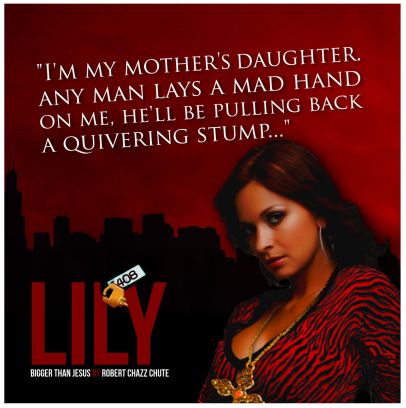
6. Get good album art. I used a cover from my book Self-help for Stoners because I wanted to publicize the book and  podcast to an identifiable audience. Calling the podcast Self-help for Stoners made sense at the time. (As discussed in a recent post on book promotion, I’m changing that because I have so many more books now. One book is not your brand. You are your brand. Think long term.) You’ll need a couple of images of different sizes for this. When you know those sizes and have an idea for an image to represent your podcast, talk to Kit Foster at KitFosterDesign.com. His prices are very reasonable. He’s my graphic artist. Heck, Kit is The Graphic Artist. (Can’t wait to show everybody what he came up with for my print cover for Bigger Than Jesus!) If you go without a professionally designed image, your podcast listing makes you look like a hack and you’ll definitely be skipped over.
7. Choose your category. My categories for different podcasts range from politics to fiction to comedy. Some of your audience might like variety, though if you go deep into a particular topic or niche, you’ll definitely find your audience quicker. Go with your passions. Stick with one podcast to start. Setting up the first one and doing it right will probably cost $200 or $300. After that, it’s cheap (and a claimable promotion cost.)
Do it with someone else and not only do you split the cost, you’ve got a co-host to bounce ideas with. Monologuing (as I do) is not for everyone and I sometimes wish I had someone else on the mic.
Also decide if your podcast will be a swearfest or family friendly, explicit or clean. I started out swearing and came around to PG. Also, consider that if you want advertisers, unless you’re Joe Rogan or Kevin Smith, most advertisers prefer clean podcasts.
8. You’ll need to promote your podcast. I’ve been a guest or I’ve been mentioned on other podcasts about ten times or more so far. Similar to guest blogging for bloggers, I think that’s helped the most. I learned recently that it’s been proved statistically that there’s no correlation between a large Twitter following and a large podcast following. That surprised me but I have no reason to doubt the stats. That said, if you can be rich and famous first, that doesn’t really hurt any endeavour, does it?
9. Do you have enough to say? When I started podcasting last November, I reasoned that if I ever ran out of stuff to say, I could always just read some of my fiction. I did read a bunch of my fiction on the podcast, but I also found I had a lot to say that had nothing to do with fiction. I’ve done skits and bits and improv. I’ve gotten angry and sad and confessed and condemned. Just as you would with a blog, brainstorm what you might talk about.
There’s no rule that says you have to do a podcast that’s an hour, two hours or three hours long. Most of

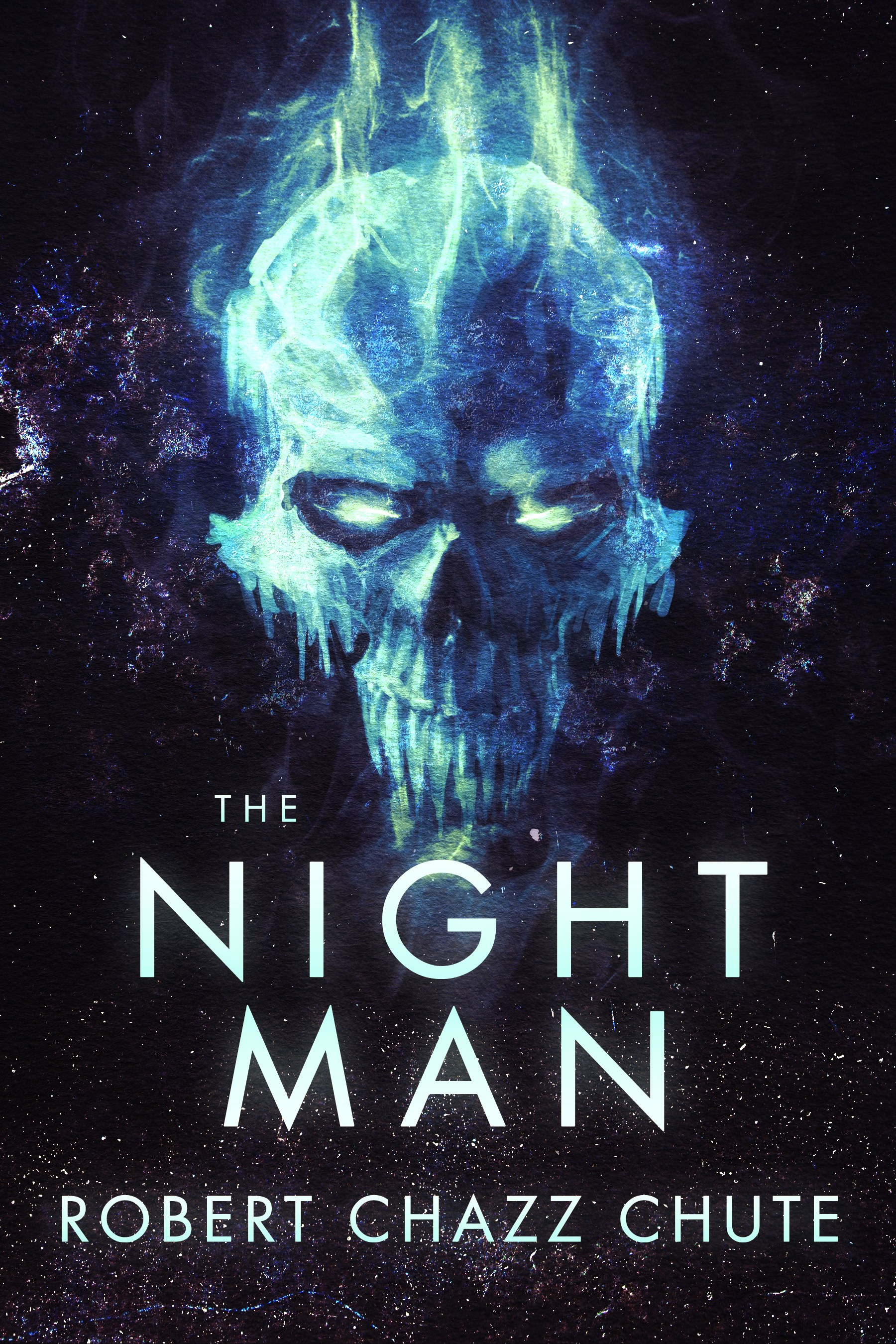
Click to get Bigger Than Jesus
my podcasts were 40 – 45 minutes once a week. Then I decided to make shorter podcasts but a twice a week. Then, to get the word out about The Hit Man Series, I’m podcasting Bigger Than Jesus a chapter at a time. Book 2, Higher Than Jesus, might be ready for podcast before I’m done recording the foundation book. Podcasting helps with the final proof, as well. We’ll see. No rules, remember? I love that about being indie in whatever I do.
Listen to a lot of podcasts to get a flavor of what works for you. Figure out where you fit. Are you the next Grammar Girl (the first podcaster on Oprah) or Mur Lafferty from I Should Be Writing? How-to podcasts are very popular (if you have enough to say on the subject long term.) I listen to Litopia (for everything publishing); some stuff from the Kevin Smith network since he started my career; The Joe Rogan Experience has awesome guests (and depending on what you’re doing with your podcast, guests are great); The David Feldman Show (because I’m a lefty who loves comedians); and The Best of the Left (for smart politics). There are, of course, thousands of podcasts to choose from, those are a few of my favourites. You should also listen to The School of Podcasting by Dave Jackson. You can even join up and learn more. Dave is an enthusiastic educator who loves podcasting. He can teach you everything from how to set it up to how to monetize it properly. He’s forgotten more than I’ll ever know about podcasting.
10. Which leads me to my most important tip of this monster post: Talk to Dave Jackson from The School of Podcasting to get help setting up your podcast. He teaches and consults. I am not an expert on podcasting. That doesn’t stop me from being a podcaster thanks to Dave.
When I started out, I read all the FAQ I could find. I made my first podcast, but I couldn’t figure out how to get it out into the world. I had launched my first books and I was anxious to promote them via an avenue I knew a lot of people were missing out on. I was missing out! A lot of people are still missing out! You’re probably missing out right now! After days of frustration, I called Dave Jackson: Great guy, smart guy, patient guy. He knows the nuances of feed burner and RSS feeds and setting up your podcast without tears or time lost. He’ll get you past the mechanics and into what matters: reaching a wider audience you would never otherwise reach.
UPDATE: Dave just emailed me that he is revising his website this weekend. Hang in there if it’s not completely available when you check in. He’ll have chat on, so Dave can still set up a consultation to help you set up your podcast.
Filed under: publishing, allthatchazz.com, Audacity, crime novel, Dave jackson, GarageBand, how to podcast, iPod, iTunes, Kevin Smith, Kit Foster, kitfosterdesign.com, Podcast, podcasting, school of podcasting, Stitcher, stoner, Stoners


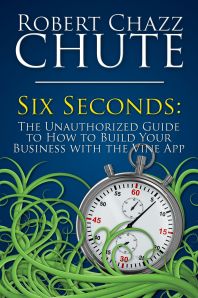
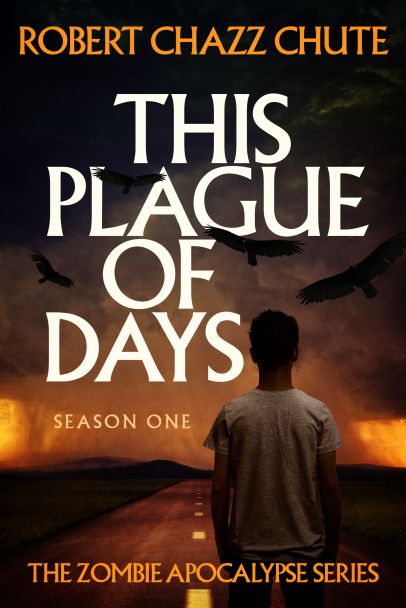
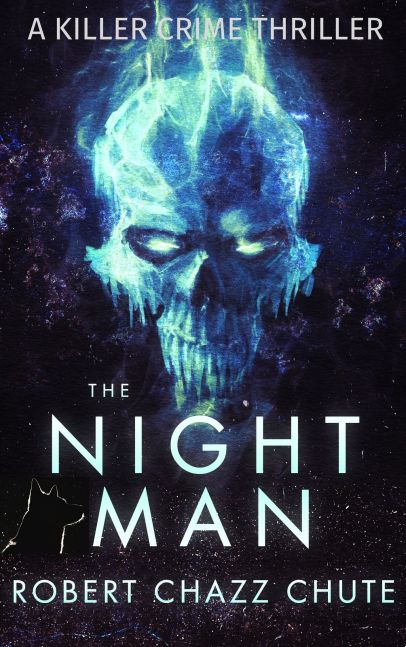
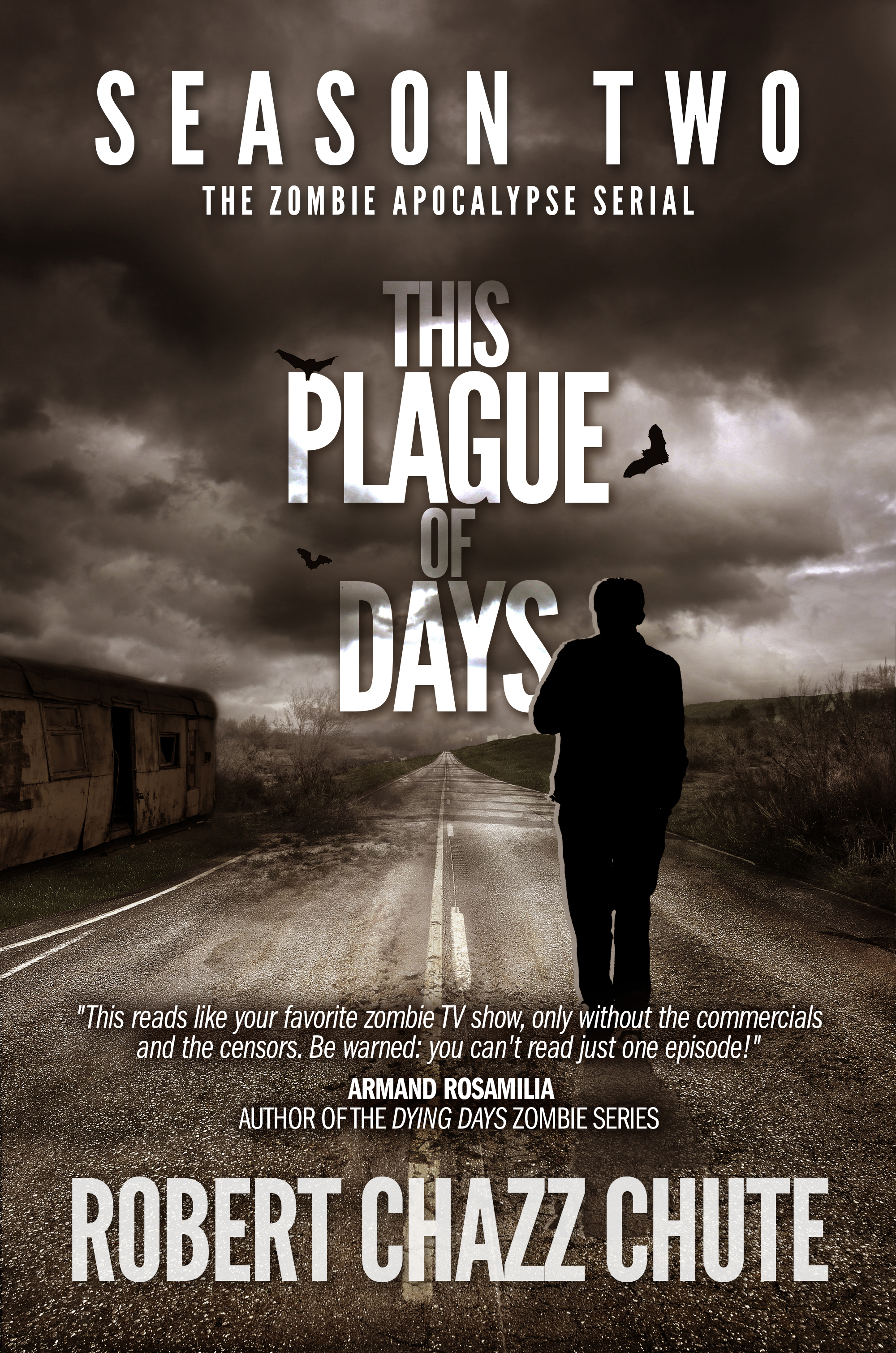
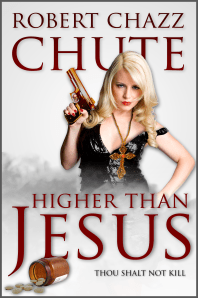 I’ve plugged Kit plenty over time because I think authors need him and skilled designers like him. If you’re still shy, then you’ll love to eavesdrop on a conversation I had with Kit recently. I just interviewed Kit on the Cool People Podcast. You’ll find him sweet, friendly and Scottish. We talk a little about a lot of things: bad drugs, bad drug laws, good drugs, Breaking Bad, what inspires us and, of course, what goes into making a book cover work or fail.














 C h a z z W r i t e s . c o m