C h a z z W r i t e s . c o m

See all my books at AllThatChazz.com.

Links-a-plenty: Giveaway, coffee for weight loss, video & becoming more like Joe Rogan

Read my interview and enter to win free ebooks on Jo Michael’s blog today. I get to talk about ninja monkeys, social media and

First it was kale shakes. Buttered bulletproof coffee is next!

what’s next for me, my hit man and all the people we’re going to kill together. 

On AllThatChazz.com, I’ve got:

1. An article for you on drinking coffee to lose weight and growing your brain.

2. A podcast of one of my favorite chapters from Bigger Than Jesus. It’s dark and creepy and action-packed and, if you haven’t slipped into the warm pool of sexual chocolate that is my first crime novel, you can listen to this stand alone chapter to get the flavor of my Cuban hit man’s scary childhood. You even find out Jesus’s full name.

3. Check the video to get your first sneak peek of the sexy cover for Higher Than Jesus (launching next week!).

4. I got some unexpected, teary inspiration from Here Comes the Boom! Flick your switch and be more Rogan.

5. While you’re perusing the many podcast and book offerings at AllThatChazz.com, please do sign up for my newsletter. I won’t pester you, but when you sign up (on the left by my stylish photo), you’re up for giveaways and news about what’s exciting at Ex Parte Press. I’m releasing five books this fall, so lots of fun is on the way. 

UPDATE: Forgot to mention, if you sign up for my newsletter, your website gets a free mention on the All That Chazz podcast. Also, for a couple more days, I’m still taking “Praise for ChazzWrites.com” for two upcoming books about writing and publishing, inspired by and boiled down from this blog. One happy blog review gets you in the books along with a plug for your book! Jump on it!

 Excelsior!

Scoop.it

Filed under: publishing, , , , , , , , , , , , , , , , , , ,

Reminder: To plug your book…

…in two of my upcoming books, all you have to do is give me one happy line about ChazzWrites.com. (See the post below this one.)

In other news, a little post about Joe Rogan, inspiration, change and Here Comes the Boom from AllThatChazz.com.

Strap in! Here come the books!


Filed under: publishing, , , , , , , , , , , ,

Branding: The change I made

“You will laugh your ass off!” ~ Author of Cybrgrrl, Maxwell Cynn

Milestones aren’t just for celebration. They are also reminders to reevaluate. Since last November, I’ve been podcasting comedy, author readings and a wee bit of ranting at the world. In that time, more people have gone from “What’s podcasting?” to “Ooh, computer radio! How do I do that, too?” Listenership is growing and I just broadcast my 50th show (a conversation with writer and friend Mark Young.)

When I began the podcast, I was very focussed on selling my first book, Self-help for Stoners, a fun book for creatives who love suspense. Those readers make great podcast listeners. They are interested in the creative process, want a little encouragement in the creation of their art and wonder what’s it all about (among all the jokes, murders and whimsy.) I didn’t put enough thought into my long-term branding then. Instead, eager to get both products up on their feet and out the door, I named the podcast after my first book. Since I’ll soon have eight books available, I needed to start thinking long-term. The podcast is now called All That Chazz. Since my author site is AllThatChazz.com, it fits. (Oh, my Thor! Such blinding narcissism!)

Across all my sites, the same image appears to help  set up one image in the minds of potential readers. I’m not giving up on Self-help for Stoners. I’m just expanding the line of books with which I’m identified. I should have thought of that at first, but I was too anxious to finally get the podcast up and running to worry about changes a year down the road. It’s now almost a year down the road and change is in the ether, zeroing in fast.

Dance fast in the short-term. Plan long-term. Adapt. Innovate. Overcome. Rock harder.


Filed under: publishing, , , , , , , , , , , , , , , ,

TOP TEN TIPS: How to set up your podcast

Why should you want to make podcasts and appear on podcasts?

English: Podcast or podcasting icon Français :...

English: Podcast or podcasting icon Français : Icône pour les podcasts ou la baladodiffusion (Photo credit: Wikipedia)

It’s radio with a low barrier to entry. It’s like having your own no-stupid-rules radio station that’s really close to free. You could be on iTunes a few days from now, promoting your business, your books, and yourself to the world. I’ve got fans in San Francisco, Dubai, Beijing and places I’d never heard of because of podcasts.

Since I began podcasting my crime novel a chapter at a time, several people have asked me how I set up my podcast and what’s involved. I can give you the broad strokes with an easy TOP 10 list. Don’t get overwhelmed. It’s not that hard, especially if you take my strongest advice and go straight to Tip #10.

1. You’ll need a microphone. I have two, one for $127 and one for $90. The cheaper one works better. Some people say you have to use a mixer to make sure your audio doesn’t peak and hurt listeners’ ears. However, I prefer the mic that plugs straight into the computer.  No need to be fancy with your podcast. You don’t have to be a Mac user. A chair that doesn’t squeak is a better investment. You don’t have to buy expensive shock mounts of your mics (but do get a screen for your microphone, called a sock, so you don’t “pop your ps”. Popped ps do thud into your listeners’ eardrums. You don’t have to have enhanced videocasts. Most of the people who listen to podcasts are either out for a walk, doing laundry or on a treadmill as they listen to programming. Video in podcasting is a deficit, not an asset.)

2. You’ll need a computer program to record and edit your podcast. Audacity is free. I use GarageBand. Though it does cost, I found the interface easier, especially since a friend gave me a one-on-one tutorial. I tried Audacity without help and the learning curve was a bit steeper. (I’m not turning anyone away from Audacity, though. It’s free and useful. It was just easier for me since I already knew someone who knew the software. Having a buddy who’s already in the know might make for a different choice for you, too.)

3. You’ll need a blog. WordPress is free and most anyone who reads this post already has a blog. Those lovely non-problems are the easiest to solve. There is also an ID3 tag editor (app) to buy, but it’s just a few dollars for a little program that will help you label your podcast and prepare it for upload to Libsyn. Speaking of which…

4. You’ll want a Libsyn account. Libsyn is the company that will publish your podcast to iTunes, your blog and elsewhere (even apps). Go for the $20 a month option. You can pay less, or even go with some outfit that will give it to you for free, but they cost more in the long term in other ways. For instance, lots of places will let you use them to broadcast your podcast, but you can’t move it anywhere later, so, effectively, they own your podcast, not you. You hold on to your rights and options by going with Libsyn. The best thing about Libsyn is that you bank unused broadband. When I started, I was worried about the hidden costs. What if my podcast is so popular, the broadband gets too expensive to pay? With Libsyn, there aren’t any hidden costs and they have an excellent stats page so you know exactly how popular you are. (Or not.)

Once you’re set up, you can also get your podcast on Stitcher. Stitcher is a very popular podcast outlet because it’s free and it  allows listeners to wirelessly stream podcasts to their phone or iPod. They don’t have to hook up to their computers. The podcasts take up no space on any device. Since I discovered Stitcher, I hardly ever use iTunes.

If you’re thinking of joining Stitcher, please use my promo code: SELFHELPSTONERS. By joining, you’re also entered into their draw for a $100 cash card.

5. You’ll have to have some time set aside. Every minute on air means four minutes in total invested with production. That’s a good rule of thumb, though I’ve managed to shorten it a bit over time. Don’t cut too many corners, though. I missed an edit a few podcasts back and the paper rustling seemed a tad unprofessional. Don’t be too professional, though. Mistakes are authentic moments and I like when the unexpected happens in a podcast. The unexpected never happens in radio and that’s one of the reasons radio is boring and only people who are trapped in cars or terrorist attacks listen to radio anymore.

Want a horrific example of authenticity? I’ve talked about the hilarious aspects of my colonoscopy, my first schoolyard fight, how I got screwed over by a financial adviser and a publisher, and worst of all, how I felt too fat and unsuccessful to go to my college reunion. You don’t have to be this revealing, but being real works in podcasting.

Don’t be self-conscious about your voice, either. I have a stammer that becomes evident when my brain works faster than my tongue. My delivery is positively Shatnerian. I talk in bursts and when I speed up I talk like a Nova Scotian, really fast and in the back of my throat. Most of that either isn’t a real issue, improves with practice or can be edited out.

6. Get good album art. I used a cover from my book Self-help for Stoners because I wanted to publicize the book and podcast to an identifiable audience. Calling the podcast Self-help for Stoners made sense at the time. (As discussed in a recent post on book promotion, I’m changing that because I have so many more books now. One book is not your brand. You are your brand. Think long term.) You’ll need a couple of images of different sizes for this. When you know those sizes and have an idea for an image to represent your podcast, talk to Kit Foster at KitFosterDesign.com. His prices are very reasonable. He’s my graphic artist. Heck, Kit is The Graphic Artist. (Can’t wait to show everybody what he came up with for my print cover for Bigger Than Jesus!) If you go without a professionally designed image, your podcast listing makes you look like a hack and you’ll definitely be skipped over.

7. Choose your category. My categories for different podcasts range from politics to fiction to comedy. Some of your audience might like variety, though if you go deep into a particular topic or niche, you’ll definitely find your audience quicker. Go with your passions. Stick with one podcast to start. Setting up the first one and doing it right will probably cost $200 or $300. After that, it’s cheap (and a claimable promotion cost.)

Do it with someone else and not only do you split the cost, you’ve got a co-host to bounce ideas with. Monologuing (as I do) is not for everyone and I sometimes wish I had someone else on the mic.

Also decide if your podcast will be a swearfest or family friendly, explicit or clean. I started out swearing and came around to PG. Also, consider that if you want advertisers, unless you’re Joe Rogan or Kevin Smith, most advertisers prefer clean podcasts.

8. You’ll need to promote your podcast. I’ve been a guest or I’ve been mentioned on other podcasts about ten times or more so far. Similar to guest blogging for bloggers, I think that’s helped the most. I learned recently that it’s been proved statistically that there’s no correlation between a large Twitter following and a large podcast following. That surprised me but I have no reason to doubt the stats. That said, if you can be rich and famous first, that doesn’t really hurt any endeavour, does it?

9. Do you have enough to say? When I started podcasting last November, I reasoned that if I ever ran out of stuff to say, I could always just read some of my fiction. I did read a bunch of my fiction on the podcast, but I also found I had a lot to say that had nothing to do with fiction. I’ve done skits and bits and improv. I’ve gotten angry and sad and confessed and condemned. Just as you would with a blog, brainstorm what you might talk about.

There’s no rule that says you have to do a podcast that’s an hour, two hours or three hours long. Most of

Click to get Bigger Than Jesus

my podcasts were 40 – 45 minutes once a week. Then I decided to make shorter podcasts but a twice a week. Then, to get the word out about The Hit Man Series, I’m podcasting Bigger Than Jesus a chapter at a time. Book 2, Higher Than Jesus, might be ready for podcast before I’m done recording the foundation book. Podcasting helps with the final proof, as well. We’ll see. No rules, remember? I love that about being indie in whatever I do.

Listen to a lot of podcasts to get a flavor of what works for you. Figure out where you fit. Are you the next Grammar Girl (the first podcaster on Oprah) or Mur Lafferty from I Should Be Writing? How-to podcasts are very popular (if you have enough to say on the subject long term.)  I listen to Litopia (for everything publishing); some stuff from the Kevin Smith network since he started my career; The Joe Rogan Experience has awesome guests (and depending on what you’re doing with your podcast, guests are great); The David Feldman Show (because I’m a lefty who loves comedians); and The Best of the Left (for smart politics). There are, of course, thousands of podcasts to choose from, those are a few of my favourites. You should also listen to The School of Podcasting by Dave Jackson. You can even join up and learn more. Dave is an enthusiastic educator who loves podcasting. He can teach you everything from how to set it up to how to monetize it properly. He’s forgotten more than I’ll ever know about podcasting.

10. Which leads me to my most important tip of this monster post: Talk to Dave Jackson from The School of Podcasting to get help setting up your podcast. He teaches and consults. I am not an expert on podcasting. That doesn’t stop me from being a podcaster thanks to Dave.

When I started out, I read all the FAQ I could find. I made my first podcast, but I couldn’t figure out how to get it out into the world. I had launched my first books and I was anxious to promote them via an avenue I knew a lot of people were missing out on. I was missing out! A lot of people are still missing out! You’re probably missing out right now! After days of frustration, I called Dave Jackson: Great guy, smart guy, patient guy. He knows the nuances of feed burner and RSS feeds and setting up your podcast without tears or time lost. He’ll get you past the mechanics and into what matters: reaching a wider audience you would never otherwise reach.

UPDATE: Dave just emailed me that he is revising his website this weekend. Hang in there if it’s not completely available when you check in. He’ll have chat on, so Dave can still set up a consultation to help you set up your podcast.

Filed under: publishing, , , , , , , , , , , , , , , , ,

UBC #15: What’s missing from this thriller’s back matter?

Something is missing from the following back matter from Bigger Than Jesus.

Pop quiz, hotshot! What’s missing?

About the Author

After several years working in the publishing industry, I took a long hiatus and then founded Ex Parte Press. I was a journalist and magazine columnist and now write in a lead-lined bunker full-time. I’m happily chained to my writing desk by an intravenous line feeding me espresso. My desk chair is a toilet and I’m writing as fast and as well as I can.

Thank you so much for reading Bigger Than Jesus. If you liked it, it will help Jesus Diaz and me immensely if you could please leave a happy review on Goodreads or Amazon or wherever you bought this book. Watch for the next instalment in this series: Higher Than Jesus, coming soon. Five books are planned for this series so far. If you’d like to get a glimpse of Jesus as a mature, more professional, hit man, you can find the story that started his character in my collection of short stories, Self-help for Stoners. You’ll find he’s more polished, but things still go awry. All the latest updates about my books can be found at AllThatChazz.com.

After this note I have a list of my other titles and notes on how to contact me through my websites, email, media inquiries and a note about my podcast and Twitter.

Steady…ready…go!

Here’s my answer about what’s missing:

In its current incarnation, I haven’t loaded up the first chapter of the follow-up book in The Hit Man Series.

Click to get Bigger Than Jesus

It’s written and I should include it. People like a sneak peek and, after spending so much time with my clever, funny and scarred protagonist, they will probably want to get a hint at where Jesus Diaz goes next. I think I really need to include a chapter from Higher Than Jesus. His story continues in unexpected ways, means and places in a plot that includes Neo-nazis, a street gang, drugs, arms, a very tall blonde and a plot to assassinate the President of the United States.

Fortunately, since I can upload at any time, it’s never too late for an afterthought, an improvement or a tweak.

Next question:

What else do you want to see in the back matter of a book you’ve enjoyed?

Related articles

Filed under: publishing, , , , , , , , , , , , , , , , , , , ,

Ultimate Blog Challenge: Can you blog a book? Sure you can.

A special welcome to new readers from the Ultimate Blog Challenge! Today, since there are so many new readers pouring in, I should give a little introduction and make an announcement, just to spice things up.

Ancient History:  My first blog, way back when, was mostly about politics. My second blog was devoted to writing (back when I thought I wanted someone else to publish my fiction.) I dumped that blog because someone else was managing it poorly and I needed to get my own sites: ChazzWrites.com and AllThatChazz.com. That was two and a half years ago. Now I blog about writing and self-publishing daily here and keep the political rants confined to my podcast when the spirit (and rage) move me.

Modern History: As I researched self-publishing, I found I had a lot to think about. Since I discover what I think about something by writing about it, my blog grew. I curated a bunch of useful information and that’s still an important part of what I do here: helping fellow authors and writers. My posts grew, matured and got tall as I deepened my involvement, made allies and learned and shared more.

The Current Era: Last November I quit my day job and published a strange book of self-help and inspiration expressed through suspense fiction. I know! Crazy! I wish that I had called it Self-help for Surrealists. As it is, every day for the rest of my life I will say to someone, somewhere, “No, you don’t have to be a stoner to love Self-help for Stoners.” I published two short story collections and a bunch of short stories and marketed them like mad, but the best marketing is to put up another book for sale. Last month, after a long trip through the editorial pipe, I published two more.

The Future’s So Bright, I Had to Cut it in Two: As a result of all this blogging, I realized just this weekend (this is the announcement part) that I have not just one book for new indie authors, but two. As the word count climbed toward 100,000 words on my non-fiction book (Crack the Indie Author Code: Aspire to Inspire) I discovered that it would make more sense, and be less overwhelming, to break up the information into two books.

Alternative Futures: Can you blog a book? Absolutely. There are programs devoted to that very thing, though I suggest caution. Go as slow as you dare. You have to go back in and revise carefully. Omit links and images, for instance. Stuff that works for a blog doesn’t necessarily read well as a book. I’m editing it now and it’s coming soon, promise. It’s a tragic time management issue since I’m also working on the follow-up to my first crime novel Bigger Than Jesus. But that’s a separate blog post and different announcement for another day. Happy blogging!

COMING SOON: 

CRACK THE INDIE AUTHOR CODE: ASPIRE TO INSPIRE (YEAR ONE)

BY ROBERT CHAZZ CHUTE

*2

Filed under: publishing, , , , , , , , , , , , , , , , ,

Author Blog Challenge 21: My Top 20 Best (Worst?) Advice for Authors

Обкладинка книги "Над прірвою у житі"

Обкладинка книги “Над прірвою у житі” (Photo credit: Wikipedia)

1. Be weird. Draw outside the lines. Live larger. Be different. If you can’t dare to be a little strange, or stranger, you sound too much like everyone else and there’s quite enough of that. Does your book’s title sound like all the other titles in its genre? Yes? You’re already boring me, mate, and I say that with love. Be three times more daring and ten times more clever.

2. Don’t write what you know. If we all did that, where would science fantasy be? Instead, write what you care about. You’ll get enough research to fill in the holes if you care enough to give your story verisimilitude. It’s always more about relationships, characters and action than it is about the guts of your ship’s stardrive engines, anyway.

3. Lose your thesaurus. You don’t need more words to tell me the story. The right words are the ones that come to you right away. If you use the word “epigonation”, you’re showing off and annoying your reader. A stupid thing to do, especially when you wanted to sound more intelligent. That must have been your aim because, unless you are sending your books back through a time tunnel to the time of Christ, you certainly weren’t trying for clarity in your reader’s mind.

4. Spam me. I don’t mind you telling me about your books one bit. I might be interested and I like to know what my options are. If you hit me over the head too much, of course I’ll ignore or unfollow you, but that doesn’t mean you should be silent. That means be clever and funny and engaging and giving most of the time. Lights are not for hiding under bushels. Light that bushel on fire and throw illumination.

5. Get into fights on the Internet. If you are getting along with everyone all the time, you’ve either got nothing to say or you’ve got no spine. Neither attribute attracts me to what else you might have to say within your book. I’m not advocating douchebaggery or fighting for fighting’s sake. Instead, have the courage to disagree with idiots while pretending to be civil and acting as if you don’t want them dead. We all know the truth.

6. Tell, don’t show. I know, I know. Somebody’s head just exploded and no amount of repainting ever covers up that mess. However, in grown up writing class, we encounter circumstances where telling is sometimes more appropriate. It saves the reader time and skips over stuff the reader doesn’t care about so we can get to the good stuff. Be more Elmore Leonard. Be less mime. Tell when you need to. Show when you need to. There aren’t rules, only guidelines. Learning all the rules before you break them? Sounds like a waste of time on a detour, doesn’t it? Instead, just write what works and stop mucking about.

7. Strangle your strict inner grammarian. If you write for clarity, that will cover most grammar rules, anyway. Some people are still holding on to stuff from eighth grade simply because it’s what they learned in eighth grade. The rest of us are splitting infinitives with wild, naked abandon, ending sentences with prepositions and using the word “hopefully” like a normal human (i.e. technically historically wrong) — and we don’t care. And sentence fragments? Rock! Common parlance trumps grammar. If it didn’t, none of us would communicate the way we do now. Strict grammarians fantasize about a language that isn’t organic and instead is frozen in amber from Dickensian England. They’re nuts. If language could freeze (and therefore die), we’d all still be angry cave people, grunting and pointing like New Yorkers in a Brooklyn deli.

8. Stop rewriting. I’m talking about your first chapter. You’re never going to get your book finished that way. Plunge! Get your atomic turbines to speed, Batman! Write and keep moving forward. Write like I’ll chase you in my Mustang with a twelve-gauge full of rock salt if you don’t finish two chapters tonight. (Because I will.) Rewriting is for later. A first chapter, endlessly written  and rewritten to perfection, does not a book make. Rewriting too soon is a formula for you, drooling on your deathbed, wondering if you should have taken out that comma on page three, and then put it back one more time before all trace of your existence is erased and there’s no book as evidence you ever were, you zero legacy stiff!

9. Stop reading old classics and start watching more movies and reading more comic books. Your english professor thinks Hemingway is the shit because that’s what he was taught in 1980. This is generational data lag. If you insist on classics, read: Crime and Punishment (so dates will think you’re deeper than you are); Hemingway’s short stories (not his novels); Portnoy’s Complaint to instil the value of a sense of humour in literature (a rare thing, that); A Confederacy of Dunces (for douchebag cred with hot Lit. majors at the dean’s cocktail parties and the nerdy chick at the bookstore) and Catcher in the Rye (in case the writing thing doesn’t work out and you turn to the next logical career choice: serial killer.) And nothing at all from Ayn Rand. Nothing! You have nothing to learn from her unless you’re going for what not to write, do, think or be.

Why movies and comic books? Because you need to make your storytelling more visual. (Hint: If most of your “action” takes place in a suburban living room much like your own, think harder. If you’re writing a certain kind of literary fiction that demands domestic ennui and the reader’s patience (yes, the reader — as in one reader — your mom), at least spice it up somehow. Make your main character do their sensitive contemplation by the river (so they can fall in or throw themselves in or get thrown in by a helpful plot enhancer). Or put them in the kitchen, next to the handy knife block so we get a sense that something might actually happen. Events must occur!

10. Stop writing huge, ambitious books. Write shorter books and make it a series so you have hope of making some money.

11. Write for the money. You think love and passion will get you through a whole book? No. There will come a time when you hit a wall, figuratively and literally, with your manuscript. Maybe you won’t want to do one more draft or you won’t have the energy to get up early and write another chapter. Screw that weak, loser talk. If you’re writing with the hope you’ll make some money some day, you get up. You’ll go the extra clichéd mile to yank out the clichés from your manuscript like black, seething tumours. Your kid wants to see Disney before she’s too tall for the rides. Your other kid wants to finally get an iPod for his birthday since he’s the last of his friends to get one. (Ooh, that one hits close to home.) Write for money because you need it. Write for money because, if it’s just a pleasant hobby, what’s at stake when the going gets rough?

12. Pay attention to how much better every other indie author is doing than you. Get angry, envious and jealous of those talentless, lucky hacks. The reasons are similar to #11. Take your ugly motivation wherever you can find it. (Notice I just told instead of showed — #6 — and you didn’t mind.)

13. Put references to popular culture in your books. Traditional publishers always eschewed that in manuscripts.  That’s why you have to infer so much about pop culture from old novels instead of knowing specifically what people paid attention to. The worry was that contemporary references to movies and issues would date the book. I can’t imagine why. What’s modern now will be a period piece in the future. So what? They might sell more books if they paid attention to what served the story and what was most entertaining instead of sticking to rules from from Lit. 101. (See #9) It works for John Locke’s readership.

14. Stop confusing process with product (Part 1). Neo-Luddites who wax poetic about the feel of a paper book are fetishizing the medium of dead trees over the book’s content and are possibly high on glue from all that sniffing. For people who claim they value the written word so much,  they seem overly concerned about the package it’s wrapped in. It’s fine to prefer a paperback to an ebook, but expect to pay more for the privilege and, by Thor’s hammer, stop whining to authors of ebooks about your fetish! When’s the last time you went out of your way to tell a used car salesman you think he’s shifty even though you weren’t buying a car from him anyway? What purpose does complaining serve if you never intend to buy our books? If you don’t want ebooks, then don’t buy them and don’t feel you have to tell me about it. We’re getting creeped out. (Alternative: buy my paperbacks, too.)

15. Stop confusing process with product (Part 2). Last week somebody called someone else a hack because he advocated writing fast. (No, it wasn’t me who was called out, though I have advocated writing faster if you’re up for it.) It’s the writing snob’s equivalent to a George Carlin joke: “Anybody driving slower than you is an idiot and anyone driving faster is a maniac!”

The mistaken subtext here is to think that anyone writing more quantity than you must be suffering in the Quality Assurance Department of the Writer’s Brain. Consider that A. Slow writing is no guarantee of quality, either. B. What counts is the end product, not the speed with which it arrived. (The slow writing advocate in this case admitted she hadn’t actually read any of The Speedy Author’s books, so she was letting her ass talk too much, wasn’t she? C. If someone else can write faster than you and you resent them for it, that might be jealousy talking. (See #12) Or D. Maybe you just aren’t as smart as The Speedy Author, you prejudiced dummy.

16. Wait for inspiration before you write because less competition would be great for me. Oh. For you? Not so much.

17. Offend your family. Disguise them, but use them. If they didn’t want you to use all of that useful childhood trauma, they should have been nicer when they had the chance. That time you got locked in the closet after the unjust beating? That’s rich writerly soil, right there. Rename your brother Larry so he’s Harry in the book. That ought to do it. Larry’s a moron.

18. Start building your author platform long before you need it and don’t whine that it’s hard. Your book is a loudspeaker. Without a platform, your loudspeaker is pointed at empty stands in a cavernous stadium. You don’t want to do this. Why do you think that matters?

19. In fact, hey, that’s another rule! No whining, period! Nothing worth doing is going to be easy. Besides, it’s unattractive. I once stopped watching a blog because a writer felt people weren’t grateful enough for her words. Gratitude is great (see yesterday’s author blog challenge post, below) but demanding unending thanks when you really haven’t done that much in the first place is petty narcissism. Writing professionally is about generous narcissism.

20. Stop reading Writers Digest and Publishers Weekly. There’s nothing in a paper magazine you can’t get in pixels faster and cheaper. WD is a holdover from traditional publishing and that’s why their advice is still weighted toward agents and the New York cadre. Those are lengthy pursuits with questionable ends that eat up your life. It’s procrastination in the guise of relevance and productivity. It’s patriarchal, systemic paralysis by matriarchal, editorial analysis. Chasing slush pile dreams is what my friend, author Al Boudreau, refers to as “dinosaur hunting”. (Brilliant, yes?)

As for all that crap in Publishers Weekly that spouts everything you need to know about traditional publishing? That’s all stuff you never need to know before you have a book written and probably not even then. What possible difference could knowing the industry make when they only ever talk to themselves? They talk too much about trad publishing because that’s where the ads come from. It’s incestuous, out of date and out of touch. If you want to know something about publishing that’s not out of date, read Konrath and Dean Wesley Smith and Passive Guy and Russell Blake and Jeff Bennington or even (for the love of Thor) this blog’s curations for that matter.

BONUS TIP: Instead of listening to the dinosaurs who refuse to see the meteor coming, be a contrarian. Contrarians are more interesting.

Wait.

What do you mean, you agree? What kind of contrarian are you, listening to some twit you don’t even know telling you, “My Top Twenty Best (Worst?) Advice for Authors”? As if I’m preaching the bloody sermon on the Mount! What kind of nonsense is that? Go ahead and write and make your own mistakes and write your own rules.

This blog post was for, as they say, “entertainment purposes only.”

Does anybody really learn anything much from another person’s mistakes?

For anything that really matters, you have to make those life altering mistakes for yourself.

I’m not your dad. I’m another writer, tap dancing for change.

Filed under: publishing, , , , , , , , , , , , , , , , ,

Have you, by chance, checked out my podcast?

Image representing Stitcher as depicted in Cru...

Image via CrunchBase

The new pod is up at AllThatChazz.com. Witness the struggle of the sad author/wedding crasher, hear the story of the cannibal in the bad chinese restaurant, mull odd and ends about honesty and spam. I get serious about feeding starving people, starving Sally Struthers and putting the military-industrial complex on a diet. I also wrestle the Pope (not naked).

Enjoy if you can and if you like it, please review it on iTunes or hit the thumbs-up button on Stitcher. Thanks for listening!

~ Chazz

Filed under: publishing, , , , , , , , , ,

Author Blog Challenge 20: What writers owe (and an insider secret is revealed)

Garley the Persian cat

Garley the Persian cat (Photo credit: arash_rk)

I used to dream that when I finally became an author, I’d write a short acknowledgements section to myself. “Screw you all!” I’d scream. “In your face! I did this myself and I don’t owe anyone anything! Ha!” Then I’d retreat to my hermetically sealed office under a volcano within my island fortress guarded my my loyal ninja monkey assassin clones. I’d have a monocle and a white Persian cat to stroke while I ordered Hellfire missile strikes to rain down upon my enemies. As you can only imagine, that’s almost exactly what my life is like except for the thing about acknowledging people who have helped me on my publishing journey. Unexpectedly, I have the attitude of gratitude. I’m happy to have a deep stock of Hellfire missiles to protect my tropic realm and I’m grateful for all those people who have assisted me in putting out my books.
Yesterday, after my big free promo day, I sat down and wrote a little letter to a bunch of people who have been helpful along the way. Somebody slipped me some dough so I could keep going. Someone else helped me with formatting the first time I attacked the beast. Others were consultants about suitable explosives…”Um, for my crime novel’s plot!” he added hastily.

A lot of people have the wrong idea about self-publishing.

They focus on the self part.

Hitchcock said that a painter only needs a brush and a writer, a pen, but a film director needs an army. These days, indie writers need small armies, too, and many of them are volunteers. 

The key thing is: self-publishing is still publishing. You either need a graphic artist or you need to be one. You need to learn a lot about tech and promotion as well as craft. You can write a good book, but if it has a lousy cover, no one will read it. (The converse is also true, of course.) That’s why I prefer the term “indie” to “self-published”, though to the consternation of a few angry people, I do use those terms interchangeably as a concession to common parlance.

My Beta readers are volunteers. I’ll pay them in lollipops, acknowledgements in the book, a copy of the paperback and, when they’re ready to go indie, I’ll be a resource for them, too. I’m confident each of those readers could write a book if they decided to do so. I’ve thanked them all, for what that’s worth. So far all they’ve received is a book they enjoyed for free but I’ll be sure to get those lollipops to them.

I did find an unusual way to make one person’s day though. If you’re writing a book, you may wish to consider doing this (with their permission.) A great buddy of mine is undergoing treatment for cancer. It’s been a scary time that he has handled with a calm and class that I am sure I could never muster. This guy is one brave SOB. As I was writing the first draft of Bigger Than Jesus, I used his name for one of my characters.

Funny story: I called him up on Skype to ask him if I could keep his name in the book. His microphone wasn’t working. He could hear and see me but I could only see him. However, that worked out for the best because he pantomimed his approval. When somebody is that sick and you can make them laugh and smile as much as he did by putting him in your book? Why wouldn’t you? He loved the idea and showed lots of energy in giving me a thumbs up that made me laugh (and, truth to be told, a little weepy, too.)

I talked to him on the phone the other day. Things are looking up and we’re optimistic that one way or the other, he’s beaten it. Not only will he live a long life, but in a way that is tiny and totally useless except for good feelings and a funny exchange on Skype, he’s  immortalized in literature, too. I’m very grateful my buddy will be around to enjoy all the novels in The Hit Man Series and everything else I write. I’m most happy about that.

If you’re reading the Bigger Than Jesus,

my buddy is the guy wielding the SPAS-12.

Sh. Keep it to yourself.

Filed under: publishing, , , , , , , , , , , , , , ,

Author Blog Challenge (plus a sneak peek podcast*): Outlining, pantsing, spilling & sprinting

If you just popped in for the suspenseful sneak peek podcast, click here to hear The First Fiction Friday Edition of my podcast.

The Author Blog Challenge prompt asked how I stay organized as I write. My methods have changed over time. I used to come up with plots on the fly early on. Then I got scared off from that strategy when I got deep into a dreadfully long novel and found I had to backtrack fifty pages. Hitting a dead end is, well, death. It’s a waste of time and energy and I hate it.

I started outlining because I was writing big books and I didn’t want to lose whole sections of my book in which I was already invested. When you write 80 – 100,000 words or (ye gods!) more, an outline helps. I didn’t write an outline with Roman numerals and all that formal, high school nonsense. Instead, I planned the book one cogent sentence at a time. I described the actions in each chapter to plot the arcs of A and B stories. I looked for where those paths would logically cross, discover the beats and suss out the high and low points. Index cards got to be too much to keep track of, so in the end my outline was just three pages with a numbered list. I read and reread the outline and then I didn’t look at it again. That got me through the big books pretty well.

Recently I read Run by Blake Crouch, and as Blair Warner used to say on The Facts of Life,

“I just had another one of my brilliant ideas!”

It’s about speed. I resolved to write a crime novel with the same furious pace as Run — a book I couldn’t put down. Yeah. I know it’s a cliché, but this cliché is both apt and true in the case of Run. (Great book. Buy it.)

I resolved to do the thing I love with stories. The chapters would be relatively short. They would skip along. There would be lots of twists and turns to my racetrack. I wrote Bigger Than Jesus in about a month, one chapter a day, roughly 2,000 words each. There was no outline. Instead, I wrote with the expectation that I’d get my hero into a troubling cliffhanger at the end of each chapter. If I wrote myself into a corner in the process, too bad. I’d be clever and write my way out of it and keep moving forward. Writing like this is as fresh and as exciting as walking a tightrope naked in a high wind over a crowd of angry TSA agents with a new shipment of polar mint rubber gloves.

Many nights I went to bed thinking that I had no idea what I would write in the morning, but I trusted that I could figure it out. I believed in lightning strikes. The juice kept flowing and with it came a high level of complexity. It’s a crime novel so people lie a lot. If I’d taken longer to write it, it would have necessarily been less complex because I’d be afraid of losing track of the threads. There’s shocking emotional depth, too. Nobody, including me, foresaw the strange and sad angle on my main character’s childhood. It sneaks up.

Why did this work?

1. I knew the opening chapter and the last line so I had a target at which to aim. I’m also a more confident writer than I was with those early attempts, I suppose.

2. If I didn’t know what was going to happen next, the reader wouldn’t be able to guess, either.

3. Speed. The book is not especially long and I wrote it all in a short space of time so I could keep it all in my head at once without getting lost.

How else do I keep organized? 

In the Point File, I note things like street names I’ll use twice and aspects like eye colour so they don’t change from the beginning of the book to the end. I did mess up in having twin brothers as bad guys with names that were awfully similar. I had to go back to make sure I was talking about the right brother at the correct stage of the book.

I always have a Spill File handy so if I do write something that I end up dumping, I save it for later. I might change my mind about how useless it is or I might use it another time in another story. In Bigger Than Jesus, the writing went so quickly and breezily that I never had anything to pour much into the Spill File. I wrote fast and then went back to the stage of writing where I’m always sure I’m a deluded idiot: revisions. I cut, prune and delve. More of the jokes come clear on the second pass, too. Typically, by the third pass, I begin to feel good about the book again. Bigger Than Jesus was just about as easy as writing a blog post a day, actually. Maybe easier sometimes because what dictated the action was logic and surprise. When in doubt, surprise!

Some writers labor under a notion that I once shared: To be good, you must write slowly, perhaps even at a glacial pace, and the serifs are where your heart and soul get squeezed in and choked for blood. There are books I have tinkered with for years. One short story went through many incarnations over a year before I felt I nailed the landing and deserved 10s from all the judges. However, Self-help for Stoners came together quickly and everything worked out well with that.

Bigger Than Jesus will be released in the next week or so and all the feedback I’m getting from the editorial team tells me I’m glad I didn’t buy into the idea that it had to come slowly to be worthy. I think that’s true sometimes, but not always — not for every book and not for every writer. That’s good news because I’m using the same strategy with the next book in the series. It’s coming fast and well and I do enjoy the danger of not knowing what happens in the next chapter. Those angry TSA agents are actually spurring me to succeed.

*BONUS:

Please take a few minutes to enjoy my latest podcast on the author site. It’s The First Fiction Friday Edition! 

It’s a sneak peek at Chapter 8 from my first novel in the Poeticule Bay Series:

An old woman is lost with her tiny dog in the Maine woods and snow is on the way.

Related articles

Filed under: publishing, , , , , , , , , , , , , , , , , , , ,

Bestseller with over 1,000 reviews!
Winner of the North Street Book Prize, Reader's Favorite, the
Literary Titan Award, the Hollywood Book Festival, and the
New York Book Festival.

http://mybook.to/OurZombieHours
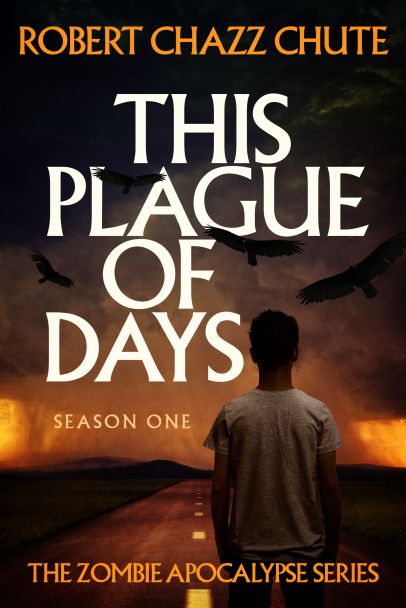
A NEW ZOMBIE ANTHOLOGY

Winner of Writer's Digest's 2014 Honorable Mention in Self-published Ebook Awards in Genre

The first 81 lessons to get your Buffy on

More lessons to help you survive Armageddon

"You will laugh your ass off!" ~ Maxwell Cynn, author of Cybergrrl

Available now!

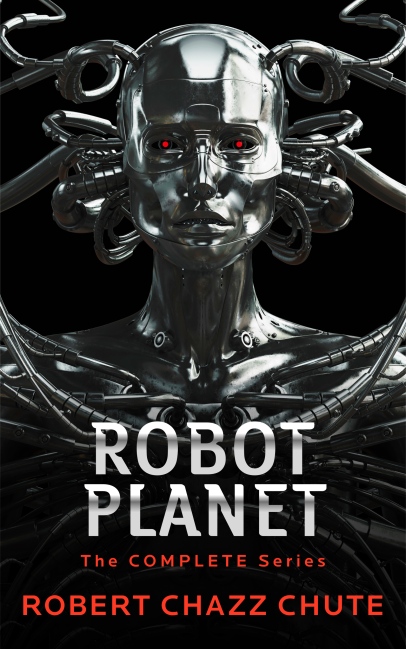
Fast-paced terror, new threats, more twists.

An autistic boy versus our world in free fall

Suspense to melt your face and play with your brain.

Action like a Guy Ritchie film. Funny like Woody Allen when he was funny.

Jesus: Sexier and even more addicted to love.

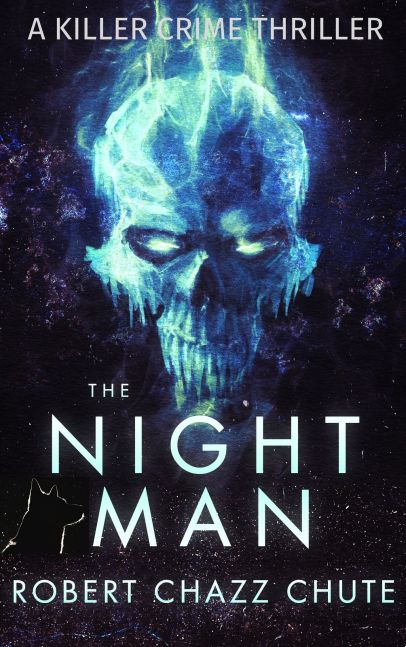
You can pick this ebook up for free today at this link: http://bit.ly/TheNightMan

Join my inner circle at AllThatChazz.com

See my books, blogs, links and podcasts.

Enter your email address to follow this blog and receive notifications of new posts by email.

Join 2,063 other subscribers