C h a z z W r i t e s . c o m

See all my books at AllThatChazz.com.

Featured author: Mark Victor Young

See on Scoop.itWriting and reading fiction

Robert Chazz Chute‘s insight:

Mark Victor Young is a talented writer I met at a writing workshop a couple of years ago. Follow the Scoopit! link to CommuterLit and check out his short piece about writing process and tenses, "notes from a novel in progress". In a playful way, this captures our inner struggle to get the right words in the right order.


Looking forward to that novel, Mark!


~ Chazz

See on commuterlit.com

Filed under: publishing

Writers: Was this post helpful to you?

I bought a book today by an author previously unknown to me. At six bucks plus, it was the most expensive ebook I’ve purchased in a long time. (Usually my ebook purchases are from indies, not trad publishers.) I bought this ebook because of one of its reviews. I did not buy because the review raved. The book caught my attention because the review’s tone was so damnably condescending, I had to make the purchase. This wasn’t a case of pitying the author. There were good reviews, too. Also, it helped that I suspected this was a book I would enjoy. It sounded smart and sure and people who liked it said it elevated and challenged its genre.

Whatever the book’s merits will be, the key component for the purchase was that the reviewer was too much of a jerk. What is it about bad reviews that so often reveal more about the reviewer than the book being reviewed? I emailed the author to tell him I bought his book. It sounded interesting and I wished him success with it. I look forward to reading it, but what can the rest of us take from this?

Take this post as a small salve to authors’ bruised egos.

People will love your work and others will hate it, but I want you to know that readers are generally intelligent people. They often see through the reviewer’s veil more than you might think. Readers divine intent when they read over-the-top malice and subtract value from a nasty review. Yea or nay, readers like thoughtful reviews. They get it when a reviewer sounds disrespectful or less than literate. Good readers (people who buy a lot of books!) aren’t easily impressed by cheap shots and snarky remarks. When a review is especially egregious, you might even get a sale out of it. 

I’m not saying bad reviews are better than happy ones, but don’t take the bad ones too much to heart. Also, when you spot a really nasty one that goes at the author personally instead of the book? Be sure to click “No” beside the question, “Was this review helpful to you?”

Filed under: reviews, , , , , , , , , , , , ,

Writers, Writing and When to Swear

TPOD 0420 2

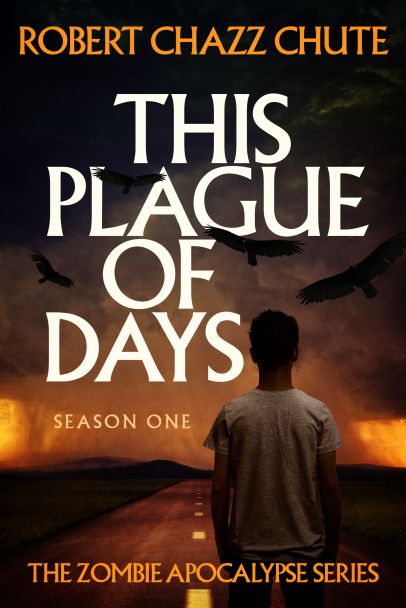
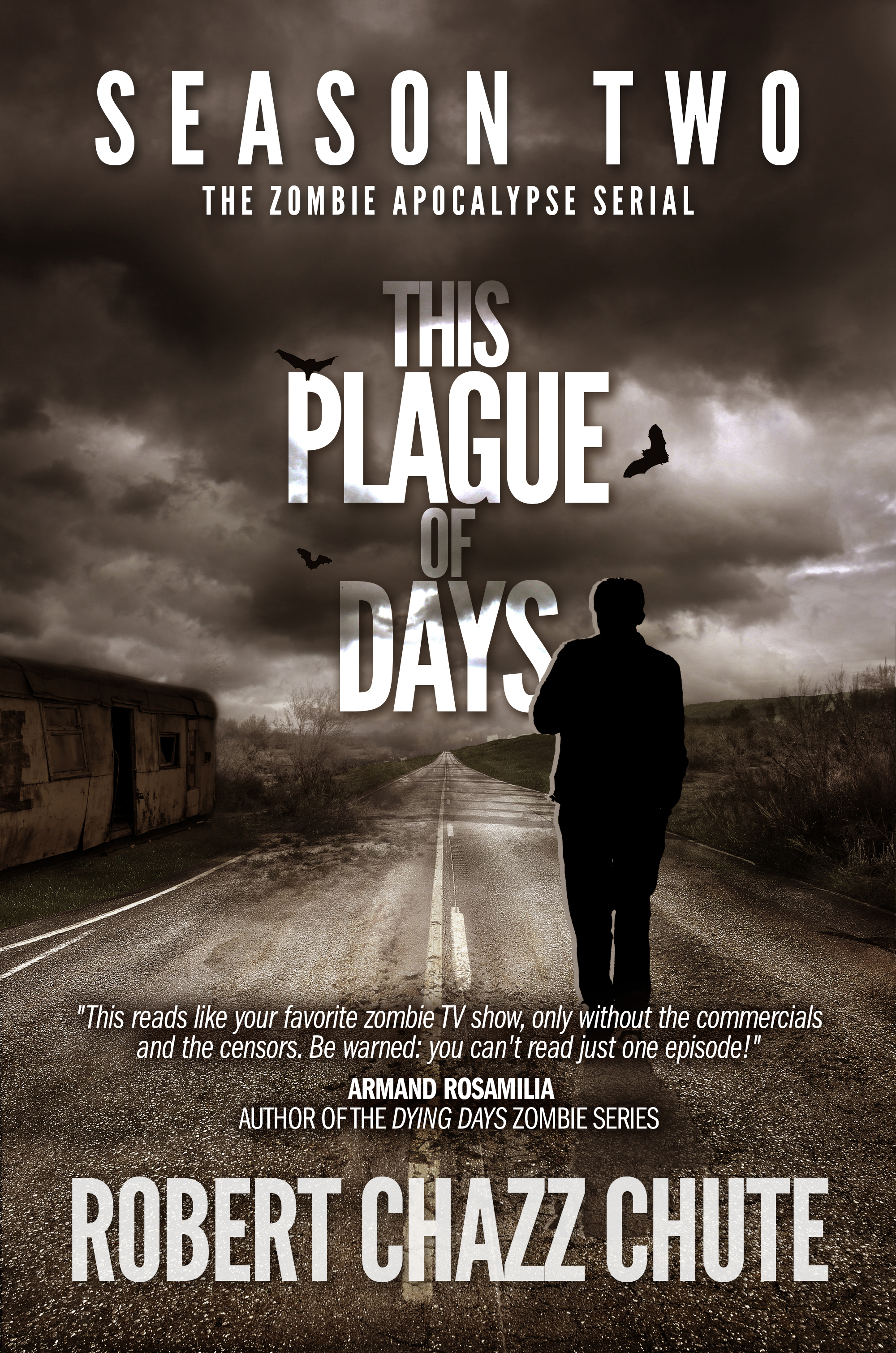
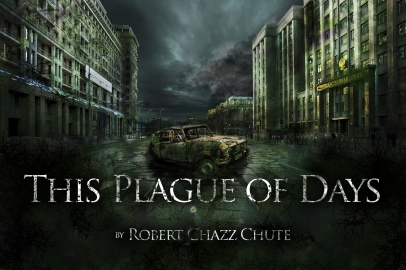
Apocalypse Art for This Plague of Days by Kit Foster of KitFosterDesign.com

As I work on This Plague of Days revisions, there’s a big difference: This is the first of my books my 13-year-old daughter is allowed to read. No one is swearing in TPOD and any sex is PG-13, at most. Sometimes I think this serial (to be released at the end of May) could be suitable for Young Adult. However, I’m also not pulling back on elements of horror that range from Hitchcockian allusion (The Birds) to classic horror (a gross-out or three). It’s a post-apocalyptic world and things aren’t pretty. 

Crass Commercial Considerations
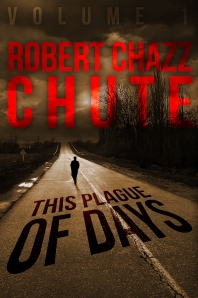
A cross-genre flurry about  society's collapse under the crush of the Sutr Virus combined with a boy's love for odd words, Latin dictionaries and his father.

A cross-genre flurry about society’s collapse under the crush of the Sutr Virus combined with a boy’s love for odd words, Latin dictionaries and his father.

I’ll admit it: I want This Plague of Days to sell to a wide audience. I want it to go huge! Multiple translations and audiobooks and mass consumption. I want this serial to be made into a movie or a franchise with TPOD lunch boxes and T-shirts at conventions. I don’t want to return to a day job and a very popular serial without cursing will help me toward that goal. I watched an interview with director Kevin Smith recently in which he breaks down the movie market. The same principles apply to us: R sells less than PG-13. Soften the blow. Make more money.

Yes, I know Fifty Shades of Gray is bondage porn that makes a ton of money off a wide audience. However, this isn’t that. This Plague of Days is about an autistic boy who is a selective mute. A plague spreads across the earth and as the mayhem goes up, society spirals down. Bad things happen. However, the story revolves around the boy and, though it’s third-person limited omniscient, much of it unfolds through the boy’s filter. His special interest is English dictionaries and Latin phrases. Nothing is lost if I don’t make TPOD a cursefest and I’ll gain more readers.

The Irony I Frankly Don’t Understand

Many people are comfortable with just about any depiction of violence but get squeamish about certain words and sex. We’re downright weird about cursing. It’s in mainstream media and on any school playground, but in print, daily newspapers put in coy asterisks like this: f***. As if our brains don’t just fill in the word automatically. Swearing is ingrained in everyday conversations, but we pretend it’s not.

Watching a show like Dexter on a non-Showtime channel, censors ensure the dialogue sounds silly. “Mothertruckers?” Really? (The practice was played to great comedic effect when, in the latest Spider-Man movie incarnation, our beloved hero blurts, “Mother Hubbard!“)

Meanwhile, I get queasy about certain entertainment that is considered mainstream even though it’s extremely violent. I’ll never see Jodi Foster in The Accused and I refuse to watch A Time to Kill. Frank depictions of sexual assault and child rape are not something I want to
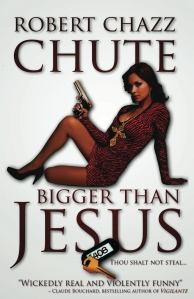
My luckless hit man is a funny guy in big trouble.

My luckless hit man is a funny guy in big trouble.

see. I can’t watch CSI or its many iterations. That whole Special Victims Unit thing feels way too voyeuristic and definitely not for me. (I’m not campaigning for a cleansing, by the way. I don’t want art censored. What I don’t like, I don’t watch, read or listen to and that solves my problem nicely.)

Ever since I had kids, I’m generally more queasy about violence that’s too realistic. I’d rather keep my violence diet to thrillers like Bigger Than Jesus. Though there’s plenty of death and even allusions to Jesus’s abuse as a young teen, it’s treated carefully, not graphic, and balanced by the hero’s sense of humor. The funny makes the horrible feel safe, somehow. 

This Plague of Days’ post-apocayptic genre puts the story into a realm that isn’t ours…at least not quite yet. 

Sex and Curses Have Their Place: Serving the story

Jesus is resurrected in Chicago. Sex with the Queen of Giants. Violence with Very Bad Men.

Jesus is resurrected in Chicago. Sex with the Queen of Giants. Violence with Very Bad Men.

My crime novels are funny but still gritty and hardboiled. The swearing in the Hit Man Series is a need. It would have been unnatural to write workarounds for simple, salty language. Acting too coy would have drained too much realism away. 

As for sex, in Bigger Than Jesus, Jesus Diaz is constantly running for his life. The book plays out like a long chase scene. Beatings and murder don’t put the hero and heroine in the mood, even for a quickie. There is a great romantic love interest in Lily Vasquez, but her intimacy issues with the hit man aren’t about sex. Lily and Jesus’s drama deepens character and shows the impact of his awful history on his life. Through their interaction, the reader understands Jesus more and sees why he’s so screwed up (particularly about women). The reader ends up empathizing with a guy who kills for money. As for Higher Than Jesus, the sex scene with Willow Clemont and Jesus is both integral to the plot and erotic. Sex raises the stakes.

The Balance:

Despite any commercial considerations and the joy I feel at being able to show my daughter what I really do,

story has to come first.

Gee, I hope she likes it.

~ Chazz has new websites: CoolPeoplePodcast.com, onlysixseconds.wordpress.com, DecisionToChange.com. In the latest podcast at the author site, AllThatChazz.com, there’s some swearing (in a funny rant) and a fresh reading from Higher Than Jesus.

Filed under: book marketing, Genre, Horror, rules of writing, This Plague of Days, writing tips, , , , , , , , , , , , , , , , , , , ,
I’m a believer (but I’m not a belieber)

My newest (not safe for work) podcast (#75!) is up at AllThatChazz.com: I’m a believer (but I’m not a belieber)

If you took my advice and joined Vine, you haven’t seen me there lately.

Here’s my latest for fellow Viners (from onlysixseconds.wordpress.com):

Sorry I haven’t been on Vine lately, fellow Viners! I’ll be back soon to continue the author reading and book contest. Had some tech issues and an injury that knocked me flat and in pain this week. Making a comeback soon, but in the meantime, please enjoy the All That Chazz podcast at the link above. Cheers!

Filed under: publishing, , , , , , , , , , ,

Great ebook cover design: More on what to look for

Our book covers must not sucketh.

But how do we make covers that blow readers away?

You don’t have to know how to make a cover to recognize a good one, but it helps to be guided in the principles of solid design by experts. Fortunately, I know a couple people whose art and instruction are incredibly helpful to authors and publishers.

Joel Friedlander’s ebook Cover Design Awards are here! 

Regular readers know my covers are magically manifested by Kit Foster of KitFosterDesign.com. Incredibly, Kit won another non-fiction design award for the second month in a row.

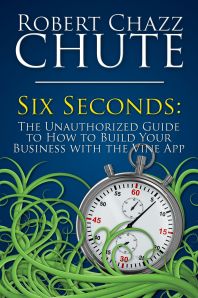
His previous winner was this little guide to Vine marketing by someone or other:

Click it to grab it. Just 99 cents!

How deliciously self-serving.

Congratulations to Kit, of course. Make sure you read all the comments on Joel’s site to cram all that good art learnin’ inside your brain box.

Filed under: awards, book marketing, ebooks, , , , , , , , , , , ,

There’s plenty more to ebook pricing than free, 99 cents or $2.99

See on Scoop.itWriting and reading fiction

When pricing an ebook, publishers should think of innovative models. Here are seven ideas publishers, distributors, and authors should consider.

Robert Chazz Chute‘s insight:

In this post on Digital Book World by Beth Bacon (learn at the link!), she suggests we widen our pricing options and she suggests seven interesting options to consider.


Here are more possibilities I’d add to her list of possibilities to noodle with:


1. Make the first book in a series perma-free. Make each new book in the series incrementally more expensive as the series grows in popularity. Give discounts for batches. For instance, selling Books 2, 3 and 4 at once at one discounted price. Steadily escalate your prices. Fans who get in early pay less.


Or go with members-only discounts for the biggest fans. Reward your biggest supporters who knew you before you were famous with exclusive merch, or behind-the-scenes video of the making of the audiobook.) Chuck Pahlaniuk has his variation of this and it’s called The Cult. Start with Smashwords coupons for discounts to people who love you and who are influencers anxious to spread the good word of your awesomeness.


2. Be less proprietary to gain new readers. For instance, encourage fan fic as the author of Wool does. The theory is that, instead of diluting your work, he’s creating a larger funnel. The hypothesis has already proved mind-rippingly successful with a lesser book. That’s how Fifty Shades started out, so that’s not as crazy as it may sound.


3. Get into more channels and generate more income streams (and produce more faster) with co-authors and crowd-sourcing. 

Good example: Hit RECord because the tone set is open-eyed, cooperative revenue sharing. More of these sites seem to be popping up. Bad examples: James Patterson and James Frey, because the tone is usery and cynical opportunism.


4. Charge readers less on Amazon because the big dog sells more. This one will drive someone insane with rage. However, flawed channels, small channels or channels that are more difficult to publish to take more time and energy from the author/publisher with fewer positive results. Make consumers pay a premium for the trouble and inconvenience. Those that do pay a higher price might make it worth your trouble. (I’m looking at you, Apple.)

I admit that many authors will hate this idea, scream about punishing consumers, hurting ourselves and so on. However, if you call it "split testing", suddenly it will sound entirely reasonable. Reframe the practice and you’ll sound stupid if you don’t do it.


5. Broaden your platform with more free or cheap, but very short, ebooks as introductions and samplers. I’m thinking of "The Universe Doesn’t Give a Flying F*** About You" by Johnny B Truant. It’s worked for Truant to gain subscribers to his email list and expand his readership and brand awareness.


6. Expand your readership by combining catering to niches and repurposing material. I’m considering this with an upcoming title. If done carefully, I’m thinking this could work very well. Suppose you have a romance: Our Summer in Paris. Now suppose you introduce supernatural elements and werewolves: Our Summer in Paris WEREWOLVED!


7. Unpublish books. Somebody just fell on the floor, but pull your iPad closer, breathe deeply and reconsider: Scarcity provides value.


Suppose you have more than fifteen books/short stories on your channel’s sales page. Many regular readers here would qualify. Sure, they’re all gems to someone but they don’t all sell as well and your less popular books are making it hard for casual browsers to find your most popular titles. Clutter slows sales movement and blocks discovery by potential fans. Your fans buy everything you put out anyway, so they already have your old stuff. Encourage sales and get a happy introduction: Take down the old stuff and offer it as a bonus to new readers when they buy your primo stuff.


I don’t blame authors who are resistant to the 80/20 rule, but consider making business decisions rather than emotional decisions to win more readers in the long run. Eighty percent of your sales come from 20 percent of your efforts. Choose wisely.


When you have a carve out a big enough fan base (i.e. Neil Gaiman, Joe Rogan, Kevin Smith) your core fan base becomes your 20 percent and you don’t have to work so hard at gaining new fans. You’ll retire on the fanatics. It’s arguable that, due to market fragmentation, that sort of base-building isn’t possible anymore. That’s an argument for a different post on another day.


Summary: The point I share with Beth Bacon is that we need to be open to price experimentation to find the sweet spot (or rather, sweet spots, since there are likely to be several over the life of each book). There are many more options in pricing and funneling than most authors and publishers usually consider. The ideas I’ve added in the commentary here are my own so if you have heat to give, give it to me here. I’m interested in hearing your thoughts and suggestions for more possibilities.


Learn about Beth Bacon’s thoughts at the DBW through the Scoopit! Link below.


See on www.digitalbookworld.com

Filed under: publishing

Triberr: Problems and Solutions

A kronosaurus, the prehistoric sea monster, ate my blog traffic. Many blog subscribers will already have seen the wonderful and helpful posts listed below (even if I say so,

Kronosaurus queenslandicus

Kronosaurus queenslandicus (Photo credit: Wikipedia)

my own damn self). However, due to some technical glitch with Triberr, a lot of people missed these ChazzWrites.com posts (and crucial extras, like links to my new book sites, ThisPlagueofDays.com and onlysixseconds.wordpress.com or tap the grooviness at CoolPeoplePodcast.com or hear a reading at AllThatChazz.com).

Disaster

I discovered the other day that my Triberr marketing teams haven’t been retweeting my blog posts for quite some time. Curses! Foiled again! What to do? And why is Triberr so important for bloggers, marketers, authors and, ultimately, readers?

Woe

My blog traffic and Twitter mentions had slowed remarkably. I blamed myself for a lack of awesomeness at first, of course. I mean, self-loathing? That’s just what I do! However, I put my head down, close to the keyboard, and tried to double up on the awesome. When that didn’t work, I began to look for other reasons for the aching distance between me and the popularity of Dos Equis’ Most Interesting Man in the World. Perhaps the new cologne wasn’t working out? Then I discovered the Triberr problem.

Frustration

I’d been diligently retweeting the best of the tweets from my tribes (and I’m in awesome tribes with wonderful bloggers and writers). However, my blog posts weren’t getting sent out to their followers in turn.

As soon as I discovered the problem was somewhere in Triberr settings, I tried to solve it myself. Result: Failure.

Then I asked for tech support from Triberr. I received no response.

I waited several days, became impatient, sent another plea for help and…still didn’t hear from tech support.

Then I figured out what was missing and finally fixed it myself yesterday.

However, I come to praise Triberr, not to bury it.

This is not an indictment of Triberr, but when it didn’t work recently, the social media marketing tool certainly showed me its value. Good posts get more hits, anyway, but they get even more traffic with a boost from Triberr. Without Triberr, I’m not spreading the word as effectively. With Triberr, my reach is, theoretically, 6 million people plus whoever the 6 million retweets to. That’s a lot of eyeballs coming here to taste my flavor, fall in like, buy some books and tumble into full-force love. 

Now that the problem is fixed, my traffic stats are bouncing back up. My Twitter connections are ablaze again. Soon, this very post will be sent out through the cyber-ether by my tribes and who knows where it will land, or how many new subscribers and Twitter followers I’ll gain? (Crosses fingers, strangles a mime for good luck.)

People appreciate value and boy, do I try to give it. However, hiding our lights under  cliched bushels and waiting for it to happen magically and organically doesn’t help new readers discover us quickly. Triberr gives more people the chance to fall in love with what we can provide. Where else are you going to read about publishing and mime-stangling? See? I’m so unique.

Triberr helps.

And usually? Triberr works

.

In case you missed my redesign of this blog, thoughts on optimizing books and sales, podcasts, announcements and changes in publishing strategies, here are some those articles. Also, please enjoy the odd mime-strangling. (Don’t do it every day, though. If it’s every day, it’s not a treat.)

Odd and Unfamiliar Literary Genres

Book Marketing Problems and Solutions

Amazon Goodreads. Mostly? So What? 

How to End a Chapter: Shorter Chapters, Better Books

On Writing Well: The Challenge of the Slow Open

Ebook: What Makes a Good Cover? What Makes a Bad One?

Rebelmouse: How I got all my blogs and podcast on one glorious page

The All That Chazz Podcast: More Fury

Amazon Throttled

Getting a Bigger Boat: Adapting to be a More Effective Publisher

Writers: Shorter is Better

Blog Comment Rules and How to Become Batman

What Jedis Know About Fear

Author Platform: Problems, Solutions and Stuffed Speedos

Filed under: blogs & blogging, book marketing, ebooks, publishing, Rant, Triberr, Writers, writing tips, , , , , , , , , , , , , , , , , ,

Changes to Barnes and Noble’s PubIt! – Yikes or Likes? » Book Promotion . com

See on Scoop.itWriting and reading fiction

What does the change from PubIt! to Nook Press mean to you, the author? Barnes and Noble is taking on Amazon and Apple.

Robert Chazz Chute‘s insight:

In an effort to be more competitive, Pubit! becomes Nook Press. There is concern about some of the terms. Some authors have decided to pull their books from B&N rather than come under Nook Press’s TOS. Holly Lisle also raised concerns about them changing your book cover on you. I’m reserving judgment until I see them in action. 


As soon as Amazon bought Goodreads, there were cries across the Interdom that Amazon’s competitors should have bought GR instead. I’m sure Nook Press was in the works long before the Amazon/Goodreads deal came to pass, but I do wonder if Amazon’s competitors will be spurred to more action. 


For instance, as KDP Select’s value has devalued, perhaps they could offer terms and promotions that can do KDP one better. I’ve been screeching for a long time that somebody should be copying Smashwords in one respect: Give us codes for coupons so we can promote our books more effectively.


No, no one listens to Chazz, but I’ll be uncharacteristically optimistic here and say I think we will see more change and better offerings in the near future. Whining about Amazon’s domination hasn’t helped, so perhaps competitors will do more of what is effective: adapt and actually compete instead of complain.


Learn more at the Scoopit! link to BookPromotion.com.


~ Chazz

See on www.bookpromotion.com

Filed under: publishing

Travesty: The Slate Culture Gabfest “bludgeoned” by books

Bad news

Some people have committed to never buying another book again. Their e-readers are stuffed full of all the free books they could load. They’ll probably never get to most of them. Downloads do not equate to reading. When they do give your book a chance, some nasties are predisposed to one-star reviews. They’ll give your books less of a chance than you dare hope. They’re far less invested in reading it because they’ve got way too much to read already. And “How dare you attempt to entertain me for free!”

It gets worse…

From several literate sources, I’ve heard intellectual folks complain about having a book recommended to them. On the Book Fight podcast (which I generally enjoy), the hosts — who honestly love literature! — talked about recommendation fatigue. Attempts to share the glory of a good story might be viewed with a cynical eye over there. Instead of an open hand of welcome for a recommendation, book boosters can expect to be seen as mindless parrots and promoters. Holy crapballs! These guys write and teach writing. Maybe they’re tired. One host yearned to have a job fixing cars instead of writing for a living. Somebody needs a vacation, or to remember how much hard labor can suck. This? From people who love literature?

But it gets much worse…

The Slate Culture Gabfest, a podcast you’d hope wouldn’t have room for cynicism, is not a safe space for books. You’d think people who talk about culture professionally wouldn’t be so disengaged and full of resentment when book recommendations come their way. One of the hosts even said they were less likely to read a book because someone suggested he should. I guess host Stephen “I hate everything but the counter-intuitive” Metcalf is past the giddy burble some of us feel as we read a book that genuinely excites us.

You know that feeling, right? When you consciously slow your reading to make the experience last longer? Remember those books that disappoint, not because they’re bad? Remember those books that, as you close them, it feels like the last roller coaster ride of the day is over and the amusement park’s closing up for the night?

Someone’s forgotten that wistful love. The three Slate podcasters felt “bludgeoned” because they got too many recommendations. (From here, that sounds like they’re complaining they get too many valentines.)

How’s their wariness and weariness working out for them? So far, they’ve successfully avoided A Visit from the Good Squad by Jennifer Egan, or any Barbara Kingsolver or any Alice Munro. This, from culture critics. Culture is their business, but I guess that’s no reason to get too bookish about it. Let’s nerd out over Michael Cimino’s Heaven’s Gate, instead. Lord knows that poor director never had his proper shot at fame and fortune. I guess I won’t hold my breath for them to give Bigger Than Jesus a go.

Where does that leave authors who don’t get to meet Stephen Colbert on their fabulous press junket?

(Hat tip to Slate’s Emily Bazelon. I still love you, Emily.)

Stuck in the desert with a cactus in our ass is where that leaves us. You can pump your books on Triberr and Twitter and Facebook and pay for all the advertising you can afford, but some people who review books are overstimulated and it seems to have soured their milk. One of the Book Fight guys suggested that if you hardly ever recommend a book and then you finally do, he’d give that recommendation more weight. That paradigm doesn’t fit into most authors’ promotional campaigns very well, does it?

That last point struck me as particularly disagreeable this week when I ran across a brilliant author who does no promotion. I won’t embarrass him here (but I’ll promote him later). For the purposes of this post, I’ll simply say that being brilliant might get you readers in the long-term, but he isn’t getting the attention he deserves without promotion. A good marketer who writes will outpace a better writer who fails to market well.

Slate’s jaundiced eye toward any recommendation I could make suggests his brilliance will stay a secret. The gatekeepers to publishing have been sent into the forest to learn other trades and reinvent themselves, but there are still gatekeepers to publicity and attention. And they are sick of us, no matter how casually and sidelong our book recommendations.

How am I going to pull this post out of its dive into a dark, hard place?

This has been a test of the emergency broadcast system. If this were a real emergency, everybody would feel this way about book recommendations. However, there are still plenty of readers who are not fatigued and may even thank you for reviewing and sharing. They might love our books. I sure hope they love mine. When you get depressed about people who seem predisposed to ignoring our efforts (or even despise us, our silly dreams and possibly even our dogs) focus your energy elsewhere. Continue with the quixotic! Quixotic is the most noble category of quests.

Now please go write something the critics can’t possibly ignore.

Or go write something someone will dare to recommend to someone, with shamefaced humility,

in a passive way that somehow won’t erect some critics’ inborn defences against a kind suggestion.

(And don’t tell them what kind of day to have.)

Filed under: book marketing, Media, Publicity & Promotion, publishing, readers, , , , , , , , , , , , , , , , , , ,

Odd and unfamiliar literary genres

My luckless hit man is a funny guy in big trouble.

My luckless hit man is a funny guy in big trouble.

People argue plenty about genres. Is Literary Fiction just another genre or The Standard? In an age of ebooks and fewer bookstores, must we be so strict about classifying genre? When is cross-genre going to get more respect? When will hardboiled come back? Why isn’t funny neo-noir bigger?

Okay, those last two are more personal to me because of my crime fiction friction (and the first question is a snob test. If you answered “The Standard”, get out.)

Let’s talk about literary genres you probably don’t think about much (yet): 

Boomer lit

Claude Nougat introduced me to Boomer Lit with A Hook in the Sky. Tailoring fiction to an age-related niche is an interesting idea. Can Zoomer Lit be far behind?

I picture further fragmentations: Debt Lit for the trials of our depressed global economy; Sandwich Lit for the generation stuck between supporting their parents and their children; Hack Lit for needful cottage-dwellers in the cottage industry of electro-self-help in an e-commute/quasi-agoraphobic Internet world without trees.

This is worth considering:

If you can identify an audience, you can create a genre. If you can create a genre, or at least put your stamp on it, you could sell more books.

Click it to get it.

Click for suspense and hilarious frivolity in Self-help for Stoners.

Case in point: Self-help for Stoners.

Zombie Erotica

Warm Bodies introduced this idea to me. Jay Wilburn discusses this genre  further on Armand Rosamilia’s blog. Creeps me out, though I guess The Corpse Bride gave it juice and Frankenstein originated it. We romanticize the dead  all the time (Marilyn Monroe, Jack Kennedy, Marty Feldman.) 

Cropped screenshot of Marilyn Monroe from the ...

Cropped screenshot of Marilyn Monroe from the trailer for the film Gentlemen Prefer Blondes (Photo credit: Wikipedia)

But sexualizing zombies? Hm. Could be a tough sell to a broad audience (depending on initial hotness, location of mortal wound and room temperature). However, we don’t need a broad audience. We need an identifiable and reachable niche of fans, fanatics and possibly freaks.

New Adult

For post-adolescent readers aged 18 to 30 or 18 to 26 (depending on whom you ask), this is mostly for those readers who are finding their way to their quarter-century life crisis. (Don’t wait for a mid-life crisis! Get started young when you don’t understand how little you really have to complain about! You still have so many crises to look forward to!) Click here for a list of popular New Adult reads on Goodreads.

New Adult is a very welcoming genre in that you can stick zombies or aliens in there, too, if you want. It’s typified by its target age-range and less by its subject. A popular misconception is that New Adult is for sub-literate people who don’t like to read. That’s not how people who write New Adult describe their work, so we shouldn’t, either.

Lad lit

Not a new genre but under-appreciated and not near as popular as Chick lit. This is fiction about young men and their lives, sex lives, failures and aspirations. It would be bigger if more men read books. Nick Hornby was crowned King of Lad Lit (by someone or other) with High Fidelity. I like High Fidelity the book, but I love High Fidelity, the movie. FYI: John Cusack is a demi-god. Also, we watched the credits to find out who that awesome young unknown was. It was Jack Black. His singing at the end of the movie was so awesome, we thought he must be lip-syncing. Nope! And that’s how I became a Tenacious D fanboy.

Dystopian versus Apocalyptic and post-apocalyptic:

A cross-genre flurry about  society's collapse under the crush of the Sutr Virus combined with a boy's love for odd words, Latin dictionaries and his father.

A cross-genre flurry about society’s collapse under the crush of the Sutr Virus combined with a boy’s love for odd words, Latin dictionaries and his father.

I include these three not because they are new or all that odd, but because they are often confused.

Apocalyptic is The Big Bad Thing that’s coming to kill us.

Post-Apocalyptic is how the few survivors deal with The Big Bad Thing. 

Dystopian comes after the fallout from The Big Bad Thing, when it becomes The New Normal. Like George Orwell’s 1984. Or getting felt up by the TSA.

~ The events in This Plague of Days, my coming coming-of-age Aspergers plague thriller, occur as society collapses. Things go from apocalyptic to post-apocalyptic. If the series sells enough books, we’ll get to see how the world devolves into a dystopia. I’m looking forward to finding out, assuming the real world flu pandemic doesn’t kill us all first. This Plague of Days launches at the end of May. To find out more, go to ThisPlagueofDays.com.

Filed under: author platform, book marketing, Publicity & Promotion, publishing, readers, This Plague of Days, , , , , , , , , , , , , , , , , ,

Bestseller with over 1,000 reviews!
Winner of the North Street Book Prize, Reader's Favorite, the
Literary Titan Award, the Hollywood Book Festival, and the
New York Book Festival.

http://mybook.to/OurZombieHours
A NEW ZOMBIE ANTHOLOGY

Winner of Writer's Digest's 2014 Honorable Mention in Self-published Ebook Awards in Genre

The first 81 lessons to get your Buffy on

More lessons to help you survive Armageddon

"You will laugh your ass off!" ~ Maxwell Cynn, author of Cybergrrl

Available now!

Fast-paced terror, new threats, more twists.

An autistic boy versus our world in free fall

Suspense to melt your face and play with your brain.

Action like a Guy Ritchie film. Funny like Woody Allen when he was funny.

Jesus: Sexier and even more addicted to love.

You can pick this ebook up for free today at this link: http://bit.ly/TheNightMan

Join my inner circle at AllThatChazz.com

See my books, blogs, links and podcasts.

Enter your email address to follow this blog and receive notifications of new posts by email.

Join 2,063 other subscribers