C h a z z W r i t e s . c o m

See all my books at AllThatChazz.com.

The Jerry Maguire Moment: What is your blog’s mission statement?

I had my Jerry Maguire moment

Mission Statement

Mission Statement (Photo credit: Wikipedia)

(and yes, I know that didn’t go well for him in the short-term).

Ask yourself:

What are you trying to achieve with your blog?

Is it a blog or a blahg?

My mission at ChazzWrites.com is:

1? To inform readers of this blog about self-publishing, to the point where we and others think of self-publishers simply as publishers.

2? To make you chuckle here and there as you read so you’ll keep reading. (Failing that, we’ll murder a mime, which is always good for a chuckle.)

3? To raise all indie author boats, I promote fellow authors and spread the word about their books, their links and their awesomeness.

4? To swell the how-to tide of practical knowledge about writing, marketing, and promotion for success in independent publishing.

5? To bring the obscure but deserving into the light so they may be found by a happy readership. (Yes, damn right I’m obscure but deserving, too!) 

You ask yourself: Why the question marks after the five points of the mission statement? Is that a strangely persistent typo? No. I did that because Number 1 is not always going to be Priority 1. Sometimes I just provide an informative link and shoo you away elsewhere to gulp down factoids, nuggets and precious how-to wisdom. Sometimes I want you to curl up closer to my fire and feel the warmth of my heated rants. Often, I try to combine these five elements in one post. Sometimes I’ll just kill a mime for the heck of it.

The only thing that’s continuous through every blog post is this:

I try to do what Spike Lee requires of all of us in the movie Do the Right Thing.

I try to do the right thing.

Filed under: publishing, , , , , , , , , , , , , , , ,

Expected Costs

See on Scoop.itWriting and reading fiction

The first chapter was “The Early Decisions” which included picking a business name, setting up checking accounts, and so on. There were no real costs at all in those early steps unless your state had a small fee for registering a business name. Checking accounts are free, so are PayPal accounts, and so on.

So, the question on this second basic business-planning chapter is: “What are your expected costs?”

For those of you with a basic understanding of business, you can now see the structure of how I am setting up these chapters. Before starting into a business, there are certain things that need to be figured. Set-up costs, projected production and business costs, and projected income. You have no real data on the costs or the income, at least not accurate data, but anyone with a lick of sense who is starting a business will sit down and try to figure these factors out to some degree.

It would seem that expected costs should be tough to figure. But actually, in this business, they are not. At least for most levels. It just will take a little homework is all.

So, let me first divide this discussion into three major areas.

Cost in Money.

Cost in Time.

Set Costs.

All three areas are critical to figuring overall expected costs of producing a product.

In the first two categories I’ll divide the discussion down into three major ways of running your company: 1) Do All Work Yourself. 2) Do Some Work Yourself, and 3) Hire all work done.

And, of course, the categories cross over. If you find your time more valuable than your money, then hiring things done will be more of an option. And so on.

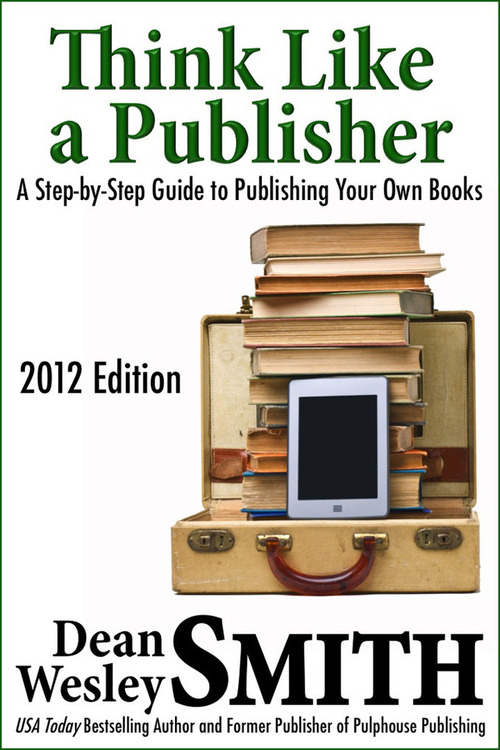
There’s much more useful information in this article on Dean Wesley’s Smith’s post.

Read on at this link:  www.deanwesleysmith.com

Filed under: publishing, , , ,

How to Use Google Search Stories Video: Watch me be the drama king!

Google Logo officially released on May 2010

Google Logo officially released on May 2010 (Photo credit: Wikipedia)

You’ve seen how Go!Animate works in the previous post. Now check out Google Search Stories. This is free video software that’s even easier to use than Go!Animate. You’re telling a story with images, news, maps,

google searches and books (yes, books!) This could be a very useful promotional tool for indies when used correctly.

Easy to do: plug in search terms, tell your story creatively, add music, preview and publish to YouTube. And free.

Click here to see my Quit My Day Job post and Google Search Stories video. 

The link to make your own Google Search Story is at the bottom of the video post on my author site.

Filed under: publishing, , , , , , , , , , , ,

Use GoAnimate to spread the word about your book

Go!Animate is a free YouTube program that allows you to make short cartoons quickly and easily. You can pay a little more to make it more complex, but it seems much cheaper than several of the other video animation options. Here’s my little cartoon I experiment for Sex, Death & Mind Control now posted to the world on YouTube to promote my author site AllThatChazz.com. It’s not perfect, but it was a first attempt and only took a few minutes. Something to consider. I know I’ll play around with it further for future book promotion projects.

Filed under: publishing, , , , , , , , , ,

The Writer’s Challenge in 4 Simple Steps

Keeping with the theme that’s emerged this week, I just read an agent blog espousing why we should want to be traditionally published. I found myself rejecting most of her points easily. Validation? I can get that straight from readers. Marketing? Unless you’re Stephen King, very little is spent on marketing and I can do the promotion myself, just as they’d expect me to do with a trad contract (for free.) Partnership? Working in traditional publishing is not a partnership. Editors? I can hire editors. I can do just about everything a regular publisher can do because I am a regular publisher! (Get it?) I just happen to publish myself. Yes, I wish I had more resources, interns and more time in each day and it would be great to have the help, but I don’t have to give up the rights to my books forever to do that.

The article went on and some of the comments were misinformed and dismissive. I became exasperated because all this stuff is too familiar. I heard it in my twenties when I worked inside traditional publishing: Pay your dues, make your bones, and wait, wait, wait! We’ll value your opinion some day. Maybe.

I’ve promoted indies and traditionally published authors. I know going indie isn’t for everybody just as trad publishing isn’t for everybody. Circumstances change so we do switch back and forth. We’re all writers. We should strive to support each other because it’s a harsh world and we can each share information to become the tide that raises all boats. We are undervalued but we can value each other, respect the craft, respect the reader and respect ourselves. At least some of the people who say, “Wait, wait, wait,” are self-serving or past their “best before” date. Fortunately the world has changed and we don’t have to let someone else drive this bus and go where others want us to go. We can drive now, too.

And then I thought how tired I am of the trad vs. indie discussion and whom does it serve? I’ll do no more research today. I will not wallow in negativity. I’ll go write something great, work on my books, be the example and prove the naysayers wrong.

Trad or indie, that’s my challenge to you today:

1. Go write something great.

2. Work on your books.

3. Be the example.

4. Prove the naysayers wrong.

Filed under: publishing, , , , , ,

Mad as Hell! Huge Problem with the Book Pricing Options!

Via Scoop.itWriting and reading fiction
We’re always talking about self-publishing ebooks here, but what about paper books published independently. At WDLady’s The Nightmare Never Ends blog, she details her trials in dealing with CreateSpace and paperbook pricing. Check this link for more (and some cool illustrative cartoons.) ~ Chazz    

This is me calling the Createspace Support Representative about my book pricing options…This is me finding out that I’m going to be making -$2.13 for a book that’s $4.99…

Via wdlady.wordpress.com

Filed under: publishing, self-publishing, Useful writing links, Writers, , , , , ,

What moves books? And what is ‘Parketing’ anyway?

Successful book marketing campaigns often do a lot of things at once, especially at first, before awareness of your book grows. Author Jeff Bennington, for instance, has noticed that online marketing of his books takes an hour out of each day or sales begin to dip. (More on getting you and your books’ global fame in a minute, but first let’s talk attitudes, parketing and my terrible personal deficiencies as a book marketer.)

Someone’s already saying, “An hour a day? Who has that kind of time? When will I have time to write?” You’re an artist, but you’re an artist in business. Businesses need to advertise. You’d make time to send out invoices, so make time to make people aware of your books unless you’re content writing for yourself and your kids. (Fortunately, lots of online marketing is cheap, free and fun, so there’s that.) Down the road, once you reach critical mass, maybe you’ll be able to get away with doing less marketing, but I doubt it. Coke still advertises. Manage your time and make it work.

Here’s one cheap way to promote local awareness of your books: I first heard of parketing (though it wasn’t called that then) at a writers’ conference three years ago. The marketing guru fired lots of ideas at us: blogging, tweeting, podcasts…the usual, though it was all newer, scarier stuff then. Then the guru asked, “How many of you have a car magnet advertising the cover of your book?” Not a single hand was raised, of course. The marketing guru snarked, “Yeah, why would you want to let anyone know you have a book for sale?” Park your car where lots of people will see it with your lovely book cover on it and voilà! That’s parketing.

It’s a digital world, so old-school attempts to market a book are often overlooked, often with justification. However, you may want to consider parketing in certain circumstances. This is one of those advertising strategies that has “short term” written all over it. It could work for the short term because no one is doing it. No one is doing it because your first reaction is that it sounds silly or maybe even naive or worse, beneath your dignity. If you habitually park your car in a high-visibility area (say, outside a bookstore at the mall) it sounds a little less silly. When you consider the number of businesses that do advertise this way, successfully, it sounds even less nuts. If your pockets are shallow, you can still do this. I got my car magnet from Vistaprint for less than $20.

Parketing works much better if you’re prepared to ask a bunch of friends to put car magnets on their vehicles, too. If your pockets are very deep, you could even go for the full paint job. Do that and you’ve got a marketing campaign started in your city and the basis for a press release to local newspapers and magazines. Sure, we market our ebooks globally, but we shouldn’t turn up our noses at getting noticed locally. That’s one way to get critical mass going. People in your own city, especially media, are more interested in local authors because they have a sense of ownership and familiarity with local authors. There’s a business in my city that seems to be everywhere because each employee gets a free paint job on their vehicle advertising the business. Everywhere they drive, they are advertising. It’s not that large a company (or even a particularly good one), but their ad-plastered cars seem ubiquitous, reminding everyone daily, “Here we are!”

The ad on my van gets attention because it’s just so damn weird. There is surely not another author advertising his or her book with a car magnet for hundreds of miles, so people slow down to read it. I’ve watched them slow down to look. Has it translated to sales? I don’t know. It’s just one car magnet for one book, but I do know people are reading the ad. For me, this little strategy is really  just about promoting awareness so I get my name familiar. For what I spent, I’m okay with that. We gravitate toward the familiar, buying name brands instead of the unknown product (which could be just as good or better but you don’t recognize the label.) When I shop the local Asian food market, I’m actually physically uncomfortable with the cans of unknown weird stuff even though I know it’s not weird. It’s merely different. (I’m weird.)

It’s all the other stuff I do that will make the difference in the long term. There is no one way to move books. Online marketing is going to do much more  because it’s everywhere. For instance, I’ve been on the air, or talked about, on six different podcasts recently (besides my own weekly podcast). That will go a lot further toward gaining some vague familiarity with my name as an author than a car magnet will for one book. Plus, I love podcasting, so I’ll always have that.

Have you guessed this post is not really about putting a magnet on your car? It’s about using multiple strategies to get attention to your books. Marketing campaigns that are single-pronged attacks do not move books. Try a lot of things, even the weird ideas if they make sense to you. Experiment and have fun with it if you can. Try to get your name out there, arriving from several places, preferably at once. We must reach outside of our circles of family and friends to move books.

I’m often reluctant to try new book marketing  strategies until I see them tested by others. That’s why I missed out on the benefit of KDP Select while some others made whacko cash last December. I haven’t jumped on Pinterest because I read one blog about their scary terms of service. These are my deficiencies. I’m often too timid about doing things that are good for me. Everything new feels weird at first. Unfamiliar doesn’t mean wrong. Unfamiliar simply means unfamiliar. In our marketing efforts, should we proceed with caution? Sure. Don’t get taken,  but do proceed and make progress.

What are the book marketing basics? Write a good book. Get it edited. Get a great cover design. Price it right. Yeah, yeah, yeah. You know all that.

What then? Then go buy my buddy Jeff Bennington’s new book, The Indie Author’s Guide to the Universe. I’m reading it right now and I especially like the things you can do to sell your books that are free. Let him show you the way forward. The best marketing strategies are not static. They come and go and rise and fall so we have to stay current and open to experimentation with new opportunities as they arise.

That’s what I’m trying to do, anyway, and that’s what this blog is about.

~ Robert Chazz Chute is the author of a bunch of great ebooks of suspense with titles he now realizes generally repel you. He podcasts a comedy/narrative show, Self-help for Stoners, every Thursday night. To learn more, go to AllThatChazz.com.

Filed under: ebooks, Media, My fiction, podcasts, Publicity & Promotion, publishing, Useful writing links, web reviews, What about Chazz?, What about you?, writing tips, , , , , , , , , , , , , , , , ,

Self-publishing: The gold rush is not over. Believe.

Logo of LIFE magazine.

Image via Wikipedia

A couple of indie publishers have expressed concerns about the whole self-publishing venture lately.“Concerns” is too weak a word. They’re talking like the self-publishing revolution is over and already lost, an infant succumbed to Crib Death. It was, they say, a gold rush and only those who got in early with paranormal romance and lame thrillers made it big (or at all.) As I embark on a new career in self-publishing, it’s pretty scary to hear people you respect talk like they might fold their cards and curl up like cute little hedgehogs poked with a stick.

Writing a great book is always the main problem. If you don’t have that, there really is no hope. Then there’s the problem of obscurity. How will people find your great book? The easiest way to be a bestseller is to already be a bestseller, so that’s no use to most of us. What to do? Nobody knows how to make anything “go viral” unless it involves a basket of kittens in danger of being crushed by an anvil. (You wince at that image, but you’d click that link on YouTube, if only to express your outrage.)

Self-publishers must believe in themselves and their work, especially when it is unreasonable to do so. To be heard, to go viral, to get any attention at all, we must engage with others, often individually. Such promotional activity eats up a lot of time, but I don’t know any other solid way to do it. (Actually, I do have some other ideas I’m acting upon, TBA soon.)

If your self-publishing strategy isn’t working, you’re going to have change your strategy. Evaluate what you’re publishing and then evaluate again. Do your covers suck? Are you publishing to your taste without regard to your audience? Do you have an identifiable audience you can reach out to? What do you have to do differently to make this crazy Scooby Gang scheme work? (Hint: It’s not what you have been doing, more and louder.)

If you don’t find that hope you once had, what will you do? Take up selling real estate and self-loathing? No. We write because we must write. It wasn’t really a choice. Giving up and doing something else is a choice, but if you’re here, the writing bug sank its fangs in early and that burning venom never leaves the body.

No whining or blaming. I’m sympathetic to problems in self-publishing, of course. I was in traditional publishing for years, sold a lot of books for others and eventually got fed up with the hierarchy. Now that I’ve switched to self-publishing, it’s all shiny and new and I’m full of foolish missionary zeal and silly hope and I haven’t been worn down by grim reality yet. I get that. But what are the alternatives to getting fatigued by the Sisyphian task of promoting your books in an environment where most people think your babies are ugly and your promotional efforts are spam?

Start with unreasonable hope. Move on from there to taking a refreshing break (possibly with peers over scotch) and some reevaluation time to figure out how you’ll change your game. Don’t put down the slush of ebooks that obscure your precious work. Rise above it by being just that damn good. If what you’re doing isn’t working, find alternative paths to indie success. Retitle your book to something catchier. Get a power endorsement from someone you might now think is inaccessible. Figure out what successful people are doing and model your strategy on theirs.

I haven’t sold a lot of my books yet. I’m maintaining the delusion that I will until I make these lies I tell myself true. Steve Jobs had a Reality Distortion Field to motivate himself and others to believe they could accomplish big things. We need to energize our own Reality Distortion Fields. That’s what gets this crappy reality bent to the reality you want.

Comfort yourself in knowing that the gold rush isn’t over. It’s barely begun. When I go out in the world with my Kindle, people still slow down and say, “What’s that?” Last Christmas, readers got a big boost. There will be another big boost this Christmas in e-reader sales. Buck up. Believe.

Remember when you started self-publishing and were innocent of the struggle? Find that person in the mirror. You’re going to need him or her to face getting that big rock up that big hill. If it be a failure, make it glorious so you’ll know you really tried. The most powerful words I know are, “Begin again.”

If you’re indie, you are not a cute little hedgehog.

You are a lion.

Click here to get your free sample of Self-help for Stoners, Stuff to Read When You’re High

Filed under: DIY, e-reader, ebooks, getting it done, self-publishing, What about Chazz?, , , , , , , , , , , , , ,

On judging books by their covers

Thank you to everyone for your input on the covers for my book, Self-help for Stoners, Stuff to Read When You’re High (available on all e-readers Nov. 1, cha-cha-cha!)

The input has been put in. By a huge majority, the votes are for the bright orange cover (below). When it’s on a shelf, digital or wooden, it will stand out. It was an interesting experiment to see how people reacted to the covers. The happy thing is that, even among people who weren’t so sure about the orange cover, most of them still thought that cover could be effective. The other aspect about book cover colors is a little more inside baseball: The rule of thumb is that, unless it’s a golf or gardening book, green covers don’t sell very well.  (It’s one of those weird little details I learned from the Banff Publishing Workshop. It was reinforced by years of selling books for multiple publishers. I’m not sure about much, but that tidbit is pretty consistent except for The Celestine Prophecy.) 

Soon you’ll be hearing from my graphic designer, Kit Foster of www.kitfosterdesign.com. Kit’s a novelist, too, and very talented. Someone told me the other day how impressed he was with Kit’s covers. They do look like they’re from a large publishing house, not my tiny kingdom of Ex Parte Press. We’re all told we shouldn’t judge a book by its cover, but we all do. Without a solid cover, no one will pick it up or click on it to discover the tasty treats inside.

The process of working with a graphic designer: When Kit and I started a dialogue about book covers, the arrangement evolved organically. I described what I had in mind and sent him a sample of the manuscript. He suggested a few things and I saw his wisdom and asked for some tweaks. He sent me a cover and we narrowed it down with another round or two or three of tweaks. His input was invaluable. I have no idea how he does what he does and I bowed to his experience with graphics. Even though I have a deep background in selling books, my focus was the words. Kit came up with the images to sell the words. With Sex, Drugs & Romeo, the final graphic is very close to his original proposal. With Sex, Death and Mind Control (for fun and profit), we went back and forth a bit more, but Kit was always patient and helpful. The only element I knew I wanted to keep was the author tag. I wanted it to be consistent across the bottom in cherry red on all the covers so my books would be instantly identifiable for cross-promotion purposes.

Kit’s great at what he does and a photographer friend of mine is also awesome. I’m going to ask them to guest post and drop some science on us about the art of book cover creation. In the meantime, rethink your green cover and ask for a poll from your network of writer friends and readers. People will often help if you dare to ask.

Filed under: Books, ebooks, self-publishing, What about Chazz?, , , , , , , , , , , ,

Shocked yet not surprised: Indigo halves its bookshelf space

Here’s the link to Five Rivers publisher Lorina Stephens’ excellent post on how Indigo is changing its returns policy (45 days and you’re out!) and cutting its space for books in half. So much for anybody whose name isn’t Rowling, King, Meyer and whoever the guy is who came up with Go the F**k to Sleep. This stirs up a lot of questions for people whose names are not those names. For instance, how many scented candles does anyone really need to buy in one lifetime? And how will traditional publishing cope?

For me personally, this is not a big deal because I am not in the least surprised. As I’ve been saying, this is not an if. It’s just about when. Blockbuster is battered senseless and HMVs are shrunk to nubs. I am so the opposite of an early adopter of new tech I’m nearly Amish and I don’t go near the Busted Block nor do I buy CDs anymore (though I understand some people still make them, everybody’s just picking the songs they want off iTunes.) I anticipated this boostore shift and consider it to be The Half-Measure of Doom on the Road to Bookstore Apocalypse.

Ahem. Pardon the hyperbole, but I’ve encountered a bunch of resistance from people who are convinced that my sole focus on ebooks was career suicide. No matter what I said, the doubters were sure a book had to be in a bookstore to be “real” and “worthy” and “made of paper and stuff.”

And I said, “What’s a bookstore?” Now I’m doing my “Told you so” dance and though I should be ashamed of myself, to be honest, I’m not feeling it.

But seriously, bookstores are literally farther and fewer between. As they cut down on shelf space to make room for doodads to dust, yo-yos and novelty pens, there will be no shelf for indies. You want choice, variety and a taste of the new? Go look online because you won’t find it in a bricks and mortar chain store.

But enough from me and my reactionary delusions of grandeur. Lorina says it all in detail in her usual reasonable, convincing tone, so do go read what she has to say. 

Filed under: authors, Books, ebooks, Useful writing links, , , , , , , , ,

Bestseller with over 1,000 reviews!
Winner of the North Street Book Prize, Reader's Favorite, the
Literary Titan Award, the Hollywood Book Festival, and the
New York Book Festival.

http://mybook.to/OurZombieHours
A NEW ZOMBIE ANTHOLOGY

Winner of Writer's Digest's 2014 Honorable Mention in Self-published Ebook Awards in Genre

The first 81 lessons to get your Buffy on

More lessons to help you survive Armageddon

"You will laugh your ass off!" ~ Maxwell Cynn, author of Cybergrrl

Available now!

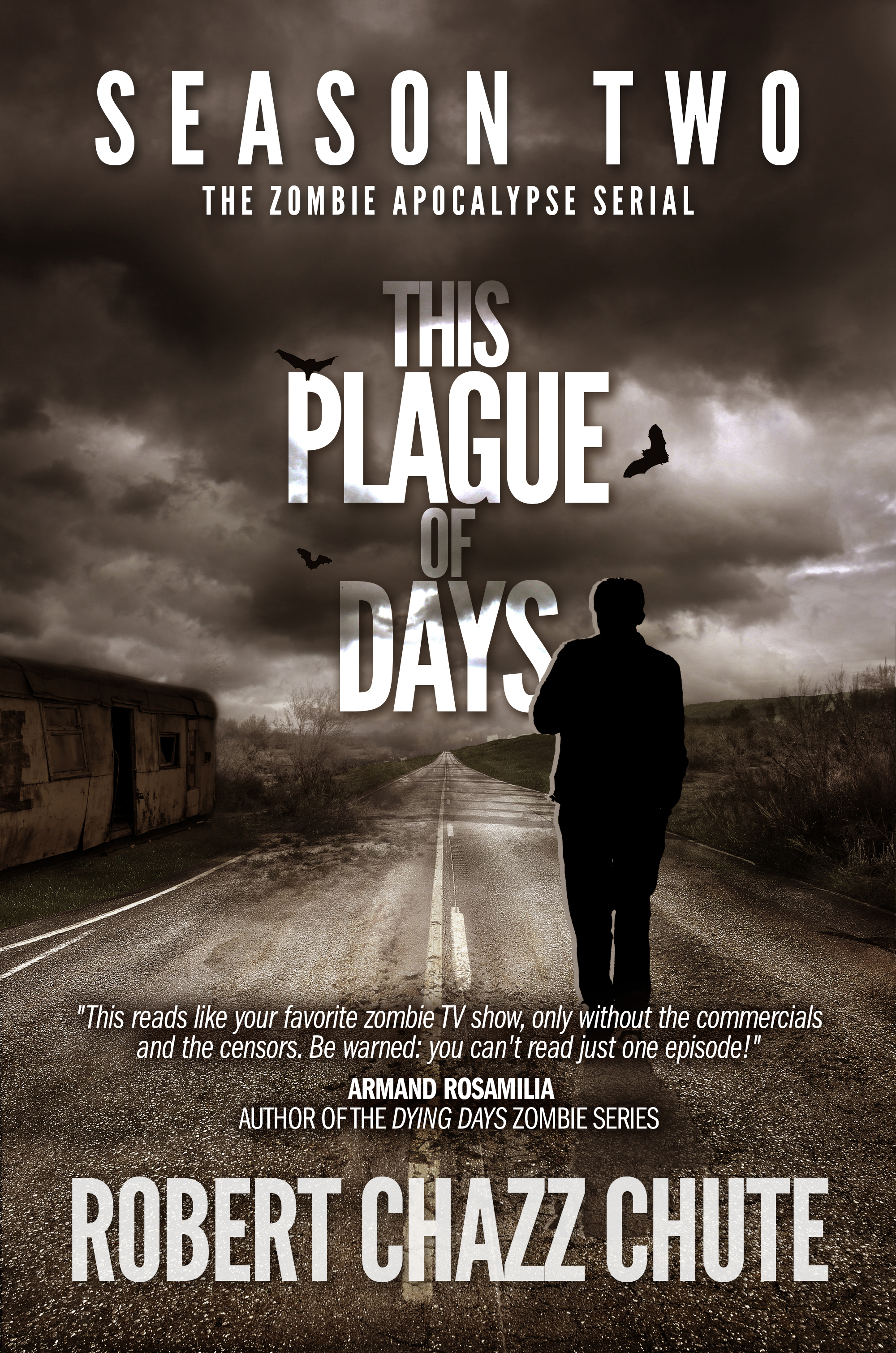
Fast-paced terror, new threats, more twists.

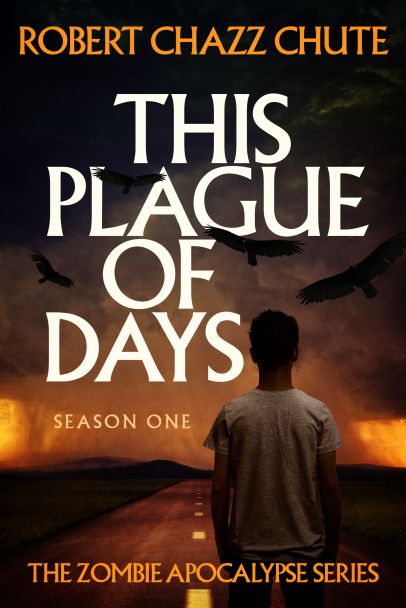
An autistic boy versus our world in free fall

Suspense to melt your face and play with your brain.

Action like a Guy Ritchie film. Funny like Woody Allen when he was funny.

Jesus: Sexier and even more addicted to love.

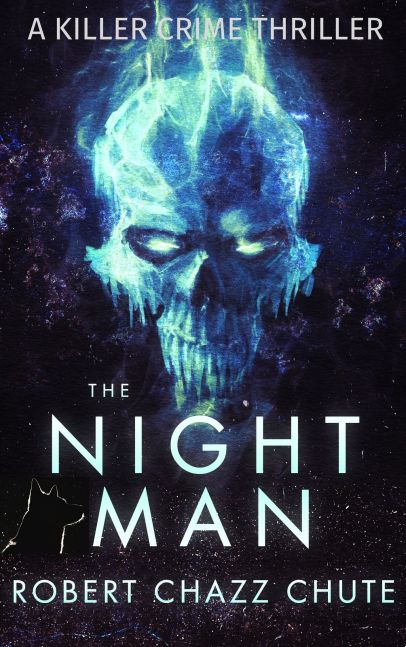
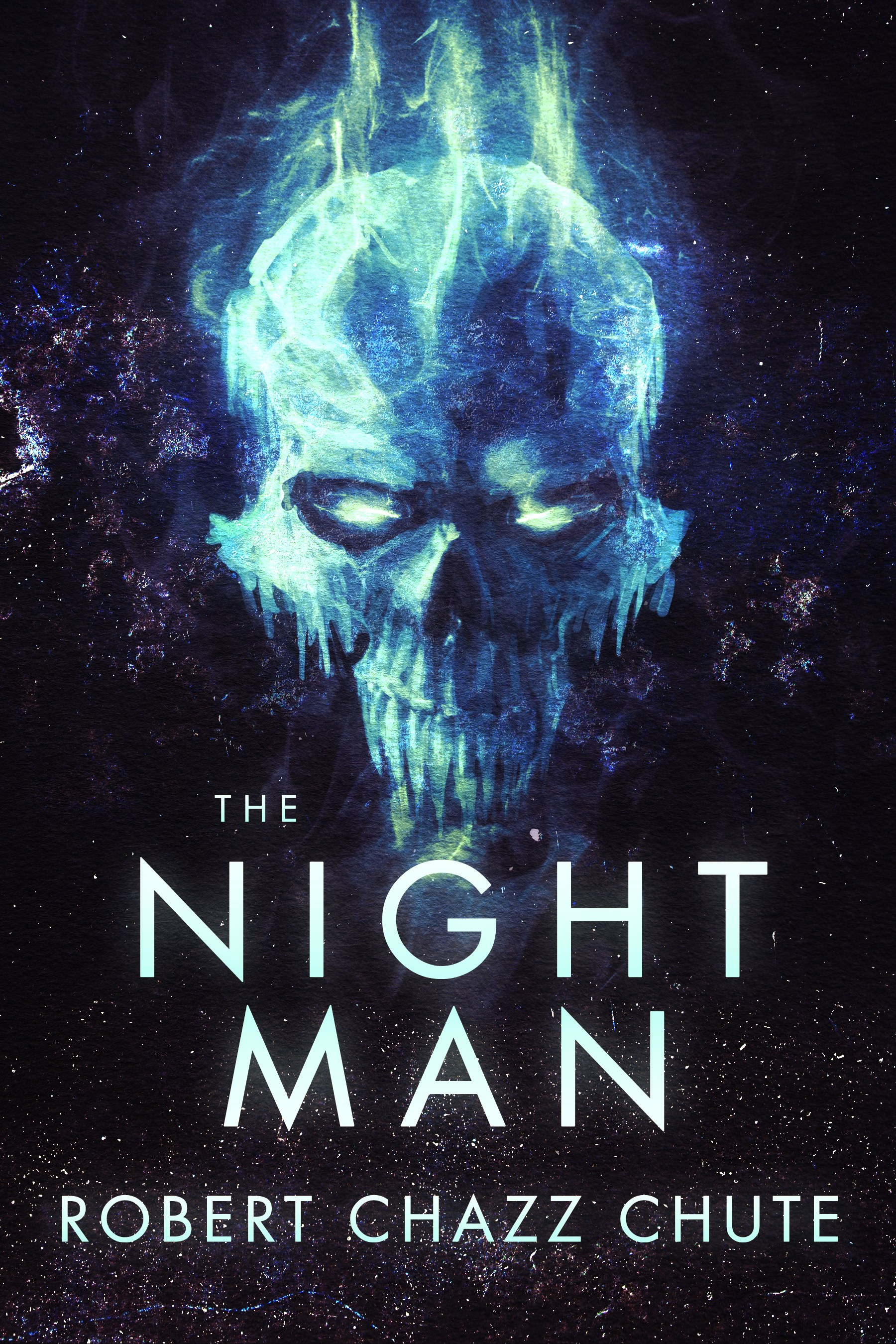
You can pick this ebook up for free today at this link: http://bit.ly/TheNightMan

Join my inner circle at AllThatChazz.com

See my books, blogs, links and podcasts.

Enter your email address to follow this blog and receive notifications of new posts by email.

Join 2,063 other subscribers