C h a z z W r i t e s . c o m

See all my books at AllThatChazz.com.

Call it a Comeback

I am currently on two painkillers, an anti-inflammatory, and a plethora of other herbs and potions to keep me mobile. Insomnia and pain have plagued me. The hip replacement surgery was a success, but now the opposite hip is worse. Another surgery is coming, but in the meantime, here’s what I’ve learned about keeping up the habit of writing.

1. At first? Don’t. Pain can be so distracting that writing is too much of a chore. It’s good to know when to rest. Resting doesn’t mean you’re giving up. You may feel useless for a while. I sure have felt like I’m done and it’s all over, but I’m working my way past that.

2. Pain management requires time and patience. I am not patient, but I know the process. Ask for help. Follow instructions. Ignore the rise-and-grind culture that insists you’re lazy if you don’t push, push, push. That doesn’t apply to you right now (and probably better if it never applies). You are a healing person, not a broken machine.

3. My writing career has taken a hit, but fighters take hits all the time and keep going. Harness the power of positive expectation. Things will get better and/or more manageable.

4. Have a support network. Visits from my son just to watch TV together have cheered me immensely. A phone call, texts, or an email from a friend provide me occasions to rise to. I will complain, but I’ll do so in an entertaining fashion. As per Patton Oswalt: Horror plus time equals comedy.

5. Find distractions and joy where you can, when you can. I’ve been watching The Man from Atlantis, and my God, the bar was way too low for TV writers in the ’70s! The scripts are awful, but Patrick Duffy is blameless, the score is stirring, and the credits are solid. (That’s right. The show is so bad that I have to find worth in the font and color of the credits).

6. Once you’re through the first part of your recovery, explore whatever will prod you back to the keyboard. For me, it’s treating myself to a coffee in the morning. One rule: Can’t have that coffee without working at the keyboard. When I follow that rule, I get writing done.

7. If you can do #6, you’re ready to set a writing schedule again.

8. BIG BUT: It’s a schedule, not a shackle. Maybe you slept poorly, or you’re going through an inflammatory phase. Whatever the variable, be gentle with yourself now. You’re still recovering, so if the pain comes and you can’t concentrate, return to points #1 and #2.

9. Engage with the world beyond disease. Initially, recovery and its troubles were all I could think about. The other day I was writing, and I realized later that I hadn’t thought about my health for almost an hour straight. Last week, the longest I could go was probably twenty minutes. Osteoarthritis is not my entire personality anymore. I can talk about other things. Pain and worry aren’t taking up all my cerebral real estate.

10. Writing is one way I engage with the world. Despite the pain, I’m at Stage 9 today. I went for a limp (not a walk) in the sunshine this morning. I took my meds and bribed myself to get back to my writing desk. My favorite coffee is steaming beside me, and I’m about to disappear into my work in progress.

Good luck with your process, too, whether you’re wrestling with your WIP, your hip, or whatever other ills the flesh is heir to.

~ Rob’s writing again. His current WIP is a tale of vengeance that turns into a lifelong campaign. Read his many books from the links on his author site, AllThatChazz.com.

Filed under: publishing, writing, writing advice, , , ,

Hang Out With Me

I’m on a podcast! This is an instructive listen, but it was also a lot of plain old fun. Sadly, they cut out a bunch of jokes wherein I threatened the hosts. Tell somebody you wish their mother such great health that she outlives her children, and suddenly, I’m the bad guy! Come to think of it, I’m not sure Joe understood I was just joshin’. Alas.

Re-creative has an interesting premise. The hosts speak to artists of all sorts and discuss their influences. Of course, we have so many influences. I’ve got Stephen King for plotting and tone, Blake Crouch for pacing, and my ninth and tenth-grade English teachers who underestimated my dazzling powers. Darn their souls to heck and I hope their socks and shoes never fit quite right! Yes, spite counts as an influence, too.

My go-to guy for writing wisdom is William Goldman. I learned more about writing from Bill Goldman than I ever gleaned from a writing class. Allow me to explain here:

What are your artistic influences?

~ For more Robert Chazz Chute, check out my author site, AllThatChazz.com.

Filed under: writing, writing advice, writing tips, , , , , ,

12 Tips to Write More

I’ve written, co-written, and worked as a book doctor for a long time. People have asked, how do you keep your ass in the chair long enough to be that productive? I do have a robot in my watch that tells me to get up and move around once an hour so I don’t become pudding. I set alarms to get me to bed and get me to work, too. Setting alarms is not just for nagging you to get out of bed.


Here are my simple suggestions for increasing your word count:

  1. Clear your workspace of distractions. (I have a blanket fort because I like to hide.)
  2. Clear your calendar so you have dedicated time to write. Be specific about when and where.
  3. Get excited about the current scene you’re writing. If it’s not exciting for you, it’s not exciting for the reader. If that’s the case, maybe it’s good you’re dragging your feet on writing it.
  4. Set a timer and, especially for that first draft, get the words down as fast as you can while you race the clock. You can accomplish a lot in short bursts.
  5. Shut off the internet so you focus on the job rather than checking out the latest on Huffington Post and Twitter news. The world’s ending. There, saved you some time.
  6. Do not wait for inspiration. Inspiration strikes at the keyboard, not while you’re playing Call of Duty.
  7. Since the hardest part is starting, tell yourself you’ll just write for ten minutes. Once you start swinging that hammer, you’ll get caught up in doing more damage.
  8. Take notes between writing sessions so you’ll have prompts when you’re back in the saddle.
  9. Drop your writing session on a note that’s easy to pick up again.
  10. Accountability is helpful. That could be just you counting your streaks in an app or on a spreadsheet, getting a writing partner, or finding a writing group. Tracking and reporting keeps you writing. My mastermind group has a writing room in Slack which tends to get me going.
  11. Visualize your success and how good it will feel to publish a book. You can’t get there without the homework part of being a writer, so do the thing.
  12. Picture the sad faces of all your haters when you hit it big. Cackle about it as you type. Motivation comes and goes, but fear of failure, terror of poverty, and ambition born of spite are strong emotions.

    What keeps you at the keyboard in this ridiculous, capricious business?

~ I’m Robert Chazz Chute. I write apocalyptic epics with heart and killer crime thrillers with muscle. Find links to all my books at AllThatChazz.com.

Filed under: writing, writing advice, writing tips, , , , , , , ,

The Alphabet of Making a Better Writing Life

After writing a few or many novels, most authors will contemplate quitting in hapless disgust. Sales aren’t as expected. You’re falling into plot holes. You’re convinced no one reads books anymore, or if they do, they only read the bullshit your idiot competitors are churning out. You’re disheartened, and it’s all everyone else’s fault.

First, you’re not altogether wrong about any of that. Ha! You didn’t expect me to say that, did you? But really, there’s plenty to be despondent about if you’re paying attention to the news. I get it. Now that we’ve felt sorry for ourselves and realized we should have become orthodontists, what’s next?

Stop moaning. How are you going to get your groove back and sell more books?

If the above shittiness resonates with you, you need to step back and reevaluate your expectations. Breathe some fresh air, get some stress out with exercise, and realize things can’t possibly as catastrophic as you’re currently thinking. Most of the best and brightest among us are forgotten very quickly after we expire. Ease up on thinking any of this is really so important. You don’t have some grand legacy. That’s for precious few of us and out of our control. However, you do have a life now and this is all you get. Focus instead on creating a better now.

You probably need to take a break from social media, maybe go on a news fast for a while. I think everyone should engage with the world to make a better one, but not at the expense of your mental health. Self-flagellation helps no one.

Yes! Yes, Rob, but what to do? What to do? What to fucking do?

There’s always something different to try. Some strategies:

A. Get into anthologies.
B. Organize anthologies with other authors in your genre.
C. Maybe audiobooks or podcasts are for you.
D. YouTube (as in #booktube).
E. Scriptwriting.
F. Short stories.
G. Blog your book.
H. Reengage with your newsletter people.
I. Graphic novels.
J. Live readings.
K. Live writing on camera.
L. Engage with #booktok.
M. #bookstagram.
N. Plan something more ambitious and make a mural of index cards with your five-book plot arc.
O. Maybe a trilogy or even one novel feels too ambitious, but a novella is just right.
P. Find a pre-made cover you love and write a novella based on that art.
Q. Engage with the #writingcommunity and figure out what other writers are doing that works.
R. Review and promote other authors’ books. Other people’s art can be intimidating. Choose to be inspired instead.
S. Adopt “beginner’s mind.” Let go of your preconceptions of the way things ought to be. Do that and you’ll begin to see things the way they are.
T. Don’t buy yet another book on writing or take another course. That’s procrastination and we both know it.
U. Maybe a review has got you down, but that reader is not your audience, so relax and rely on your editorial team to keep you on track. Bounce ideas off trusted confidants. You know the adage: The same idiot you wouldn’t accept advice from isn’t the one from whom you should accept criticism.
V. Nobody’s reading? Are you? It’s time to get inspired again by reading awesome novels. Lately, I’ve devoted the last hour of the day to reading. Not only is it edifying, I’m sleeping better, too.
W. Perfectionism is the death of creativity. Let it go. You’re going for excellence, not perfection.
X. Excellence does not emerge in the first or second draft. Keep going and be more patient with yourself.
Y. Measure your outcomes so you can spot the weaknesses in your game and improve.
Z. However, become less attached to results because it’s about the journey and the joy of creation. Remember? That’s why you got into writing in the first place. You weren’t thinking of your Amazon dashboard when you began making stuff up in English class. It was about turning a sweet phrase, landing a solid joke, and twisting a plot into a pleasing knot.


I hope this helped. If it didn’t, maybe it is time to quit. That’s okay, too. It’s supposed to be fun, not eternal suffering.

~ I’m Robert Chazz Chute. I write apocalyptic epics with heart and killer crime thrillers with muscle. Endemic, my latest novel, has won three awards. Check it out along with all my stuff at AllThatChazz.com.

BUY ENDEMIC NOW

Filed under: book marketing, the writing life, writing advice, , , , , , , , , , , , , , , ,

Do Not Write By Committee

The blowback is coming. Soon, Starbucks will offer pumpkin spice lattes. I just saw a social media post in which it was pointed out that it’s a mix of cloves, ginger, cinnamon, and nutmeg. This short post ended with, “It tastes really good and it’s okay to let people like things.”

First and only comment: No thanks.

(Gee, I hope that commenter was kidding.)

Next up, I listened to an interview with the delightful Simon Pegg in which he discussed the hazards of writing a Star Trek script. The tide of toxic fandom rose because, sigh, of course it did.

“THEY KNOW WHAT THEY LOVE AND ONLY LOVE WHAT THEY KNOW.”

Simon Pegg

(By Thor, I love that deep incisive cut, don’t you?)

Toxic fandom often goes to great lengths to demonstrate how little they understand creative work. They get the end result, but don’t understand or respect creators. Some even go so far as harassing writers and actors, especially if they’re women or in the BIPOC community. Gatekeepers are a particularly sad variety of this anti-enjoyment force. If you’re telling people they have to have read all of The Sandman before they really “get it,” please stop. We do get it. You were cool before everybody else. Good for you. Now shut up.

Actor Justin Long of Life is Short with Justin Long, confessed that he joined a I Hate Justin Long Club. (Note: Justin Long is a fine actor, and also a delight.) Funnily enough, by joining the club and agreeing with them, he defused the hateful action and made the organizer look awfully petty. However, as Simon Pegg observed, that shit still hurts.

Not everyone is going to love what we write and no writer expects that. However, some readers demand a home run every time. They want what they want and don’t you dare challenge their assumptions. They read books to confirm their biases and that’s all they’re in it for. More dramatic reviews sometimes end with, “I’ll never read this author again!” Gee, whatever shall I do without that $2? On the other hand, saying goodbye saves much more money in therapy. Trying to cater to each of those angry whims would lead to a lot of sleep loss. It’s nuts to try to write for the haters. Please, write for your readers, the lovers.

When I worked as a journalist, I wrote a piece about a common medical condition and profiled a particular sufferer. I soon got an irate call from a woman who was afflicted with that condition, but it rose from a different cause. She was in an anguished rage that I did not grind her particular axe that day. With threats to contact my editor and presumably end my career, she hung up in a huff. Her life brought no joy. She is not missed.

Sometimes you’ll detect a passive-aggressive version of this energy on a social media post. To demonstrate their higher expertise, some pedant will take the point you made and claim it as their own or take it further, as if you missed something. It’s not about you. They’re trying to feel good about themselves, and if that comes at your expense, they’re okay with that. Nobody likes the Well Actually Guy, so they have to feel good vibes some other way. A reviewer who proudly described herself as a know-it-all apparently does not know that the term is a pejorative.

One of my reviews (an outlier, by the way) declared: “Rubbish!” and “tries too hard.” Not really sure what trying too hard in this context could mean, but fuck it. It doesn’t really matter. For the sin of trying to entertain someone, you will get some negative reactions that are obvious overreactions. One wonders how these folks react when they face a real problem. The danger isn’t the nasty review. The danger is that you may take it too seriously and let it shut down your creative spark.

One reader contacted me with kind of a snarky question. I answered politely, but demonstrated that his assumptions were erroneous. At the conclusion of this interaction, he told me he enjoys contacting authors “to help them.” Dude, I didn’t ask, and I wasn’t helped. Actually, I helped you and no, I will not censor myself at your command. (As I’ve said many times in this space, write with your editorial team’s feedback, but DO NOT WRITE BY COMMITTEE!)

When we give too much power to readers, we’re essentially in the Florida school system where great books are banned for being too something or other. Among many, many others, their list of objectionable books included The Hate U Give, Of Mice and Men, A Wrinkle in Time, The Handmaid’s Tale, 1984, Vampire Academy, and on and on and on until their fragility leaves them with just one book full of all kinds of violence. It’s a book they claim to revere, but few have read. For that one book, they give a lot of leeway. To be fair, some can quote the snippets they love while ignoring the uncomfortable bits. Alas, if only all authors could receive that grace.

Everybody gets to have an opinion, but don’t let them influence you too much. Don’t respect people who have no respect for you. We don’t write for everyone. We write for those who receive the frequency we’re sending. Everything else is static.

Now go write that fabulous genre-bending plot that most will love and some will absolutely hate. That’s what we do. Without us, how will the haters feel good about themselves? With us, our true readership feels better for the shared experience.

~ I’m Robert Chazz Chute. I write apocalyptic epics with heart and killer crime thrillers with muscle. Check out all my work on my author site, AllThatChazz.com

Filed under: book reviews, writing advice, , , , , , , , , , , ,

Can you see the nurse’s face?

I need to talk about a moment from Spider-Man: No Way Home and how it relates to great writing. I don’t want to spoil the moment for anyone, so I’ll be sufficiently vague. First, it’s a really fun movie guaranteed to satisfy Spider-Man fans of all ages. It’s playful with the franchise. You know to expect plenty of heroic feats, swinging by a thread and thwip, thwip, etc.,…

For action and fun, the movie satisfies, but this post is about heart.

You know what a parking lot movie is, right? It’s a movie that’s bubblegum for the eyes, but by the time you exit the theater and open your car door, you’ve basically forgotten it. (Just about any Steven Seagal movie is a parking lot movie. Besides Under Siege, they all run together.)

The example of great writing I’m focused on is away from No Way Home‘s big action set pieces. It’s a quiet moment of heroism and integrity at the very end of the film. Peter Parker makes a deep sacrifice to protect those he loves. He sees a bandaid and makes a gut-wrenching decision. It’s a touching scene, the kind that you remember long after all the rampant CGI fades from your memory. (If you’ve seen the movie, you know there’s a tearful moment in which MJ is saved that will stick with you a long time, too.)

In Spider-Man 2, when Tobey Maguire’s Spidey battles Doc Ock on a train, there’s a moment in which New Yorkers band together to care for and protect Spider-Man instead of the other way around. That scene still brings me to tears and I’ll tell you why: The last two years have demonstrated that not everyone is interested in doing anything for others. Showing off the best of humanity through fiction is inspiring stuff. Entertainment requires conflict and great villains make for great stories. Beyond the expected there are opportunities to do more with your words. Take those chances to be trenchant and affect your reader deeply.

Making memorable fiction is about finding those unexpected moments that make readers feel something in the center of their chests. I’m talking about those moments that bring tears to eyes, the kind of word magic that puts pictures in your audience’s heads and makes them stop and think, too. You want them thinking about the story long after they close your book.

Please give us more of those smaller, poignant moments in genre fiction.

Spider-Man is one of my favorite heroes from the comics, mostly because of the humorous dialogue and how humble his origin story is. Sure, he’s a genius science nerd with amazing strength, but he’s also got a tyrannical boss in J. Jonah Jameson. Peter is constantly broke while risking his life every night. (Me? I’d be constantly terrified of running out of web fluid sixty stories above the pavement.) Peter Parker’s vulnerability and human choices make him interesting and relatable.

There are plenty of examples of ordinary people acting in extraordinary ways.

The nice old man in the hospital bed was talking about picking tomatoes from his garden a moment ago. He was looking forward to seeing his new grandchild. Now his heart has stopped. Picture the anxious look on a nurse’s face the second before she has to punch the button to call a Code Blue. Caring and capable, her pulse accelerates. What happens in the next few minutes matters.

Picture the determined look on another nurse’s face as the team bursts into the patient’s room with a crash cart. She doesn’t want to see another dead body today. She’s exhausted from a too-long shift, but the burst of adrenaline chases away her fatigue, at least for the moment. Her jaw is set in defiance of Death.

See the doctor. She looks self-assured, but she doubts herself and will do anything to avoid delivering bad news to another grieving widow.

Honor the diligent daughter backing away from their dad’s hospital bed in horror and disbelief. She’s struggling to hide her fear. And what will she tell her mom?

Some hold a bias against genre fiction.

They think it’s big on the boom but deeper characterization is reserved for high literature. Bullshit. We can give them action and deliver on heart, too.

They did it a comic book. They did it in a comic book movie. You can do it in your novels.

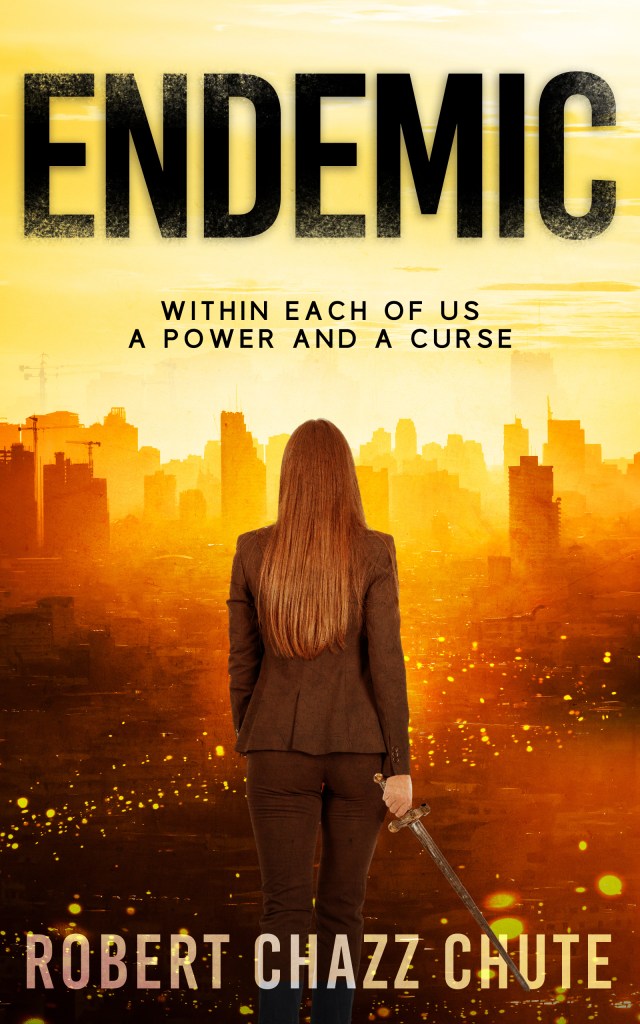
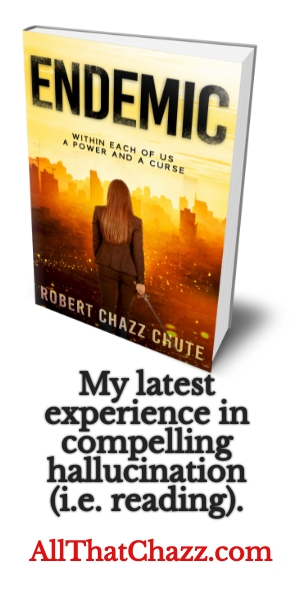
~ For deep characterization and heart paired with action, read Endemic. Ovid Fairweather is a bullied nerd stuck in a collapsed New York City. Alone except for the voices in her head, she will become Queen of the Viral Apocalypse.

Check out all my books at my author site, AllThatChazz.com.

Filed under: writing advice, , , , , , , , , , , , , ,

For Anyone Who Has Been Pushed Around

Writing book descriptions is difficult, especially when your novel crosses genres. Mix apocalyptic and literary, for instance, and you’ve got a marketing problem. (And by you I mean me.)

Boil any premise down to its bare bones and it often sounds ridiculously stupid. You’ve seen the meme for The Wizard of Oz? Girl gets swept up in a tornado and kills a witch. Meets three strangers and goes off to kill again. How about Iron Man? Rich dude becomes a turtle to save the world repeatedly. Or The Metamorphosis: Salesman wakes up to discover he’s transformed into a cockroach. Nothing else much happens.

Endemic is set in a decaying New York after multiple rounds of the viral apocalypse have ravaged the United States. To cater to certain genre expectations, I gave readers the broad brushstrokes. Survivalists who respond to the title will get some tips they’ll like. Decoy gardens, solar stills, and compost toilets will intrigue that group of readers. But it goes much deeper than survivalist tips and doomsday prepper fantasies. The subtitle is Within Each of Us, A Power and a Curse.

Though Endemic is a dystopian novel, what’s it really about?

Amid the action, this is a deeply psychological novel. It’s about getting bullied and standing up to bullies. Ovid Fairweather is a highly sensitive person, an introverted book editor unsuited to dealing with marauders. And yet, with the help of her dead therapist, she grows and changes. She becomes a survivor thanks to her quirks, her strange obsessions, and the voices in her head. What’s her power and her curse? Memory. It’s the basis for all her regrets and all her potential.

Ovid has almost as much trouble with her abusive father as she does with the meanies out to steal her food. Several readers have contacted me to say (a) they love the novel, and (b) it reminded them of when they, too, were bullied. Resonance is great, but it’s not always comfortable. Events beyond her control force Ovid to adapt. In these troubled times, that’s a challenge we all face no matter who we are.

Writing Endemic was therapeutic for me. Through fiction, I got the weight of real angst and anger off my chest. That may not be what the survivalists who read apocalyptic fiction came for, but I’m betting the larger audience will dig it. (I’ve played this balancing act before in This Plague of Days, AFTER Life, and Amid Mortal Words.)

If you want great ROI your accountant will respect, write a long series to a particular niche with consistent and narrow branding on your graphics. That’s a more dependable approach to the business of writing. Alternatively, you could write across genres, defy expectations, and write a standalone book. It’s riskier, but I’m glad I did it. Your mileage may vary.

For anyone who has ever been pushed around.

Against those who do the pushing.

The DEDICATION of ENDEMIC

Filed under: Genre fiction, writing, writing advice, , , , , , , , , , , , , , ,

Authors versus Our Demons

If you overcome your demons and publish, more demons await. Keep these 70 pithy tips in mind when the unholy fanged ones come for you:

  1. Write for a particular person or write for yourself. Just choose the right audience.
  2. Some go to the drugstore for coconuts. Ignore them. Write for people who read your genre.
  3. When you give away free books, some readers who would never read your genre will snap it up. Lower ratings often ensue.
  4. Write for people who actually like to read. (Yes, there are posers.)
  5. Feedback from chosen supporters is helpful. Not all supporters can help in a measurable way, but boosting your morale counts, too.
  6. A slim minority of reviewers think snark is sport and heckling is intelligence. They’re mistaken, but who’s going to convince them otherwise? They’ll only know if they ever dare to write their own book.
  7. Listen to your editor and yourself, not every voice in your writing group. Do not write by committee.
  8. Occasionally, a craptacular troll will grab at you from beneath a bridge. Burn that bridge. Block and move on.
  9. Getting bad reviews may mean something is off, but it’s also quite possible someone outside your target audience found you. Congratulations! Your advertising campaign is reaching a wider audience!
  10. Some reviewers are unhappy. They will project that state on you. When you check their other reviews and discover they hate just about everything, that’s a clue.
  11. Do not outsource your self-esteem to strangers on the internet.
  12. Fame is fickle, fleeting, and sometimes fantastic. Enjoy it while it lasts, even if you’re only famous in small circles.
  13. Have teachers and follow good examples. Do not have heroes. Failing that…
  14. Do not meet your heroes. (They’re only human, and sometimes worse.)
  15. Be real about your fiction. Is it the best you could do? Are you improving? Is it close enough to your vision to be released? Do you need to give it a rest or do another draft?
  16. If you’re stuck, what’s holding you back? Dig deep. (No, deeper than that.)
  17. Do you have a dated idea of how modern fiction should sound? Develop your style and chase what compels you. Is your self-confidence so low that you’re emulating the writing style of a British nobleman from the 1800s?
  18. Aim for excellence, not perfection. Perfectionism is self-loathing in coveralls. It’s also an active form of procrastination. It may look like you’re doing something, but really, you’re just looking busy. Checking out The Huffington Post again is not writing. Wordle is not writing.
  19. Some readers will make unwarranted assumptions about you based on what you write. Don’t let that deter you from communing with whatever muse moves you.
  20. Some readers look down on certain genres without reading your work or even knowing those genres. Allow them every bit of respect you would give to an amateur pharmacist wielding a rusty syringe.
  21. Some readers have fixed and/or dated ideas about certain grammar rules. “Sentence fragments aren’t sentences!” (We know.) “You can’t start a sentence with but!” (But you can.) That’s all between you and your editor.
  22. Language isn’t static. It’s fluid. Rigidity is a sign of death. If you want to put a new spin on an old phrase, I’m all for it.
  23. Giddy and high on caffeine, you’ll put little Easter eggs in your work, alluding to other stuff you’ve written. You’re the only one who will ever know. That’s okay. You’re enjoying the creative process.
  24. You will occasionally repeat yourself. That’s not the catastrophe some think it is. Don’t repeat yourself within one book, but seriously, how many themes did Kurt Vonnegut really have? One? (That being: Dammit, I wish we were more kind to each other.)
  25. “It’s been done,” is a weak objection. Everything has been done. It’s all about execution.
  26. Novelists get paid for communicating stories from our imaginations with clarity. If you aren’t putting a movie in their heads, your writing isn’t clear enough yet.
  27. Some (well, many) readers won’t follow you on that journey. That’s okay. There are still plenty of willing voyagers in your target market.
  28. Good writers will always have their detractors. Great writers, even more so.
  29. Bad readers aren’t an excuse for writers to get lazy.
  30. Huge fan bases aren’t an excuse for writers to become lazy.
  31. In writing a novel, there is no easy way out. The way out is through, ass in chair, composing like Time itself does not exist.
  32. Some readers will say your work “could have been so much better” or, “I would have done XYZ with that premise.” You liked that plot enough to spend a hefty chunk of your life writing it and publishing it. Meanwhile, the most those people have written is probably a paragraph or two of a hypercritical review. Why give their judgment more weight than yours? Have they earned that from you?
  33. If someone tells you to write “high literature” instead of to genre, you could say a lot of mean things. “I’d prefer to write something that pays” is kind of clever and more subtle. Or how about, “See my nose? See how it’s not in your business? Isn’t that cool?”
  34. You don’t have to be polite to someone who is rude to you.
  35. Some stranger may try to insinuate himself or herself into your process. Develop an inner circle of trusted readers who can fill that role.
  36. A typo will slip through. Do not panic. I repeat, DO NOT PANIC!
  37. We don’t make it on our own. We develop and depend upon trusted advisors, beta readers, editors, graphic designers, and fans. We are grateful.
  38. #37 doesn’t mean you owe everyone your time and attention equally. The fantasy that the customer’s always right has been taken way too far.
  39. Naturally, some criticism will be valid and well-intentioned. (That’s especially appreciated when it comes at you privately. Thank them for their thoughts.)
  40. You and the demons know when feedback is weaponized, so let’s not pretend.
  41. As a novelist, you write about conflict all the time, so you already know some people are just dumb and mean. “Developing a thick skin” is bullshit. Don’t buy into the idea that you shouldn’t have legitimate human reactions to aggressive nonsense.
  42. Knowing all this, it takes hubris and chutzpah to put yourself out there and publish. Be proud you dare to defy demons, those many within and those few without.
  43. There are many variables to success and you cannot control all variables. Spin the dials on what you can control.
  44. Many people will tell you they’ll buy your book. Most of them are just trying to be nice as they motor on about their day.
  45. You won’t get all the reviews you expected. Ask for more. Expect fewer.
  46. If you gift someone a book, don’t mention it afterward. If they like it, they’ll tell you. Otherwise, you’re giving out homework and quizzing them. Nobody likes tests and you definitely won’t like their answers.
  47. You will be shocked and envious at the success of authors whose work you consider inferior. Keep that shit to yourself, or at least between you and your therapist.
  48. If self-published, those unfamiliar with the battlefield will be aghast that you “aren’t properly published.”
  49. Stay in the game long enough and a traditional publisher may hit you up. SP is okay. Going hybrid or trad can be okay, too. Your dad won’t understand if you don’t jump at the chance to go with New York, but that’s fine. He sold furniture for a living, not books.
  50. Someone in your family will ask, “You write a lot. Shouldn’t you be rich and famous by now?” (Possible answer: “I don’t know, Gary. You buy all those tickets. Weren’t you supposed to win the lottery by now?” Fuckin’ Gary.)
  51. Checking your sales stats several times a day will not increase your sales.
  52. The 80/20 Rule rules.
  53. You may have to abandon a series. If it’s not worth the effort, accept that fact and be brave enough to let go. Some readers may experience a few moments of disappointment. Is that really worth your opportunity cost and the time and money it takes to put out a book you’re sure won’t pay off?
  54. Never share how much money you did or did not make off a book. For somebody, your answer will spur them to shout “Too much!” or “Not enough!” You’ll feel bad for the rest of the day, or possibly for the remainder of the decade.
  55. Someone may embarrass you by asking, “I picked up your book while it was free. Was that worth it to you?” (Possible answer: “Depends. Did you enjoy it and leave a happy review? Or are you trying to make me feel bad?”)
  56. Sometimes you’ll get probing questions that aren’t anybody’s beeswax. The inquisitors aren’t trying to be mean. They are virgins fantasizing about writing their own book one day and they want the inside scoop.
  57. Virgins think there’s a lot of inside scoop. Not really!
  58. When a well-meaning person says they downloaded your book when it was a free promotion, others within earshot will titter because they don’t understand the reasons for free promotions. Yes, you will want to murder them all for mocking what they perceive as your failure. You probably won’t kill them, though. Coward.
  59. Treasure the people who treasure you.
  60. Don’t exhaust yourself trying to be all things to all people. Demons don’t go after people pleasers so much, but energy vampires feast upon them.
  61. Respect the opinions of those who don’t treasure you. They might have a point. You don’t have to hang out with them, though. Save that trial for Hell.
  62. Writing and publishing is work. Sometimes it will be hard, but you can do difficult things.
  63. You wrote yourself into a corner and don’t know how to make a smooth escape for your protagonist. You don’t have to chuck it all or retreat 50 pages. Take a walk, give it a rest, and the answer will come. You wrote yourself into that predicament. Write your way out.
  64. Guard your energy. Protect your peace. Put a moat and barbed wire around your writing time.
  65. Set out each day to write a book that will entertain brains, melt faces, and make the reader remember your story. Create joy and do so joyously. If you’re having fun, your target reader will have fun.
  66. Though writing sessions can begin as a grudging grind, something’s amiss if it remains a slog. Maybe alpaca wrangling really is for you. Or maybe you need a break, a fresh approach, or a new story. Give it a good think before you google alpaca ranches in Montana.
  67. Not everyone shares or even understands our obsessions. This is difficult when your loved ones don’t support your dreams. If you can’t afford the surgery to get your husband a personality transplant, find a writing buddy who gets it. Your spouse may become more interested when you pay for takeout with your book earnings. Or you could drown the filthy bastard. Up to you.
  68. Believe in the value of your work. However, don’t chain your value as a human being to a manuscript. In the end, it’s just a book. It’s not your life. Your legacy comes from how others feel when you engage them.
  69. Look forward, knowing in your heart that the next book will be even better. Be the badass who tells jokes, fills minds, and touches souls.
  70. You’re daring to accomplish what many only dream of doing and I love you for it. Keep writing.

Here’s the latest:

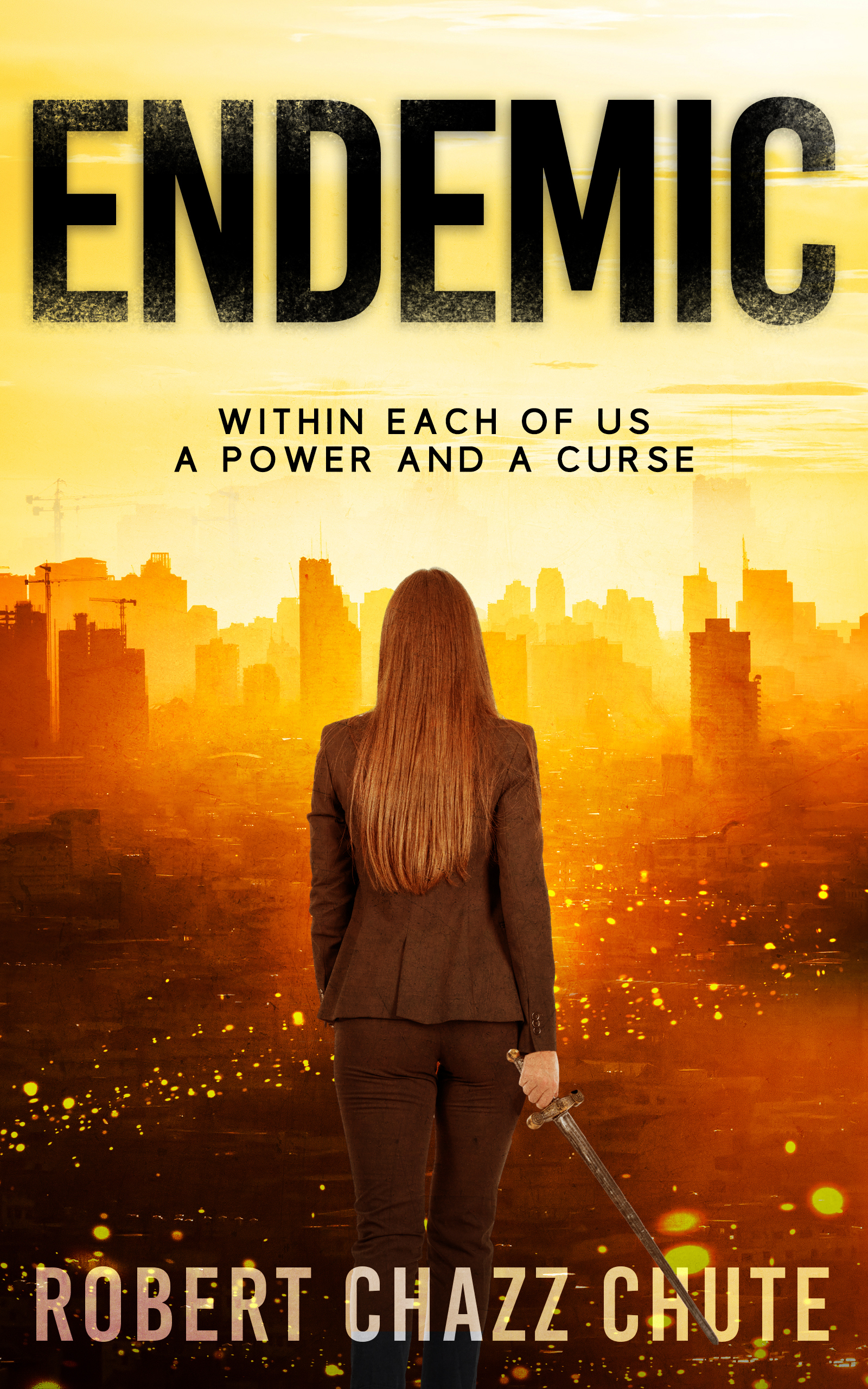
Endemic: mybook.to/MakeEndemicGoViral
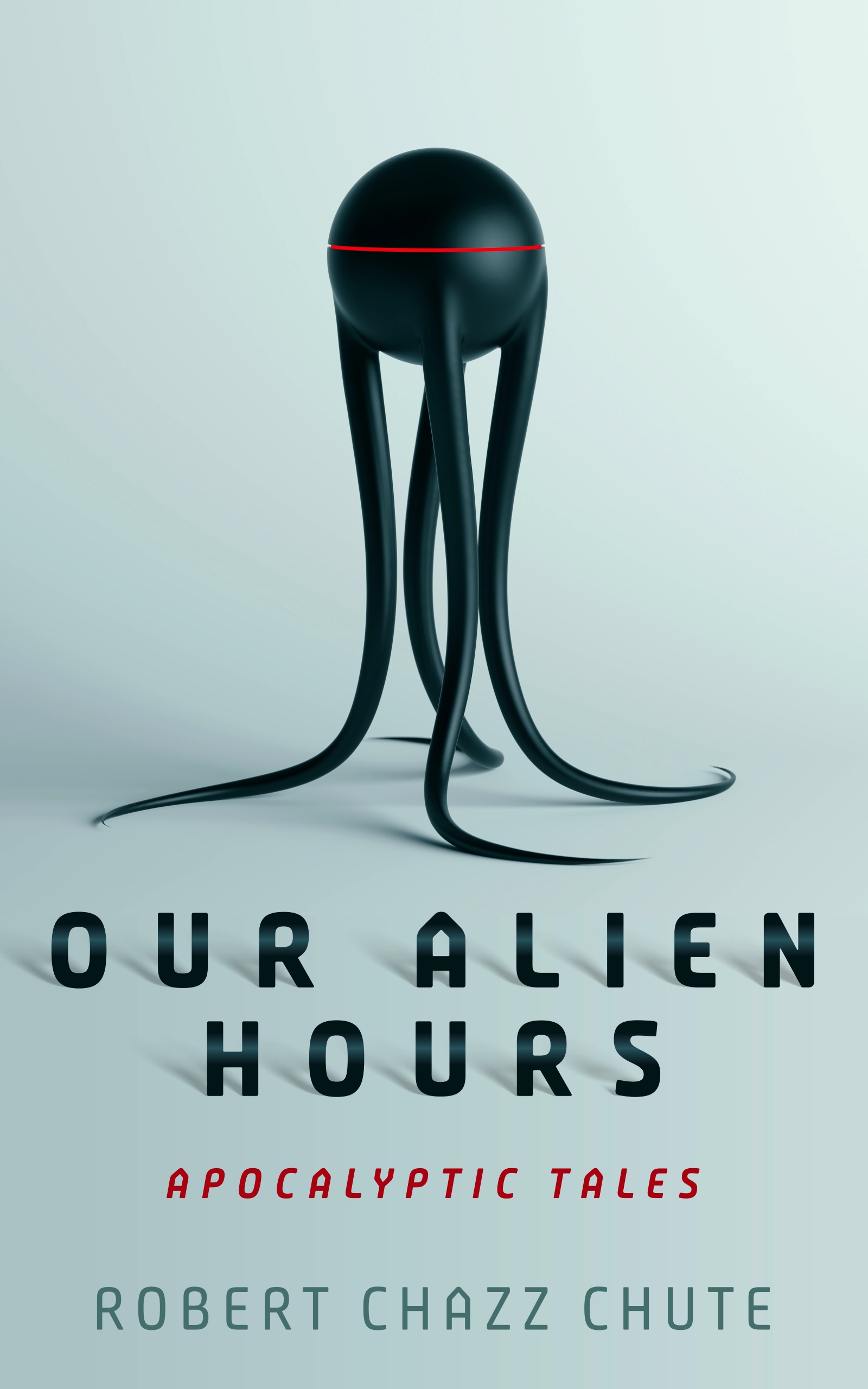
Our Alien Hours: mybook.to/OurAlienHours

Filed under: publishing, writing advice, , , , , , , , ,
Dexter, My Panic Attack, and You

Michael C. Hall is reprising his most famous role in Dexter, New Blood. That this limited series is back is remarkable. The original series ended in 2013 and it did not end well. A bit about that, then let’s talk about The Bounce and how it applies to you and me.

In 2013, I listened to a podcast that was all about Dexter. This pod went deep, right down to the music cues. This was for hardcore fans who obviously loved the series. Most viewers agree that the show peaked at the end of the season with John Lithgow (no spoilers here.) This podcast was for fans who stuck with it to the bitter end. Count me among that hardy crew of diehards.

That so stipulated, the podcast had two letters shows wherein fans wrote to express their final thoughts. The overwhelming evidence was that most people were terribly disappointed. Let’s be real about this: endings are hard.

Evidence

  1. Kim’s Convenience’s end was anticlimactic and seemed mostly pointless, as if they didn’t know what to do with it. And don’t get me started on the end of the second-last season, where I thought my TV cut out prematurely.
  2. The Sopranos end is memorable for the wrong reasons. I thought the bartender Tony beat up several times should have come back to kill him for personal beef, not mob business. That end seems fitting since he was such a shitty person.
  3. Breaking Bad was fantastic, but they missed an opportunity when he meets his end without ever sampling his own product. That’s my only complaint there.
  4. I didn’t see the final season of Game of Thrones for a while. I heard it was terrible. When I finally did see it, honestly, I couldn’t figure out what everyone was complaining about. Was the end really that bad. I found it quite consistent. It seems bad is the consensus since so many fans have disavowed it and GOT disappeared from pop culture so thoroughly.
  5. How I Met Your Mother met with outrage at the end. They tried something and I applaud the experiment. The problem with the execution was it was a comedy that managed to land as a downer rather than achieving romance. That’s not why fans tuned in for so many years.

    Let’s first acknowledge there is such a thing as toxic fandom. If you’ve written a book, eventually some reviewer who thinks they’re helpful will try educate you on how you should have done it better. Even though the longest thing they ever wrote was three paragraphs of a sour review, they’re very confident they could have saved you if only they’d sat on your shoulder and told you what to do. Note to those reviewers: better not to do that. Like it or don’t like it. Write your own. You’ll probably find it’s not as easy as you think.

The Triumph of Hope Over Experience

Most famously, the fans brought Star Trek back to become a fantastic franchise with so many iterations it’s a disappointment again. Firefly returned as a movie because fans campaigned for it. It is generally acknowledged that the space western got short shrift from network execs who couldn’t find their ass with both hands. Similar story with Family Guy. The network canceled the series, but after three million DVD sales, brought it back to great success. FOX cancelled twenty-nine other shows in the meantime, so when it came back from its hiatus, Family Guy mocked them for it. Twenty-nine! The Winston Churchill joke comes to mind: “You can always count on the Americans to do the right thing after they’ve tried everything else.”

Finding the Way Back

The return of Dexter is a little different from other risings from the grave. They’re coming back to fix it. The final episode was so ill-conceived and ill-received, it was not relegated to the dustbin of TV trivia. It failed so hard, they’re getting another kick at the can. That’s what I call The Bounce. And you know what? It’s a good thing. We can learn from this,

I know it can be frustrating to see old ideas get recycled. It often seems like there are no original ideas in Hollywood. Perhaps your book should be made into a movie or a popular TV series. I know several of my books deserve to be made into films to stir the soul and make boffo box office. However, Dexter was very good before it went sour and it was always watchable. It’s taken a weird circuitous route to get to this place, but I think it deserves another chance to entertain us. Let’s be happy about it. Skepticism is understandable, but cynicism isn’t fun and hey, stay real. The stakes are low.

I miss Dexter living in Miami. I miss Angel Batista being sweet and kind and utterly oblivious to Dexter’s serial killer ways. Masuka was hilarious as comic relief in the original series. But there are new and fun characters to enjoy in this new iteration. I’m glad Dexter is back, and I enjoyed the first episode.
Welcome back, buddy!

What does The Bounce have to do with us?

As writers, you are the studio. If a book fails, you can kill the series or resurrect it in a new iteration. You have the freedom to edit it again, to add or delete chapters, to relaunch it. You don’t have to appeal to a network or suck up to a committee. You’re free to bounce back as many times as you can stand.

Last night, I had a panic attack. Those Bookbub ads I was experimenting with only worked on the first-in-series of AFTER Life, the one I give away for free. Three or four problems hit me all at once and I spiraled down. I couldn’t catch my breath. Caught up in catastrophizing, I felt like I was drowning and maybe dying.

This morning, I’m back to writing. I’m in NaNoWriMo and the word count is on track. I’m happy with what I’m creating. I am committed to bouncing back.

Lots of things fall apart for many reasons. You can’t control all the variables that lead to failure or success. As a writer, you are positioned to steer your own ship. If you steered into the rocks, you can fix the hull or jump onto another ship. It’s okay. We’re going to be okay.

The old joke is that a second marriage is the triumph of hope over experience. Art is a different story. Every book launch is full of hope. Every writer tends some small fire that signals they’ll “make it” (whatever that means to you.)

Make art. Just make art. Try not to panic.

Filed under: writing, writing advice, , , , , , , , , , , , , , , , , , , , , ,
How to Make Readers Hallucinate Happily

I once read a popular novel by a very successful author whose name escapes me at the moment. Two characters were young guys who were virtually identical in worldview and speech patterns. To distinguish one from the other, the author slapped a ridiculous hat on one of them. He fussed with said hat throughout the book.

As I read on, I thought, you got a lot of money for this. I see what you’re doing and I understand why. It still pissed me off. If you have too many characters to juggle, it can be difficult for the reader to keep track of who’s who.

One solution is to break up your groups. In reading one of my favorite books, The Stand, I didn’t love every character equally. While focusing on one less favorite character, I’d wonder what was happening with my faves. However, the story was sufficiently compelling to propel me through the whole book. Stephen King didn’t toss everyone into one room all at once, so it was easy to track the huge cast.

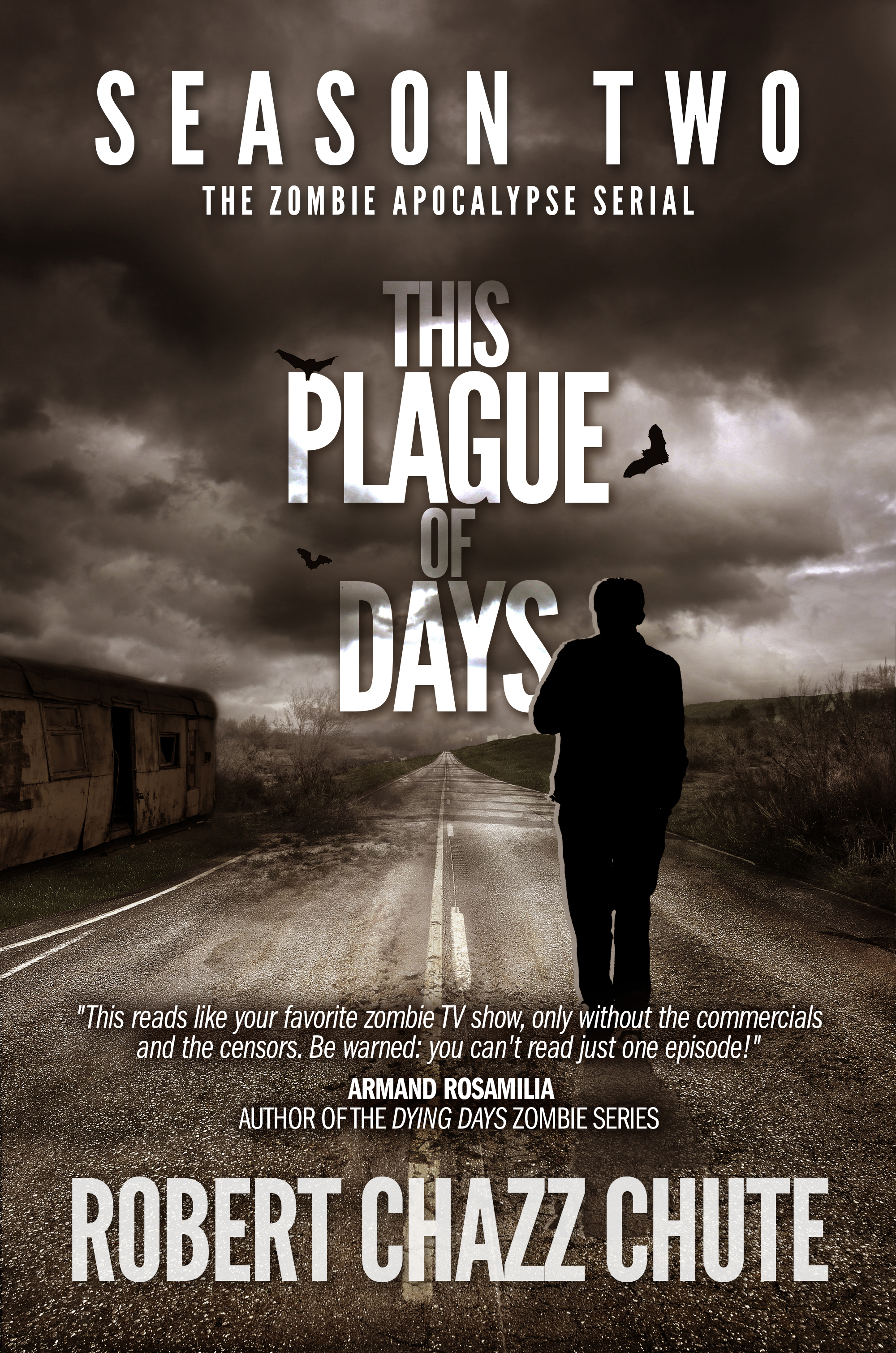
I used that same template in This Plague of Days. Huge cast, but I separated varied groups. The heroes are the Spencer family from Kansas City. There’s a group of Europeans struggling to escape to North America. Then there’s a motley crew of villains: two cults and three species (human, zombie, and vampire).

A writer friend teased me about the global scope of the trilogy. “Meanwhile, in Jakarta…” In my defense, killing off a bunch of characters along the way narrowed the focus and all the threads get pulled together in the end.

The Problem of Who’s Who

Consider a novel featuring a large number of new recruits shoved in a barracks for Basic. They’re all wearing the same greens, so fashion won’t help you. Suppose you make the cast even more homogenous by putting them all on the same page mentally as well as physically. Instead of a nice segmented plate where the peas don’t touch the mashed potatoes, now you’ve got soldier soup.

Who’s who? How can you help the reader distinguish one character from another? Some fantasy authors list the cast of characters at the front of the book and add a glossary at the back. I find convention dated and cumbersome. As a reader, I don’t want to (and won’t) flip back and forth to understand what’s going on in a story. I want full immersion. Let’s talk about how to get there more elegantly.

Possible Solutions

Taking our soldiers in the barracks example further, here are my suggestions for avoiding reader confusion and exhaustion.

  1. Avoid giving them one worldview. Perhaps in an attempt to unify them in glory, some writers forget that soldiers are still people who are drawn to service from varied backgrounds and from marginalized groups. In Jarhead, a drill sergeant demands of the protagonist why he joined up. “Sir! I got lost on the way to college, sir!”
  2. As King did masterfully in The Stand and It, take the time to develop characters by giving them their own chapters so readers get to know them. Some readers complain that the King of Horror goes off on too many tangents. I disagree. He’s not telling you some minor character’s background just because he enjoys typing. He’s making you care when that character gets killed off.

    Repeat after me: NO! FACELESS! REDSHIRTS!

  3. An alternative is to put guard rails on your story. Tighten the focus on a smaller group. Reading Misery, I enjoyed the story very much. However, reading as a writer, I was amazed how King managed to keep most of an entire novel’s action to one room and still keep me invested.

    Tom Cruise’s version of War of the Worlds is instructive, too. The scope of the alien invasion is global, but the focus is confined to one not-so-great divorced father trying to get his kids to safety. It’s not just a pulpy science fiction story. It’s a war story that brings home the horrifying plight of refugees. That’s a war story that’s too rare.
  4. Distinguish your cast by giving them more depth, character, and flaws. I’m not suggesting something as superficial as playing with their hat for 300 pages. Make one a coward and another a traitor. Make one mean and another innocent.

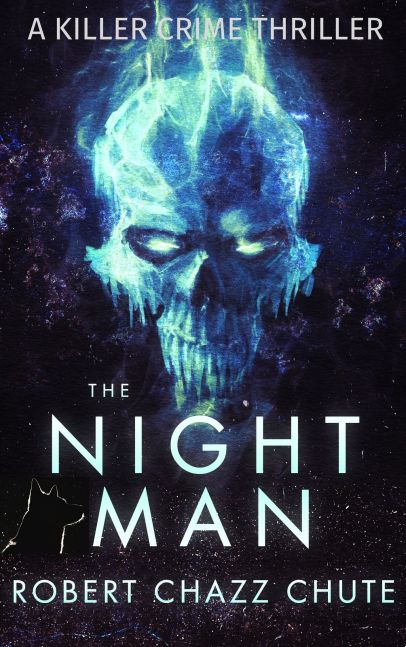
    In The Night Man, Easy Jack is an Army Ranger out on a medical discharge. His knee hurts all the time, he’s overly sensitive to light, and returning home to poverty in rural Michigan has screwed him up and screwed him over. He’s also got a bomb plot and a corrupt cop to deal with. Fortunately, he’s a wry underdog with a loyal guard dog at his side. Complexity serves the story.

    In Band of Brothers, the paratroopers are all highly trained professionals. Still, tensions are high. They fight for the a noble cause and for each other, but a couple still get into a fistfight aboard a troopship after one makes a stupid antisemitic remark.

Unless it’s Winnie The Pooh, there is always an enemy, within and without. Conflict is at the heart of our art. Making our cast of characters less homogenous, we do more than help the reader hold them all in their minds. We transform our tiny imaginings into fully-realized people. We deepen the story’s potential and draw readers into genuine joy and escape.

When a novel is great, it’s not a mere distraction from the moribund spiral of mundane existence. When the experience is rich, reading becomes an immersion to the point of compelling hallucination.

AT RISK OF TELLING YOU WHAT TO DO, READ ENDEMIC NOW.

~ I’m Robert Chazz Chute. Check out all my books at apocalyptic epics and killer crime thrillers at my author site, AllThatChazz.com.

Filed under: writing advice, writing tips, , , , , ,

Bestseller with over 1,000 reviews!
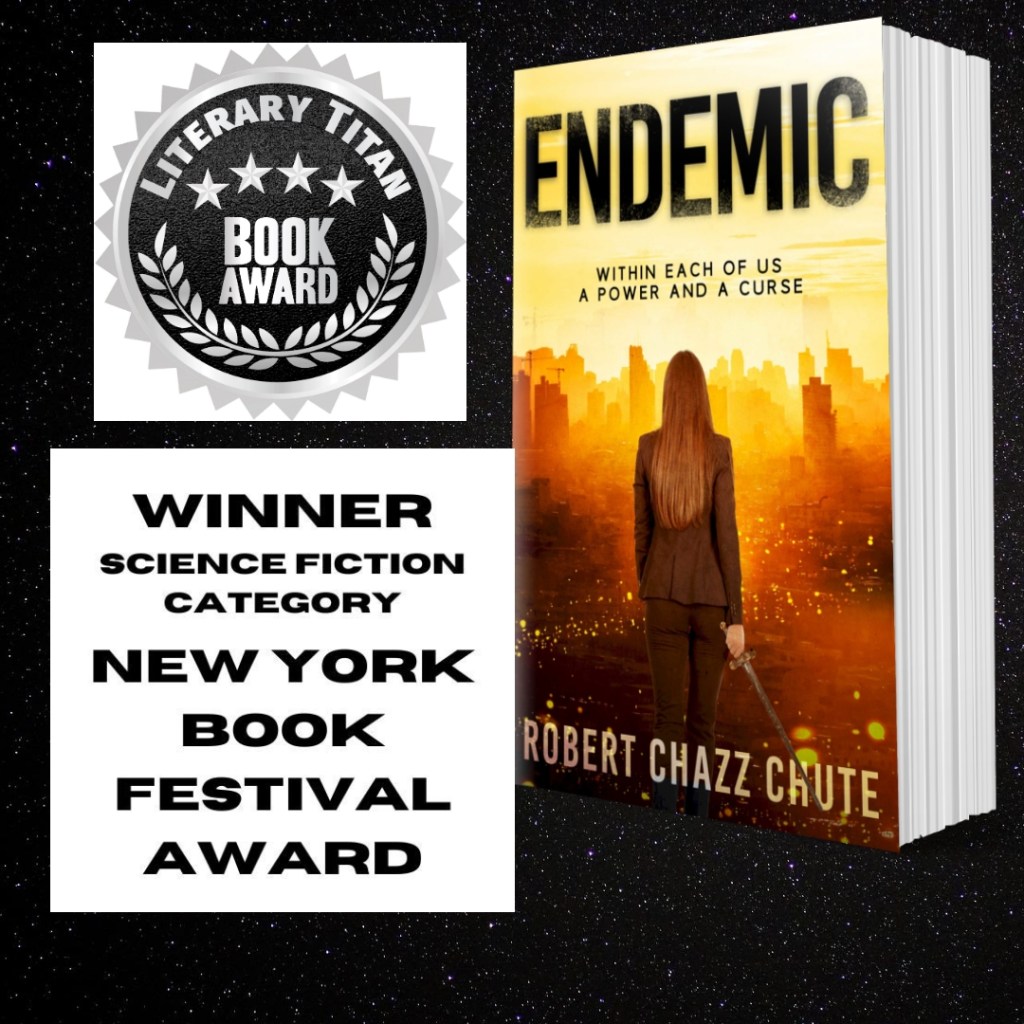
Winner of the North Street Book Prize, Reader's Favorite, the
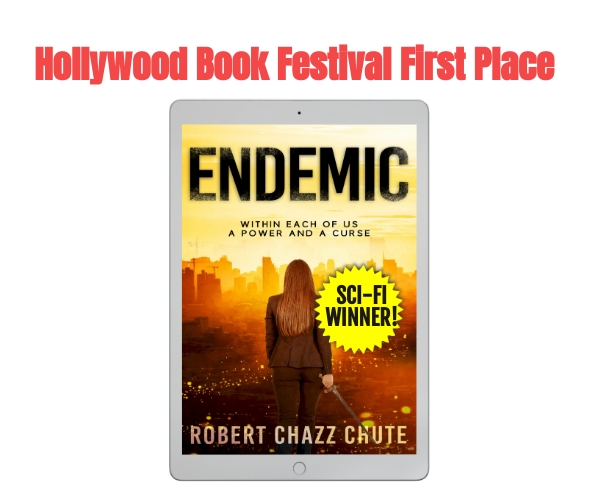
Literary Titan Award, the Hollywood Book Festival, and the
New York Book Festival.

http://mybook.to/OurZombieHours
A NEW ZOMBIE ANTHOLOGY

Winner of Writer's Digest's 2014 Honorable Mention in Self-published Ebook Awards in Genre

The first 81 lessons to get your Buffy on

More lessons to help you survive Armageddon

"You will laugh your ass off!" ~ Maxwell Cynn, author of Cybergrrl

Available now!

Fast-paced terror, new threats, more twists.

An autistic boy versus our world in free fall

Suspense to melt your face and play with your brain.

Action like a Guy Ritchie film. Funny like Woody Allen when he was funny.

Jesus: Sexier and even more addicted to love.

You can pick this ebook up for free today at this link: http://bit.ly/TheNightMan

Join my inner circle at AllThatChazz.com

See my books, blogs, links and podcasts.

Enter your email address to follow this blog and receive notifications of new posts by email.

Join 2,061 other subscribers