C h a z z W r i t e s . c o m

See all my books at AllThatChazz.com.

Horror Authors And Religion

See on Scoop.itWriting and reading fiction

This post is a bit more ‘controversial’ than my normal ones, in that I talk about something I swore I’d never talk about… religion. I also will not talk about politics, and will never bring up th…

Robert Chazz Chute‘s insight:

(Sorry! I had to post this again because reblogging it screwed up spacing in WordPress. Scoopit! is superior. Trying this again..)

What a great post from my brother-in-horror, Armand Rosamilia! It’s an important discussion for authors to have. Please read Armand’s nuanced thoughts on the subject and more great contributions in the comment thread. Here are my thoughts on the subject (also posted in Armand’s comment thread but perhaps not so great as self-indulgent):

This is timely. In a recent review, a reader said the serial’s atheism was cringeworthy. That’s interesting to me because in This Plague of Days, the husband is an atheist (with growing doubt as doom is threatened) and the wife is a die-hard believer (with growing doubt as her faith is tested.) Both character’s views are challenged. Considering that their conversations take place in the context of a massive plague, it would strike me as really weird for them *not* to discuss their beliefs and try to resolve them. Surrounded by death and destruction, issues around spirituality come up honestly. When doctors fail, the next visit is from the priest. We are all searching for meaning, through faith or reason. The debate is natural and honest.

I have no doubt that some readers will say I’m preachy when the wife has her say and a raging atheist if they focus on the husband. I’ve been a member of an evangelical church and I’m now an atheist. I try to give both sides their due. We all read through our own lens, so some atheists may think me a traitor to the cause and some believers will be sure I’m evil. I think most readers, because they are readers, are curious and can be entertained by the narrative without feeling threatened. (And if anyone really feels threatened by a work of fiction, perhaps they should spend more time evaluating or shoring up what they believe.)

I believe in readers. I think most will weather that sprinkling of a debate throughout the series. Just as sci-fi isn’t about how to build a warp engine, horror is about the people and how they face mortality.

There are millions of books to read, so readers who don’t agree have lots of other great choices. I’m sorry to see them go, but I don’t write for everybody. I write for me. The likeminded who want to board my crazy train and come along for the ride are for later.

Love this post, Armand. Reblogging!

~RCC

PS I also have a couple of crime novels with titles that appear at first glimpse to mock Jesus. Most Christians who contacted me about that choice had a sense of humour about it and since those novels are (often) funny, it turned out okay. Not all atheists are open-minded and not all Christians are close-minded. It’s just that we hear a lot from a vocal minority. I don’t think writers should censor themselves for a minority who aren’t predisposed to enjoy much of anything anyway. We’re writers. We tickle brains and follow Art where it leads.

See on armandrosamilia.com

Filed under: publishing, Writers, writing tips, , , , , , , ,

Fight Club: How 6 Rules of Combat Will Make You a Winning Writer

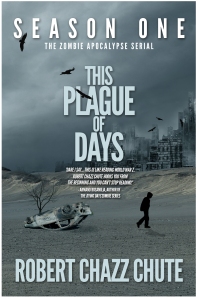
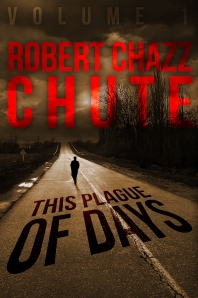
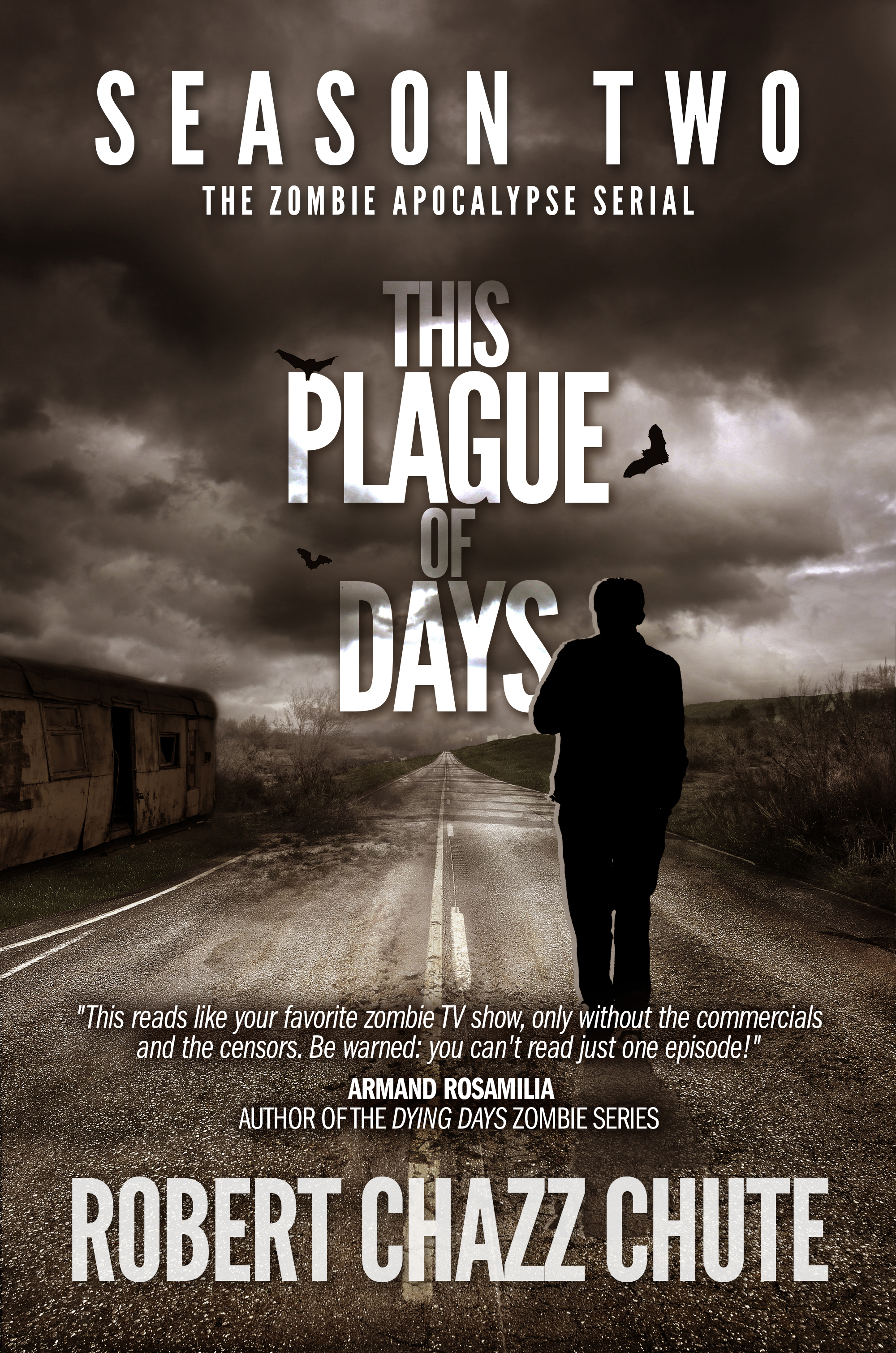
The mind virus is created. Spread the infection. Each of five episodes is only 99 cents each. Get the whole Season for the discount at $3.99. (And if you already have read it, please review it.) Thanks! ~ Chazz

The mind virus is created. Spread the infection. Each of five episodes is only 99 cents each. Get the whole Season for the discount at $3.99. (And if you already have read it, please review it.) Thanks! ~ Chazz

I’m teaching my son hand-to-hand combat. He’s such a friendly, funny, sweet little guy, I’m sure his character will keep him out of lots of fights. However, there are things to learn that are applicable to the forces you and I combat. For instance, it’s often easy to predict who will win a street fight. Similarly, I can tell you why some authors will win the fight to have their work discovered.

The bigger person usually wins the fight.

The fighting analogy is obvious, but it applies to our book ventures, too. If you have published many books, you’re in more Also boughts. More shelf space means easier discoverability. The longer your book is available, the more sales it will eventually accrue. (My bestseller is still my first book.)

If you aren’t big yet, write more good books.

The person who strikes first usually wins the fight.

I’d rather my son run from any fight, but if threatened with no escape route, hit fast and hit hard and hit first. End it before the drunk gets a head of steam on the courage he got from a bottle.

If you got into self-publishing early (i.e. before the Amazon algorithms changed) or if you were a popular traditionally published author, you have the advantage of experience and legacy. You had a profile. You still have an advantage now. You hit early, hard and first. You’re still feeling the benefits of throwing the first punch.

The person who is better prepared wins the fight.

A trained fighter has an obvious advantage over a novice. The trained fighter will be less likely to panic when things go wrong and will know how to compensate for a temporary reversal of fortune. After losing sparring matches in training, the experienced fighter has knowledge that will allow victory.

Similarly, if a writer has written a long time, he or she will not lose confidence at a temporary setback. Sometimes you have no idea what happens next in your story and you’ve written yourself into a corner. Once you’ve written yourself into a corner many times, you don’t give up so quickly when you meet the problem again. You recognize opportunities or make new ones.

The person who is willing to do what it takes to win, will. 

Most people are unwilling to do the nasty things you do to end a fight decisively. Most fights start when an idiot tries to intimidate someone, but the bully often doesn’t really want to fight. There’s a good reason no one really wants to fight. It hurts. Even if you win, you’ll very likely have tooth marks on your knuckles.

You guessed it. Many people who say they want to write, don’t. Experienced writers get bored when someone complains they don’t have enough time to write or they have writer’s block. In most cases, that’s the sound of someone unwilling to put in the time to write, edit, revise, polish and publish.

Serious writers grapple with issues of craft, marketing and business. Serious writers have much more challenging time management problems than merely beginning to write. We do what we have to do. That always means sacrifice. 

The fighter with more muscle usually wins.

Even a trained, experienced fighter can be taken out by a shot with heft behind it. 

For the writer, skills are our muscle. We know what a gerund is and how it relates to passive voice. We can avoid a lot of problems because we have an ear for dialogue or paid attention to basic grammar rules in school. These skills keep you in the fight for readers’ attention longer.

The first rule of Fight Club is: Do not talk about Fight Club! 

Fighters don’t build up to the fight. That’s macho posturing and a sign of a silly bully, not a fighter. Talking is not where our energies are best employed (unless we’re being kind to each other.)

Fighters fight.

Writers write.

Filed under: author platform, book marketing, publishing, self-publishing, Writers, writing tips, , , , , , , , , , , ,

When editing, search for remnants

A cross-genre flurry about  society's collapse under the crush of the Sutr Virus combined with a boy's love for odd words, Latin dictionaries and his father.

A cross-genre flurry about society’s collapse under the crush of the Sutr Virus combined with a boy’s love for odd words, Latin dictionaries and his father.

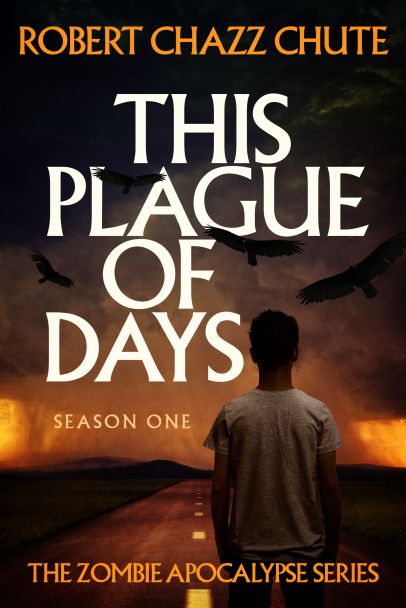
Here’s a secret about the first draft of This Plague of Days:

I started writing it in first person. For dramatic reasons (and other reasons I can’t reveal for fear of spoilers), I switched to third person, limited omniscient.

At the hub of this apocalyptic adventure is a young man who is on the autistic spectrum. We often see the world flu pandemic and the rise of the zombie horde through his eyes. However, to write the whole book that way would be too hard on the reader. Jaimie’s mind is not grounded in our reality. He sees significance in everything and is obsessed with dictionaries, English words and Latin phrases. To give the story a context of verisimilitude, I had to change how I told the story.

The change made for a better story but added more challenges.

Whatever writing choices you make as you revise and polish, remnants show up. Remnants appear in manuscripts when you make changes or corrections. When I edited other people’s manuscripts, I suggested changes for authors, but I also requested back up by proofreaders after my edit.

Corrections introduce new errors.

The manuscript is not done when the edit is done. This is good advice you would think unnecessary. Nevertheless, I was occasionally ignored by some authors and even a small press on that score. We all need a stellar proofing team and/or beta team to help scour the book.

You can always depend on remnants appearing. For instance, in This Plague of Days, the character of the looter named Bentley changed to Bently. This Plague of Days is huge, so I found several examples of the earlier incarnation when I searched for “Bentley.” “The Bentley”  turned up a couple of times, too.

An old man named Douglas Oliver is a major character. I found several remnants from the previous draft that labeled him “The Oliver.” That’s probably a switch from “the old man” to the character’s name.

Look for more corrections after you think you’re done.

Always look for spelling variations even if you haven’t changed the character name. The autistic kid is Jaimie Spencer, but once or twice I lapsed into “Jamie” or “Jaime”.

Search “stood” and “rose”. Consider if you really want the word “up” to follow those words.

Always enter “the the” in the search box. Our brains are trained to skip over that error.

Always enter two spaces in the search box just before you hit “compile”. You’ll find spaces in your manuscript that look like huge gaps in the text when the manuscript is converted into an ebook.

When you correct a typo, reread what you just corrected to make sure you haven’t subtracted one typo and added another.

It will be okay. Don’t get frustrated. The process is worth it.

After your masterpiece is published, alert readers will email you with helpful notes about typos you missed so you can correct them in the next edition. You’ll take solace in the fact that, without all your preparation, the typo onslaught and readers’ annoyance could have been much worse.


Filed under: Books, Editing, Writers, writing tips, , , , , , , , , , , , , , , ,

Writers: Clean your manuscript with these enema tricks

There are mistakes in every book, but there are tricks to avoid some pesky problems. For instance, I’m in the midst of proofing This Plague of Days. In Scrivener, I do a quick and easy

A cross-genre flurry about  society's collapse under the crush of the Sutr Virus combined with a boy's love for odd words, Latin dictionaries and his father.

Society collapses around a strange autistic boy with a deep love of odd words, Latin dictionaries and his father The plague is coming. Buckle up.

search for odd mistakes that creep in. Here are a few things I plug into the search box to search and destroy:

1. Hit the space bar twice and eliminate those pesky double spaces that find their way into your ebook (and look like chasms on a kindle.)

2. Put “the the” in the search box. Take one out unless it shows up as “the theme…” It’s startling how easy it is for the human eye to skip over a brain stutter like the the.

3. Search “awhile”. Change it to “a while” when appropriate. Here’s when it’s right to do so.

4. “Exact same” = A redundant expression we use in spoken language and in the excited flurry of our first drafts. Excise from later drafts.

5. Search “..” Double periods appear occasionally, usually from an edit you did instead of a typo. 

The fewer mistakes you give your editors, beta readers and proofers to find, the fewer mistakes they will miss.

When you get all your revisions back and make your changes, do these searches again (and whatever common mistakes you discover you are prone to.) After the edit, the act of going back to make corrections often introduces mistakes. This is especially true if you’re working with extensive edits using Track Changes. It’s often helpful to bump up the text size so you can better understand where all the little red lines are pointing for edits. I prefer Scrivener and recommend it for writing, editing, compiling and publishing.

Also check the copy again once it’s published. I have had some file management issues in the past with Scrivener where I published an earlier draft, not the final draft. It was frustrating and embarrassing, but fortunately it was easy to fix quickly. Now that I’m aware of that potential, I’m extra paranoid so things keep getting better. Editing and proofing these little details can be arduous but, like a 10k run uphill, you’ll feel great about your work when it’s done.

Related articles


Filed under: Books, Editing, getting it done, grammar, publishing, writing tips, , , , , , , , , , , ,

Write! Like a Boss!

One of the movies we love here in the secret bunker is The Incredibles. I love a good Bond movie and The Incredibles is superheroes in a Bond movie. It’s a lot of fun, though, for me, the most effecting scene is where the missiles close on the plane with kids on board. Having kids makes you cry easily and I’ve cried during that scene several times over.

Kind of a Spoiler

In the original plot for The Incredibles, the plot called for the plane to be piloted by an ordinary human — a sweet old man and friend of Elastigirl — who gets killed in the explosion. That was revised when they decided it was too dark a turn for a kids’ movie.

The best scene

For my wife, She Who Must Be Obeyed, the scene she always brings up first is the attack on the city.

Samuel L. Jackson, primed to defend innocents and come out of retirement, really sells it when he sees the devastation and shouts, “Honey! Where is my super suit?!” 

His wife’s reply: “Oh, no you don’t! I have been planning this dinner with the Robinsons for weeks!”

Honey! Where is my super suit?!” 

The juxtaposition of the mundane with a superhero’s clothing needs is funny, but it doesn’t stand out as much for me. She Who Must Be Obeyed is not wrong. (That can never happen.) However, it underlines that we can’t predict how our writing will be received. We must write for ourselves and hope others of like mind will find us (or we must find them). When I wrote for magazines, I was often surprised which bit of a column provoked outrage and what spurred letters of admiration. People won’t necessarily unpack your book the way you thought you sent it.

And then… 

Yesterday I read one-star reviews of a few of Shakespeare’s plays. One star. Really? I know it’s a subjective universe, but The Freakin’ Bard only gets one star? 

Write more. Worry less.

You could concern yourself with the trend of reviews. Report the abusive reviews. Consider correcting fallacies in reviews (like author Elle Lothlorien). Refuse to read your reviews (like author JA Konrath).

Reviewers are not your boss. You are your boss. Being boss is one of your best reasons to write. Don’t give it up. Write! Like a boss!

Stop worrying so much and just write your next best thing. The next best thing could be your best book ever (which someone will load down with a one-star review). Just write. Not everyone will love your book or they’ll love different parts of your book for different reasons. Those who dislike your work aren’t your readers of the future, so they don’t matter. They don’t pay you for your books so they literally don’t figure into the accounting. 

There really is no accounting for taste.

~ Robert Chazz Chute writes like a boss. Check out his books at AllThatChazz.com (where he also podcasts like a boss.) He interviews like a boss at CoolPeoplePodcast.com. He loses weight like a boss at DecisionToChange.com. He vines like a boss and writes about Vine here. He prepares an apocalypse like a ghoulish boss full of verisimilitude and magic realism at ThisPlagueOfDays.com.

Filed under: Rejection, reviews, Writers, writing tips, , , , , , , ,

Writers, Writing and When to Swear

TPOD 0420 2

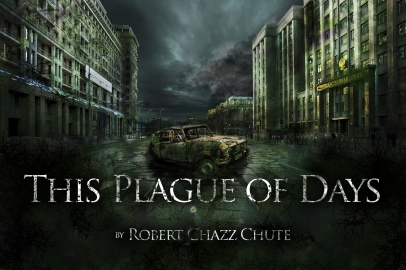
Apocalypse Art for This Plague of Days by Kit Foster of KitFosterDesign.com

As I work on This Plague of Days revisions, there’s a big difference: This is the first of my books my 13-year-old daughter is allowed to read. No one is swearing in TPOD and any sex is PG-13, at most. Sometimes I think this serial (to be released at the end of May) could be suitable for Young Adult. However, I’m also not pulling back on elements of horror that range from Hitchcockian allusion (The Birds) to classic horror (a gross-out or three). It’s a post-apocalyptic world and things aren’t pretty. 

Crass Commercial Considerations

A cross-genre flurry about  society's collapse under the crush of the Sutr Virus combined with a boy's love for odd words, Latin dictionaries and his father.

A cross-genre flurry about society’s collapse under the crush of the Sutr Virus combined with a boy’s love for odd words, Latin dictionaries and his father.

I’ll admit it: I want This Plague of Days to sell to a wide audience. I want it to go huge! Multiple translations and audiobooks and mass consumption. I want this serial to be made into a movie or a franchise with TPOD lunch boxes and T-shirts at conventions. I don’t want to return to a day job and a very popular serial without cursing will help me toward that goal. I watched an interview with director Kevin Smith recently in which he breaks down the movie market. The same principles apply to us: R sells less than PG-13. Soften the blow. Make more money.

Yes, I know Fifty Shades of Gray is bondage porn that makes a ton of money off a wide audience. However, this isn’t that. This Plague of Days is about an autistic boy who is a selective mute. A plague spreads across the earth and as the mayhem goes up, society spirals down. Bad things happen. However, the story revolves around the boy and, though it’s third-person limited omniscient, much of it unfolds through the boy’s filter. His special interest is English dictionaries and Latin phrases. Nothing is lost if I don’t make TPOD a cursefest and I’ll gain more readers.

The Irony I Frankly Don’t Understand

Many people are comfortable with just about any depiction of violence but get squeamish about certain words and sex. We’re downright weird about cursing. It’s in mainstream media and on any school playground, but in print, daily newspapers put in coy asterisks like this: f***. As if our brains don’t just fill in the word automatically. Swearing is ingrained in everyday conversations, but we pretend it’s not.

Watching a show like Dexter on a non-Showtime channel, censors ensure the dialogue sounds silly. “Mothertruckers?” Really? (The practice was played to great comedic effect when, in the latest Spider-Man movie incarnation, our beloved hero blurts, “Mother Hubbard!“)

Meanwhile, I get queasy about certain entertainment that is considered mainstream even though it’s extremely violent. I’ll never see Jodi Foster in The Accused and I refuse to watch A Time to Kill. Frank depictions of sexual assault and child rape are not something I want to

My luckless hit man is a funny guy in big trouble.

My luckless hit man is a funny guy in big trouble.

see. I can’t watch CSI or its many iterations. That whole Special Victims Unit thing feels way too voyeuristic and definitely not for me. (I’m not campaigning for a cleansing, by the way. I don’t want art censored. What I don’t like, I don’t watch, read or listen to and that solves my problem nicely.)

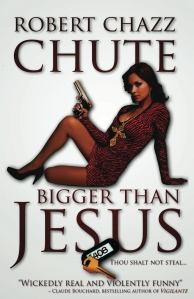
Ever since I had kids, I’m generally more queasy about violence that’s too realistic. I’d rather keep my violence diet to thrillers like Bigger Than Jesus. Though there’s plenty of death and even allusions to Jesus’s abuse as a young teen, it’s treated carefully, not graphic, and balanced by the hero’s sense of humor. The funny makes the horrible feel safe, somehow. 

This Plague of Days’ post-apocayptic genre puts the story into a realm that isn’t ours…at least not quite yet. 

Sex and Curses Have Their Place: Serving the story

Jesus is resurrected in Chicago. Sex with the Queen of Giants. Violence with Very Bad Men.

Jesus is resurrected in Chicago. Sex with the Queen of Giants. Violence with Very Bad Men.

My crime novels are funny but still gritty and hardboiled. The swearing in the Hit Man Series is a need. It would have been unnatural to write workarounds for simple, salty language. Acting too coy would have drained too much realism away. 

As for sex, in Bigger Than Jesus, Jesus Diaz is constantly running for his life. The book plays out like a long chase scene. Beatings and murder don’t put the hero and heroine in the mood, even for a quickie. There is a great romantic love interest in Lily Vasquez, but her intimacy issues with the hit man aren’t about sex. Lily and Jesus’s drama deepens character and shows the impact of his awful history on his life. Through their interaction, the reader understands Jesus more and sees why he’s so screwed up (particularly about women). The reader ends up empathizing with a guy who kills for money. As for Higher Than Jesus, the sex scene with Willow Clemont and Jesus is both integral to the plot and erotic. Sex raises the stakes.

The Balance:

Despite any commercial considerations and the joy I feel at being able to show my daughter what I really do,

story has to come first.

Gee, I hope she likes it.

~ Chazz has new websites: CoolPeoplePodcast.com, onlysixseconds.wordpress.com, DecisionToChange.com. In the latest podcast at the author site, AllThatChazz.com, there’s some swearing (in a funny rant) and a fresh reading from Higher Than Jesus.

Filed under: book marketing, Genre, Horror, rules of writing, This Plague of Days, writing tips, , , , , , , , , , , , , , , , , , , ,

Triberr: Problems and Solutions

A kronosaurus, the prehistoric sea monster, ate my blog traffic. Many blog subscribers will already have seen the wonderful and helpful posts listed below (even if I say so,

Kronosaurus queenslandicus

Kronosaurus queenslandicus (Photo credit: Wikipedia)

my own damn self). However, due to some technical glitch with Triberr, a lot of people missed these ChazzWrites.com posts (and crucial extras, like links to my new book sites, ThisPlagueofDays.com and onlysixseconds.wordpress.com or tap the grooviness at CoolPeoplePodcast.com or hear a reading at AllThatChazz.com).

Disaster

I discovered the other day that my Triberr marketing teams haven’t been retweeting my blog posts for quite some time. Curses! Foiled again! What to do? And why is Triberr so important for bloggers, marketers, authors and, ultimately, readers?

Woe

My blog traffic and Twitter mentions had slowed remarkably. I blamed myself for a lack of awesomeness at first, of course. I mean, self-loathing? That’s just what I do! However, I put my head down, close to the keyboard, and tried to double up on the awesome. When that didn’t work, I began to look for other reasons for the aching distance between me and the popularity of Dos Equis’ Most Interesting Man in the World. Perhaps the new cologne wasn’t working out? Then I discovered the Triberr problem.

Frustration

I’d been diligently retweeting the best of the tweets from my tribes (and I’m in awesome tribes with wonderful bloggers and writers). However, my blog posts weren’t getting sent out to their followers in turn.

As soon as I discovered the problem was somewhere in Triberr settings, I tried to solve it myself. Result: Failure.

Then I asked for tech support from Triberr. I received no response.

I waited several days, became impatient, sent another plea for help and…still didn’t hear from tech support.

Then I figured out what was missing and finally fixed it myself yesterday.

However, I come to praise Triberr, not to bury it.

This is not an indictment of Triberr, but when it didn’t work recently, the social media marketing tool certainly showed me its value. Good posts get more hits, anyway, but they get even more traffic with a boost from Triberr. Without Triberr, I’m not spreading the word as effectively. With Triberr, my reach is, theoretically, 6 million people plus whoever the 6 million retweets to. That’s a lot of eyeballs coming here to taste my flavor, fall in like, buy some books and tumble into full-force love. 

Now that the problem is fixed, my traffic stats are bouncing back up. My Twitter connections are ablaze again. Soon, this very post will be sent out through the cyber-ether by my tribes and who knows where it will land, or how many new subscribers and Twitter followers I’ll gain? (Crosses fingers, strangles a mime for good luck.)

People appreciate value and boy, do I try to give it. However, hiding our lights under  cliched bushels and waiting for it to happen magically and organically doesn’t help new readers discover us quickly. Triberr gives more people the chance to fall in love with what we can provide. Where else are you going to read about publishing and mime-stangling? See? I’m so unique.

Triberr helps.

And usually? Triberr works

.

In case you missed my redesign of this blog, thoughts on optimizing books and sales, podcasts, announcements and changes in publishing strategies, here are some those articles. Also, please enjoy the odd mime-strangling. (Don’t do it every day, though. If it’s every day, it’s not a treat.)

Odd and Unfamiliar Literary Genres

Book Marketing Problems and Solutions

Amazon Goodreads. Mostly? So What? 

How to End a Chapter: Shorter Chapters, Better Books

On Writing Well: The Challenge of the Slow Open

Ebook: What Makes a Good Cover? What Makes a Bad One?

Rebelmouse: How I got all my blogs and podcast on one glorious page

The All That Chazz Podcast: More Fury

Amazon Throttled

Getting a Bigger Boat: Adapting to be a More Effective Publisher

Writers: Shorter is Better

Blog Comment Rules and How to Become Batman

What Jedis Know About Fear

Author Platform: Problems, Solutions and Stuffed Speedos

Filed under: blogs & blogging, book marketing, ebooks, publishing, Rant, Triberr, Writers, writing tips, , , , , , , , , , , , , , , , , ,

How to End a Chapter: Shorter chapters, better books?

"You will laugh your ass off!" ~ Author of Cybrgrrl, Maxwell Cynn

“You will laugh your ass off!” ~ Author of Cybrgrrl, Maxwell Cynn

I wrote at length recently about how smart it is to write short. (Wow, that got meta-ironic fast.) I was talking about the length of books, the allure of serialization and the benefits to both writers and readers. Today, I’m talking about chapters.

I’m currently revising the book I wrote while wearing my big-boy underpants. This Plague of Days took a little under a year to write back when I wrote part-time. Every day, I’d go to a coffee shop to get away from distractions. I got sucked into the point of view of a boy with Aspergers Syndrome during the coming plague apocalypse. His family hides out in suburbia while much of the world dies. The longer the book goes on, day by day, things get worse around his Christlike figure. When I wrote it, I wasn’t concerned about chapter length. I’d sketched an outline packed with beats and I put my head down and plunged into the story.

As I revise This Plague of Days now, I see how I was writing to the beats and each file folder was a chapter. Each writing session often yielded more than 5,000 words, all in one file/chapter! I’m breaking that up, obviously. As I look for logical places to split the file into more chapters, the logical spots are easy to find. I go out on a beat.

It’s a principle of podcasting, stand-up comedy and entertainment generally that you go out on a high note. Cliffhangers, twists, teasers and aha moments belong at the end of the chapter to seduce readers to turn the page and go for the next chapter. The more of those special moments, peaks or beats you have, the faster the pace of the book. Make the chapters short and those peaks are closer together. More beats close together equals momentum.

Don’t overdo.

If you don’t slow down to develop character, a hundred awful, exciting things may happen but no one will care. Here’s an ugly example of a pace that’s too fast:

Emma’s fiance, Rollo, dies in a skywriting accident when he tries to put the dot under the question mark as he pens “Emma! Will you marry me?” in the sky and ends up flying too low into the meat grinder of nearby chicken factory. Grief-stricken, Emma attends the funeral where Rollo’s mother tries to kill her in a rage. Terrified, Emma escapes to Italy where she falls in love with sculpture and decides to rebuild her life around art. Then, Phillipe, a very handsome and wealthy art connoisseur takes her under his wing, but how does he know Rollo’s mother and is he, in fact, an assassin assigned to murder her after their first night of passion? THEN, ON THE SECOND PAGE…

More spikes aren’t better if the characters are undeveloped. Readers don’t care for whiplash. However, you could take a page from Mary Higgins Clark. Her short chapters skip along. The closer the reader gets to the climax, the shorter the chapters become. This heightens the sense of forward momentum and keeps my wife, She Who Must Be Obeyed, awake much past her optimal bedtime as she powers toward the end of those thrillers.

We have a strange attachment to symmetry, don’t we though? Maybe that’s why more authors do not vary the length of their chapters. I’ve even heard of one author taking perverse pride in hitting an arbitrary word count so each chapter was the same length. That sort of peculiarity may serve someone’s OCD, but your OCD is supposed to serve the story above all else. (He must have been crushed when it came back from the editor with varying word counts.)


Don’t under do

If all the chapters are too short, it can feel to the reader that the author was skimping. For instance, while I generally admire James Sallis’s neo-noir novel Driven, some later chapters are so short and light on detail that I felt like I was missing something. He was painting a great picture overall, but here and there he didn’t have enough paint on his brush. I had to check to make sure I hadn’t skipped pages. Don’t make readers dizzy and fill them with self-doubt.

In a book of short stories, you can get away with stories so brief they could be non-rhyming poems. I have a few short chapters in Self-help for Stoners but I don’t worry about it because I’m not fragmenting a larger narrative with a short jolt. Or you can ape Faulkner and write, “My mother is a fish” and leave it at that, I suppose, but I wouldn’t recommend it.

Find the right length

You can delight readers with shorter books and shorter chapters as long as they aren’t confused. For instance, a lot of short chapters with multiple points of view can confuse the casual reader. They might accuse you of head-hopping. It wouldn’t technically be true, but that’s how your narrative might feel to them. Stephen King’s It and The Stand manage large casts, but the chapters are longer. Just about the time you’re thinking, Enough of him, what’s happening with so-and-so, you’re switching to another character’s plight.

A warning and a hope

You’ll find the break points for chapters easily and intuitively if you have enough beats. If you don’t have enough beats, you may be writing something of great literary value but it’s probably too slow to be of commercial value. And by slow, yes, I mean boring. Not every story has to drive forward with breakneck speed or maintain an even pace throughout. However, if the way stations of chapter breaks are too far apart, you aren’t giving your readers confidence that they are moving toward a destination. That’s the death of a lot of books. Give us action, engagement, obstacles, reversals, rising action, higher stakes and make us care.

If a comedy like The Big Bang Theory can make me cry over a single line uttered about a letter from Howard Wolowitz’s absent father (it did), you can make us care about your characters. Do it at a good speed.

~ I mentioned how I’d write about marketing in my next post. This is the next post so it turns out I lied. However, I’ll try to get back to that in my next post. I’m experimenting with building buzz about upcoming books with inexpensive strategies. I’ll tell you more about that in my next post. Or I’ll write about unreliable narrators. There’s that pesky meta-irony again. 

Here’s a marketing hint to tide you over:

I’m promoting two books by reading one on Vine. I’m doing it with a contest. Check out the details on that contest at AllThatChazz.com.

Have a peek at ThisPlagueofDays.com for some flavor of what’s to come.

Filed under: Writers, writing tips, , , , , , , , , , , , ,

On Writing Well: Openings, Distractions and the next Million Dollar Idea

The Challenge of the Slow Open

Crack the Indie Author CodeAs I work on revising my coming-of-age, love story cleverly disguised as an apocalyptic plague thriller, I worry about the beginning most. (I’ll give you a minute to digest that first sentence.)

This is a long book I will serialize (soon). The story unfolds largely through the eyes of a boy with Aspergers Syndrome, sixteen-year-old Jaimie Spencer. He’s a selective mute. I wanted to impress upon the reader how different he is from the first page. The story starts with the boy observing the plague as it infects his next-door neighbor. The neighbor is a pilot who happens to be having sex with a flight attendant at the time, but Jaimie is detached about such things. He’s asexual. His point of view is an interesting hook, but it’s not really an action hook. It reads like a character hook.

I’m going for intrigue and showing this book is more serious than much of my other work. I’m satisfied it’s a good start, but it’s a risk because of that slow start. I’m starting the novel with a long lit fuse instead of an explosion. That could be a problem and I will have to revisit this issue several more times before I commit to the slow burn open. There are plenty of explosions, strained family dynamics, obstacles, reversals, betrayals, realizations, death and a long journey  ahead. Amid the chaos, Jaimie is a detached, almost Christlike figure. The world is falling apart and he’s fascinated with dictionaries. (Expect Latin phrases, weird words and an amusing annoyance over homonyms.) The boy perceives the world as an alien might. His peculiar point of view questions how everyone else sees the world.

My luckless hit man is a funny guy in big trouble.

My luckless hit man is a funny guy in big trouble.

Big openings hook more readers faster. For instance, is it a cheap ploy to kill somebody off in the first paragraph? Many critics, both amateur and professional, seem to think so. However, I suspect the average reader doesn’t think that way at all. Some lit snobs say they shouldn’t think that way. Irrelevant. Many readers do think that way.

Every story should jump right in without throat-clearing, of course. (Don’t start your book with a weather report, as a baffling number of novels still do.) But how late should you enter the action? Bigger Than Jesus starts in media res with my loveable hit man out on a slippery ledge high over Tribeca with the bad guy hiding behind a gargoyle. Higher Than Jesus starts with a slower open in a dive bar, but right from the start, you know Jesus Diaz is there to kill someone on Christmas Day. Crime fiction should start with action. But can Jaimie Spencer do it?

Distractions

I’m confident in the writing for those who stick around for the show. However, we, as writers, are not competing with other books in our genre. We’re competing with Call of Duty, Game of Thrones (on TV), people working second and third jobs to earn enough to live, laughing babies on YouTube, the gym, the laundry, and all the other paperwork of life. Readers have so many distractions, it almost makes me yearn for a time when books were much more central to our culture. The good news is, if you survive the coming world flu pandemic that will wipe out billions, there will be fewer distractions and a bit more reading time.

Solutions and Opportunities

Jesus is resurrected in Chicago. Sex with the Queen of Giants. Violence with Very Bad Men.

Jesus is resurrected in Chicago. Sex with the Queen of Giants. Violence with Very Bad Men.

I have a suggestion to help combat The Distraction Problem. It’s not really open to me at the moment* but you might be able to use this suggestion: If you’re American, make audiobooks on ACX part of your publishing platform so people will be able to consume your goodness while they do the laundry, commute to their second job, run on a treadmill or play Call of Duty. Publish an audiobook on ACX and it goes to Amazon, iTunes and Audible. Audio is the future. That, and the massive killer virus thingy.

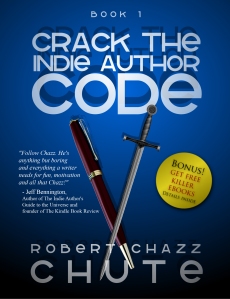
*I encouraged writers to go for ACX in Crack the Indie Author Code and Write Your Book: Aspire to Inspire. Since I’m a Canuck, they aren’t set up to deal with me yet. That creates a huge hole in the market for audiobooks worldwide. If I had the money, I’d start a company to compete with ACX and deal with all them foreigners immediately.

Click it to grab it. Just 99 cents!

Click it to grab it. Just 99 cents!

~ Earlier today I published an article on ChazzWrites.com that was meant for my website about Six Seconds, The Unauthorized Guide to How to Build Your Business with the Vine App. Apologies for the mix-up and a suggestion: If you’re on WordPress, don’t ever use the Quick post feature. Any problems I’ve ever had posting to WordPress started there. I decided to leave it up since it automatically shot out to subscribers and I never did announce a page dedicated to that book, so…yeah, I’ve got a web page just about Vine and the useful glory that is Six Seconds. If you’re interested in checking out Vine and promoting your books with it, here’s the link to onlysixseconds.

If you’re on Vine and would like to hear a reading from Self-help for Stoners, find “Robert Chazz Chute” on Vine. I’m doing the first author reading on the Vine app. Interested in winning a signed copy of Bigger Than Jesus? I’m running a contest with that reading. Get the details on how you could win from this link to AllThatChazz.

Filed under: audiobooks, blogs & blogging, book marketing, Editing, My fiction, publishing, Vine, Writers, writing tips, , , , , , , , , , , , , , , , , , , , ,

The Perfect Pitch: The Amazon Breakthrough Novel Award Contest begins

Crack the Indie Author CodeAs I write this, we’re just two hours away from the entry form becoming available for the Amazon Breakthrough Novel Award. It’s fun to think you might win $15,000 or even $50,000 and a publishing contract. There’s a trip involved, as well, but they fly you coach so that’s more penance for choosing this insane profession. I once attended a writing conference where someone worried if entering this contest was the right thing to do. Well…I suppose obscurity has its advanta—no, wait. No, it doesn’t. If you have a novel that fits their categories (i.e. Thriller/Mystery, Romance, Sci-fi/Fantasy/Horror, Young Adult, General Fiction) and you’re of a mind to get more attention to your work, the Amazon Breakthrough Novel Award is one good place to do it. They stop accepting entries after 10,000 contestants, so get on it if you are going to attack this project.

You’ll need to supply an excerpt (3,000 to 5,000 words) and the whole manuscript must be scrubbed of any features that identify you as the author. Get all the contest rules and enter at CreateSpace.com.

Most people will struggle with getting the pitch just right.

Even if you’re a genius, you should struggle. The contest requires an awesome pitch of up to 300 words. At the first stage, there are so many competitors that the pitch has to be very sharp to cut a swath through the half-assed entries. Make it memorable, touching, funny, seductive and/or beguiling. It’s got to flow from one perfect sentence to the next. It has to be as sweet as Pam Dawber on Mork & Mindy and as sexy as Pam Anderson before the hepatitis. (And it can’t be as dated as those references, oh, fellow child of the ’70s and ’80s.) 

Quick story

As I wrote the jacket copy for Crack the Indie Author Code and Write Your Book: Aspire to Inspire, I labored a long time over just a couple of hundred words. I sweated. Then I sent the jacket copy off to Kit, my graphic designer. He created the covers quickly. That was good, because I made a nuisance of myself. I went back at it and changed the copy again the next day. (Kit is patient.)

All our writing has to be right and tight, but advertising copy is its own crass poetry. You have to deliver a lot in a few words and entice without coming across as douchey. That’s remarkably tough to get right, as a plethora of lousy ads on TV attest.

I write a couple of thousand words a day, but novels and sales copy are related, but different arts. It takes a lot of writing, revising and honing to hit the compelling note so your reader feels a need to explore your offerings further.

Writing the pitch for The Amazon Breakthrough Novel Award Contest today was like that.

I agonized, maybe even too much. Then I rewrote some more. Then I let it sit while I worked on formatting the entries. I came back and tinkered until I finally asked She Who Must Be Obeyed to read it. She smirked in the right places.

Not good enough! I couldn’t be satisfied until I got a full-throated laugh or possibly an out of control giggle. She Who Must Be Obeyed is not an easy audience. She rarely giggles.

I revised again and rearranged the set ups so the punchlines hit harder. When I was sure I had it, I called her back to reread the pitch to the contest. Even though she was already familiar with the material, she burst out laughing. Then I tweaked it a couple more times.

My pitch to the Amazon Breakthrough Novel Award Contest is all of 237 words and it took hours until I was sure it was the best I could make it.* If I don’t make it to the second round of the contest, I’ll probably be quite cross. By “quite cross” I mean that, wherever you live, you will hear my howl. Strap in.

*It’s worth noting that the novel also has to live up to the pitch.

Aspire to Inspire eBook JPG~ Robert Chazz Chute is the author of a bunch of suspense, thrillers, two writing guides and one very weird book of self-help. He also podcasts with righteous abandon. For more, check out his flavor at AllThatChazz.com. 

Filed under: All That Chazz, Writers, writing contests, writing tips, , , , , ,

Bestseller with over 1,000 reviews!
Winner of the North Street Book Prize, Reader's Favorite, the
Literary Titan Award, the Hollywood Book Festival, and the
New York Book Festival.

http://mybook.to/OurZombieHours
A NEW ZOMBIE ANTHOLOGY

Winner of Writer's Digest's 2014 Honorable Mention in Self-published Ebook Awards in Genre

The first 81 lessons to get your Buffy on

More lessons to help you survive Armageddon

"You will laugh your ass off!" ~ Maxwell Cynn, author of Cybergrrl

Available now!

Fast-paced terror, new threats, more twists.

An autistic boy versus our world in free fall

Suspense to melt your face and play with your brain.

Action like a Guy Ritchie film. Funny like Woody Allen when he was funny.

Jesus: Sexier and even more addicted to love.

You can pick this ebook up for free today at this link: http://bit.ly/TheNightMan

Join my inner circle at AllThatChazz.com

See my books, blogs, links and podcasts.

Enter your email address to follow this blog and receive notifications of new posts by email.

Join 2,063 other subscribers