C h a z z W r i t e s . c o m

See all my books at AllThatChazz.com.

Wussies! Creativity and the boneheads in the way of artful risks

Jay McInerney at Tribeca Film Festival 2010

Jay McInerney at Tribeca Film Festival 2010 (Photo credit: Wikipedia)

I just read something from a writing advice book that annoyed me and I have to pull this sharp and spiny burr out of my nethers. It’s about what I’m going to do with point of view in the crime novel I’m writing. I’m taking a risk with this book and I know it. It’s written in second-person, present tense. That’s right! Now you’re wondering if I’ve lost my mind or if I’m just into quirky gimmicks. You’ll soon find out, but let’s talk about why I’m annoyed and you might get that way, too.

I ran across a chapter on point of view. The upshot on using second-person was that it’s best for short books (good, mine is) and is tricky to pull off. I agree with that. It is tricky. However, I have had good experience using it and several stories in Self-help for Stoners have more punch in part because of that unorthodox choice.

Then I got really annoyed because the author warned that editors and agents would be quick to reject any such manuscript because the attempt screams: I’m a Jay McInerney knock-off! You’re trying to do Bright Lights, Big City! I’m paraphrasing rather than quoting because I didn’t buy the book. I will buy the digital edition to delve further, by the way. I don’t write off a book or conclude the author is wrong just because I disagree with one paragraph. I’m annoyed not because the author is necessarily wrong, but because he may very well be right that traditional publishing is that quick to pull the trigger on any book that challenges the status quo (as if the status quo is all that hot.)

Bright Lights, Big City is a novel I admire. I found it quite engaging and funny. I wasn’t put off by all the “You, you, you,” that got so much press and critical attention but misses the point of the novel entirely. It was considered somewhat experimental at the time (and I guess it still is if the author of the advice book is correct.) Bright Lights was different, but it didn’t really deserve the “experimental” label. Aside from the use of the second-person point of view, it’s really quite a conventional novel that reminds some of Catcher in the Rye. (Try Pygmy by Chuck Palahniuk if you want experimental fiction. That’s far more daring and demanding of readers.)

The use of the word “you” — some would say overuse — doesn’t get in the way of my enjoyment of Bright Lights because it’s the jokes, the hipster context of New York ’80s nightlife and a stab or two at the literary establishment that appealed to me. I was working in the Toronto literary establishment at the time I first read it, so it spoke to me even though I didn’t have the cash or inclination to indulge in Bolivian marching powder.

We used the word experimental because there weren’t many well-known antecedents that employed second-person point of view. Now Bright Lights, Big City is the well-known antecedent and apparently some publishing professionals have long memories but very narrow minds. Bright Lights, Big City came out in 1984! So…Jay McInerney did it once and now the use of second-person is a reason for quick  rejection? He slipped under the gate but it must never allowed again! Really? They haven’t got over the shock after 28 years?

Wussies!

When my novel comes out this June, readers will agree it’s awesome like chocolate croissants, merely palatable or they’ll decide it sucks like a Dyson vacuum cleaner powered by the fearsome gravity well of a black hole. I’m betting it works and fortunately, my imprint, Ex Parte Press, will publish it. The boss can be kind of a dick, but I’m tight with him. The only gatekeepers I have to worry about are the readers traipsing the digital forests of the Amazon. I know it’s a gamble, but I don’t write so I can sound like everyone else. As much as I respect Jay McInerney*, I’m not trying to emulate him. We write to express ourselves. This is me being me. I hope you’re being you and taking some artful and calculated risks, too.

*If you’re a martial artist, please try Jay McInerney’s Ransom. If you want a distinctive voice by a confident author, read McInerney’s Story of My Life. These, along with Bright Lights, Big City, were Mr. McInerney’s first three books. They were his least conventional and I believe they were his most successful. They were the ones that were most successful with me, anyway.

Filed under: publishing, , , , , , , , , ,

The Writer’s Challenge in 4 Simple Steps

Keeping with the theme that’s emerged this week, I just read an agent blog espousing why we should want to be traditionally published. I found myself rejecting most of her points easily. Validation? I can get that straight from readers. Marketing? Unless you’re Stephen King, very little is spent on marketing and I can do the promotion myself, just as they’d expect me to do with a trad contract (for free.) Partnership? Working in traditional publishing is not a partnership. Editors? I can hire editors. I can do just about everything a regular publisher can do because I am a regular publisher! (Get it?) I just happen to publish myself. Yes, I wish I had more resources, interns and more time in each day and it would be great to have the help, but I don’t have to give up the rights to my books forever to do that.

The article went on and some of the comments were misinformed and dismissive. I became exasperated because all this stuff is too familiar. I heard it in my twenties when I worked inside traditional publishing: Pay your dues, make your bones, and wait, wait, wait! We’ll value your opinion some day. Maybe.

I’ve promoted indies and traditionally published authors. I know going indie isn’t for everybody just as trad publishing isn’t for everybody. Circumstances change so we do switch back and forth. We’re all writers. We should strive to support each other because it’s a harsh world and we can each share information to become the tide that raises all boats. We are undervalued but we can value each other, respect the craft, respect the reader and respect ourselves. At least some of the people who say, “Wait, wait, wait,” are self-serving or past their “best before” date. Fortunately the world has changed and we don’t have to let someone else drive this bus and go where others want us to go. We can drive now, too.

And then I thought how tired I am of the trad vs. indie discussion and whom does it serve? I’ll do no more research today. I will not wallow in negativity. I’ll go write something great, work on my books, be the example and prove the naysayers wrong.

Trad or indie, that’s my challenge to you today:

1. Go write something great.

2. Work on your books.

3. Be the example.

4. Prove the naysayers wrong.

Filed under: publishing, , , , , ,

VIDEO: Pantsing versus Plotting (plus the cutest skinny pig on earth)

How about you? Do you prefer outlining first or just diving in and trusting the Force, Luke?

(That animal at the end is Piggle, the cutest skinny pig on earth.)

Click to check Sex, Death & Mind Control here.

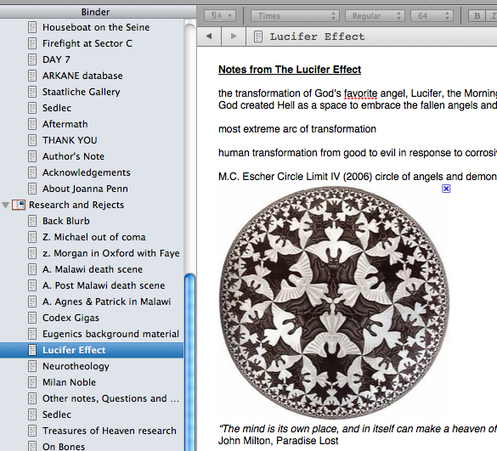
Check out Scrivener here.

Filed under: Books, Video, What about Chazz?, writing tips, , , , , ,
Preposterous Twaddlecock: How to Deal with Writers Effectively in One Easy Lesson

Via Scoop.itWriting and reading fiction

Writer Wordart

Writer Wordart (Photo credit: MarkGregory007)

Not everyone respects writers enough to pay them for their work. Writers are sometimes at the bottom of the list of who gets paid. The light, heat and phone bills get paid on time, but writers? Not necessarily. Yet “content provision” is supposedly the basis of the publishing business. Editors and publishers can’t moan on at length about their respect for the written word if they don’t have respect for the people who come up with those words. Then there’s the “paying your dues” defence, but the people who ask that tend to ask that sacrifice of everyone. Click the link for a humorous rant on a subject that isn’t so funny. ~ Chazz

Via preposteroustwaddlecock.blogspot.fr

Filed under: Intentionally Hilarious, publishing, Useful writing links, Writers, , , , , ,

Slush Pile Snark

I came across another one of those lists that tell you about common errors that lead editors and publishers to reject manuscripts. But this post isn’t about those lists. This post

manuscript

manuscript (Photo credit: El Chupacabrito)

isn’t about manuscript tips. It’s about snark. Have you noticed these lists about what you shouldn’t do are sometimes devoid of gentle correction, kind suggestions and sweet-natured guidance? Sometimes some editors and agents strike a certain tone that suggests that somebody needs a vacation from reading the slush pile.

No wonder agents and publishers have such a hard time finding good manuscripts if they’re too eager to put manuscripts down. When I worked at Harlequin evaluating manuscripts, I had to read the whole book, write a summary and a full report. I wasn’t allowed to reject manuscripts with any of the caprice I was tempted to wield. But I was never snarky about it. Being impolite to the group that supplies the crux of the cash flow would have been considered unprofessional. As agents become ever more irrelevant, are some (I emphasize some!) agents becoming more cynical and even more rude? As Shrek said to Donkey, “You’re goin’ the right way for a smart bottom!”

Sometimes unsolicited submissions were irritating, but I never whipped myself into a froth and climbed up into active dislike of writers. Read some agent blogs and you’ll find a few who have become cynical, hate their jobs and seem to hate you. Reading manuscripts takes time and some agents have decided to blame you because bad manuscripts are a part of their job that sucks. As if we all don’t have something about our jobs we like least. For instance, it’s tax season and any day now my accountant will ask if I have readied a pile of paperwork I haven’t even begun to think about and I will threaten to claw out my eyes if she doesn’t leave me alone until I call her instead of the other way around.

Of course, times have changed in publishing. No editor is interested in developing your manuscript (as happened with Stephen King to some extent and to Harper Lee to a huge extent.) Don’t get me wrong. I’ve met nice people in publishing. Nice is the norm. Smart is the norm. It’s just that the nasty ones are so much louder and more memorable.

Filed under: agents, DIY, Editors, manuscript evaluation, publishing, self-publishing, Writers, writing tips, , ,

Between Fact and Fiction: 10 Things I Wish I Would Have Done Differently

Via Scoop.itWriting and reading fiction

(Natalie Whipple of Between Fact & Fiction details 10 things she wishes she had done differently on her publishing journey. Good tips here and a good blog. Check it out. ~ Chazz)
Via betweenfactandfiction.blogspot.com

Filed under: authors, publishing, Useful writing links, writing tips, , , , , , ,

Scrivener: 3 Reasons You Should Use It For Your Book

Via Scoop.itWriting and reading fiction


(I just started using Scrivener for a new book. The learning curve was a bit steep at first, but I’m starting to like it now that I’m getting used to it. The Video Tutorials help, though Joanna references a manual in this article, too. ~ Chazz)
I used Scrivener for my latest book, Prophecy.
Via www.thecreativepenn.com

Filed under: ebooks, publishing, scriptwriting, self-publishing, writing tips, , , , , , , , ,

PayPal cracks down on erotica e-book sales | TeleRead: News and views on e-books, libraries, publishing and related topics

Via Scoop.itWriting and reading fiction

So from the last post, we know that erotica is very popular on e-readers. But slow down, there, aspiring erotica fiction writer. PayPal just made Smashwords clamp down on your id with ice tongs and put your readers’ vice in a vice.

I’m probably not going to miss books I wanted to read, but the ultimatum from PayPal is a bit ironic considering that I often write about clever serial killers and nobody will bother me about it. Also, isn’t there research that shows that transgressive fiction may provide an outlet for kinks the world says it hates so said nastiness is not acted out in reality? Also, does it bother anyone that all this stuff Paypal is censoring is, in fact, legal? A group of European scientists are going to publish a scientific paper on how to weaponize an extremely virulent bird flu and nobody’s stopping them?! Wow.
I also worry that Mark Coker states up front in his warning letter to authors that “mistakes will be made.” (Points for honesty.) But will those mistakes include my book Sex, Death & Mind Control (for fun and profit) because of the title? I’d say obviously not, except someone already assumed it was porn because of the title. (It’s creepy suspense and brilliant literature in which you discover more about yourself, I assure you.) If my book gets swept up in the censors’ purge, how long will it be off the electric shelves?

Ultimately, if they’re going to censor, I wish they’d done this on a complaint-based, case by case basis so fewer mistakes will be made and authors won’t lose income.  It’s a sticky situation and I’m sympathetic to Mark’s position. To save the whole, he had to amputate a limb. If that imagery titillates you at all, I’ll have to delete this post. Click the Scoopit! link to learn more and to figure out your feelings on this. ~ Chazz
Via www.teleread.com

Filed under: censors, censorship, Genre, publishing, , , , , , , , , , , , , ,

Writing like Hapkido

My Hapkido master was Chang Man Yang. He wanted his students to integrate the lessons of the martial art into all of life. I learned a lot from him. Here’s how I integrate Hapkido into my writing life:

Hapkido students practice throws and joint man...

Image via Wikipedia

1. Discipline. Train every day. Write every day.

2. You will lose. Maybe this time, maybe next. Doesn’t matter. Keep training, keep writing.

3. You will win. Maybe this time, maybe next. Doesn’t matter. Keep training, keep writing.

4. Respect the art. Do not cheapen it by underestimating it.

5. Respect the art of others. Do not cheapen it by underestimating it.

6. Don’t show off. Fighters and writers who draw too much attention to themselves in their art, fail in their art.

7. Strike at the first opportunity. Don’t wait to solve a problem.

8. Stay flexible so one attack melds into the next. A strike becomes a throw which becomes a joint lock. An interesting fact becomes a plot point which becomes critical to solving a story problem.

9. Do not compare yourself to others in the dojang. Compare yourself to your last performance. Go for personal best each time.

10. Instead of comparing yourself to others, learn from others.

11. We bow at the end of each match. Each story has a satisfying coda.

12. You will get hurt. Don’t talk about your injuries. Recover. Come back. Continue.

13. We are a team. We help each other improve.

14. We compete, but we are friends.

15. You will feel fear. So what?

16. Sweat is good for you.

17. You will be thrown. Roll with it and let that momentum carry you back up to your feet.

18. Fighting is conflict. Writing is conflict. With the right attitude and context, conflict is fun.

19. You are a student. To be a master, you will always be a student.

20. Handle stressful situations and you will rise above your circumstance.

21. Persevere.

22. Focus. Economize your movement. Do not waste energy.

23. Use all your energy to accomplish your aim.

24. Your target is not the target. Kick and punch as if your target is behind the target. Your target is not an arbitrary word count. Completion is your target.

25. The training is the experience. The writing is the experience. Enjoy the exercise itself. Everything else is commentary.

Filed under: publishing, writing tips, , , , , , ,

The most important writing lesson via Christopher Hitchens


Christopher Hitchens

Image via Wikipedia

By now, you’ve heard the news: Christopher Hitchens is dead at 62. He was witty and tough in debate and so eloquent in his writing. I disagreed with him thoroughly on Iraq and nodded in agreement often as I read God is Not Great. I recommend Letters to a Young Contrarian and his autobiography, Hitch-22. Of all his writing, I found his biography most compelling. He has heroic moments, but I think it’s his bare honesty about the challenges of his childhood — especially the casual brutality of  English boarding schools — that I’ll remember most. He had a superior education that contributed greatly to his career, but I believe it was his childhood that made him the man he was. Hitch could be arrogant, sure, but  also see his passion for truth and justice. Compassion for the abused drove his so much of his life and his work.

As writers, there’s something of Hitchen’s work we should take with us to our keyboards: We lay ourselves bare to make our stories better. For instance, my friend Christopher Richardson is a documentary film director whose next film is titled Regret. He will revisit the site of his greatest regret this spring at his college reunion and he’s taking a film crew with him. He will explore the nature of regret, but not from the remote perspective of an outsider. He’ll make the universal extremely personal. He’s brave to tackle the subject in the way he’s doing it. It promises to be gripping.

In my podcast, I tell funny stories and read from my books. Last week I went into detail about being on the receiving end of a colonoscopy (which really reinforces the edict of the season: It’s better to give than to receive.) I’ve talked about several personal subjects and will continue to do so. I’m not saying writers should start a meth lab so they can reach for the brilliance of Breaking Bad. I am saying our shared experiences achieve resonance with readers. On Breaking Bad, it’s not the details of cooking meth that keep you watching. It’s Walt’s failures and his struggle to save his family from himself. We can all identify with his fears and his needs to succeed and provide.

This exhortation for honesty isn’t just for journalists, documentarians and jokemeisters on silly podcasts. I’m writing a suspense novel. It takes place in a fictional town in Maine. There’s some screwy family dynamics and odd characters and small-town claustrophobia and it’s all fiction. Except it’s not. The town is a conglomeration of the small town I grew up in and another town where I spent a lot of time. The roots of conflicts, like the need for escape and the heat that rises from the friction of close proximity are all real. Even in fiction, the tone and subtext can be brutally honest.

To achieve greater impact in your readers’ brain pan, your writing must be honest, even when you’re lying. When you’re really honest, they’ll feel it in their guts that you’re telling lies that tell the truth. Their guts may roil or you’ll give them a belly laugh, but through honesty you will connect. Reach farther than mere verisimilitude. Strive for authenticity in whatever you write.

Honesty is the carrier wave to the destination where we meet our readers’  minds and emotions.

We want them to recognize themselves on the page.

We must achieve resonance.


Filed under: writing tips, , , , , , , ,

Bestseller with over 1,000 reviews!
Winner of the North Street Book Prize, Reader's Favorite, the
Literary Titan Award, the Hollywood Book Festival, and the
New York Book Festival.

http://mybook.to/OurZombieHours
A NEW ZOMBIE ANTHOLOGY

Winner of Writer's Digest's 2014 Honorable Mention in Self-published Ebook Awards in Genre

The first 81 lessons to get your Buffy on

More lessons to help you survive Armageddon

"You will laugh your ass off!" ~ Maxwell Cynn, author of Cybergrrl

Available now!

Fast-paced terror, new threats, more twists.

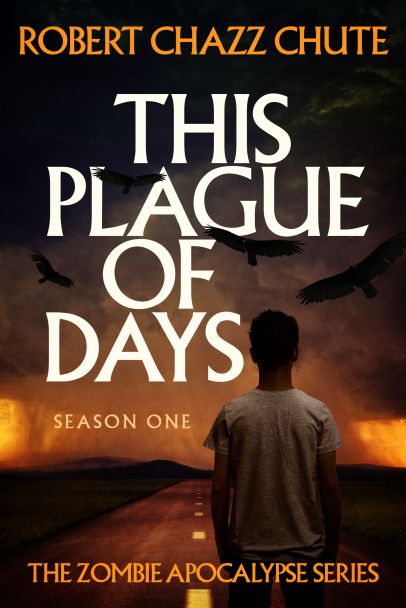
An autistic boy versus our world in free fall

Suspense to melt your face and play with your brain.

Action like a Guy Ritchie film. Funny like Woody Allen when he was funny.

Jesus: Sexier and even more addicted to love.

You can pick this ebook up for free today at this link: http://bit.ly/TheNightMan

Join my inner circle at AllThatChazz.com

See my books, blogs, links and podcasts.

Enter your email address to follow this blog and receive notifications of new posts by email.

Join 2,063 other subscribers