C h a z z W r i t e s . c o m

See all my books at AllThatChazz.com.

Snarky Friday Bonus: The Worst Dialogue in the World

Ayn Rand, the eminent 20th-century Russian-Ame...

Image via Wikipedia

Write believable dialogue. We read good literature for joy and also with a writer’s eye to emulate good writing. Some reading is useful as a terrible warning.

For the worst dialogue in the world, read any fiction by Ayn Rand.

No one on earth ever spoke as her characters speak. She has a philosophy to push more than a story so there’s a whole lot of preaching going on. That’s why she’s better known as a philosopher today, not a fiction writer. 

Filed under: Unintentionally hilarious, Writers, writing tips, ,

Friday Bonus: The Danger of Was

 Search your manuscript for the word was and look for opportunities to cut.

Instead of

He was thinking…

write

He thought…

Eliminate the passive voice wherever possible.

Even better? 

Demonstrate what the character must have thought by his or her actions.  

Filed under: Editing, writing tips, , ,

Writers & Editors: Top 10 Editorial Considerations

 Here’s the follow-up from yesterday’s post on appropriate use of tense:

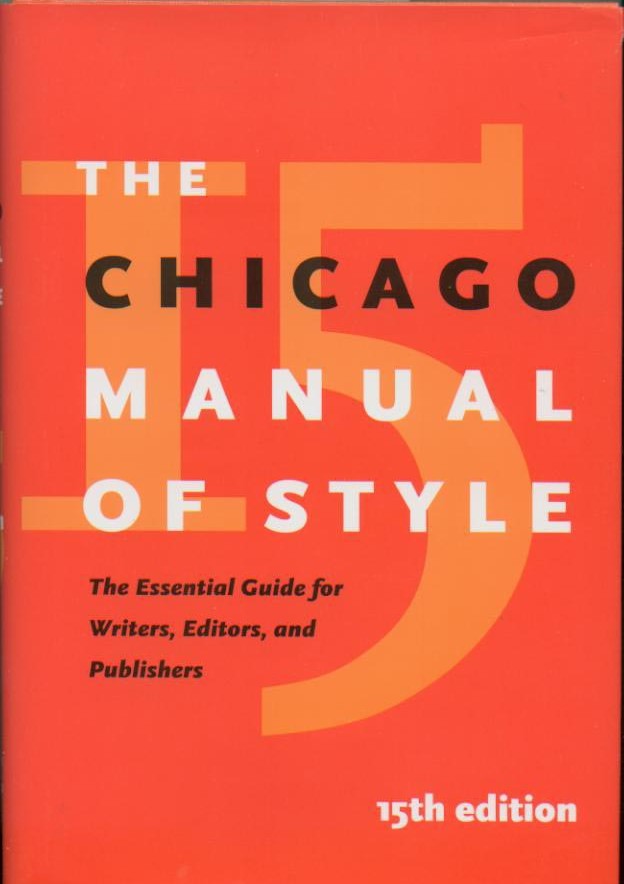
Editing considerations (as I revised my short story, The Dangerous Kind)Chicago-Manual-of-Style

1. One component I took care to delete were instances where the narrator says things like “I was surprised,” or when he made blatant judgements about his brother. This is overwriting and it’s easy to fall into. You want to give the readers enough to paint a picture but not so much that they can’t draw their own conclusions.

2. Try to avoid clichéd caricature. Don’t tell. Show character’s traits through their actions and dialogue.

3. Give your villains depth, so though the narrator of this story is the protagonist, he’s capable of evil and his mean big brother isn’t all bad, either.

4. This is a long short story at 8,500 words. The details are what’s going to draw readers into the slow build as the narrator discovers the evil of which he is capable. Show special knowledge along the way the reader might not know or detail that deepens the experience.  (For instance, on the hunting trip, the reader learns or experiences details about the feel of moss underfoot, the sound of a rifle bolt slamming home, buck fever and what it feels like to be carried in your mother’s arms.)

 5. Dialogue should advance plot, deepen character and, preferably, do so memorably. If the dialogue is neither of these things, it can often be summarized in narrative without quotes around it.

 6. Revising means “seeing anew.” Evaluate what the story is really about. At first I kept present tense because I wanted to maintain mystery as to whether the narrator would survive the story (See yesterday’s post below.) As I unearthed the story, the plot took a turn away from that storyline. Instead, the stakes are not whether the narrator will survive, but will he allow his brother to die, get the inheritance and escape rural Maine for the bright lights of New York? Once the core of the story changed, past tense opened up to me so I could achieve a more subtle and nuanced story than I had originally intended. That’s okay for a short story. For a longer piece of fiction I’d do more planning, plotting and outlining ahead of time so as not to lose too much time backing and filling.

7. Vary sentence length and sentence construction.

 8. Cut where you can without becoming terse or overwriting.

 9. The most common failure of overwriting is to describe character features in detail. Don’t tell me in detail what anybody’s wearing and definitely avoid the trope of getting a character to describe him or herself in a mirror.

 10. Dialogue should sound real, but without the ums and ahs of a transcript. Avoid dialect where possible as accents slow(and annoy readers.) Read your dialogue aloud to determine if you can believe someone saying your dialogue believably.

 Below is the first-person present-tense excerpt from The Dangerous Kind and then the revision.

Compare these excerpts…and please ignore the formatting. That’s a text to screen issue 🙂

 …I ask Jason if he cleaned the barrel. He shrugs and says he can still smell the gun oil so it is probably okay. He slings the rifle into the crook of his elbow and walks off toward the woods. I carry the pack, heavy with Jason’s beer. He does not have a hunting license. “Shouldn’t need one when you can get to the woods from your own back step.”

Halloween was the warmest I have ever known in Poeticule Bay, but this morning’s November chill cuts at my lungs. The forest goes quiet as we step into the tree line, as if the birds hear Jason coming and know they should be afraid. A squirrel rattles an alarm and skitters away as we push through a weave of dogwood.

 The glass bottles give muffled clinks as I walk. We hike to the old logging road where trees bow and touch overhead. Grass fills the middle so high, the trail looks like two narrow paths, as if parallel by coincidence.

Jason puts a finger to his lips. Staying quiet is all Jason knows about hunting. I try to tread carefully so the bottles don’t knock against each other. When I start to fall behind, my brother curses me for falling behind.

The sun burns off the gray cloud cover. The trees cast another forest of shadows, adding another thickness and plane to the landscape. The pack’s straps pull at my shoulders. Despite the sun and the cold air’s green taste, my footsteps become heavier as we push on. The sweat trapped under the backpack sucks my shirt to my skin.

We walk another half hour and salt sweat burns my eyes before I ramp up the courage to complain. My breathing is heavy. “We’re going too far, Jason.”

Revision:

…I asked Jason if he cleaned the barrel. He shrugged and said he could still smell the gun oil so it’s  probably okay. He slung the rifle into the crook of his elbow and stalked off toward the woods. I carried the pack, heavy with Jason’s beer. He doesn’t have a hunting license. “Shouldn’t need one when you can get to the woods from your own back step.”

            That Halloween had been the warmest I have ever known in Poeticule Bay, but this morning’s November chill cut at my lungs. The forest went  quiet as we stepped into the tree line, as if the birds heard  Jason coming and knew they should be afraid. A squirrel rattled an alarm and skittered away as we pushed through a weave of dogwood.

 The glass bottles gave  muffled clinks as I walked. We hiked to the old logging road where trees bowed to touch overhead. Grass filled the middle so high, the trail looked  like two narrow paths, as if parallel by coincidence.

 Jason put  a finger to his lips. Staying quiet is all Jason knew  about hunting. I tried  to tread carefully so the bottles wouldn’t knock against each other. When I started  to fall behind, my brother cursed  me for falling behind.

The sun burned  off the gray cloud cover. The trees cast another forest of shadows, adding another thickness and plane to the landscape. The pack’s straps pulled  at my shoulders. Despite the sun and the cold air’s green taste, my footsteps became  heavier. The sweat trapped under the backpack sucked  my shirt to my skin.

 We walk another half hour and salt sweat burns my eyes before I ramp up the courage to complain. My breathing heavy, I said,“We’re going too far, Jason.”

There are a lot of small changes here. Aside from changing the tense, there are a few other tactical changes worth noting. There’s a lot of walking through the woods in this story, so where appropriate I looked for more engaging verbs than “walking.” Instead I used “hiking” and “stalked.” Don’t touch your thesaurus , though. That’s a sign you’ve reached too far.

Careful use of uncommon verbs (like “skitters”) can be used to light the reader’s imagination as long as you don’t go over the top. If you overuse uncommon verbs, it’s usually for comedic effect. In the larger document I found other economies which I condensed into today’s Top 10 list.


 Related Articles

Filed under: Editing, manuscript evaluation, My fiction, short stories, writing tips, , , , ,

Chazz Writes: Q & A

Email Icon

Image via Wikipedia

Do you have a question for me about writing or editing?

(Mr. Director! Cue the happy music!) 

Email me at:

 chazz@chazzwrites.vpweb.ca

Also, at the bottom right of this screen is an email subscription box. Please take a moment to key in your email address. You’ll get my blog posts by email and never miss another scintillating post. I don’t share email lists with anyone and I won’t sell them to anyone. Thanks! 


Now, to clear your palate of my lonely plea for human contact in the outside world, below you’ll find meaty links on the subject of the slush pile. 

(Cue the ominous music.) 

Filed under: Editors, Publicity & Promotion, publishing, Writers, writing tips, , , , , , , ,

Penguin UK Accepts Unagented Manuscripts

Heard it on Behind the Grammar (a blog and podcast with which I have fallen instantly in love) and confirmed via Google: Penguin usually requires you to have representation to submit. Until October, they’re opening up to unagented manuscripts!

If you’ve got a manuscript in a drawer, you have less than a month to blow the dust off it and get it over there.

3…2…1.. Go!

Filed under: publishing, web reviews, writing tips, , , ,

Proofreading Symbols

To find more proofreading symbols click here.

Filed under: Editors, manuscript evaluation, writing tips, , , ,

Writers: Rejection does not build character

manuscript by Saint Andrzej Bobola, Polish Jes...

Image via Wikipedia


Some say rejection is part of “paying your dues” in the writing business. That’s over-analysis. Rejection is just someone saying no. When your query is rejected, do not read too much into it. 

Rejection is not useful on its own. It doesn’t thicken your skin for when you become a “real” writer. After you are published, you will get angry with critical reviews just as you are angry with rejections now. And why not? Your book is your child and an extension of you. If you are bent toward getting pissed off, you still will be. Rejection is not part of your training. Writing is your training. Learning your craft is a different proposition from receiving a form rejection slip. 

Rejection can be useful if you get specific feedback on why your story was rejected. Standard reply forms that say “not for us” tell you nothing except you must resubmit elsewhere. A manuscript evaluation (whether done by an editor you pay–ahem, like me) or by the people you submit to, can be useful. However, even then, it may be a question of taste in some regard. Agents and editors do sometimes take the time to tell you what they found wrong with a near miss. (Even if you disagree with their feedback, send a thank you note.) 

Understand this:

1. An agent or editor may give you a critique, but after you “fix” it, they are under no obligation to accept the manuscript. Many writers report great frustration over doing what they were told (perhaps even compromising their vision for the faint hope of publication) and still find themselves on the wrong side of the gate. No with details is still no. Doing everything you are told without running it through the filter of your own sensibility is no guarantee you’re on the right track. It also leaves you spineless and soulless. 

2. Publishers, editors and agents are extremely busy people. (Sometimes they wear that like a badge that they feel makes them special. However, I don’t know anybody who is at all cool who isn’t extremely busy, do you?) The point is, no one owes you a critique unless you paid them for said critique (ahem–like me.) Agents and editors typically say yes or no (mostly no.) They aren’t in the business of teaching you the craft. If they do send you a personal rejection and not a form rejection, it does mean you’re making progress. Handwritten notes of encouragement can make your day even though it’s a rejection doused with a little sweet perfume. 

3. If you send out a bunch of manuscripts and you receive no personal rejections, it means you have to tweak your manuscript or revisit your target selection process or both. Only you can decide how many rejections you suffer before you undertake further revision. Some say don’t tweak after you’re dome with revisions because by the time you’re finsally finsihed with revisions, you should be a little sick of it and ready to send your baby off to college. Fresh enthusiasm is what the new baby is for. Even as you edit the last book, your fickle nature should be pulling you toward the next book’s greatness.  

4. The rejection might not be about you. There are many variables that go into editorial decisions. Maybe the subject matter or execution is too foreign to the publisher or too much like one of the books they already have which failed. Maybe the editor loved it but it got shot down for budgetary reasons. Don’t get hung up on each rejection. Resubmit and move on to people who get you as quickly as possible. 

5. Don’t worry about rejection. It will occur. Expect it. It’s more important to do the writing and trust that good things are coming. Optimists are the only ones who succeed in this business. Pessimists, realists and the meek have the good sense not to try. They never succeed at much, but they’re cozy. Writers aren’t cozy with their place in the world. If they were, they wouldn’t be writers. 

6. Once you are published, you’ll realize the journey was more important than the destination. It’s the writing that matters, which is good because you’ll spend much more time writing than you will receiving prizes and getting drunk on fancy publicity junkets.  

BONUS:

When I was a kid, seeing my name in the paper was a big deal. By the time I was seventeen I had a regular byline in my local newspaper. By the time I was twenty, there was still a small thrill to see my byline on the front page of a provincial and city newspaper. My back page column in a magazine tickles. Recognition is still cool, but it’s not the same thrill and if a byline is all you write for, that’s not enough gas for the trip.  

The thrill is in the writing. The fun was finding just the right turn of phrase. It was always really about the writing. It always should be. 

Filed under: agents, Editors, manuscript evaluation, Rant, Rejection, writing tips, , , , , , , ,

Issues in Titling & Marketing a Manuscript

Romeo + Juliet (soundtrack)

Image via Wikipedia


I’m editing Romeo, Juliet & Jerome, my novel about a ADD-addled young man who dreams of becoming a movie star. He needs an acting credit and figures Romeo will be his ticket. When the dude who plays Mercutio overdoses and dies, the school shuts down the play and so, our hero’s dreams. He has to battle the school and stage the play himself, but now someone blames him for the drug death and wants to kill him with a hammer. Complications ensue. Also, Juliet’s a hottie so there’s young love. Will Romeo escape from New York to Hollywood‘s bright lights?  

It’s a hip coming of age story with dark humor, a gay subplot and lots of drugs and indie rock that tops out at about 80,000 words. It’s written. I’m just tinkering with the edit. 

Here’s the thing: Lots of books have incorporated Romeo and Juliet into their plots (and even more have used Shakespeare of all kinds. If you missed it, find Ten Things I Hate about You for a really funny modern take on Taming of the Shrew.) Today, while cruising Twitter I found that someone has written a book called Romeo and Juliet and Vampires. (There are similar videos, too. I had no idea.) Several books published in the last couple of years have joined classic tales and horror elements. I haven’t read them, but I think that horror subgenre has  taken off; the cover art is hilarious. Abraham Lincoln with a bloody axe. Queen Anne, also with an axe. Lots of zombie-axing action. 

The question is: will that book affect my book? 

The answer is: No, but for marketing purposes, it could change my title. I’m sure the premises are totally different so in terms of story, it’s a non-issue. However, when I pitch it to publishers, Shakespeare is familiar enough. I will not want them to think I’m trying to capitalize on someone else’s idea (who isn’t the long dead father of the English theater, anyway.) I’m not trying to catch up with a trend that will probably be dead by the time of actual publication. Story titles can sound familiar, but not too similar to something that has been published in the last couple years (unless it’s part of a series by the same author, of course. The Dexter book titles run together in my mind now, so even that may not be desirable.) 

I’ve said it before: Ideas are cheap. Your execution of an idea and mine will be very different. No matter how many people you stuff in a room, from a single idea, their plots will spin out in all directions. Don’t sweat that your idea sounds something like another idea. It’s all been done. There are no new stories, but there are infinite permutations and combinations. The trick is to make the familiar taste new and fresh again for jaded palates. 

Filed under: agents, My fiction, publishing, What about Chazz?, writing tips, , , , , ,

Happy Sept 1st! Three Publishing Tips (plus one awesome link)

A cartoon image showing an action described as...

Image via Wikipedia

1. If you’re looking for an agent, hunt for freshly minted ones on their way up at established agencies.   Brian Henry of Quick Brown Fox has a useful newsletter. He identifies fledgling agents who aren’t too jaded and are actually looking for clients. Imagine that! Keep an eye on his blog if you’re in the market for an agent. I knew Brian when we both worked at Harlequin. He doesn’t remember me, but I’ve decided he’s not a bad guy despite that.

2. Don’t let rejection so your production and shipping. Like they say, it’s a subjective business. Hone it and then follow Heinlein’s rule: keep sending it out.   

3. If it’s good, you will eventually connect with someone who loves it. Or at least sees that they can sell it.   

(Or become a publisher yourself…but that’s a different blog post.)   


Filed under: agents, web reviews, writing tips, , , , ,

10 Questions & Missions for Writers

Short Story

Image via Wikipedia

What are you doing today that will advance your writing career? Not yesterday. Not tomorrow. Today.

Choose #1 plus one other:

1. Have you written today?

2. Have you read a writing blog (besides this one)?

3. Have you researched an agent’s blog?

4. Have you proofread your poetry or short story?

5. Have you sent out one of your stories to a contest, magazine or journal?

6. Have you come up with at least five queries today?

7. Have you checked where your queries or stories are and if it’s been more than three months, do you need to write a reminder?

8. Have you read at least some pages of a good book today?

9. Have you set a word count or page count for your writing or editing project so you know the end date of the current stage of your project? If so, have you worked out a ship date?

10. Have you taken a half hour for yourself where you go for a walk, get some exercise, meditate or otherwise flush out your head so you have a fresh and healthy perspective on your work?

Please tell me you at least completed #1. You know why? Because your writing is #1!


Filed under: getting it done, Writers, writing tips, , ,

Bestseller with over 1,000 reviews!
Winner of the North Street Book Prize, Reader's Favorite, the
Literary Titan Award, the Hollywood Book Festival, and the
New York Book Festival.

http://mybook.to/OurZombieHours
A NEW ZOMBIE ANTHOLOGY

Winner of Writer's Digest's 2014 Honorable Mention in Self-published Ebook Awards in Genre

The first 81 lessons to get your Buffy on

More lessons to help you survive Armageddon

"You will laugh your ass off!" ~ Maxwell Cynn, author of Cybergrrl

Available now!

Fast-paced terror, new threats, more twists.

An autistic boy versus our world in free fall

Suspense to melt your face and play with your brain.

Action like a Guy Ritchie film. Funny like Woody Allen when he was funny.

Jesus: Sexier and even more addicted to love.

You can pick this ebook up for free today at this link: http://bit.ly/TheNightMan

Join my inner circle at AllThatChazz.com

See my books, blogs, links and podcasts.

Enter your email address to follow this blog and receive notifications of new posts by email.

Join 2,063 other subscribers