
Filed under: author Q&A, authors, publishing, Writers, writing tips, alan moore, authors, writing advice

01/08/2012 • 7:56 PM 1
Filed under: author Q&A, authors, publishing, Writers, writing tips, alan moore, authors, writing advice
01/03/2012 • 5:13 PM 4
I had thought about writing full-time but I only thinking, not doing. I attended writers’ conferences and wrote novels I kept secret from the world. I had a few drafts written but hadn’t polished and submitted them anywhere. I’d won seven writing awards, but hadn’t leveraged that fact. I wrote the back page column in Massage & Bodywork magazine for several years, freelanced some speeches and marketing materials, ghosted a bit and edited for writers and publishers on the side. Still, I hadn’t committed to making a real change for me. I was helping to make other people’s dreams come true. There’s nothing wrong with that, but I was ignoring my dreams and I wasn’t setting goals for myself.
I was waiting for…something.

Image via Wikipedia
Don’t wait. Take your shot.
Life is too short to wait to pursue your dreams.
I figured out the math. The risk I wasn’t taking was more dangerous than failing to try.
No matter how this experiment turns out, I can say I tried.
As you can see from the video, things have changed for me.
I’m having more fun. I’m putting myself out there.
Self-help for Stoners, Stuff to Read When You’re High, is now available in paperback.
The Self-help for Stoners podcast is on iTunes and Stitcher and six ebooks are up for sale just about everywhere.
Look for three novels coming in 2012.
Thanks for the laughs and the inspiration, Kevin!
Filed under: book trailer, Books, DIY, ebooks, getting it done, publishing, self-publishing, What about Chazz?, Writers, book trailer, commitment, inspiration, Kevin Smith, resolution, start your business, video
12/31/2011 • 1:54 PM 5

Please click here to pick up Parting Shots.
When you can’t get out of the bathtub on your birthday, something’s gone wrong in your life. And by your life, of course, I mean mine. The other night I tore a rotator cuff muscle boxing. It hurts when you throw a hook and miss. I ripped it up pretty well. I’d had shoulder pain off and on for weeks due to to my incredibly sedentary lifestyle and the computer mouse. I sit very still to write. I can’t write and walk around at the same time. I’m chained to a desk by an intravenous tube that carries coffee. When the shoulder pain hit, I shouldn’t have been surprised, but I was. The pain is enormous. I almost called my wife to help me out of the bathtub. On my birthday. Not one of my best birthdays, I have to say. In fact, it might have been the worst.
Long-term?
Pain is good.
I will use this.
I did manage to get myself out of the tub. Getting my shirt on? That was five minutes of hell and wishing the Advil would kick in faster. It didn’t. I’ve had shoulder pain this bad before (on the other shoulder.) When it hurts to laugh, you know it’s bad. When you have to devise new strategies to do mundane tasks, it’s makes you mad. When it happens on your birthday, it makes you sad.
However, I won’t let all this sadness and badness and madness go to waste. At some point, I’m sure I’ll have a hero try to fight the bad guy in a climactic scene and the hero’s shoulder will be all messed up. That’s the easy take away from this experience.
Let’s go deeper.
Staying home to write books full-time? This is awesome. This is the fulfilment of a dream. I am so lucky to be able to devote myself to this enterprise all day. However, if I don’t take better care of my physical body, I will lose this opportunity. When every movement reminds you of pain, it’s hard to concentrate on work. Pain saps productivity, whisks away opportunities and manufactures misery far from the site of origin.
But let’s go deeper.
The pain in my shoulder is not simply a rotator cuff tear. It’s a symptom. I have not been to the gym for quite some time. I have not been taking care of myself. Why is that?
My excuse…no…my dumb reason is that I have been swimming in the launch of my books. I have no excuse. I let myself forget that success is not a single facet. To get my shit together, I have to take time to take care of all aspects of my life: family, fitness and work. I am not of one dimension. I was so busy with work, it gave me the excuse to be lazy in other areas of my life.
Translation:
I have books to publish! I have no time for the gym! Publishing is so exciting I don’t even have to feel bad about not going to the gym because I’m being productive!
Yeah, right. But for low long, Spock? How long?!
Concentrating so much on marketing made the disappointment at the initial outcome darker. My sales aren’t anywhere near where they need to be (yet, goddamnit! Yet!) The reviews haven’t been rolling in (yet, goddamnit! Yet!) But I’ve started up businesses before. I know how this works…or doesn’t work. These things take time. Readers will get around to writing reviews. Word will spread. It doesn’t happen on a schedule. You may as well try predicting cloud formations as plot book sales. But I do have a strategy. While figuring out how to manage our time in the new year, I told She Who Must Be Obeyed that I think I’m through The Worst of the First.
The Worst of the First is the downside of that incredibly creative, energetic time when you start up a new enterprise. You have to get a business license and take care of paperwork that is not directly related to your success. You order business cards or figure out technical aspects that feel removed from the core of your enterprise. The Worst of the First is about trying to do everything at once, just to get things rolling forward. The Worst of the First is about the trivia that no reader ever sees. It’s the behind-the-scenes stuff no one cares about, including me, but it has to get done. It’s part of building inertia, too.
Then there is The Best of the First. Here are the highlights of my first couple of months as founder, president, author and Chief Dude in Charge of Wastebasket Emptying at Ex Parte Press: Three ebooks up on Amazon and just about everywhere else by November 1. Recorded a podcast, Self-help for Stoners, to help market my book of the same name. Tried and failed to get my first podcast published. Dave Jackson of the School of Podcasting helped me to get the podcast up and out there. He helped me get control of my author website, too (allthatchazz.com). Got the paperback formatted with Jeff Bennington’s help. Got new art for the paperback done with my graphic designer, Kit Foster. Published Self-help for Stoners through CreateSpace. Published three short stories in the last week (Parting Shots, Asia Unbound and Vengeance is #1) on Smashwords.com. Maintained my Scoopit! Page, three blogs, three Twitter accounts and published six podcasts. Now the podcast is also available on the Stitcher app as well as iTunes, so it’s everywhere.
When so much positive stuff was happening at once, I was riding high. But I wasn’t leaving my desk. I’ve been married to my Mac, which makes She Who Must Be Obeyed jealous. I’m through the imbalanced part now. My shoulder reminds me with every move that I have to concentrate on the core. That means publishing three novels in the next year, yes. That also means taking better care of me so I can accomplish those goals. It means eating right and getting to the gym. That’s also part of the writing process. It clears the brain and keeps my body ready for writing marathons. Sitting still for too long is too hard on the body. We’re made to move and if we don’t, we die.
On my birthday, I checked my book sales and found the accounting had finally come through. It wasn’t good, but the beginning is rarely good. I’ve been here before. I know the terrain. I know the pain hammering me in the shoulder is a reminder of what a low point feels like. The sinking feeling as I looked at my first sales numbers—on my birthday!—made me think for a moment that all my marketing efforts had been wasted. But no. It’s just a normal part of The Worst of the First. My readership hasn’t found me yet. You have to market your books when you think you should be using all your time to write. In weak moments I do think, All I should do is just write and revise and do nothing else. But then I remember this is not 1987. Seclusion is a luxury for old media authors. I’m a new media author. I must not hide from the world if anyone is to ever hear me.
The fattest kid at Fat Camp has the most potential. When you reach critical mass and are feeling low, you can look up. There is so much to learn and so much to conquer. I am grateful to have so much fun and trial ahead of me. When we succumb to the idea that the best times of our lives are behind us, we truly begin to die. This is just the beginning and there is so much to look forward to! Writing this post, holding tight to this pain and this disappointment? That’s going to make the triumph all that much sweeter, don’t you think? I’m going to appreciate the win more when it comes. And I’m through the gauntlet and into the glove already! I made it through the Worst of the First. Yes, there will be frustrating times ahead, but I got through the first couple of months of the enterprise. I got to the starting line. A lot of people dream of the starting line but never get there. They never get the chance, or take the chance, to run. Now I’m running and I’ve got some inertia behind me. I have you behind me. (I know because you’ve read this far.)
My resolutions for 2012?
I will use this. Failure is fuel.
Failure is only failure if you let it keep you stuck in the tub.
Filed under: DIY, ebooks, getting it done, publishing, self-publishing, short stories, What about Chazz?, What about you?, Writers, writing tips, Advil, Amazon.com, Asia Unbound, iTunes, Parting Shots, Podcast, self-help for stoners, Stitcher, Twitter, vengeance is #1
12/12/2011 • 3:57 AM 11
I’ve been thinking about how to promote my books quite a bit. There was a lot I wasn’t sure about as I embarked on getting the word out. In the beginning, I didn’t know for sure if I even wanted hard copies of my book. I do want a printed book for Self-help for Stoners now (for various promotional experiments to be announced.) I didn’t know how hard it would be to ask friends to help spread the word. I didn’t know how difficult it would be to get friends to take the time to read and review the books and listen to my podcast. Even the people who care about me don’t necessarily care about my tales of suspense, comedy and magic realism.
I underestimated how loyal people are to the media they are used to. For instance, I know several people who want to support my work, but for one it has to be print only (I’m sure he’s not alone) and for another, she’ll have nothing to do with Amazon. She’s waiting for the Kobo version (so she’ll be waiting a long time unless she orders the print version straight from me.) I was getting a little down about that, but then Andrew, another kind fellow, said that though he’d prefer paper, failing that, he’d be ordering the ebooks anyway. Change happens, but not on my schedule.
And then there is traditional publishing’s inertia. It’s slowing, like a big ship that’s lost power but still has momentum in the Zeitgeist Sea. This afternoon I listened to the annual book recommendation show on CBC’s Cross Country Checkup. Dozens of callers recommended which books to buy for Christmas. Not a single ebook was in the mix. The CBC demographic either skews toward a generation that hasn’t bought its Kindles or iPads yet, or the resistance to the ebook revolution is so entrenched that we won’t see the CBC recommendations change until a cataclysmic shift, like Chapters closing its brick and mortar outlets. (For reasons I’ve already covered on this blog, that’s in the works, but it’s a process and won’t happen overnight. The change is as easy to predict as the contraction of HMV and the fall of Blockbuster, however.)
Another prejudice for us to overcome is the giggle factor. “Self-published?” (I covered that subject a week ago so I’ll not delve further into that.) But I face another giggle factor: my title is Self-help for Stoners, Stuff to Read When You’re High. An acquaintance saw my business card and said, “Stoner? You?” I replied that I had indulged. I also told him that many of my stories of suspense have elements of violence and murder. “The research for that…” I grinned, “well, let’s just say you’re worrying about the wrong thing, pal.”
I added that you didn’t have to be a stoner to enjoy my stories (though my standard joke is that anyone who is high is automatically a better audience…for anything.) Still, no sale there. He walked away worrying about my immortal soul and questioning what he thought he knew about me. (Answer: I’m complex. Like Batman. Okay?!)
In part, I chose Self-help for Stoners for cold and calculated strategic marketing reasons. It wasn’t just that it fit the book. Many titles might have fit the book. However, I had a short fiction collection (a difficult sell) that was a weird hybrid. I knew going in this would be a self-help book in the form of fiction. The fact that the book was inspired by two celebrity stoners to whom I dedicated the book also played a major role in my choice. For that collection I reached back to a non-MFA approved format: Amid the short stories and brain tickles, it’s kind of preachy. On purpose, it’s fiction that packs a point as well as a gut punch. Kind of like Vonnegut, it’s plot driven and yet there are forays into stories that invite the reader to introspection. It’s preachy in the same way The War of Art* is preachy: consciously and on purpose and without apology.
To the surprise of some, the book has nuance in that I do not advocate throughout for marijuana use for everyone. It’s not for everyone, but free speech and free thought and control over one’s own consciousness are things I do advocate throughout the book. This is a book that will have to find its audience or its audience will find it. However, I don’t regret the title. Collections of short fiction, and the weird hybrid this is, are a tough sell no matter how wonderful I think short stories are. They’re so tough, in fact, that I’m done with short fiction for a long time. The next books will all be novels. However, since stoners are a reading, identifiable market, I tailored many of the stories from Self-help for their enjoyment. (Yes, stoners are readers and are often an intellectual bunch. Don’t believe the hyped stereotype of a bunch of dumbasses blitzed on a beach. That’s alcohol.) My people will find me, either through my friends, my networks, social media or through my podcast of the same name. For any book to be successful, ultimately it will have to found through good reviews, excited readers and Google.
Here’s what I’ve learned so far:
1. Choose your title carefully. In the long term, targeting an identifiable niche will help me. In the short term, it’s uphill slogging.
2. Get a good cover. We’re told we’re not supposed to judge books by their covers, but of course we do. I did my cover for a novelette (The Dangerous Kind). I liked the cover well enough because it was for a 10,000 word story I’d sell as a loss leader for 99 cents. In retrospect, I’d ask Kit Foster, my graphic designer, to do that cover now. I recognize the elements that go into a great cover but I can’t create one. I have no idea how Kit does his magic. I just know that I get a lot of compliments about how good the covers are for Self-help for Stoners and Sex, Death & Mind Control.
3. Have a strategy. I named the book strategically, but perhaps more important, I named the podcast strategically, too: It has the same name. In the long run, I’ll probably find more people through the Self-help for Stoners podcast (delivered free and weekly through iTunes) than any other strategy I plan to use (except one.)
4. Don’t be a jerk, but don’t be too shy, either. Keep asking for help spreading the word. Just be sure you give lots of positive content beside the occasional request for reviews, shares and assistance. It’s not begging when you’re giving more than you’re receiving. It’s quid pro quo, the basis of all civilization.
5. You noticed the end of point three and you wondered, “What’s that about?” What’s the ‘except one?’ “ The best strategy is to keep on writing the next book and the next and the next. Revise and edit the hell out of them. After about book five, you have a better shot at getting noticed.
It’s a process. It doesn’t tend to happen quickly until a critical mass of forays— failing, learning and winning— are traveled through. I’m on my journey and these are exciting times at Ex Parte Press. Last week, I finally got the print formatting done for Self-help for Stoners by calling in the cavalry (thanks to Jeff Bennington). This weekend my graphic designer (the inimitable Kit of KitFosterDesign.com) and I finalized the cover for the paper book. Kit even put a new logo together for me (pictured above right). Some things are coming together, but a lot more is not. It’s a learning experience. Some day I’ll look back and say these scary times were the most exciting.
*And by Thor and all that’s holy, if you’re a writer and you haven’t read The War of Art yet, do!
Filed under: Books, ebooks, Publicity & Promotion, Rejection, What about Chazz?, What about you?, Writers, writing tips, book promotion, Cross Country Checkup, E-book, Kobo, publicity, publishing, self-help for stoners, short story
11/15/2011 • 6:14 PM 8
This week, as I listened to some NPR folks talk about writing on a podcast called Culturetopia, I found myself getting agitated. They were coming down hard on Diablo Cody for her dialogue in Juno. The

Image via Wikipedia
complaints were variations on a theme: teens don’t talk like that. They grudgingly admitted that some of the dialogue was funny, but added it was the actors’ charm that sold dialogue that wasn’t “real.” (Whatever this reality thing is…but that’s another post in which I discuss quantum physics, multiple earths and Twinkies.)
How charming do these critics imagine actors can be if they’re mute? Do they really believe the charm oozes off the screen just because actors walk onscreen? (In my experience, that only happens in porn where dialogue is tertiary. Primary? Looks. Secondary? Action (and, equally, the presence of umbrellas open indoors…but that’s my fetish.) In so-called real life and on film, actors have to speak the lines in the script (and possibly throw in some improv) to sell a performance. JK Simmons is a great actor. But if he played the dad in Juno as a mime bereft of Cody’s dialogue, I would have to kill him. (As is my mission with all mimes.) What I’m saying is, Juno as a silent movie wouldn’t work nearly so well for me.
There are so many lines from that comedy I loved:
“It’s a pilates machine.”
“Great! What’s it make?”
And the teenage mother played by the wonderful Ellen Page tossing off the reaction of her peers to her advancing pregnancy:
“They call me the cautionary whale.”
Cody’s critics were even cheering her “failure” with her second movie, Jennifer’s Body, to teach her humility (presumably so she can write another, more banal movie that’s not so threatening to their self-image and worldview.)
There are three answers to this line of attack on Diablo Cody:
1. It was a comedy. Lighten the fuck up.
2. “Teens don’t talk that way”: Really? All teens? Everywhere? Ever? Every teen and every adult must conform to one sound, one point of view, one CLICHE?! Ellen Pages’ character was a smart, glib kid who spoke in one-liners. Sometimes I speak in one-liners and the only writer working for me is me. Maybe the critics don’t know any smart people who are funny at the same time. They need to meet more comics because that’s what some of them can sound like on and offstage. Maybe after giving up her baby to Jennifer Garner, Juno went off to work the Comedy Store. Or she took up particle physics. Funny and smart at the same time is possible, at least in the form of Juno.
3. Critics: Don’t be so damn churlish. I’m thinking of two words. The second word is “you.” The first word is not “thank.”
Filed under: publishing, Rant, Rejection, reviews, scriptwriting, Writers, writing tips, critics, Diablo Cody, dialogue, Ellen Page, Jennifer Garner, JK Simmons, Juno, Juno: The Shooting Script (Newmarket Shooting Scripts), reviews, unfair criticism
11/11/2011 • 11:21 AM 4
Writing is an arty business that requires a lot of patience, persistence and waiting. Many people give up too soon because they aren’t getting a dopamine release. Like your Mom told you as you lay on the living room couch in front of the XBOX for the eighteenth hour, you’ll do better in business if you master the knack for delayed gratification. (Somehow. I don’t know how.) The problem is your body is programmed to hit the short-term happy button like a chicken pounding the pellet lever for a crazed psychologist’s cocaine experiment. Long-term thinkers have manuscripts to publish. Short-term thinkers will ditch work to hit a Transformers movie.
Other professions get a personal payoff faster. Watch any chiropractor at work and you can see the dopamine release hit them in the brain pan with each spinal crack. Some professions never get a happy brain chemical payoff (e.g. any retail food industry job. The hit comes from abusing customers and stealing fries straight from the fry-o-later.)
People who write a lot do so for varied reasons: NaNoWriMo hopes, fear, desperation, spite, being otherwise unemployable, ambition, compulsion or perhaps, as George Orwell admitted, a rather pathetic need “to be thought clever.” (Bingo!) Underneath most of our brain tickles is dopamine, the drug of choice in the pharmacy that is your brain.
This may sound a little bit silly, but it’s working for me. Last night I was at my keyboard reworking the morning’s writing (the fountain pen’s comes first) and my nine-year-old son popped into the office and said, “What is that sound?”

Image via Wikipedia
“That, my tiny friend, is an ancient sound I’ve brought back through the magic of the interwebs.” (Google “Typewriter sounds” for your device and you’ll find another tool for your personal reward system.)
He gave me the quirky eyebrow, annoyed plus perplexed look. (Try that. It’s a tough combination.)
“That’s the sound of a typewriter, son.” When I hit the keys on my Mac’s keyboard, click, click, click-click, clickety click. Fun, yes? Well, it is for me. And I don’t think it’s just nostalgia for my first year of journalism school. I’m getting aural feedback on my typing so I find I’m typing a little faster and a little more accurately. And dopamine. That, plus the floaty feeling of slipping into a story and making the world go away.
Aaaaah! Give me another hit, Mr. Candyman! Clickety-clack, clickety-click, Barba trick…click…clickety…
How do you reward yourself for missions accomplished to keep the plates spinning and the fun coming faster?
Filed under: getting it done, NanNoWriMo, Writers, writing tips, Brain, Dopamine, George Orwell, NaNoWriMo tips, Reward system, typewriter sounds, writer faster
11/05/2011 • 9:02 PM 4
The ebook review was for The Dangerous Kind, a novelette: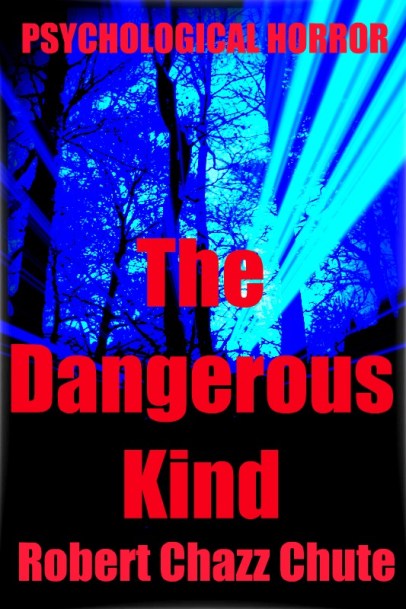
Two orphaned brothers go into the woods on a hunting trip. Each has reason to want the other out of the way. Only one will ever see home again.
Thanks to Mark Young for the nice review. It’s also kind of prescient of him. The setting for The Dangerous Kind is a small town in Maine called Poeticule Bay. Mark felt the novelette was a warm-up for more from Poeticule Bay and he’s right! I’m already working on the next Poeticule Bay book, a full-length novel.
If you’ve read Self-help for Stoners, Stuff to Read When You’re High, you’ll also recognize the name. In the very first story of that collection, an actress named Legs Gabrielle returns to Poeticule Bay for her father’s funeral. Complications ensue when she is not welcomed back as the local girl who made good. You can read that story for free here. Or buy it as part of the whole collection here. (All of $2.99.)
As for that awesome review of The Dangerous Kind, if you’re ready for a little suspense, just jump to buying it on Amazon.
Or you could, I suppose, go on with your life thinking that your world does not revolve around my dark tales of suspense.
You could, theoretically, pass this by and believe that you could do without fulfilling my petty desires.
But we both know that’s not true. (Er…right?)
Also, The Dangerous Kind is only 99 cents.
(It ain’t begging if you provide something in exchange for the couch change.)
Or click the link above to get that free taste of Self-help for Stoners and see if you think I’m wasting your time…or drawing you into my world.
Filed under: All That Chazz, My fiction, web reviews, What about Chazz?, Writers, Amazon, Amazon Kindle, Amazon.com, Barnes & Noble, Barnes & Noble Nook Color, book review, E-book, Nook, Smashwords, The Dangerous Kind review
11/01/2011 • 6:03 PM 0
I’m feeling the love at The Writing Bomb.
Thanks to Jeff for allowing me to spout off about inspiration, perspiration and what self-publishers need.
Filed under: All That Chazz, ebooks, Publicity & Promotion, self-publishing, What about Chazz?, Writers, authority, inspiration, inspire, occupy wall street, self-help, self-help for stoners, self-publishing
10/24/2011 • 9:41 AM 2
Ebooks aren’t quite as instant as you might expect. They certainly aren’t as instant as I expected. A couple of months ago, my friend Rebecca Senese encouraged me not to announce a publication date for my ebooks. Rebecca was an early adopter in the ebook craze and has formatted a ton of her short stories using Smashwords. She knows whereof she speaks…so naturally I considered her advice seriously before stupidly ignoring it.
I thought I could get the formatting and conversion done and once the ebooks were delivered to the various digital platforms, bang! The books would be up and available for at least a couple of weeks before my official launch date of November 1. I wasn’t rushing to publish. Editorially, the books are ready for the big show. Still, self-publishing guru Joe Konrath’s words were probably lurking somewhere in the back of my mind: “A month’s lost sales is a month you’ll never make up.”
Only a couple of months ago, November 1 seemed so far off. It wasn’t an arbitrary date for me…at least it’s not psychologically. That’s when my career odometer turns over. Next Tuesday I am officially no longer a part-time massage therapist and stay-in-the-home-bunker dad. On that date I’m retired from twenty years of clinical practice in the treatment of sports injuries and broken backs and squeezed brains. I’ll be writing and publishing and podcasting full-time…oh my god! Next week! Jesus! Anyway, Rebecca was right, of course. It doesn’t pay to be inflexible because even though you can deliver the books — fully formatted and converted to specs — they still won’t be available for sale right away.
After delivery, Amazon can have your stuff up for sale within two to four business days. Great, right? However, Sony won’t have my ebooks available on their e-reader for weeks! I really wanted to hit the ground running and have all my books available across all digital platforms by the time I switched careers. I hadn’t considered how slow the word “instant” could really be. I’m not beating myself up about it. This is a learning curve and a huge milestone in my life does not translate to a publishing schedule. That’s an emotional attachment I’m putting on a business situation.
I soon decided I would use the delay as an advantage. I had wanted to say the books were available across all digital platforms, but Kobo still isn’t in my mix (and I’m still evaluating the worth of the Kobo platform to me.) I have The Dangerous Kind available most everywhere through Smashwords. All three ebooks are up on Amazon. Sony is the third most popular platform (behind smartphones and Amazon) so the wait is a bit frustrating. I don’t know why Sony takes so much longer than Amazon. I can only assume they don’t have the same resources for the task. However, the procedural delay will allow me to announce new platform availability over time so I can repeat my message and not feel so spammy about it. I also have some advertising plans to evaluate and pbook ARCs to publish so a little more time will allow me to hone them to a sharper edge. (And the paper books will take a long time, too. For sure!)
After all the work and coffee consumption involved in making an idea into a book, there’s nothing instant about the writing and editing process. It’s true for the production process, too, even when we think we’ve taken delays into account. It’s always later than you think!
Filed under: DIY, e-reader, ebooks, Writers, Amazon, are ebooks instant?, book, E-book, Kobo, Publish, self-publishing, Smashwords, Sony




Winner of Writer's Digest's 2014 Honorable Mention in Self-published Ebook Awards in Genre


The first 81 lessons to get your Buffy on

More lessons to help you survive Armageddon

"You will laugh your ass off!" ~ Maxwell Cynn, author of Cybergrrl


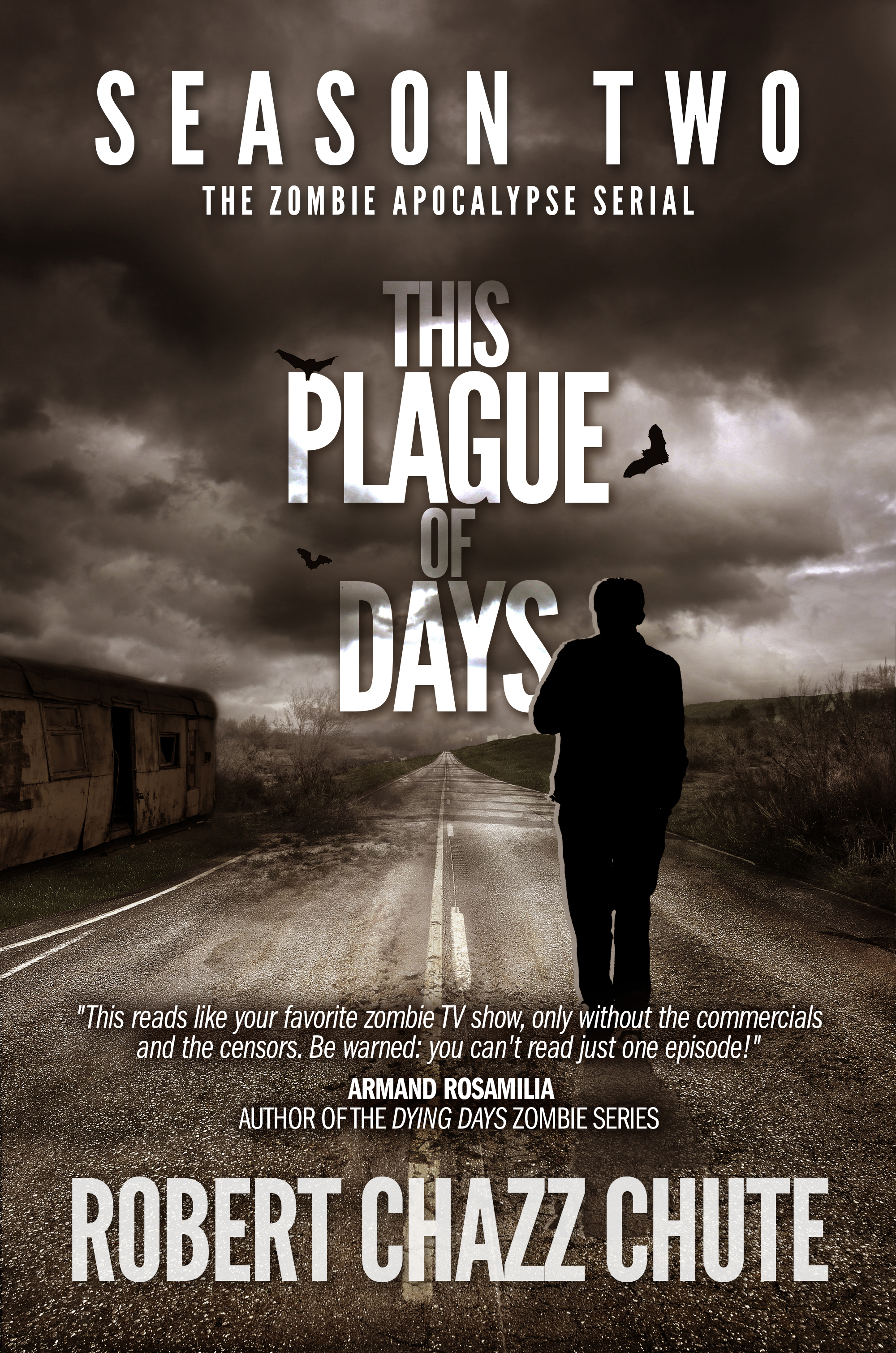
Fast-paced terror, new threats, more twists.

An autistic boy versus our world in free fall

Suspense to melt your face and play with your brain.

Action like a Guy Ritchie film. Funny like Woody Allen when he was funny.

Jesus: Sexier and even more addicted to love.
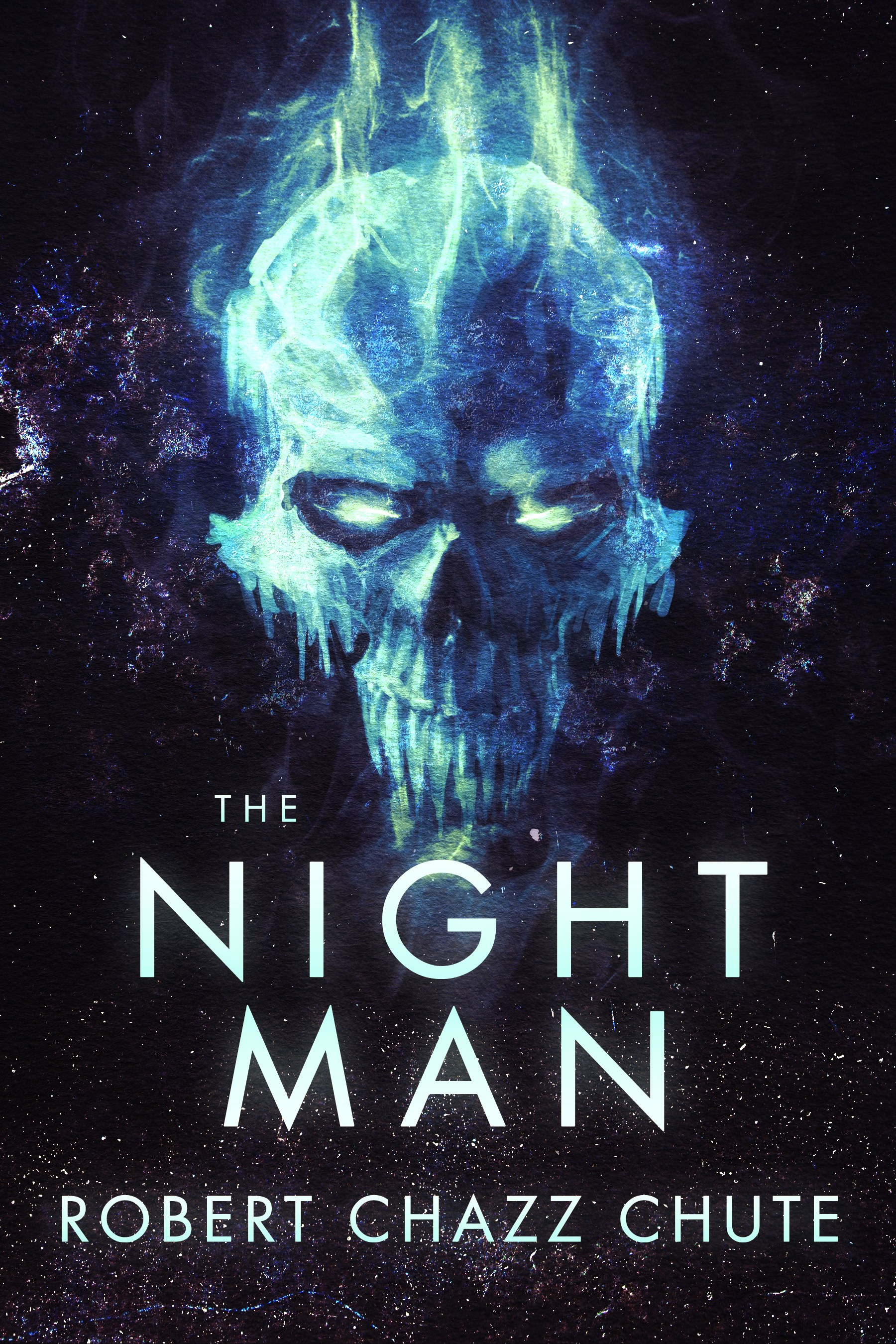
You can pick this ebook up for free today at this link: http://bit.ly/TheNightMan


See my books, blogs, links and podcasts.

 C h a z z W r i t e s . c o m