C h a z z W r i t e s . c o m

See all my books at AllThatChazz.com.

Writers: The Power of Small (and why press releases don’t work)

A picture of author Carolyn See

Image via Wikipedia

When I worked in a city newsroom, one of my jobs was to go through press releases to find gems. There weren’t many of those clichéd diamonds in the rough. Reporters see so many press releases, they begin to look upon them with suspicion and even resentment.

What’s an author to do? You want an interview. You want your book reviewed. How do you make it happen? The traditional approach was to send out lots of press releases and books. It wasn’t very effective. In fact, sending out a lot of review copies is expensive.

There’s an alternative:

Go small. Go low-tech. Write a note.

This isn’t a practical approach for in-house publicists working for major publishers (but they usually work in short bursts for particular authors, anyway.) The low-tech, patient strategy is for indie authors looking for ways into the media. Unfortunately, publishers focus on very small windows of opportunity. They are looking to move a lot of books quickly (before the book stores send them all back for credit.) Marketing in book publishing has been long periods of silence interspersed with short frenzies. As an indie author selling e-books, you’re opting out of big, expensive and short-term strategies. This isn’t so much for Wiley (publishers since 1807!) authors. This is especially for wily indie authors.

As an independent author and publisher, you can play the long game instead. You can write a note or two a day. One author/guru Carolyn See made it her practice to write a “charming note” every day to an editor or publisher or agent.* Why not to reporters, too?

But there’s a trick to making it effective. You know how I’m always saying that if you want to hit up an agent, don’t look for the big, established names? Agents fresh from the factory who are up and coming in established agencies are better bets. They are still hungry and not as jaded. They don’t hate all queries yet. They still have hope and the scales have not yet developed over their eyes.

The same is true for reporters. The book editor of a large magazine already has lots of books lined up. The independent author has lots of indie-spirit, but most book editors still look down on them. So screw them.

Work on getting into smaller newspapers. Send a charming note to a general reporter who would love to do a cushy author interview instead of chasing some city council member who doesn’t want to speak to them. I’d rather talk to an author than cover a house fire any day.

You know why it will work?

It will work because you will be charming (“Loved that piece you wrote on the local scaled railroad hobbyists so I thought…”)

It will work because general reporters think entertainment reporters have a cushier job (and they’re right.)

It will work because all journalists also want to write a book some day.

And while we’re talking small, send off a friendly email to book bloggers. That counts as a charming note, too.

Ask to guest blog. Bloggers love a break and crave hits, connection, track backs, links and love.

Ask for an author profile. I profile an author on Chazz Writes almost every week. It’s not the New York Times Review of Books, but since they aren’t calling, how about alerting like-minded people to your creations? If you can’t go huge, you can still be ubiquitous.

Instead of just showing up at a bookstore and asking to see the manager, send a charming note ahead of you to break the ice and soften her up for a reading. Better, be even more charming and offer to organize readings for your local bookstore. (Later this year I’ll profile an author who did just that. Not only did he help many other authors, his own career got a boost from building community among colleagues.) 

Your book needs attention. I’m sure you’re already working on developing and maintaining your audience. Don’t forget that etching away at it a day at a time over the long haul can reap big rewards. With patience, you can build your empire. Don’t underestimate the power of a low-tech, targeted, personal and charming note.

These days, the mail is mostly for bills. This approach is more powerful than it ever was because you hate what’s in your mail box. But when you get a letter, you’re excited. It will work because it has worked.

*Read Carolyn See’s Making a Literary Life for details. Or, don’t fool around and head straight to Amazon to buy her book.

 Related Articles

Filed under: Author profiles, authors, book reviews, Books, DIY, getting it done, links, Publicity & Promotion, publishing, self-publishing, writing tips, , , , , , , ,

Chazz Writes: The Top Post of 2010 was…

An Evening with Kevin Smith 2: Evening Harder

Image via Wikipedia


The most popular post of 2010, and my favorite, was about the evening I spent with Kevin Smith in Kitchener, Ontario. If you missed it, here’s that link one more time: 

https://chazzwrites.wordpress.com/2010/11/04/thatkevinsmith-10-lessons-received-from-an-evening-with-kevin-smith/

I attended two publishing conferences in 2010 (loved them!) but An Evening with Kevin Smith kicked up my energy and changed how I felt about me, art and writing. (Are you sick of my man crush on Kevin Smith? Too bad. Suck up the goodness.)

Do you need some New Year’s resolution energy and inspiration to overcome that stale 2010 inertia? Here are some more Kevin Smith posts to put some heavy horsepower into your creative life:

My Top Three (Living) Writing Heroes. Who are Yours?

Writers: DIY vs traditional publishing

Are You a Consumer or a Creator?

Kevin Smith on Writing

We tell our stories. It’s not supposed to be about fame. Or is it?

Kevin Smith loved the blog post! The aftermath…

https://chazzwrites.wordpress.com/2010/11/15/thatkevinsmith-feelgood-story-of-the-day-week-year/

Now go make 2011 your year. I’m going to make it mine!

HAPPY NEW YEAR!

Filed under: authors, DIY, getting it done, Media, My fiction, publishing, Rant, Useful writing links, What about Chazz?, writing tips, , , , , , , , , , , , , ,

Book Marketing: What I learned from Joe Rogan

Joe Rogan

Image by Jordan Larrigan via Flickr

Joe Rogan has one of the most interesting podcasts on the net. You might know him as the Fear Factor Guy, or the ultimate fighting commentator or as Joe Guerrelli, the electrician on News Radio who made his own duct tape. (News Radio is still one of the best sitcoms ever, by the way.) There’s a lot more to him than that, though. He’s a walking, talking brain-stimulant. Plus, he makes me laugh my ass off.

I caught his podcast, The Joe Rogan Experience,  in which he was talking about the challenges of marketing. It was kind of a throw-away comment about the crazy world of stand-up comedy, but I got a lot out of it that applies to books and writers, too.

As a young comic, Joe left the marketing to someone else. He didn’t see his marketing as his job. He was doing stand-up. He didn’t feel he should have to be hysterically funny, crass and thought-provoking and sell the tickets, too.

When he saw how badly people were selling him—or that no one was selling him at all—he took up that responsibility. Now he tweets his shows and promotes himself through podcasting, YouTube, web presence and appearances on radio, other podcasts, etc.,… Rogan’s got a cult. Rogan has staked out his land. He has followers and fans. Joe Rogan is not melting into the background of the culture’s collage.

Many writers still hope someone else will take care of marketing their books. The truth is, unless you were already huge, in most cases your publisher didn’t do a great job marketing your book. They didn’t send out that many review copies. They didn’t publicize you enough. They probably didn’t have the budget for it and if they did have a budget for your book, it was built on short-term thinking. If your book didn’t take off right away, they were off to some other author quickly to try to capitalize on short-term heat and newness. That kind of thinking is going out the window with technology.

Be fair. Publishers have many authors on their list. You’re just one and so their efforts must be scattered. Who can focus on your book the most? You can. Who can spend money on a book launch? You. (That’s what that piddling advance you got is really for.) Writers have long memories and enjoy nostalgia, so some of us are still in love with the idea of writing our books in isolation and never having to interact with a fan, a hater, or the indifferent. It’s time for all of us to get past that ideal and put on our big-boy underwear and big-girl panties. Whether you’re going indie or are with a traditional publisher, the self-promotion side of the business really has been an indie-spirit proposition for a very long time. Don’t feel bad about it, it’s a common misconception. Instead, embrace the energy of the challenge.

Who is thinking about each book on a long-term sales basis? That would be you because publisher’s talk about “their” list, but that book isn’t theirs. It’s yours. Your name is on it so you care about it more than anyone, right? That means you have to take the responsibility it promote it and help your audience find your story amid a sea of books. Daunting yes, but that’s what building your platform is all about.

Who cares more about your book than anyone else?

No one.

Overcome your fear factor. Get out there.

For starters…got that Twitter account set up yet?


Filed under: authors, DIY, Intentionally Hilarious, Publicity & Promotion, publishing, Rant, Writers, writing tips, , , , , , , , , ,

Writers: Does the term “wannabe” irk you?

Kevin Smith

Image by wvs via Flickr

Just read an editor using the term “wannabe.” I’ve probably used it in the past, too, but no more. (I am a writer and I’m an editor who works with writers, so why wouldn’t I show them as much respect as I can and avoid an irksome term?)

Whether the editor in question meant it that way or not, it came off as dismissive. Anyone who read my blog regularly knows I have a man crush on writer-director indie legend Kevin Smith. He wrote something a while ago that really got my attention and it applies here.

He wanted to be a director. He was in Jersey and no money and no plan.

When he told his sister of his ambition, she replied,

“Then BE a director!”

Don’t want it. Be it.

If you write, you’re a writer. If you aren’t published yet, approach the work professionally and act as if you already are. (That means improve your craft, take criticism, educate yourself about the industry and comport yourself with grace and ease.)

I’m a published writer and I can tell you, after a time, seeing your name in print is not that big a deal. It’s the work that matters, and when it’s at its best, it will feel like play.

What matters is the writing:

Do it.

Enjoy it.

Get it down,

Get it done.

Write more.

Write again.

Writers write.

Don’t get caught up in status, hierarchy and aspirations. Do the work because writers write, whether they’re going to be published or not.

Filed under: authors, Books, DIY, Editing, Editors, getting it done, publishing, Writers, writing tips, , , , , , , , ,

Writers: DIY vs traditional publishing

Figure 1:Conceptual Model of Philosophical Com...

Image via Wikipedia

Last month I posted a piece in appreciation of director Kevin Smith after attending one of his Q&As.

Today I ran across Alex Greenwood’s guest post, Shoot the Gatekeepers on Shelly Kramer’s blog. It reminded me again of that indie spirit I love to see.

I’m not telling anyone to go independent exactly. Going rogue is not for everyone because not everyone has the entrepreneurial spirit.

You can find the knowledge and tech support you need to make it happen, but if you don’t want to do all that in the first place, it’s not for you. I guess that’s why I straddle the line here between traditional publishing and going indie. I talk about how to get an agent and a publisher. I also talk a lot about maintaining control of your work, DIY, and marketing yourself to the world. Authors from both sides of the coin need many of the same skill sets, anyway. For instance, even if you’re a traditionally published author, you’re crazy to depend on your publisher to promote and publicize you much at all and none of those efforts are sustained.

It’s frustrating when one entrenched camp mocks the other for their choices. It’s especially bad when those opinions are not so much informed as they are outmoded dogma. For instance, once again today I ran across writers and editors who fail to make a distinction between vanity publishing and independent publishing. I gritted my teeth. Then I found the link above, took a few deep breaths and smelled the roses of someone who gets it. Thanks for a solid post, Mr. Greenwood. I love the indie spirit.

Here’s the shameless plug: If going alone is for you, I’m an editor so I can help. However, if you’re going the traditional route, I’ve been on the inside, so I appreciate what you’re going through and can help with that, too. (At my business site you’ll find more information on getting editing help for your manuscript or web content.)

Here’s the crux: I love books, no matter how they’re produced. It’s about story! Love of story is at the heart. Contrary to what you’ve heard, the medium is not the message. I care much less about a book’s process to publication than I do its narrative. Sometimes I think people who fetishize paper over electronic books love stories much less than they think they do. They’re worrying too much about how the story go to their brains. Dump that worry. Just get your art out there!

Write your story. Make it the best you can. Send it to agents, publishers or directly to fans. Whatever. Just commit to art and the value of your creativity.

Filed under: DIY, getting it done, Publicity & Promotion, publishing, Rejection, self-publishing, , , , , , , , , ,

Bookstores are disappearing. Time to sell my book collection.

Malcolm Ingram, Canadian independent film dire...

Image via Wikipedia

I came to two realizations about books today:

1. We aren’t being brave enough.

and

2. It’s time to sell my book collection.

Two film directors (Kevin Smith and the guy behind Donny Darko) talked on a podcast about cross-promotion with their movies and how five years from now there will be no bookstores. Though they are both authors as well, their main focus is film so they could be dispassionate about our sick industry. Contrary to what you may have heard, that’s a reason to take their assessment of bookstore extinction more seriously, not less. People inside the publishing industry often have their judgment clouded.

When confronted with such dim prospects for bookstores, many inside the book industry answer:

1. Nonsense! Horrors! Unthinkable!

or

2. It won’t happen that fast. We still have lots of time to bleed the old paradigm dry.

But five bookstores a day are closing across the United States. E-book sales are growing faster than most publishers anticipated. It won’t be long before even your Grammy is buying her books in an electronic format. At first she’ll hold back on buying in, but when the variety of large print books diminishes—they always were a marginal asset—those electronic readers that allow her to easily bump up the text size will push her over the edge. The rise in e-book reading tells me we’re already past the time when digital book consumption is only about the early adopters. That goes double once Christmas morning hits.

Sure, there will still be specialty bookstores, or rather, premium collectibles bookstores. You’ll come for the books, but it’s the coffee they sell which will make the serious money.

I write this without glee. I love bookstores. They are my last retreat. Where else besides my office, will I go willingly? Bookstores and libraries are to me what graveyards and remote girls’ schools with lax curfews are to vampires.

I hope many bookstores find a way to survive. A bunch of them may do it, but those will be digital books on the shelves, mocked up to look like tree books. Yes, grandfather, there will still be tree books, but you’ll pay substantially more for them. Big print runs keep the unit price low by producing large volumes. Those print runs are about to be cut (further) so that paper book you’re so attached to will be a specialty item. (Have you noticed the rise in the prices of buggy whips lately? It’s crazy.)

Then I listened to another podcast. Blowhard’s Malcolm Ingram was speaking with a porn actor/director. Ingram observed that the skills are transferable to mainstream film. (Insert your own joke here.) But he was talking about technical skills. Then he mentioned that it’s never been easier to make a film. It’s true. The cameras come fancier and cheaper than ever. YouTube is a young filmmaker’s playground (search Nigahiga and you’ll see what I mean.)  Technology has democratized filmmaking. “I’ve directed two documentaries,” Ingram said, “and I’m borderline retarded.”

That, ladies and germs, is indie spirit.It’s brave. It’s what we’re lacking.

What’s true for film is also true for publishing. Becoming an independent publisher has never been easier and the technology to make a book and market it is only getting better. People have done it. A bunch of industry experts with their own agendas are holding with opinions which were once valid. They get less valid each day (and another five more bookstores go extinct.) They have their reasons to mistrust self-publishing, but if they’re still confusing self-publishing with vanity publishing…frankly, now those people are boring me.

We’ve already hit the iceberg so stop wringing your hands about whether we’ll make it to New York harbor. Honestly, your obstinacy is titanic.

Oh. That other dire conclusion? Paper books are on the way out. I have thousands of them.

It’s time for me to sell them while someone’s still interested in buying them.


Filed under: Books, DIY, ebooks, getting it done, Media, movies, publishing, Rant, self-publishing, , , , , , , , , , ,

We tell our stories. It’s not supposed to be about fame. Or is it?

Illustration depicting thought.

Image via Wikipedia

You’re at your computer. You’re in a coffee shop. You’re in your bed. You’re at your desk. You’re thinking of me reaching out to you through these words.

I’m here at my keyboard, typing these words, thinking of you and how isolated we are from each other.

I’m thinking about how isolation allows things to happen that shouldn’t. For instance, last week one of my pages was attacked in a creepy cyber way (and it still isn’t fixed completely. Costly tech support arrives today on a white horse, carrying new modems.) If the hacker knew me, he probably wouldn’t have done what he did. We’d kick back and have coffee instead. Our mutual isolation makes me a number. To him, I’m just another IP address, not a human being.

And yet, there is such potential for the electronic web that stretches out among us to pull into a tighter weave.

The Internet has such power and possibility if we can only figure out how to harness it.

For instance, this week on Kevin Smith’s podcast Plus One, Smith and his wife talked about how Mitch Albom hit him up for some help with a charity to feed a village of starving children. Albom needed $80,000 a year. Kevin generously got the charity ball rolling. Sure, if you’re rich, you can give. But if you’re rich and famous, you can give and alert others to the opportunity to give.

The Tiny Science of Your Fragile Humanity

Yes, a chance to donate is an opportunity. It’s your chance to provide aid. It feels good to give if you have something to give. It feels good because we are wired to be sympathetic. Our brains have mirror neurons that allow us to empathize so much we cry when we see an actor in emotional pain on a movie screen, even though we know it’s fiction.

Mirror neurons are that bit of biological microscopy and brain chemistry that make us human instead of irredeemable monsters bent only on survival by domination and murder. Boot camp, by the way, doesn’t turn off your mirror neurons, by the way. The discipline and brutality uses tribalism so your sympathy and courage is directed only to the benefit of your fellow soldiers.

That’s how you make good people do awful things.

To be creative and find an audience for your creativity is not just about making money. In fact, many artists would work for free (and many do) just for the love of art. Expression is often an inexplicable compulsion. If money comes, it is a side benefit. You hope to be paid for the fruits of your imagination, but wealth is something to be hoped for, not expected.

Seeing how privileged people use their influence to make the planet a better place, I see that I was wrong about fame. I undervalued it. I thought it had the potential to be a big pain in the ass, but that’s not fame’s only aspect. Now I see how it can be used beyond art. Fame can be a tool to help starving kids, for instance.

So many artists of all genres and stripes are poor. I wish you success (and much of the content here is aimed at helping you achieve it.) Success is important, but not just for you. Famous artists have bigger audiences. Famous artists make enough money so they can help others. There’s no nobility in a starving artist’s hovel. When you’re hungry, it’s very difficult to produce art.

 Getting paid is good. 

If you want to help the poor:

Don’t be one of them.

Recently, on The Biggest Loser, one of the contestants, Frado, found a way to use his good fortune to “pay it forward.” He had a clever idea. Frado won a session with chef Curtis Stone. Instead of just getting the expected tutorial for his family alone, Frado asked Stone to hook his name to a charity event. Stone cooked up some healthy food and Frado hosted five charities to raise more than $25,000. The hit and run tutorial would have come and gone. Frado found a way to use his newfound fame, and the celebrity’s chef’s notoriety, to make an impact on people’s lives.

It made me wonder, how can we harness social media, our fans and our followers, to help people in need? I think of the clients I know who have breast cancer or have had breast cancer. I think of my cousin and my neighbour, both hit with prostate cancer. My mother died of lung cancer though she never once smoked. These causes need research dollars. There are so many causes that need voices raised for them. There are so many everyday injustices and our silence is taken for complacency. I suppose, to my shame, that is what it is. 

I have undervalued fame. I didn’t think I should value it because that would make me shallow. Then I saw how fortunate people are using their fame in constructive ways. Now I have a larger goal beyond simple publication, teaching and the petty propagation of my little entertainments. I’m working on my books.  One day they will sell and I may achieve a little bit of recognition in some circles.

If we can get flash mobs together, how about flash protests and flash fundraisers? We try to make book trailers go viral. How about YouTube videos that show the needs that must be met. How about using our narrative powers to activate those mirror neurons so people are moved to help each other?

What then?

Better: What now?

Everyone dreams about what they’ll do if money comes their way.

What dreams can we light, as one flame fires another, with bright fame?  

What can I do in the meantime, in these mean times?

What can we achieve, working together?

We have the most power tools of connection and interactivity

that have ever existed. Now.

Please let me know your ideas.

There are too many hungry. There are too many sick. We will all be sick.

There are too few who are reaching out to draw the whole together.

We have to find the way. We can start small, but we must start.

You and I could make the change that others will not.

Let’s become WE. 


Filed under: DIY, grammar, Horror, Publicity & Promotion, publishing, Rant, Social Media, , , , , , , ,

Let’s close our ambition gap with social media

IMG_9300

Image by burntbroccoli via Flickr

Saturday I dropped into SMarts, the London Social Media Un-Conference, a conference on social media for artists. I picked up a few ideas that could prove helpful in the long-term. No matter who you are, there’s a gap between where you are and where you want to be. Here’s what I’m considering to close that gap:

1. Using YouTube much more for this blog and making my own videos People are visual. If your tweet has the word VIDEO in it, people click through.

2. Using feedburner and hootsuite to make my social media content management more efficient. I checked into hootsuite last summer when a couple social media gurus at a writing and publishing conference recommended it. I had a major problem with the hootsuite interface back then. The bad went to worse when the application wouldn’t allow me to delete the account so I could start again and customer service was nil. Maybe now I’ve recovered enough that I can try another run at it. If I can get it to work right this time, it means saved time. Saved time equals more writing time, more editing time and more time for more clients. (Or a relaxing hot toddy by the woodstove.)

3. I’m thinking about blogging a book. I’ve got several novels written (but the revisions aren’t yet finished.)  That could really be a fun way to go with it.

4. I’ve got non-fiction content about publishing that could be very effective as an e-book. I’m going to research Book Brewer as one possibility to create the e-book. (Mignon Fogerty had a great interview with Book Brewer’s president recently on Grammar Girl.)

5. I need to reach out to more people to engage people in conversation (and so I have.) I’ve contacted four authors so far about doing a profile on this blog. I’m really excited about this for several reasons. I love books and authors. This is an opportunity to learn directly from various authors’ publishing experiences.

Watch this space. Coming soon. Stay tuned.

All that stuff.


Filed under: blogs & blogging, book reviews, Books, DIY, ebooks, Publicity & Promotion, publishing, self-publishing, Social Media, Writing Conferences, writing tips, , , , , , , , ,

#Publishing Workshops: Do we really need them anymore?

An attraction of Banff National Park in the Ca...

Image via Wikipedia

Years ago, in an experience not unlike boot camp, I attended the Banff School of Fine Arts for a summer of The Banff Publishing Workshop. Each session was a grueling two weeks each, one for books and the other for magazines. I had the first of two panic attacks in my life there. And it changed my life in all sorts of ways.

Some nights, we didn’t sleep at all. The faculty flew in and while visiting hot shots were enjoying Banff National Park, we were slogging away making up book and magazine covers and planning publicity campaigns and pitches.

 If you want the pure knowledge gained, you don’t necessarily have to do a program like this (and people are fleeing traditional publishers. Publishers are not hiring.) You may want the knowledge to inform your DIY publishing operation. There are books that help in this regard. I’d begin with the AP Stylebook for the nitpicky stuff and read the Chicago Manual of Style cover to cover for a headstart. (A surprising amount of technical and editorial stuff I learned was cleverly concealed in the Chicago Manual of Style.)

Here are the three things Banff did for me (and how technology has changed everything):

1. Credibility. I was one of a few who went through the program and one of a very small number who graduated from both books and magazines. (They called us Lifers.) When I went back to Toronto with that on my resume, employers knew I was serious.

It’s much less important now to appeal to authority. Start asserting your authority through the power of your knowledge base and your actions. You can publish a cool book or a graphic novel or make a film without Daddy. You don’t have to ask anyone else’s permission now. (Just do it was a much better slogan for Nike than…whatever it is now.)

2. Contacts. Friends, professional and non-collegial, were really important at that time and a network of people are just as important as ever, but now for some different reasons. (And now you call many of them you tweeps.)

Then it was about getting a job. Now it’s about knowing people to reach out to who have information you need and who are willing to assist you. If you start up your own publishing company, you don’t have to work so hard at connecting with people. If you get out there, you’ll soon find they are coming to you. Technology makes for an entirely different narrative to your work.

3. Personal transformation. This one aspect made the entire experience of Banff worthwhile because somehow, in just four weeks, I got back something four years of journalism school pounded out of me: a sense of humour.

I used to be angry all the time. I preferred people to fear me because I mistook that for respect. I wasn’t friendly and open because I was too afraid of criticism. When you’re a hater, you think everyone else is, too. In Banff, I bounced back from the panic attack in spades with a magazine presentation and reading that blew everyone away. I learned to let go and, when I relaxed, I found I could make people laugh and I didn’t have to act like a tough guy anymore. (Testosterone poisoning is insulting, but maybe it’s appropriate in this case.) Maybe you don’t need to improve yourself like I did. Or you can achieve the same results in a yoga class or years of therapy. I don’t know. I can only say, whether you’re writing alone in a basement or out there in the cold slogging, seek out new experiences and maybe some of them will be transformative. (See post: 10 Lessons Learned from An Evening with Kevin Smith.)

Addendum: This year at a writing conference, the (now defunct) Banff Publishing Workshop came up over lunch. An old and well-respected editor who made her name at Penguin muttered that, in her day, she didn’t need to attend any such program. She achieved her status through just doing the work. Yeah. Kind of bitchy.

However, maybe the circle is now complete. Maybe you don’t need to go to some fancy publishing program and pay a whack of money for the privilege of sleepless nights and nasty remarks from visiting know-it-alls. It seems the old editor’s time has come again and, as I’ve described, the ticket to the show is simply to get up from your seat and climb on stage. In a world where we’re all authors, publishers, editors and poets, now you can.

Filed under: Books, DIY, Writing Conferences, , , , , , ,

Bestseller with over 1,000 reviews!
Winner of the North Street Book Prize, Reader's Favorite, the
Literary Titan Award, the Hollywood Book Festival, and the
New York Book Festival.

http://mybook.to/OurZombieHours
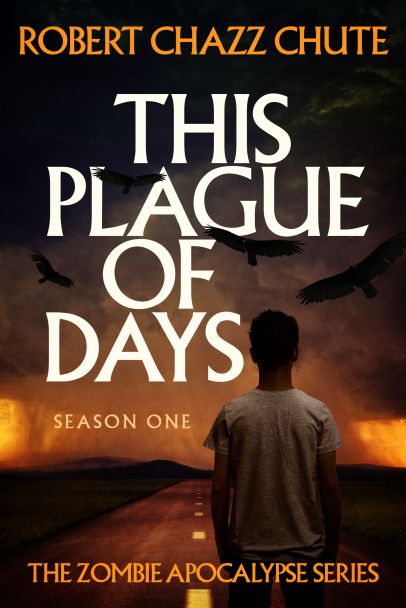
A NEW ZOMBIE ANTHOLOGY

Winner of Writer's Digest's 2014 Honorable Mention in Self-published Ebook Awards in Genre

The first 81 lessons to get your Buffy on

More lessons to help you survive Armageddon

"You will laugh your ass off!" ~ Maxwell Cynn, author of Cybergrrl

Available now!

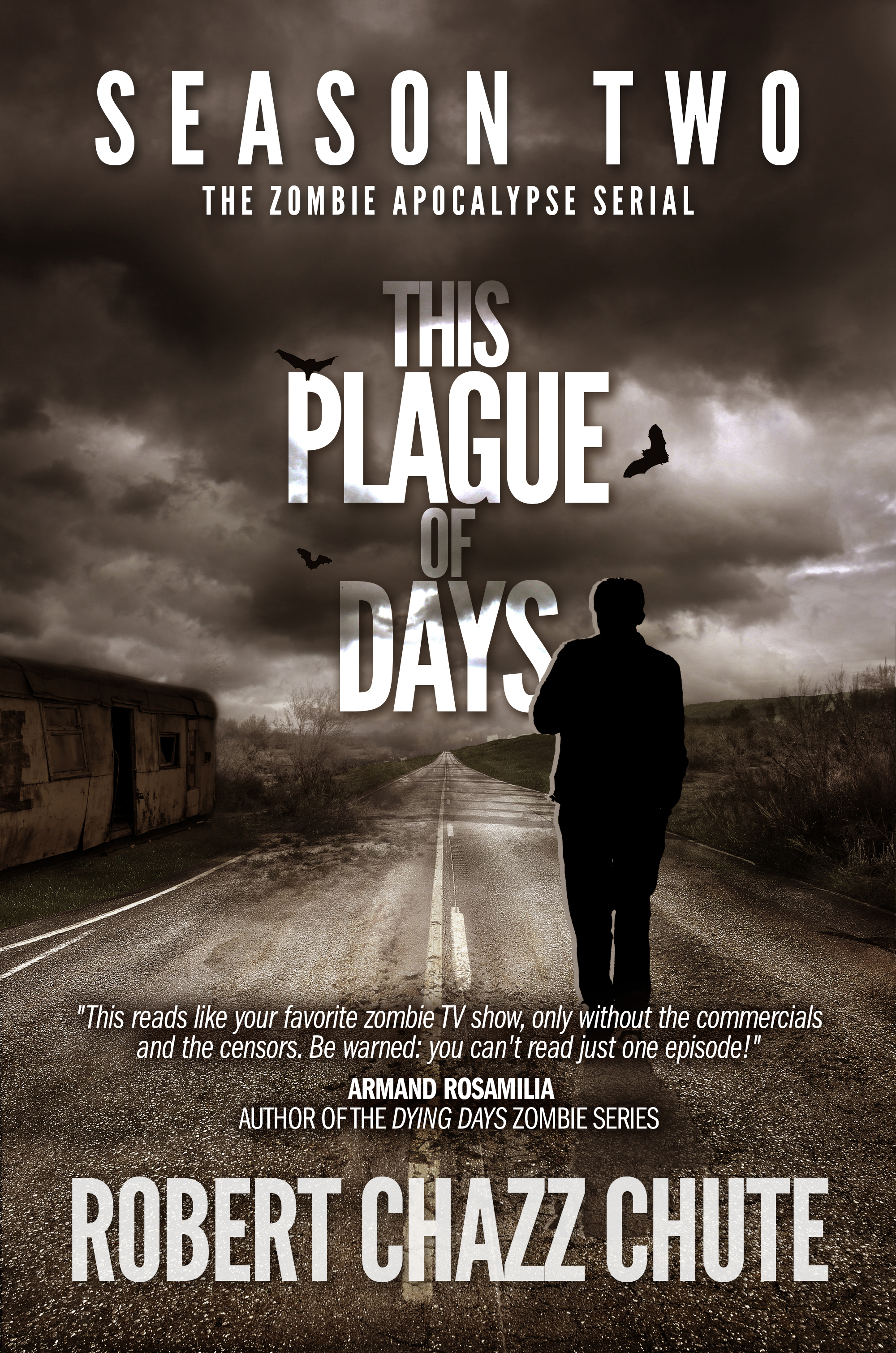
Fast-paced terror, new threats, more twists.

An autistic boy versus our world in free fall

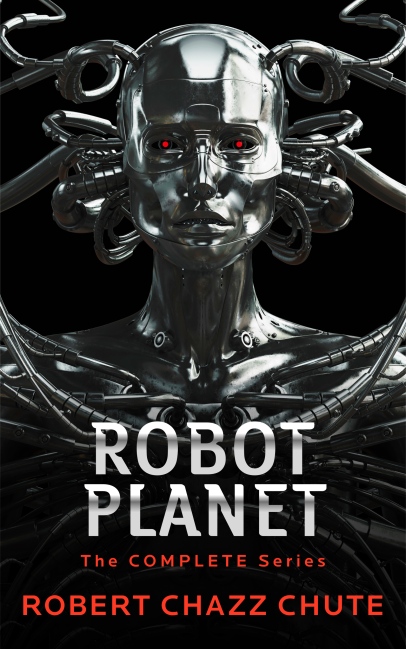
Suspense to melt your face and play with your brain.

Action like a Guy Ritchie film. Funny like Woody Allen when he was funny.

Jesus: Sexier and even more addicted to love.

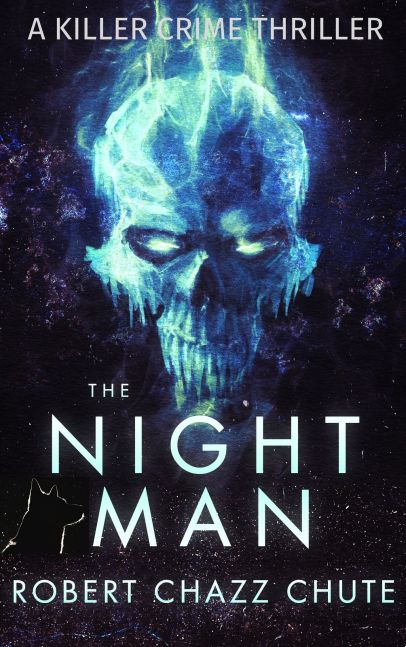
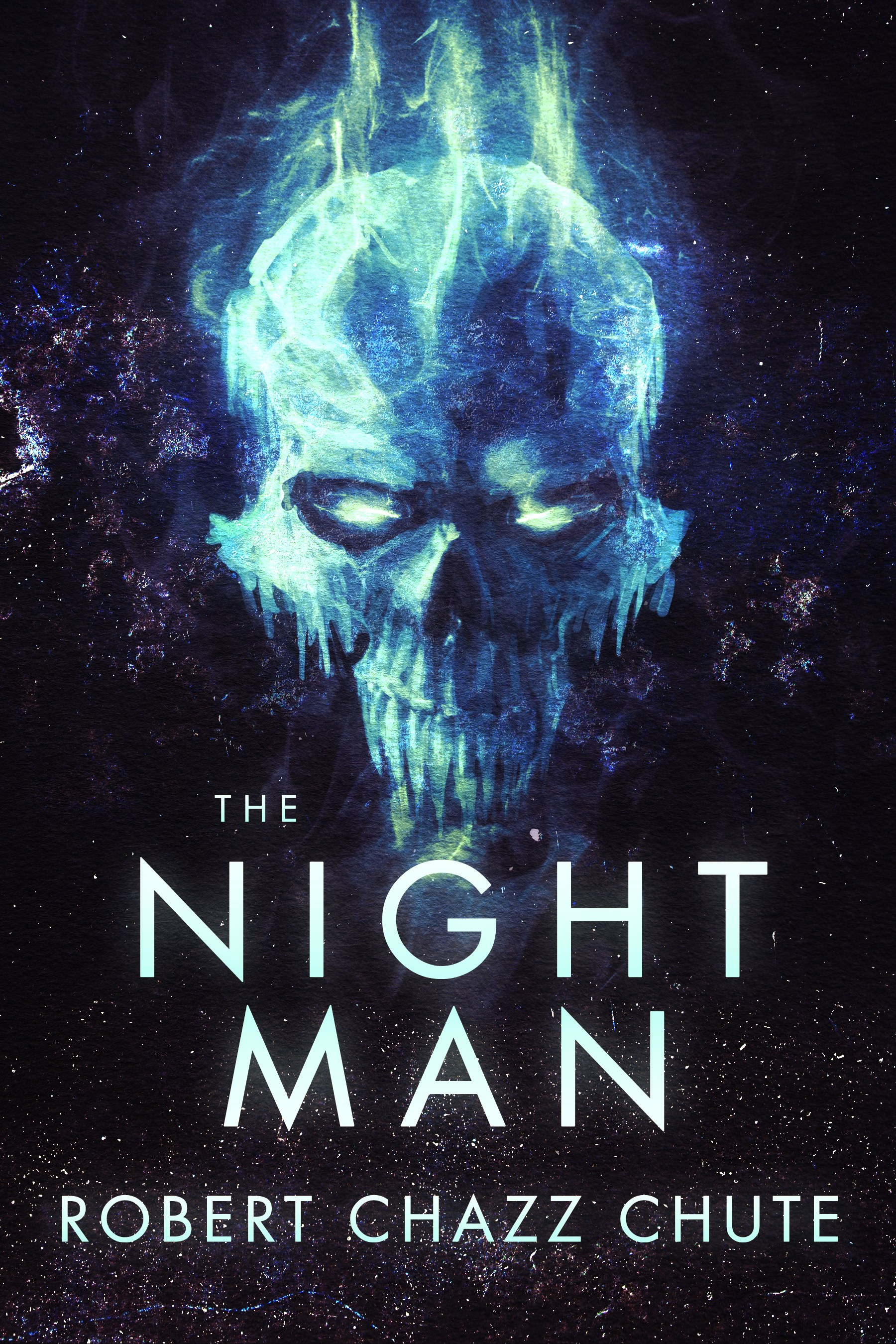
You can pick this ebook up for free today at this link: http://bit.ly/TheNightMan

Join my inner circle at AllThatChazz.com

See my books, blogs, links and podcasts.

Enter your email address to follow this blog and receive notifications of new posts by email.

Join 2,063 other subscribers