C h a z z W r i t e s . c o m

See all my books at AllThatChazz.com.

Improving ourselves: Bruce Lee, Reading self-help, writing horror

I’ve been trying to improve myself to make me worthy of your love. I’m not eating sugar so I’ll lose more weight (after gaining some back.) I’ll get to the gym. I’ll keep slogging on making my ebooks. I’ve been reading a time management book by the Bruce Lee of Time Management.

I’d tell you more about the book, but it turns out the author and Bruce Lee have something in common:

good at what they do, sure, but jerks.

Bruce Lee was a kung fu legend who made some interesting movies for 14-year-old boys and those with chronically arrested development. (Yes, I was so afflicted until quite recently.) But Bruce Lee also picked a lot of fights just so he could beat up his physical lessors . (You didn’t see that much in the biopic Dragon, but getting into too much trouble and buying too deeply into his macho bullshit was one of the reasons he had to flee Hong Kong for the United States.) Bruce Lee was also (struggling for a kind euphemism here) an intense individual. He had a thing about staring into people’s eyes as he spoke, even when he was driving. He got into several fender benders because of that macho man/genius policy. Bruce was an amazing innovator and there is much about him that is enviable. He’s inspired people far beyond the bailiwick of kung fu. The legend obscures the flawed person who stands behind the fiction.

Then there’s the time management guru: He started off with some good points, though his unexpected obsession with making more time for sex hit kind of a weird note. I’m sex positive, so I didn’t write him off quickly. Making more time for sex is a good thing rarely spoken, so good on him for speaking it. Then, for some reason (no editor or an editor who got overruled) he veered off into a narrative ditch. People in China die without healthcare because they don’t have money, he said, and that’s the way it should be. If you want to be able to afford healthcare and not die horribly, get off your lazy ass. Surgery is for closers!

Whoa.

His vision of getting the best out of life seems to be scheduling your time properly in an Ayn Rand hellscape where only the strong survive as you drive your enemies before you, crush them and hear the lamentation of their women. Okay, I’m paraphrasing Conan the Barbarian there, but seriously, the author crammed some pretty ugly beyond-far-right politics into his time management book and derailed his book.

I’ll learn to manage my time from someone else. I admit it, I’m not reading the whole thing. This isn’t a book review. It’s a warning to keep your inner disregard for fellow humans tucked away when you write a self-help book. Unless you’re a horror writer. I don’t want to read more and share a mind meld with someone whose concept of compassion for the sick is to cackle while he watches the poor die, drinking from a gold goblet while scheduling a spa treatment on his oh-so-organized Blackberry.

Hey, come to think of it…I am writing a book that has “self-help” in the title and there is a lot of horror in it.

Hm. I’m complex. And I’m trying to do better.

In my horror stories, I hint at a high regard for the worth of humanity.

There’s no horror at the loss of a life if you’re just losing another nosey neighbour you never liked anyway.

Filed under: book reviews, Books, writing tips, , , ,

Don’t listen to writers too much

The phrase that pays.

Image by pirateyjoe via Flickr

When I first graduated from massage school, I visited new massage therapists all the time. Too often, I didn’t enjoy the experience much. I was too evaluative of each therapist to just lay back and receive the treatment in the spirit in which it was given. I wasn’t concentrating on the feeling of the massage, but on the mechanics. It took me some time to get past that mindset.

You see the same thing with editors sometimes, too. A bad editor jumps straight to corrections too fast without reading for story first. Typos are the last thing you correct in the story construction process. You need to look at the big blocks in the structure first to see how it holds together. Developmental editing always happens before detailed copy editing.

You shouldn’t listen too much to other writers for similar reasons. They see your work through a prism that doesn’t necessarily match ordinary reader expectations.

Writers are great people, but they usually aren’t your market. We sometimes forget that there are a lot of people in the world who have no literary ambitions. They don’t want to write a book. They just want to read a good story.

Writers are readers, but they aren’t typical readers. Writers look at your work differently. Writers are not  the average reader.

Among writers, there is a higher percentage of people who will pick apart your mechanics. Any grammatical variation from what they expected (and there are variations) will provoke more irritation than may be warranted. They will be the readers who skip from irritation at your typos to outrage, indignation and threats to take away your writer’s license and livelihood. Some will want to burn down your house.

Writer friends and editors can help you develop your work, improve and self-publish. But because of the way we are wired, we might not enjoy your work as much as typical readers will.

BONUS: 

I’m networked with a lot of great writers who help me a lot. I like them, appreciate them and thank them.

However, you’ll run into some writers who are so competitive, they do not wish you well.

Either through jealousy or the misconception that your success takes something away from them, they want you to fail.

Watch out for the hypercritical, the rabid grammarians, the perfectionists, the haters and snipers. They mistake their subjective taste for law all the time.

By the way, I wish you every success.

Filed under: publishing, Rant, Rejection, writing tips, , , , , , ,

How do you like me now?

It occurred to me this evening that the big book I’m betting on heavily to put me on the map is…unconventional. By that I mean it’s a mongrel of a book that breaks a book full of rules. It mixes stories of horror and erotica, philosophy and thought experiments with a sprinkling of non-fiction. It’s got a marketing hook that better be strong enough to overcome the “traditional” liabilities of stories told in second-person present.

Either I’m an evil genius or an idiot, but I keep flashing on Keanu Reeves in The Matrix when  he’s about to rescue Morpheus:

Trinity: “No one’s ever done anything like this before.”

Neo: “That’s why it’s going to work.”

November 1 will be my Indie-pendance Day.

More to come.

Filed under: Books, DIY, self-publishing, What about Chazz?, Writers, writing tips, , , , , , , , ,

Writers: Balance out the sedentary life

You have to take care of yourself. I certainly haven’t been for the last week. It’s been a monster week for writing since that’s pretty much all I’ve been doing. Late last year I was writing in such a frenzy (to the exclusion of all else) that I actually hurt my shoulder and back and it was painful for weeks. As I move to writing full-time, I’ve realized that I have to get the cardio and strength training to balance out sitting and sitting and sitting. Hemingway boxed and hunted and fished. The least I can do is get my ass off the chair.

Filed under: publishing, What about Chazz?, Writers, Writing exercise, writing tips, , , , , ,

What’s useful on my iPod? (Plus a treat)

For podcasts, the app you want is Stitcher. Most any podcast in the world is available there, so if you want a cool distraction or need to research how to do anything, there’s a great resource. And Stitcher is free.

Not on Stitcher (yet) but available through iTunes: The Creative Penn podcast. Joanna Penn interviews helpful people on all aspects of publishing. And she’s a great interviewer, too.

Twitterific: The interface on this app is better than Twitter. I like it very much.

Wolfram: The smarter search engine.

And a sampling of music to write by: Fountains of Wayne, Eminem, Cee lo Green’s F**k You, Earth, Wind and Fire, Daft Punk’s Technologic, Journey, Pet Shop Boys, Freeland’s We Want Your Soul, Queen, old Stevie Wonder, and the immortal Weird Al’s White & Nerdy (see Donny Osmond’s dancing on the YouTube video for full effect.)

Filed under: DIY, Media, podcasts, writing tips, , , , , , , ,

Writers: Get mixed up

Last week I ran across a guy on YouTube who had a great talent. He could impersonate a lot of great actors. His Al Pacino was off, but his Heath Ledger version of the Joker was bang on. His reel went on and on, and they were often astounding. As great as his talent was, there was something missing. I soon realized that it wasn’t the impression. It was the material. He was giving out the movie lines, just as they were handed down from the movies. There was impersonation. There was technique, but no transcendence or fresh invention. There was nothing of him in the characters he imitated.

Art has pretty much all been done. Sometimes artists go to absurd lengths to be different, like putting a crucifix in a jar of urine, for instance. Different isn’t the point. Mixing old elements into something fresh is how new art is created. So, what if this guy, who is an amazing voice talent, changed things up. Do that great Heath Ledger doing Joker impression, but now he’s a psychopath slinging fries at your local Wendy’s drive through. Suppose Christopher Walken explained his take on particle physics to you. Great impressionists are often not dead on, but take a well-known character somewhere new: look up Kevin Pollack’s impersonations of William Shatner on YouTube. Try the Hollywood Babble On podcast with Kevin Smith and Ralph Garmin. Ralph does Pacino, but it’s not Pacino. Pacino’s a great actor. Ralph’s version is a hilarious take on Pacino if her were a crazy ham who only spouted nursery rhymes.

Mixing things up is what writers must do, too. I once read a manuscript sample where the writer had imitated too much. She thought familiar was a safe bet for gaining publication. However, it was all too familiar to anyone who had seen a commercial for any of the Twilight movies. Too predictable. This went beyond homage and just short of plagiarism.

“Make your vampire a nerd,” I said. “Give him a weird hobby or fascination or at least a geeky name and a parent or sire who embarrasses him on prom night. Take the material somewhere new.” It’s not just about twists (though you should strive for the logical surprise.) It’s about a new take on old material. I’m sick of publishing professionals who should know better saying the vampire is finally dead. They’ve said that too many times for too many years to be listened to anymore. It’s probably all the scripts that ape old material that squeezes editors and agents into making those silly pronouncements. If you love vampires, write vampires. But do something different. (Not a Stephanie Meyer fan, but I must admit, she went a different way with vampires sparkling in sunlight instead of bursting into flames.)

We are writers. We do not work on an assembly line. We do not imitate. We innovate. 

Filed under: Writers, writing tips, , , , , , , , , ,

Writers: Defend your writing time

Defend your writing time.

Defend your writing time. Make children understand you have needs.


Filed under: What about Chazz?, writing tips, , ,

The Author Selects the Agent Scam

Writers’ magazines occasionally run stories on “how to select an agent” or some such nonsense. Sure, you can check Preditors and Editors and ask around about particular agents, but the power differential between authors and agents is, well…the word “egregious” comes to mind. (In fact, that’s the same word that came to mind for Kristine Kathryn Rusch. See below for that most excellent link.)

When you submit work to an agent (note you’re already in submission and they are in dominance from the get go) it’s kind of like applying for a job. You send out a resume (your manuscript proposal) and agents say no. And more agents say no. Repeat until doubt and self-loathing kicks in.

When you do finally get the call, you’ll say yes to anybody.

Pick your metaphor: 

1. It’s the end of the world and don’t you want to experience the act of physical love just once before you die?

2. You’re a serial killer/diabetic and the warden says they’re fixing the electric chair and would you like your first and only chocolate éclair before they electrocute your ass?

3. The vampires have risen and this is the last sunset before Dracula’s armies of the undead close in on you, the last human survivor on the roof of The Mall of America. Suddenly Carrie Moss shows up piloting a helicopter. Do you jump on the rope ladder to safety? Or do you negotiate so she wears an even tighter leather outfit like the one from The Matrix?

Answers:

1. Of course, devirginize!

2. Eat that éclair. The sugar won’t have time to migrate to your rotten pancreas.

3. Board that helicopter and maybe you’ll live long enough for the sequel!

If you’ve run the long gauntlet of trying to find an agent, or just heard a few horror stories to that effect, you sign that contract as fast as you can. You’re closer to publication than you were, so an agent calling must be good, right?

“Must” is a strong word. In fact, read The Passive Voice  and you’ll be running to publish yourself after all. It’s about enslavement via contractual obligations that go on forever. This is scarier than anything Stephen King could possibly dream up. 

Passive Voice also links to Kristine Kathryn Rusch, which you should also read before you do anything. Don’t even poop before reading this.  

Before you put on that electric collar and tie the leash around your genitals, read your contract carefully. Make informed choices. Show contracts to a lawyer. Negotiate the egregious. Take responsibility so you hire the agent, not the other way around. And always be willing to walk away from any deal. Walking away may be the only way to get a decent deal.

Related articles

Filed under: agents, authors, DIY, publishing, queries, Rant, Rejection, Writers, writing tips, , , , , , , , , , ,

DRM: The Digital Rights Management Scam

At the Writers Union of Canada conference, an author stood to ask a panel the question:

Should authors fight to keep Digital Rights Management?

DRM:  is a term for access control technologies that are used by hardware manufacturers, publishers, copyright holders and individuals to limit the use of digital content and devices.

Someone from the panel replied that, yes. Authors need DRM to keep the pirates at bay.

I disagree. DRM has two major disadvantages. It keeps customers from enjoying your writing on whatever devices they choose so savvy readers won’t read your book if you’ve slapped the locks on it.

But the panel missed the most important problem with DRM on books: It doesn’t work. If you’ve got a work out there, it’s already cracked. It’s already distributed to pirates. However, it’s not all doom. Pirates were never going to buy your book, anyway. They’re pirates and it’s the pirate life for them.

If you want to protect your work from illegal copying, don’t bother with DRM. Make your book cheap, so cheap it’s not worth a pirate’s time to even think about cracking DRM.

Self-publishers putting out ebooks are 

in the impulse buy, couch change business. 

Pirate 1: Let’s disrespect the author’s work and steal his book! (Editor’s note: Because pirates these days talk like that and rarely say Ar! That’s cliche.)

Pirate 2: It’s like $2.99, dude. Why bother? Why risk a virus to download it from a pirate site?

Pirate 1: But we could read it for free, matey. (Editor’s note: Yes, they say matey. A lot.)

Pirate 2: Look, I’m okay with being a hosebag about enjoying somebody’s work for free, but I’m not going to waste my time. Just one-click it and own it.

Pirate 1: But free’s always better. If I like it, I’ll blog about it and publicize the book. (Editor’s note: I expected more swashbucklin’ talk, too.)

Pirate 2: And if you hate it, you’ll blog longer about it, right? You’ll complain and troll about something you got for free. Pathetic. Listen, order the pizza and we’ll look in your couch for change. You’ll find enough coins under the cushions to buy that book and still tip the pizza delivery guy.

(Editor’s note: This concludes Pirate Unlikely Verbalization of Argument in Conversation Form Theater for today.) 

Related articles

Filed under: Books, DIY, ebooks, self-publishing, Writers, writing tips, , ,

Publishing: Ownership

Ever see the follow-up to Get Shorty? It was Be Cool with Uma Thurman and John Travolta. While generally entertaining, there was a sour note and just didn’t feel at all right. It’s a problem with a lot of artistic gestation.

Uma’s character confesses her life’s ambition. She wants to turn on the radio and hear one of her songs. She says, “A song I produced.”  But she’s not talking about a song she wrote or sang or drummed or strummed. She’s talking about the bureaucracy that brings the art out and to the masses.

Producers talk about “their” films, “their” writers, “their” stable of talent. Like they own that talent, or at least rent it. When I hear an editor or agent refer to “their” writers, entitlement and ownership creeps into their tone. “I tell my writers…” “My books….”

But they aren’t your books, films and music, are they? Bureaucrats, like the rest of us, are each the star of their own movie. Money and access has been the root of that uneven power relationship.

Key words: Has been. Now agents and publishers are struggling harder to justify their roles. Why do you need an agent for access to digital publishing when you can DIY? Why should an author only get 25% for ebooks? (Or Harlequin’s egregious offer of 8%!) Meanwhile, some agents are morphing into writing coach services, expanding their offerings to stay in the role of taking care of authors. Some authors want to be taken care of. That’s fine, as long as they know their options.

The writer has been the last to get the cash. The writer has written on spec and often been a “speck” in the way they’re treated. It’s upside down. Writers are content providers. We make up things from nothing.

If you still feel powerless before the system, a small cog in a great machine, a serf among lords, a peon The Man pees on—now you’re just doing it to yourself. Take ownership of your ambitions and destiny.

Don’t blame them.

If you want power, don’t ask permission.

Just go take it.

I did. I’m now president and chief bottle washer, turd polisher and executive in charge of toilet paper replacement and Creative Arts at Ex Parte Press. Boo-ya!

Filed under: agents, authors, Books, DIY, ebooks, Editors, getting it done, Useful writing links, Writers, writing tips, , , , , , , , ,

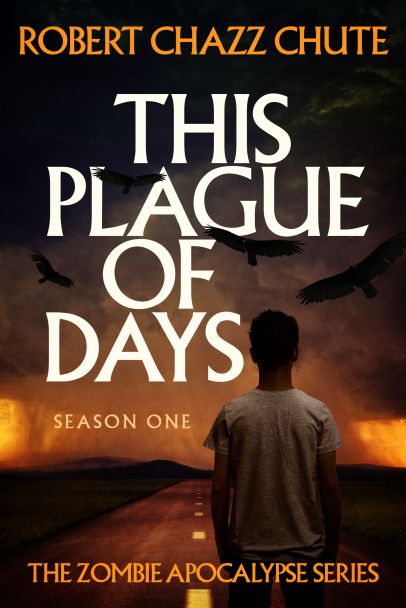
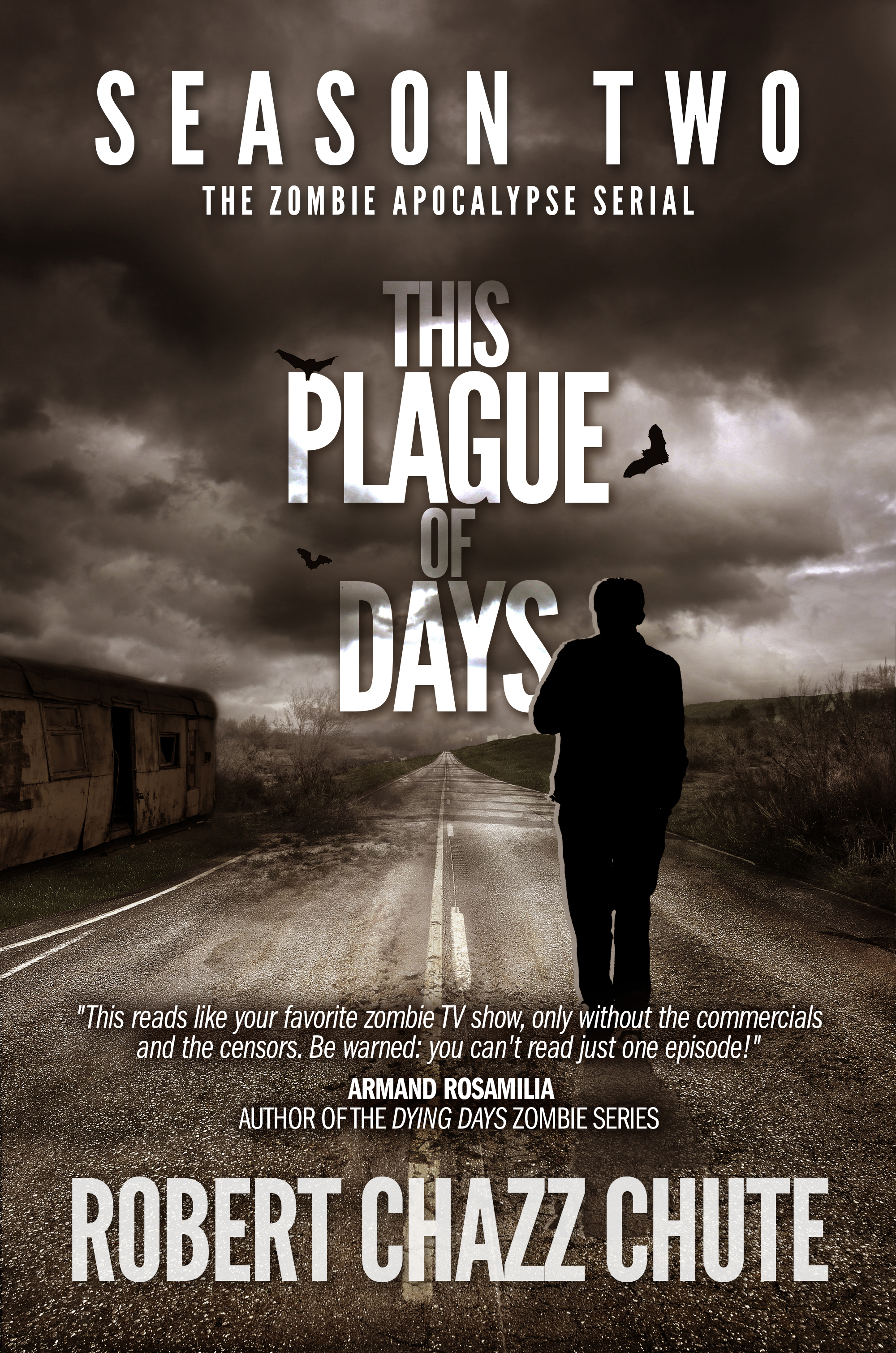
Bestseller with over 1,000 reviews!
Winner of the North Street Book Prize, Reader's Favorite, the
Literary Titan Award, the Hollywood Book Festival, and the
New York Book Festival.

http://mybook.to/OurZombieHours
A NEW ZOMBIE ANTHOLOGY

Winner of Writer's Digest's 2014 Honorable Mention in Self-published Ebook Awards in Genre

The first 81 lessons to get your Buffy on

More lessons to help you survive Armageddon

"You will laugh your ass off!" ~ Maxwell Cynn, author of Cybergrrl

Available now!

Fast-paced terror, new threats, more twists.

An autistic boy versus our world in free fall

Suspense to melt your face and play with your brain.

Action like a Guy Ritchie film. Funny like Woody Allen when he was funny.

Jesus: Sexier and even more addicted to love.

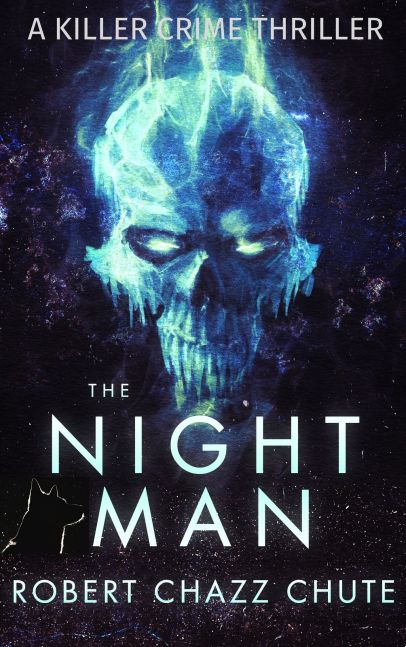
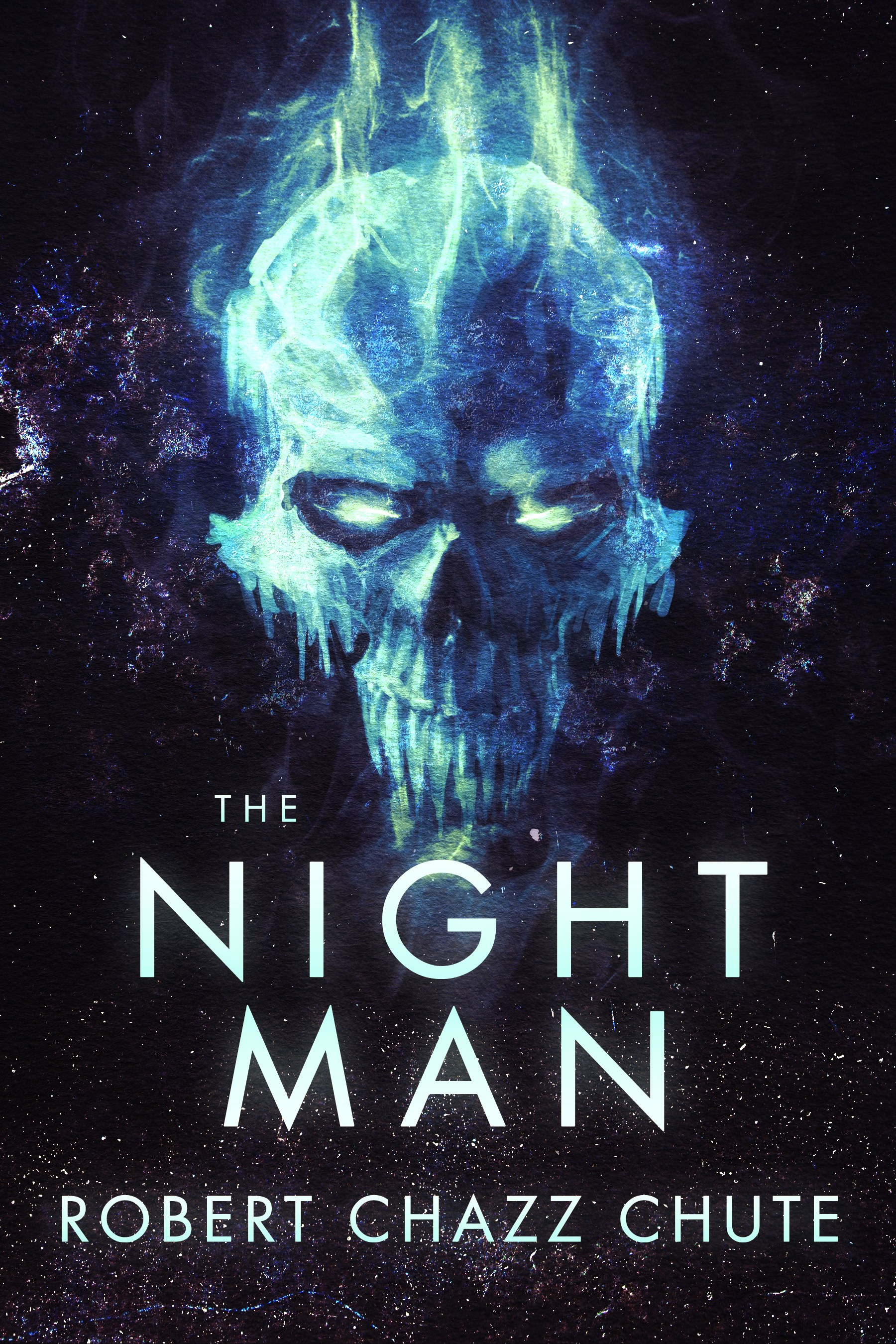
You can pick this ebook up for free today at this link: http://bit.ly/TheNightMan

Join my inner circle at AllThatChazz.com

See my books, blogs, links and podcasts.

Enter your email address to follow this blog and receive notifications of new posts by email.

Join 2,063 other subscribers