C h a z z W r i t e s . c o m

See all my books at AllThatChazz.com.

My God! Even More Writing Advice Links!

Jane Friedman’s blog at Writer’s Digest. writers_digest_1932_11_a

If you’re a writer, you must read this.

She also includes the best links she finds each week for even more great advice.

A Newbie’s Guide to Publishing: The Changing Face of Publishing‏

A full-time thriller writer makes predictions about the future of publishing.

How Publishing Really Works

(Good blog, irresistible title)


Filed under: publishing, web reviews, writing tips, , , , , ,

More Great Publishing Links!

Novice Writers forum

Middle Grade Ninja: 7 Questions For: Literary Agent Sarah Davies‏

The State Of The Graphic Novel – Jared Keller – Culture – The Atlantic‏

Work it, Baby: Networking at the LSWF « London Screenwriters’ Festival Blog‏

Independent Publisher Online Magazine: Promoting Books, Authors and the Independent Movement‏


Filed under: publishing, web reviews, writing tips, , , , ,

It’s Massive Link Week: Writing, editing, publishing!

Grammar Girl Logo - Mignon Fogarty

Image via Wikipedia

I’m always tweeting updates from great people who are writing really interesting stuff about writing, publishing and editing. This week is (cue drumroll):

MASSIVE LINK WEEK!

I’ve got quite a list of links you can use. Let’s get to it:

The Grammar Girl’s lessons in personal branding for authors‏.

James C. Tanner on The Pros & Cons of Self-Publishing Your Book

The WEbook Blog on The State of Publishing

Internet-Resources.com Writing Links (HUGE!)

More tomorrow!


Filed under: blogs & blogging, publishing, web reviews, writing tips, , , , ,

Editing Exercise: Cut word density to speed reader comprehension

Novel & Short Story Writer's Market

Image via Wikipedia

There are brakes in your writing. Take the brakes off. Put your foot on the accelerator. Edit.

I’m writing a little sci-fi short story just to break things up. Here’s my original paragraph.

CONTEXT: A teen who wants to be an informant for a cruel theocratic state challenges the narrator’s father about his patriotism which puts the father’s life in danger. The next day, the boy is found murdered in an alley.

1st DRAFT excerpt:

“I am glad that bully is dead, father. He shouldn’t have spoken to you that way.”

“No, Mark. What happened to that boy is a tragedy and I grieve for him and his parents. When a child is killed, all the parents’ hopes and dreams die with him.” Mark would never forget his father’s face as he mourned his accuser. His eyes were wet.

2nd DRAFT excerpt:

“I’m glad that bully is dead, father. He shouldn’t have spoken to you that way.”

“No, son. When a child dies, his parents’ dreams die with him.” His father’s eyes were wet.

EDITING COMMENTARY: Notice what I’m doing here. I’m eliminating repeated information. I can tell the story in fewer words and not lose anything. I don’t need to explain more. I gave it to the reader once clearly. After that, I’m hitting them over the head with it instead of providing the broad strokes so they can fill in the rest of the scene. It is a rare thing to underwrite. Most people overwrite. Obviously in my first draft, I write too much. Always do. Whittling is fun.

This isn’t the only way I could have edited this piece, but I want to write this one especially short. I have a  5,000 word count for this project and a lot of things happen before we get to the end, even though the structure is a slow build to a twist ending.

When I read something that is dense to read, where obvious economies are not eliminated, I often get bored and I wonder if the author is trying to disguise a lack of plot.

BONUS:

Don’t repeat yourself. Don’t repeat yourself.

 COMING THIS WEEK ON CHAZZ WRITES:

A five-part series, Monday to Friday, on a ton of useful links from

some the best writing and publishing experts I could find.

Tune in Monday morning for

MASSIVE LINK WEEK!


Filed under: Editing, manuscript evaluation, My fiction, publishing, Writing exercise, writing tips, , , ,

Snarky Friday Bonus: The Worst Dialogue in the World

Ayn Rand, the eminent 20th-century Russian-Ame...

Image via Wikipedia

Write believable dialogue. We read good literature for joy and also with a writer’s eye to emulate good writing. Some reading is useful as a terrible warning.

For the worst dialogue in the world, read any fiction by Ayn Rand.

No one on earth ever spoke as her characters speak. She has a philosophy to push more than a story so there’s a whole lot of preaching going on. That’s why she’s better known as a philosopher today, not a fiction writer. 

Filed under: Unintentionally hilarious, Writers, writing tips, ,

Friday Bonus: The Danger of Was

 Search your manuscript for the word was and look for opportunities to cut.

Instead of

He was thinking…

write

He thought…

Eliminate the passive voice wherever possible.

Even better? 

Demonstrate what the character must have thought by his or her actions.  

Filed under: Editing, writing tips, , ,

Writers & Editors: Top 10 Editorial Considerations

 Here’s the follow-up from yesterday’s post on appropriate use of tense:

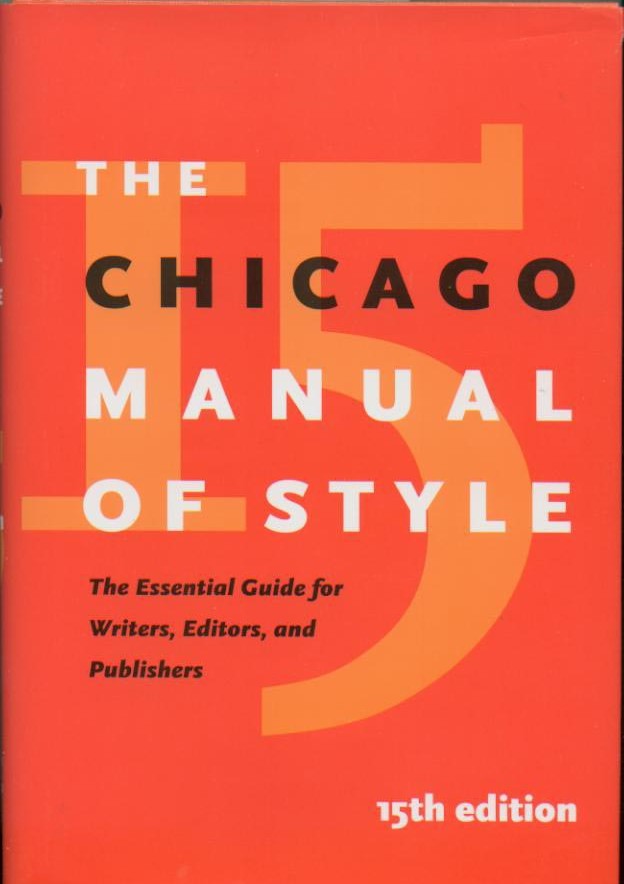
Editing considerations (as I revised my short story, The Dangerous Kind)Chicago-Manual-of-Style

1. One component I took care to delete were instances where the narrator says things like “I was surprised,” or when he made blatant judgements about his brother. This is overwriting and it’s easy to fall into. You want to give the readers enough to paint a picture but not so much that they can’t draw their own conclusions.

2. Try to avoid clichéd caricature. Don’t tell. Show character’s traits through their actions and dialogue.

3. Give your villains depth, so though the narrator of this story is the protagonist, he’s capable of evil and his mean big brother isn’t all bad, either.

4. This is a long short story at 8,500 words. The details are what’s going to draw readers into the slow build as the narrator discovers the evil of which he is capable. Show special knowledge along the way the reader might not know or detail that deepens the experience.  (For instance, on the hunting trip, the reader learns or experiences details about the feel of moss underfoot, the sound of a rifle bolt slamming home, buck fever and what it feels like to be carried in your mother’s arms.)

 5. Dialogue should advance plot, deepen character and, preferably, do so memorably. If the dialogue is neither of these things, it can often be summarized in narrative without quotes around it.

 6. Revising means “seeing anew.” Evaluate what the story is really about. At first I kept present tense because I wanted to maintain mystery as to whether the narrator would survive the story (See yesterday’s post below.) As I unearthed the story, the plot took a turn away from that storyline. Instead, the stakes are not whether the narrator will survive, but will he allow his brother to die, get the inheritance and escape rural Maine for the bright lights of New York? Once the core of the story changed, past tense opened up to me so I could achieve a more subtle and nuanced story than I had originally intended. That’s okay for a short story. For a longer piece of fiction I’d do more planning, plotting and outlining ahead of time so as not to lose too much time backing and filling.

7. Vary sentence length and sentence construction.

 8. Cut where you can without becoming terse or overwriting.

 9. The most common failure of overwriting is to describe character features in detail. Don’t tell me in detail what anybody’s wearing and definitely avoid the trope of getting a character to describe him or herself in a mirror.

 10. Dialogue should sound real, but without the ums and ahs of a transcript. Avoid dialect where possible as accents slow(and annoy readers.) Read your dialogue aloud to determine if you can believe someone saying your dialogue believably.

 Below is the first-person present-tense excerpt from The Dangerous Kind and then the revision.

Compare these excerpts…and please ignore the formatting. That’s a text to screen issue 🙂

 …I ask Jason if he cleaned the barrel. He shrugs and says he can still smell the gun oil so it is probably okay. He slings the rifle into the crook of his elbow and walks off toward the woods. I carry the pack, heavy with Jason’s beer. He does not have a hunting license. “Shouldn’t need one when you can get to the woods from your own back step.”

Halloween was the warmest I have ever known in Poeticule Bay, but this morning’s November chill cuts at my lungs. The forest goes quiet as we step into the tree line, as if the birds hear Jason coming and know they should be afraid. A squirrel rattles an alarm and skitters away as we push through a weave of dogwood.

 The glass bottles give muffled clinks as I walk. We hike to the old logging road where trees bow and touch overhead. Grass fills the middle so high, the trail looks like two narrow paths, as if parallel by coincidence.

Jason puts a finger to his lips. Staying quiet is all Jason knows about hunting. I try to tread carefully so the bottles don’t knock against each other. When I start to fall behind, my brother curses me for falling behind.

The sun burns off the gray cloud cover. The trees cast another forest of shadows, adding another thickness and plane to the landscape. The pack’s straps pull at my shoulders. Despite the sun and the cold air’s green taste, my footsteps become heavier as we push on. The sweat trapped under the backpack sucks my shirt to my skin.

We walk another half hour and salt sweat burns my eyes before I ramp up the courage to complain. My breathing is heavy. “We’re going too far, Jason.”

Revision:

…I asked Jason if he cleaned the barrel. He shrugged and said he could still smell the gun oil so it’s  probably okay. He slung the rifle into the crook of his elbow and stalked off toward the woods. I carried the pack, heavy with Jason’s beer. He doesn’t have a hunting license. “Shouldn’t need one when you can get to the woods from your own back step.”

            That Halloween had been the warmest I have ever known in Poeticule Bay, but this morning’s November chill cut at my lungs. The forest went  quiet as we stepped into the tree line, as if the birds heard  Jason coming and knew they should be afraid. A squirrel rattled an alarm and skittered away as we pushed through a weave of dogwood.

 The glass bottles gave  muffled clinks as I walked. We hiked to the old logging road where trees bowed to touch overhead. Grass filled the middle so high, the trail looked  like two narrow paths, as if parallel by coincidence.

 Jason put  a finger to his lips. Staying quiet is all Jason knew  about hunting. I tried  to tread carefully so the bottles wouldn’t knock against each other. When I started  to fall behind, my brother cursed  me for falling behind.

The sun burned  off the gray cloud cover. The trees cast another forest of shadows, adding another thickness and plane to the landscape. The pack’s straps pulled  at my shoulders. Despite the sun and the cold air’s green taste, my footsteps became  heavier. The sweat trapped under the backpack sucked  my shirt to my skin.

 We walk another half hour and salt sweat burns my eyes before I ramp up the courage to complain. My breathing heavy, I said,“We’re going too far, Jason.”

There are a lot of small changes here. Aside from changing the tense, there are a few other tactical changes worth noting. There’s a lot of walking through the woods in this story, so where appropriate I looked for more engaging verbs than “walking.” Instead I used “hiking” and “stalked.” Don’t touch your thesaurus , though. That’s a sign you’ve reached too far.

Careful use of uncommon verbs (like “skitters”) can be used to light the reader’s imagination as long as you don’t go over the top. If you overuse uncommon verbs, it’s usually for comedic effect. In the larger document I found other economies which I condensed into today’s Top 10 list.


 Related Articles

Filed under: Editing, manuscript evaluation, My fiction, short stories, writing tips, , , , ,

Writers: Choose Your tense

Cover of "Bright Lights, Big City (Blooms...

Cover via Amazon


In yesterday’s post I lamented some choices I made in an earlier draft of a story called The Dangerous Kind. In my latest revision I chose to change the tense. Let’s explore that. 

First off, let’s be clear: some people despise short stories and novels written in the present tense. They would prefer no writer ever did so again. Those people  are demagogues espousing that there’s only one way which just happens to be theirs. If present tense and a little risk aren’t your taste that’s fine, but to declare no one should dare to write in first-person, present-tense or second tense is a declaration against art. Art takes risk and if it plays it plays. 

I loved the novel Bright Lights, Big City. Before it was published I bet there were a lot of people who said, “A whole novel that’s second-person? You do this. You do that for a couple hundred pages? No way.” 

Answer: Way. 

 Jay McInerney wrote Bright Lights, Big City in second-person and made it  great. Don’t turn down a nontraditional way of telling a story because it’s unconventional. Cut it when it doesn’t work. Recently an entire novel which I scanned but can’t say I read was written in first-person plural. It was a brave choice that worked for a lot of critics. (I didn’t read it because of the subject matter, not because it was “We, we, we” for a couple of  hundred pages.) 

So back to my editing problem: In earlier versions of my story, I wrote the whole thing in first person, present tense. The advantage of present tense is that things are unfolding moment to moment before the reader’s eyes. Present tense makes the action immediate. The Dangerous Kind is about two brothers who do not get along. Soon after losing their father to an industrial accident, they go hunting for deer in the woods of Maine. Dire complication ensue. I chose past tense first because of the action involved in the deer hunt and also because the piece lent itself to an uncertain ending. Would the protagonist survive? 

Necessary side note: You can tell a story in first person and still kill off your first-person narrator. I won’t say don’t do it, of course. The only solid rule should be, if it plays, it plays. However, a caution: It has been done a lot so, for it to succeed, it must be done very well. That’s a trick that’s harder to pull off with longer fiction because it’s a downer to read a couple hundred pages and have your hero killed off. It worked in the movie Sunset Boulevard spectacularly well because you’re already disappointed in the narrator’s choices and end up entranced by Gloria Swanson

Back to editing The Dangerous Kind: After getting a rejection on the story from a magazine, I reread the piece with fresh eyes and realized I could shift it into the past tense. The story is ultimately about the choices we make and how even when things work out terribly, maybe that could work out for the best. (I realized recently that’s a theme in much of my fiction, but that’s another post for another day.) Once I decided that the climax of the story wasn’t a murder but an escape, it was okay for the reader to assume the protagonist survived. After that, I opened up to dumping present tense for the more traditional past tense. (I kept the first-person perspective.) 

However, in the final scene, there’s a subtle twist that I think works well. The bulk of the story basically unfolds over the course of a single November day. At the end, I gently switch to present tense so the reader realizes the protagonist is recounting this story, deciding where things went awry and what he’ll do next at the end of that day. He’s sorting out what the day’s events and choices mean to the rest of this life by retelling the story to himself. The conclusion is one-third bitterness, two-thirds hopeful. Because of the shift in tense back to the present, it makes the story more immediate as it closes. 

Tomorrow I’ll show you an excerpt from an earlier draft and how I edited it to make the plot’s engine work. 

Filed under: Books, Editing, manuscript evaluation, movies, My fiction, rules of writing, , , , , ,

18 Steps to Becoming a Writer (via Youngblood Blog)

A nice post on John Le Carre and the writing life. Writing from a refuge on a clifftop over the ocean sounds pretty awesome to me, too.

18 Steps to Becoming a Writer If you’re reading this, you’re probably already a writer. So the appended list is intended as a little tongue-in-cheek, because those in the field who haven’t yet decided have miles to go before they sleep…. There is one great role model still out there, however, and he gave a rare interv … Read More

via Youngblood Blog

Filed under: Writers, ,

Writers: On Editing Yourself


RULE #1: Writers must have a product to sell.

RULE#2: Writers must keep submitting their work until someone recognizes their genius.

I repeat these rules to remind myself to put them into practice. I wrote a (long) short story that has bugged me. I did submit this piece to One Story because the length was suitable for them. Unfortunately, they didn’t bite (no hard feelings.) As I reviewed the story, I began to figure out why it wasn’t fully baked yet. I realized I needed to do another revision. 

In editing myself, I hadn’t been as objective as I can be with others. I found some sentence constructions awkward. I reworked the opening paragraph to amp up the mystery and intrigue. I added some here and there where characters needed fleshing out. I cut some sentences down for economy and easier reading.

Editing yourself is difficult (Yes! Even for people who are also editors!) If you aren’t going to hire someone to help you with writing issues, the second-best option is time. Put it in a drawer and give yourself time to fall in love with the next project. That way, when you pull out the manuscript again, it’s kind of like being clear on the faults that plagued your ex-girlfriend or ex-boyfriend.

I have found new places to submit the piece and this time I’m submitting with more confidence, not with the giddy frisson of a drunk at a Vegas craps table.

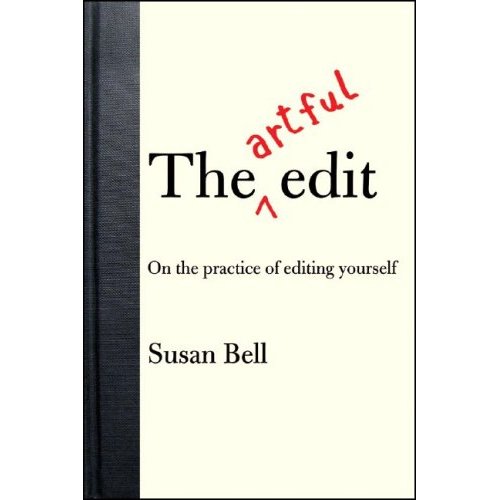
Today’s book recommendation:

The Artful Edit by Susan Bell.

Filed under: Books, Editors, My fiction, rules of writing, short stories, , , , ,

Bestseller with over 1,000 reviews!
Winner of the North Street Book Prize, Reader's Favorite, the
Literary Titan Award, the Hollywood Book Festival, and the
New York Book Festival.

http://mybook.to/OurZombieHours
A NEW ZOMBIE ANTHOLOGY

Winner of Writer's Digest's 2014 Honorable Mention in Self-published Ebook Awards in Genre

The first 81 lessons to get your Buffy on

More lessons to help you survive Armageddon

"You will laugh your ass off!" ~ Maxwell Cynn, author of Cybergrrl

Available now!

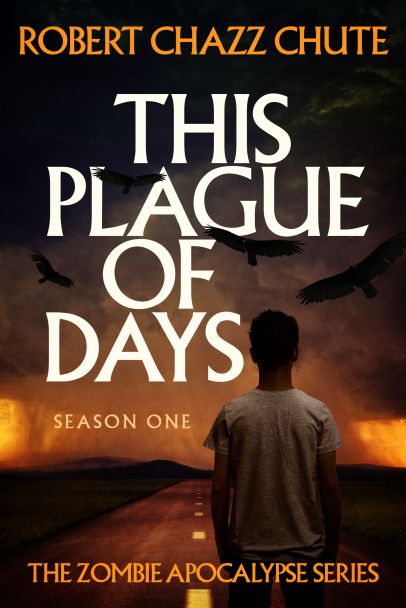
Fast-paced terror, new threats, more twists.

An autistic boy versus our world in free fall

Suspense to melt your face and play with your brain.

Action like a Guy Ritchie film. Funny like Woody Allen when he was funny.

Jesus: Sexier and even more addicted to love.

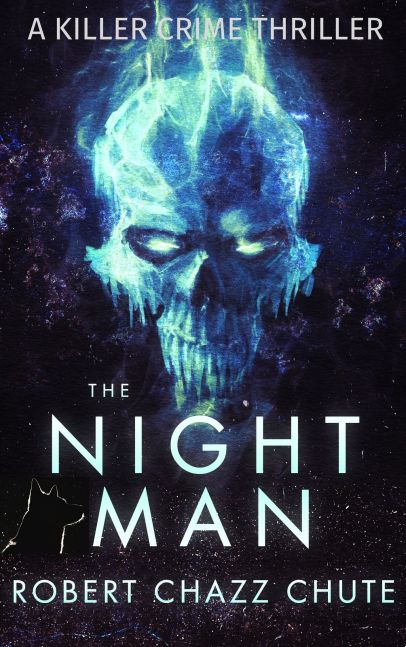
You can pick this ebook up for free today at this link: http://bit.ly/TheNightMan

Join my inner circle at AllThatChazz.com

See my books, blogs, links and podcasts.

Enter your email address to follow this blog and receive notifications of new posts by email.

Join 2,063 other subscribers