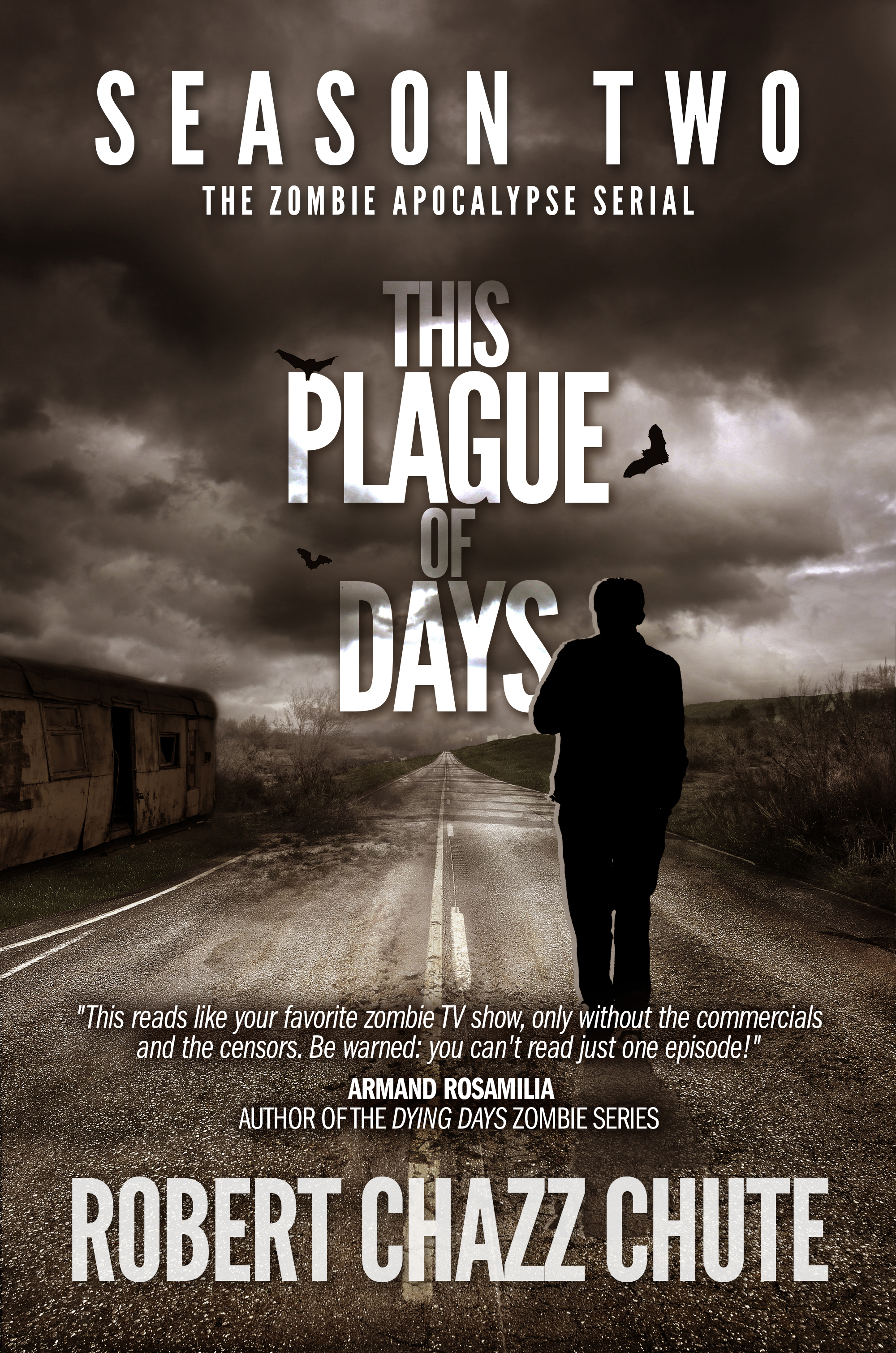
C h a z z W r i t e s . c o m

See all my books at AllThatChazz.com.

Zoe Who? I recommend you find out who! (PLUS GREAT VIDEO)

Becoming an Indie AuthorThe Little Me Update: I’m reading and  writing a lot lately. Yesterday was an incredibly productive day as I get closer to putting a (long) short story called The Dangerous Kind up on Smashwords. It’s amazing how many alterations I still want to tinker with as I go through the editing process. Still! 
Anyway, I’m also in book recommendation mode this week, so…

Have you subscribed to Zoe Winters blog yet? If you are an indie author, you definitely should. I especially like her ranty goodness on her wordpress blog. As I waited for my son to finish soccer practice I started digging into the last chapter of Zoe Winters’ book: Smart Self-Publishing: Becoming an Indie Author.

This is the single most helpful book on the business of self-publishing I’ve read. (I have the Sony e-reader version, though I think I’ll want to get the print copy, too, for easy reference and permanent residence on my bookshelf. Yes, I do that, too!)

Zoe has a no-nonsense approach to the subject which boils things down to what you need to know to succeed as an indie author. There are a lot of useful books on the subject out there, but this is delivers the bullet without preamble or extra excavation needed on the part the reader. Zoe Winters has broken the trail and mapped out the way so it’s easier for you.

I especially love how frank she is about the self-publishing strategies that didn’t work. The book is worth your time and money for the troubleshooting section alone.

And she’s good at spotting the details others might have missed. For instance, everyone agrees Goodreads can be a great place to boost awareness of self-published books. But Zoe is savvy to point out the pitfalls, too (like if the regulars get a whiff of the stink of self-promotion on you they’ll find your home, break in and beat you to death with Webster’s dictionaries.)

If you don’t love her already, she also made a series of YouTube Videos about breaking into publishing the indie way. Go to YouTube and search for the series called Zoe Who? . Enjoy. (And buy her guide.)

Here’s a sample video of Zoe Who? by Zoe Winters:

Filed under: authors, book reviews, Books, DIY, ebooks, getting it done, self-publishing, Useful writing links, Writers

6 Effective Ways to Promote Your Book

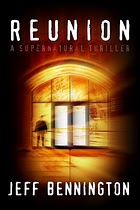
ReunionToday’s guest post is from the author of Reunion, Jeff Bennington! I forget how I ran across Jeff, though it could have been a lot of places since Jeff is a powerful experimenter in the realm of book promotion. His site is The Writing Bomb. He’s also blogged here before on CreateSpace versus Lightning Source–a very popular post, and for good reason: Jeff’s generous with what he learns. Here’s what he picked up from his book campaigns:

In the world of publishing, authors have found many ways to promote their work ranging from book signings with a 3-piece orchestra to dressing up like their characters. After publishing two novels, I’ve tried some of those crazy stunts, but from my experience, there are a few affordable and effective ways to promote your book online that won’t leave you looking like Barney the dinosaur. In fact, online marketing has been touted, and likely is, the best way for an author to promote his or her work.

However, authors have to approach marketing differently based on their genre and subject matter. And let’s be clear, when you promote your book, you can’t always expect immediate gratification and you’re not guaranteed sales. Your premise will drive readers to read a sample and the excerpt will determine your sales. And so, the quality of your writing is ultimately the best sales pitch.

The best promotion for me has come from the following:

#1 Goodreads.com: Goodreads “giveaways” are an incredible tool to publicize your book. I recently posted Reunion in a giveaway and had 787 bites in 5 days, beating out bestsellers that have been on the list for months.

HINT: Don’t post more than one book to give away and do it in one-week spurts. You’ll have to trust me on this.

I also like what my ad on Goodreads is doing. The thing with Goodreads is not how many clicks or sales you get, but how many folks “add” your book to their “to be read” list. When they do that, they are more or less planning on buying your book when they get to it, and they will, because most readers on Goodreads are avid readers and love talking about what they read, so they will also rate and review your book, which is another benefit of that site.

Another secret here is that if you spend X amount of dollars on an ad, you will likely get a lot more “adds” than clicks, which is good because it is a pay-per-click system. But if folks add your book without clicking on the ad then you have effectively extended the life of your ad immeasurably.

#2 Blog: If you don’t have a blog or you’re afraid of starting one or you think it’s too much

Jeff_Bennington

Jeff Bennington

work, then plan on writing your book solely for your mother to enjoy because blogging is only the beginning of what it takes to market your book…and it’s the easiest. It’ll only get harder and more expensive from there.

#3 Kindlenation.com: This is a very good site but you’ll have to plan months in advance to run an ad. It will definitely make your money back and more because they have a lot of readers who buy what they advertise. Programs run from $119 to $349. Kindle Nation reaches from 7,500 to 15,000+ opt-in readers. I paid $99 for an ad that ran in mid May and sold over 200 copies that day. So if you make $2 or $3 a book and spend $119…do the math.

#4 Twitter, Facebook, email lists: These are the most obvious and basic starting points. I’ll put it this way, I got all four of my book blurbs through Twitter connections, two of which are bestselling authors. If you can get that elsewhere, go for it. Basically, you have to tell your social marketing pals about your book.

And, this is important, you have to share their work too.

If you blast your friends and followers with your personal spam, they will retweet and share less and less the more you do it. Share what they are doing and chat with them and you’ll notice a marked difference in how receptive they are to spreading the word about your book. I’ve experimented with this and I can tell you without a shadow of doubt that cross promotion helps.

Strict self-promotion hurts.

However, I have found that tweeting short blurbs, such as “A Riveting and Incredibly Powerful Story of Pain and Triumph!” grabs reader’s attention more than, “Check out my new book, REUNION”. Try both methods and see which works better. Be sure to include a “tiny url” to allow room for your #tags.

HINT: Use the twitter share button on the right side of your Amazon sales page. It has the shortest “tiny url” I’ve seen yet.

#5 Ereadernewstoday.com: I’m on the schedule, so I don’t know for sure, but I’ve heard that Ereadernewstoday.com is a good site to advertise on. This program is $25 a day. Emails will reach about 10,000 book readers through opted-in email blasts.

#6 Blog Tour: Plan for a lot of work. It can be nearly free, but will be the most time consuming. However, if your book sucks, I think a blog tour can backfire. I’m just sayin’.

If you go this route, you better get your book professionally edited and proofed and have a great cover and good formatting because that’s what book bloggers and reviewers expect.

Basically, when it comes to promoting your book. You better make sure it is a damn good book or you’ll have a 7-digit Amazon ranking within a month. I know. I’ve seen it. But don’t get overwhelmed. I’m a newer author and I’m not breaking any records, but I believe these six methods of promotion will help you tremendously, especially if you are in the process of building your platform as I am.

Thanks for reading. What methods have you used to promote your book? How did it turn out? Let me know.

Jeff Bennington, author of REUNION & other thrillers

CLICK THE COVER TO BUY REUNION NOW:

Reunion

And here are more of Jeff’s links:

The Rumblin’ 

Killing the Giants

The Writing Bomb 

www.jeffbennington.com

Filed under: Books, Guest blog post, Publicity & Promotion, Writers, , , , , , , , , , ,

Writers: Get mixed up

Last week I ran across a guy on YouTube who had a great talent. He could impersonate a lot of great actors. His Al Pacino was off, but his Heath Ledger version of the Joker was bang on. His reel went on and on, and they were often astounding. As great as his talent was, there was something missing. I soon realized that it wasn’t the impression. It was the material. He was giving out the movie lines, just as they were handed down from the movies. There was impersonation. There was technique, but no transcendence or fresh invention. There was nothing of him in the characters he imitated.

Art has pretty much all been done. Sometimes artists go to absurd lengths to be different, like putting a crucifix in a jar of urine, for instance. Different isn’t the point. Mixing old elements into something fresh is how new art is created. So, what if this guy, who is an amazing voice talent, changed things up. Do that great Heath Ledger doing Joker impression, but now he’s a psychopath slinging fries at your local Wendy’s drive through. Suppose Christopher Walken explained his take on particle physics to you. Great impressionists are often not dead on, but take a well-known character somewhere new: look up Kevin Pollack’s impersonations of William Shatner on YouTube. Try the Hollywood Babble On podcast with Kevin Smith and Ralph Garmin. Ralph does Pacino, but it’s not Pacino. Pacino’s a great actor. Ralph’s version is a hilarious take on Pacino if her were a crazy ham who only spouted nursery rhymes.

Mixing things up is what writers must do, too. I once read a manuscript sample where the writer had imitated too much. She thought familiar was a safe bet for gaining publication. However, it was all too familiar to anyone who had seen a commercial for any of the Twilight movies. Too predictable. This went beyond homage and just short of plagiarism.

“Make your vampire a nerd,” I said. “Give him a weird hobby or fascination or at least a geeky name and a parent or sire who embarrasses him on prom night. Take the material somewhere new.” It’s not just about twists (though you should strive for the logical surprise.) It’s about a new take on old material. I’m sick of publishing professionals who should know better saying the vampire is finally dead. They’ve said that too many times for too many years to be listened to anymore. It’s probably all the scripts that ape old material that squeezes editors and agents into making those silly pronouncements. If you love vampires, write vampires. But do something different. (Not a Stephanie Meyer fan, but I must admit, she went a different way with vampires sparkling in sunlight instead of bursting into flames.)

We are writers. We do not work on an assembly line. We do not imitate. We innovate. 

Filed under: Writers, writing tips, , , , , , , , , ,

Life & book marketing update shouted from a speeding car

Happy Sunday. Things are moving somewhat quickly as I start making transitions to writing full-time. I have a marketing plan: It’s important to be prolific. I believe in being available across as many e-platforms as possible (and zero DRM). Having just one ebook up won’t cut it. Being prolific allows cross-promotion (e.g. You like this? Then you might like to buy that, too!)

Over the coming months I’ll be offering individual short stories (at 0.99 each), a collection of short stories ($1.99 or 2.99, haven’t decided yet), a novella ($1.99) and another collection of short stories with a quirky hook I can market effectively ($2.99). At some point I’ll package the aforementioned individual stories—there are six—in another book (conveniently priced at $2.99 probably.)

There are several full-length novels that are written and need revision before they’re ready to be swallowed by the masses, but most of them are for next year.

A few things about the slingshot launches:

1. I’m doing a soft launch until I have a bunch of ebooks available. Then I’ll be carpet bombing (more details to come in another post on what that means.)

2. I will be launching another website in addition to this one. Chazz Writes is all about writing craft and publishing and I intend to continue. However, I have broader plans for the new website that will expand my mandate and goals. I’ll be talking about a lot of different things on the new site.

3. And I do mean talking. I’ll be incorporating video and podcasts. Fancy plans with pants to match. More on that closer to the new website launch.

4. I want to do  a hard launch of the first novel in my line, but I’m not sure if I can pull it together for Christmas. There are more than the usual variables. For instance, I need to get permissions to use the names of a major Hollywood star and a major porn star. (Yes, I’m familiar with the rules of fair use—and both characters as they appear in the novel are adored by the hero. However, this isn’t a fair use issue. It’s a Smashwords rule issue.)

5. I’m not in the least interested this year in printing books with which to assail bookstores. It’s a lot of work for less reward. It’s an exciting venture I do not, at present, have time to pursue. (And yes, I’ve looked at the numbers.)

6. However, I will need printed Advance Reading Copies (ARCs) for promotional purposes when the hard launch takes off. I’ll be using CreateSpace to print a few sample copies since there is no punishing fee for each revision. For bigger print runs, once the formatting is solidified, I’ll switch to Lightning Source.

If you’re wondering how I’ll get it all done, sometimes I wonder, too. Then I remember that I’m severely underemployed. (Except for the soul-crushing poverty, it’s a fantastic advantage and a real time saver.)

There’s more to the book marketing and promotion plan and I’ll share it with you as soon as I can. In the meantime, back to my editing suite in the batcave beneath the bunker under the Chuck E. Cheese.

Thanks to my buddies Jeff Bennington, author of Reunion, and author Rebecca Senese (look her up, she’s a fountain of short stories), for clarifying my strategy on the issues in #6. Both these lovely people have guest blogged here. You’ll remember Rebecca did a great job summarizing the workings of Smashwords and Jeff compared CreateSpace with Lightning Source. (If you don’t remember their posts, search this site in the search box top right. Sorry! I’d link it for you but I’m in a huge hurry just this minute. I bet you can guess why when you see this tiny portion of my to-do list.)

Jeff tells me he will do me the honour of another guest blog soon. I think the discussion will be about book promotion and what he found effective for his massive push for Reunion

Filed under: authors, blogs & blogging, Books, DIY, e-reader, ebooks, getting it done, Publicity & Promotion, publishing, What about Chazz?, Writers, , , , , , , , , ,

The Author Selects the Agent Scam

Writers’ magazines occasionally run stories on “how to select an agent” or some such nonsense. Sure, you can check Preditors and Editors and ask around about particular agents, but the power differential between authors and agents is, well…the word “egregious” comes to mind. (In fact, that’s the same word that came to mind for Kristine Kathryn Rusch. See below for that most excellent link.)

When you submit work to an agent (note you’re already in submission and they are in dominance from the get go) it’s kind of like applying for a job. You send out a resume (your manuscript proposal) and agents say no. And more agents say no. Repeat until doubt and self-loathing kicks in.

When you do finally get the call, you’ll say yes to anybody.

Pick your metaphor: 

1. It’s the end of the world and don’t you want to experience the act of physical love just once before you die?

2. You’re a serial killer/diabetic and the warden says they’re fixing the electric chair and would you like your first and only chocolate éclair before they electrocute your ass?

3. The vampires have risen and this is the last sunset before Dracula’s armies of the undead close in on you, the last human survivor on the roof of The Mall of America. Suddenly Carrie Moss shows up piloting a helicopter. Do you jump on the rope ladder to safety? Or do you negotiate so she wears an even tighter leather outfit like the one from The Matrix?

Answers:

1. Of course, devirginize!

2. Eat that éclair. The sugar won’t have time to migrate to your rotten pancreas.

3. Board that helicopter and maybe you’ll live long enough for the sequel!

If you’ve run the long gauntlet of trying to find an agent, or just heard a few horror stories to that effect, you sign that contract as fast as you can. You’re closer to publication than you were, so an agent calling must be good, right?

“Must” is a strong word. In fact, read The Passive Voice  and you’ll be running to publish yourself after all. It’s about enslavement via contractual obligations that go on forever. This is scarier than anything Stephen King could possibly dream up. 

Passive Voice also links to Kristine Kathryn Rusch, which you should also read before you do anything. Don’t even poop before reading this.  

Before you put on that electric collar and tie the leash around your genitals, read your contract carefully. Make informed choices. Show contracts to a lawyer. Negotiate the egregious. Take responsibility so you hire the agent, not the other way around. And always be willing to walk away from any deal. Walking away may be the only way to get a decent deal.

Related articles

Filed under: agents, authors, DIY, publishing, queries, Rant, Rejection, Writers, writing tips, , , , , , , , , , ,

DRM: The Digital Rights Management Scam

At the Writers Union of Canada conference, an author stood to ask a panel the question:

Should authors fight to keep Digital Rights Management?

DRM:  is a term for access control technologies that are used by hardware manufacturers, publishers, copyright holders and individuals to limit the use of digital content and devices.

Someone from the panel replied that, yes. Authors need DRM to keep the pirates at bay.

I disagree. DRM has two major disadvantages. It keeps customers from enjoying your writing on whatever devices they choose so savvy readers won’t read your book if you’ve slapped the locks on it.

But the panel missed the most important problem with DRM on books: It doesn’t work. If you’ve got a work out there, it’s already cracked. It’s already distributed to pirates. However, it’s not all doom. Pirates were never going to buy your book, anyway. They’re pirates and it’s the pirate life for them.

If you want to protect your work from illegal copying, don’t bother with DRM. Make your book cheap, so cheap it’s not worth a pirate’s time to even think about cracking DRM.

Self-publishers putting out ebooks are 

in the impulse buy, couch change business. 

Pirate 1: Let’s disrespect the author’s work and steal his book! (Editor’s note: Because pirates these days talk like that and rarely say Ar! That’s cliche.)

Pirate 2: It’s like $2.99, dude. Why bother? Why risk a virus to download it from a pirate site?

Pirate 1: But we could read it for free, matey. (Editor’s note: Yes, they say matey. A lot.)

Pirate 2: Look, I’m okay with being a hosebag about enjoying somebody’s work for free, but I’m not going to waste my time. Just one-click it and own it.

Pirate 1: But free’s always better. If I like it, I’ll blog about it and publicize the book. (Editor’s note: I expected more swashbucklin’ talk, too.)

Pirate 2: And if you hate it, you’ll blog longer about it, right? You’ll complain and troll about something you got for free. Pathetic. Listen, order the pizza and we’ll look in your couch for change. You’ll find enough coins under the cushions to buy that book and still tip the pizza delivery guy.

(Editor’s note: This concludes Pirate Unlikely Verbalization of Argument in Conversation Form Theater for today.) 

Related articles

Filed under: Books, DIY, ebooks, self-publishing, Writers, writing tips, , ,

Publishing: Ownership

Ever see the follow-up to Get Shorty? It was Be Cool with Uma Thurman and John Travolta. While generally entertaining, there was a sour note and just didn’t feel at all right. It’s a problem with a lot of artistic gestation.

Uma’s character confesses her life’s ambition. She wants to turn on the radio and hear one of her songs. She says, “A song I produced.”  But she’s not talking about a song she wrote or sang or drummed or strummed. She’s talking about the bureaucracy that brings the art out and to the masses.

Producers talk about “their” films, “their” writers, “their” stable of talent. Like they own that talent, or at least rent it. When I hear an editor or agent refer to “their” writers, entitlement and ownership creeps into their tone. “I tell my writers…” “My books….”

But they aren’t your books, films and music, are they? Bureaucrats, like the rest of us, are each the star of their own movie. Money and access has been the root of that uneven power relationship.

Key words: Has been. Now agents and publishers are struggling harder to justify their roles. Why do you need an agent for access to digital publishing when you can DIY? Why should an author only get 25% for ebooks? (Or Harlequin’s egregious offer of 8%!) Meanwhile, some agents are morphing into writing coach services, expanding their offerings to stay in the role of taking care of authors. Some authors want to be taken care of. That’s fine, as long as they know their options.

The writer has been the last to get the cash. The writer has written on spec and often been a “speck” in the way they’re treated. It’s upside down. Writers are content providers. We make up things from nothing.

If you still feel powerless before the system, a small cog in a great machine, a serf among lords, a peon The Man pees on—now you’re just doing it to yourself. Take ownership of your ambitions and destiny.

Don’t blame them.

If you want power, don’t ask permission.

Just go take it.

I did. I’m now president and chief bottle washer, turd polisher and executive in charge of toilet paper replacement and Creative Arts at Ex Parte Press. Boo-ya!

Filed under: agents, authors, Books, DIY, ebooks, Editors, getting it done, Useful writing links, Writers, writing tips, , , , , , , , ,

Writing Conference Cataclysm: Ebooks versus the Amish

The room was packed with authors who were traditionally published. When the bookseller was talking, they were clapping. She told them what they wanted to hear. She insulted lovers of ebooks, told them to unplug, told them they needed to “get a life.” Her world is divided between ebooks and “real” books, nostalgia for what was and contempt for what is and will be.

Her emotional appeal worked well on that crowd. No one was paying near as much attention to the other guy on the panel. Formerly of Booknet and now with Kobo, Mark Tamblyn knew the numbers. The reality he knew and could quantify didn’t get any applause there so here are some highlights from his trip on the Reality Train:

1. Ebook lovers do love books, they just love them on ereaders. They do not fetishize the package. They read for love, enjoyment, entertainment and ideas, just like traditional readers claim to do…except:

2. Ebook lovers buy more books. Twice as much as people who love so-called “real” books.

3. Ebook readers are not 20 and 30-somethings. They are typically 45-55.

4. Ebook readers are not easily distracted. They do engage in deep reading and are not flighty cyber-ADD sufferers, after all.

One author asked how many people in the room owned an ereader. Only a handful of us raised our hands and he looked quite pleased with himself for a moment. Then someone pointed out the demographic in the room: the crowd skewed old and were, after all, a bunch of traditionally published authors. (And by the way, a couple of those older authors expressed excitement at fleeing to publish their own books so they can get off the mid-list and get paid 70% instead of 25% from a legacy publisher. I’m sure there will be many more to follow.)

So here’s another break from the illusions of The Matrix: Last year Kobo had a party to celebrate their one-millionth customer. A week later they held a party for their two-millionth customer. The month was December and that, my friends, is one major and measurable difference made by Jesus’s birthday. Clearly Jesus wants you all to buy ereaders.

It’s gauche, but since I predicted the ever-increasing appetite for ereaders last year and since I’m in a foul mood I will point out: I informed you thusly! I so informed you thusly! (Inside joke for Sheldon Cooper fans.)

And by the way, since I’m so damnably cranky: Last week I noticed someone saying the indie revolution was a good thing for creators but wasn’t any good for readers. Hey! I’m indie but I was a reader first and will always be a reader. I read ten books at a time. I’m more voracious for reading material than I am fudge. I’ve got a stack of pbooks by my bed, a huge library we call a house and a whack of ebooks loaded in my ereader. I relish more choice, even the stuff that isn’t particularly close to grammatically pure. So knock off that BS, thanks very much.

And have a day. Make it real.

Filed under: e-reader, ebooks, Rant, self-publishing, Writers, Writing Conferences, , , , , , , , ,

Writers: Why you should read John Dies at the End

Sometimes I see manuscripts where there’s a lot going on. That’s good. The problem is that the protagonist is always around the action, but isn’t initiating any actions. Heroes are self-starters.

It’s okay to have your hero or heroine gobsmacked when zombie terrorists attack the city. However, if things are still happening to the protagonist rather than him or her being proactive, your protagonist will soon annoy the reader.

It happens more often than you’d think. I suspect it’s a plotting problem. If the hero runs around in circles while everyone around him knows more than he does, it’s easier to get him into trouble.

There’s a place for weak-willed characters. They’re called secondary characters. Your protagonist can do the wrong thing or draw stupid conclusions, but notice the words “do” and “draw.” Protagonists are verb-oriented.  Yes, the hero can be fooled. The hero can have room to grow as a person. But he can’t be an idiot who grows into a genius unless his name is Charlie and his pet mouse is named Algernon.

For instance, I’m reading a great book now called John Dies at The End by David Wong. Aside from managing to be a clever mixture of Stephen King and Douglas Adams, I noticed Wong’s protagonist makes decisions that are perfectly reasonable in context. And he acts immediately.

So many books allow villains to do what they made of fun of in The Incredibles: Monologuing. (Example: “I expect you to die, Mr. Bond! But first, let me give you a tour of the complex and explain my evil plan to corner the world’s teddy bear market.”)

When Wong’s hero confronts Big E Evil, he doesn’t let the Big Bad lay out plans for world domination. He  pulls out his pistol and fires immediately, no warning shots. The results may not be what you expect, of course, but his hero isn’t dumb. The effect of this narrative efficiency is so powerful you’ll find yourself asking, “Wait, what was the evil plan? Oh, nevermind. I guess I’ll find out later.”

Don’t worry. You will. But I won’t spoil anything for you. Just go buy John Dies at the End by David Wong. You’ll be glad you did. It’s the best book I’ve read in quite some time.

 Related articles

Filed under: authors, book reviews, Writers, writing tips, , , , , , , , , , ,

Four Traits of Successful Writers (Besides, You Know, Writing Ability)

Guest post by Marjorie McAtee

Skill and talent go a long way towards making a successful writer. But being a writer takes more than just skill and talent – it takes a strong character, as well.

People always ask me, “What qualifications do you need to be a writer?” And I answer, “None, really.” To be fair, if you’re trying to break into a specialized niche, like journalism, a degree in the field is usually necessary. But, if you paid attention in high school, you already know all about grammar, composition and style. With study and practice, anyone can learn to write well. But becoming a success as a writer, creative or otherwise, requires traits and qualities that can’t be learned in school.

1) A Successful Writer Holds Herself Accountable

If you want to be successful – in writing, or in life – you need to play by the rules. Do your own work. Respect the work of others. Treat your clients fairly; do the best job you can, and don’t cut corners. Be honest and upfront; if you don’t have the skills to take on a particular project, or if you need a deadline extension, say so. Remember the Golden Rule; if you have a problem with a client or colleague, respect, tact and courtesy are your greatest assets.

2) A Successful Writer Loves to Write – And I Mean Really, Really Loves to Write

I’m sure few people would disagree that it’s crucial to love what you do. As a former job-hater myself, I can vouch that it’s hard to feel fulfilled when you’re not fulfilled in your work.

I can’t even tell you how many times I’ve heard, “You’re so lucky to be able to do what you love.”

That’s right. I am. I went pro because I love writing more than anything else. It doesn’t even matter what I’m writing about. I’ve been writing professionally for a couple of years and in that time I’ve written on at least a dozen topics. Even the most interesting projects can become mind-numbingly dull when you’ve worked on them for a few hundred hours. Some are just mind-numbingly dull to begin with.

But, two years on I seem to know something about everything (my friends call me “Google.” That’s how bad it is). And I still love the writing. No matter the subject, the mere act of researching, organizing and writing an article or blog post or page of web copy gives me pleasure. It makes me happy. It takes me out of my head and away from my problems. After a long day of writing for my clients, all I want to do is write some more. I always have a story, an essay or a poem in the works.

Some say it takes discipline to be a successful writer and I’m not saying they’re wrong. If you have a day job, it takes discipline to get up early and stay up late to do the writing. If you have a rich spouse or your grandma left you ten million dollars – it still takes discipline. Even if you don’t have any of those things and you rely solely on your writing work for income, it’s all too easy to just go back to sleep or take off early and go out with your friends. No one will to tell you to get to work; you have to tell yourself.

And where does that sense of discipline come from? Not from a need for money, approval or success. It comes from love. If I didn’t love this, I’d quit yesterday.

3) A Successful Writer Never Gives Up

I have plenty of writer friends — some career writers, some doing it for pocket money. Others keep their stories, essays and articles confined to Facebook, personal blogs, or, worst of all, a notebook in a drawer. These are the friends who say, “Gee, I’d really like to be a writer, but I just don’t know.” They want to be a writer the way some people want to travel Europe. They’ll talk about it for the rest of their lives but they’ll probably never do it. Maybe they tried once, didn’t succeed, and gave up.

And I can’t blame them. You hear these stories from famous authors who say they could paper the walls of their home, inside and out, with rejection slips. Those stories are true.

Publishing is a hard industry. It may be the hardest. Great manuscripts go into the trash unread every day because they arrived unsolicited, or the editor didn’t like the first sentence or it was a day that ended in Y. If you’re writing content, most people won’t even pay you minimum wage. Writing is the most under-valued skill in the world.

It’s not enough to want to be a writer in an idle sort of way. You have to want it more than you want anything else. You have to want it more than you want food, or sleep, or friendship, or approval, or vacations or sick days. You may have to give up all of those things to get it. You’ll try and you’ll fail. You’ll try harder and you’ll fail harder. You’ll try harder than that and you’ll fail harder than that. You’ll try even harder still — and guess what? You’ll still fail.

Sit down, cry, wail, moan, complain, tear your hair out for the unjust world. When you’re done, try again.

4) A Successful Writer Believes in Herself – Because No One Else Will

I’ve wanted to be a writer since I wanted to be anything. I wrote my first short story when I was four. I didn’t know the alphabet yet so I made one up. When I tried to show the story to my mother, she said, “Not now, honey, I’m busy.”

Okay, so obviously I wasn’t doing myself any favors by writing in what looked like a prototype of WingDings. Maybe some people have more supportive families or more considerate friends. I’d be lying if I said I’ve had no support at all.

But, for every one person who’s supported and encouraged me, there have been ten who’ve told me I’d fail. My mother insisted I train as a teacher so I’d have “something to fall back on” when the writing thing didn’t work out. When I start to talk about my current creative project, eyes glaze over and the subject changes. When I tell a new acquaintance what I do for a living, the response is often, “Yeah, but what do you really do?” Or  sometimes they just laugh. Even if they pretend to take me seriously at first, eventually they’re bound to ask, “So…do you um, ever, um, sell any of your articles?”

When I complain about not having enough work, I’m told to “get a proper job like the rest of us.” If I brag about having a lot of work, I’m praised like a puppy learning to widdle outside.

Everyone else is “pursuing a goal.” I am “chasing a dream.” Writing is a hobby, not a profession. Few will take your writing goals as seriously as you do. People will laugh and point, and laugh some more, even after you’ve proven yourself time and time again.
Let me tell you a secret about these people: they’re idiots. Ignore them.

They don’t know you like I do.

Marjorie McAtee has been writing since she was old enough to clutch a baby pencil in her chubby little fist and she will be writing till you pry that pencil out of her cold, dead hand. She writes SEO content and copy to make ends meet. Her work appears in print journals including The Blotter and Center: A Journal of Literary Fiction, and online at Amarillo Bay and Flashquake. She blogs about stuff and things at Don’t Call Me Marge. You can follow her on Twitter @marjoriemcatee or find her on Facebook.

Filed under: Guest blog post, Writers, writing tips, , ,

Bestseller with over 1,000 reviews!
Winner of the North Street Book Prize, Reader's Favorite, the
Literary Titan Award, the Hollywood Book Festival, and the
New York Book Festival.

http://mybook.to/OurZombieHours
A NEW ZOMBIE ANTHOLOGY

Winner of Writer's Digest's 2014 Honorable Mention in Self-published Ebook Awards in Genre

The first 81 lessons to get your Buffy on

More lessons to help you survive Armageddon

"You will laugh your ass off!" ~ Maxwell Cynn, author of Cybergrrl

Available now!

Fast-paced terror, new threats, more twists.

An autistic boy versus our world in free fall

Suspense to melt your face and play with your brain.

Action like a Guy Ritchie film. Funny like Woody Allen when he was funny.

Jesus: Sexier and even more addicted to love.

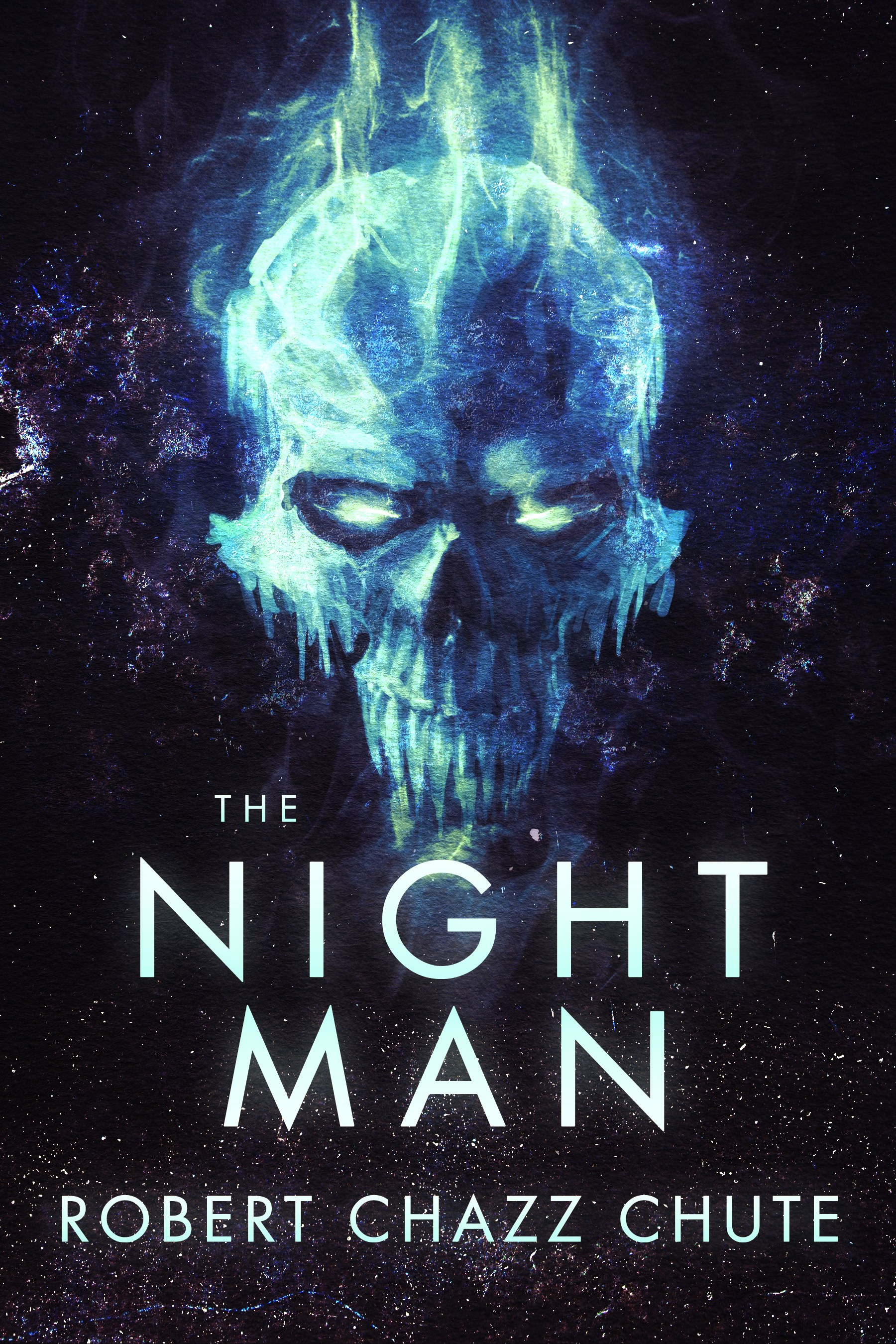
You can pick this ebook up for free today at this link: http://bit.ly/TheNightMan

Join my inner circle at AllThatChazz.com

See my books, blogs, links and podcasts.

Enter your email address to follow this blog and receive notifications of new posts by email.

Join 2,063 other subscribers