C h a z z W r i t e s . c o m

See all my books at AllThatChazz.com.

Agents and (Non)Acquiring Editors: A Word on Gatekeeper’s Remorse (Some don’t have any!)

J. K. Rowling, after receiving an honorary deg...

Image via Wikipedia


When a book is a great success, the rumors eventually emerge. JK Rowling was rejected six times. Meyer of Twilight fame? Fifteen times. All authors have stories of deals that almost went through. Many tell stories of cruel writing groups, insensitive english professors or critics that were hypercritical. When one writer triumphs and rises above these obstacles, all us of share a little of that. In German, it’s called Schadenfreude. In English it’s called “Nyaa-nyaa, nya-nya-naaaaaah!”       

Editors who reject books that go on to great success interest me. First question: Do they still have their jobs? Answer: Yes, of course they do.       

In Hollywood, you fail up. (Getting any movie made is such an accomplishment, you can have a string of failures and be a working director like M. Night Shyamalan.) If the rumoured stats are trues (85%-95% of books not earning their advances) publishing surely has the  highest tolerance for failure of any industry. There is no product research. “Product research is the first print run,” as they say. (Due to technology and Seth Godin forces, that’s changing. That’s another post.)       

Agents who pass up gold and editors who turn their noses up at diamonds answer predictably: “It’s a subjective business.” Yes. It is.    

Second Question: “But if these people are the experts who are supposed to know better, why do so many of their books tank?” Should we put so much stock in the opinion of people who are so often wrong? Dick Cheney doesn’t get to make credible predictions on foreign policy anymore. Why are we held in such thrall by agents and editors who have similar track records?      

The other common reply is, “I can’t represent it if I don’t love it.”       

I call bullshit. I’ve slogged through the slush pile. I worked as a sales rep for several publishing companies. I represented, and sold,  many books I never even got to read. (There were too many–especially when I worked at Cannon Books which listed hundreds and hundreds of books each year.) I even sold some books I actively loathed.       

The key question is not, “Do I love it?”        

The key questions are, “Can I sell it? Will lots of other people love it?”       

The idea that you can’t represent something unless you “love” it can set a ridiculously high bar for manuscript acceptance. You’ve read lots of books you liked and were glad to have read. How many were so good you really “loved” them? No wonder it’s so hard to get an agent if love is the accepted standard. (Love is not a standard criterion in business practice. You may think art is exempt from standard business practice. That’s one of the reasons this industry is in so much trouble. Artists worry their art is compromised, but without the business side? No art.)      

CORE ISSUE:       

Writers, particularly those yet-to-be published, are expected to have a thick skin.      

That is useful, though any really successful author will tell you the harsh critics hurt just as much as ever. They feel the pain, but aren’t supposed to complain.     

Some editors and agents     

 (PLEASE NOTE: NOT ALL EDITORS AND AGENTS!)     

act as if their mistakes aren’t mistakes.      

Therefore, their mistakes will be repeated.     

When ego gets in a writer’s way, he or she can’t learn and improve. That same principle should apply to gatekeepers. However, when gatekeepers make mistakes, some seem to say, “Not my fault. That’s just the way it is. I didn’t love it enough.” I say, “The new economy is making million-dollar companies, often out of billion-dollar companies. The coffee’s brewing and it’s a quarter past Massive Industry Fail. Wake up! And open up!”      

When you see an agent blog wherein the agent rips new queries, keep in mind that of all the many queries they analyse, they may accept only a handful (some perhaps two a year…or less.) Also, don’t work with snarky people because mean people suck and eventually they’ll be mean to you.     

This post was critical, not snarky. If I were snarky, I would have named names.      

Filed under: agents, Editors, manuscript evaluation, publishing, Rant, Rejection, Writers, , , , , , , , , , ,

Writing Critique: What’s Reasonable?

The other day I recommended Nathan Bransford’s blog (especially the publishing wrap-up on Fridays.) On Mondays he provides an excellent service in showing how he thinks as he evaluates a manuscript. I often agree with his opinion, but this Monday’s critique post struck me as hypercritical. Check it out and see what you think for yourself.

On this one, I didn’t understand most of his problems with the writing sample. When Mr. Bransford professed that he wasn’t understanding the story, I was thinking, “Why? I get it. Wouldn’t everybody get this? Sounds interesting. Tell me more.” (Dean Koontz wrote a book and there were a couple of TV shows with a similar premise.) As I read I thought, if they don’t get it, they’re probably not readers, anyway.

Larger point? It’s a subjective business. Keep submitting. Writers can’t hear that message often enough. Somebody will get it.

Filed under: agents, manuscript evaluation, queries, , ,

Slush Pile Hell

Here’s the key to the door to a long winding staircase down to the hot iron gates of Slush Pile Hell. All ye who enter here, send better queries.

Filed under: agents, manuscript evaluation, , ,

The Basics of a Good Writing Critique

My clients appreciate my input into their projects because:

1. I’m encouraging and I accentuate the positive.

2. I’m not coming up with criticism because I’m convinced they must be there to be found since you asked. All criticism is the constructive kind and I help people find solutions to their story problems.

3. I strive to be gentle and insightful.

4. I don’t mock effort or ambition (I’m looking at some of you FBAs*).

5. My clients know I’m trying to help them make their project better. I’m on their side and it’s their choice to adopt my editorial suggestions.

I’m for the underdog.

*FBAs= Famous Blogging Agents

Filed under: manuscript evaluation, , ,

Slap (on) a happy face

I just read some advice for short story writers (from The Writer’s Handbook) where a rather harsh critic slams stories where the protagonist is an unlikeable character and bad things happen to him or her.

Uh-oh. In my stories, that’s my thing. I think just about anyone will disappoint you if you get to know them well enough. That’s my worldview. To be successful by this critic’s estimation, I’m going to need a brain transplant. But I gotta be me.

When a short story of mine won an award, lots of people focussed on the torture. However, the reason it won was that in the last sentence there was a twist of transcendence. It wasn’t about torture. It was about the second chance. Read it here.

 I got a reply from another judge (different contest, same story) who was very dismissive. He seemed not to have read it very carefully, perhaps deciding early on it wasn’t something he would care for so he wrote it off quickly. For instance he said, “This doesn’t make sense. Why would a collection agency pursue dead files?” Because I made it clear the bill collector is a bad guy. If I spelled it out more, they’d call me pedantic. Sometimes you can’t win.

I’ll have to ignore that particular advice from The Writer’s Handbook I guess. I’ll keep on writing about flawed people and I’ll keep doing bad things to them. (Flawed characters make some of the best characters. Examples? Plenty, but off the top of my head, Breaking Bad, Dexter and Battlestar Galactica and Portnoy’s Complaint.)

Filed under: manuscript evaluation, short stories, writing contests, , ,

Writing Critique Group Decoder

They say: That was interesting  and then add nothing else.

They mean: It wasn’t interesting.

They say: You made an interesting artistic choice there. At the turning point three quarters of the way through I would have done this…

They mean: If this was a totally different story, written by me, I’d like it.

They say: I found a bunch of typos here and you split an infinitive there and you like sentence fragments too much, cuz you know, that’s not a complete sentence…

They mean: I am a grammarian and hope to be an editor one day. Otherwise I am useless to you, but I can continue to be annoying. Later on I’ll be bewildered that no one ever sits near me or speaks to me at the break.

They say: Kaddoos to you!

They mean: I am an illiterate who doesn’t know the word kudos, so don’t take my praise so seriously.

They say: I absolutely love everything you write.

They mean: I want to sleep with you and hope you share my fetish.

They say: Where do you get your ideas?

They mean: Are you really the abused prostitute in the story and is it wrong that turns me on?

They say: There’s a few quibbles. Maybe you could engage more senses here and here and tell more than show in the last couple pages because it feel like you’re rushing the end.

They mean: I can make useful suggestions without trying to put you down to make myself feel good.

They say: I don’t care for fantasy stories so I really don’t have anything to say about that.

They mean: just what they said and that’s fair. If you hate a genre and can’t get past it, don’t comment on it.

They say: That wouldn’t happen.

They mean: That’s either outside my experience and I have no idea what I’m talking about or you have to write more to convince me that’s the ring of truth I’m hearing and not you working the smoke and mirrors.

You say: What do you mean, that wouldn’t happen? It did happen.

You mean: Sorry I didn’t hit the feel of verisimilitude for you. Yet. And sorry I sounded defensive.

They say: You sound defensive.

You say: Perhaps it’s because you’re being offensive.

They say: It’s just feedback. I don’t mean to be offensive.

You say: I guess I’m a delicate doily…or being offensive just comes really easy to you. Clod.

They say: Let me hit you over the head with the fact that I’m a teacher (or I’ve been published somewhere and you haven’t or as my good friend Norman Mailer used to say…)

They mean: Just do what I tell you to do and God, isn’t my voice a lovely basso profundo?

They say: Needs one more polish and you’re done. Have you thought about sending it to X magazine?

They mean: Good for you. Damn I wish I’d written that.

They say: I suck.

They mean: Somebody throw me a bone here and tell me one thing you liked about my story or I’m not coming back cuz I just can’t stand it anymore.

They say: You suck.

They mean: You shredded my favorite story last week. Payback, bitch!

They say: That’s the best story ev-er! Ev-er!

They mean: And you’re critiquing my story next! Mercy Master!

They say: I don’t understand the connection from here to there.

They mean: I wasn’t really listening.

They say: Your writing is very muscular and you know…workmanlike prose.

They mean: It’s too readable. I hate it.

They say: I hate epiphanies.

They mean: Your epiphany was banal or your story isn’t depressing enough to suit my worldview because no ending should ever connote trancendance because that would mean there is hope for the human race.

They say: It’s good but no agent or editor will ever touch that.

They mean: That’s really bad.

OR

They mean: It’s no good for agents or editors without vision who are constantly trying to catch up with the last publishing trend.

They say: Your writing is good but your subject/genre isn’t hot in market right now.

They mean: Once everybody else publishes it, then we’ll concede it had value but for now we’ll pee all over your efforts.

They say: Your writing is very accessible.

They mean: They could understand it and enjoyed it.

OR

They mean: They could understand it too easily which means you’re a commercial writer and therefore unworthy of their time.

They say: I don’t get it.

They mean: I don’t get it.

OR

I’m high.

They say: Far out! Man, that was like…I don’t know…you know…

They mean: I am incapable of expressing myself and I meant to sign up for the hemp macrame class but it was full. Also, I’m high.

They say: Nothing but once in awhile you catch more than one or two people rolling their eyes so hard it looks like they might strain something.

They mean: You’re the hobbyist in the class who is, in their opinion, truly hopeless. They’re right.

They say: Something consistently unhelpful .

They mean: Who cares? That’s all they’ve got. They’re negative clods who will not help you in your career. And if they’re so shit hot, what are they doing in a group with you? Shouldn’t they be off somewhere exotic turning down calls from the Nobel committee?

They say: Something constructive and consistently helpful.

They mean: I consistently say something helpful to you because you’re helping me. Why don’t we ditch a bunch of these opinionated bozos, go have a coffee after group and become each other’s readers? I get you. You get me. Let’s lose all these people who don’t get us and exchange stories and finally have a voice we know is worth our trust? Also, if you don’t give me 3,000 words a week I’ll really bitch you out. Please do the same for me.

(Keep an eye out for these Theys. They could be really useful to your career.)

They say: I didn’t write anything this week.

They mean: I’m just here to snipe at others and refuse to put myself out there.

They say: Your story had a compelling sense of place.

They mean: I couldn’t bring myself to read that shit but I have to say something.

They say: The twist ending (or revelation or change in character or the emotion) felt too easily achieved/melodramatic or cheap.

They mean: what they said.

They could have a point. Maybe they don’t. Maye you underwrote it or overwrote it. Whatever they say or mean, remember this:

YOU GET THE LAST SAY.

All art is subjective. Don’t take any critique too seriously. Listen and then do what makes sense to you. You must write for yourself first.

BONUS:

They say: Thank you for all your suggestions. I can’t wait to go home and implement all of them..even the ones that contradict each other.

They mean: I have no dignity and no judgement of my own.

Filed under: manuscript evaluation, Writers, writing tips, , , , , , ,

Years ago  I evaluated a manuscript for a young man who dared to dream big. His manuscript was only a hundred pages long or so. His sci-fi that barely made sense. 

However, there was one sentence and image so powerful and memorable. I told him he needed to channel more of that kind of craft to make the story more readable. Since the rest of the news was so bad, I focused on that cheery bit so the meeting wouldn’t be a horror. If you suck, that’s a sign you should write more. I told him to write much more. He took my critique and paid my fee without hesitation.

I gave him pages of notes so he could improve. He focused on the good news. His last words to me were, “Thanks! I knew this was really good!”

That was 20 years ago. If he managed to keep up his work ethic and optimism, he’s probably a sci-fi author who has met with some success by now. I tried to teach him something about story and structure. He taught me about blind optimism. To be a professional writer, you do need that. That’s why I’d never tell anyone not to write.

BONUS:

Your odds of success are low, but that’s true about everything.

Your chances of being paid much at all as a writer are next to nil, but you’re hardly making a living anyway.

Write!

Filed under: manuscript evaluation, publishing, writing tips, , ,

Bestseller with over 1,000 reviews!
Winner of the North Street Book Prize, Reader's Favorite, the
Literary Titan Award, the Hollywood Book Festival, and the
New York Book Festival.

http://mybook.to/OurZombieHours
A NEW ZOMBIE ANTHOLOGY

Winner of Writer's Digest's 2014 Honorable Mention in Self-published Ebook Awards in Genre

The first 81 lessons to get your Buffy on

More lessons to help you survive Armageddon

"You will laugh your ass off!" ~ Maxwell Cynn, author of Cybergrrl

Available now!

Fast-paced terror, new threats, more twists.

An autistic boy versus our world in free fall

Suspense to melt your face and play with your brain.

Action like a Guy Ritchie film. Funny like Woody Allen when he was funny.

Jesus: Sexier and even more addicted to love.

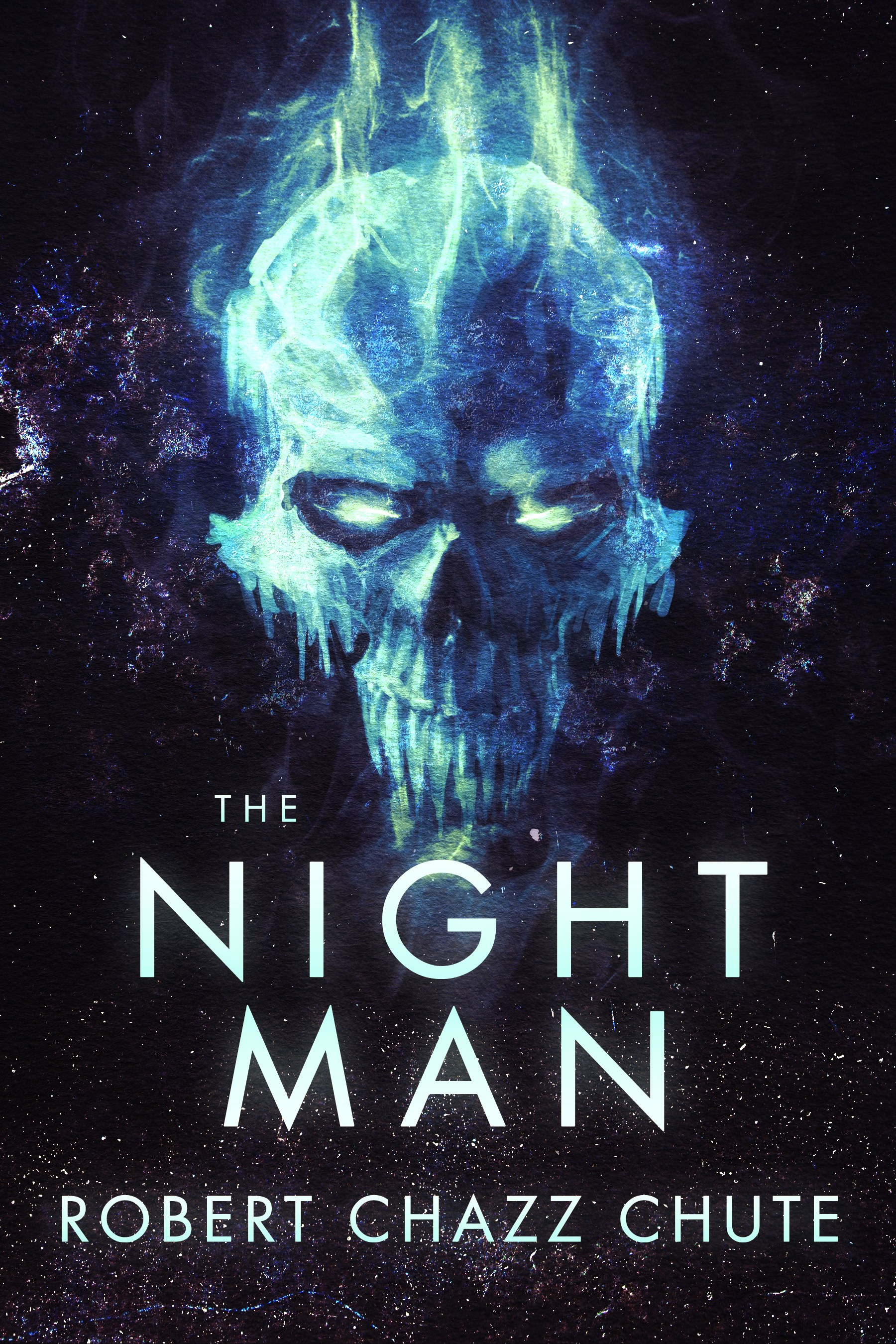
You can pick this ebook up for free today at this link: http://bit.ly/TheNightMan

Join my inner circle at AllThatChazz.com

See my books, blogs, links and podcasts.

Enter your email address to follow this blog and receive notifications of new posts by email.

Join 2,061 other subscribers