C h a z z W r i t e s . c o m

See all my books at AllThatChazz.com.

Writers: The mire of conflicting advice & unfair criticism

The hierarchical structure of the autobiograph...

Image via Wikipedia

When I got into the business, there was a criticism meant to shut writers down.

“Too autobiographical” was the kiss of death.

That’s ironic for several reasons:

Biographies and autobiographies are moneymaking books. Sarah Palin‘s ghosts have already published more books than you and possibly more books than she’s read. Okay, that was a cheap shot, but somewhat funny and it has the added bonus of being an Irish fact—that is, something that is a lie, but should be true.

I digress.

Back to the issue of unfair criticisms and misguided advice:

 The mind boggles at Augusten Burroughs work. How much childhood trauma can one man recycle into his fiction and non-fiction? He has enough monsters, addictions and insanity in his past that he’s set for several more books at least.

“Too autobiographical” is now a stale criticism when you consider the movement of the market toward tell-alls, whistleblowing and confessionals. There’s a lot of popular fiction that’s thinly veiled life story, too. In fact, if you’ve been a lion tamer-stripper-celebrity-prostitute, you’re a much easier sale than if you’re just another writer working away at your desk making stuff up.
Diablo Cody is a talented writer, but she had a lot more heat going into the fray because of her tattooed image and history as a stripper. I’m not saying she wouldn’t have sold the brilliant Juno script anyway, but really, how many celebrity screenwriters can you name besides her, McKee and William Goldman? If you came up with a few names, it’s probably because they are famous writer-directors, not just writers.

(And notice that irksome phrase “just writers.” I use it advisedly, as a synonym for “merely,” since that’s the stature writers generally have in film, television and publishing.)

“Too autobiographical” was once a stinging barb. It marked a talent that was undeveloped. It suggested teenage angst worthy of a diary, not of publishable quality.

The worm has turned. Now your tortured history as a brawler helps; Chuck Palahniuk brawled a bit and escorted sick people to support groups long before Fight Club. Your time in seedy bars lends authenticity to your writing and manuscript evaluators may well take you more seriously because of the stuff you don’t want your mom to know. A work can still be too autobiographical, but that criticism doesn’t carry the weight it once did.

Evaluators can be off the mark in what they think qualifies as authentic, anyway. One writer, for instance, was told that her dialogue didn’t ring true for how contemporary teenagers speak. She was advised to hang out with some kids to catch the flavor of the real thing. What the manuscript reader didn’t know was the writer was 17 at the time.

We’re a culture that worships celebrity, so “too autobiographical” isn’t a criticism that comes up as much (unless your life story is deadly dull.)

The true irony is that the same editors who would say “too autobiographical” would also routinely tell aspiring writers to “Write what you know.”

That’s bad, even egregious advice. Don’t write what you know. If you only write what you knew, there wouldn’t be much fantasy, science fiction…or much literature at all, come to think of it.

Instead, write what you care about.

 Your research and the knowledge

flows from caring, anyway.

Filed under: authors, book reviews, Books, Editors, links, manuscript evaluation, Rant, scriptwriting, Useful writing links, writing tips, , , , , , , , , , , , ,

Writers : How “hands-on” do you want your agent to be?

A diagram of cognitive dissonance theory

Image via Wikipedia

I ran across an interview with an agent here. She sounds very nice. But the first couple of questions got me to wondering…

The agent mentions that she’s been lucky to never have to work on a book she didn’t “love.”

Okay. That’s great. Or is this a red flag? It’s a common sentiment among agents across the board. They want to be “delighted.” They have to love it to sell it. Hm. As a former sales rep of hundreds (thousands?) of books, I can tell you I sold many books I hadn’t even read. I’m not recommending that. I am saying that’s real. I fail to understand why agents have to love books to sell them. Shouldn’t the question be, would others want to read this? Do I know an editor who would like this?

You’ve bought a lot of books. You’ve read quite a few of that number, even to the end. How many books have you read that you really and truly “love”?

Then the agent discusses being very “hands-on.” There’s kind of a cognitive dissonance here, isn’t there? I’m not picking on this one agent. Again, she’s saying stuff that a lot of agents say. But on the one hand, the agent has to love the manuscript. On the other, there’s apparently lots of work ahead before it’s presentable for submission to an editor. Uh…whut? Shouldn’t it be one or the other?

Here’s a take on this from an author who sees the agent-author relationship a different way, and by that I mean upside-down from the way it’s usually portrayed. Dean Wesley Smith sees the agent as his employee and is not interested in jumping through their hoops. He doesn’t want to be slowed down by the agent’s process (though he has used agents.) He’s not interested in any employee slowing his process, production or sales. I recommend you read all his posts on Killing the Sacred Cows of Publishing. It’s refreshing.

So here are my questions:

Do you want your agent to love your book or is liking it good enough for you?

Do you want your agent to edit your manuscript to make it better up front?

Do you prefer that your agent be more hands-off and just get it to market?

Addendum: The agent adds, “Basically, build yourself as big of a social media platform as you can before your book ever comes out.” Good advice for both the indie published and the traditionally published. But, if you can get your social media platform big enough, do you need a traditional publisher at all?

My new BFF Jason Alexander Greenwood asked himself these questions and came up with an indie answer. If you missed my link to his post on Sunday, read Shoot the Gatekeepers here.

Filed under: agents, authors, Editors, getting it done, links, manuscript evaluation, publishing, Rant, Rejection, , , , , ,

#Editors: Experience is what you get through mistakes

The Associated Press Stylebook

Image via Wikipedia

Last week a friend of mine called looking for advice about becoming an editor. She was looking for a way out of the nine to five grind wherein she could control her time, make a little money and still manage to pick her kid up from school by mid-afternoon. She was doing things she didn’t desperately want to do. She didn’t like her options, even though some of those options could be more lucrative than editing. In short, she’s in a spot many of us have been in: passion versus practicality. She has a tough choice ahead. Let’s talk about her choices, and yours.

We can’t start this discussion off without mentioning that a lot of people don’t have any choice about their employment. They’re just happy to have any kind of employment. Either by circumstance or by a lack of education or preparation, many people in a recession take what they can get. Self-fulfillment in employment is actually a pretty new idea. In the Industrial Revolution (or any time before that) the idea that you have to love your work would be considered a silly idea. However, much of the soul-crushing ennui was made acceptable by the common practice of drinking yourself near-unconscious on the job.

This woman lives in this century and has options. Should she be an editor? She already had a useful teaching background. She played it down, but as we dug into her history, she did indeed have some relevant experiences to draw upon. She also took an editing course recently and explored membership in the Editors Association of Canada (EAC.)

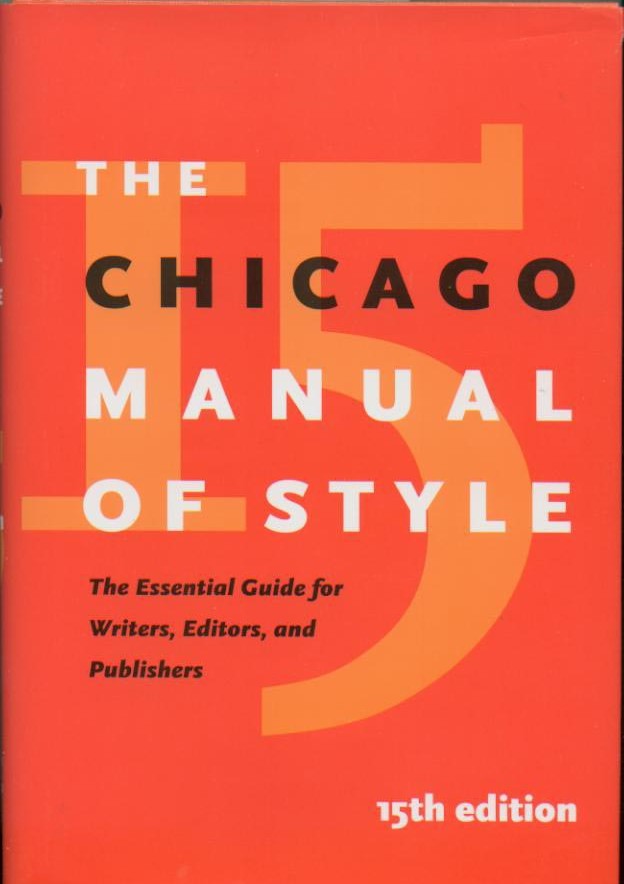
I told her about the meat of the work. We discussed grammar and the common mistakes people make. We talked about the various levels of engagement editors bring to text. For instance, there’s a big difference between a proofreader, a copy editor and a developmental editor. We talked about flow, judicious cutting, client consultation and the merits of the AP Stylebook, the Chicago Manual of Style and The Elements of Style.

And I learned something. In coaching someone else, it forced me to evaluate how I’ve been going at the editing business. I’ve had various projects on the go, but I’ve been awfully passive about it. I haven’t stepped outside my comfort zone to go after new book and website projects. For instance, much of my editing work has come about because of my writing. There’s nothing wrong with that, but it’s been pretty much exclusive to that.

My speech writing arose from my magazine writing. My web page editing came about through my magazine writing. The memoir I’m editing came as an assignment from a friend in need. The e-books I’ve ghostwritten and edited? Same deal. The marketing materials I’ve worked up for another client came to be because I’d interviewed the president of the company for another magazine story.

There isn’t anything intrinsically wrong with these sources of work. Work is work, no matter how it finds me. But it’s a clue that I’ve been lackadaisical. I need to solicit work more actively instead of waiting for it to come to me.

I’m busy now, but independent editing is piece work. It can come fast, all at once or not at all, at least for a time. Sometimes, work falls through or gets put on hold for a long time.

And sometimes, only greater self-awareness comes through helping someone discover their own path. I’m pleased she’d thinking of joining the ranks of editors. She loves language and believes the proper use of words matter. I warned her it can be a hard journey if she’s not prepared to be a go-getter.

And now I know I need to take my own advice.

Filed under: Editing, Editors, getting it done, manuscript evaluation, rules of writing, Useful writing links, , , , , , , , ,

Introductions: Sending your manuscript the right way. Meeting editors and agents.

Fragment of M. Lomonosov's manuscript "Ph...

Image via Wikipedia

Do you have a manuscript you want to submit? Here’s your check list. Do not try to stand out by breaking these industry conventions.

Now suppose you’ve sent off your manuscripts but you haven’t had any luck yet (and yes, luck is part of the process.)

You decide to head off to a writers’ conference and actually meet agents and editors personally. If you can meet them in person, you reason, you can turn them on to your work. Slow down on that plan. The Kill Zone gives you tips so you’re ready to meet those industry professional as equals.

The power differential in the agent/editor/author relationship drives writers crazy. There’s much more drama around meeting editors and agents than there needs to be.

You are an equal. You’re a human being, neither above nor below. Don’t go hat in hand.

It’s a friendly business meeting. Think of it that way.

Filed under: agents, Editing, manuscript evaluation, publishing, queries, Writing Conferences, writing tips, , , , , , , ,

First and Third Person Viewpoint Problems

first-person-point-of-viewSometimes writers  can’t decide from which viewpoint to tell their story. Here’s why your agent or editor rejected your work when, assuming everything else rocked the Casbah, the problem was that the narrative‘s viewpoint failed to engage them.

1. They wished you had gone with the viewpoint you didn’t choose. (They didn’t tell you because that’s not their job unless they’re already working with you.)

2. Your viewpoint choice works, but it’s simply not their cup of pee. It’s subjective. It’s not to their taste. You can’t blame someone for not liking something viscerally (any more than you would blame someone for preferring vanilla to chocolate (even though that choice is inexplicably insane.)

3. Third person is limited omniscience. (No, no one does pure third person omniscient anymore.) First person viewpoint is much more limited in scope. In third person, the author may slide into keeping the reader in the dark. The reader may resent you for it if the execution is flawed.

4. Your first person reads like third person. In other words, third person lends itself to a more dispassionate telling of events. First person viewpoints are parades for character. If the character doesn’t have much character (i.e. unique voice, perspective, expression and sounds like all the other characters) the road to publication ends in a dead-end ditch. If I’m going to be seeing through this person’s eyes for several hundred pages, I want to enjoy the company.

5. The first person’s point of view can be unreliable (not necessarily a con, often a pro) but your protagonist is a static wimp. This is similar to #4, except here I’m talking about action. In first person, it’s easy to fall into the mistake of making your hero (or anti-hero) watch the action. I once critiqued a script that had a lot of action, but the protagonist wasn’t doing any of it. He was always around the action, following it instead of initiating. That won’t fly in the long run. 

BONUS:

Do what works for you. Tell the story your way and, keeping these points in mind, you’ll figure out how to proceed. (If you can’t…) An author critiquing at a writers conference once dismissed a manuscript out of hand. His reason? It was written in first person and he didn’t think there was enough of a market for that. There was a guy who had a very limited first person point of view.

Filed under: manuscript evaluation, writing tips, , , , ,

Editing Exercise: Cut word density to speed reader comprehension

Novel & Short Story Writer's Market

Image via Wikipedia

There are brakes in your writing. Take the brakes off. Put your foot on the accelerator. Edit.

I’m writing a little sci-fi short story just to break things up. Here’s my original paragraph.

CONTEXT: A teen who wants to be an informant for a cruel theocratic state challenges the narrator’s father about his patriotism which puts the father’s life in danger. The next day, the boy is found murdered in an alley.

1st DRAFT excerpt:

“I am glad that bully is dead, father. He shouldn’t have spoken to you that way.”

“No, Mark. What happened to that boy is a tragedy and I grieve for him and his parents. When a child is killed, all the parents’ hopes and dreams die with him.” Mark would never forget his father’s face as he mourned his accuser. His eyes were wet.

2nd DRAFT excerpt:

“I’m glad that bully is dead, father. He shouldn’t have spoken to you that way.”

“No, son. When a child dies, his parents’ dreams die with him.” His father’s eyes were wet.

EDITING COMMENTARY: Notice what I’m doing here. I’m eliminating repeated information. I can tell the story in fewer words and not lose anything. I don’t need to explain more. I gave it to the reader once clearly. After that, I’m hitting them over the head with it instead of providing the broad strokes so they can fill in the rest of the scene. It is a rare thing to underwrite. Most people overwrite. Obviously in my first draft, I write too much. Always do. Whittling is fun.

This isn’t the only way I could have edited this piece, but I want to write this one especially short. I have a  5,000 word count for this project and a lot of things happen before we get to the end, even though the structure is a slow build to a twist ending.

When I read something that is dense to read, where obvious economies are not eliminated, I often get bored and I wonder if the author is trying to disguise a lack of plot.

BONUS:

Don’t repeat yourself. Don’t repeat yourself.

 COMING THIS WEEK ON CHAZZ WRITES:

A five-part series, Monday to Friday, on a ton of useful links from

some the best writing and publishing experts I could find.

Tune in Monday morning for

MASSIVE LINK WEEK!


Filed under: Editing, manuscript evaluation, My fiction, publishing, Writing exercise, writing tips, , , ,

Writers & Editors: Top 10 Editorial Considerations

 Here’s the follow-up from yesterday’s post on appropriate use of tense:

Editing considerations (as I revised my short story, The Dangerous Kind)Chicago-Manual-of-Style

1. One component I took care to delete were instances where the narrator says things like “I was surprised,” or when he made blatant judgements about his brother. This is overwriting and it’s easy to fall into. You want to give the readers enough to paint a picture but not so much that they can’t draw their own conclusions.

2. Try to avoid clichéd caricature. Don’t tell. Show character’s traits through their actions and dialogue.

3. Give your villains depth, so though the narrator of this story is the protagonist, he’s capable of evil and his mean big brother isn’t all bad, either.

4. This is a long short story at 8,500 words. The details are what’s going to draw readers into the slow build as the narrator discovers the evil of which he is capable. Show special knowledge along the way the reader might not know or detail that deepens the experience.  (For instance, on the hunting trip, the reader learns or experiences details about the feel of moss underfoot, the sound of a rifle bolt slamming home, buck fever and what it feels like to be carried in your mother’s arms.)

 5. Dialogue should advance plot, deepen character and, preferably, do so memorably. If the dialogue is neither of these things, it can often be summarized in narrative without quotes around it.

 6. Revising means “seeing anew.” Evaluate what the story is really about. At first I kept present tense because I wanted to maintain mystery as to whether the narrator would survive the story (See yesterday’s post below.) As I unearthed the story, the plot took a turn away from that storyline. Instead, the stakes are not whether the narrator will survive, but will he allow his brother to die, get the inheritance and escape rural Maine for the bright lights of New York? Once the core of the story changed, past tense opened up to me so I could achieve a more subtle and nuanced story than I had originally intended. That’s okay for a short story. For a longer piece of fiction I’d do more planning, plotting and outlining ahead of time so as not to lose too much time backing and filling.

7. Vary sentence length and sentence construction.

 8. Cut where you can without becoming terse or overwriting.

 9. The most common failure of overwriting is to describe character features in detail. Don’t tell me in detail what anybody’s wearing and definitely avoid the trope of getting a character to describe him or herself in a mirror.

 10. Dialogue should sound real, but without the ums and ahs of a transcript. Avoid dialect where possible as accents slow(and annoy readers.) Read your dialogue aloud to determine if you can believe someone saying your dialogue believably.

 Below is the first-person present-tense excerpt from The Dangerous Kind and then the revision.

Compare these excerpts…and please ignore the formatting. That’s a text to screen issue 🙂

 …I ask Jason if he cleaned the barrel. He shrugs and says he can still smell the gun oil so it is probably okay. He slings the rifle into the crook of his elbow and walks off toward the woods. I carry the pack, heavy with Jason’s beer. He does not have a hunting license. “Shouldn’t need one when you can get to the woods from your own back step.”

Halloween was the warmest I have ever known in Poeticule Bay, but this morning’s November chill cuts at my lungs. The forest goes quiet as we step into the tree line, as if the birds hear Jason coming and know they should be afraid. A squirrel rattles an alarm and skitters away as we push through a weave of dogwood.

 The glass bottles give muffled clinks as I walk. We hike to the old logging road where trees bow and touch overhead. Grass fills the middle so high, the trail looks like two narrow paths, as if parallel by coincidence.

Jason puts a finger to his lips. Staying quiet is all Jason knows about hunting. I try to tread carefully so the bottles don’t knock against each other. When I start to fall behind, my brother curses me for falling behind.

The sun burns off the gray cloud cover. The trees cast another forest of shadows, adding another thickness and plane to the landscape. The pack’s straps pull at my shoulders. Despite the sun and the cold air’s green taste, my footsteps become heavier as we push on. The sweat trapped under the backpack sucks my shirt to my skin.

We walk another half hour and salt sweat burns my eyes before I ramp up the courage to complain. My breathing is heavy. “We’re going too far, Jason.”

Revision:

…I asked Jason if he cleaned the barrel. He shrugged and said he could still smell the gun oil so it’s  probably okay. He slung the rifle into the crook of his elbow and stalked off toward the woods. I carried the pack, heavy with Jason’s beer. He doesn’t have a hunting license. “Shouldn’t need one when you can get to the woods from your own back step.”

            That Halloween had been the warmest I have ever known in Poeticule Bay, but this morning’s November chill cut at my lungs. The forest went  quiet as we stepped into the tree line, as if the birds heard  Jason coming and knew they should be afraid. A squirrel rattled an alarm and skittered away as we pushed through a weave of dogwood.

 The glass bottles gave  muffled clinks as I walked. We hiked to the old logging road where trees bowed to touch overhead. Grass filled the middle so high, the trail looked  like two narrow paths, as if parallel by coincidence.

 Jason put  a finger to his lips. Staying quiet is all Jason knew  about hunting. I tried  to tread carefully so the bottles wouldn’t knock against each other. When I started  to fall behind, my brother cursed  me for falling behind.

The sun burned  off the gray cloud cover. The trees cast another forest of shadows, adding another thickness and plane to the landscape. The pack’s straps pulled  at my shoulders. Despite the sun and the cold air’s green taste, my footsteps became  heavier. The sweat trapped under the backpack sucked  my shirt to my skin.

 We walk another half hour and salt sweat burns my eyes before I ramp up the courage to complain. My breathing heavy, I said,“We’re going too far, Jason.”

There are a lot of small changes here. Aside from changing the tense, there are a few other tactical changes worth noting. There’s a lot of walking through the woods in this story, so where appropriate I looked for more engaging verbs than “walking.” Instead I used “hiking” and “stalked.” Don’t touch your thesaurus , though. That’s a sign you’ve reached too far.

Careful use of uncommon verbs (like “skitters”) can be used to light the reader’s imagination as long as you don’t go over the top. If you overuse uncommon verbs, it’s usually for comedic effect. In the larger document I found other economies which I condensed into today’s Top 10 list.


 Related Articles

Filed under: Editing, manuscript evaluation, My fiction, short stories, writing tips, , , , ,

Writers: Choose Your tense

Cover of "Bright Lights, Big City (Blooms...

Cover via Amazon


In yesterday’s post I lamented some choices I made in an earlier draft of a story called The Dangerous Kind. In my latest revision I chose to change the tense. Let’s explore that. 

First off, let’s be clear: some people despise short stories and novels written in the present tense. They would prefer no writer ever did so again. Those people  are demagogues espousing that there’s only one way which just happens to be theirs. If present tense and a little risk aren’t your taste that’s fine, but to declare no one should dare to write in first-person, present-tense or second tense is a declaration against art. Art takes risk and if it plays it plays. 

I loved the novel Bright Lights, Big City. Before it was published I bet there were a lot of people who said, “A whole novel that’s second-person? You do this. You do that for a couple hundred pages? No way.” 

Answer: Way. 

 Jay McInerney wrote Bright Lights, Big City in second-person and made it  great. Don’t turn down a nontraditional way of telling a story because it’s unconventional. Cut it when it doesn’t work. Recently an entire novel which I scanned but can’t say I read was written in first-person plural. It was a brave choice that worked for a lot of critics. (I didn’t read it because of the subject matter, not because it was “We, we, we” for a couple of  hundred pages.) 

So back to my editing problem: In earlier versions of my story, I wrote the whole thing in first person, present tense. The advantage of present tense is that things are unfolding moment to moment before the reader’s eyes. Present tense makes the action immediate. The Dangerous Kind is about two brothers who do not get along. Soon after losing their father to an industrial accident, they go hunting for deer in the woods of Maine. Dire complication ensue. I chose past tense first because of the action involved in the deer hunt and also because the piece lent itself to an uncertain ending. Would the protagonist survive? 

Necessary side note: You can tell a story in first person and still kill off your first-person narrator. I won’t say don’t do it, of course. The only solid rule should be, if it plays, it plays. However, a caution: It has been done a lot so, for it to succeed, it must be done very well. That’s a trick that’s harder to pull off with longer fiction because it’s a downer to read a couple hundred pages and have your hero killed off. It worked in the movie Sunset Boulevard spectacularly well because you’re already disappointed in the narrator’s choices and end up entranced by Gloria Swanson

Back to editing The Dangerous Kind: After getting a rejection on the story from a magazine, I reread the piece with fresh eyes and realized I could shift it into the past tense. The story is ultimately about the choices we make and how even when things work out terribly, maybe that could work out for the best. (I realized recently that’s a theme in much of my fiction, but that’s another post for another day.) Once I decided that the climax of the story wasn’t a murder but an escape, it was okay for the reader to assume the protagonist survived. After that, I opened up to dumping present tense for the more traditional past tense. (I kept the first-person perspective.) 

However, in the final scene, there’s a subtle twist that I think works well. The bulk of the story basically unfolds over the course of a single November day. At the end, I gently switch to present tense so the reader realizes the protagonist is recounting this story, deciding where things went awry and what he’ll do next at the end of that day. He’s sorting out what the day’s events and choices mean to the rest of this life by retelling the story to himself. The conclusion is one-third bitterness, two-thirds hopeful. Because of the shift in tense back to the present, it makes the story more immediate as it closes. 

Tomorrow I’ll show you an excerpt from an earlier draft and how I edited it to make the plot’s engine work. 

Filed under: Books, Editing, manuscript evaluation, movies, My fiction, rules of writing, , , , , ,

Proofreading Symbols

To find more proofreading symbols click here.

Filed under: Editors, manuscript evaluation, writing tips, , , ,

Writers: Rejection does not build character

manuscript by Saint Andrzej Bobola, Polish Jes...

Image via Wikipedia


Some say rejection is part of “paying your dues” in the writing business. That’s over-analysis. Rejection is just someone saying no. When your query is rejected, do not read too much into it. 

Rejection is not useful on its own. It doesn’t thicken your skin for when you become a “real” writer. After you are published, you will get angry with critical reviews just as you are angry with rejections now. And why not? Your book is your child and an extension of you. If you are bent toward getting pissed off, you still will be. Rejection is not part of your training. Writing is your training. Learning your craft is a different proposition from receiving a form rejection slip. 

Rejection can be useful if you get specific feedback on why your story was rejected. Standard reply forms that say “not for us” tell you nothing except you must resubmit elsewhere. A manuscript evaluation (whether done by an editor you pay–ahem, like me) or by the people you submit to, can be useful. However, even then, it may be a question of taste in some regard. Agents and editors do sometimes take the time to tell you what they found wrong with a near miss. (Even if you disagree with their feedback, send a thank you note.) 

Understand this:

1. An agent or editor may give you a critique, but after you “fix” it, they are under no obligation to accept the manuscript. Many writers report great frustration over doing what they were told (perhaps even compromising their vision for the faint hope of publication) and still find themselves on the wrong side of the gate. No with details is still no. Doing everything you are told without running it through the filter of your own sensibility is no guarantee you’re on the right track. It also leaves you spineless and soulless. 

2. Publishers, editors and agents are extremely busy people. (Sometimes they wear that like a badge that they feel makes them special. However, I don’t know anybody who is at all cool who isn’t extremely busy, do you?) The point is, no one owes you a critique unless you paid them for said critique (ahem–like me.) Agents and editors typically say yes or no (mostly no.) They aren’t in the business of teaching you the craft. If they do send you a personal rejection and not a form rejection, it does mean you’re making progress. Handwritten notes of encouragement can make your day even though it’s a rejection doused with a little sweet perfume. 

3. If you send out a bunch of manuscripts and you receive no personal rejections, it means you have to tweak your manuscript or revisit your target selection process or both. Only you can decide how many rejections you suffer before you undertake further revision. Some say don’t tweak after you’re dome with revisions because by the time you’re finsally finsihed with revisions, you should be a little sick of it and ready to send your baby off to college. Fresh enthusiasm is what the new baby is for. Even as you edit the last book, your fickle nature should be pulling you toward the next book’s greatness.  

4. The rejection might not be about you. There are many variables that go into editorial decisions. Maybe the subject matter or execution is too foreign to the publisher or too much like one of the books they already have which failed. Maybe the editor loved it but it got shot down for budgetary reasons. Don’t get hung up on each rejection. Resubmit and move on to people who get you as quickly as possible. 

5. Don’t worry about rejection. It will occur. Expect it. It’s more important to do the writing and trust that good things are coming. Optimists are the only ones who succeed in this business. Pessimists, realists and the meek have the good sense not to try. They never succeed at much, but they’re cozy. Writers aren’t cozy with their place in the world. If they were, they wouldn’t be writers. 

6. Once you are published, you’ll realize the journey was more important than the destination. It’s the writing that matters, which is good because you’ll spend much more time writing than you will receiving prizes and getting drunk on fancy publicity junkets.  

BONUS:

When I was a kid, seeing my name in the paper was a big deal. By the time I was seventeen I had a regular byline in my local newspaper. By the time I was twenty, there was still a small thrill to see my byline on the front page of a provincial and city newspaper. My back page column in a magazine tickles. Recognition is still cool, but it’s not the same thrill and if a byline is all you write for, that’s not enough gas for the trip.  

The thrill is in the writing. The fun was finding just the right turn of phrase. It was always really about the writing. It always should be. 

Filed under: agents, Editors, manuscript evaluation, Rant, Rejection, writing tips, , , , , , , ,

Bestseller with over 1,000 reviews!
Winner of the North Street Book Prize, Reader's Favorite, the
Literary Titan Award, the Hollywood Book Festival, and the
New York Book Festival.

http://mybook.to/OurZombieHours
A NEW ZOMBIE ANTHOLOGY

Winner of Writer's Digest's 2014 Honorable Mention in Self-published Ebook Awards in Genre

The first 81 lessons to get your Buffy on

More lessons to help you survive Armageddon

"You will laugh your ass off!" ~ Maxwell Cynn, author of Cybergrrl

Available now!

Fast-paced terror, new threats, more twists.

An autistic boy versus our world in free fall

Suspense to melt your face and play with your brain.

Action like a Guy Ritchie film. Funny like Woody Allen when he was funny.

Jesus: Sexier and even more addicted to love.

You can pick this ebook up for free today at this link: http://bit.ly/TheNightMan

Join my inner circle at AllThatChazz.com

See my books, blogs, links and podcasts.

Enter your email address to follow this blog and receive notifications of new posts by email.

Join 2,061 other subscribers