
I’ve been thinking about how to promote my books quite a bit. There was a lot I wasn’t sure about as I embarked on getting the word out. In the beginning, I didn’t know for sure if I even wanted hard copies of my book. I do want a printed book for Self-help for Stoners now (for various promotional experiments to be announced.) I didn’t know how hard it would be to ask friends to help spread the word. I didn’t know how difficult it would be to get friends to take the time to read and review the books and listen to my podcast. Even the people who care about me don’t necessarily care about my tales of suspense, comedy and magic realism.
I underestimated how loyal people are to the media they are used to. For instance, I know several people who want to support my work, but for one it has to be print only (I’m sure he’s not alone) and for another, she’ll have nothing to do with Amazon. She’s waiting for the Kobo version (so she’ll be waiting a long time unless she orders the print version straight from me.) I was getting a little down about that, but then Andrew, another kind fellow, said that though he’d prefer paper, failing that, he’d be ordering the ebooks anyway. Change happens, but not on my schedule.
And then there is traditional publishing’s inertia. It’s slowing, like a big ship that’s lost power but still has momentum in the Zeitgeist Sea. This afternoon I listened to the annual book recommendation show on CBC’s Cross Country Checkup. Dozens of callers recommended which books to buy for Christmas. Not a single ebook was in the mix. The CBC demographic either skews toward a generation that hasn’t bought its Kindles or iPads yet, or the resistance to the ebook revolution is so entrenched that we won’t see the CBC recommendations change until a cataclysmic shift, like Chapters closing its brick and mortar outlets. (For reasons I’ve already covered on this blog, that’s in the works, but it’s a process and won’t happen overnight. The change is as easy to predict as the contraction of HMV and the fall of Blockbuster, however.)
Another prejudice for us to overcome is the giggle factor. “Self-published?” (I covered that subject a week ago so I’ll not delve further into that.) But I face another giggle factor: my title is Self-help for Stoners, Stuff to Read When You’re High. An acquaintance saw my business card and said, “Stoner? You?” I replied that I had indulged. I also told him that many of my stories of suspense have elements of violence and murder. “The research for that…” I grinned, “well, let’s just say you’re worrying about the wrong thing, pal.”
I added that you didn’t have to be a stoner to enjoy my stories (though my standard joke is that anyone who is high is automatically a better audience…for anything.) Still, no sale there. He walked away worrying about my immortal soul and questioning what he thought he knew about me. (Answer: I’m complex. Like Batman. Okay?!)
In part, I chose Self-help for Stoners for cold and calculated strategic marketing reasons. It wasn’t just that it fit the book. Many titles might have fit the book. However, I had a short fiction collection (a difficult sell) that was a weird hybrid. I knew going in this would be a self-help book in the form of fiction. The fact that the book was inspired by two celebrity stoners to whom I dedicated the book also played a major role in my choice. For that collection I reached back to a non-MFA approved format: Amid the short stories and brain tickles, it’s kind of preachy. On purpose, it’s fiction that packs a point as well as a gut punch. Kind of like Vonnegut, it’s plot driven and yet there are forays into stories that invite the reader to introspection. It’s preachy in the same way The War of Art* is preachy: consciously and on purpose and without apology.
To the surprise of some, the book has nuance in that I do not advocate throughout for marijuana use for everyone. It’s not for everyone, but free speech and free thought and control over one’s own consciousness are things I do advocate throughout the book. This is a book that will have to find its audience or its audience will find it. However, I don’t regret the title. Collections of short fiction, and the weird hybrid this is, are a tough sell no matter how wonderful I think short stories are. They’re so tough, in fact, that I’m done with short fiction for a long time. The next books will all be novels. However, since stoners are a reading, identifiable market, I tailored many of the stories from Self-help for their enjoyment. (Yes, stoners are readers and are often an intellectual bunch. Don’t believe the hyped stereotype of a bunch of dumbasses blitzed on a beach. That’s alcohol.) My people will find me, either through my friends, my networks, social media or through my podcast of the same name. For any book to be successful, ultimately it will have to found through good reviews, excited readers and Google.
Here’s what I’ve learned so far:
1. Choose your title carefully. In the long term, targeting an identifiable niche will help me. In the short term, it’s uphill slogging.
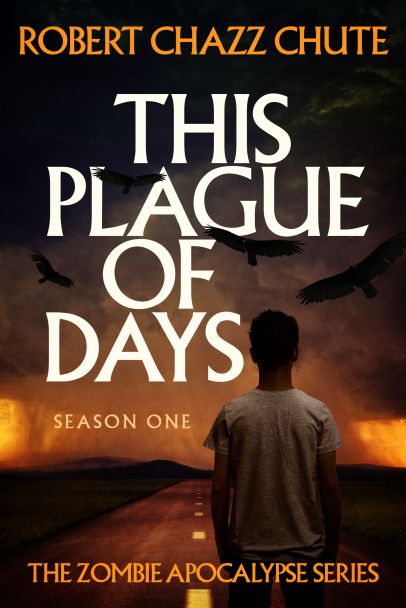
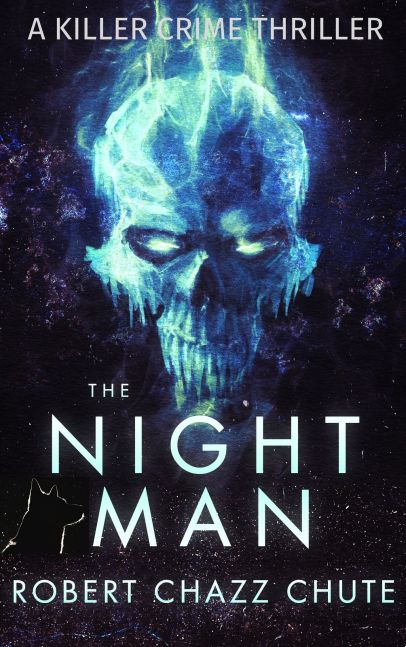
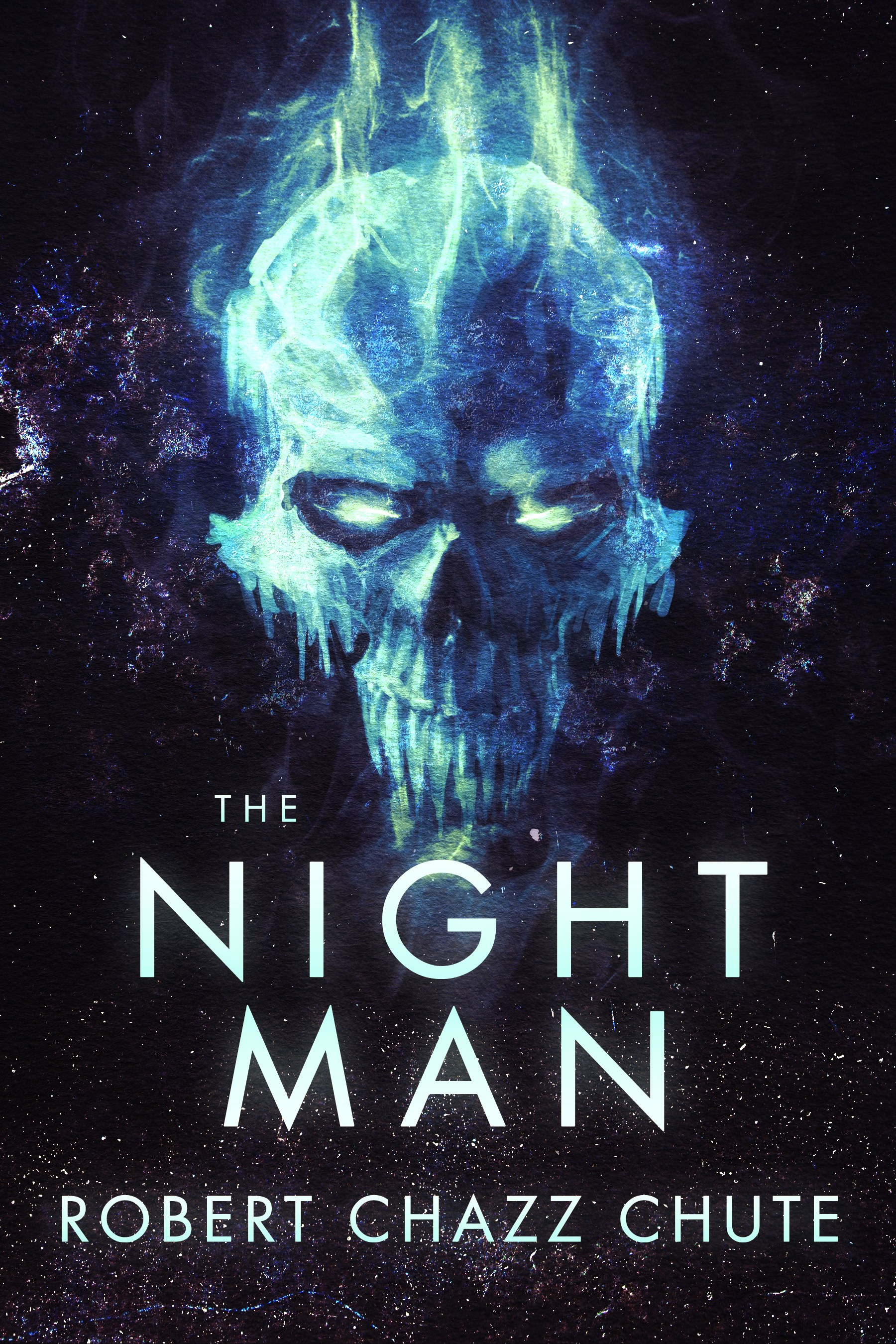
2. Get a good cover. We’re told we’re not supposed to judge books by their covers, but of course we do. I did my cover for a novelette (The Dangerous Kind). I liked the cover well enough because it was for a 10,000 word story I’d sell as a loss leader for 99 cents. In retrospect, I’d ask Kit Foster, my graphic designer, to do that cover now. I recognize the elements that go into a great cover but I can’t create one. I have no idea how Kit does his magic. I just know that I get a lot of compliments about how good the covers are for Self-help for Stoners and Sex, Death & Mind Control.
3. Have a strategy. I named the book strategically, but perhaps more important, I named the podcast strategically, too: It has the same name. In the long run, I’ll probably find more people through the Self-help for Stoners podcast (delivered free and weekly through iTunes) than any other strategy I plan to use (except one.)
4. Don’t be a jerk, but don’t be too shy, either. Keep asking for help spreading the word. Just be sure you give lots of positive content beside the occasional request for reviews, shares and assistance. It’s not begging when you’re giving more than you’re receiving. It’s quid pro quo, the basis of all civilization.
5. You noticed the end of point three and you wondered, “What’s that about?” What’s the ‘except one?’ “ The best strategy is to keep on writing the next book and the next and the next. Revise and edit the hell out of them. After about book five, you have a better shot at getting noticed.
It’s a process. It doesn’t tend to happen quickly until a critical mass of forays— failing, learning and winning— are traveled through. I’m on my journey and these are exciting times at Ex Parte Press. Last week, I finally got the print formatting done for Self-help for Stoners by calling in the cavalry (thanks to Jeff Bennington). This weekend my graphic designer (the inimitable Kit of KitFosterDesign.com) and I finalized the cover for the paper book. Kit even put a new logo together for me (pictured above right). Some things are coming together, but a lot more is not. It’s a learning experience. Some day I’ll look back and say these scary times were the most exciting.
*And by Thor and all that’s holy, if you’re a writer and you haven’t read The War of Art yet, do!
Filed under: Books, ebooks, Publicity & Promotion, Rejection, What about Chazz?, What about you?, Writers, writing tips, book promotion, Cross Country Checkup, E-book, Kobo, publicity, publishing, self-help for stoners, short story



















 C h a z z W r i t e s . c o m