C h a z z W r i t e s . c o m

See all my books at AllThatChazz.com.

The Best Business Card Tip of the Day

The best business card tip I received this weekend came from my newest Twitter friend @bonmotgirl.

 I had ordered my business card and the promo card for my novel separately at different times (due to a lack of foresight on my part.) Next time I’ll do as Pam suggested:

Get a folding card, one half business contact info, half promo card. Lesson learned. Thanks for the idea Pam!

Filed under: Publicity & Promotion, publishing, , , ,

How Not to Network with Business Cards

The publishing conference was great. Sometimes people serve as excellent models. The people who aren’t great models can teach you something, too. When you’re networking, it shouldn’t look like that’s all you are there for. In fact, that won’t work. You’ll just come across as pushy.

One attendee made sure everyone had her business card, but she was wasting her time selling before even trying to connect. I prefer that people ask me for my card and not the other way around. It’s not always inappropriate to offer a card, but if you have no idea how you could help someone through your work, pushing them on people can do more harm than good.

Yes, business cards are still useful. A well-designed electronic business card attached to your email looks great! (www.vistaprint.com)

Sell yourself first. Your product or service always comes second.

I gave out very few cards this weekend, but each person was a quality contact I made an honest connection to.

Filed under: Publicity & Promotion, writing tips, , , ,

Top 10 (plus one) Publishing Conference Lessons

1. The publishing panel was a cautionary tale. Three publishers said agented vs. unagented manuscripts didn’t matter, though they were not universally believed.

2. They said they expect all submissions to be simultaneous submissions. (Duh! Let’s move on from that!)

3. Re: Electronic rights? They want them. (Rare moment of candor.)

4. Caution to authors: Don’t give it all up so easily. If they’re going to retain electronic rights, they better have a plan how they are going to use them.

5. Whether you have an agent going into the deal or not, get an agent. They will earn their commission and get you a better deal. Standard contracts and retail is for suckers, baby!

6. Emerging publishing models diminish traditional publishers. If you’re doing everything else (publicity, platform, marketing, hiring an editor etc.,…) all the publishers have left is old credibility and a distribution network.

7. Traditional publishers will be dragged kicking and screaming into new delivery models, but they will be dragged. Resistance is futile.

8. The power differential among author, agent and editor is a changing dynamic, no matter how much some may pretend such is not the case.

9. Author Patrick Taylor: (Some) small Canadian book publishers are not concerned about selling books. They make their profit from arts council grants and sales are secondary. (Talk about blunt! Hurrah for Patrick Taylor! You’ll never hear that again!)

10. Sell a lot of self-published books? If you’re a regional author, Ms. Major Publisher will expect you’ve saturated the market. Sell a few hundred in a week and they might want to pick up that profitable book (or your next.)

11. My question: if your self-published book is doing that well, what do you need a traditional publisher for?

Filed under: publishing, Rant, , , ,

The Publishing Process

Great. Um…what’s a typewriter?

Filed under: publishing, ,

Garrison Keillor on the future of publishing

Garrison Keillor says in the Baltimore Sun that book publishing is about to slide into the sea. Shorter title? We’re screwed. Call him a pessimist.

Filed under: publishing, ,

The Death of Lit Journals (and query advice)

Okay, it’s time. Let’s rip it up and challenge some assumptions and piss off a few defenders of the faith…

Literary journals have traditionally been considered a proving ground. You get some stories published, establish a track record and develop a following. Agents and editors want you to have a platform as much as possible to push the sell-through. The wisdom was that lit journals gave you cred when as you developed your skills for longer works. Lit journals were where you paid your dues before you could hope to write the great American, Canadian, Jamaican or Serbian novel.

Well, goodbye to all that! Here’s why:

1. You can get pretty beat up in a long process where they take forever to get back to you, or never get back to you.  No simultaneous or e-mail submissions and you take a year to say no with a snotty note? And all this for a journal with a tiny readership that pays in contributor’s copies? There are far less frustrating ways to find something to line the bottom of your birdcage. Lit journals, your time is up!  

2. Some journals may have some weight with agents and editors. Many won’t. Many are still really zines that nobody’s ever heard of. You could make up a title and it would have as much credibility as many of these rags.

3. It’s arguable that short story writing and novel writing are different skill sets. (I’ll make that argument another time, but as a for instance, even now I prefer Hemingway’s short stories to his novels.) One thing won’t necessarily translate to the other thing. Everyone starts with short stories, but if you intend to be a novelist, start writing long soon. (Also, your sensitive little meditation/poem/short story on the return of the whippoorwills to Dead Grampa’s lake probably won’t help you sell your Masons-plot-to-destroy-universal-health-care conspiracy thriller.)

4. Who needs literary journals when you can build your brand on your own website? Write short stories and build your platform through instant self-publishing. Give out samples and teasers of your work. Keep people coming back and/or offering suggestions, praise, money, fame. Serialize. Monetize.

5. Lit journals publish a few stories here and there, mostly solicited (read: not you.) They don’t take their slush pile applicants near as seriously as they take themselves. (I also notice a trend in the journals where they’ll do a theme issue, or several. That puts slush entries even farther out of the loop, like amongst Saturn’s rings.)

BONUS:

If you were an agent, editor, sales rep or publicist, which author’s bio would you consider more helpful to your goals?

A: I was published in Northeastern Prairie Review* in 2005. Circulation 1200 people (most of whom are frustrated writers themselves who subscribe in the hope that it will help them get published. In fact, they hate most of what they read, they don’t read much of it anyway, hate the published, and the editor only publishes his four best friends and the rich cousin who funds their tiny enterprise.

or

B: I’ve built 40,000 regular readers of my blog and x number of unique hits on my author website. Look at my fan base! They loved the first chapters…blah, blah de blah I’m twelve kinds of sexy awesome etc.,…

If you answered B, congratulations. You’re sane.

You heard it here first, I say this internet thing?

It’s going to be big.

DOUBLE BONUS:

 However…if you plan to start a lit journal and become a bitchy arbiter of good taste, aha! Now I think you may still have something in a dying industry. Publishing yourself and dressing it up in respectable clothes connotes more respect than being the schlub sending out your stories to an indifferent world. When you submit your novel, you’re an editor.

Save paper. Publish on-line. Be cool, and you too, could finally have enough cred to get your work actually read by an uncaring know-nothing no-everything MFA refugee summer intern.

TRIPLE BONUS:

The rule with lit journals is, the stranger the name (Three Monkeys and a Paperclip, Fish Stink of the Golden Future)  the smaller the readership. In a world where even the “big” lit journals are really small, that’s rather snobby and irrelevant, however. (For some sense of scale, every couple of months 75,000+ people read my column and my features in a trade magazine you’ve never read.)

Filed under: publishing, writing tips, , ,

Piracy and Copyright Worries

Here’s an interesting take on data piracy from thriller writer Joe Konrath at A Newbie’s Guide to Publishing. If you’re worried about somebody running off with your book and sharing it with their pirate friends, his piece might set your mind at ease.

Filed under: publishing, Rant, Writers, ,

Are your chances of publishing really lottery odds?

Here’s a great survey fantasy author Jim Hines conducted into the stats behind publishing a first novel.

It’s fascinating to look at the breakdown. I’m attending another writer’s conference next month and, according to the survey, that’s one thing that helps.

If you’re a writer, don’t be discouraged in any case. If you’re a writer, you’ll write your book despite the odds.

Filed under: publishing, , ,

Research before you query an agent

I ran across an agent’s site proclaiming what they wanted and what they didn’t. They emphatically did not want any more novels about middle-aged white man angst.* Really? Doesn’t this sound suspiciously like all those declarations that the world can’t possibly stand one more book on vampires (declared variously in 1975, 2000, 2003, 2004, 2005, 2007, 2008 and 2009)?

No more male midlife crisis novels, huh? Goodbye to the next Updike! Hey, Roth! Apparently, you SUCK!

Uh-huh.

I know. The response would be that it’s not Updike or Roth writing this flood of manuscripts that they want to damn and dam up.

My answer? Updike and Roth weren’t always Updike and Roth. Once upon a time, they languished in slush piles, too.

At least when you do your research you can figure out which agents have silly prejudices and avoid them.

*No, you guessed wrong. My novel is about a sixteen-year-old (with angst.)

Filed under: agents, publishing, Rant, , ,

Proofing a manuscript

My local newspaper fired its copy editors as a cost-saving measure. Now typos and grammatical errors abound. It’s a detail that particularly bothers older readers and fired copy editors. It’s happened in publishing as well. Fewer bodies mean fewer lines of defence against the dark arts errors in manuscripts.

When I was a proofreader for a publisher, the manuscripts had already gone through the author-editor-copy editor-first proofreader stages. I’d put the books together on computer and probably find up to thirty-five errors on average. The last proofer might find two to eight formatting errors or problems that I missed if it was an especially long book. By the end of all that, the text would be pretty clean. (I’m not counting the errors readers think are errors but aren’t. Usually this rears up when people misunderstand the differences between affect, effect, comprise and American vs. English english.)

If you catch a lot of problems in a published book, that may mean the book is self-published and an editor didn’t look at it at all. It may also indicate the publisher cut back on the expense of multiple lines of defence (proofers and editors.) Another possibility is that the manuscript was packed with errors to begin with and lots of errors were caught, but the sheer number of typos overwhelmed the worker drones.

When next you notice a short guy has turned into a tall guy or someone’s eye color has changed or you see a flock of geese instead of a gaggle, you’ll know why. I’ve just finished reading a Writer’s Digest book and noticed ten or so errors. I don’t get too self-righteous about it, but I’d be lying if I said it didn’t irk me, especially when you think of all those people who are now out of work. With the idiosyncrasies of text messaging, the new generation of readership are much more tolerant of textual errors than their parents and grandparents.

Curmudeonly grammarians are a pain, but too many errors are distracting and can detract from reader’s confidence in the work.

Filed under: Books, publishing, , ,

Bestseller with over 1,000 reviews!
Winner of the North Street Book Prize, Reader's Favorite, the
Literary Titan Award, the Hollywood Book Festival, and the
New York Book Festival.

http://mybook.to/OurZombieHours
A NEW ZOMBIE ANTHOLOGY

Winner of Writer's Digest's 2014 Honorable Mention in Self-published Ebook Awards in Genre

The first 81 lessons to get your Buffy on

More lessons to help you survive Armageddon

"You will laugh your ass off!" ~ Maxwell Cynn, author of Cybergrrl

Available now!

Fast-paced terror, new threats, more twists.

An autistic boy versus our world in free fall

Suspense to melt your face and play with your brain.

Action like a Guy Ritchie film. Funny like Woody Allen when he was funny.

Jesus: Sexier and even more addicted to love.

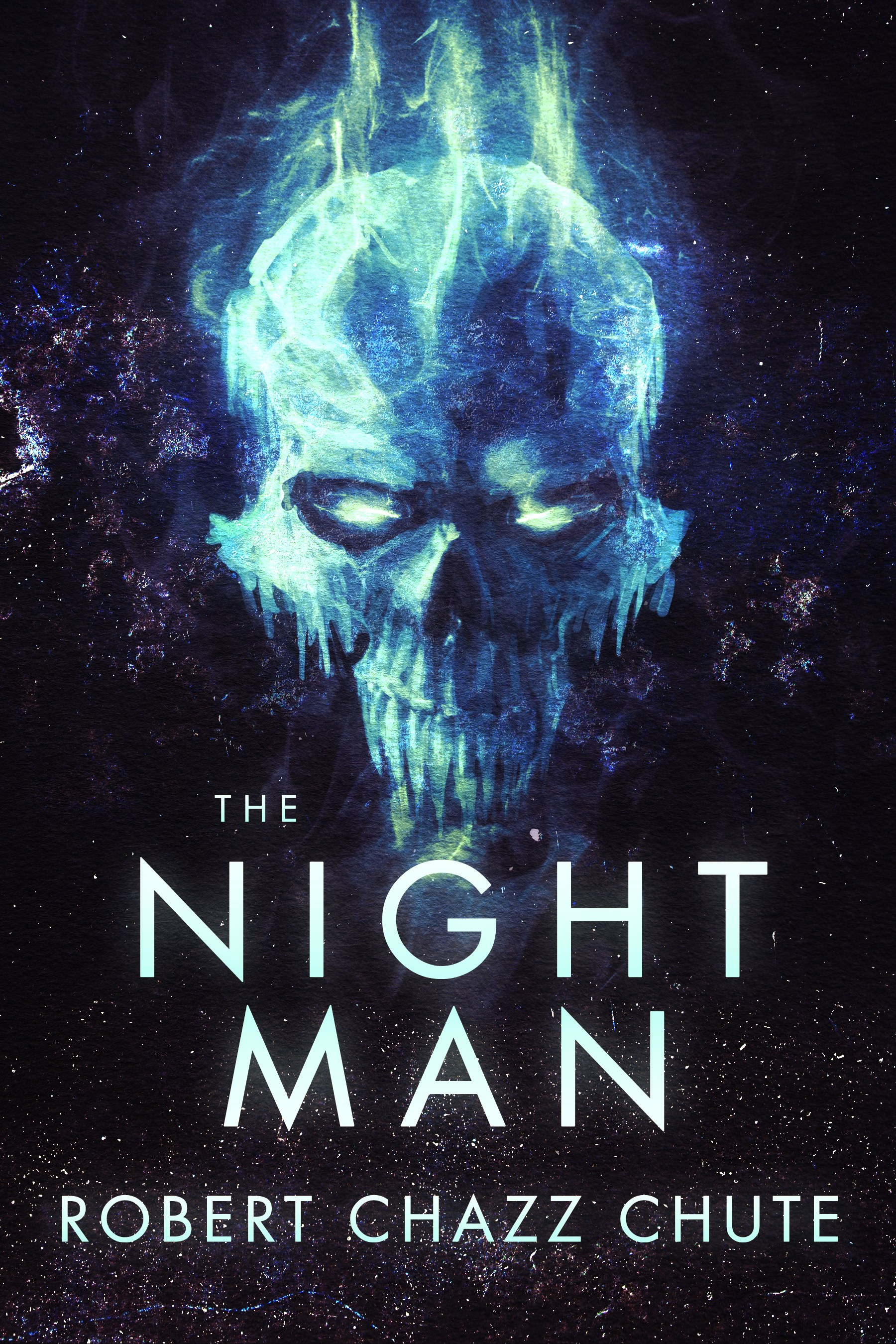
You can pick this ebook up for free today at this link: http://bit.ly/TheNightMan

Join my inner circle at AllThatChazz.com

See my books, blogs, links and podcasts.

Enter your email address to follow this blog and receive notifications of new posts by email.

Join 2,063 other subscribers