C h a z z W r i t e s . c o m

See all my books at AllThatChazz.com.

How to sell cross-genre books in The Land of The Easy No

Picture this:

You walk into a store and can’t find what you’re looking for. You ask the clerk behind the counter, “Have you got moldy bat wing party favors hiding somewhere in the back of the loading dock?”

Far too quickly, without looking up from his coffee, he says, “Nope! We’re out of the entire line of moldy bat wing party favors.”

You walk out empty-handed, but you’re thinking, “I bet there might be some left in the back if the clerk had just bothered to take the time to check.”

 You’ve still got your moldy bat wing party favor deficit, but as soon as the clerk said no, their problem was over.

It’s easier to say no than to say yes. “Yes” means more work.

This is the downfall of living in The Land of The Easy No.

Which brings us to the business of selling books… As a sales rep for numerous publishers, I had a lot of catalogues to get through. Appointments could take two or even three hours, depending on how much hemming and hawing the bookseller went through to complete an order. I had to power through those catalogues, talking fast, to fit three appointments into a day. Traveling between bookstores took time away from selling, so efficiency was not a trivial issue.

Each book received a few seconds of attention and — surprise!— not all books get equal attention. A “credibility book” is a book from the backlist that a sales rep steers a bookseller away from. “You don’t have to worry about that one,” is code for, “If you buy that book you’ll be returning it as quick as you can and you won’t believe a word I say when I tell you to go heavy with your order on another title.” When you have seconds to sell a title, you go with the high points. Selling an author who has sold well before is the easiest thing to do. When I sat down with booksellers, there was a shorthand with popular authors. Other pitches focused on publisher support or celebrity. Getting them excited over a story was usually (but not always) the last choice in the hierarchy of what made a sale quick and easy.

Easy sell: “How about you double the order on that romance author you’ve already sold a ton of? It’s the same unchallenging book her fans want over and over, and sure, the quality has slipped, but it’s about branding and a following.”

Fast and easy sell: “How many of the new Stephen King do you want?” (Note the “how many?” not whether and if.) Whenever you can talk about big name authors instead of covers, content or media coverage, the easier the sale.

Difficult sell: “Here’s a new author you’ve never heard of but it’s a great story.”

Better: “Here’s a new author you’ve never heard of, but it’s a great story, and she’s getting major media and we’re really pushing it and it’s so much like Lee Child and we’ve got great advance reviews and Bill Clinton will provide a cover quote and Bill O’Reilly will write the introduction.”

Much better: And did I mention this Lee Child-toned story is about a sexy woman who commits grisly sex murders who escapes from jail and the sexy female FBI agent who brings her to justice? Did I mention it’s based on a true story and it will be a major motion picture just in time for your Christmas season…and did I mention Brad Pitt will play the roles of both sexy women and he makes out with himself? Think Fight Club, but with more lingerie and slow panning shots of Brad Pitt’s legs in ripped nylons.”

Tough sell: “Let me tell you about this quirky one with a niche hook that’s going to be a slow build but a cult hit over time.” 

META ANALYSIS: That, I think, is a great description of Self-help for Stoners, Stuff to Read When You’re High (though I am biased.) The trouble with this pitch: It’s a short story collection (ouch!) that’s a self-help (Oh! Good and hopeful!) in fictional form (huh? Like parables? Like in the Bible?) and no, you don’t have to be a stoner to enjoy it. (Slow down. I think I have to be high to get all of that at once!)

Note the language: quirky, niche, slow build, cult hit, time. That’s too many caveats and double backs for a quick and easy sale because it sits across genres, squatting there in its damnable uniqueness.

Short shorthand sale: When I sell my post-apocalyptic and suspense novels, the sales pitch will be much quicker: Think Stephen King. Done.

CHECK OUT ALL THE BOOKS HERE

Publishers’ sales forces have diminished immensely since I was driving around with a car so heavy with books it ran low on the axles. Times have changed. When publishers talk about authors giving authors a big push now, what they really mean is the author is tech savvy and not shy. The author will do most of the publicity work, though that’s been true since the birth of the Internet, anyway.

Where have the big publicity opportunities gone? They went away when Oprah went away. She was the the book industry’s angel. Now the big angel is Jon Stewart, but that won’t help you if you sell fiction. The Daily Show is only for non-fiction. (The last fiction author on The Daily Show was Kurt Vonnegut, shortly before his death, and he talked mostly about his non-fiction book Man Without a Country.)

Forget big publicity.

Look for small publicity opportunities.

Radio is still a good publicity opportunity and you don’t have to travel anywhere. Contact radio show producers and pitch them, but remember fiction is still tough so to succeed, you’ll need an angle. (The easiest? I lost my job and now I’m a hometown start-up business and my book is set in this town and I kill hobos for sport…The Most Dangerous Game!) Morning radio is topical and lends itself to non-fiction books. Consider going after shows that are not radio prime time  (i.e. the drive time slots.) Book a show that is a book show. You’ll find it easier to get on air with a university radio station.

The “push” comes from authors now. It’s up to you. Authors don’t just write anymore. We sell ourselves. I’ve got three blogs, a podcast and three twitter accounts. And that’s not nearly all the publicity I do or plan to do. I’ll be expanding in social media and beyond social media in the new year (TBA). And I really have to start chasing down reviewers for my books. (If you’re a book blogger or book reviewer and like suspense, let me know at expartepress@gmail.com.) All that social media is a lot to maintain while I’m getting a new novel written and revising the already-written novels. That’s three eight-hour shifts by my reckoning. Set up that intravenous by my desk! And make my new desk chair a toilet!

Can you pay for media coverage to increase sales? Ads are expensive and often ineffective, though I’ll give you some strategies to consider. You’ve already got an author page on Goodreads and you’re doing a book giveaway or a contest or guest blogging. You’ve considered paying for a Goodreads  promotion, Amazon ads, the exclusive-to-Amazon offer and advertising with banners on websites. Those are all digital strategies that are already covered elsewhere ubiquitously, so let’s think about some retro, analog approaches for a change. We don’t think old school much, but it can be less expensive than some of the usual options if we’re creative.

Start thinking local, like the tiniest newspaper in town, not the big one. Contact the columnist who does the odd interview. Send a press release. Send a copy. Give him a hook. Maybe the story isn’t your book. Maybe the story is that you have three jobs and are near homeless but you’re still writing the Great American Novel. Or you were published in paper and switched to ebooks. The great ebook versus traditional publishing debate is pasted across the web, but it might be new to the columnist. (We forget what we’ve been soaking in for two or three years is outside the awareness of non-publishing civilians.) Maybe you make your own glue and paper to create your own books to sell from your website. Maybe your book promotion is tied in with a charity. Maybe you didn’t read until you were twenty-six and now you’re an author. Find a hook and be interesting. There’s often a way in if you’re clever.

Then think smaller. Instead of radio, start thinking about podcasts (either producing one yourself as a companion to the book like I did — Self-help for Stoners is on iTunes weekly and will soon be on Stitcher, as well — or sponsor a podcast.) Podcasts are cheaper and usually more targeted or more personal than regular radio.

Now think even smaller. What could be smaller? A newsletter. Just today an opportunity landed in my lap. A friend has a busy business and a newsletter to go with it. He offered me free space in his newsletter. It will go out to 2,000 of his clients with his personal recommendation. That sort of help is precious to me. Who do you know who has a newsletter? How can you expand your sphere of influence by thinking small? Even if you have to pay for the privilege, newsletter ad rates are cheaper than newspaper or magazines ads and are often better read.

Traditional wisdom is that cross-genre books have been a challenge to market to bookstores. But remember? A tough sell is not an impossible sell. Remember the store clerk in The Land of The Easy No? He is the enemy of innovation, profit and expanding minds and experiences. As small publishers, we can invest the time to convince others to try books that aren’t easy to sell. I have just three books on sale. I don’t have the constraints of a huge list where each book has mere seconds to hit or miss. I can take the time to connect with people and tell them more about the book and build enthusiasm.

In the big picture, I have more time and long tail sales opportunities. Now that my books are up for sale on the web, they’ll be up  forever. I don’t have to worry about the bookstore packing them up and sending them back for credit six weeks from now. I don’t have a short sales window. I have a sales vista that stretches out, positively prairie-like. I have the time to find readers and for my readers to find my books. We can make quick decisions and invest time rather than cash.

Small companies have flexibility and enthusiasm that big companies do not. Big publishers have a distribution system (which diminishes steadily) and bigger budgets…but in many ways their promotion isn’t that much different from mine with most of their books. I’m selling my books so I care about each precious baby so much more.

How does a small publisher survive in The Land of the Easy No? Flexibility. Enthusiasm. Creative thinking. Innovation. And not falling for saying no too easily.

A difficult sale is not an impossible sale, and sometimes when a difficult book catches on, it catches fire. Too often a sales force mistakes a difficult sell in the short-term for an impossible sell. That’s why the first Harry Potter book was so hard for JK Rowling’s agent to sell to publishers. Rowling didn’t want it to even be a children’s book per se. From the beginning, she saw it as a cross-genre book for adults and children. That’s what it soon turned out to be despite all those editors and sales reps saying, “I can’t sell this.” Maybe what they really meant was, “Selling this will take more than a few seconds, so forget it. Make my job easier by giving me a book to sell that’s an easy yes.” A “Yes” means more work. A “No” means the problem is easily solved by missing a huge opportunity.

Big publishers depend heavily on the opinions of non-editorial staff. Salespeople I worked with thought of books as “products” and “brands” rather than “experiences”, “journeys” and “ideas.” They decided which products were quick, easy packages to sell. That’s why they miss out on opportunities to sell cross-genre books. It’s the same facile mistake as passing up selling Vivaldi for the latest boy band. The Vivaldi will sell more, for a longer time. Short-term thinking left a lot of publishers cutting the same sales force that so influenced their sales.

They lost out because they lived in The Land of The Easy No.

~ Robert Chazz Chute is the author of Self-help for Stoners, Stuff to Read When You’re High, Sex, Death & Mind Control (for fun and profit) and The Dangerous Kind. Download to your smartphone or e-reader. For more information on the book or the podcast, go to AllThatChazz.com.

Filed under: Publicity & Promotion, publishing, What about Chazz?, , , , , , , , , , , ,

Book Marketing: What I learned from Joe Rogan

Joe Rogan

Image by Jordan Larrigan via Flickr

Joe Rogan has one of the most interesting podcasts on the net. You might know him as the Fear Factor Guy, or the ultimate fighting commentator or as Joe Guerrelli, the electrician on News Radio who made his own duct tape. (News Radio is still one of the best sitcoms ever, by the way.) There’s a lot more to him than that, though. He’s a walking, talking brain-stimulant. Plus, he makes me laugh my ass off.

I caught his podcast, The Joe Rogan Experience,  in which he was talking about the challenges of marketing. It was kind of a throw-away comment about the crazy world of stand-up comedy, but I got a lot out of it that applies to books and writers, too.

As a young comic, Joe left the marketing to someone else. He didn’t see his marketing as his job. He was doing stand-up. He didn’t feel he should have to be hysterically funny, crass and thought-provoking and sell the tickets, too.

When he saw how badly people were selling him—or that no one was selling him at all—he took up that responsibility. Now he tweets his shows and promotes himself through podcasting, YouTube, web presence and appearances on radio, other podcasts, etc.,… Rogan’s got a cult. Rogan has staked out his land. He has followers and fans. Joe Rogan is not melting into the background of the culture’s collage.

Many writers still hope someone else will take care of marketing their books. The truth is, unless you were already huge, in most cases your publisher didn’t do a great job marketing your book. They didn’t send out that many review copies. They didn’t publicize you enough. They probably didn’t have the budget for it and if they did have a budget for your book, it was built on short-term thinking. If your book didn’t take off right away, they were off to some other author quickly to try to capitalize on short-term heat and newness. That kind of thinking is going out the window with technology.

Be fair. Publishers have many authors on their list. You’re just one and so their efforts must be scattered. Who can focus on your book the most? You can. Who can spend money on a book launch? You. (That’s what that piddling advance you got is really for.) Writers have long memories and enjoy nostalgia, so some of us are still in love with the idea of writing our books in isolation and never having to interact with a fan, a hater, or the indifferent. It’s time for all of us to get past that ideal and put on our big-boy underwear and big-girl panties. Whether you’re going indie or are with a traditional publisher, the self-promotion side of the business really has been an indie-spirit proposition for a very long time. Don’t feel bad about it, it’s a common misconception. Instead, embrace the energy of the challenge.

Who is thinking about each book on a long-term sales basis? That would be you because publisher’s talk about “their” list, but that book isn’t theirs. It’s yours. Your name is on it so you care about it more than anyone, right? That means you have to take the responsibility it promote it and help your audience find your story amid a sea of books. Daunting yes, but that’s what building your platform is all about.

Who cares more about your book than anyone else?

No one.

Overcome your fear factor. Get out there.

For starters…got that Twitter account set up yet?


Filed under: authors, DIY, Intentionally Hilarious, Publicity & Promotion, publishing, Rant, Writers, writing tips, , , , , , , , , ,

Writers: What really happens in book marketing meetings (Plus: What sells books)

Books in the Douglasville, Georgia Borders store.

Image via Wikipedia

It’s interesting to see the profession of book sales rep disappear. I was a journalist first and that’s evaporated. Later I was a book rep and that’s on the way out, too.  Book sales was somewhat romanticized. From the inside of the industry, book marketing isn’t romantic at all. Occasionally I hung out with authors and going to book fairs and sales meeting in nice places was fun. Yes, there were a few cocktail parties. Most of the year, however, you’re hauling so many samples around in your car, the shocks go. You spend a lot of time trying to get to the next appointment on time and worry about finding a good place to park.

I met some really nice booksellers. I also met many awful book retailers. The crux of that problem was that the young booksellers were doing it as a joe job and the older booksellers got into the job for idealistic reasons. No one tells aspiring bookstore owners that, not only are the big chains going to force them out of business, they won’t spend near as much time reading as they planned. Instead, they’ll spend an inordinate amount of time calculating the GST, paying the GST and trying to assist book buyers who aren’t informed book readers. (e.g. “I want to buy a book for my daughter I heard about on the CBC last month. You know. That one…? It’s by that guy? With the thing…? Surely you know that one!”)

So I dealt with the bored and disillusioned. Not exclusively! It’s just that those negative people are the sales experiences I remember best. That miserable bookseller in Owen Sound was an impatient sort who, when I dared to use the word comedy, corrected me and told me the book was “humour.” I’m surprised she was familiar with either facet of the concept. Then there was the condescending one north of Toronto who thought I was stupid since I was still enthusiastic. She beat that out of me quick. “Okay,” I said. “For the remainder of this meeting, I’ll power through the list and act just as pissed off as you appear to be. Happy? Am I smarter now?”

It wasn’t all bad. The owner of the now-defunct Frog Hollow Books in Halifax has a special place in my heart. She was a sweetie, had a great store and she bought a lot of merchandise from me gladly, even in the press of the Christmas rush. I wish that bookstore was still around.

What I find interesting in other people’s reports of marketing meetings is they say sales rep opinions  are valued. I hear of book reps getting input into the list, commenting on the marketing challenges and the dubious appeal of certain covers and so forth. Book reps on some planet get to turn something down and require changes in order to make a book sell. I repped sixteen publishers of various sizes and I can tell you, my input didn’t carry any weight. It wasn’t asked for, either. I was their traveling salesman. If the book didn’t sell, they figured it was my fault.

At a sales conference, the editorial team is selling their enthusiasm for the list they built. In my experience, if we dared to mutter about a lousy cover, we did so among ourselves. Voicing any reservations would be met with derision. We weren’t graphic artists, so maybe the cover proved to be lousy and many booksellers would tell us so as we made our rounds. However, in the context of the sales conference,we were getting flown out to someplace nice for one reason. We were supposed to sit there, take notes, and listen. The graphic artist and the editor got to have opinions on anything creative. Our job was to sell their old ugly dogs with the same conviction as the cute puppies. If we didn’t believe the dogs with mange and pushed-in snouts would sell, obviously we were idiots or traitors to the cause.

It sure didn’t feel like the powerful position some portray. Lots of articles on the publishing process mention the input of the sales team on titles. Not so in my experience. I watched editors and their minions show covers, talk about the books and maybe pass out review copies. True, we’d worry over price points. We’d look at the page count and comment that the heft of the book was light for the expense. (“People buy books by weight,” was a common bit of wisdom. “Green covers don’t sell it’s a golf book,” was the other bit. That was true, I think.) However, the publisher and their editors had already committed their resources to the books by the time we came into the picture. By then, they would understandably be reluctant to make major changes in their plans for two reasons: expense and ego. We weren’t going to change a done deal.

In the hierarchy of the book industry, the editors and publicists put themselves above the salespeople, especially if anyone referred to books as “product.” (Only a few did that.) Sales reps weren’t creative. We just did the grotty part with the filthy lucre that allowed the creativity to continue.

Many editors idolized some authors. Privately though, many put the authors at the bottom of the hierarchy. Yes, writers are the engine of the industry who provide the art to sell and a reason for editor’s existence. Perhaps it’s envy or resentment. Maybe it’s because acquisition editors see themselves as gatekeepers so they feel they made the authors.

In a less complex analysis, everyone’s the star of his or her own movie and authors come and go like background extras.

And some, being arty and human, are a pain in the ass. For instance, I sold Matt Cohen‘s books. For some he was an icon as well as a somewhat famous Canadian author. However, there was a bookseller nearby who didn’t care for his books and refused to stock them. When the publisher took the author out for lunch, naturally they stopped in to see how his books were selling. I soon got a angry memo. “What’s going on?!”

What was going on was not every bookseller is obliged to carry every book and the publisher’s embarrassment wasn’t a factor in the decision. The bookstore owner simply didn’t like Matt Cohen’s books. The proximity of our house to the store didn’t convince the owner. I despised that bookstore owner (a notorious and cadaverous blowhard.) I agreed with his right to stock whatever he pleased, however. Personally, I found Cohen’s books neurotic, but not in a good way.

At first my territory was Toronto (and in the summer, Cottage Country, too.) Later on, I worked for a book distributor so I sold books wholesale across the country as well as in downtown Toronto, Ottawa and all points north and east. I can’t say I ever felt like more than a minion. It wasn’t that the editorial staff was particularly unkind. It was simply that we had no creative input. That’s why I wonder about these reports I’ve read about the publishing process. When in-house editors tell authors, “Marketing didn’t like this or that,” are they really hiding behind the closed doors of those marketing meetings? Is it just a ploy to bring down the author’s expectations from the sky-high hopes, dreams and promises that originated in the editorial department?

Blah, blah, blah. You’re an author. You want to know what sells books. I’ll tell you.

I sold hundreds of books at a time. Some I read, but there wasn’t enough time to read them all. Instead I recited the catalogue copy and gave my impressions for each book’s appeal. If there was any kind of marketing campaign, I’d talk about that. It’s a gift to a book’s potential (and the haggard sales rep reciting the same spiel for the 100th time) to be able to say, “We think this one has a shot at the Giller,” or, “We’re putting a lot of work into getting this one on that particular CBC show you like etc.,…”

What sells books is word of mouth for a book with good writing that tells a compelling story. It takes a lot of incompetence on the publishing team’s part to overcome that. The other thing that sells books is the human connection between the book sold and the person who wrote it. What helped me sell the most books was meeting the author. Booksellers are on the frontlines of retail, far from the cocktail party action. They want to hear a sales rep’s funny story about meeting That Author.

One of the better people on the planet? One the sweetest people you could ever meet? Amy Tan. I sold her books. I sold a ton of her books. Utterly charming and genuine. When I met with booksellers, I didn’t talk much about her book. I sold her to them instead. We push the people we like harder.

When you get invited to a sales conference (if you ever do) or go on a book signing (arrange your own if your publisher won’t), remember to treat the minions well. Be nice. Be fun and memorable. The sales reps will remember you. The booksellers will hand sell you book.

Extra tip:

That’s why it doesn’t matter so much if a lot of people don’t come to your bookstore signing.

The customers may come or not, but the bookstore staff are always there.

Make a good impression and they’ll hand sell your book.

And the next.

And the next.

What really sells your books?

You do, through the force of your creativity, the shimmer of your personality and audience you cultivate.

Filed under: Books, Editors, getting it done, links, Publicity & Promotion, publishing, Rant, Useful writing links, writing tips, , , , , , , , ,

#Authors : I want to eat your brains (and profile you)

The left frontal lobe (red), the forward porti...

Image via Wikipedia

This morning I mentioned I have some authors lined up for profiles for publication in this hallowed space. For instance, author of My Camino and friend of the blog, Sue Kenney, will share her journey across Spain and to publication in the near future. Not only is she an author, she’s a filmmaker, too.

Why can’t you spread the glory of your achievement, too? Answer: You can! I want to pick your brain.

I love books and love to hear from authors about their struggles and successes. If you’re an author with a book you want the world to know about (and if you have a book, why wouldn’t you?), shoot me an e-mail at chazz@chazzwrites.vpweb.ca.

I’d like to make author interviews a regular weekly feature if I get enough interest. If your fiction or non-fiction looks like a good fit, I’ll send you a questionnaire to answer et voilà! Instant book promotion as we delve into your climb to the literary pinnacle.

Brains! Brains! So hungry! I want to pick at your brain!

Related Articles

Filed under: blogs & blogging, Publicity & Promotion, publishing, self-publishing, Useful writing links, web reviews, Writers, , , , , , , ,

#Writers: How much should you tweet?

Emergency "Twitter was down so I wrote my...

Image via Wikipedia

This article in the Globe and Mail advises you drop tweeting from your schedule. The main point is, writers waste time tweeting when they don’t have something to sell.

Well, yeah, but…

I’m not sure why anyone thinks a writer’s e-marketing time should be all or nothing. It’s probably useful to market to your audience, present or future. Your marketing time should not cut into your writing time. If it does, you either aren’t writing enough or not prioritizing. Blogging and tweeting to your market (present or future) should be a fun thing for you to do. If you don’t like it, then don’t do it.

I tweet, but always during time that would otherwise be dead time (e.g. waiting for something, while suffering insomnia or during commercials when I forgot to PVR something.) I enjoy blogging about writing and I make time for it. As a result, I watch a lot less TV than I used to do.

But writing time has to come first. The real question is, must you blog or make a book trailer or tweet to your followers? Can’t you just leave that to someone else when the time comes? (Answer: No. Selling anything means selling yourself.)

The Globe article suggests that it is often contests that curate bestsellers (especially in Canada.) Mm, yes, but what if you don’t write the sort of fiction that’s likely to even be considered by the Giller Prize panel? You can’t leave your book’s promotion to the whim of a handful of people, not when the power of the Internet is right in front of you.

It’s worth noting that publishers expect authors to shoulder most of the responsibility for promoting their books. Your publisher and agent will want you to have a blog as a home base that all your marketing efforts feed. If you’re into self-publishing, it’s all you, though that’s arguably not much different from what it ever was. (I’ve been a publicist and I’ve worked with publicists. What they’re doing is not rocket science. You can do it and if you won’t do that, at least control it.)

Do people follow you on Twitter and then buy your books based on those interactions? I bought a Scott Sigler book after he shot me a kind tweet. If Margaret Atwood alerted to her Twitter followers that she was holding a book signing at a particular bookstore, not only would they all get her message, that’s free targeted marketing to a group very likely to show up if they can.

Is social media marketing the norm for book marketing? Answers: Yes, no and not yet. Yes, because it’s the cheapest way to go. No, because the are many authors and publishers out there who haven’t embraced the full power of social media’s potential. Lots of people still think Twitter is about letting people know about that spicy burger from lunch backing up on you. They don’t get that Twitter can push information you want to you (sometimes information you didn’t even know you needed.) And finally, not yet, because I wouldn’t count on that “no” remaining stable.

Yes, there have been authors who did not promote themselves. JD Salinger became a recluse and never tweeted. However, that’s a lousy example for two reasons:

1. He was JD Salinger and we aren’t.

2. The world (and the world of publishing) has changed drastically, even among those who are reluctant to embrace new models.

For instance, the number of book sales reps has plummeted. Interactions through Twitter and Amazon Reviews and Blogs and search engines: All that technology has turned up the volume on the marketing environment so it’s hard to hear the tiny books by unknown authors who aren’t stepping up to speak for themselves.

Yes, I know you have lots of books on your shelves and most of your buying decisions were not influenced by anything you saw on Twitter. You’re right. But as e-books flood the market from self-publishers, you won’t be right about that for long.

Build your following now so when you do have something to sell, you’ll have lots of people to spread the word. If you don’t begin to market yourself until you have a book to sell, you’re already late.

First I have to buy in to you. Then I consider your product. Twas always thus, but now more than ever.

Filed under: blogs & blogging, book reviews, Books, links, Media, publishing, Rant, self-publishing, Twitter, Useful writing links, web reviews, , , , , , , , , , ,

#Writers: Strengthen your e-marketing with these links

Thank God It's Friday

Image via Wikipedia

23 Websites that Make Your Writing Stronger

Top Book Sales, Book Marketing and Self-Publishing Articles‏:Does What’s On Your Website Convey Trust?

The Official BookBuzzr Blog‏, TGIF Book Marketing Tips: Your 10 Point Website Check Up

Filed under: links, Publicity & Promotion, Top Ten, Useful writing links, web reviews, Writers, writing tips, , ,

Book Marketing Strategies

Last time I talked about using your business cards in the right way. The interpersonal approach must be more subtle than shoving your cards in somebody’s face. However, in other aspects, people in business (i.e. you) are often too shy. At the publishing conference, the marketing guy asked a roomful of authors when they had sent out their last press release. (One ebook publisher said, “Last Tuesday.” Everyone else? Silent.)

Then said marketing guy asked, “How many of you have magnetic signs on your cars advertising your business or book?”

We did not raise our hands.

“Yes, of course,” he said. “We wouldn’t want anyone to find out about you and actually buy your book, now would we?”

It was charming with the British accent.

PS I don’t get any kickbacks from them, but FYI, Vistaprint has good deals on magnetic signs and many other promotional tools.

Filed under: Publicity & Promotion, publishing, , , ,

Bestseller with over 1,000 reviews!
Winner of the North Street Book Prize, Reader's Favorite, the
Literary Titan Award, the Hollywood Book Festival, and the
New York Book Festival.

http://mybook.to/OurZombieHours
A NEW ZOMBIE ANTHOLOGY

Winner of Writer's Digest's 2014 Honorable Mention in Self-published Ebook Awards in Genre

The first 81 lessons to get your Buffy on

More lessons to help you survive Armageddon

"You will laugh your ass off!" ~ Maxwell Cynn, author of Cybergrrl

Available now!

Fast-paced terror, new threats, more twists.

An autistic boy versus our world in free fall

Suspense to melt your face and play with your brain.

Action like a Guy Ritchie film. Funny like Woody Allen when he was funny.

Jesus: Sexier and even more addicted to love.

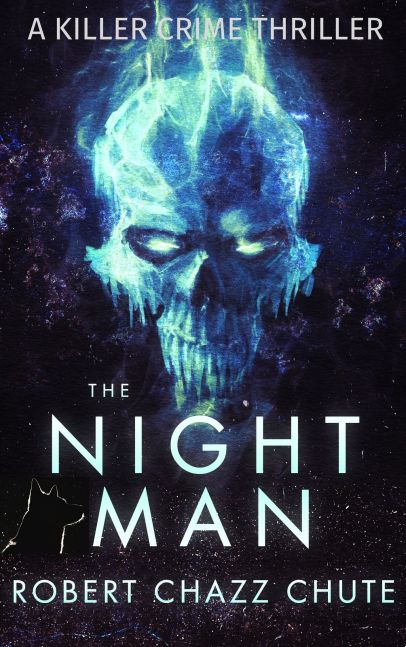
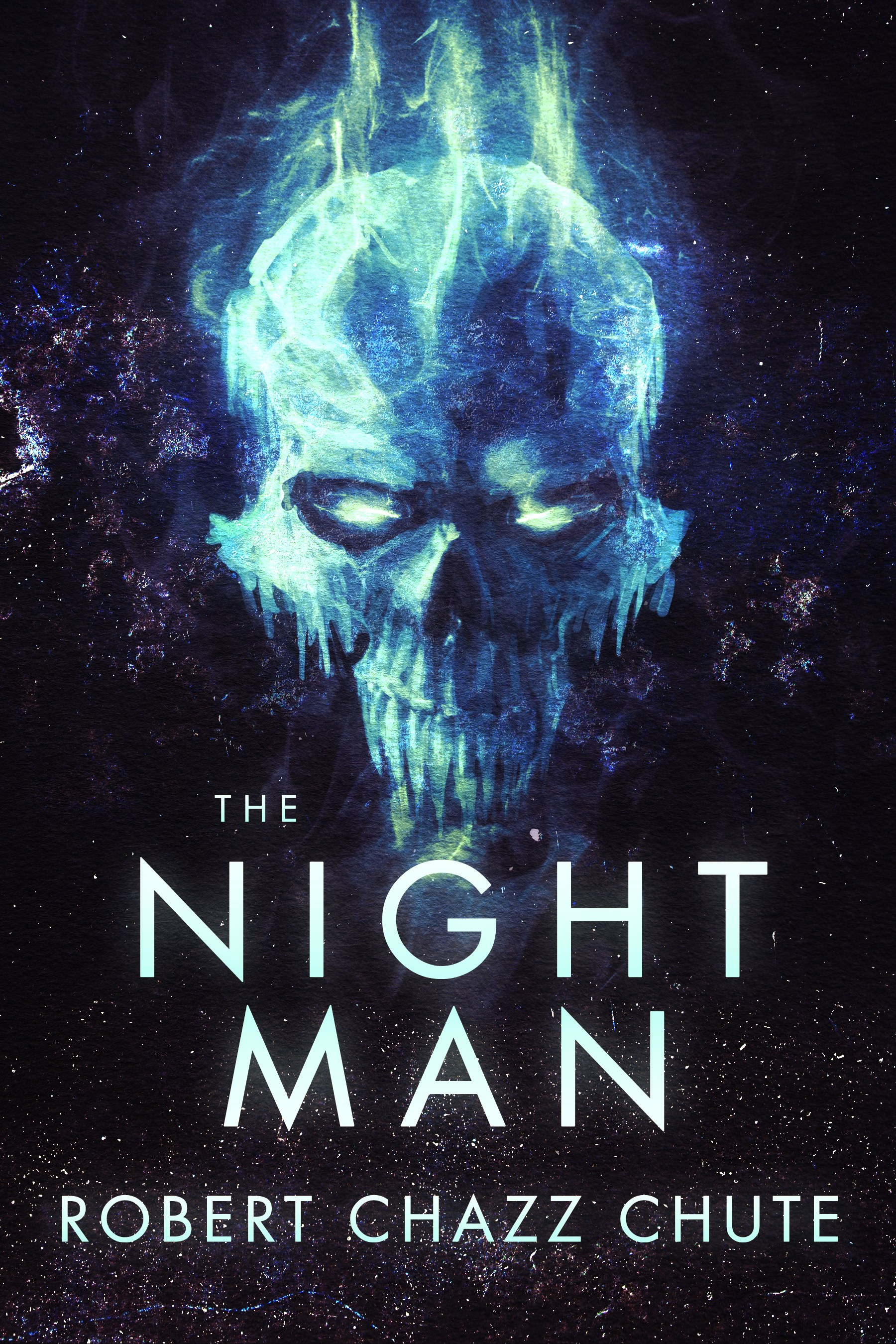
You can pick this ebook up for free today at this link: http://bit.ly/TheNightMan

Join my inner circle at AllThatChazz.com

See my books, blogs, links and podcasts.

Enter your email address to follow this blog and receive notifications of new posts by email.

Join 2,063 other subscribers