C h a z z W r i t e s . c o m

See all my books at AllThatChazz.com.

Top 10 Ways Writers Waste Time

1. Join a writer’s group. Resent every criticism and ignore all advice.

2. Join a writer’s group. Take every passing suggestion from everyone without regard for your own ear.

3. Join a writing organization. Volunteer for a bunch of committees. Never write a word for yourself again.

4. Wait for inspiration.

5. Indulge writer’s block. Complain to your sympathetic friends. Stay pathetic. Like them.

6. Don’t write to a deadline. Figure it will work out on its own.

7. Send off your first draft as soon as you’ve typed “The End.” Revision is for your lessors.

8. Edit forever. Call yourself a perfectionist instead of a lazy coward.

9. Don’t send simultaneous submissions. (The math says your work has a chance at publication. Posthumously.)

10. Obsess over writing trivia and silly Top 10 lists you spotted cruising Twitter. Instead of writing. Goddamnit.

Filed under: writing tips,

Copyblogger: 73 Ways to Become a Better Writer

This is a great list from Copyblogger. Implement just a handful of these suggestions and you’ll be a better writer.

Filed under: writing tips,

Keep Writing!

Filed under: writing tips, ,

How Editing Works

Many publishing companies (as recently discussed) are suffering from a shortage of editing. The vast majority of Print on Demand (POD) books just look awful. It matters. If a book looks bad, you won’t be taken seriously.

I once met an enterprising author selling his books at the mall. He had the right idea in many ways, but as I scanned the page, things went off the rails. The layout was crammed. The print job was spotty. The cover was sub-par. He had become his own publisher, but the product looked shabby. He needed an advisor and an editor to bring the manuscript up past the status of “hobby.”

Manuscripts are full of mistakes. You’re human. It’s normal. When you send your manuscript to a professional editor, there are things we look for. Grammar and spelling? Sure. But it goes beyond spellcheck. What about pacing? Are you writing too little here? Are you overwriting there? Are you explaining too much? Does the sequence of events make sense to anyone but you? Do you have three characters who could be one? Sometimes dialogue needs to be punched up and bad habits of passive voice identified. Niggles emerge through the editing process that need solving.

So what does this mean to you, the writer? Perhaps, most important, know that your best writing is your rewriting. When you type “The End” on your first draft, go ahead and pop your champagne cork. Then get back to work and look for problems. Revise. Get it as clean as you can.

Consider sending it to a professional editor first. It’s hard enough getting your work published. Give your manuscript its best chance.

Next: nope! You’re not done. Your editor will give you a lot of suggestions. You may or may not take all the suggestions, but you will have to go through them. Now you rewrite, correct, juggle, stomp your feet and revise some more.

Done? Not yet. Now you share the manuscript with your chosen readers. I’d suggest three to five proofreaders to catch the last of the typos. You don’t want haters. You want someone who knows that this street doesn’t hook up with that street. You want someone who reads slowly and notices things, like your heroine started out three inches shorter or the villain’s eye color changed to blue and then back to brown. You want helpful, book-loving people.

Get their comments and corrections. Do your final polish as quickly as you can because you’re aging and this process takes a long time. You’ve got to ship it out there in the world.  Submit, get rejected and resubmit. Submit simultaneously, five manuscripts at a time at least.

Then, if you’re very lucky, an agent or editor will pick it up and be captivated by your story. If you’re very lucky indeed, they’ll make you an offer for publication* and you’ll get to go through the editing process again (though we hope it will be far less traumatic this time!)

*BONUS TIP:

Don’t get too excited about your advance. For a first novel, the advance is best described as “piddling.”

That cash should all go to the promotion of your book, anyway.

Filed under: Editors, writing tips, , ,

What you need: Lifehacker and Linchpin

Writers need shortcuts in their lives. Shortcuts save time and make time for you to write. Seth Godin’s Linchpin turned me on to this awesome site: lifehacker.com. (Love the site. Love Godin’s book. Read the book and make yourself an indispensable artist.)

Use lifehacker to increase your productivity. Dig through. Opportunities abound. Make it happen.

Filed under: Media, web reviews, Writers, writing tips, , ,

10 Tips for Writers

Janet Fitch drops some superlative writing science on you at her blog. 

Read. Learn. Apply. Crush your enemies.

Filed under: writing tips, ,

Why You Need an Editor

I recently attended a publishing conference where someone spoke at length about how bookstore staff identify self-published books by ISBN quirks. I can tell you with certainty, when there is prejudice against self-published books, it’s not because anybody’s eyeing the ISBN. It’s because many—okay, I’ll say it—most self-published books look unprofessional. (And by unprofessional, I mean they look like crap.)

freelance editorThe common complaint about self-published books and ebooks is that they are poorly edited. Characters change names. Spelling and grammar go awry. Narrative threads get lost permanently. Every manuscript has its problems. These problems bother readers. Errors take the reader out of the story and hurt your professional credibility. 

But hiring your own editor is not just mandatory for self-published authors burning to get their ebook out. When the economy went crazy, publishing houses fired much of their editing staff. For instance, I worked for a publisher with several lines of defence: acquiring editors, line editors, copy editors, and three walls of proofreaders. Now? Publishers still have acquiring editors, but they’ve cut back on the rest of the staff drastically. Yes, traditional houses still have editors, but they have far fewer of them. How much time and attention do you think your book will really get? There’s a math question easily solved.

Every publishing outlet, from newspapers to books, has less defence against typos and errors in execution. You see it every day. That’s why more authors—both traditional and non, ebook and pbook, published and non—are hiring editors to help with the heavy lifting. Editors make any book or manuscript better.

Whether yours is a manuscript or any finished book, it needs editing or no one will take you seriously. Consider hiring an editor for your project. A freelance editor’s work will enhance your chances of becoming published and reduce errors in the final product. Once your manuscript is out there to be submitted (or once the book is on the shelves) you can’t pull those errors out.

Your Aunt Betsy will delight in pointing out your every error. And she’ll be pretty damn smug about it.

Filed under: Editors, publishing, self-publishing, writing tips, ,

Conflicting Writing Advice

I’m reading Thanks But This Isn’t for Us, a development editor’s (AKA The Angel of Death*) take on why your manuscript sucks. Her suggestions on openings to avoid are very useful.

When I was evaluating the slush pile, there were an inordinate number of manuscripts–all rejected–that began with somebody getting up in the morning, describing themselves in the mirror and making coffee. Second most common thing? Boarding an airplane for The Big Trip. It could work but I never saw it play well in those submissions.

Wrinkle: Now the fiction market is so tight, publishers aren’t just rejecting bad manuscripts. Now they’re turning down a lot of good stuff. There’s only so much money to publish so many books in any one budget year.

Back to Thanks…she advocates “beautiful language.” I wonder if she’s focussing on so-called literary fiction there. I just read two translations from European authors that were definitely literary, but the language was very plain and cut down, even minimalist. I don’t think there were more than two adjectives in either book. Meanwhile, I’ve read about two MFA programs, one eschewing “beautiful language” and the other praising only fiction that employs poetic language. (Maya Angelou thinks it’s not good writing unless it’s hard to read. I disagree.)

This is why you must write for yourself and find someone who appreciates it after the deed is done.

*Angel of Death…you know…maybe we need to ease back on the throttle on hyperbolic language around writing. Sure, you want it to be good, but it’s also just writing. Too often people talk about it like it’s a secret language that only a few geniuses can learn. Successful authors are very very persistent and very very lucky. Nobody talks about the luck involved in getting through the razor wire and fine mesh of some underpaid, otherwise unemployable editorial assistant’s capricious sensibilities. I think I can say that because I was that otherwise unemployable douche who turned your masterpiece down.

Filed under: book reviews, writing tips, ,

Writing Rules Apply to You

Best story of my recent publishing conference? It’s someone else’s story so I’ll skim over the details. Long story short: Agents rejected a Margaret Atwood story. They didn’t know it was Margaret Atwood. We say it over and over:

PUBLISHING IS A SUBJECTIVE BUSINESS.

However, if you don’t follow submission guidelines, you hurt your chances. If you’re submitting to an agent, ignore the Writer’s Market books and go straight to the agent’s website. Follow their instructions as best you can. The rules apply to new writers. They apply to you. No exceptions. You’re trying to enter a business relationship with publishers and agents. Do not try gimmicks. White paper (or non-wallpapered email) and business forms. No pestering. No sense of entitlement.

Just submit, submit, submit.

Next post: HOW TO FIGURE OUT TO WHOM YOU SHOULD SUBMIT YOUR MANUSCRIPT.

Filed under: agents, writing tips, , ,

Kevin Smith on Writing

Filed under: Writers, writing tips, , ,

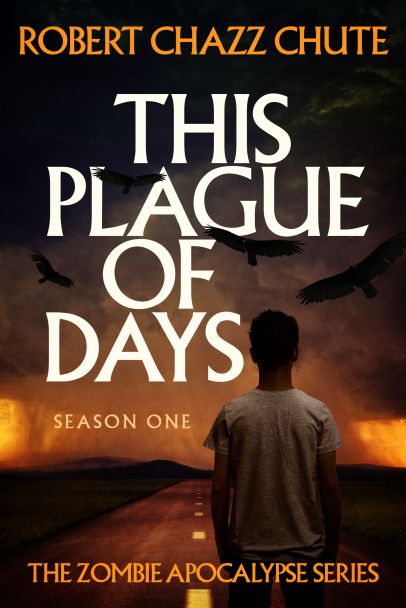
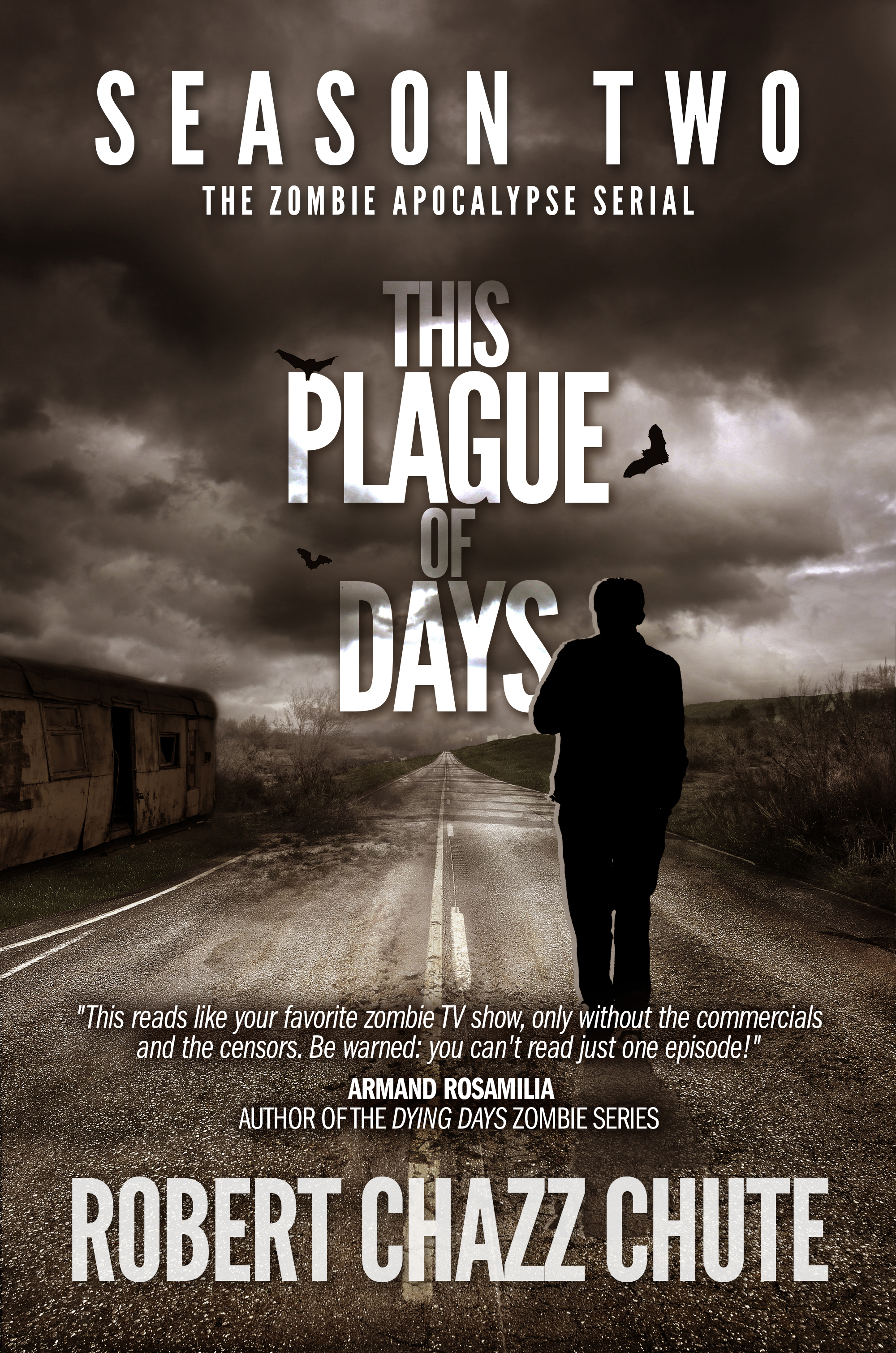
Bestseller with over 1,000 reviews!
Winner of the North Street Book Prize, Reader's Favorite, the
Literary Titan Award, the Hollywood Book Festival, and the
New York Book Festival.

http://mybook.to/OurZombieHours
A NEW ZOMBIE ANTHOLOGY

Winner of Writer's Digest's 2014 Honorable Mention in Self-published Ebook Awards in Genre

The first 81 lessons to get your Buffy on

More lessons to help you survive Armageddon

"You will laugh your ass off!" ~ Maxwell Cynn, author of Cybergrrl

Available now!

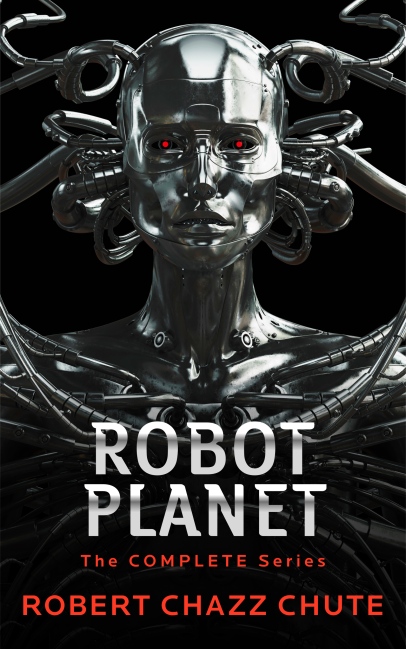
Fast-paced terror, new threats, more twists.

An autistic boy versus our world in free fall

Suspense to melt your face and play with your brain.

Action like a Guy Ritchie film. Funny like Woody Allen when he was funny.

Jesus: Sexier and even more addicted to love.

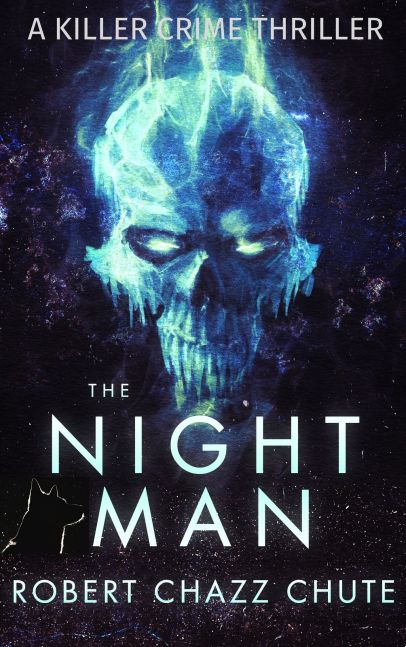
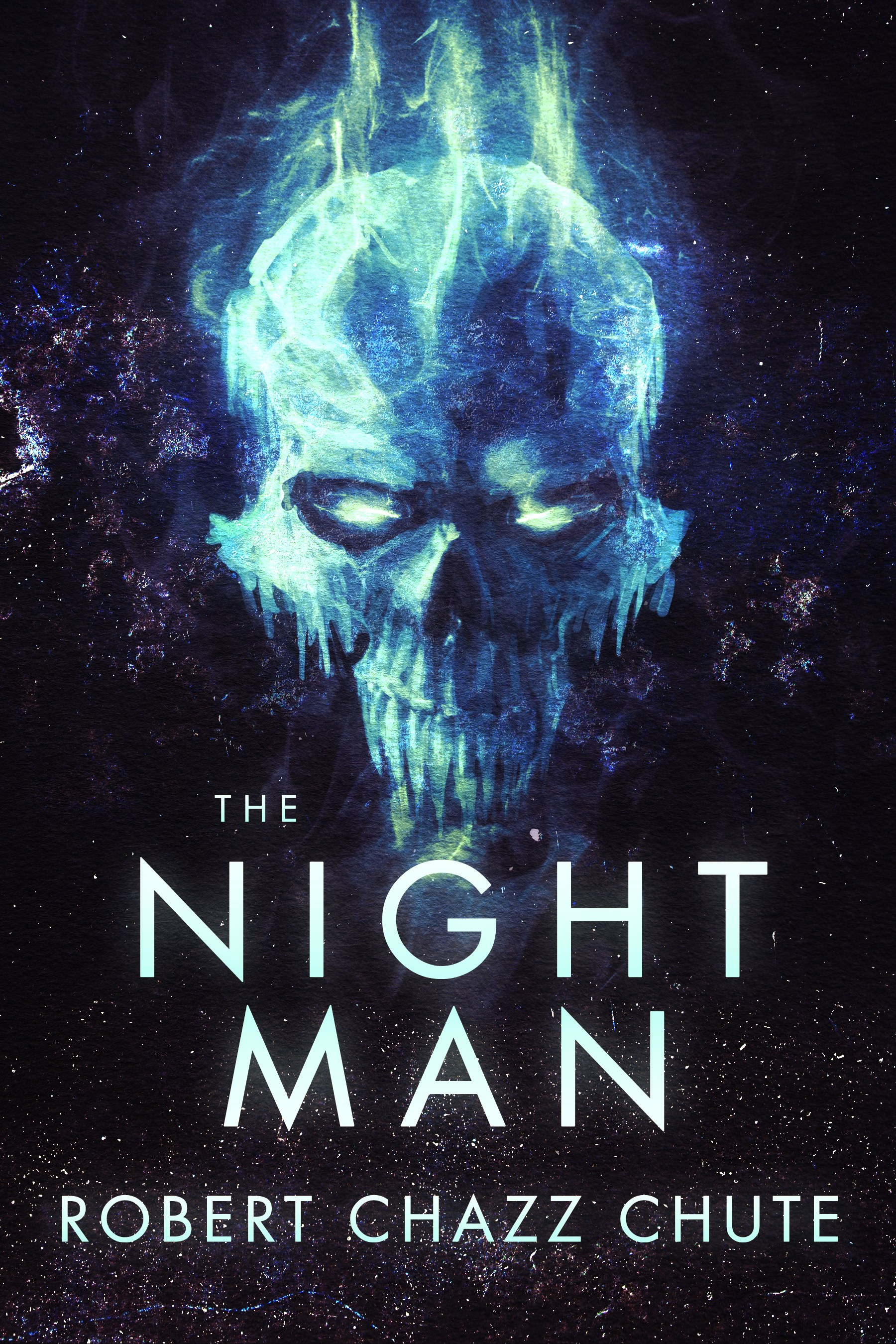
You can pick this ebook up for free today at this link: http://bit.ly/TheNightMan

Join my inner circle at AllThatChazz.com

See my books, blogs, links and podcasts.

Enter your email address to follow this blog and receive notifications of new posts by email.

Join 2,063 other subscribers