
David’s reportage is always excellent and the concerns he raises are infuriating. ~ Chazz
Filed under: publishing

07/15/2017 • 8:05 PM 0
David’s reportage is always excellent and the concerns he raises are infuriating. ~ Chazz
Filed under: publishing
06/18/2017 • 7:05 PM 1
Whether we’re writing screenplays, plays, novels or short stories, look for the little moments that reveal character. Last week I saw Wonder Woman. The action is big and there are many great moments in the movie. There is one moment, however, that I keep thinking about.
Diana is in London. Early on, she’s excited to spot a baby in the street. They don’t have those where she comes from. Soon we’re shown the Pretty Woman Trying On Dresses Montage. It’s the classic fish out of water set up. Nothing new there but fun enough.
In London, it’s clear she has great empathy for the wounded returning from war. (Note: we also see nurses caring for the wounded as they get off the ship.) This reveals character. One funny moment sticks with me more than others. I’m so glad the filmmakers took the time to show us this little bit extra.
As she’s leaving London, Diana tastes ice cream for the first time and enjoys it very much. She goes back to the vendor (whom we cannot see) to say, “You should be very proud!” Giggles and sweetness. That one line reveals character and a value of her culture, too.
Unlike the dark knight, in Wonder Woman we have a hero who is as innocent as she is powerful. In that tiny moment more than any other, the character charmed us. From the trailers, it looks like Spider-Man Homecoming strikes this same chord.
Batman V Superman: Dawn of Justice was lifeless because it had only one relentless tone. It would have done better if somebody had a sense of humor to punch up the script. (The Lex Luthor character was reviled in the reviews but Jesse Eisenberg stopped that film from becoming completely airless.) The heroes in Batman V. Superman had no small moments to charm us.
Suicide Squad, though not as terrible as its reviews, ultimately failed for me because I didn’t really like anybody enough. We all want someone in the story to cheer for and with whom we can, on some level, identify.
I would watch Wonder Woman again someday just as I’ve watched Robert Downey Jr’s Iron Man multiple times. The successful journeys do not pitch one relentless tone. There’s humor, action, heart and pathos. Those are fun roller coaster rides and that’s what I strive for in my entertainment, whether I’m watching it, reading it or writing it.
Filed under: publishing
06/02/2017 • 11:33 AM 3
House of Cards has returned to Netflix and I binge watched, just like all the other seasons. As I took it in, I wondered what lessons I could apply to my own writing.
What I learned from a brilliant young ventriloquist:
*Except mime and juggling. That shit is never worth it.
Filed under: publishing
06/01/2017 • 1:30 PM 3
I just found out (via author Patti Larson on Facebook) that ACX is now accepting Canadian authors. Finally! I’ve complained loudly about this disparity for years.
Yes, there were complicated ways around it so, technically, Canucks could get in. It was harder for us and didn’t feel right so I kept making ebooks and paperbacks. I waited, hoping that whatever made ACX treat Canucks like the ginger stepchild would go away. Now the wall has dropped. This is great news! Hm…or….
When ACX first came on the scene, it was a very favorable profit split for authors. Then, overnight, they changed the percentage. Many authors pointed to their ACX experience as a reason to stay out of KU. They didn’t want to be at the mercy of a capricious pricing policy change.
Don’t get me wrong. I’m glad the ACX option is finally open to Canadians. I think if they’d waited much longer it would be moot. Within a few more years you’ll gladly let Siri read a book to you. The tech will improve sufficiently that bots will mimic a human voice actor, you won’t even cringe. (I still smile at the human voice actor in one audiobook who pronounced, “analyst” with the emphasis on “anal.” It came up a lot in that book, too.)
Mounting the resources and meeting the expenses of audiobook production is still a challenge. You have to find the right voice actor and work out a deal. If you can afford to pay them up front, that’s better. That option is out of most author’s reach. ACX is a long commitment, so that’s a factor. Audiobooks have weird pricing, too. I always get mine through Audible Daily Deals.
I’m excited about this possibility and a bit intimidated, too. I have to pay off a big surprise tax bill and send my eldest to university in September. I’m not in a gambling mood. I’ve heard mixed results from author friends over the years. Some say audiobooks have boosted their ROI immensely. On the face of it, it would seem that offering our work in more formats is a no-brainer. Of course we should get our books out to everyone in whatever format they want to consume it! (But that’s not how spreadsheets and profit and loss works, is it?)
So I throw it out to you, fellow authors. If you’re a Canuck, are you jumping in with ACX?
If you have produced audiobooks with ACX, would you recommend it or, given your experience, would you go another route? What’s your experience?
Thanks in advance for letting us know!
~ Chazz
Filed under: publishing
05/09/2017 • 9:56 PM 3
Listening to a podcast on best publishing practices, I felt the urge to grind my teeth. The topic was about getting paid for our work. This comes up from time to time when numbers don’t appear to add up. Did you get all the money Amazon owes you for reads within Select? Is Pronoun’s reporting of book sales up to speed and robust? Those were concerns I’ve heard before but that’s not really what this post is about. You and I are what this post is about.
The podcast guru scolded writers who are also worriers. In essence, the advice was not to worry about such piddly details as addition. Just write your next book. A “real” writer, so the wisdom went, doesn’t have time to complain or track sales or look at spreadsheets. Trying to hold Amazon accountable for what may or may not be a banking, software or reporting issue is a “waste of precious writing time.” Get back to work.
Thus, the grinding of my teeth. Despite wearing several hats, I have plenty of time to think about business concerns. After I write two to four hours a day, my brain meats are tired and the prose starts sliding toward the goofy. Words become poorly chosen. I can’t write all day and be effective. After the writing, there’s still time to look at numbers and think about how I might change them from red to black (or in the case of Amazon’s dashboard, from red down arrows to green up arrows. Bless the green arrows.)
We are not only writers but also businesses. A publisher keeps a wary eye on the income and outgo. I am both a writer and a publisher. As soon as we wonder if there’s a chance numbers don’t add up, someone will spring up to defend the force of futility. “Don’t worry your pretty little head. Just dance, monkey, dance!”
I’m working my ass off. Taking care of business and watching the numbers is part of the work. Don’t tell me to shut up and write. I do write. I also fight. That’s how positive change is made. Writers throughout history are among the artists that society depends upon to stand up for righteous causes, big and small. We’ve contributed to combatting racism and freed the imaginations of children who became astronauts. Dictators see us as such a threat of revolution that we’re put on lists and imprisoned.* You don’t think we’re up to fixing a financial reporting glitch by doing battle with Keith, a hipster software engineer sporting a neckbeard and a man-bun? You think we’re weaker than a self-hating fat guy from the Accounting Department named Mort?
Whether you are a traditional, indie or hybrid author, you are a business. It falls to you to make sure you are getting what you are owed. Read the contracts and terms of service. Consult an IP lawyer when necessary. Don’t take what your agent says at face value. Negotiate. Track. Analyze. Do businesslike things.
We don’t have to be the suckers at the bottom of the food chain. We supply the words. We’re the engine that runs this whole brain tickle business. Standing up and being an adult does not make you “less of an artist” or “difficult” or “lazy.” Acting like a business acknowledges that, in a field where most of us don’t make a ton of money, crumbs count. And we’re doing the counting, too.
We are writers. We count.
Filed under: publishing
03/29/2017 • 11:32 PM 6
I just watched The Martian again. Loved the book by Andy Weir, too. It’s still the best audiobook I’ve ever heard. The message at the end of the movie (minor spoiler alert) is that things are going to go wrong. Paraphrasing: You can accept that this is your end or you can do the math and get to work.
So it is with author careers. Shit will go south. Then what? Then you have to solve the problem, and the next and the next and so on. Even better, see upcoming problems and plan so a glitch doesn’t graduate to a disaster as soon as it strikes.
To solve problems on Earth, we usually need money, support, information or time. You can buy time by outsourcing and/or sharpen discipline and management skills. You can hire support to leverage time. You can purchase someone’s expertise so you focus on the skills you’re best at. (Don’t major in your minor if you can help it.)
If you don’t have the money but you do have time, digging for information costs nothing extra except for your internet connection. However, the most common denominator here is money. We generally need more of it, especially if time is limited (and, let’s be real, when isn’t it?) Life is short when you’ve got big things to do like write books.
The answer used to be simpler: write more books. I gave that advice myself and once upon a time not long ago that was enough. Now we need more margin for error as we find our way to readers. We all need time to write and ways to find traction in the marketplace. Sure, you can find lots of advice about marketing your books, but how do we get more money to help us with all those variables? How do we pay for a Bookbub to sell more books when the books aren’t selling much in the first place? Advertising and investing in your writing career takes capital (not much, but if you’ve got nothing, not much is a lot.)
Ideally, it’s great to find multiple streams of income that are complementary to your writing career. These might include: podcasting, Patreon, selling t-shirts, selling at conferences, providing complementary services (editing, proofing, book design, formatting), advertising, educational products, ghostwriting, copywriting, publicity, virtual assistance for authors, webinars, speaking engagements, book signings, co-op ventures, organizing book promotions, co-authoring, participating in anthologies, teaching, screenplays, teaching how to write screenplays and Thor only knows what else. Cross-promotion and cross-propagation of ventures makes your other job or jobs a good fit.
What about repurposing material you’ve already created for different venues and audiences? Abel James, author of The Wild Diet, repackaged his offerings in smaller books as well as providing material (and new supplementary info) to nutritional templates he serves up in different ways on the web. For fiction authors, consider publishing prequels, sequels, box sets or an omnibus of your series. (This may not qualify as a reliable stream in your multiple incomes if it doesn’t sell or takes too long to get to market.)
But maybe none of the above appeals to you or you just can’t see a puzzle piece that fits with your writing career. Okay, work the problem. What can you do? How much do you need? What debt can you eliminate? What lifestyles choices can you do without to free up resources? What can you sell or trade? Are you willing to move? What are you willing to do to protect yourself from starvation and insecurity? How will you earn the capital you need to buy writing time, book promotion, marketing and investment in yourself as a writer? (And feed the baby?)
My solution was to take on four jobs. Two of the businesses are mine and I worked it out so I control my time juggling all my projects. Entrepreneurship suits me better than working for a boss. (Me and a boss? That couldn’t end well.) I write more books, yes, but with kids going off to university I need a cushion between me and homelessness as I help them on their way.
Until we can reliably meet our responsibilities with one source of income (preferably by selling tons of great books, entertaining the multitudes and earning fans!) we all have some financial problems to solve. If all you’ve got is a lottery ticket in your hip pocket, please give it some more thought, just in case that doesn’t pan out.
What are your multiple streams of income? Suggestions welcome.
~ Check out my author site at AllThatChazz.com. You’ll find a helpful podcast and oodles of SF, crime thrillers, apocalyptic epics and a self-help book called Do the Thing! So do the things. It’s sexy to do things.
Filed under: publishing, writing, backup plans, do the thing, money, Robert Chazz Chute, writing, writing for money
03/28/2017 • 8:49 PM 0
I just listened to a Tim Ferriss podcast with designer Debbie Millman. Good Q&A about designing our lives. One of the takeaways for me was about confidence. Ms. Millman interviewed many successful people. She encountered only two who didn’t feel like impostors teetering on the precipice of defeat. The confident pair were octogenarians with long records of success. For everyone else, success is a moving target, ephemeral and slippery.
If you don’t feel successful, it’s okay. Even after you have some measure of success, chances are good you won’t feel big enough for your britches even then. On the other hand, I have run into individuals who are stunningly confident. They’re probably deluded examples of the Dunning-Kruger Effect. According to Wikipedia:
From my experience, the people in publishing who sound most sure of world domination are novices. They tend to look at book publishing as a lottery and they’re a little too positive they’ve got the winning ticket with their first book.
The veterans have seen more failure so they aren’t betting on one book. They tend to look at each book as a journey, an exploration and an experiment. They also tend to look back on earlier efforts with some measure of regret: the writing that could have been improved upon or marketing mistakes were committed. More experienced authors appear more laid back about whether something hits. Even as they do a lot of smart things that make a heavy ROI more likely, they’re sanguine. They keep on producing. They don’t get sucked into review rages, shame spirals, bravado or defensiveness.
As a writer, it’s nice to have confidence but it’s not necessary. Do the work and enjoy the process more. Writing is its own reward first. Turning readers into fans is a separate thing, very different from facing the page and spinning out gold ink.
Don’t worry about how much self-assuredness you possess or how little you’ve yet to earn. Confidence is a big soft pillow. It feels good until the stuffing gets knocked out of it.
Just write.
~ I write science fiction, urban fantasy, apocalyptic epics and crime thrillers. Please do check out my books and podcasts on my author site, AllThatChazz.com.
Filed under: authors and money, publishing, Writers, writing, writing advice, books, confidence, dunning kruger, dunning kruger effect, Robert Chazz Chute, writing
03/14/2017 • 2:54 PM 5
A new phenomenon is out in the ether: hire someone to hold novelists back when we are about to publish something insensitive. In addition to editing and proofreading, another sector is out there waiting to vet your book for narratives that might offend.
Whether you use “bad words” or allow bad characters to do bad things (in character) someone out there is ready to object. I can understand the allure of employing a sensitivity reader. Particularly nervous novice novelists might look for another layer of protection against offending readers (or at least have someone to blame when the reviews go south). Writing is not a profession for overly nervous people, though. Writers have something to say. Writers plant their feet and take a stand. Having opinions is how we win friends, earn fans and make enemies. I dream of building better worlds as I accept that this reality frequently falls short of my ideals.
I once gave a reading where a character says something mildly sexist. A woman in the audience groaned. I didn’t stop the reading to confront her with, “Hey! I’m not saying that. The character is saying that! You know, the guy who has a body in the trunk of his car? Not a good guy!” Next time, I swear I will stop the reading and say that. Damn it. I hate missed opportunities.
Employing readers specifically to police our stories just won’t fly on any large scale. Editors and proofreaders and my beta team have held me back here and there and I have taken their sage advice gladly. I have also bulled ahead with plot points that might (will) offend someone. We are writers. We will always offend someone on some point and I’d worry if I didn’t. I’ve written a lot of horror. If my work doesn’t make your skin crawl, I haven’t done my job. (See the coffin birth in Season 2 of This Plague of Days. See the monstrosity when the head vampire finds Shiva in Season 3! Holy crap, I creeped me out in parts of that book!)
The sensitivity of some readers is not a good enough reason to change our stories for all readers. I’m not making anyone read my books and the sales copy does not depict descriptions of kittens chasing butterflies in a peaceful meadow. (That’s a horror story for the butterflies and all who love pretty insects, by the way.)
Attempting to appeal to everyone is a formula for bland books as well as being an impossible task. The internet is an anonymous rage machine so don’t even try to cater to the fringe. Use your best judgment, serve the story and serve the majority of readers who are your readers.
In Dream’s Dark Flight, one of the main characters is an African American woman. When an otherworldly entity swears to enslave her, she tells him she is a descendant of slaves. Heroically, she defies the devil and proclaims that she will never bow. One of my beta readers worried that this was a dangerous facet of the narrative. Was this cultural appropriation? I’d say I am promoting diversity as I serve the character and the story. Many of my characters are of diverse ethnic origin. The alternative is I only write about white guys. I’d rather my fiction reflect the real world: good, bad, diverse, messy, blended and ultimately transcendent.
I will not stay in my lane. I write for the future not the past. In the future, all humans will be of mixed race and the world will finally become what some thought we once were: post-racial, more forgiving and peaceful.
Peace to you today.
Chazz
~ In addition to posting here, I write horror, SFF and crime thrillers. I also host the All That Chazz Stress Relief Podcast. Find out more on my main website, AllThatChazz.com. In my latest podcast I rant about arguing with people, weight loss and dealing with cravings. Yes, I’m diverse.
Filed under: publishing
03/10/2017 • 11:03 AM 1
Since coming down with a wicked flu before Christmas, I was on a roller coaster ride regarding my health. Truth be told, a lot of last year sucked regarding my health (on top of all those dead celebrities I liked!) Life got worse before it started to get better.
At the turn of the year, my problems came to a head. As my plane descended into Cuba, my left eardrum burst. That sucked a little joy from the vacation but Cuba was my first step in a new direction. Stepping back from working so hard gave me perspective, some time to read and time on the beach to think. It took me a month to fully recover from the ear issue and complications ensued from the medications I was on. Aside from a few headaches, all that seems to be behind me. How is this relevant to writers? Because our sedentary lifestyles and the constant push to write more books faster is killing us.
There are plenty of solutions to the sedentary lifestyle and I’ve discussed them in this space before (e.g. cycles under the desk, tread desks, standing desks, Fitbits, Garmin watches, get out and move your ass, etc.,….) It’s not just about motion. It’s also about diet. As Tim Ferriss says, “Ounces are lost in the gym, pounds are lost in the kitchen.”
As writers under stress (like anyone under stress) we often self-medicate. Self-medication can take many forms. Increased alcohol consumption is the classic writer cliche. Overdoing caffeine (that’s me) or spacing out too much with Facebook and video games might qualify as injurious, too. None of those distractions is bad, it’s just a question of how much we do them and what healthy, productive pursuits those activities replace.
I’ve been very careful about my diet for the last month. I’ll spare you the details except to say I dumped sugar, wheat and anything that comes out of a box. The larger point is, I didn’t realize how sick I was until I cleaned up my act. Sick was normal. Feeling shitty was the daily and the regular. I was eating bad food as a stress reaction. Now that I’m not doing that anymore, I feel the difference between sick and well again. I haven’t felt this good in years. I’ve lost weight, my blood pressure is normalizing and I have more energy for everything, including writing.
Will I write as many books this year as I have in past years? Maybe not but now I think I’ll be writing for more years. (I had an inkling I’d be dead by 54. Now I’m less concerned my life will be cut so short.) My books are suddenly more popular than they have been so I’m very motivated to keep going. I have so many more stories to tell and series to finish. I won’t kill myself doing it, though. I’ve achieved balance and I worry less.
Everyone will find their own way, but I can give you a few ideas about how I’m doing this:
I could go on, but hey, find out more on my podcast or pick up the book or do whatever else you already know you need to do. Life can be better and longer. I know that for sure now.
All the best,
Chazz
Find out more at AllThatChazz.com.
Filed under: publishing, abel james, do the thing, Health, Robert Chazz Chute, Robert Chute, Weight loss, wild diet, writer's health
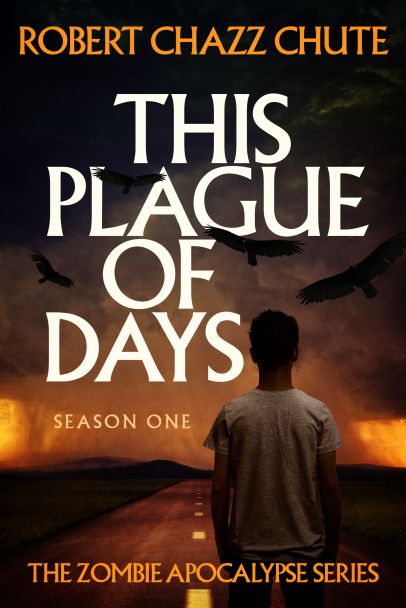


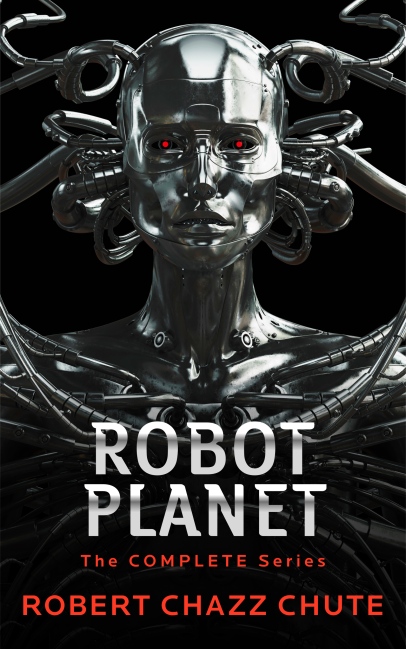


Winner of Writer's Digest's 2014 Honorable Mention in Self-published Ebook Awards in Genre


The first 81 lessons to get your Buffy on

More lessons to help you survive Armageddon

"You will laugh your ass off!" ~ Maxwell Cynn, author of Cybergrrl


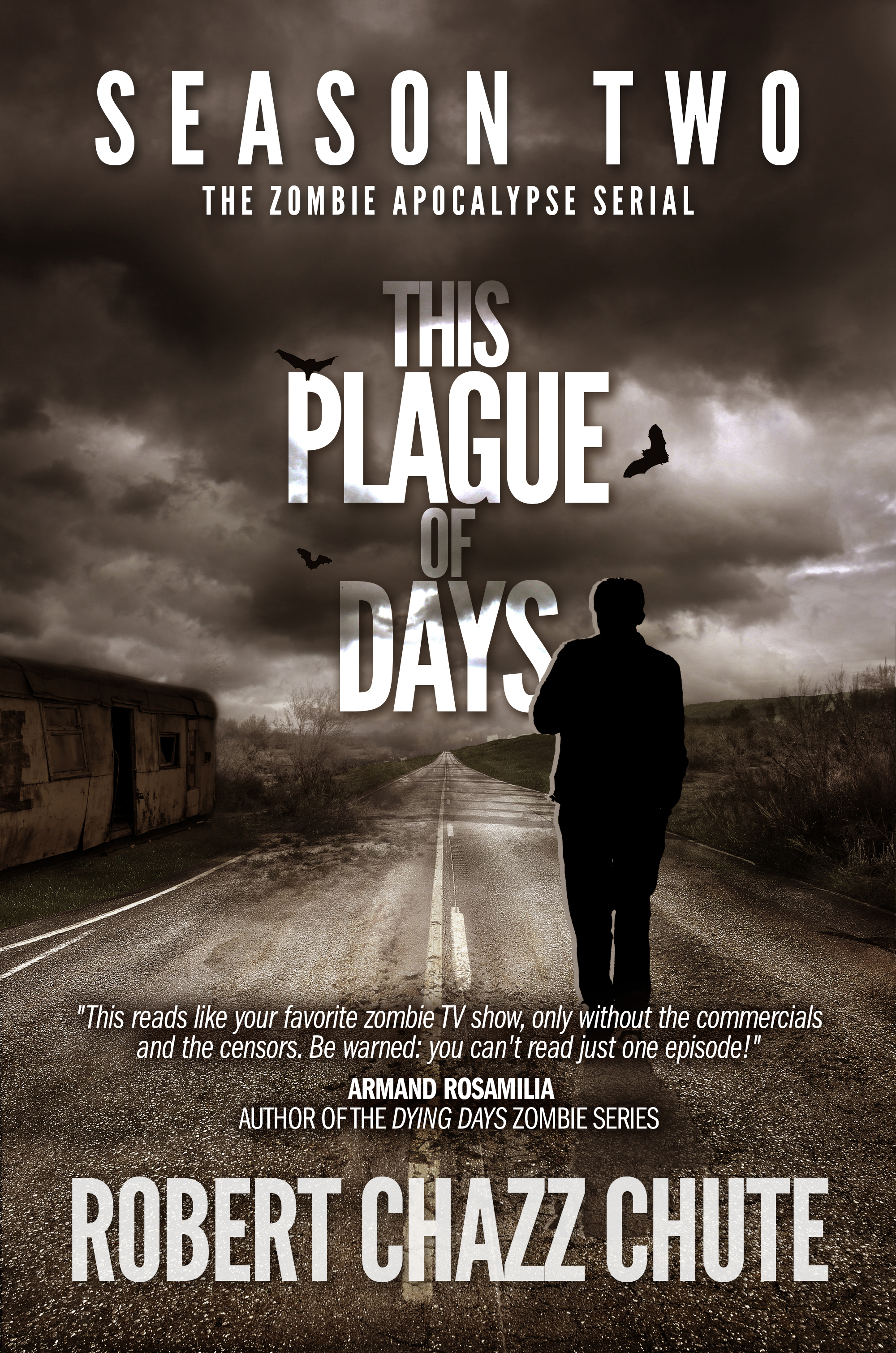
Fast-paced terror, new threats, more twists.

An autistic boy versus our world in free fall

Suspense to melt your face and play with your brain.

Action like a Guy Ritchie film. Funny like Woody Allen when he was funny.

Jesus: Sexier and even more addicted to love.
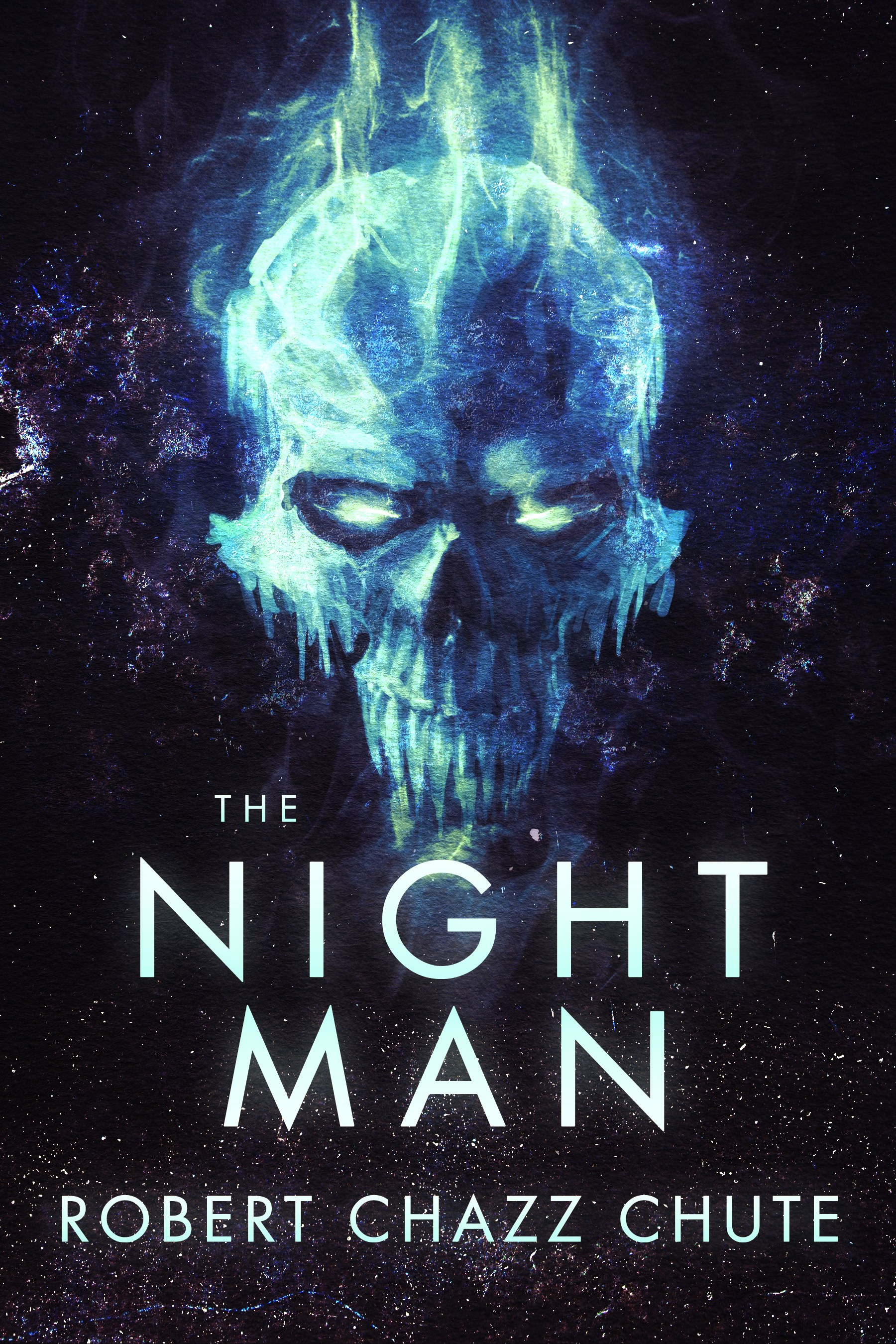
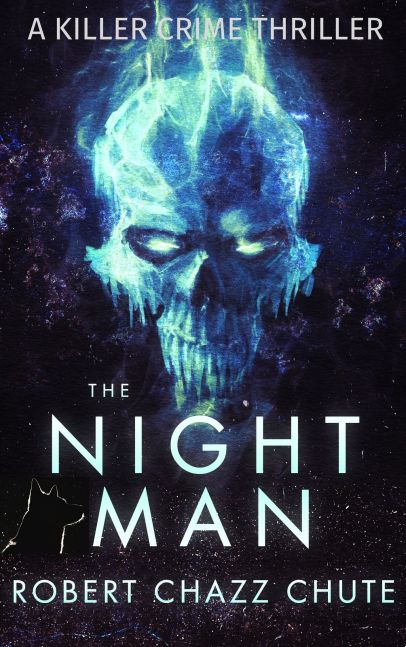
You can pick this ebook up for free today at this link: http://bit.ly/TheNightMan


See my books, blogs, links and podcasts.

 C h a z z W r i t e s . c o m