
Via Scoop.it – Writing and reading fiction
(This is a great list. Read it before bookstores are gone! ~ Chazz)
Via open.salon.com

Filed under: publishing

01/26/2012 • 10:01 AM 0
Via Scoop.it – Writing and reading fiction
(This is a great list. Read it before bookstores are gone! ~ Chazz)
Via open.salon.com
Filed under: publishing
01/26/2012 • 9:47 AM 0
Via Scoop.it – Writing and reading fiction
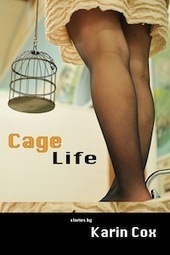
(A useful review. ~ Chazz) We continue our series on self-editing today with the first of a two-part post from author and editor Karin Cox.
Karin has a unique perspective: she has considerable experience working for a tra…
Via davidgaughran.wordpress.com
Filed under: publishing
01/26/2012 • 8:32 AM 0
Via Scoop.it – Writing and reading fiction
Last May, a month or so after I began marketing my novel, In Leah’s Wake, a former agent told me that I would never sell 500 books. A rookie, I had no idea what to expect. When I published the no…
Via lmstull.com
Filed under: publishing
01/26/2012 • 7:37 AM 4
01/25/2012 • 10:06 AM 0
Via Scoop.it – Writing and reading fiction
(My graphic novel idea might just have new life. ~ Chazz)
Via www.kunoichi.com
Filed under: publishing
01/24/2012 • 11:54 AM 6
My Hapkido master was Chang Man Yang. He wanted his students to integrate the lessons of the martial art into all of life. I learned a lot from him. Here’s how I integrate Hapkido into my writing life:

Image via Wikipedia
1. Discipline. Train every day. Write every day.
2. You will lose. Maybe this time, maybe next. Doesn’t matter. Keep training, keep writing.
3. You will win. Maybe this time, maybe next. Doesn’t matter. Keep training, keep writing.
4. Respect the art. Do not cheapen it by underestimating it.
5. Respect the art of others. Do not cheapen it by underestimating it.
6. Don’t show off. Fighters and writers who draw too much attention to themselves in their art, fail in their art.
7. Strike at the first opportunity. Don’t wait to solve a problem.
8. Stay flexible so one attack melds into the next. A strike becomes a throw which becomes a joint lock. An interesting fact becomes a plot point which becomes critical to solving a story problem.
9. Do not compare yourself to others in the dojang. Compare yourself to your last performance. Go for personal best each time.
10. Instead of comparing yourself to others, learn from others.
11. We bow at the end of each match. Each story has a satisfying coda.
12. You will get hurt. Don’t talk about your injuries. Recover. Come back. Continue.
13. We are a team. We help each other improve.
14. We compete, but we are friends.
15. You will feel fear. So what?
16. Sweat is good for you.
17. You will be thrown. Roll with it and let that momentum carry you back up to your feet.
18. Fighting is conflict. Writing is conflict. With the right attitude and context, conflict is fun.
19. You are a student. To be a master, you will always be a student.
20. Handle stressful situations and you will rise above your circumstance.
21. Persevere.
22. Focus. Economize your movement. Do not waste energy.
23. Use all your energy to accomplish your aim.
24. Your target is not the target. Kick and punch as if your target is behind the target. Your target is not an arbitrary word count. Completion is your target.
25. The training is the experience. The writing is the experience. Enjoy the exercise itself. Everything else is commentary.
Filed under: publishing, writing tips, Hapkido, lessons, martial art, Student, Word count, Writers Resources, writing
01/23/2012 • 5:19 PM 0
Via Scoop.it – Writing and reading fiction
(Fresh review site. Sounds thoughtful. ~ Chazz)
Via ht.ly
Filed under: publishing
01/22/2012 • 11:41 PM 0
Via Scoop.it – Writing and reading fiction
(Interesting to see where the traffic comes from. I’m defintely using Stumbleupon more. ~Chazz) There is not a lot of use slaving away on your blog if no one reads it. Every blogger would like to increase their readership, but where do you begin?
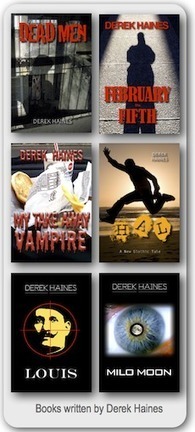
Via www.derekhaines.ch
Filed under: publishing
01/22/2012 • 10:52 PM 0
Via Scoop.it – Writing and reading fiction
Lots of these sorts of things going around lately. Some of them are even quite good, but they do tend to be of a type.
Via nihilistic-kid.livejournal.com
Filed under: publishing
01/22/2012 • 12:25 AM 0
Via Scoop.it – Writing and reading fiction
(Ebook vs paper is not about teams. Good point.~ Chazz) [Richard Nash] If people want something, why do they think it’s not going to exist? Not to get all sort of laissez-faire capitalist about this, but I’m going to have a moment of laissez-faire capitalism here and note that if people want to read the book in its printed form, then I predict there are going to be ways in which they can ensure that they will continue to get it in printed form because people are going to be willing to pay for it.
I mean the reality is that soon enough—even right now, technically—anyone will be able to get a digital version of a book and go and get it made into a physical printed book if they want. I mean right now, whether you’re using the espresso machine or—goodness gracious—3D printing, which is very, very, very much in its infancy, any kind of manufacturing over the next 10, 20, 30, 40 years is going to be able to be done as a hobby. So if you want a printed book, you will be able to get a printed book.
It has been a fascinating phenomenon in the discussion around publishing how adversarial people get around other people’s choices. So if someone says “I like an ebook,” a person will respond “Ohhh, I can’t believe—how can you do that?” It’s like that obnoxious person who you don’t want to go out to dinner with anymore because they can’t just order what they want, they have to comment on what you’re eating as well. What’s been epidemic in this discussion is that when both camps talk about their own preferences, they have to malign other people’s preferences too, and make grandiose extrapolations about the consequences of other people’s preferences for their own. If they like printed books, they should be buying the damn things instead of whining about other people’s preferred mode of reading. So I’m tremendously optimistic about the future of the book as an object. I think the worst years of the book as an object have been the last 50 years.
Via www.bostonreview.net
Filed under: publishing
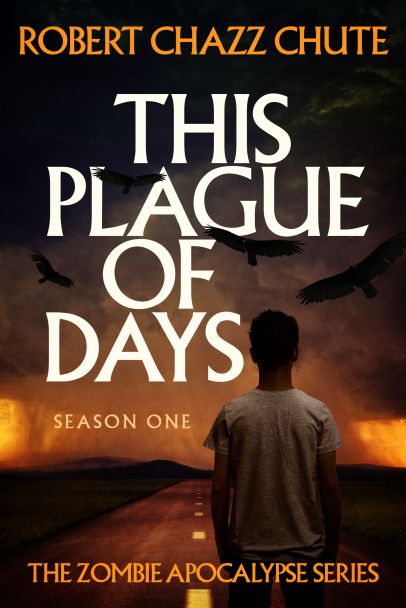


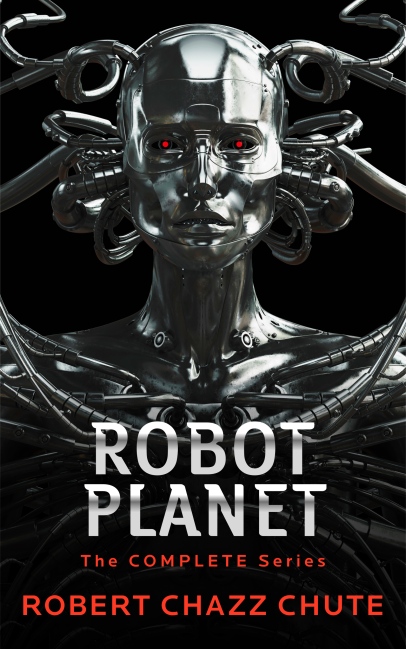


Winner of Writer's Digest's 2014 Honorable Mention in Self-published Ebook Awards in Genre


The first 81 lessons to get your Buffy on

More lessons to help you survive Armageddon

"You will laugh your ass off!" ~ Maxwell Cynn, author of Cybergrrl


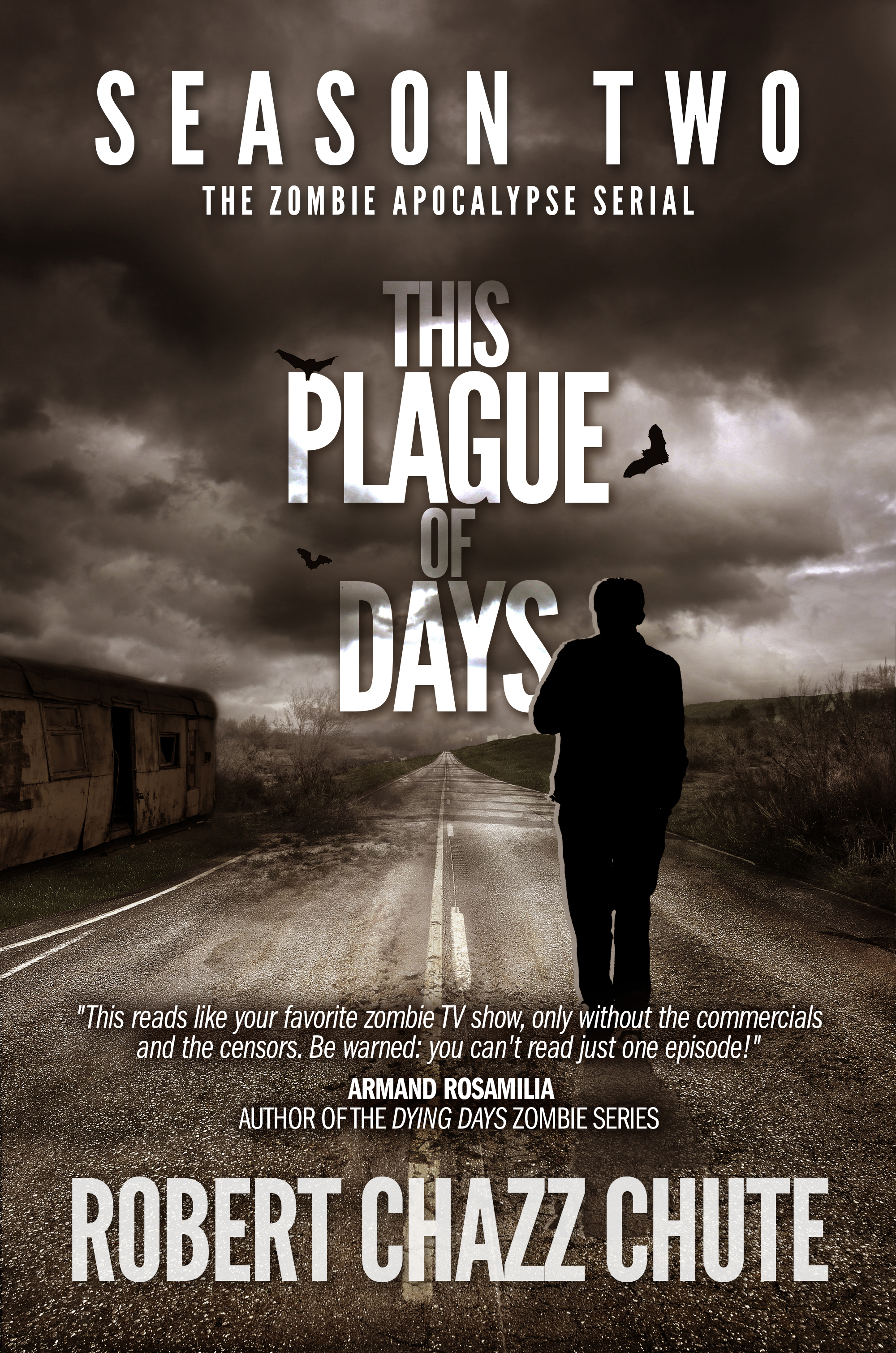
Fast-paced terror, new threats, more twists.

An autistic boy versus our world in free fall

Suspense to melt your face and play with your brain.

Action like a Guy Ritchie film. Funny like Woody Allen when he was funny.

Jesus: Sexier and even more addicted to love.
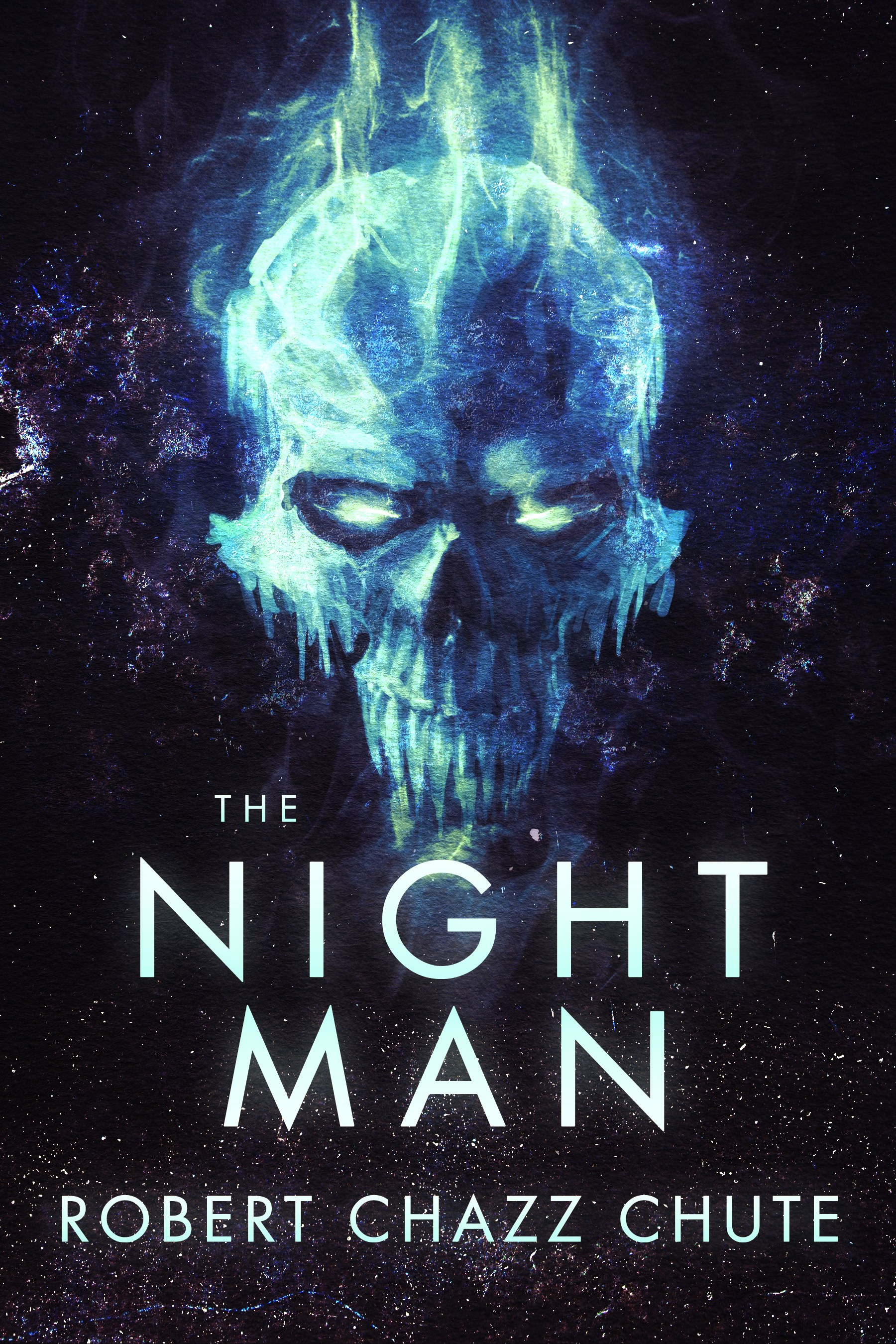
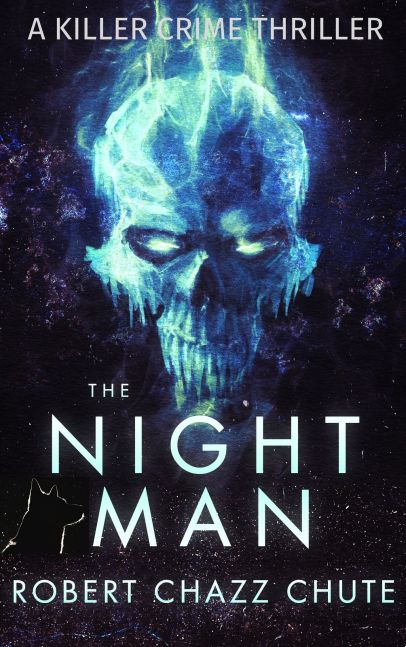
You can pick this ebook up for free today at this link: http://bit.ly/TheNightMan


See my books, blogs, links and podcasts.




 C h a z z W r i t e s . c o m