
Filed under: Intentionally Hilarious, Rant, Rejection, funny, funny video, making viral video, video, viral video, viral videos, YouTube

12/20/2010 • 12:06 PM 0
Filed under: Intentionally Hilarious, Rant, Rejection, funny, funny video, making viral video, video, viral video, viral videos, YouTube
12/20/2010 • 8:12 AM 0
While it’s true newspapers are dying, there’s a bit too much delight in killing dreams here. We do need people who are excited about journalism. Wikileaks shows that mainstream journalism isn’t doing its job. (Julian Assange would be a media hero if he had called it WikiRemedy instead of Wikileaks.)
It’s also true that the city newsroom I worked in had massive cuts and, had I stayed there, I’m sure I would have been out now. Since I’m already an independent writer, I’m no farther behind anyway.
Filed under: Intentionally Hilarious, Media, Journalism, journalism school, Julian Assange, Media, state of journalism, Wikileaks
12/19/2010 • 3:38 PM 5

Image via Wikipedia
Last month I posted a piece in appreciation of director Kevin Smith after attending one of his Q&As.
Today I ran across Alex Greenwood’s guest post, Shoot the Gatekeepers on Shelly Kramer’s blog. It reminded me again of that indie spirit I love to see.
I’m not telling anyone to go independent exactly. Going rogue is not for everyone because not everyone has the entrepreneurial spirit.
You can find the knowledge and tech support you need to make it happen, but if you don’t want to do all that in the first place, it’s not for you. I guess that’s why I straddle the line here between traditional publishing and going indie. I talk about how to get an agent and a publisher. I also talk a lot about maintaining control of your work, DIY, and marketing yourself to the world. Authors from both sides of the coin need many of the same skill sets, anyway. For instance, even if you’re a traditionally published author, you’re crazy to depend on your publisher to promote and publicize you much at all and none of those efforts are sustained.
It’s frustrating when one entrenched camp mocks the other for their choices. It’s especially bad when those opinions are not so much informed as they are outmoded dogma. For instance, once again today I ran across writers and editors who fail to make a distinction between vanity publishing and independent publishing. I gritted my teeth. Then I found the link above, took a few deep breaths and smelled the roses of someone who gets it. Thanks for a solid post, Mr. Greenwood. I love the indie spirit.
Here’s the shameless plug: If going alone is for you, I’m an editor so I can help. However, if you’re going the traditional route, I’ve been on the inside, so I appreciate what you’re going through and can help with that, too. (At my business site you’ll find more information on getting editing help for your manuscript or web content.)
Here’s the crux: I love books, no matter how they’re produced. It’s about story! Love of story is at the heart. Contrary to what you’ve heard, the medium is not the message. I care much less about a book’s process to publication than I do its narrative. Sometimes I think people who fetishize paper over electronic books love stories much less than they think they do. They’re worrying too much about how the story go to their brains. Dump that worry. Just get your art out there!
Write your story. Make it the best you can. Send it to agents, publishers or directly to fans. Whatever. Just commit to art and the value of your creativity.
Filed under: DIY, getting it done, Publicity & Promotion, publishing, Rejection, self-publishing, Author, Business, DIY, Do it yourself, E-book, indie spirit, Kevin Smith, publishing, self-publishing, Vanity press
12/18/2010 • 11:22 PM 0
Filed under: author Q&A, authors, Charlie Rose, Christopher Hitchens, Christopher Hitchens interview
12/17/2010 • 8:57 AM 5
CW: Most authors I speak to know they want to be a writer in childhood. That wasn’t true in your case. Tell us about that.
SK: After being suddenly downsized from my corporate telecom career, I walked 780 kms on the Camino de Santiago de Compostela, a medieval pilgrimage route in Spain on a search to figure out what was important in life. When I came home I started telling stories about my journey. It was during this time that people asked me to write a book. I kept saying I wasn’t a writer. Over time with the encouragement of many people, mostly strangers, I felt it was something I was called to do.
CW: It sounds like your audience found you first and demanded you write about your journey.

Sue Kenney
SK: People told me they wanted to read more about what I was thinking about and how my perceptions changed as I walked. The book is the true story of how I confronted my deepest fear. I start talking about the events that led to my decision to walk the Camino and why I went alone in the winter. Then, I tell stories about the people I met, the experiences I had, what I was thinking and how it impacted my perspective on life.
CW: How did you begin?
SK: I researched the Camino’s rich history extensively, the pilgrims (modern and pilgrims of old), miracles and the folklore. I took a course at Ryerson University in creative writing before I wrote my first book. My process was to sit down and write 1000 words a day for 2 months to complete a first draft manuscript of at least 50k words. I was disciplined about keeping to my goal and I met it.
CW: How long did it take you to find a publisher?
SK: I went to Toronto’s Word on the Street and found three publishers who were interested in my idea. I was asked for a writing sample by one of the publishers but I hadn’t written anything. Fortunately, I had a storytelling CD called Stone by Stone I recorded. I transcribed those stories. Then I picked the longest story and gave it a chapter number and title. I sent it as my writing sample along with a strong marketing plan. White Knight Books agreed to publish My Camino the following year. The whole process took about six months because I was insistent on having the book published quickly and I delivered what was requested by the publisher on time.
CW: What surprised you the most about the writing process?
SK: If I surrendered to writing the truth then I was guided in the process. When I tried to control the process, I had more struggles. Early on, I decided to surrender to the creative process and I was completely surprised that I never experienced writer’s block.
CW: What was your biggest challenge you experienced through this book?
SK: Editing the book was a big challenge and an inspiration. Initially, I wasn’t impressed with the way the publisher edited the book because I felt as though my voice was being changed. He agreed to let me look for another editor. I found Bruce Pirrie. He hadn’t edited a book before, but he was a professional screen/stage/television writer who worked on The Red Green Show. He had also directed several Second City comedy shows. I took a chance on him and it proved to be the right decision. Bruce would give me notes, I’d make the revisions and then he would read it to me out loud.
When I asked him why he wanted to do that he said, “How do you know what it will sound like?” The inspiring part of this story is that I believe as a result of reading the book out loud, it is more visual. This was important when we pitched a screenplay adaptation to Pierre Even, (C.R.A.Z.Y.) a producer in Montreal. The book is now in development as a feature film. Bruce and I co-wrote the screenplay. In five years I went from being an Account Executive in the telecom industry to writing two books, a stage play, a screenplay and recording a storytelling CD.
CW: What was the hardest part of the publishing process for you and what did you most enjoy?
SK: The hardest part was getting the bookstores to keep copies of the books on the shelves. The big box stores want to sell volumes of books and being a first-time author, I didn’t have a well known name.
The part I most enjoyed was doing the book signings and readings. Often authors loathe doing this but I love it. In the first year, I did 54 author events. I gave free stones to people walking by and this always stirred up interesting conversations. When people find out I walked 780 kilometers across the north of Spain alone in the winter they’re intrigued. It took me over two years to become a Canadian bestseller but I never gave up. I believe my life purpose is to tell stories to inspire people on their life journeys. At book events I get to live my life purpose. It doesn’t get better than that!
CW: Any advice would you give unpublished writers?
SK: If people ask you to write your story, do it. Set a goal and write every day until it’s done. NaNoWriMo is a great event to help develop discipline. Don’t worry about getting a publisher or how you are going to sell books. Just get the story down on paper.
CW: Have changes in the book industry altered how you market your work?
SK: It’s easier to market now. I can blog, Facebook, tweet and send out my newsletter with updates. When I wrote a second book about the Camino called Confessions of a Pilgrim, I decided to use a self-publishing house because it gave me everything I needed to get a book on the market quickly and efficiently.
CW: What’s your next project?
SK: I’m narrating an audiobook version of My Camino this month. This allows me to use my “voice” to share stories, something I’ve wanted to do since the book was published. In January, I’ll be offering a download version of the book on my website www.suekenney.ca initially for FREE co-incident with the launch of my new website. The CD audio book version will be launched on International Woman’s Day on March 8, 2011. I’ve penned the first draft of a novel about a woman who travels to India in search of pure love. I believe there is a correlation to walking and creativity so I walk every day.
CW: Thanks for doing this, Sue.For more on Sue Kenney, go here:
Facebook: My Camino
Filed under: Author profiles, author Q&A, authors, Books, publishing, Writers, writing tips, Author, author interview, author platform, author profiles, Confessions of a Pilgrim, My Camino, publishing, Sue Kenney, writer
12/16/2010 • 2:43 PM 0
Here’s a real world take on grammar, editing and figuring out when good enough is good enough. Enjoy! (And yes, I’ve met some editors for whom correcting others is a pathology in which they take fetishistic joy.)
via Down the Road
Filed under: publishing
12/16/2010 • 8:07 AM 2

Image via Wikipedia
It’s interesting to see the profession of book sales rep disappear. I was a journalist first and that’s evaporated. Later I was a book rep and that’s on the way out, too. Book sales was somewhat romanticized. From the inside of the industry, book marketing isn’t romantic at all. Occasionally I hung out with authors and going to book fairs and sales meeting in nice places was fun. Yes, there were a few cocktail parties. Most of the year, however, you’re hauling so many samples around in your car, the shocks go. You spend a lot of time trying to get to the next appointment on time and worry about finding a good place to park.
I met some really nice booksellers. I also met many awful book retailers. The crux of that problem was that the young booksellers were doing it as a joe job and the older booksellers got into the job for idealistic reasons. No one tells aspiring bookstore owners that, not only are the big chains going to force them out of business, they won’t spend near as much time reading as they planned. Instead, they’ll spend an inordinate amount of time calculating the GST, paying the GST and trying to assist book buyers who aren’t informed book readers. (e.g. “I want to buy a book for my daughter I heard about on the CBC last month. You know. That one…? It’s by that guy? With the thing…? Surely you know that one!”)
So I dealt with the bored and disillusioned. Not exclusively! It’s just that those negative people are the sales experiences I remember best. That miserable bookseller in Owen Sound was an impatient sort who, when I dared to use the word comedy, corrected me and told me the book was “humour.” I’m surprised she was familiar with either facet of the concept. Then there was the condescending one north of Toronto who thought I was stupid since I was still enthusiastic. She beat that out of me quick. “Okay,” I said. “For the remainder of this meeting, I’ll power through the list and act just as pissed off as you appear to be. Happy? Am I smarter now?”
It wasn’t all bad. The owner of the now-defunct Frog Hollow Books in Halifax has a special place in my heart. She was a sweetie, had a great store and she bought a lot of merchandise from me gladly, even in the press of the Christmas rush. I wish that bookstore was still around.
What I find interesting in other people’s reports of marketing meetings is they say sales rep opinions are valued. I hear of book reps getting input into the list, commenting on the marketing challenges and the dubious appeal of certain covers and so forth. Book reps on some planet get to turn something down and require changes in order to make a book sell. I repped sixteen publishers of various sizes and I can tell you, my input didn’t carry any weight. It wasn’t asked for, either. I was their traveling salesman. If the book didn’t sell, they figured it was my fault.
At a sales conference, the editorial team is selling their enthusiasm for the list they built. In my experience, if we dared to mutter about a lousy cover, we did so among ourselves. Voicing any reservations would be met with derision. We weren’t graphic artists, so maybe the cover proved to be lousy and many booksellers would tell us so as we made our rounds. However, in the context of the sales conference,we were getting flown out to someplace nice for one reason. We were supposed to sit there, take notes, and listen. The graphic artist and the editor got to have opinions on anything creative. Our job was to sell their old ugly dogs with the same conviction as the cute puppies. If we didn’t believe the dogs with mange and pushed-in snouts would sell, obviously we were idiots or traitors to the cause.
It sure didn’t feel like the powerful position some portray. Lots of articles on the publishing process mention the input of the sales team on titles. Not so in my experience. I watched editors and their minions show covers, talk about the books and maybe pass out review copies. True, we’d worry over price points. We’d look at the page count and comment that the heft of the book was light for the expense. (“People buy books by weight,” was a common bit of wisdom. “Green covers don’t sell it’s a golf book,” was the other bit. That was true, I think.) However, the publisher and their editors had already committed their resources to the books by the time we came into the picture. By then, they would understandably be reluctant to make major changes in their plans for two reasons: expense and ego. We weren’t going to change a done deal.
In the hierarchy of the book industry, the editors and publicists put themselves above the salespeople, especially if anyone referred to books as “product.” (Only a few did that.) Sales reps weren’t creative. We just did the grotty part with the filthy lucre that allowed the creativity to continue.
Many editors idolized some authors. Privately though, many put the authors at the bottom of the hierarchy. Yes, writers are the engine of the industry who provide the art to sell and a reason for editor’s existence. Perhaps it’s envy or resentment. Maybe it’s because acquisition editors see themselves as gatekeepers so they feel they made the authors.
In a less complex analysis, everyone’s the star of his or her own movie and authors come and go like background extras.
And some, being arty and human, are a pain in the ass. For instance, I sold Matt Cohen‘s books. For some he was an icon as well as a somewhat famous Canadian author. However, there was a bookseller nearby who didn’t care for his books and refused to stock them. When the publisher took the author out for lunch, naturally they stopped in to see how his books were selling. I soon got a angry memo. “What’s going on?!”
What was going on was not every bookseller is obliged to carry every book and the publisher’s embarrassment wasn’t a factor in the decision. The bookstore owner simply didn’t like Matt Cohen’s books. The proximity of our house to the store didn’t convince the owner. I despised that bookstore owner (a notorious and cadaverous blowhard.) I agreed with his right to stock whatever he pleased, however. Personally, I found Cohen’s books neurotic, but not in a good way.
At first my territory was Toronto (and in the summer, Cottage Country, too.) Later on, I worked for a book distributor so I sold books wholesale across the country as well as in downtown Toronto, Ottawa and all points north and east. I can’t say I ever felt like more than a minion. It wasn’t that the editorial staff was particularly unkind. It was simply that we had no creative input. That’s why I wonder about these reports I’ve read about the publishing process. When in-house editors tell authors, “Marketing didn’t like this or that,” are they really hiding behind the closed doors of those marketing meetings? Is it just a ploy to bring down the author’s expectations from the sky-high hopes, dreams and promises that originated in the editorial department?
I sold hundreds of books at a time. Some I read, but there wasn’t enough time to read them all. Instead I recited the catalogue copy and gave my impressions for each book’s appeal. If there was any kind of marketing campaign, I’d talk about that. It’s a gift to a book’s potential (and the haggard sales rep reciting the same spiel for the 100th time) to be able to say, “We think this one has a shot at the Giller,” or, “We’re putting a lot of work into getting this one on that particular CBC show you like etc.,…”
What sells books is word of mouth for a book with good writing that tells a compelling story. It takes a lot of incompetence on the publishing team’s part to overcome that. The other thing that sells books is the human connection between the book sold and the person who wrote it. What helped me sell the most books was meeting the author. Booksellers are on the frontlines of retail, far from the cocktail party action. They want to hear a sales rep’s funny story about meeting That Author.
One of the better people on the planet? One the sweetest people you could ever meet? Amy Tan. I sold her books. I sold a ton of her books. Utterly charming and genuine. When I met with booksellers, I didn’t talk much about her book. I sold her to them instead. We push the people we like harder.
When you get invited to a sales conference (if you ever do) or go on a book signing (arrange your own if your publisher won’t), remember to treat the minions well. Be nice. Be fun and memorable. The sales reps will remember you. The booksellers will hand sell you book.
That’s why it doesn’t matter so much if a lot of people don’t come to your bookstore signing.
The customers may come or not, but the bookstore staff are always there.
Make a good impression and they’ll hand sell your book.
And the next.
And the next.
What really sells your books?
You do, through the force of your creativity, the shimmer of your personality and audience you cultivate.
Filed under: Books, Editors, getting it done, links, Publicity & Promotion, publishing, Rant, Useful writing links, writing tips, book marketing, book sales, book sales reps, Bookselling, inside sales meetings. inside book marketing, publishing, sell more books, selling books, what sells books
12/15/2010 • 3:00 PM 2

Image via Wikipedia
Occasionally, you will run into someone who either expects you to know the unknowable or dismisses what you do know. When I worked at The Canadian Book Information Centre, it happened all the time.
Case #1: One fellow, so very arch and British one might think he was sent over from Central Casting, asked what Canada’s top cookbooks were.
You might be able to google such information now, but back then we were expected to somehow pull the numbers and titles from the ether. Or from our asses.
I told him I didn’t have those numbers.
“I would have thought that would be general industry knowledge,” he replied.
“No,” I said. “The publishers don’t supply us with those numbers. Only their accountants know the truth. You could go back through old Globe & Mail newspapers and find the top cookbooks by going through top ten lists, I suppose.”
“You can’t do that for me?”
“Uh, no. Head to your local library.” Where people are actually paid to help you find the data for your book proposal, I thought.
He hung up in a huff before I could explain that I worked for publishers as an editor and publicist. My title was Project Manager, not Phone Monkey for Anyone Who Owns a Telephone. (Did you know they’ll give just about anyone a phone? I know! Exactly!)
Case #2: Another aspiring author asked me about copyright. He was desperately worried some evil editor would steal his idea.
This is a common concern, but it’s a nearly invalid one since it happens so rarely. As it happens, I knew a lot about copyright. And so:
No, you can’t copyright an idea alone. If you could, the guy who got to Good versus Evil and Boy Gets Girl first would be rich, rich, rich.
No, you don’t have to send your manuscript to some office in Ottawa or Washington. You wrote it. Your name is on it. It’s yours worldwide (except for parts of Asia.)
No, putting the copyright symbol on a manuscript is considered unnecessary, amateurish and insulting to the editor or agent who receives it.
No, you don’t have to mail your manuscript to yourself. The idea is to get the post office’s official stamp on the sealed envelope containing your treasure (as if that couldn’t be faked.) You can if you want to, but the trick is having something worth stealing. Besides, to my knowledge, any plagiarism case that’s ever made it to court doesn’t hinge on whether you’ve got a stamp on a sealed envelope.
“Well, I assure you my manuscript is worth stealing and I will mail it to myself!” Click!
Me to fellow harried Project Manager: “If he had already made up his mind what he was going to do anyway, why call us?”
The misunderstanding of our role wasn’t the callers’ fault. We were named The Canadian Book Information Centre. However, we worked for publishers to promote their books to media.
We cut the wayward calls in half the following year by getting our listing out of the Yellow Pages.
Filed under: Books, Editors, getting it done, publishing, Rant, Rejection, Unintentionally hilarious, writing tips, authors, book proposal research, books, Canadian Book Information Centre, editor, Manuscript, publicist, wannabe authors, writers
12/15/2010 • 12:00 PM 0

Image via Wikipedia
I enjoy satire. We don’t get enough satire in poetic form. I’m imagining Jon Stewart riffing on Dr. Suess.
I am alone in that.
Filed under: agents, Poetry, publishing, publishing, publishing poem, publishing poetry
12/15/2010 • 8:01 AM 1

Image via Wikipedia
Some writers avoid reading fiction from their own genre because they worry it will influence their own writing. I think there’s a difference between a good influence, a bad influence and plagiarism, so I read a lot within my genre (literary fiction and horror.) I also read widely outside my genre.
I usually have ten or so books going at one time. I either have an undiagnosed case of Attention Deficit Disorder or I’m easily bored. Oh, or maybe those two things are de facto the same thing. (I know I’ve hit a really good book when I don’t switch it out with another book. and slow down to savour it.)
I also have an extensive collection of reference books and how-to books on writing, social media and most aspects of publishing. Do you have a favourite book on writing or perhaps you reject the premise? What writing books do you love? Which could you (and the universe) do without?
Filed under: book reviews, Writers, book reviews, Book Writing, books, FAQs Help and Tutorials, fiction, how-to, questions for writers, readers, reading, reviews, Writers Resources, writing
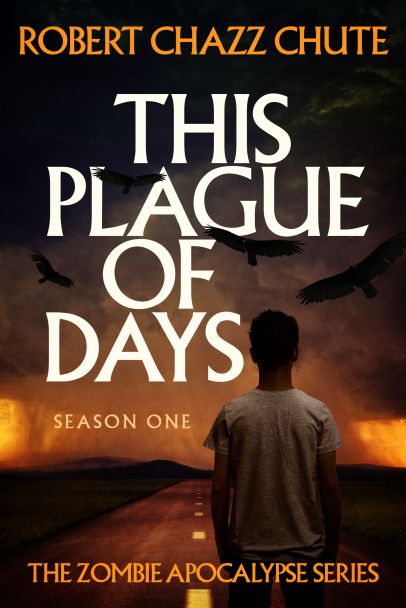





Winner of Writer's Digest's 2014 Honorable Mention in Self-published Ebook Awards in Genre


The first 81 lessons to get your Buffy on

More lessons to help you survive Armageddon

"You will laugh your ass off!" ~ Maxwell Cynn, author of Cybergrrl


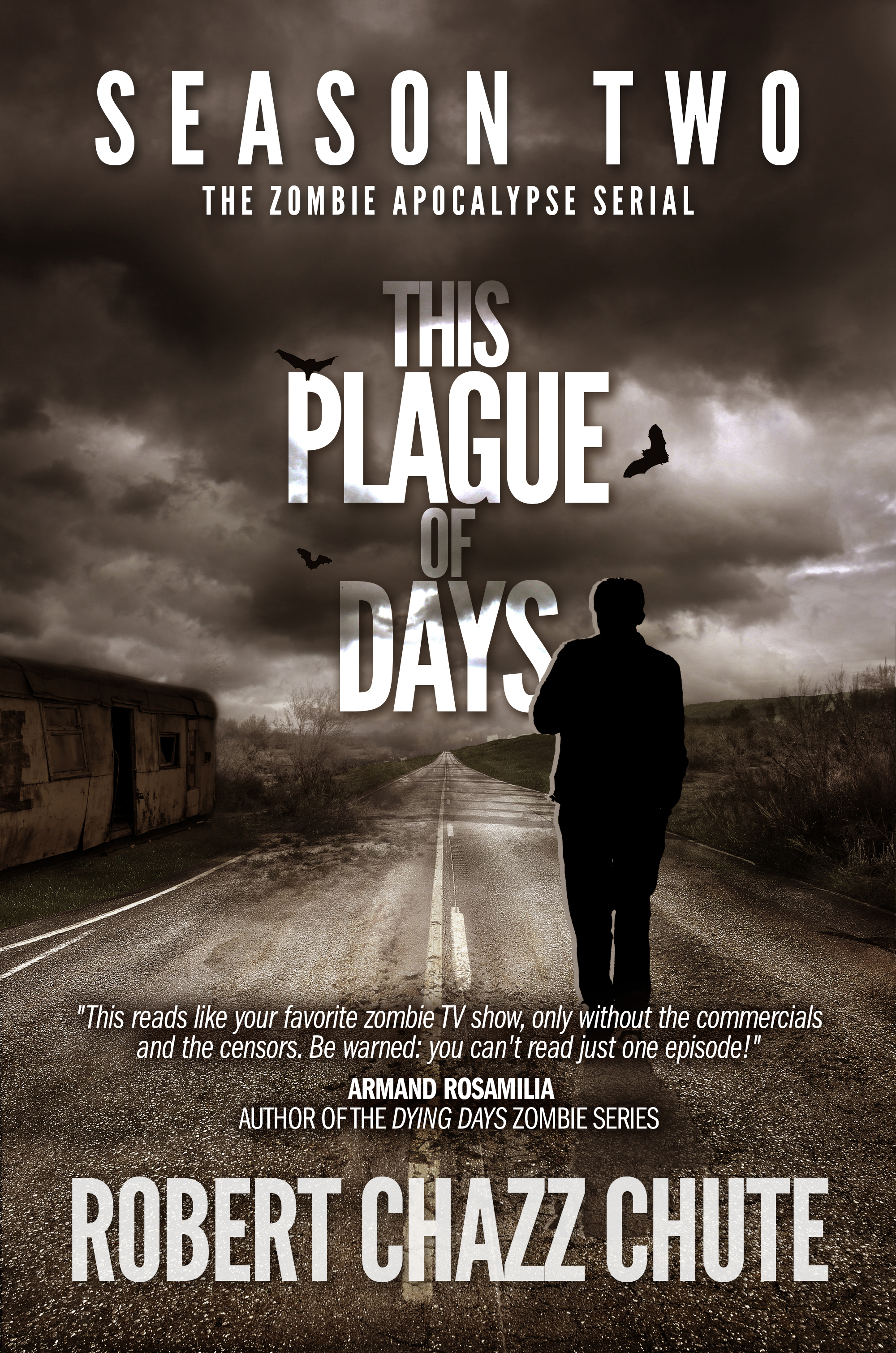
Fast-paced terror, new threats, more twists.

An autistic boy versus our world in free fall

Suspense to melt your face and play with your brain.

Action like a Guy Ritchie film. Funny like Woody Allen when he was funny.

Jesus: Sexier and even more addicted to love.
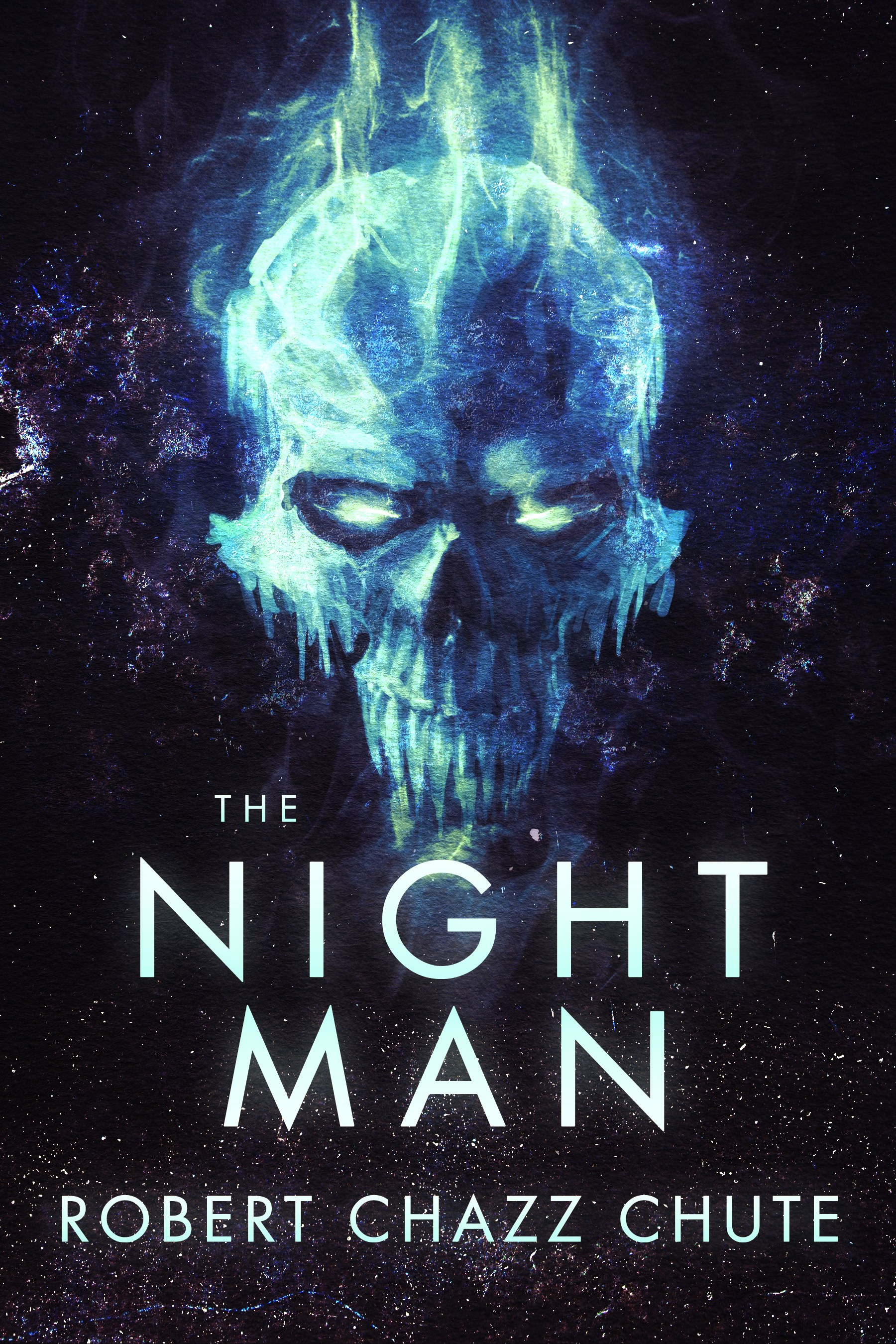
You can pick this ebook up for free today at this link: http://bit.ly/TheNightMan


See my books, blogs, links and podcasts.


 C h a z z W r i t e s . c o m