C h a z z W r i t e s . c o m

See all my books at AllThatChazz.com.

Your Computer Will Crash. Who you gonna call?

Sorry to scare you with that headline, but let’s face it, it’s going to happen. Your disk won’t last forever. At some point, system restore won’t work. Your motherboard will die and you’ll be faced with the blue screen of death. Hemingway’s wife lost his fiction on the train. You’ve got similar problems heading your way eventually. Entropy takes its price in our blood and—in the case of an author with a dead computer—tears.

How will you save your book? Where will your most precious files be? Have you printed everything out? Are you ready to find and retype all that? I didn’t think so. Me, neither.

SOLUTION 1: The cheapest backup is your own email. Label it well so you can find it again and store it on your email server. Just email it to yourself.Google allows you to do the same thing with a slightly fancier interface. When the end of your computer comes, your masterpiece will be somewhere that isn’t on your computer. That’s good, though slow retrieval file by file could be a real bitch.

SOLUTION 2: I’ve tried a dedicated external backup drive. I hate it. It’s cumbersome and the disk filled up too quickly. It was so frustrating to use it sits on my desk disconnected. The user interface sucked and it just couldn’t seem to do the job without confusing me. That’s $70 gone. (I got it on sale or I’d be $40 angrier.) If you’re a masochist, you could buy one, too.

SOLUTION 3: Carbonite. For about $55 bucks a year, this service will copy everything and, when the end comes, restore it quickly and easily. It will be as if your old computer’s ghost is resurrected on your new computer. Carbonite, I believe, is the best solution.* I signed up for the free trial once I heard about it from the Slate Culture Gabfest podcast. It works on the upload while you aren’t using your computer and its workings did not interfere with my work (unlike my TrendMicro security program! Grr!) Peace of mind is easily worth $55 a year.

*I’m not a shill for Carbonite. I’m just a believer.

And now my books, and all their many drafts, are safe.

Filed under: getting it done, web reviews, writing tips, , , ,

What I believe about FICTION

I believe:

1.  in the word, the power and the glory of its creation.

2. in the free expression of the word in all its forms.

3. free expression does the service of exposing bigots and liars. 

4. censorship is for children who can’t handle all the adult input at once.

5. censors would infantilize us all if they could.

6. we speak truth to power through the power of the word so we must preserve that power.

7. words can transport us and help us transcend the ill winds of circumstance.

8. sometimes fiction is our only escape and our only hope.

9. dreamers write so that one day they can make their dreams true.

10. fiction is the lie that tells the truth.

11. books, in whatever form they take, are our chance to better ourselves because we can sift through others’ experience without suffering their lives.

12. novels measure what we believe, poetry measures what we believe about ourselves and rock and roll allows us to escape who we suspect we are. (Rock out and rock on!)

13. Fiction is pretend, but it lets us open a crack of light in the darkness so we gain an opportunity to see ourselves as characters in the story of our lives.

14. through this device of fiction, we can safely explore who we pretend to be.

15. through fiction’s device, we can get past the lies we all tell about ourselves to reach authenticity.

 16. when we put pretending in its place, finally we can reach for the heroes we could be.

17. good reading can fill an afternoon.

18. great reading can fill your brain.

19. excellent reading can fill your heart and spur you to change yourself and others.

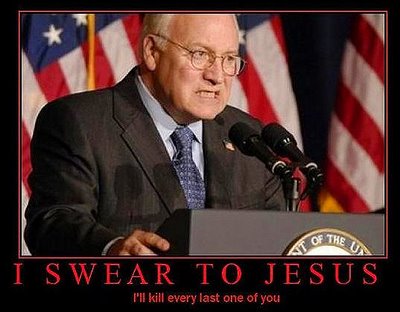
20. if I did not have words, I would paint and if I had no paints, I would sing. If I had none of these things to soothe my racing mind, I would be an  evil zombie combination of Darth Vader and Dick Cheney on PCP in a Sunday school, naked and raging with automatic weapons and a Joker smile that would chill your heart.

Filed under: Rant, What about Chazz?, , ,

Kindle Review: Using the Kindle in the Real World

This isn’t a tech review. What got my attention is the reviewer tried out the Kindle in different ways to see how she might actually use it.

Filed under: ebooks, web reviews, , ,

Beginners: How to Get an Ebook Online

~from www.createyourfirstwebsite.com

Filed under: ebooks

My Top Three (Living) Writing Heroes. Who are Yours?

 1. William Goldman: Author of Adventures in the Screen Trade and The Princess Bride. He wrote All the President’s Men, Butch Cassidy and the Sundance Kid and many others. He also wrote my favorite novel, The Color of Light. What sets him apart is his ability to twist a plot. Just when you think you know what will happen next is when he suckerpunches you with a surprise.

2. Kevin Smith: Director, raconteur, actor, comic book writer, Smodcaster. He wrote and directed Clerks starting with nothing at all. That alone makes him a DIY hero, but there’s more to this cat than 1992. He’s funny and smart, but it’s his facility with dialogue that gets him on my list. If it’s got quotes around it, he writes the shit out of it. Also, we could all learn something from his dedication to his fans and his horizons. He started a podcast, took it on the road and now has a regular home for his shows (Smodcastle.) He’s made a lot out of a little with merchandising and owns two comic book stores to boot. The dude knows how to work a keyboard and a fan base. He is loved.

3. Chuck Pahlaniuk: This author of Fight Club started late (early 30s) but is prolific. He has already equalled the number of books Kurt Vonnegut wrote in his lifetime. His fan base is The Cult and he spread a cultural phenomenon once Fight Club hit the public consciousness. He’s on this list because I share his dark sensibility, but my respect for his work goes deeper than that. He’s a very successful author who is willing to push his envelope with experimental fiction. You either love or hate Pygmy, in which the entire text is related through the broken english of a terrorist infiltrating America. Rant is a weird biography. Snuff details the weirdness of a porn shoot in gruesome detail. He’s not trying to do the same book over and over (Yes, I’m looking at you Bret Easton Ellis.) Is it horror or is it funny? The answer depends on the reader.

That’s the first three who came to mind. These three might strike you as strange choices. For instance, where’s Hemingway? Lists like this usually point to dead writers. It’s what I call “generational inertia.” Our english teachers and professors are still talking about a lot of dead writers because that’s who their english teachers and professors talked about.  Stephen King won’t be on anybody’s else’s immortality list for years yet (such an idea was sacrilege when I was in university and is merely implausible now.) Yes, I love a lot of dead writers, but they are easily found on lots of other lists.

So the question today is:

Who are the living writers you idolize?

Filed under: Books, Writers, , , ,

Cool Word of the Day: Genian

Genian:

of, or pertaining to,

the chin.*

(This is the antidote to the last post which, I know, was way too long!)

Filed under: Cool Word of the Day,

Freelancing doesn’t mean free. Get paid!

Too many writers are working for free, or nearly free.

First, let’s talk about lit journals. My Chapters doesn’t even carry any of them anymore. They have tiny readership. You could dedicate yourself to putting your work up on your own website and you could have more readers in a day than many lit journals have in a year. You could argue that wouldn’t be easy (but anything that’s worth doing isn’t easy.)  In the end, you’d have more exposure through your own site (assuming your work is any good) and your readers would be your readers.

Many lit journals pay in subscription copies AKA bird cage liners. You’re supposed to be so bowled over by the fact that you’re published in a tiny journal that you don’t mind a payment of zero. Prestige is illusory and or fleeting. Publication in a journal that so few people read can make you feel great. It doesn’t make the achievement important to your career. Writing credits are nice, but they aren’t the most important component of a query letter. Like the AMC commercial says, “Story matters here.”)*

Or they’ll say you have to “pay your dues.” No. You don’t. You have to work on your skill, but getting rejected by literary mags doesn’t improve your skill. Writing and editing do that. You learn nothing from rejection letters other than the fact that you’ve been rejected.

Once upon a time, writers could actually make some decent money out of writing for magazines. Kurt Vonnegut did. Stephen King bought beer with his stories in Screw. Back then, writers saw any magazine that would publish (and pay) for fiction as a gateway to the big leagues: writing longer works, like the Great American Novel. Then the world changed and no one was reading Screw for the stories, anymore.

Journals aren’t a gateway to publication in a larger venue anymore. If an agent is trolling the lit journals for talent, you have to wonder why when they should have a stack of queries on their desks to sift through. Agents don’t need lit journals to act as screeners for new talent, so neither do you.

Next target: freelancing does not mean free. When someone asks you to write for free, they’re devaluing your work (and worse, mine!) You can be sure everyone else in the process will be paid. They’ll pay for their computers, the electric company, the printer and everything else. Why not you, who is providing the content? (You know? The reason anyone picks up the publication? You write the stuff in the hole between the ads!)

When you write for someone, it’s a responsibility. Certain requirements must be met. For instance, you can’t libel anyone or plagiarise someone else’s work. You may not be guilty, but that doesn’t necessarily mean no one will complain (or sue.) In other words, writing entails risk, usually just to your ego at the hands of someone writing a letter to the editor to complain about your take on reality. Don’t assume a risk you won’t even be compensated for minimally!

Charging for your work means you value your work and know that others should do so, as well. Failing to charge means they won’t take you seriously. Someone might say they are letting you “try out.” How will that work? You sweat out a piece for them, charge nothing and they’ll maybe pay you next time? How well do you think you’ll be compensated when you’ve already set your base price at zero?

You get the idea. But I hear someone crying out, “What about the exceptions? Am I an exception?” Yes, there are exceptions. If you’ve never written anything and need a clip file, okay. Choose something small and gain some experience. Don’t wallow in that pit too long.

What about gifting? Scott Siglar built his current success on giving away his books on the internet as podcasts. He was smart about it, though. He not only built a fan base, he gave out his fiction a little at a time. A lot of readers became fans of his fiction and proceeded to buy the book because they just couldn’t wait for next week’s installment. (Seth Godin talks a lot about gifting and being smart about it. Read his stuff before you try that path so you can be smart about it, too.)

Insisting on getting paid doesn’t mean you aren’t flexible. Here’s a story from the trenches that happened to me recently. A client wanted me to ghost  an advertorial piece (3,000 words) for a magazine. He hopes to get a lot of people signing up for his courses and the magazine will give him a free full-page advertising page in return for the article. This isn’t an uncommon arrangement. He asked if I would write it for him. I gave him a consult so I knew the parameters of the job. I thought about it and named my price. $850 + HST.

That wasn’t the budget the client had in mind, so he had some sticker shock.

I understand that sometimes a fee can seem like it comes out of the blue, but I gave him my reasons:

1. Ghosting always costs more. His name would be on it. I’d be the invisible guy who did the work. No publication credit bumps up the scale.

2. As with the credit, he’d also retain the rights in perpetuity. He could use my work however he wanted for the rest of his life. (Ad excerpts, emailing, flyers, brochures, web copy etc.,…

3. Part of pricing is to identify what the work is to accomplish. In other words, what’s the client’s ROI (Return on Investment)? I command high fees for a speech for an association because my work will drive up membership numbers for said association. Likewise in this case, it wouldn’t take very many people signing up for the clients’ courses to pay my fee (which is starting to sound paltry, isn’t it?)

4. I checked. The ad page the client is getting in exchange for the 3,000 word story sells for $600. If one page of advertising (where the copy is sparse), shouldn’t my multi-page rate reflect that fact?

So the client balked at the full fee. What to do?

I negotiated. I said, no problem. I’ll cut my fee in half if he writes it and all I have to do is edit it. That will take less of my time, so that’s fair to me and okay with the client.

FUNNY ADDENDUM: The client found that writing the 3,000 word magazine piece is not easy. I talked to him on the phone and sent him a rough outline to structure his thoughts. I’m making sure that the editing job won’t end up taking up too much time that way. This client is a good guy who respects my work. He let me know that he’s going to try to plow ahead, but if I have to take over, he’ll get me my full fee, after all. Either way it shakes out, I will feel good about the project because I gave away a little, but got a lot. And so will the client. 

If you get your cheque and think, “That’s it?!” or you’re grumbling about the time lost while you work, it’s definitely time to take up animal husbandry…or raise your rates. I hope you aren’t raising your rates up from zero!

*BONUS: If they have to pay you in bird cage liners, they are undercapitalized. Most of these journals don’t pay until publication. If they’re that underfunded, there’s an excellent chance they won’t even be around by the time they get to publishing your story. It’s happened before. Lots.

Filed under: agents, publishing, Rant, writing tips, ,

Bestseller with over 1,000 reviews!
Winner of the North Street Book Prize, Reader's Favorite, the
Literary Titan Award, the Hollywood Book Festival, and the
New York Book Festival.

http://mybook.to/OurZombieHours
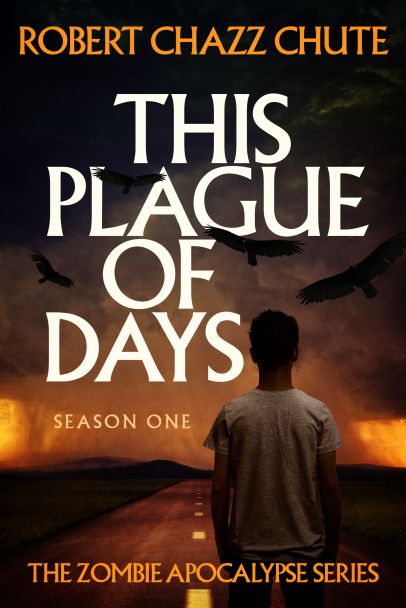
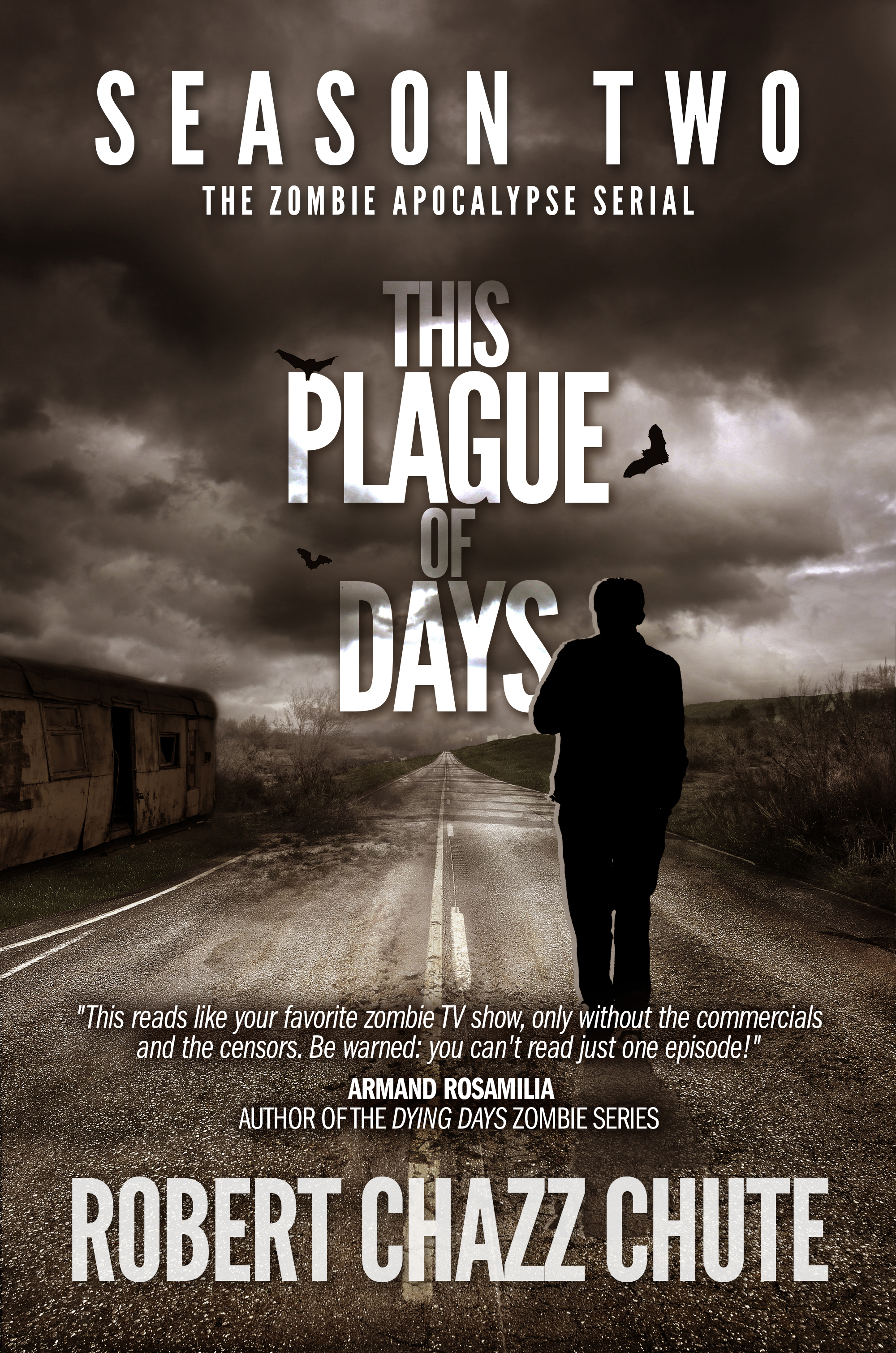
A NEW ZOMBIE ANTHOLOGY

Winner of Writer's Digest's 2014 Honorable Mention in Self-published Ebook Awards in Genre

The first 81 lessons to get your Buffy on

More lessons to help you survive Armageddon

"You will laugh your ass off!" ~ Maxwell Cynn, author of Cybergrrl

Available now!

Fast-paced terror, new threats, more twists.

An autistic boy versus our world in free fall

Suspense to melt your face and play with your brain.

Action like a Guy Ritchie film. Funny like Woody Allen when he was funny.

Jesus: Sexier and even more addicted to love.

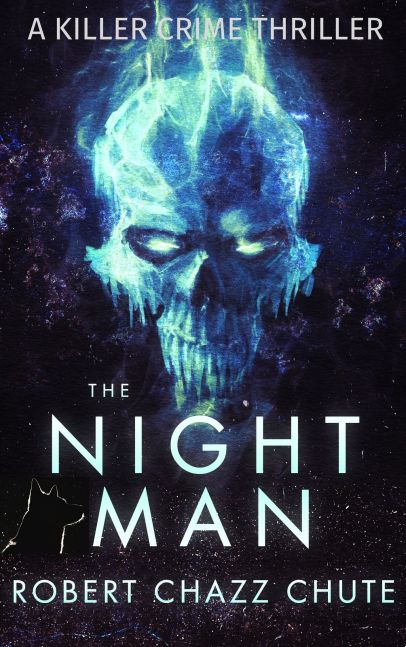
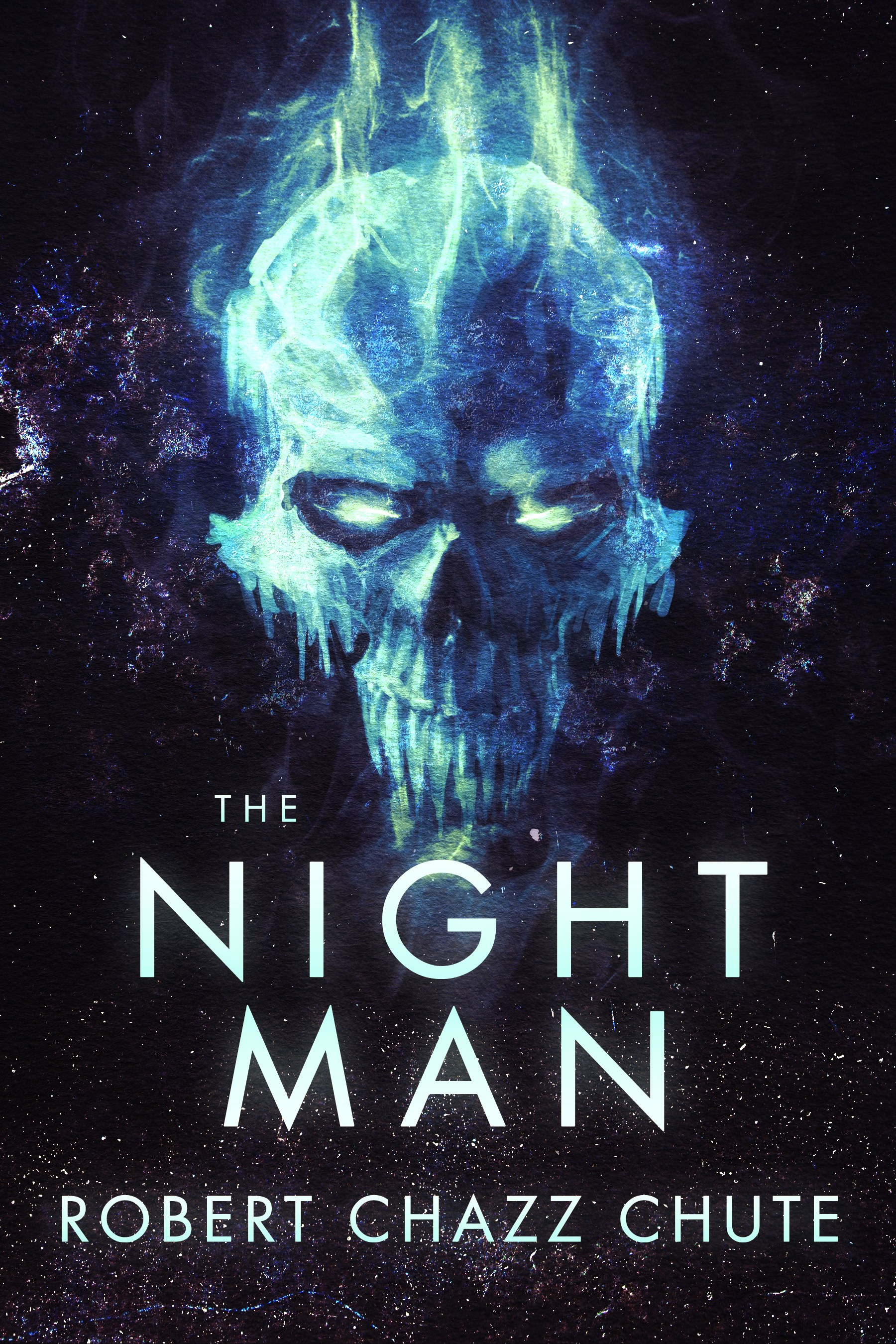
You can pick this ebook up for free today at this link: http://bit.ly/TheNightMan

Join my inner circle at AllThatChazz.com

See my books, blogs, links and podcasts.

Enter your email address to follow this blog and receive notifications of new posts by email.

Join 2,063 other subscribers