
Filed under: agents, Books, Intentionally Hilarious, publishing, Rant, Rejection, Writers, publishing fantasies, rejection, wannabe authors, writers and rejection

11/30/2010 • 4:10 PM 1
Filed under: agents, Books, Intentionally Hilarious, publishing, Rant, Rejection, Writers, publishing fantasies, rejection, wannabe authors, writers and rejection
11/30/2010 • 11:12 AM 0

Over the weekend, inspired by the social media conference I attended, I got signed up for Linked In. I had signed up a long time ago, but frankly, I really hadn’t done anything much with it. Stuff you don’t engage with doesn’t count, so Linked In didn’t count. However, the more I explored the site and played with it, the more I understood that there were some great conversations I was missing out on. So I got engaged again.
One of the great things about Linked In is that it suggests groups and associations and companies that dovetail with your interests. One of the groups—I guess I won’t name them because I don’t know if I’ve been accepted yet—sent me a list of rules as a preliminary how-to and how-do. The group moderator’s membership criteria was that I wasn’t going to join in on their forums just to get all spammy. In some detail, the moderator warned me that I shouldn’t post on their site just to introduce myself and say hello. (I’ve been a member on other forums wherein that’s their first request of noobs.) None of this was personal. The forum had a large membership and I undertand they want to keep it clean if not pure.
Basically, I was to contribute on-topic value at all times, never straying into self-promotion and blog blaring.
Well, okay. But…
Look, I don’t want to be spammy. At the conference, one social media guru referred to that as “Shout Marketing.” That’s basically being obnoxious with outdated marketing approaches where the information goes in one direction and the message is “Buy! Buy! Buy! Hire the magic that is ME, for the love of god!” and so forth.
What makes social media “social” is that it’s a conversation. Information goes back and forth. You interact with customers who (gasp) give you feedback, leave comments, contribute their own thoughts and opinions and (worse!) let you know how you’re doing.
So the forum admin had a point about avoiding the old style of marketing. However, the implication that we can all totally divorce our marketing roles from the life of the mind is also outdated. If you’re an artist of any sort, you need to market yourself. Writers comment on blogs and engage in conversations because it’s fun and interesting. They are also trying to sell their books. There’s no shame in that as long as you use the new style of marketing (engaging in conversation) and not getting all spammy over their screens.
I’ve noticed some people on Twitter get a tad irked when too many tweets from one person are too advertorial. I’ve felt this way, too. For instance, I love Chuck Pahlaniuk’s fiction, but his Twitter account seemed to be managed for him by one of Skynet‘s spambots. As vast as his cult is, Chuck doesn’t appear to be engaging with his audience as a person. As a result, I reluctantly unfollowed the author. No hard feelings. Still love most of the books and Fight Club is an all-time favorite.
So what I’m saying is, you can sell effectively without being obnoxious. By all means, let us know about your next book signing so we can show up and engage you there, too. But:
1. Be authentic.
2. Be yourself instead of your intern.
3. Have conversations. Have opinions.
4. If it’s all spam, you will be unfollowed and your blog shall go unvisited and unlamented.
Me? I retweet links that interest me. I sometimes go off on tangents that aren’t about writing and publishing. I hope you’ll like me and visit the blog often. (Updated here, Monday to Friday! Same Bat-time, same bat-channel!) When I have a service to sell (like my editing services) or when I have an e-book or tree book to sell, I hope you’ll like me enough to consider laying out some moolah for my work.
I say unto thee, I am open, honest and unashamed. I am marketing myself because that’s what creators must do now. As long as you don’t feel that’s all I do, you’ll probably stick around. I don’t need millions of followers who don’t give a shit about me. A core constituency that does care (and forgive my occasional missteps) will do fine.
The take-away truisms are:
1. First you sell yourself.
2. Then you sell your product.
3. You do so by doing what we’re all here to do. We serve each other.
Filed under: blogs & blogging, Books, ebooks, Editing, Editors, getting it done, Publicity & Promotion, publishing, self-publishing, Social Media, Useful writing links, web reviews, Writers, Business, Conversation, Facebook, Internet forum, LinkedIn, Marketing, social media, Twitter
11/29/2010 • 1:50 PM 0

Image via Wikipedia
This morning I mentioned I have some authors lined up for profiles for publication in this hallowed space. For instance, author of My Camino and friend of the blog, Sue Kenney, will share her journey across Spain and to publication in the near future. Not only is she an author, she’s a filmmaker, too.
Why can’t you spread the glory of your achievement, too? Answer: You can! I want to pick your brain.
I love books and love to hear from authors about their struggles and successes. If you’re an author with a book you want the world to know about (and if you have a book, why wouldn’t you?), shoot me an e-mail at chazz@chazzwrites.vpweb.ca.
I’d like to make author interviews a regular weekly feature if I get enough interest. If your fiction or non-fiction looks like a good fit, I’ll send you a questionnaire to answer et voilà! Instant book promotion as we delve into your climb to the literary pinnacle.
Brains! Brains! So hungry! I want to pick at your brain!
Related Articles
Filed under: blogs & blogging, Publicity & Promotion, publishing, self-publishing, Useful writing links, web reviews, Writers, Author, author interviews, author profiles, book marketing, book promotion, books, Literature, publishing
11/29/2010 • 11:44 AM 0

Image by burntbroccoli via Flickr
Saturday I dropped into SMarts, the London Social Media Un-Conference, a conference on social media for artists. I picked up a few ideas that could prove helpful in the long-term. No matter who you are, there’s a gap between where you are and where you want to be. Here’s what I’m considering to close that gap:
1. Using YouTube much more for this blog and making my own videos People are visual. If your tweet has the word VIDEO in it, people click through.
2. Using feedburner and hootsuite to make my social media content management more efficient. I checked into hootsuite last summer when a couple social media gurus at a writing and publishing conference recommended it. I had a major problem with the hootsuite interface back then. The bad went to worse when the application wouldn’t allow me to delete the account so I could start again and customer service was nil. Maybe now I’ve recovered enough that I can try another run at it. If I can get it to work right this time, it means saved time. Saved time equals more writing time, more editing time and more time for more clients. (Or a relaxing hot toddy by the woodstove.)
3. I’m thinking about blogging a book. I’ve got several novels written (but the revisions aren’t yet finished.) That could really be a fun way to go with it.
4. I’ve got non-fiction content about publishing that could be very effective as an e-book. I’m going to research Book Brewer as one possibility to create the e-book. (Mignon Fogerty had a great interview with Book Brewer’s president recently on Grammar Girl.)
5. I need to reach out to more people to engage people in conversation (and so I have.) I’ve contacted four authors so far about doing a profile on this blog. I’m really excited about this for several reasons. I love books and authors. This is an opportunity to learn directly from various authors’ publishing experiences.
Watch this space. Coming soon. Stay tuned.
All that stuff.
Filed under: blogs & blogging, book reviews, Books, DIY, ebooks, Publicity & Promotion, publishing, self-publishing, Social Media, Writing Conferences, writing tips, ambition, closing the gap, Facebook, HootSuite - Social Media Dashboard, publishing, self-promotion, social media, Twitter, YouTube
11/26/2010 • 2:05 PM 5

Image via Wikipedia
This article in the Globe and Mail advises you drop tweeting from your schedule. The main point is, writers waste time tweeting when they don’t have something to sell.
I’m not sure why anyone thinks a writer’s e-marketing time should be all or nothing. It’s probably useful to market to your audience, present or future. Your marketing time should not cut into your writing time. If it does, you either aren’t writing enough or not prioritizing. Blogging and tweeting to your market (present or future) should be a fun thing for you to do. If you don’t like it, then don’t do it.
I tweet, but always during time that would otherwise be dead time (e.g. waiting for something, while suffering insomnia or during commercials when I forgot to PVR something.) I enjoy blogging about writing and I make time for it. As a result, I watch a lot less TV than I used to do.
But writing time has to come first. The real question is, must you blog or make a book trailer or tweet to your followers? Can’t you just leave that to someone else when the time comes? (Answer: No. Selling anything means selling yourself.)
The Globe article suggests that it is often contests that curate bestsellers (especially in Canada.) Mm, yes, but what if you don’t write the sort of fiction that’s likely to even be considered by the Giller Prize panel? You can’t leave your book’s promotion to the whim of a handful of people, not when the power of the Internet is right in front of you.
It’s worth noting that publishers expect authors to shoulder most of the responsibility for promoting their books. Your publisher and agent will want you to have a blog as a home base that all your marketing efforts feed. If you’re into self-publishing, it’s all you, though that’s arguably not much different from what it ever was. (I’ve been a publicist and I’ve worked with publicists. What they’re doing is not rocket science. You can do it and if you won’t do that, at least control it.)
Do people follow you on Twitter and then buy your books based on those interactions? I bought a Scott Sigler book after he shot me a kind tweet. If Margaret Atwood alerted to her Twitter followers that she was holding a book signing at a particular bookstore, not only would they all get her message, that’s free targeted marketing to a group very likely to show up if they can.
Is social media marketing the norm for book marketing? Answers: Yes, no and not yet. Yes, because it’s the cheapest way to go. No, because the are many authors and publishers out there who haven’t embraced the full power of social media’s potential. Lots of people still think Twitter is about letting people know about that spicy burger from lunch backing up on you. They don’t get that Twitter can push information you want to you (sometimes information you didn’t even know you needed.) And finally, not yet, because I wouldn’t count on that “no” remaining stable.
Yes, there have been authors who did not promote themselves. JD Salinger became a recluse and never tweeted. However, that’s a lousy example for two reasons:
1. He was JD Salinger and we aren’t.
2. The world (and the world of publishing) has changed drastically, even among those who are reluctant to embrace new models.
For instance, the number of book sales reps has plummeted. Interactions through Twitter and Amazon Reviews and Blogs and search engines: All that technology has turned up the volume on the marketing environment so it’s hard to hear the tiny books by unknown authors who aren’t stepping up to speak for themselves.
Yes, I know you have lots of books on your shelves and most of your buying decisions were not influenced by anything you saw on Twitter. You’re right. But as e-books flood the market from self-publishers, you won’t be right about that for long.
Build your following now so when you do have something to sell, you’ll have lots of people to spread the word. If you don’t begin to market yourself until you have a book to sell, you’re already late.
First I have to buy in to you. Then I consider your product. Twas always thus, but now more than ever.
Filed under: blogs & blogging, book reviews, Books, links, Media, publishing, Rant, self-publishing, Twitter, Useful writing links, web reviews, Blog, book marketing, book promotion, Margaret Atwood, publicity, Scotiabank Giller Prize, Scott Sigler, social media marketing, Social Networking, TweetDeck, Twitter
11/26/2010 • 12:12 PM 0

Image via Wikipedia
23 Websites that Make Your Writing Stronger
The Official BookBuzzr Blog, TGIF Book Marketing Tips: Your 10 Point Website Check Up
Filed under: links, Publicity & Promotion, Top Ten, Useful writing links, web reviews, Writers, writing tips, author websites, book marketing, website improvement
11/25/2010 • 7:56 PM 0

The New York Times has some suggestions:
Do you have any recommendations? Must-haves? I’m especially interested to hear if you have a little-known book that hasn’t received the attention it deserves. Also, since they can be the most difficult to shop for, what gift ideas do you have for young adult and children’s books?
Filed under: book reviews, Books, links, web reviews, Arts, book recommendations, books, Children, Children's literature, Christmas, Christmas and holiday season, gifts, New York Times, Shopping
11/25/2010 • 11:25 AM 0
I’ve read The Know-It-All, The Year of Living Biblically and The Guinea Pig Diaries. I enjoyed them all (and even interviewed the author once for a story.)
This is research as performance art that manages to be both funny and educational. I suspect AJ has OCD, so diligent is he in his life experiments.
I’ll also add what everybody says after reading his books: His wife has the patience of a saint.
Filed under: book reviews, Books, Writers, AJ Jacobs, book trailer, The Guinea Pig Diaries, Year of Living Biblically
11/24/2010 • 12:12 PM 0
Hey everyone. I’m still in rehab for a bum shoulder but things are improving and it appears it won’t kill me through the magic of ultrasound, chiropractic, exercise and scapular manipulation. I am taking it a little easier this week since the keyboard has made the pain worse in the last week. That said, I’m still blogging through the magic of curation.
I can still read and I’ve been reading a lot, mostly with an ice pack crammed under my shoulder blade. I finally got around to reading Neil Gaiman‘s American Gods. The work impressed me. I’ve been a Gaiman fan since the Sandman comics. What’s more, the author impressed me. His artistic vision was broad (as usual) and his plot choices were bold. (Though it did leave me wondering where the Presbyterian God and Allah were on the battlefield.) I’m getting to Anansi Boys next. It’s been waiting for me, sitting on the shelf for a long time.
Finally, when I blog about editing, the topic is a sure bet to pump up the number of visitors. Yesterday’s post (immediately below) was no different. Here’s a more positive take:
Filed under: blogs & blogging, book reviews, Books, Editing, Editors, Useful writing links, web reviews, Writers, American Gods, Anansi Boys, editing, editors, Neil Gaiman, sandman
11/23/2010 • 11:10 AM 0

Image by pirateyjoe via Flickr
Most editors are pretty good to great. Then there are the others. Here’s how to be one of those bad editors:
1. Edit without being asked. A copy editor I knew came up with a detailed critique of small advertisement I had for one of my businesses. I hadn’t asked and his manner was that he had caught me out at something. He hadn’t, actually. He didn’t like the paragraph’s wording but everyone else was okay with it. At best, his editorial suggestion was a lateral move. Worse, when I gently brushed him off, he didn’t have the grace to shut up. Then I had to brush him off with force.
2. Treat catches like a moral victory. A newspaper editor descended on me because, on my first day, I wrote Sidney instead of Sydney, Nova Scotia. I thanked her for catching my error. “This is not a minor error!” she said. “I said thanks,” I replied. “Were you looking for? Blood? I’m fresh out.” Mistakes happen. It was her job to catch my errors. I owed her my gratitude, not an apology.
3. Be very sure, and pissy about it, even when you’re wrong. A teacher, who was presumably responsible for helping generations of students, circled a word in a business document. She used her red pen as if I were one of her unfortunate, young charges (though I was about 30 at the time.) “You got this wrong!” she said with delight. (See #2) By that time I’d already edited and/or proofread hundreds of books. I knew what I was talking about and here’s the rule: You affect the effect. This is a common mistake. She stayed sure I was wrong. It was just too delightful to think she was right, I guess. That’s another common mistake.
4. Treat your writers like crap. (And refer to them as “your” writers, as if we’re owned.) Working in a big daily’s newsroom was an intense environment, sometimes unnecessarily so. For some reason, the air was also very dry. You’d think all those tears would be humidifying. Anyway, I had a nosebleed and some assignment editor (who was all of a year or two my senior) walked up and dropped an assignment on the keyboard upon which I was trying not to bleed. He didn’t say a word about my hemorrhage and went on about his work. A year later I was working in publishing with someone who had worked at the Toronto Star and she told me she’d experienced the exact same story with a person who was just as uncaring about her welfare. Weird.
5. Be a strict grammarian. Insist on obsolete rules. Insist the legendary “to boldly go where no one has gone before” was a mistake in two Star Trek series, a crime worthy of beheading. And never allow anyone to start a sentence with “And.” Also, grow visibly nauseous when anyone dares to end a sentence with a preposition. That’s something up with which you will not put.
6. Insist that new word usage is the cause of all our economic, political and moral woes. Insist we should freeze the language at some arbitrary point that makes you comfortable. Verbing nouns particularly irks you. Exclaim your objections and try not to faint with the vapours when someone says, “I’ll google that.” Civilization began to end when we started using “impact” as a verb and texting abbreviations are not analogous to a new language. Texting is a sign of End Times.
7. Be a tyrant. Change your mind. A lot. This is particularly fun for assignment editors. Expect writers to read your mind about how you want the story to go. Don’t tell them what you want. That would ruin your fun. Instead, get angry when they guess wrong. For extra bonus douche points, decree that you loathe simultaneous submissions and take forever to answer queries (or don’t answer them at all.) Pay a pittance on publication. Better, pay in bird-cage liners and tell seasoned writers they should be grateful you’re allowing them to “pay their dues.”
8. Be cruel in your rejections. When work you’ve turned down succeeds elsewhere, never doubt your judgment. Sniff at the plebian tastes of the masses instead. Better, put up examples of queries you find execrable and hilarious on your website. Mock it mercilessly. Sure, you’re a ball breaker and a soul crusher, but if you call what you do helping, it’s okay.
9. When you edit, don’t focus on making the text better. Focus on making yourself feel better. It’s that kind of prioritizing that can make you a famous infamous editor. Be sure to crow to everyone how x,y, and z author owes everything to you because you gave them their big break. Act as if you did them a favour (instead of the business decision it really was.) When your fledgling authors come to their senses and flee to work with someone sane, declare them a bunch of ingrates and try to have them banned from ever making a living or even having lunch in your town again. (Yes, these legends aren’t just in New York. I’ve met a couple of these demons in Toronto’s publishing houses,too. They’re people who never figured out that it’s not how you treat your superiors and your supposed equals that defines you. How people see you is determined by how you treat your assistant and those lowly writers.)
10. Be a frustrated writer. I once knew an editor who worked in educational publishing. She was a nice person, or at least I thought so until I saw an example of her work. While it’s true, particularly of educational publishing, that there is a style to follow, her changes to copy were gratuitous. She wanted to write, not edit. It showed.
Follow these ten examples and you will soon be recognized as an editor to fear, loathe and avoid. Congratulations!
Filed under: Editing, Editors, grammar, Horror, publishing, Rant, Top Ten, bad editor, editing, editor, editors, Toronto Star, writer, Writers Resources
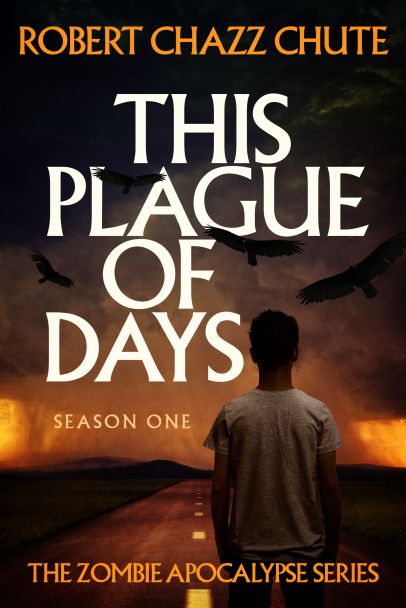





Winner of Writer's Digest's 2014 Honorable Mention in Self-published Ebook Awards in Genre


The first 81 lessons to get your Buffy on

More lessons to help you survive Armageddon

"You will laugh your ass off!" ~ Maxwell Cynn, author of Cybergrrl


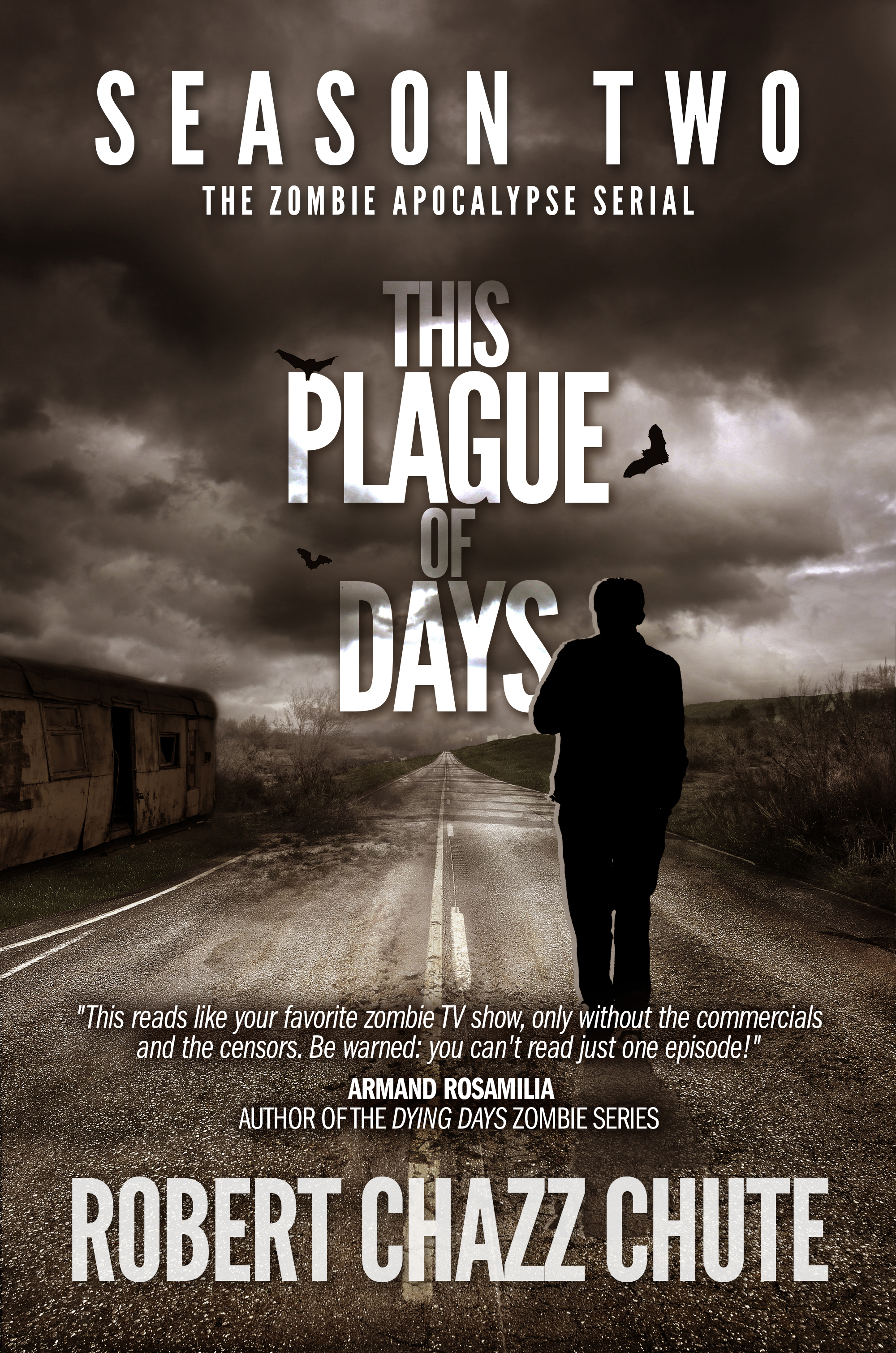
Fast-paced terror, new threats, more twists.

An autistic boy versus our world in free fall

Suspense to melt your face and play with your brain.

Action like a Guy Ritchie film. Funny like Woody Allen when he was funny.

Jesus: Sexier and even more addicted to love.
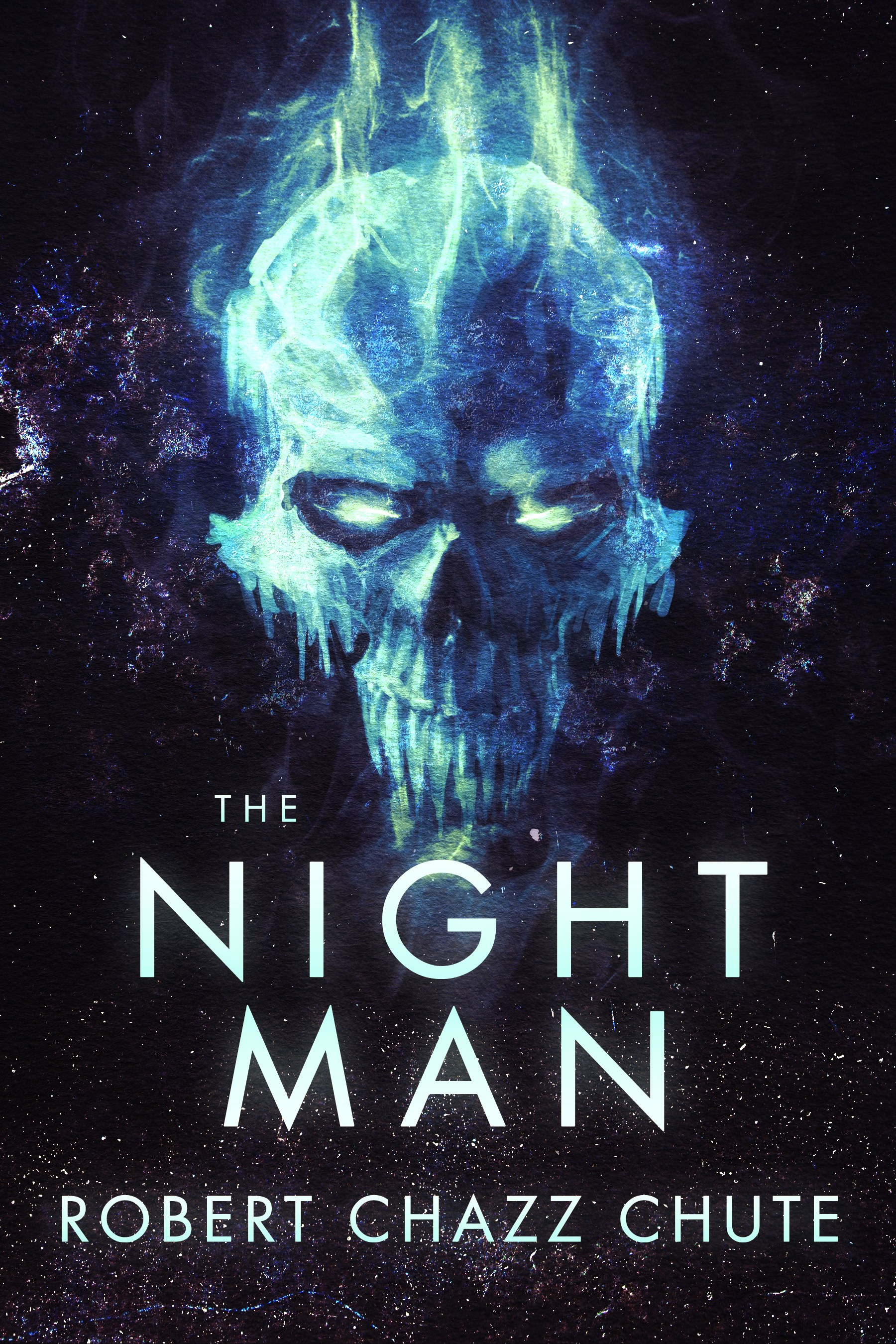
You can pick this ebook up for free today at this link: http://bit.ly/TheNightMan


See my books, blogs, links and podcasts.

 C h a z z W r i t e s . c o m